
Aesthetic Treatments for Cancer Patients
At our clinics in Madrid: Calle Serrano 143 and La Moraleja
Specialist aesthetic therapists in
Skin Care for Cancer Patients
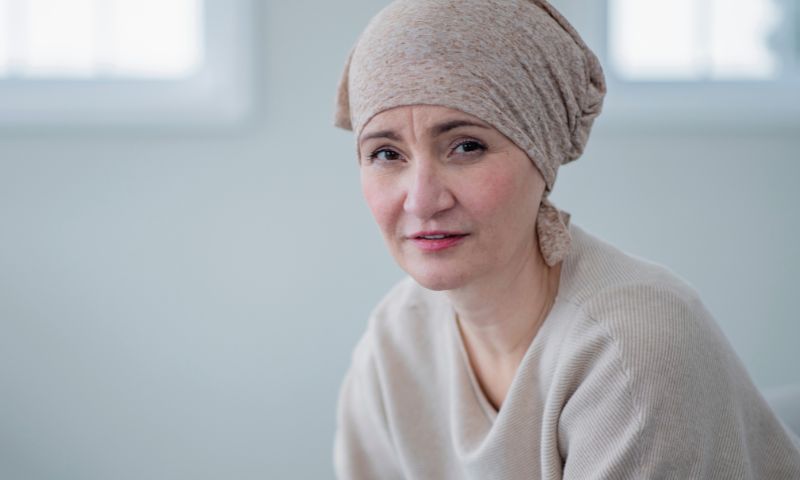
Cancer treatment can cause significant skin changes: extreme dryness, sensitivity, irritation, scalp alterations, or side effects affecting the hands and feet. These changes not only have a physical impact, but may also affect patients’ self-esteem and emotional wellbeing. At Grupo Pedro Jaén, we offer specific aesthetic treatments for cancer patients, agreed with the Group’s dermatologists and dermatologists expert in hair disorders. Protocols are adapted to each stage of the process — before, during or after anti-cancer therapy — ensuring safety, comfort and comprehensive support.
Recognised reference clinics in Spain
Home > Aesthetic Medicine > Complementary Treatments > Special Treatments > Cancer Patients
What sets us apart
Safe, manual care coordinated with the medical team
Led by Amparo García, a facial aesthetics specialist with more than 20 years of experience and specific training in oncology aesthetics, these treatments are designed to provide cancer patients with care adapted to their skin. Sessions are carried out entirely manually, in a private and comfortable setting, using skincare products and active ingredients specifically developed for the skin of cancer patients. Individualised dermocosmetic advice is also included.
Scalp treatments
Intensive hydration
Specific Treatment for Hands and Feet
Facial aesthetic treatments for cancer patients
Dermocosmetic advice and support
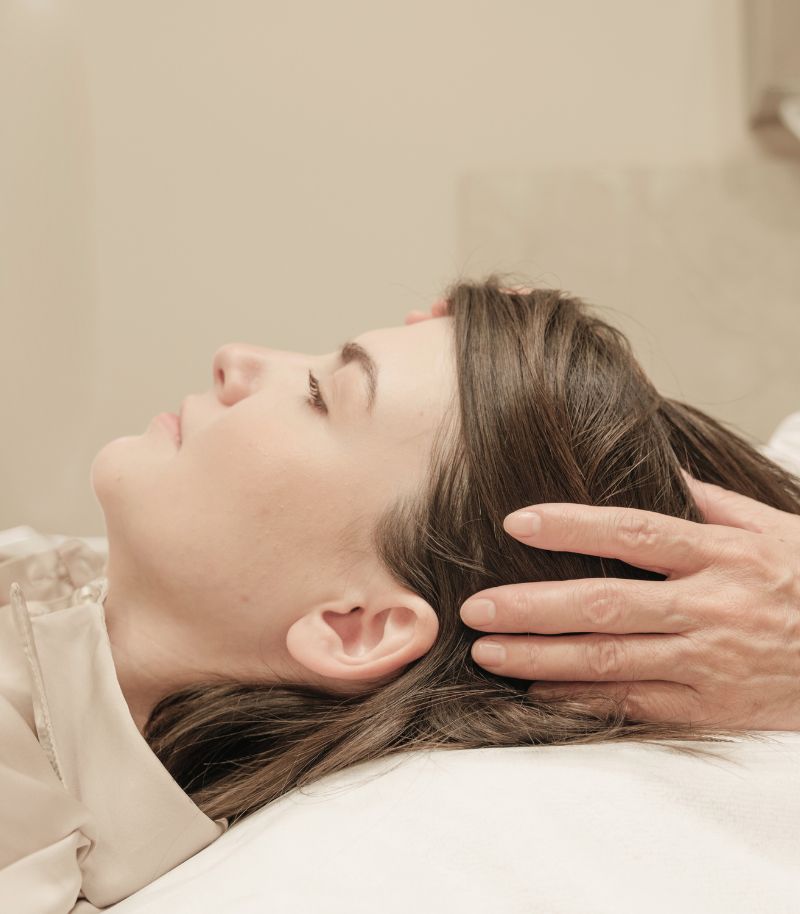
Scalp treatments
Cancer treatment, especially chemotherapy, may cause hair loss. Beyond its emotional impact, alopecia associated with anti-cancer treatment also makes the scalp more vulnerable because of the loss of its natural protective function.
The scalp of the cancer patient
In this context, the skin of the scalp often becomes more sensitive, dry and reactive, with tightness, irritation or itching. Aesthetic care at this stage is aimed at preserving the integrity of the skin barrier, maintaining adequate hydration and reducing the risk of secondary infection or discomfort associated with the continuous use of scarves, turbans or wigs.
Preparing for hair regrowth after treatment
The aim is to support this process with respectful protocols adapted to each patient, always prioritising comfort and skin protection. Appropriate scalp care during this stage may also help create a more favourable environment for hair regrowth once cancer treatment has been completed.
Each care plan must be established individually and coordinated with the responsible medical team.
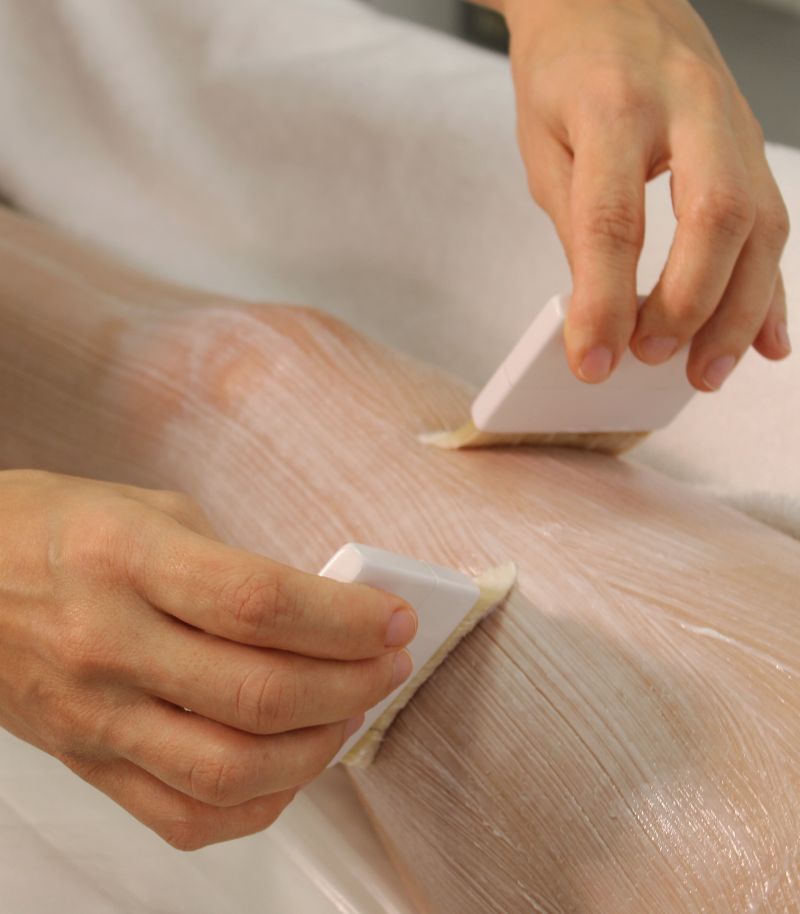
Intensive hydration
Chemotherapy and radiotherapy may alter the skin barrier function, encouraging the appearance of severe xerosis. This extreme dryness presents with itching, redness, scaling and increased sensitivity on both the face and body.
The intensive hydration treatment designed for cancer patients aims to restore the balance of the hydrolipidic mantle, reinforce barrier function and improve skin elasticity. To achieve this, specific products and techniques are used, adapted to each patient’s clinical situation.
Relief for dry skin
Appropriate hydration helps relieve itching and irritation and contributes to preventing fissures, erosions and secondary infections associated with skin fragility and scratching. Improved skin comfort may also have a positive effect on sleep quality and general wellbeing.
Facial and body care
Facial and body sessions are carried out using protocols carefully designed for this stage, always prioritising safety, gentleness of technique and individual adaptation. Beyond their cutaneous benefit, these treatments offer a space of comfort during a process that requires particular care and support.
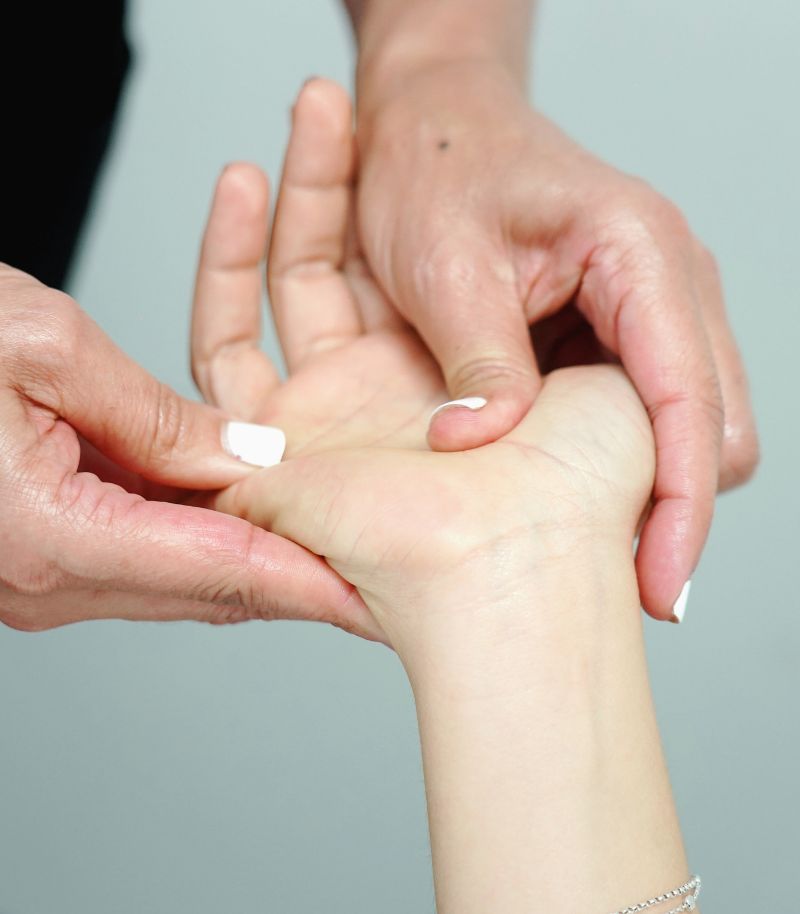
Specific Treatment for Hands and Feet
In cancer patients, care of the hands and feet becomes especially important because of two common side effects of certain treatments: hand-foot syndrome and chemotherapy-induced peripheral neuropathy.
Relief of symptoms
Hand-foot syndrome may cause redness, scaling, oedema, pain and even fissures or blisters on the palms and soles, interfering with daily activities. Aesthetic care protocols are aimed at reinforcing the skin barrier through emollient and reparative products, helping to reduce dryness, fragility and the risk of lesions.
Chemotherapy-induced peripheral neuropathy may present with tingling, numbness or hypersensitivity. Although aesthetic care does not act on the neurological damage itself, it can provide supportive measures aimed at improving comfort. Gentle manual techniques and specific topical care help relieve cutaneous discomfort and promote relaxation.
Prevention of skin lesions
These treatments focus especially on areas exposed to constant friction and pressure, with the aim of preventing lesions that, because of altered sensitivity, might otherwise go unnoticed. They are always carried out in coordination with, and adapted to, each patient’s clinical situation.
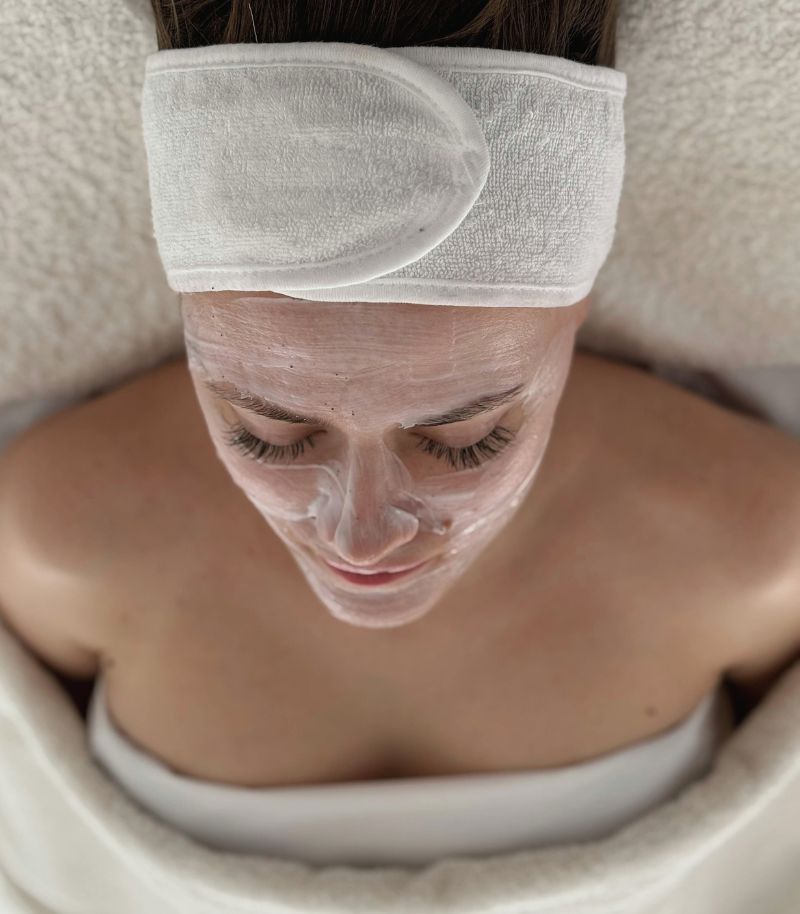
Facial Aesthetic Treatments for Cancer Patients
Aesthetic treatments designed for cancer patients may play a supportive role both during the active phase of the disease and at later stages. During the acute period, they help mitigate visible changes affecting the skin, hair and nails as a result of treatment. Over the longer term, they support the patient through a process of gradual recovery.
General wellbeing
Advances in oncology have increased survival and made certain treatments more long-term, which makes it necessary to integrate skin care into overall care. In this context, maintaining an adapted routine helps preserve barrier function, improves comfort and contributes to general wellbeing.
After treatment has ended, changes such as increased sensitivity, dryness, pigmentary alterations or loss of radiance may persist. Facial protocols are aimed at addressing these manifestations through gentle techniques and products specifically designed for fragile skin.
Restoring image and self-esteem
The goal is to improve skin quality and support the patient in recovering an appearance with which they feel comfortable, always through a safe, personalised approach coordinated with the responsible medical team.
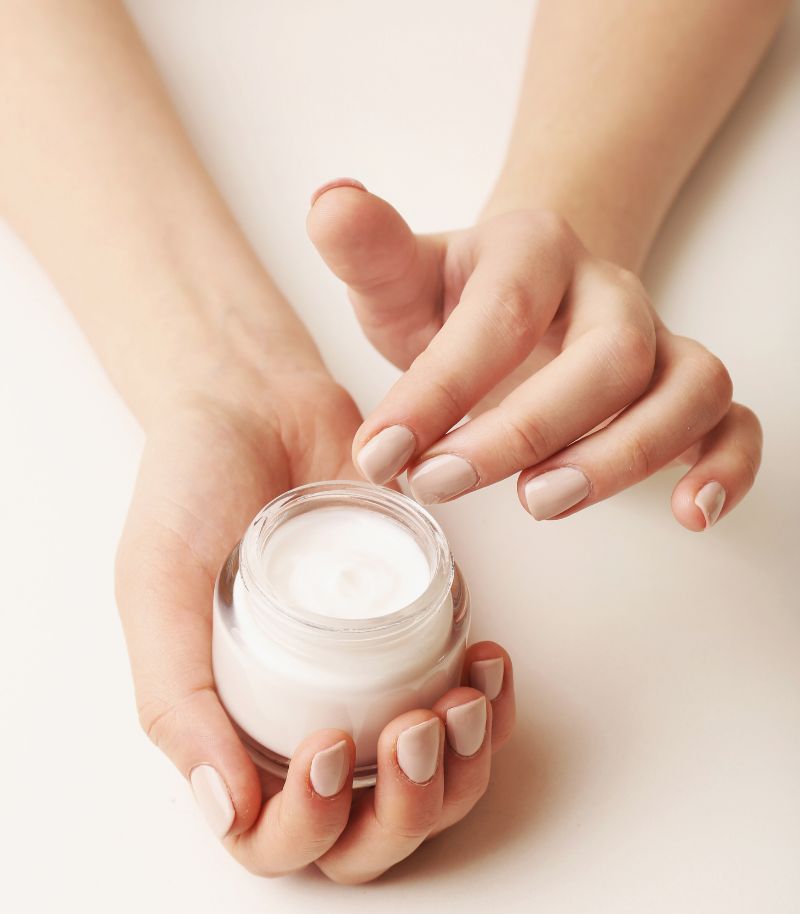
Dermocosmetic advice and support
Aesthetic care for cancer patients does not end in the treatment room. Each treatment includes individualised dermocosmetic advice so that care can continue safely at home and be adapted to the patient’s clinical situation. The aim is to reinforce the results achieved during the session, preserve skin barrier function and minimise reactions associated with the skin fragility caused by cancer treatment.
Continuity of care at home
Guidance is established according to the type of therapy received, the current condition of the skin and its level of tolerance. Specific products and structured routines are recommended in order to maintain hydration, reduce sensitivity, relieve irritation and protect against external aggressors. This continuity supports skin stability and helps prevent complications such as fissures, secondary infections or worsening of itching.
Emotional wellbeing and body image
In addition to physical relief, these treatments provide a supportive space that helps reduce anxiety, encourage relaxation and improve patients’ positive perception of their own image, which may have a favourable effect on their attitude and adherence to medical treatment.
Toxicity, side effects and treatment
A guide to skin problems in cancer patients
Both the disease itself and anti-cancer treatment may have many negative effects on the patient’s skin, mainly because both factors impair the skin barrier, the hydrolipidic mantle that covers the entire skin surface and protects it from external aggressions and transepidermal water loss.
Although this is a well-described and widely recognised fact, these skin toxicities are not always identified and addressed promptly and correctly, often because of the understandable desire to prioritise the efficacy of cancer treatment in eradicating the tumour.
At Grupo Pedro Jaén, however, we believe it is necessary to pay attention to these secondary problems, since in many cases they may be significant and can noticeably worsen the patient’s quality of life, a key factor given that many cancer treatments continue for several years.

Skin toxicity caused by anti-cancer treatments
Cytotoxic drugs (standard chemotherapy) essentially act by inhibiting cell division in order to destroy the tumour at different stages of its evolution. However, this mechanism affects both cancer cells and healthy cells, especially those with faster cycles in which cell division takes place more rapidly, such as skin cells and their appendages (hair follicles, sweat and sebaceous glands, mucous membranes), as well as the hair and nails.
Although immunotherapy and hormonal treatments act more selectively than the chemotherapeutic drugs mentioned above, they also have effects on other areas of the body, including the skin.
Side effects affecting the skin and nails
The mechanism of action of anti-cancer agents gives rise to a very wide range of manifestations of highly variable intensity, ranging from photosensitivity and dryness of the skin and mucous membranes to xerosis so severe that it may lead to fissures, ulcers and skin cracks. Other effects include sweating alterations, acne, urticaria, toxic erythema, abscess formation secondary to folliculitis, wounds, blisters, skin pigmentation changes, mucositis, Raynaud’s phenomenon, acral erythema (inflammatory-type eruptions on the palms of the hands and soles of the feet), and many others.
Particular mention should be made of nail problems associated with anti-cancer therapies, as the nails are especially affected by the consequences of cancer treatment.
Chemotherapy often causes changes in the shape of the nails, which may become concave or appear lifted. Changes in colour may also occur, with the nails taking on a yellow, green or dark brown tone. Nails also become fragile and brittle, making them more likely to break or peel.
All these nail alterations increase the risk of infection, which in turn may present with pain, inflammation and pus-filled abscesses. In extreme cases, patients may temporarily or permanently lose the nail (onycholysis).
“Differential diagnosis begins at the first consultation and allows for a comprehensive approach to care.”
The importance of early diagnosis and treatment
Skin toxicity caused by chemotherapy drugs may develop as soon as treatment begins because of an adverse reaction, while treatment is being administered because of direct damage to previously healthy tissue, or as a result of cumulative effects. It may even occur some time after the cycles have been completed.
For this reason, dermatological toxicities caused by chemotherapy agents must receive an early diagnosis by professionals experienced in their management. Otherwise, cutaneous conditions may worsen, the cancer patient’s quality of life may be significantly impaired, and there may be a greater risk of poor adherence to anti-cancer treatment.
On the other hand, the appearance of skin lesions in a patient receiving chemotherapy should undergo differential diagnosis in order to rule out infectious complications, paraneoplastic syndromes, nutritional deficiencies or cutaneous metastasis.
In the Grupo Pedro Jaén Oncology Aesthetics area, we are committed to carrying out this differential diagnosis through a multidisciplinary approach involving both the dermatologist and the oncologist, in order to establish the most appropriate treatment as early as possible. In this setting, in addition to the patient’s general characteristics and medical history, the circumstances arising from their cancer treatment are assessed: dose, number of cycles, drug combinations, whether radiotherapy is also being received and whether it is concurrent with chemotherapy, previous surgeries or the likelihood of future surgery.
In addition to treating the dermatological problem specifically, it may also be considered — whenever possible and on an individual basis for each patient — whether to replace the cytotoxic medication, adjust the dose, frequency or drug combination being used, or temporarily interrupt treatment, always while prioritising the goal of treating the tumour as effectively as possible.
Dermatological sequelae of radiotherapy
Like the other treatments mentioned above, radiotherapy also produces negative dermatological effects. In this case, however, they are limited to the area of skin receiving the radiation directly.
In general terms, this appears as erythema similar to sunburn, with itching, stinging, redness and hypersensitivity to friction and touch. This complication usually appears around two or three weeks after the radiotherapy sessions begin and depends directly on the frequency and intensity of the radiation applied. It usually leads to a dark patch that fades progressively once cancer treatment has finished.
It is important that patients receiving radiotherapy are given not only dermatological treatment, but also specialised dermocosmetic advice and appropriate treatments to relieve skin symptoms and prevent worsening. For this reason, these patients may also benefit from specific supportive aesthetic care and from the support of our Parapharmacy service.

More information
Below is the authorship of the information provided on this page:
Authorship of the content on this page
The content of this page has been prepared by the Communication Department and the Medical Team of Grupo Pedro Jaén, in line with our editorial commitment to ensuring the accuracy and up-to-date nature of the information provided.
Where we see patients?
Clinics in Madrid
Grupo Pedro Jaén is a medical group founded more than three decades ago with the aim of providing medical, surgical and aesthetic solutions related to skin health and appearance. Led by Dr Pedro Jaén, the group has a highly specialised medical team that covers every area of care with top-level specialists, carries out extensive training activities, is a leader in medical research, and operates several clinics in Madrid, from which it offers the highest standards of care and clinical excellence to all patients.


Calle Serrano 143
This centre is the main headquarters of Grupo Pedro Jaén. It provides diagnostic and treatment services in skin cancer, clinical and aesthetic dermatology, laser treatments and other related specialties.
Mon - Fri 09:00 - 21:00 / Sat: 09:00 - 14:00
Calle Serrano 143, El Viso neighbourhood, Chamartín district, 28006 Madrid, Spain

La Moraleja
Located in Plaza de La Moraleja, this exclusive centre allows Grupo Pedro Jaén to bring its medical and aesthetic services closer to patients across the entire northern area of Madrid.
Mon - Thu: 09:30 - 20:00 / Fri: 09:30 - 18:00
Calle de la Estafeta 8, ground floor, La Moraleja, 28109 Alcobendas, Madrid
Related units and pages
Oncological Aesthetic Care Unit
Medical aesthetic facial, body and hair care for oncology patients.
Clinical dermatology
Highly specialised dermatologists for each skin condition, offering the most advanced treatments available.
Nails Unit
Especialistas en el tratamiento de las alteraciones de las uñas: infecciones, tumores, fragilidad, etc.
Information and news
Press room
In the Grupo Pedro Jaén Press Room you can find information, advice and news related to dermatology, aesthetic medicine, trichology and general health. The group’s journals are also shared through an online platform, along with updates on the activity and media appearances of our clinics and healthcare professionals.
How to shower properly: tips for looking after your skin
Cold or hot water? Is it better to use a sponge? Find out how to shower properly and what dermatologists recommend to protect your skin.
Retinol in summer: should you stop using it?
We debunk this and other myths about using retinol during the warmer months.

Blog
News about Grupo Pedro Jaén. Information and advice on dermatology, aesthetic medicine, trichology, and general health

Media
Information about media appearances by our clinics and medical specialists.

Journal
Archive of all Grupo Pedro Jaén journals, available through an external online platform.