
Skin Cancer Unit
At our centres in Madrid: Serrano 143 and La Moraleja


Dermatologists specialising in
Skin cancer
The Skin Cancer Unit at Grupo Pedro Jaén is a leading reference in its field. It is made up of a multidisciplinary team of more than 10 dermatologists with a high level of subspecialisation in prevention, early diagnosis, medical treatment, surgery and long-term follow-up of skin cancer. The unit’s approach goes beyond the treatment of visible lesions, adopting a comprehensive and coordinated vision that combines clinical expertise, advanced technology, the latest research and strict medical standards, always guided by the most up-to-date national and international clinical guidelines and protocols.
Prevention
In addition to clinical monitoring and early diagnosis, we incorporate preventive tools.
Diagnosis
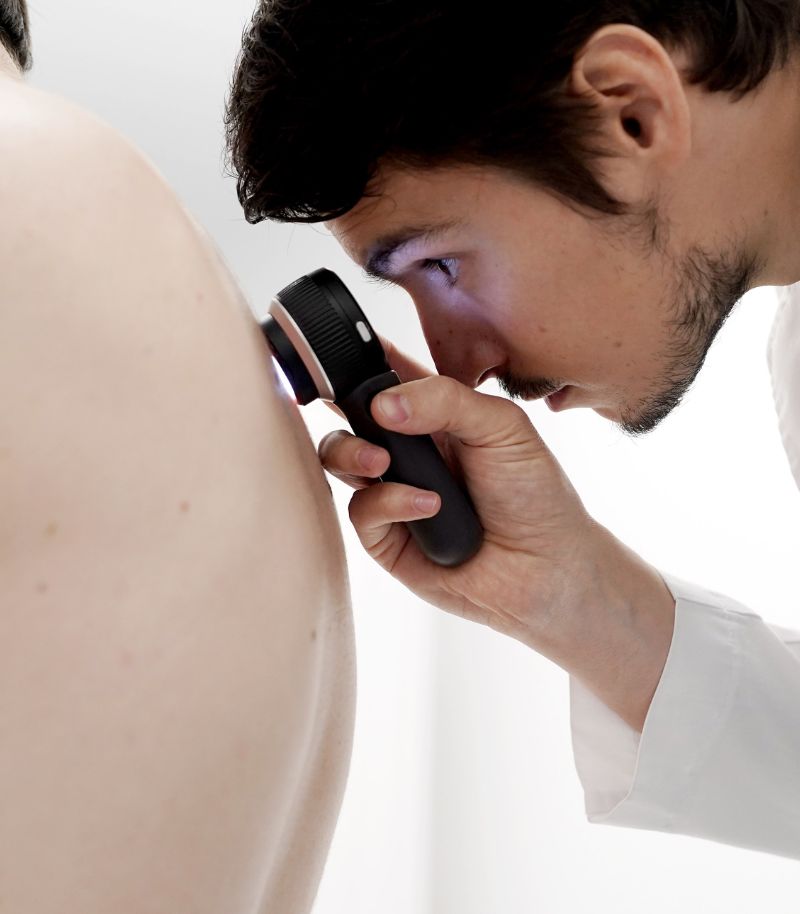
We use the most advanced technology for the assessment and review of suspicious skin lesions.
Treatment
Advanced treatments focused on optimal clinical, functional and aesthetic outcomes.
Follow-up
Personalised medical follow-up tailored to the type of tumour, clinical history and individual risk factors of each patient.
Specialised management of each type of skin cancer
We treat all types of skin cancer as well as premalignant lesions.
Education and research
Advisory committee
The unit has a multidisciplinary advisory committee that jointly reviews the most complex cases, enabling shared, safe decision-making based on the best available scientific evidence.
Specialised management of each type of skin cancer
Treatment of skin cancer and premalignant lesions
What sets us apart
High-precision medical and surgical treatments
The treatment strategy of the Skin Cancer Unit is guided by the goal of achieving the highest possible cure rates while preserving as much healthy tissue as possible, in order to ensure the best clinical, functional and aesthetic outcomes. For this reason, every medical or surgical treatment plan is individually designed, taking into account the type of tumour, its location and the specific characteristics of each patient, with particular attention to functional preservation and aesthetic results.
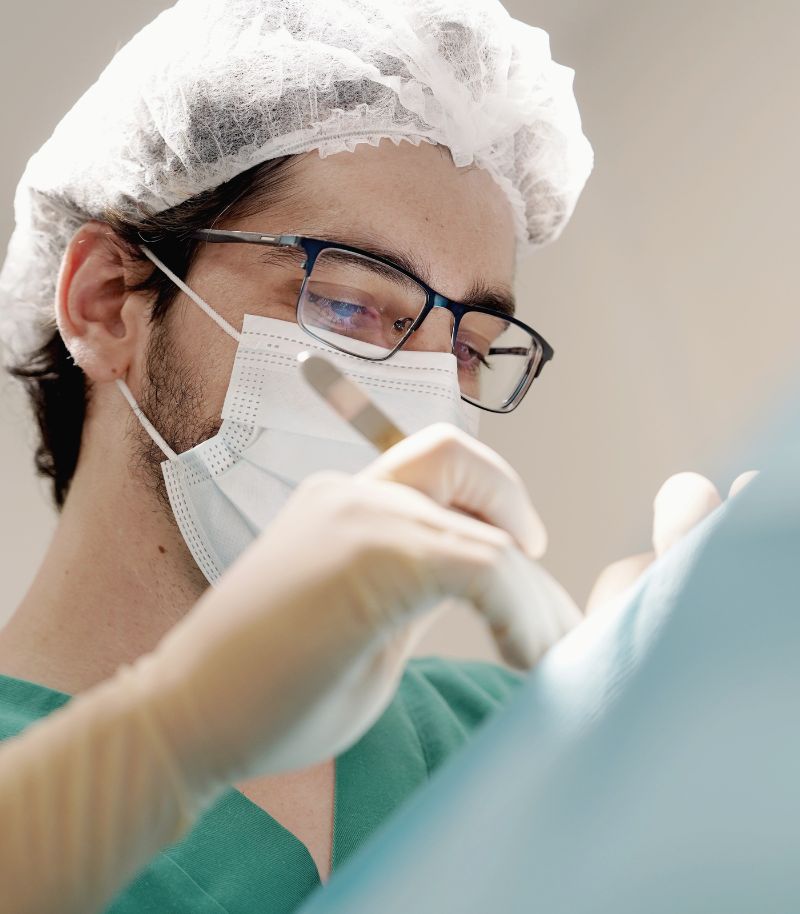
Mohs surgery: maximum precision in skin cancer
Mohs surgery is the most effective surgical technique for treating selected skin tumours. It achieves cure rates close to 100% while preserving the greatest possible amount of healthy tissue, resulting in optimal clinical, aesthetic and functional outcomes.
Advantages in visible areas
This procedure is particularly indicated for tumours located in highly visible, sun-exposed areas such as the face, neck, décolletage, shoulders and hands, where preserving healthy tissue is essential for both function and appearance.
A benchmark in oncological precision
The technique involves removing the tumour layer by layer, with each layer examined immediately under the microscope. Surgery is completed only when the final layer is free of tumour cells. This highly precise and tissue-sparing approach leads to faster recovery, simpler reconstruction when required, and cure rates close to 100%.
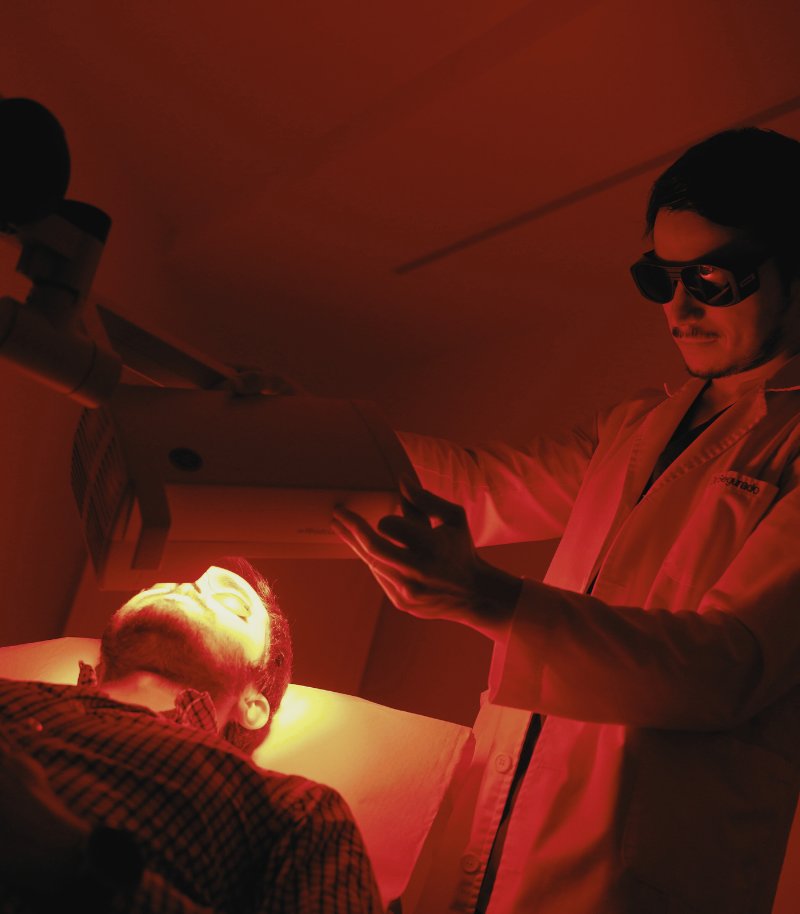
Photodynamic therapy
Photodynamic therapy is a non-invasive technique that combines a photosensitising agent with a controlled light source. This interaction triggers a selective reaction that destroys abnormal cells while preserving healthy tissue, making it especially useful in patients with sun-induced skin damage.
Indications in precancerous lesions and early tumours
It is mainly used to treat actinic keratoses and selected types of basal cell carcinoma. Its precision allows treatment of large or surgically challenging areas without the need for surgery, improving tolerance and reducing side effects.
Effective prevention in high-risk patients
Beyond its therapeutic role, photodynamic therapy also plays a relevant preventive role in individuals with chronic sun exposure or a history of skin cancer. In addition to eliminating visible lesions, it improves overall skin quality, combining medical efficacy with aesthetic benefit in a single session.
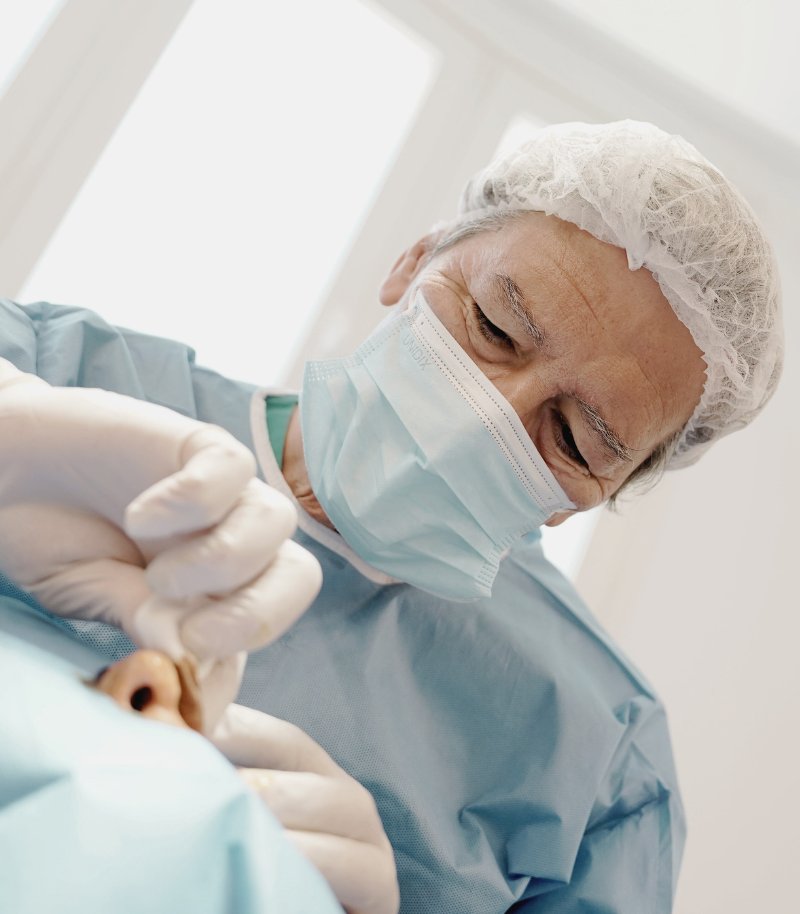
Curettage and electrodessication
Curettage with electrodessication is a fast, safe outpatient procedure indicated for low-risk precancerous lesions and skin tumours. It involves carefully scraping the lesion with a curette followed by the application of electric current to destroy residual cells and coagulate tissue.
Main indications
It is primarily recommended for superficial primary basal cell carcinomas and actinic keratoses, where it provides good outcomes. Its simplicity, effectiveness and repeatability make it a valuable option in selected cases under dermatological supervision.
Considerations and outcomes
Local anaesthesia is usually required and, in some cases, more than one session may be needed. Healing occurs gradually and may leave a visible scar, so it is not always recommended in cosmetically sensitive areas. Nevertheless, it remains a reliable technique with high success rates for superficial skin tumours.
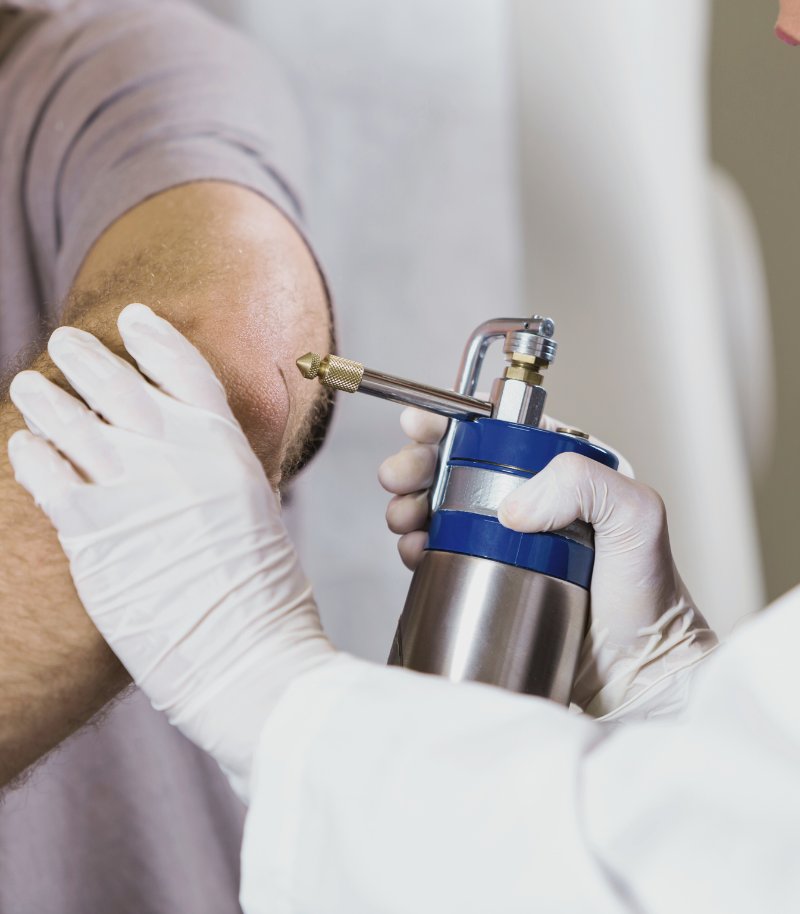
Cryotherapy: lesion removal by freezing
Cryotherapy destroys cancerous and precancerous cells through the application of liquid nitrogen, which freezes the lesion in a controlled manner. This quick and simple treatment produces a freeze burn that, once healed, eliminates damaged tissue and promotes skin regeneration.
Main indications
It is indicated for small, superficial basal cell carcinomas and actinic keratoses, particularly low-risk, well-defined lesions in early stages. When appropriately selected, it reduces the need for more complex interventions.
Considerations and outcomes
Multiple sessions may be required in some cases to achieve complete clearance. After healing, residual marks may remain depending on lesion location, which is why it is not always recommended in highly visible areas. With appropriate patient selection, cryotherapy remains a reliable, safe and valuable technique in dermatological practice.
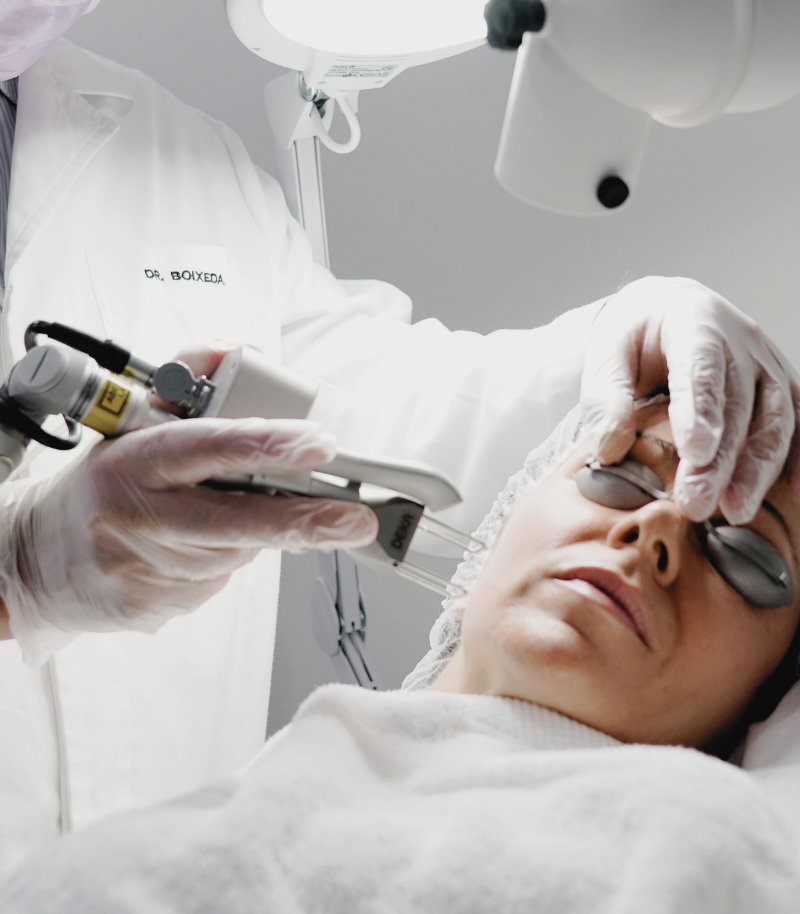
Laser treatment: precision for skin lesions
Laser treatment allows precise and controlled removal of precancerous skin lesions and superficial primary carcinomas. Its ability to vaporise tissue makes it a versatile and valuable tool in cutaneous oncology while preserving surrounding healthy skin.
Dermatological applications
Different types of laser are commonly used for superficial basal cell carcinomas and precancerous lesions, as well as for epithelial lesions in other body areas. It is a minimally invasive option that offers good results in well-defined lesions.
Preventive benefits
Grupo Pedro Jaén is actively involved in a growing line of research supporting the preventive role of CO₂ laser in common skin carcinomas. According to scientific literature, this laser—widely used in skin rejuvenation protocols—can modify the natural history of actinic keratoses, helping to prevent their development.
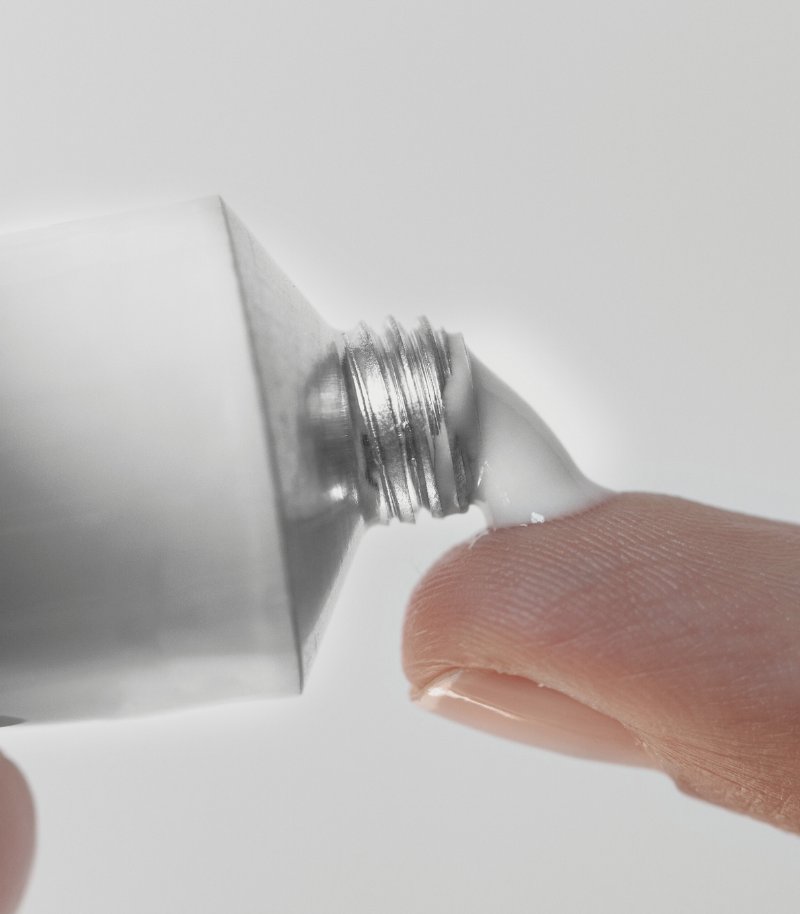
Topical immunotherapy
Topical immunotherapy uses medications in cream or gel form that stimulate the local immune response, enabling the skin to recognise and eliminate abnormal cells. It is a minimally invasive and convenient option that can be applied at home under medical supervision.
Main indications
It is primarily used for actinic keratoses and small superficial basal cell carcinomas, particularly in visible areas such as the face, neck and arms. Its localised action allows effective treatment of multiple lesions while preserving skin appearance.
Benefits and precautions
Treatment commonly causes redness, inflammation or crusting at the application site—expected effects that resolve once treatment is completed. Its main advantage lies in ease of use and the ability to treat extensive areas of damaged skin. Under medical supervision, it is a valuable tool for both prevention and treatment of precancerous and superficial skin lesions.
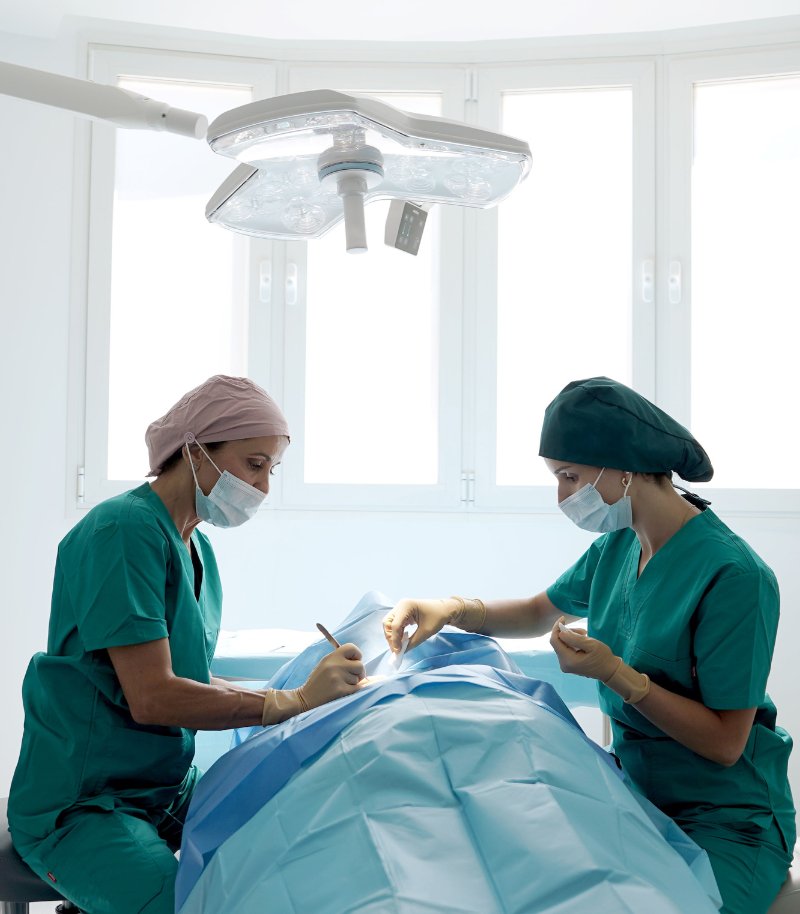
Surgery with wide margins
Conventional skin cancer surgery involves removing the tumour along with a margin of surrounding healthy skin to ensure complete eradication of malignant cells. It remains a fundamental procedure in cutaneous oncology.
Main indications
It is used in most skin tumours, including melanomas and invasive carcinomas. The extent of the surgical margin depends on tumour thickness and location, always aiming to ensure oncological safety while minimising functional and aesthetic compromise.
Limitations and considerations
In small or highly visible areas such as the face, wider excisions can be more challenging and may result in larger scars. This increases the risk of reintervention if tumour clearance is not achieved at the first surgery. Despite these limitations, it remains an essential technique in the treatment of common skin cancers.
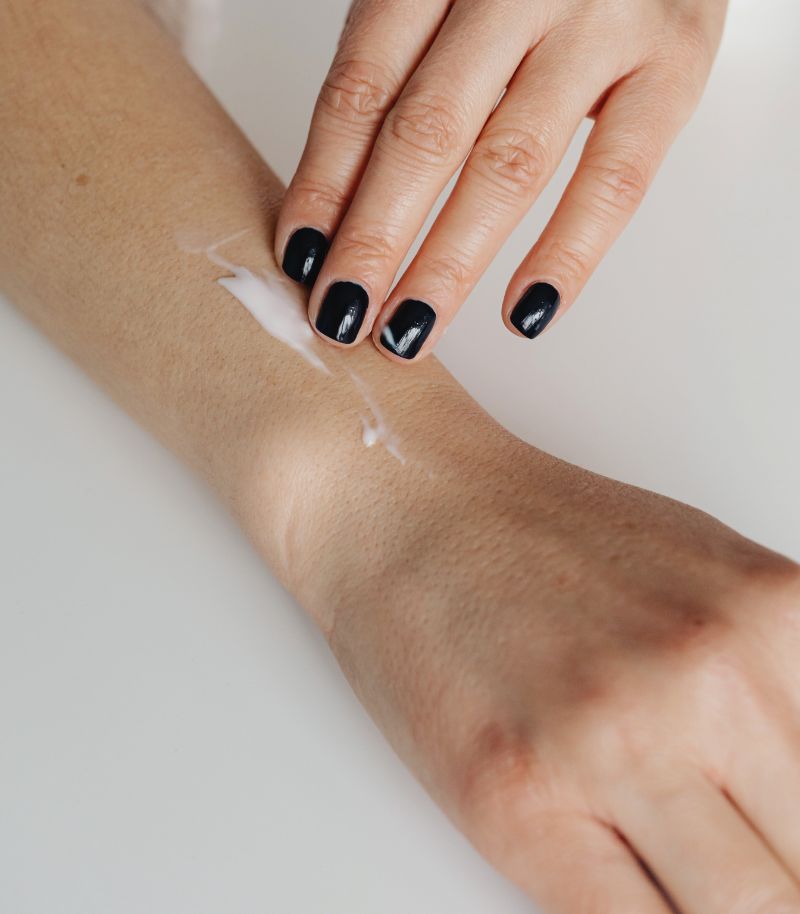
Topical chemotherapy
Topical chemotherapy acts directly on tumour cells by applying an antitumour cream, destroying abnormal cells locally without the need for surgery.
Indications and clinical use
It is mainly indicated for extensive actinic keratoses and selected non-melanoma skin cancers, such as superficial basal cell carcinoma or Bowen’s disease, in carefully selected cases. The drug selectively destroys abnormal cells and inhibits their ability to proliferate.
Advantages and treatment monitoring
This approach allows conservative treatment of large skin areas, preserving healthy tissue and avoiding scars. Redness, scaling, crusting or small erosions are common during treatment and reflect the medication’s effectiveness; these reactions are managed through appropriate medical follow-up.
Intralesional chemotherapy
Intralesional chemotherapy involves injecting anticancer drugs directly into the skin tumour. This approach delivers high local concentrations of medication while reducing systemic side effects. The procedure is performed on an outpatient basis and usually requires several sessions depending on tumour type and size.
Clinical indications
It is indicated for tumours in locations where wide surgery is difficult, for large, ulcerated or recurrent carcinomas, and in patients where preserving healthy tissue or minimising scarring is a priority. It may be used alone or as an adjunct to facilitate more conservative surgery.
Benefits and future perspectives
This technique offers high local efficacy, excellent tolerance and rapid recovery, preserving healthy tissue and minimising functional and aesthetic sequelae. In addition, the development of intralesional immunotherapy opens new possibilities for an even more selective and personalised approach to skin cancer, reducing the need for extensive surgery and improving long-term outcomes.
Dermatologists specialising in skin cancer in Spain
We have a highly experienced, top-level medical team
Where we see patients?
Clinics in Madrid
Grupo Pedro Jaén is a medical group founded more than three decades ago with the aim of providing medical, surgical and aesthetic solutions related to skin health and appearance. Led by Dr Pedro Jaén, the group has a highly specialised medical team that covers every area of care with top-level specialists, carries out extensive training activities, is a leader in medical research, and operates several clinics in Madrid, from which it offers the highest standards of care and clinical excellence to all patients.


Calle Serrano 143
This centre is the main headquarters of Grupo Pedro Jaén. It provides diagnostic and treatment services in skin cancer, clinical and aesthetic dermatology, laser treatments and other related specialties.
Mon - Fri 09:00 - 21:00 / Sat: 09:00 - 14:00
Calle Serrano 143, El Viso neighbourhood, Chamartín district, 28006 Madrid, Spain

La Moraleja
Located in Plaza de La Moraleja, this exclusive centre allows Grupo Pedro Jaén to bring its medical and aesthetic services closer to patients across the entire northern area of Madrid.
Mon - Thu: 09:30 - 20:00 / Fri: 09:30 - 18:00
Calle de la Estafeta 8, ground floor, La Moraleja, 28109 Alcobendas, Madrid
More information

What it is, diagnosis and treatment
How we approach skin cancer
Skin cancer is a highly prevalent disease characterised by the uncontrolled proliferation of skin cells. It is the most common type of cancer affecting humans and represents one of the main concerns for dermatologists worldwide.
In Spain alone, approximately 74,000 cases of non-melanoma skin cancer and around 4,000 cases of melanoma are diagnosed each year. Although melanoma is much less common, it is significantly more dangerous than other skin tumours if not treated promptly. In fact, more than 700 people die each year in Spain as a result of melanoma.
Fortunately, at the Skin Cancer Unit of Grupo Pedro Jaén we have increasingly sophisticated diagnostic methods that allow us to detect tumours at very early stages, which has a very positive impact on cure rates.
Comprehensive approach with attention to aesthetics
Grupo Pedro Jaén is a leader in the management of skin cancer—the most common cancer in humans—thanks to a specialised unit covering every critical area of oncological care: diagnosis, personalised treatment and surgery. Supported by the most advanced technology and backed by an outstanding research activity in the private sector, the unit aims to provide patients with a comprehensive, reference-level service.
Our unit addresses all aspects related to skin tumours, from prevention and very early diagnosis through systematic skin examinations, to oncological surgery, pharmacological treatments and tissue reconstruction when necessary, in order to minimise aesthetic impact.
It is important to bear in mind that a large proportion of skin cancers appear in highly visible areas of the body, such as the nose, chin, face, neck, décolletage, ears or upper back. This represents a significant aesthetic impact for patients and a therapeutic challenge for specialists, as the primary goal—complete tumour removal—must always be balanced with functional and aesthetic outcomes to ensure a more satisfactory recovery.
Prevention and treatment of skin cancer
Skin Cancer Prevention
Despite being a common type of cancer and the fact that some of its variants can be life-threatening, skin cancer is one of the most preventable cancers and also one with the most favourable prognosis when detected at an early stage. For this reason, preventive strategies can be broadly divided into two main areas:
- Self-care measures.
- Regular dermatological check-ups and mole monitoring.
Skin cancer treatments
Skin cancer includes a wide range of neoplasms with different histological characteristics, prognoses and clinical considerations. For this reason, the choice of the most appropriate treatment must always be individualised, taking into account several factors related to:
- The tumour: location, size, depth of invasion, vascular involvement, whether it arises from a pre-existing lesion, allowing classification into low- or high-risk tumours.
- Patient-related factors: age, life expectancy, general health status, risk factors and aesthetic considerations.
- The specialist’s judgement. Which depends on experience and expertise not only in skin cancer therapies, but also in the ability to manage potential complications and address functional and aesthetic sequelae. The Grupo Pedro Jaén Skin Cancer Unit is able to provide a comprehensive solution for all types of skin tumours, delivered by highly specialised dermatologists with extensive experience in each therapeutic area.
We offer a wide range of treatment options tailored to each tumour and patient, from local treatments—such as curettage and electrodessication, cryotherapy, laser therapy or topical medications—to more complex approaches including conventional surgery, Mohs surgery, radiotherapy and chemotherapy.
Less invasive treatments are usually indicated for superficial or precancerous lesions, while surgical techniques and radiotherapy are reserved for deeper or higher-risk tumours. In each case, the dermatologist assesses the lesion’s location, type and the patient’s overall condition to select the most appropriate procedure, combining medical effectiveness, safety and the best possible aesthetic outcome.
Experience, research and education
The Skin Cancer Unit of Grupo Pedro Jaén is actively involved in research projects, technological development and medical education, enabling continuous review, updating and optimisation of our clinical protocols.
This commitment ensures that our patients benefit from care aligned with the latest advances and the most up-to-date international clinical guidelines in skin cancer.
Dr Luis Ríos is an international leader in the most effective surgical techniques for skin tumour removal and one of the most highly qualified experts in this field. A pioneer in the application of Mohs surgery for skin cancer—the technique with the highest cure rates—he has contributed to its refinement over the years and achieved such expertise that he was, for a time, the only certified trainer of this technique in Spain.
Dr Salvador González, one of the most highly cited international authors in dermatology research, is President of the International Confocal Microscopy Group and a world-leading expert in this technology. He played a key role in its development at Harvard Medical School and, for more than 15 years, has combined his work at our centre with his role as consultant physician and collaborating researcher at Memorial Sloan Kettering Cancer Center in New York, one of the world’s leading oncology hospitals.
Frequently asked questions
How does skin cancer present?
Skin cancer often presents as a rapidly developing change in the skin, either as a sore or ulcer that does not heal, or as a change in the appearance of a mole that worsens over a short period of time. Because symptoms can be non-specific, it is advisable to consult a dermatologist as soon as any suspicious changes are noticed and, in any case, to undergo an annual full skin examination, including areas that are difficult to self-examine.
Can you develop skin cancer without sun exposure?
It is uncommon, but possible. Skin cancer can also be associated with genetic factors or unavoidable circumstances such as fair skin phototype or having numerous, large or congenital moles. In addition, a person may not currently be exposed to the sun but may have suffered sunburns during childhood or adolescence, which significantly increases the risk of basal cell carcinoma or certain types of melanoma later in life.
Is skin cancer very serious?
This depends on the type of skin cancer. Basal cell carcinoma grows slowly and does not metastasise, but it can affect large areas if not treated early. Squamous cell carcinoma rarely metastasises, but this can occur if not properly managed. Melanoma, although less frequent, is the most aggressive and can be life-threatening.
Any type of skin cancer can also lead to significant functional and aesthetic sequelae depending on its location and extent, such as surgical scars, tissue loss deformities, difficulty chewing, speaking or eating, or visual impairment if eyelid skin is affected.
Which skin cancer is the most aggressive?
Among the most common skin tumours, melanoma is the most aggressive. After melanoma, Merkel cell carcinoma causes the highest mortality, although it is much less prevalent.
Is basal cell carcinoma dangerous?
Basal cell carcinoma grows slowly and rarely metastasises. However, it must be treated early to avoid serious complications, such as infiltration into mucosal surfaces, nasal cavities or even the cranial cavity. In such cases, prognosis worsens significantly.
Differences between squamous cell carcinoma and basal cell carcinoma
Basal cell carcinoma originates in the basal cells of the epidermis, whereas squamous cell carcinoma arises from squamous cells. These are the most common types of skin cancer. Although their prognosis is often favourable, they should not be underestimated due to the potential complications they may cause when located in sensitive areas (such as the scalp, nasal cavities or eyelids), either because of tissue loss and associated deformity or their ability to infiltrate vital structures.
Is squamous cell carcinoma dangerous?
The percentage of squamous cell carcinomas that metastasise is low (less than 5%). However, this tumour has a strong capacity to invade surrounding tissues, which may lead to significant skin destruction, scarring and even deformities with aesthetic and functional implications that may require reconstructive surgery.
What is a skin precancer?
A skin precancer, or premalignant lesion, is a skin lesion with a high potential to develop into skin cancer if not monitored and treated in time. The most common of these lesions is actinic keratosis.
How long can I wait before surgery for skin cancer?
This depends on several factors: tumour type, depth of invasion, size, ulceration and others. In general terms, skin cancer surgery should be considered urgent. The skin has a rapid cell turnover compared to other tissues, and some tumours can progress quickly within weeks.
Ideally, no more than two weeks—three at most—should pass between the decision to operate and surgery. Delays beyond this timeframe can significantly affect prognosis, sequelae and complications, especially in tumours with vertical growth and high metastatic potential, such as melanoma and certain less common skin cancers.