
Vascular Surgery Unit
At our clinics in Madrid: Calle Serrano 143 and La Moraleja
Specialists in
Treatment of varicose and spider veins
The Grupo Pedro Jaén Vascular Surgery Unit treats diseases of the circulatory system—including arterial, venous and lymphatic disorders—with a particular focus on chronic venous insufficiency (CVI), a condition closely linked to varicose veins and other venous disorders. We provide evidence-based treatments to safely and effectively manage all types of varicose veins. Achieving optimal outcomes requires an accurate differential diagnosis, which allows us to design the most appropriate combination of treatments for each patient.

Recognised reference clinics in Spain
Home > Other specialties > Vascular Surgery
What sets us apart
From surgical to non-invasive treatment options
We are committed to a holistic and personalised approach, combining advanced technology with the expertise of a highly specialised medical team. We prioritise minimally invasive treatments that support faster recovery and reduce post-procedural discomfort, ensuring both functional and aesthetically pleasing results.
In addition, close collaboration with other medical units allows us to address complex vascular conditions through a multidisciplinary approach. Careful follow-up and patient education are integral to our model of care, promoting long-term circulatory health and helping to prevent future complications.
Holistic approach to lymphoedema
The Vascular Surgery Unit works in close collaboration with other specialised units to provide coordinated and comprehensive care, optimising the management of complex vascular diseases.
Collaboration with other specialised units
Our vascular surgeons work alongside the Vascular Malformations Unit, the Angiomas and Vascular Anomalies Unit and the Body Aesthetics Unit to ensure an integrated approach. This collaboration allows us to treat conditions that require a combination of medical and aesthetic techniques, such as trunk varicose veins, congenital vascular malformations and angiomas.
Benefits of a coordinated approach
Thanks to this multidisciplinary collaboration, diagnostic times are reduced and treatment pathways are streamlined, avoiding unnecessary repeat consultations. This approach not only improves the patient experience but also ensures more precise and individualised treatment, tailored to each patient’s specific clinical needs and optimising vascular health and recovery.
More information
High-precision diagnostics
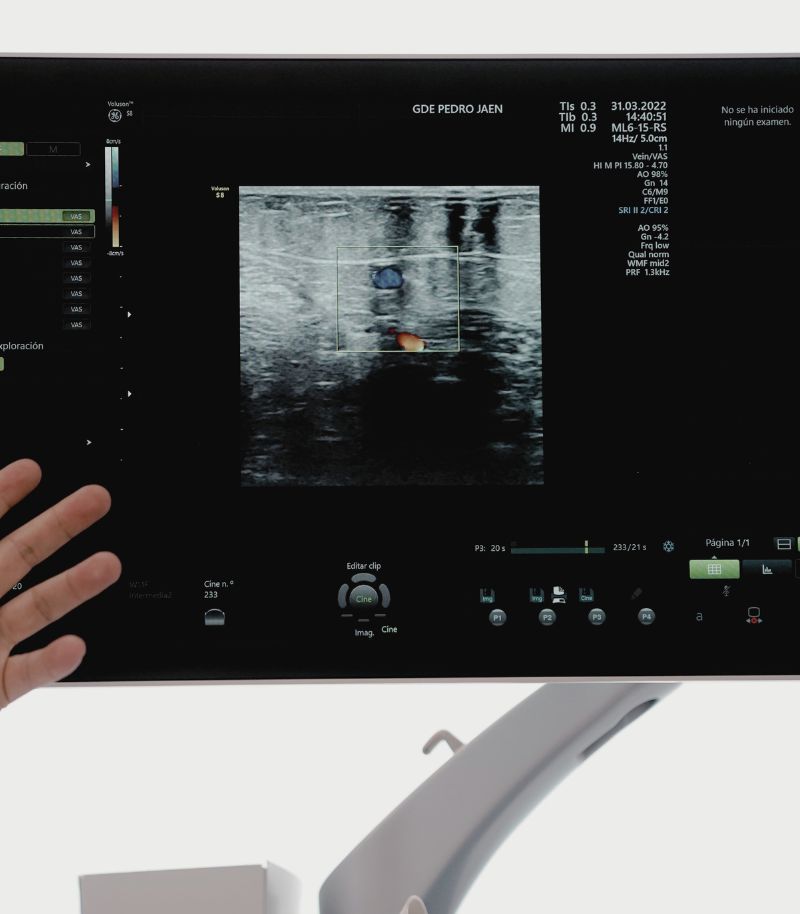
Our unit uses state-of-the-art diagnostic technologies to accurately assess venous pathology and design the most appropriate treatment strategy. A detailed diagnosis is essential to identify the underlying cause of venous insufficiency and to develop a personalised and effective treatment plan.
Non-invasive, state-of-the-art testing
Doppler ultrasound is a key diagnostic tool that allows assessment of blood flow, detection of venous reflux and identification of thrombotic processes, without the need for invasive procedures. This technology enables precise planning of the most appropriate treatment for each patient. When necessary, additional functional tests may be performed to assess circulation in greater detail and detect potential complications before treatment begins.
Personalised treatment design
Based on a clear and accurate diagnosis, our specialist team develops a treatment plan tailored to the individual characteristics of each patient. The combination of clinical expertise and advanced technology maximises therapeutic benefit, minimises risk and allows us to provide detailed information and personalised recommendations for every case.
Sclerotherapy
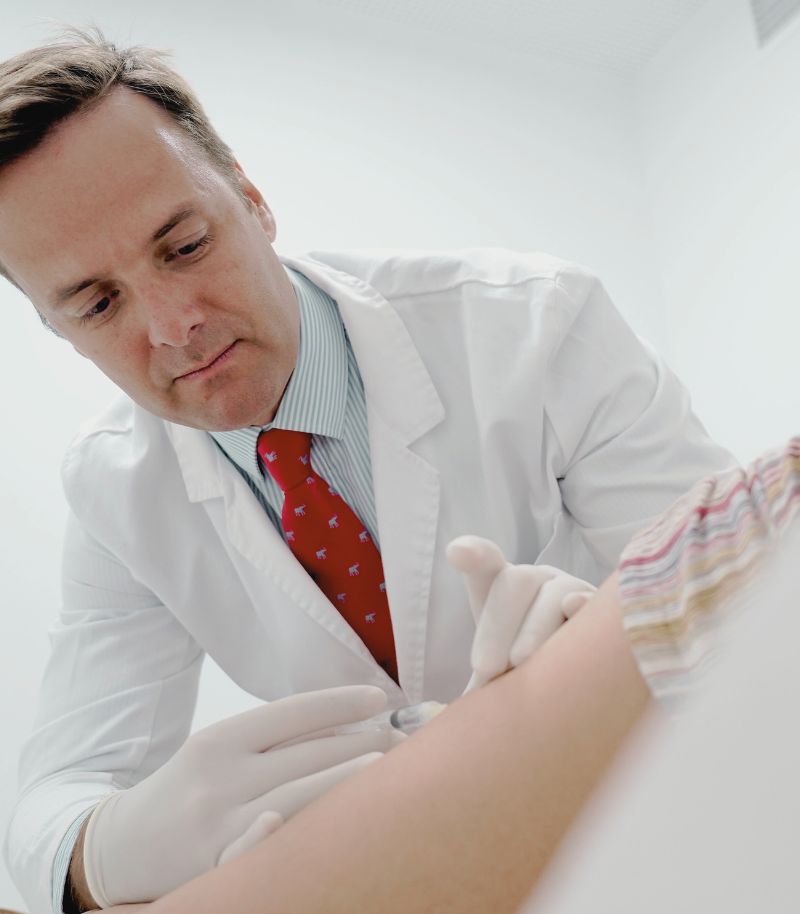
Sclerotherapy is an effective outpatient technique used to treat spider veins and small to medium-sized varicose veins. It involves injecting a sclerosing agent directly into the affected vein, causing it to close and gradually be reabsorbed by the body. It is an ideal option for treating venous disease without surgery.
Ideal for reticular varicose veins and telangiectasias
This procedure is particularly effective for telangiectasias (spider veins) and reticular varicose veins, offering both aesthetic and functional improvement from the earliest sessions. By closing the affected veins, blood flow is redirected to healthy vessels, improving overall circulation. Sclerotherapy can also be combined with other treatments to optimise results.
Minimal disruption and proven effectiveness
Sclerotherapy does not require anaesthesia, hospitalisation or recovery time. It is a safe and efficient procedure that can be repeated over several sessions depending on the extent of the condition and individual response. In addition to aesthetic improvement, patients frequently report relief from leg heaviness or discomfort. The treatment is performed in the consultation room, and normal activity can be resumed immediately, although the use of compression stockings is usually recommended for a few days.
Endovascular adhesive
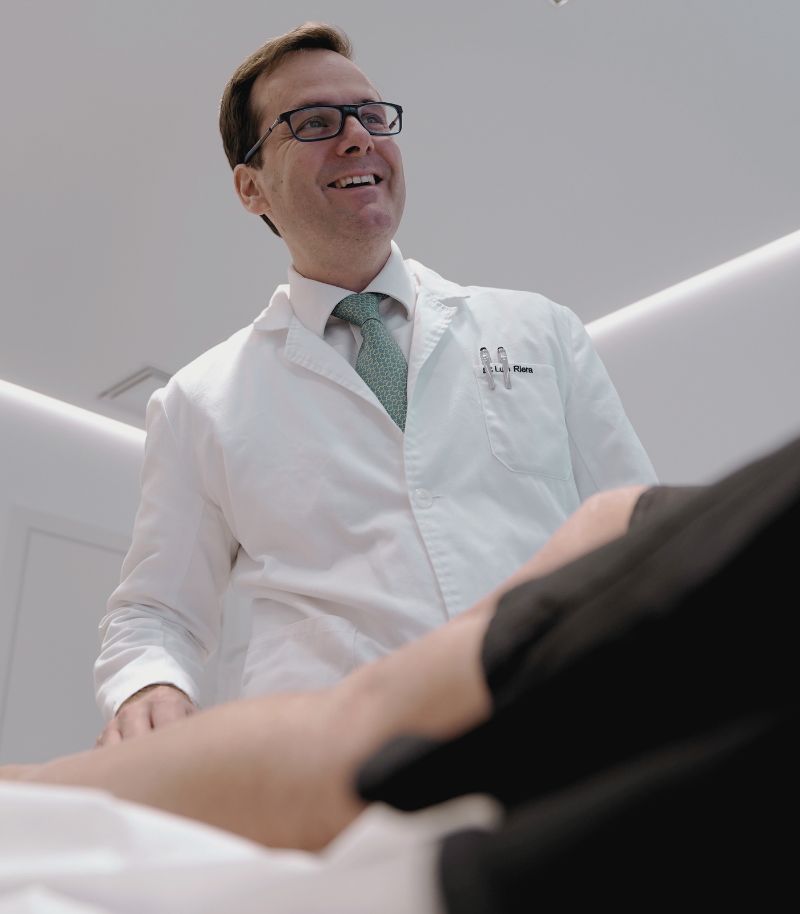
This technique involves sealing the affected vein using a medical adhesive delivered into the diseased vessel through a small catheter guided by ultrasound. The adhesive closes the varicose vein, and blood flow is immediately redirected to healthy veins.
Non-surgical procedure
Only a small amount of local anaesthetic is required, usually without the need for sedation. The procedure is painless and does not require specific recovery measures. Patients can return to daily activities immediately, without bandaging, although compression stockings may be recommended for a short period.
Recommendations and benefits
This technique is particularly indicated for cases of saphenous vein insufficiency and trunk varicose veins when a non-thermal, non-surgical option is preferred. It can be performed at any time of year and is not associated with a risk of skin hyperpigmentation or phlebitis. A thorough differential diagnosis is essential, as this technique is contraindicated in patients with acrylate allergies.
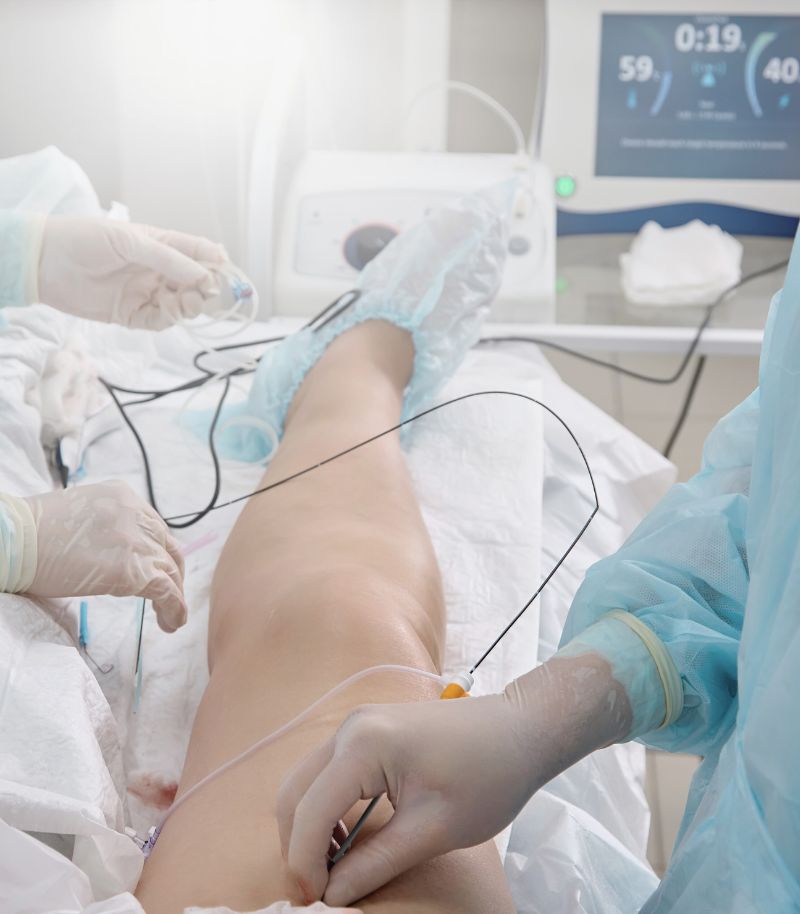
Surgery for advanced varicose veins
In cases of large or advanced varicose veins, surgical treatment is required. Our unit performs surgery using the most advanced techniques to ensure optimal recovery and minimise post-operative discomfort. These procedures eliminate varicose veins that cannot be treated with non-invasive methods, improving both circulatory health and leg appearance.
Surgical approach for large varicose veins
When varicose veins reach a significant size and compromise vascular function, surgery becomes the most appropriate therapeutic option. Affected veins are removed using minimally invasive techniques such as assisted phlebectomy or micro-incision surgery, allowing for faster and safer recovery compared with traditional approaches.
Personalised recovery plan
Although relative rest is required, recovery time varies depending on the technique used and individual patient factors. Our team provides personalised guidance to support a gradual return to daily activities. Detailed post-operative follow-up includes advice on compression therapy and preventive measures to reduce the risk of recurrence, optimising long-term results and vascular health.
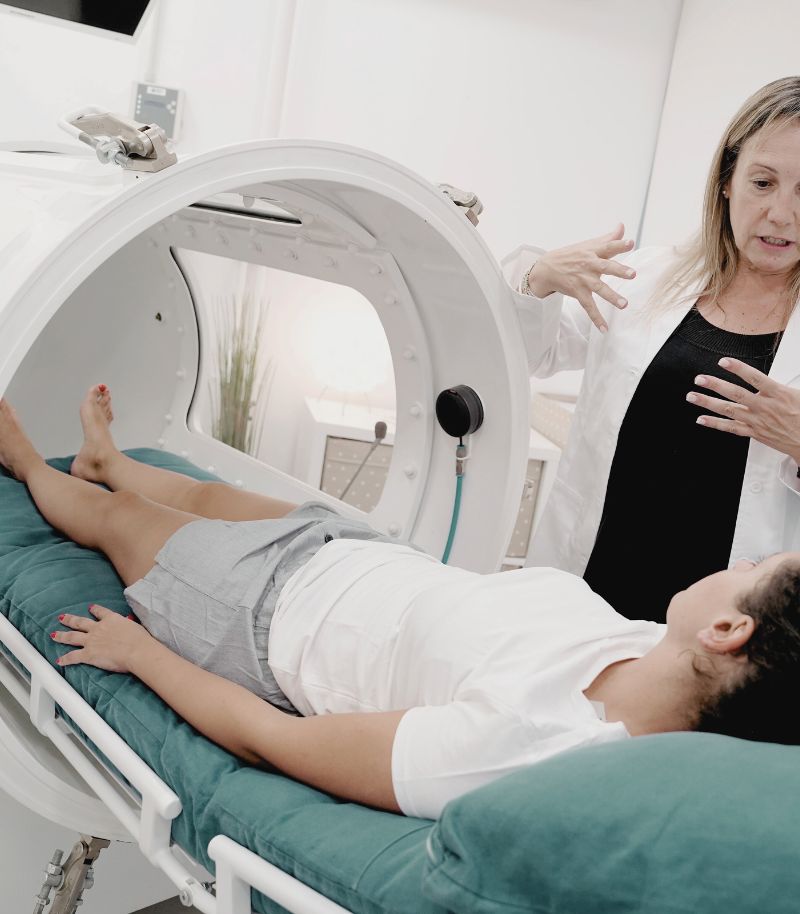
Vascular disease and surgery
Regenerative medicine has expanded therapeutic options for vascular diseases, particularly in cases complicated by ischaemia, chronic inflammation or abnormal scarring. In these situations, the Regenerative Medicine Unit works in close collaboration with the Hyperbaric Medicine Unit.
Benefits of hyperbaric therapy
Hyperbaric oxygen therapy significantly increases oxygen levels in the blood, producing beneficial effects on tissue regeneration. These include stimulation of new blood vessel formation (angiogenesis), reduction of inflammation, improved wound healing and enhanced immune response.
Beneficial effects on vascular diseases
The Regenerative Medicine Unit may offer hyperbaric oxygen therapy or injectable biostimulatory treatments to support management of conditions such as diabetic foot and chronic vascular ulcers, critical limb ischaemia, recovery from arterial or venous surgery, resolution of post-surgical complications, and treatment of tissue damage secondary to radiotherapy in cancer patients with vascular involvement.
Where we see patients?
Clinics in Madrid
Grupo Pedro Jaén is a medical group founded more than three decades ago with the aim of providing medical, surgical and aesthetic solutions related to skin health and appearance. Led by Dr Pedro Jaén, the group has a highly specialised medical team that covers every area of care with top-level specialists, carries out extensive training activities, is a leader in medical research, and operates several clinics in Madrid, from which it offers the highest standards of care and clinical excellence to all patients.


Calle Serrano 143
This centre is the main headquarters of Grupo Pedro Jaén. It provides diagnostic and treatment services in skin cancer, clinical and aesthetic dermatology, laser treatments and other related specialties.
Mon - Fri 09:00 - 21:00 / Sat: 09:00 - 14:00
Calle Serrano 143, El Viso neighbourhood, Chamartín district, 28006 Madrid, Spain

La Moraleja
Located in Plaza de La Moraleja, this exclusive centre allows Grupo Pedro Jaén to bring its medical and aesthetic services closer to patients across the entire northern area of Madrid.
Mon - Thu: 09:30 - 20:00 / Fri: 09:30 - 18:00
Calle de la Estafeta 8, ground floor, La Moraleja, 28109 Alcobendas, Madrid
Conditions treated and support for other units
Information about the Vascular Surgery Unit
The circulatory system may be affected by different arterial, venous or lymphatic disorders, with Chronic Venous Insufficiency (CVI) being one of the most characteristic conditions. CVI refers to the inability of the venous system—most commonly in the legs—to collect blood and return it to the heart and lungs for oxygenation. The most common manifestation of this condition is varicose veins: dilated and tortuous veins of the superficial venous system of the lower limbs that are unable to perform their normal return function adequately.
In Spain, at least one in five people has varicose veins associated with symptoms such as leg heaviness, itching, night cramps, swelling or skin changes, which may indicate disease progression.
The Grupo Pedro Jaén Vascular Surgery Unit has advanced diagnostic resources and treatments aimed at providing effective and minimally invasive approaches for the management of varicose veins and other vascular disorders.

What are varicose veins?
Varicose veins include all dilated, elongated or tortuous veins that develop in the legs as a result of impaired blood circulation. Healthy veins have elastic walls and a system of valves that allow blood to return upward from the legs to the upper part of the body.
When the venous wall loses elasticity and the valves become damaged, blood struggles to overcome gravity and return normally, leading to pooling in the legs. This accumulation increases local venous pressure, causing progressive vein dilation and the formation of varicose veins.
Although varicose veins may initially have mainly aesthetic implications, they represent a vascular disorder that must be monitored by a specialist to prevent or manage potential circulatory complications, deterioration of skin quality and even the development of ulcers or thrombosis.
Varicose veins are one of the main reasons for consultation at our centre. Even when they do not pose a serious health risk, many patients are concerned about their appearance. In fact, a significant number report embarrassment or reluctance to wear short clothing or swimwear due to visible varicose veins.
Both the Vascular Surgery Unit and the Body Aesthetics Unit at Grupo Pedro Jaén offer the most effective treatments to eliminate varicose veins safely and successfully. Achieving optimal results requires a differential diagnosis to design the most appropriate combination of treatments for each individual case.
To identify and classify each patient’s varicose veins, our specialists in vascular disorders use high-resolution ultrasound and advanced diagnostic imaging technologies. In addition, our centre is equipped with state-of-the-art systems to treat varicose veins in an effective, safe and minimally invasive manner.
Causes and location of varicose veins
Varicose veins develop when the valves and walls of blood vessels deteriorate and can no longer direct blood flow efficiently back to the heart. When this occurs, blood accumulates within the vessel or flows in the opposite direction (venous reflux). Over time, the chronic inflammatory process associated with venous reflux and increased venous pressure damages the endothelial lining of the vein wall, altering its structure and course and leading to the formation of varicose veins.
Multiple factors contribute to weakening of the vascular wall and the development of varicose veins, most notably overweight and obesity, tumours, chronic constipation and pregnancy.
Varicose veins most commonly affect the legs, although they may also occur in other parts of the body, such as the rectum (haemorrhoids), the testicles (varicocele) or the hepato-digestive axis (oesophageal varices).
Between 40% and 60% of women are affected by this vascular condition at some point in their lives. Among men, prevalence ranges from 15% to 30%. Varicose veins may be primary or essential (approximately 95% of cases) or secondary, developing as a consequence of deep vein thrombosis.
Symptoms of varicose veins
The symptoms of varicose veins are usually classified as functional symptoms and physical symptoms, and they do not always correlate with disease severity. Some large varicose veins may be asymptomatic, while smaller ones may cause significant discomfort requiring treatment.
Physical and aesthetic symptoms of varicose veins
The main physical and aesthetic manifestations include:
- Varicose veins: dilation and deformation of veins
- Oedema: leg swelling, especially towards the end of the day
- Changes in skin pigmentation
- Hyperthermia: increased skin temperature near the affected veins
- Erythema: skin redness
- Pain
Functional symptoms of varicose veins
Los síntomas funcionales más característicos de las varices son los siguientes:
- Heavy or tired legs
- Leg swelling with reduced mobility
- Cramps
- Intense itching
- Tingling sensations
- Increased sensitivity to touch
“In general, the best outcomes are achieved by combining different therapeutic options and initiating treatment at an early stage”
Classification of varicose veins
Although varicose veins may be classified as primary or secondary, they are most commonly categorised according to their size.
Telangiectasias or spider veins
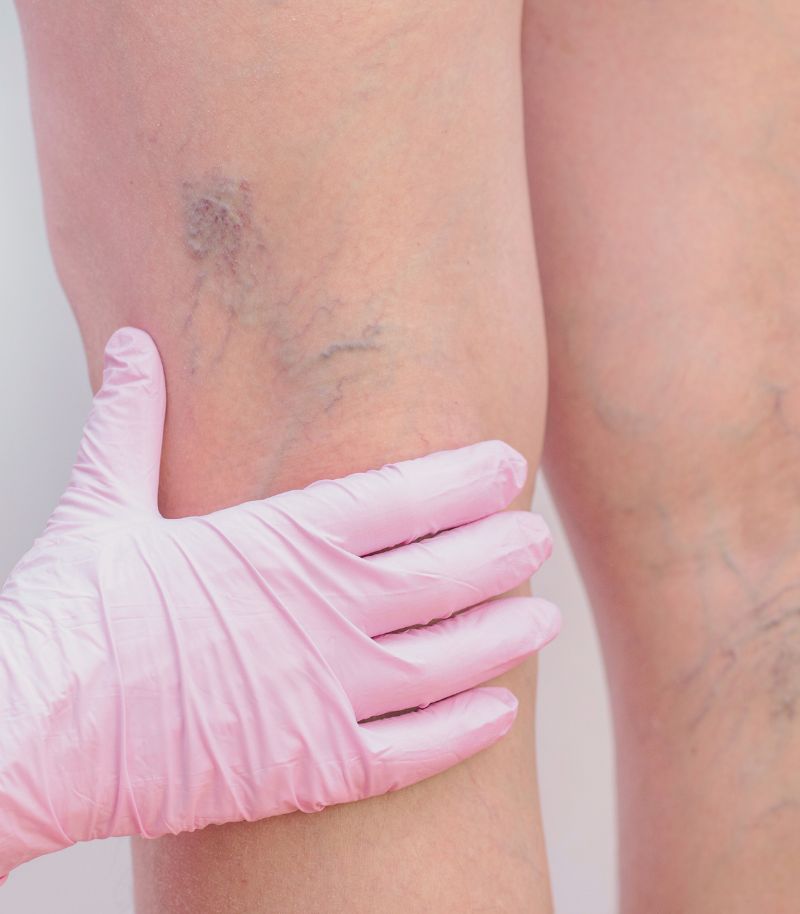
Spider veins are small red or purplish lesions with an appearance similar to a spider’s web, which explains their name. They are easily visible through the skin, as they are located very superficially, most often on the legs, although they may also appear on the face or on the sclera (the white part of the eye).
Their development can be influenced by several factors, including genetic predisposition, hormonal changes, pregnancy, sun exposure and prolonged use of topical corticosteroids in some situations.
When spider veins occur in isolation, they are usually benign and treatment is often undertaken for cosmetic reasons.
Although usually harmless, spider veins may occasionally be associated with dermatological conditions such as rosacea (when located on the face), xeroderma pigmentosum (a rare genetic disorder characterised by extreme sensitivity to ultraviolet radiation) or Chronic Venous Insufficiency (CVI).
CVI is a circulatory disorder caused by the inability of veins to return blood efficiently from the lower limbs to the heart.
Symptoms may include leg heaviness; swelling; aching; tingling; cramping; and discomfort after prolonged standing. Visible spider veins or reticular veins may be present, although their appearance alone does not establish the diagnosis of chronic venous insufficiency.
Reticular varicose veins
Reticular veins, also known as reticular varicose veins, are dilated greenish veins located deeper than spider veins and are therefore not always visible to the naked eye.
Some patients with reticular veins experience symptoms such as heaviness, aching, warmth or cramping, although others have no symptoms at all. Their clinical significance depends on whether they form part of a wider pattern of venous insufficiency or are associated with larger varicose veins.
Diagnosis of varicose veins
These types of varicose veins are more clinically significant and their treatment goes beyond relief of aesthetic changes or mild physical discomfort.
Collateral varicose veins are characterised by greater dilation and prominence than reticular veins. They distort the skin surface and are more noticeable. This type of varicose vein should be assessed by a vascular surgery specialist and treated to prevent complications.
Truncal varicose veins—also known as saphenous or axial varices—are particularly serious and often cause significant symptoms, including leg cramps, phlebitis, intense pain, skin swelling due to fluid accumulation and varicose ulcers. These varicose veins require differential diagnosis and appropriate treatment for health reasons.
Diagnosis of varicose veins
Specialists at Grupo Pedro Jaén recommend attending a dedicated assessment appointment to design an individualised treatment plan, schedule follow-up and address more severe venous problems if detected during consultation or following Doppler ultrasound examination.
Doppler ultrasound is a non-invasive test used to assess blood flow and detect valve dysfunction, clots, obstructions, flow restrictions, aneurysms, vascular narrowing and abnormal dilations. It is essential for accurate classification of varicose veins and for selecting the most appropriate treatment.
In certain cases, the specialist may consider performing an arteriography, a more invasive test that involves injecting contrast dye into blood vessels to clearly visualise their shape and course on radiographic imaging.

Treatment of varicose veins and spider veins
The most commonly used treatments include the following:
Sclerotherapy for reticular varicose veins
Sclerotherapy consists of injecting a liquid or foam sclerosing agent into dilated veins using a very fine needle. The aim of this treatment is to induce fibrosis of the abnormal vessel, causing it to close, be reabsorbed and eventually disappear, redirecting blood flow through healthy, non-dilated veins.
Sclerotherapy is commonly used for small varicose veins and reticular veins. The number of sessions required depends on the extent and characteristics of the vessels being treated.
Sclerotherapy is a pharmacological, non-surgical outpatient treatment performed in the consultation room, without anaesthesia. Side effects are few and generally mild. Although patients can return to their daily activities immediately, they are advised to follow certain recommendations, such as avoiding strenuous sports, sudden movements, running or jumping for a few days.
After treatment, compression stockings may be recommended for a period determined by the specialist. Patients are also usually advised to follow individual aftercare instructions regarding physical activity and subsequent treatment sessions.
Laser treatment for spider veins
The treatment of choice for spider veins is usually vascular laser therapy. This is because these abnormal vessels are located very superficially in the skin, have a much smaller calibre and are therefore more difficult to treat with injections.
Laser light has an affinity for haemoglobin, the protein that gives blood its characteristic red colour. For this reason, it selectively photocoagulates fine spider veins until they disappear. Depending on their size and extent, one or more sessions may be required.
Spider veins frequently occur together with reticular veins. As the optimal treatment for each type of vascular alteration differs, vascular surgeons at Grupo Pedro Jaén advocate combining sclerotherapy and laser treatment to achieve the best possible results.
Final skin appearance is assessed several weeks after treatment. During this time, as with other laser therapies, it is essential to avoid sun exposure and artificial tanning devices. For this reason, autumn and winter are the most suitable seasons for laser treatment, as avoiding ultraviolet exposure is easier.
Surgery to treat varicose veins
Surgical treatment involves removal of large-calibre varicose veins and redirection of blood circulation towards healthy vessels. This procedure consists of extracting the saphenous vein through two small incisions, one in the groin and one at the ankle. It is performed using minimally invasive techniques and usually does not require hospital admission, although recovery may take approximately 15 days.
In more severe cases, complete treatment may need to be carried out in two stages, and in all cases, regular medical follow-up is required, at least once a year. Return to work depends on each patient and on the extent of the incisions required.
Endovascular adhesive treatment
This technique involves sealing the affected vein using a medical adhesive introduced into the diseased vessel through a small catheter guided by ultrasound. The adhesive closes the varicose vein, immediately redirecting blood flow to healthy vessels.
This is a non-surgical procedure that requires only a small amount of local anaesthesia, generally without sedation. It does not cause significant pain or discomfort and does not require specific recovery measures. Patients can therefore resume their normal daily activities immediately, without the need for bandaging. Depending on the severity of the case, the specialist may recommend wearing compression stockings for a few days.
This method is suitable for sealing saphenous vein varices (the veins that run down the legs) of a certain calibre. It can be performed during the summer months and is not associated with skin hyperpigmentation or phlebitis. However, a prior differential diagnosis is essential, as this technique is not appropriate for all cases. Endovascular vein sealing is not recommended for varicose veins with a diameter greater than five millimetres and is contraindicated in patients with allergies to acrylates.
The Vascular Surgery Unit within other medical units
Vascular surgeons in this unit also participate in and support other units within Grupo Pedro Jaén:
Vascular Malformations Unit
The Grupo Pedro Jaén Vascular Surgery Unit is integrated within the Vascular Malformations Unit, which addresses congenital and acquired vascular anomalies through a multidisciplinary and cross-functional approach involving other units within the group, such as the Laser Unit. This unit also benefits from the support of our dermatology team and an external plastic surgeon specialised in vascular malformations, to whom patients may be referred following initial assessment.
Specialists dedicated to the treatment of vascular malformations at Grupo Pedro Jaén have developed a structured care protocol aimed at streamlining the patient pathway from diagnosis to treatment. This reduces delays, one of the main challenges faced by patients, who often spend prolonged periods attending multiple consultations and receiving, at times, conflicting opinions.
This integrated approach ensures appropriate management of large vascular malformations, varicose veins and vascular tumours.
Angiomas Unit
Vascular surgeons at Grupo Pedro Jaén work closely with specialists from the Angiomas and Vascular Anomalies Unit when required. Conditions treated within this related unit include strawberry marks, venous lakes, ruby spots, senile angiomas and telangiectasias (spider veins).

More information
Below you will find recommendations to help prevent the development of spider veins and varicose veins, as well as the references and authorship of the information provided on this page.
Tips to prevent spider veins and varicose veins
Although hormonal or genetic factors that predispose to varicose veins cannot be modified, adopting healthy habits can significantly improve venous return and help prevent the appearance of spider veins and small varicose veins:
- avoid prolonged periods of complete immobility;
- exercise regularly to support calf-muscle pump function and cardiovascular health;
- stand up and move periodically if you spend long periods sitting; move the feet and ankles regularly during prolonged sitting;
- maintain a healthy weight where appropriate; follow a balanced diet with adequate fibre to help prevent constipation;
- Elevate the legs when experiencing swelling or a sensation of heaviness.
Authorship and references
The content of this page has been prepared by the Communication Department and the Medical Team of Grupo Pedro Jaén, in line with our editorial commitment to ensuring the accuracy and up-to-date nature of the information provided.
References on varicose veins and their treatment:
1. Raetz J, Wilson M, Collins K. Varicose Veins: Diagnosis and Treatment. Am Fam Physician. 2019 Jun 1;99(11):682-688. PMID: 31150188.
2. Chwała M, Szczeklik W, Szczeklik M, Aleksiejew-Kleszczyński T, Jagielska-Chwała M. Varicose veins of lower extremities, hemodynamics and treatment methods. Adv Clin Exp Med. 2015 Jan-Feb;24(1):5-14. doi: 10.17219/acem/31880. PMID: 25923081.
3. Youn YJ, Lee J. Chronic venous insufficiency and varicose veins of the lower extremities. Korean J Intern Med. 2019 Mar;34(2):269-283. doi: 10.3904/kjim.2018.230. Epub 2018 Oct 26. PMID: 30360023; PMCID: PMC6406103.
4. de Ávila Oliveira R, Riera R, Vasconcelos V, Baptista-Silva JC. Injection sclerotherapy for varicose veins. Cochrane Database Syst Rev. 2021 Dec 10;12(12):CD001732. doi: 10.1002/14651858.CD001732.pub3. PMID: 34883526; PMCID: PMC8660237.
5. Papadakis MA, et al., eds. Varicose veins. In: Current Medical Diagnosis & Treatment 2022. 61st ed. McGraw Hill; 2022. https://accessmedicine.mhmedical.com. Accessed Nov. 17, 2021.
6. Varicose veins. National Heart, Lung, and Blood Institute. https://www.nhlbi.nih.gov/health-topics/varicose-veins. Accessed Dec. 6, 2021.
7. Varicose veins and spider veins. Office on Women’s Health. https://www.womenshealth.gov/a-z-topics/varicose-veins-and-spider-veins. Accessed Nov. 17, 2021.
8. Hartmann K. Endovenous (minimally invasive) procedures for treatment of varicose veins : The gentle and effective alternative to high ligation and stripping operations. Hautarzt. 2020 Dec;71(Suppl 2):67-73. doi: 10.1007/s00105-019-04532-y. PMID: 32123975; PMCID: PMC7744384.
9. Spinedi L, Aschwanden M, Broz P, Imfeld S, Baldi T, Jaeger K, Staub D, Uthoff H. Endoluminale Varikosebehandlung: Stellenwert der Duplexsonografie (Teil 2) [Endoluminal Treatment of Varicose Veins: Value of Duplex Ultrasound (Part 2)]. Ultraschall Med. 2017 Jan;38(1):14-32. German. doi: 10.1055/s-0042-113385. Epub 2016 Oct 13. PMID: 27737471.
10. Alsaigh T, Fukaya E. Varicose Veins and Chronic Venous Disease. Cardiol Clin. 2021 Nov;39(4):567-581. doi: 10.1016/j.ccl.2021.06.009. PMID: 34686268.
11. Bayer A, Kahle B, Horn M, Recke AL, Keck T, Kleemann M. Moderne Behandlungsverfahren der Varikose der unteren Extremität [Modern treatment of varicose veins]. Dtsch Med Wochenschr. 2019 May;144(9):606-623. German. doi: 10.1055/a-0855-2401. Epub 2019 Apr 26. PMID: 31026870.
12. Gloviczki P, Comerota AJ, Dalsing MC, Eklof BG, Gillespie DL, Gloviczki ML, Lohr JM, McLafferty RB, Meissner MH, Murad MH, Padberg FT, Pappas PJ, Passman MA, Raffetto JD, Vasquez MA, Wakefield TW; Society for Vascular Surgery; American Venous Forum. The care of patients with varicose veins and associated chronic venous diseases: clinical practice guidelines of the Society for Vascular Surgery and the American Venous Forum. J Vasc Surg. 2011 May;53(5 Suppl):2S-48S. doi: 10.1016/j.jvs.2011.01.079. PMID: 21536172.
Related units and pages
Non-surgical varicose vein removal
Tratamiento de varices y úlceras varicosas de las piernas sin necesidad de incisiones, cateterismos o cirugía.
Body aesthetics
A personalised approach combining different treatment strategies to address the main body-related concerns.
Facial aesthetics
Minimally invasive treatments to improve facial appearance with harmonious and natural-looking results.
Scars
Fully personalised treatments tailored to the type and specific characteristics of each scar.
Plastic surgery
Treatment of facial and body aesthetic and functional concerns that require a surgical solution.
Complementary aesthetics
Cosmetic and aesthetic treatments that address beauty from a clinical perspective to achieve optimal results.
Information and news
Press room
In the Grupo Pedro Jaén Press Room you can find information, advice and news related to dermatology, aesthetic medicine, trichology and general health. The group’s journals are also shared through an online platform, along with updates on the activity and media appearances of our clinics and healthcare professionals.

How to shower properly: tips for looking after your skin
Cold or hot water? Is it better to use a sponge? Find out how to shower properly and what dermatologists recommend to protect your skin.

Retinol in summer: should you stop using it?
We debunk this and other myths about using retinol during the warmer months.

Blog
News about Grupo Pedro Jaén. Information and advice on dermatology, aesthetic medicine, trichology, and general health

Media
Information about media appearances by our clinics and medical specialists.

Journal
Archive of all Grupo Pedro Jaén journals, available through an external online platform.