
Alergy Unit
At our clinic on Calle Serrano 143 in Madrid (Spain)
Children and adults
Specialist allergists
Allergic diseases have become a major public health concern worldwide. It is estimated that around 40% of the global population is affected by one or more conditions with an allergic component, and this figure is expected to continue rising. According to the World Health Organization (WHO), by 2050 up to half of the world’s population may suffer from some form of allergy. An increasing number of people experience reactions of varying intensity triggered by exposure to foods, chemical substances, fabrics, cosmetics and environmental allergens. A significant proportion of these abnormal immune responses manifest in the skin and account for a large number of consultations at our Allergy Unit.

Recognised reference clinics in Spain
Home > Other specialties > Allergology
What sets us apart
Comprehensive and personalised care
Our Allergy Unit is recognised for its holistic and multidisciplinary approach to the diagnosis, treatment and prevention of allergic diseases, including respiratory, food and skin allergies. We use advanced diagnostic techniques—such as patch testing and allergen sensitisation testing—to achieve accurate, individualised diagnoses. We work closely with other medical units across Grupo Pedro Jaén to manage complex cases effectively. Our goal is to improve patients’ quality of life through evidence-based treatments, patient education and tailored preventive strategies.

Advanced diagnostics
The Grupo Pedro Jaén Allergy Unit provides a comprehensive diagnostic approach using specialised tests that allow accurate identification of the allergens responsible for each patient’s symptoms.
Patch testing and immunological analysis
We perform patch testing with more than 200 allergens to identify sensitivities to commonly encountered substances. In addition, we carry out immunoglobulin E (IgE) testing, providing a detailed immunological profile for each patient.
Assessment of respiratory and food allergies
Specific tests are available for inhalant allergens, foods and other frequent triggers. The combination of skin testing and spirometry enables our allergists to establish a complete diagnosis and design a personalised treatment plan aimed at improving quality of life.

Integrated and multidisciplinary approach
Collaboration with other Grupo Pedro Jaén units allows us to address allergies in a holistic manner, considering their cutaneous, respiratory and systemic manifestations.
Coordination with dermatology and other specialist units
Skin allergies such as atopic dermatitis or contact dermatitis often require highly specialised management. Our Allergy Unit works closely with dermatologists to provide effective treatment, including access to advanced therapies in complex cases.
Management of severe and complex allergies
Drug, latex and food allergies are approached through an interdisciplinary framework to ensure safe and effective care. Individualised treatment plans are designed to minimise risk and improve long-term control of allergic reactions.
More information
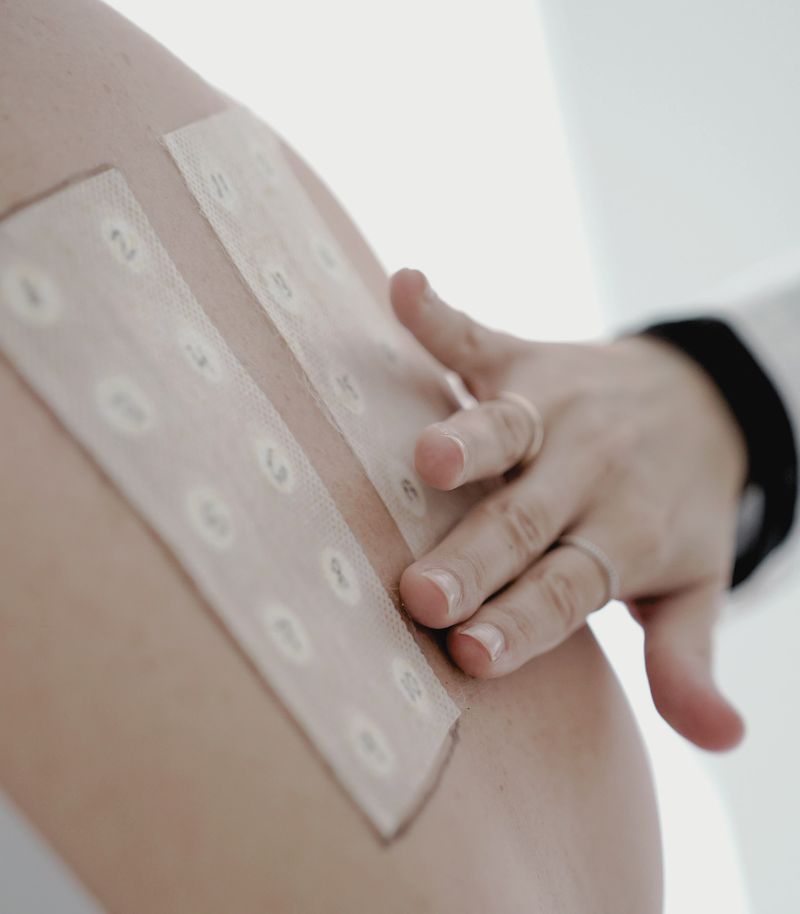
Skin allergies
Skin allergies can have a significant impact on quality of life. Our unit specialises in the diagnosis and management of conditions such as contact dermatitis, urticaria and atopic dermatitis.
Advanced testing for contact dermatitis
Using patch tests with more than 200 allergens, we identify substances responsible for adverse skin reactions and establish personalised prevention and treatment strategies.
Innovative therapies for atopic dermatitis and urticaria
Advanced treatments are available for severe or refractory cases. We also design treatment plans combining topical and systemic therapies to relieve symptoms, prevent flare-ups and improve long-term disease control.
More information
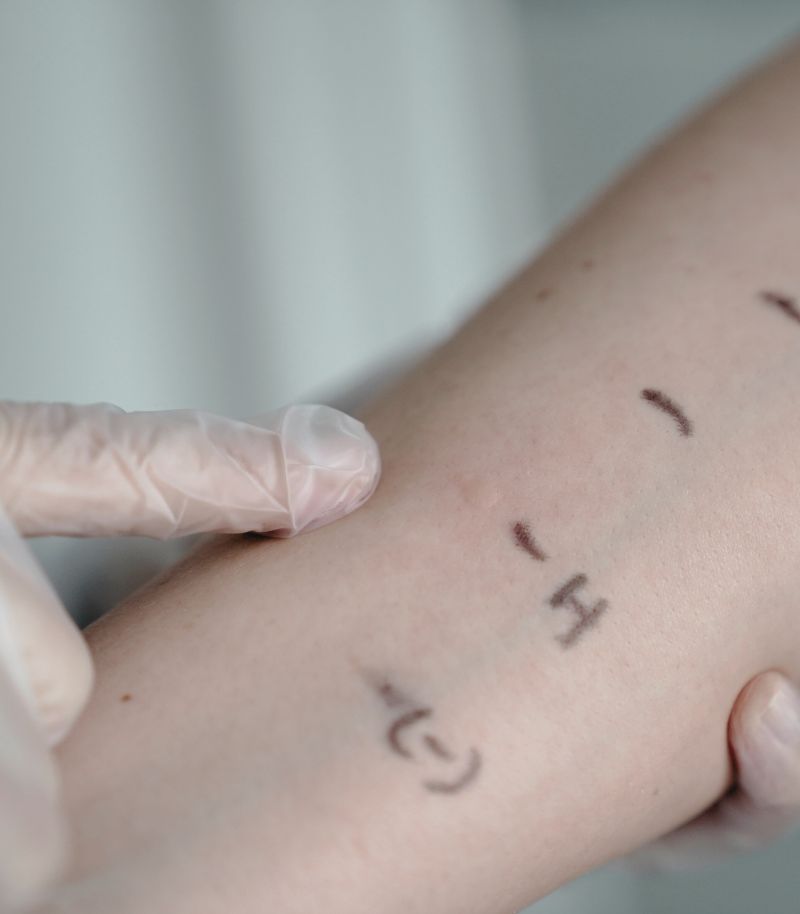
Respiratory allergies
Respiratory allergies—including allergic rhinitis, conjunctivitis and bronchial asthma—can significantly affect quality of life and lead to complications if not properly managed.
Skin testing and spirometry for accurate diagnosis
We perform skin tests to identify sensitisation to pollens, mites, moulds and other environmental allergens. Spirometry is used to assess lung function in asthma, allowing treatment to be tailored to individual needs.
Personalised treatment strategies
Our specialists design combined treatment plans that may include allergen immunotherapy, pharmacological treatment for symptom control and preventive measures to reduce allergen exposure. This structured approach helps improve symptom control and prevent disease progression.

Food allergies
Food allergies are increasingly common and may range from mild reactions to severe anaphylaxis. Our allergists manage these conditions through accurate diagnosis, patient education and personalised care.
Identification of food allergens
Advanced diagnostic tests are used to detect sensitisation to common foods uch as milk, egg, nuts, fish and shellfish, among others. This enables precise dietary guidance and risk reduction strategies.
Education and emergency preparedness
We provide nutritional counselling and develop emergency action plans for patients at risk of severe reactions. Patients and families receive training on label reading, management of accidental exposure and correct use of adrenaline auto-injectors.
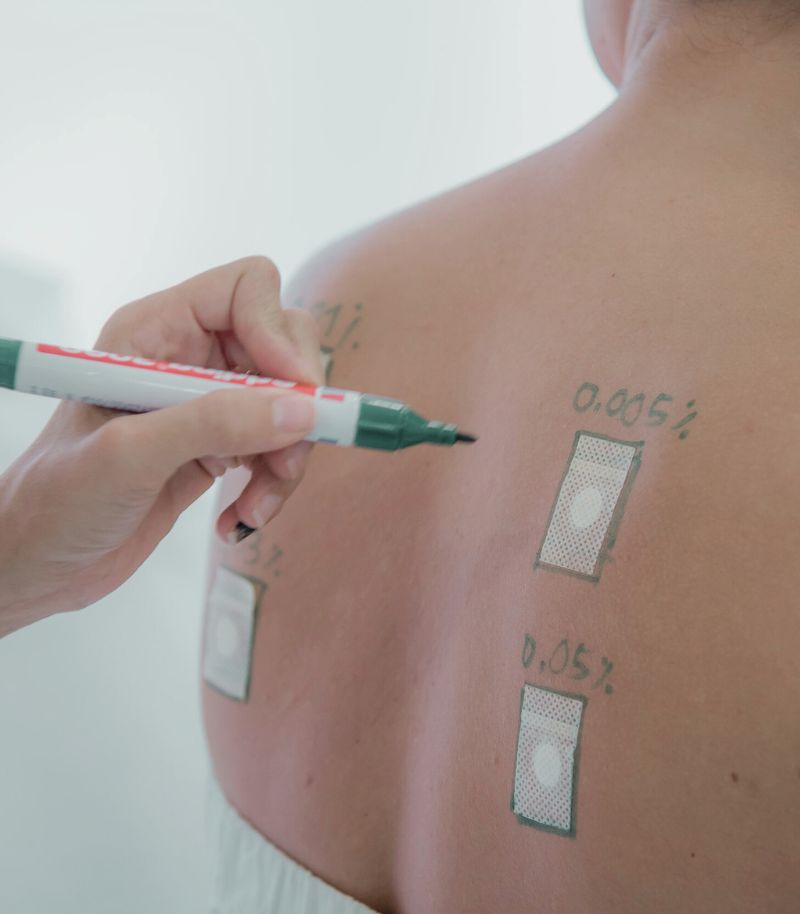
Personalised care for complex allergies
Our unit has extensive experience in the management of complex allergic conditions, including drug allergies, insect venom allergy and anisakis hypersensitivity.
Emergency plans and patient training
For patients at risk of anaphylaxis, we design personalised action plans and provide practical training on recognising symptoms and using emergency medication.
Multidisciplinary and innovative care
Through close coordination with other specialist units and access to advanced therapies, we aim to reduce both the frequency and severity of allergic reactions, ensuring maximum safety and long-term disease control.
What they are, symptoms, diagnosis and treatment
A guide to understanding allergies
The term allergy refers to a group of common conditions that trigger adverse immune system reactions when an individual is exposed to substances that do not normally cause symptoms in healthy people.
Allergies have a strong genetic component. It is common for allergic patients to have a family history of asthma, allergic rhinitis (hay fever), urticaria or eczema. Allergic conditions are more frequent in childhood, although they may appear at any age. They are often more intense during childhood and adolescence and may become milder over time. However, this is not always the case, and allergies should therefore be properly assessed and monitored.
An allergic reaction occurs when an allergic individual is exposed to an allergen and an abnormal immune response mediated by immunoglobulin E (IgE) antibodies is triggered. These antibodies are found in the lungs, mucous membranes and skin and are usually present in higher concentrations in allergic patients. They cause the body to react excessively to substances it identifies as foreign, such as pollen, spores, milk, dust mites or animal dander.

Symptoms and possible complications of allergies
The symptoms and complications of allergies may vary depending on several factors, including the type of allergen and the organs involved.
Most common allergy symptoms
Allergic symptoms differ according to the affected system. The most frequent include:
Skin allergies
These affect the skin and may cause pruritus (itching), erythema (redness), urticaria, angioedema and eczema…
Digestive allergies
These affect the gastrointestinal tract and may present with itching of the oral cavity, abdominal pain, nausea, vomiting and diarrhoea.
Respiratory allergies
These may affect any part of the respiratory tract, from the nose to the bronchi. Symptoms include sneezing, rhinorrhoea (runny nose), nasal congestion, wheezing, shortness of breath and asthma.
Cardiovascular allergies
These may cause hypotension, dizziness, instability and loss of consciousness.
Complications of allergies
As mentioned above, allergic reactions are often more severe during childhood and may lessen over time. However, allergies can also develop in adulthood, and allergic patients frequently present with more than one allergy simultaneously. The most common complications include:
Asthma
A condition characterised by narrowing of the airways, leading to shortness of breath, breathing difficulty, chest tightness, wheezing and cough.
Anaphylaxis
A severe, life-threatening allergic reaction that requires immediate medical attention. It affects the entire body and progresses rapidly, causing breathing difficulty, intense itching, tachycardia, dizziness and loss of consciousness. In severe cases, it may lead to cardiovascular collapse and death.
Sinusitis
An inflammatory condition that may become chronic, characterised by inflammation of the paranasal sinuses—air-filled cavities located on either side of the nose that drain mucus into the nasal cavity. Common symptoms include cough, breathing difficulty, nasal congestion and fever.
Diagnosis, most common allergies and treatment
The diagnosis of allergic conditions is based on a detailed medical history, a thorough physical examination and appropriate complementary tests. Treatment usually involves avoidance of allergens, medication to reduce symptom intensity and access to emergency medication in cases of severe reactions.
Diagnosis of allergies
At the Allergy Unit, diagnosis is carried out through a comprehensive clinical assessment, physical examination and complementary tests selected by the specialist allergist according to each case.
Skin allergy tests
Skin tests are considered the diagnostic method of choice in allergic patients. They are safe and simple to perform and involve introducing a small amount of allergen extract into the skin via a superficial prick. Results are read after 15–20 minutes, providing immediate information on sensitisation. These tests are performed using extracts of common aeroallergens (pollens, dust mites, fungi, animal dander and insects), as well as specific allergens such as foods.
Patch testing (epicutaneous tests)
Also known as patch tests, these are used to differentiate irritant dermatitis from allergic contact dermatitis. Patches containing potential allergens are applied to the upper back and left in place to observe skin reactions. Results are read at 48 and 96 hours.
Respiratory allergy tests
Spirometry is the test of choice for assessing respiratory function. This non-invasive test measures the volume and speed of exhaled air using a device called a spirometer. It is essential for the diagnosis, monitoring and prognosis of bronchial asthma.
Immunoglobulins and antibodies
This blood test evaluates total serum IgE levels and the activity of IgE antibodies. It is often indicated when allergic disease is suspected, as it provides valuable information for the allergist in a simple and accessible manner.
Diagnosis of urticaria and angioedema
The diagnosis of urticaria and angioedema requires a thorough assessment that includes a detailed clinical history to classify the condition correctly. Additional tests are often performed, particularly blood tests, analysis of secretions or stool samples, and skin biopsy in a significant number of cases. The aim is to clearly identify the cause of the allergic reaction, as its severity may be life-threatening in certain situations.
Most common allergies
Some of the most frequent allergic conditions include the following:
Respiratory allergies
These are triggered by inhalation of allergens such as pollen, aerosols or dust. They typically cause allergic rhinitis and conjunctivitis (affecting the nose and eyes), as well as bronchial asthma and/or breathing difficulty.
Food allergies
Allergic reactions to food represent a significant public health issue, both due to their high prevalence and the potential severity of reactions, which in some cases may be life-threatening.
The foods most commonly responsible for allergic reactions in children are milk, egg and fish, whereas in adults, plant-based foods such as fruits and nuts are more frequently involved.
Urticaria and angioedema
Urticaria is an allergic reaction characterised by skin inflammation, intense itching and wheals that resolve over a variable period of time. Acute urticaria lasts less than six weeks, whereas chronic urticaria is defined by the presence of wheals daily or almost daily for more than six consecutive weeks.
Angioedema may be confused with urticaria, but they are not the same condition. Angioedema presents with tingling, pain and burning sensations in the skin and, unlike urticaria, affects deeper layers of the skin and is usually not itchy. It causes swelling of the lips, eyelids, cheeks, hands and feet, and may also involve the glottis, tongue or uvula. This constitutes a serious clinical situation requiring urgent medical attention.
Hymenoptera allergies (bees and wasps)
Stings from hymenoptera insects usually cause mild skin reactions in most people, which resolve shortly afterwards. However, in some individuals they may trigger severe allergic reactions that can be fatal.
Anisakis simplex allergy
This allergy is caused by an immune reaction to the parasite Anisakis simplex, which may be present in fish and cephalopods (such as octopus, cuttlefish or squid). Symptoms are highly variable and may range from digestive problems (nausea, vomiting, diarrhoea, abdominal pain) to anaphylactic shock. Skin manifestations such as angioedema and urticaria may also occur and can be life-threatening.
Latex allergy
Latex allergy is considered a particularly important medical condition due to the severity of the reactions it may cause, as well as its frequent association with food allergies.
Contact dermatitis
Contact dermatitis is a specific inflammatory skin reaction caused by direct contact with external agents, either irritants or allergens.
Atopic dermatitis and allergy
Atopic dermatitis is a chronic inflammatory skin disease characterised by eczema. It is estimated that approximately 80% of patients diagnosed with atopic dermatitis also develop allergic rhinoconjunctivitis and/or allergic bronchial asthma.
Treatment of allergies
Avoidance of allergens
The cornerstone of allergy treatment is avoiding, as far as possible, contact with the substances or agents responsible for allergic reactions. To achieve this, it is essential to establish a precise diagnosis and identify the specific triggers involved.
Medications
Allergy medications aim to reduce the intensity and severity of symptoms and to modulate immune system activity in order to control the condition. These may include topical, oral, injectable or inhaled treatments.
Immunotherapy
Depending on each case—such as severe allergies, long-standing conditions, exposure to very common allergens, multiple allergies or poor response to medication—the allergist may recommend immunotherapy. This treatment involves the controlled, periodic administration of a vaccine containing clinically relevant allergens for the allergic patient. The goal is to reach an effective dose that controls symptoms triggered by exposure to the causative allergen. In doing so, immunotherapy may also help prevent or reduce serious complications such as bronchial asthma, angioedema or anaphylactic shock.
Emergency medication
Patients with a history of severe allergic reactions may require injectable medications designed to relieve severe symptoms and prevent rapid progression to life-threatening situations. These medications are usually provided in easy-to-use auto-injector pens, allowing the patient or anyone assisting them to administer treatment promptly and effectively.
“Treatment usually consists of avoiding allergens, taking medication to reduce symptom intensity, and having emergency medication available for severe cases”
More information
Below you will find the authorship of the information provided on this page.
Authorship of this content
The content of this page has been prepared by the Communication Department and the Medical Team of Grupo Pedro Jaén, in line with our editorial commitment to accuracy, scientific rigour and up-to-date medical information.
Where we see patients?
Centro en Madrid
Grupo Pedro Jaén has several centres located in Madrid and also offers the option of online consultations. The main headquarters is located on Calle Serrano and provides all specialties except trichology, which is offered at the Calle Cinca clinic, just a few minutes’ walk away. For patients in the northern area of Madrid, the group also has a clinic in La Moraleja, where most specialties are available.


Calle Serrano 143
This centre is the main headquarters of Grupo Pedro Jaén. It provides diagnostic and treatment services in skin cancer, clinical and aesthetic dermatology, laser treatments and other related specialties.
Address and contact details
Just a five-minute walk from the Nuevos Ministerios Transport Interchange and only a few stops away from one of Spain’s most vibrant shopping areas—the Golden Mile and Calle Serrano.
Mon - Fri: 09:00 - 21:00
Calle Serrano 143, El Viso neighbourhood, Chamartín district, 28006 Madrid, Spain
Related units and pages
Other specialties
Treatment of a wide range of health conditions, while maintaining a dermatological and aesthetic medical perspective.
Clinical dermatology
Highly specialised dermatologists for each skin condition, offering the most advanced treatments available.
Sensitive Skin Unit
Integrated management of reactive and inflammatory skin conditions closely associated with rosacea.
Information and news
Press room
In the Grupo Pedro Jaén Press Room you can find information, advice and news related to dermatology, aesthetic medicine, trichology and general health. The group’s journals are also shared through an online platform, along with updates on the activity and media appearances of our clinics and healthcare professionals.

How to shower properly: tips for looking after your skin
Cold or hot water? Is it better to use a sponge? Find out how to shower properly and what dermatologists recommend to protect your skin.

Retinol in summer: should you stop using it?
We debunk this and other myths about using retinol during the warmer months.

Blog
News about Grupo Pedro Jaén. Information and advice on dermatology, aesthetic medicine, trichology, and general health

Media
Information about media appearances by our clinics and medical specialists.

Journal
Archive of all Grupo Pedro Jaén journals, available through an external online platform.