
Atopic Dermatitis Unit
At our clinics in Madrid: Calle Serrano 143 and La Moraleja
Dermatologists specialising in
Atopic dermatitis treatment for children and adults
When the Grupo Pedro Jaén Atopic Dermatitis Unit was created more than ten years ago, it became the first unit of its kind within the Spanish private healthcare sector. Since then, it has cared for thousands of patients and has become a reference centre for this complex and multifactorial condition, which can significantly affect quality of life—especially in infants and children.

Recognised reference clinics in Spain
Home > Clinical Dermatology > Atopic Dermatitis
What sets us apart
Experts in complex cases and advanced treatment
We offer a specialised approach that combines clinical expertise with the latest therapeutic innovations. Our dermatologists are experts in the condition and in the management of moderate and severe cases, incorporating everything from conventional treatments to biological and targeted therapies. In addition, we work closely with allergists, immunologists and psychologists to address the factors that influence the condition, improving symptom control and quality of life for both child and adult patients.
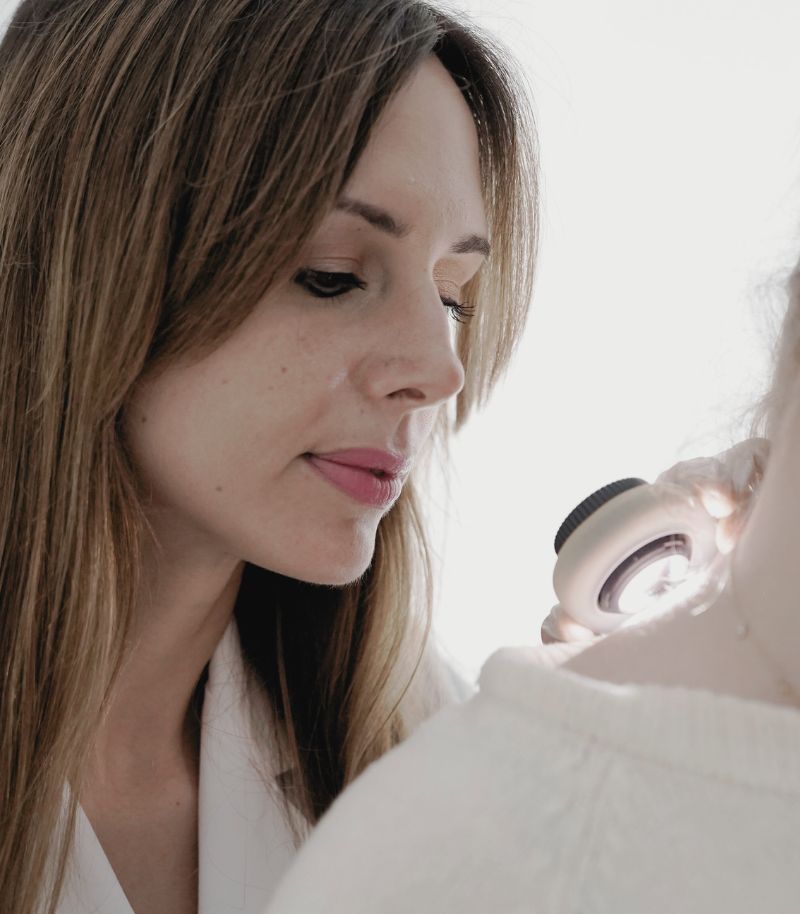
Treatments adapted to the severity of the case
Each patient with atopic eczema presents with unique characteristics, so it is essential to tailor treatment to individual needs. Our team carries out a thorough assessment from the first consultation, taking into account factors such as age, medical history and severity of the condition.
Comprehensive assessment and differential diagnosis
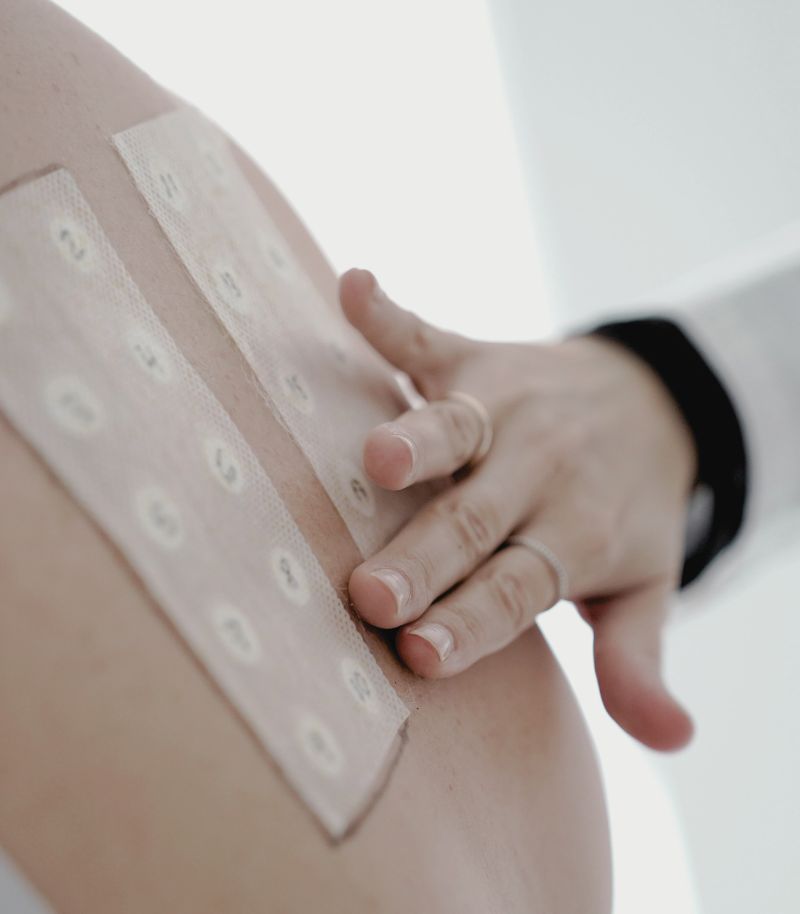
In addition to detailed skin examination, we use complementary tests to detect triggering factors or associated conditions. In complex cases, we collaborate with the Allergy Unit and the Sensitive Skin Unit to rule out intolerances or contact dermatitis. We also assess aspects such as skin barrier function and skin microbiota, which may influence the course of the condition.
Use of advanced and safe therapies
From topical treatments to systemic options, our unit employs therapeutic strategies supported by scientific evidence. In addition, our dermatologists specialising in atopic dermatitis use phototherapy in selected cases and advanced medications for severe forms, ensuring the best possible control of the condition with maximum safety for the patient.
Multidisciplinary approach
Eczema can be influenced by multiple factors, so coordination between disciplines is key to achieving effective and sustained control.
Coordination with the Allergy Unit
Allergy to certain foods, dust mites, pollens or irritants can aggravate eczema flare-ups. Our eczema team therefore works very closely with the Allergy Unit, which specialises in identifying possible triggers through specific tests. This enables us to design strategies to minimise exposure to these factors and improve patients’ response to treatment.
Coordination with immunology (when needed)
In selected cases, we collaborate with immunology specialists to assess factors that may contribute to persistent inflammation and to guide the choice of advanced therapies. This coordinated approach helps us select the most appropriate treatment strategy and monitor response over time.
Treatment of eczema in children
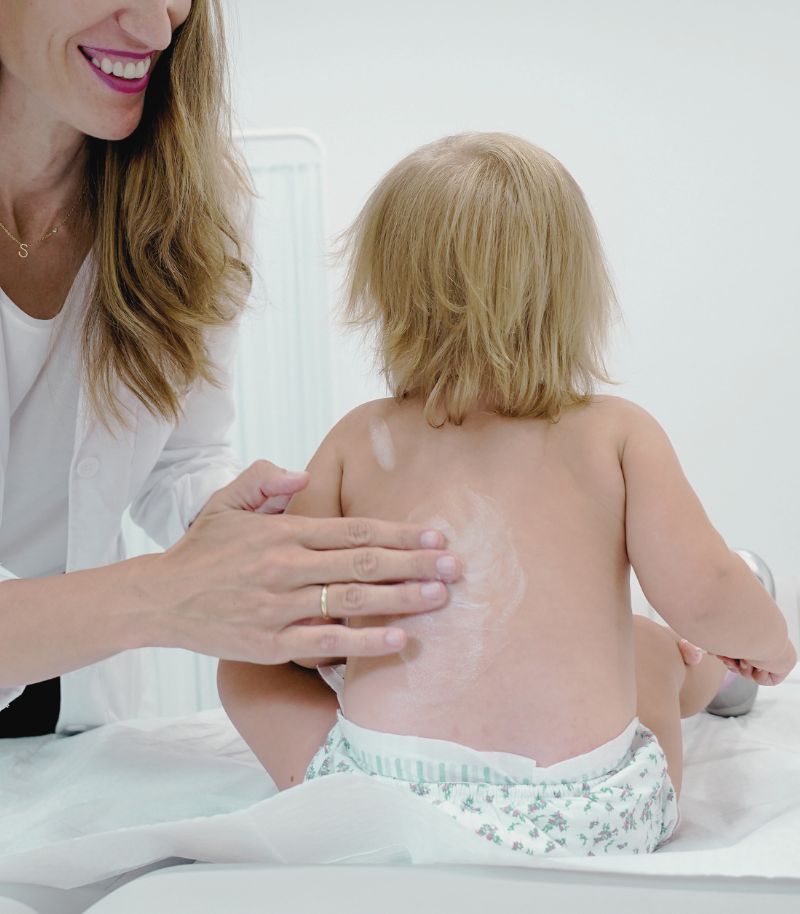
Childhood is a key time to manage eczema effectively and improve a child’s quality of life. Our unit has extensive experience in paediatric dermatology, providing a specialised approach to the treatment and control of the condition in children.
Specialised paediatric approach
The treatment of eczema in children requires specific management, as children’s skin is more delicate and reactive. We use age-appropriate strategies, combining safe therapies with preventive measures to reduce flare-ups and relieve itching. In addition, we support parents by helping them understand how to manage the condition at home.
Support for families and ongoing follow-up
Managing childhood atopic dermatitis continues beyond the consultation. We help families recognise factors that may trigger flare-ups, care properly for the skin barrier, apply prescribed treatments correctly and manage the itch–scratch cycle. Follow-up makes it possible to adapt the recommendations to the child’s progress and support better control of the disease and its impact on sleep and everyday life.
Treatment of atopic dermatitis in adult patients
La dermatitis atópica se ha considerado tradicionalmente una enfermedad infantil, pero la experiencia clínica y los datos recientes revelan que su frecuencia en adultos ha sido subestimada. Algunos pacientes mantienen síntomas desde la infancia, mientras que en otros, aparentemente resueltos, la enfermedad reaparece más tarde, a menudo en manos o en cabeza y cuello. Estos cambios clínicos y la falta de recuerdos o registros infantiles dificultan el diagnóstico, por lo que un enfoque especializado es clave para su correcta identificación y tratamiento.
Specialised approach
A fundamental step in establishing effective treatment is ensuring an accurate diagnosis. It is essential to differentiate adult atopic dermatitis from other causes of dermatitis, such as irritant contact dermatitis or allergic contact dermatitis. Moreover, these forms of contact dermatitis may coexist with atopic dermatitis, worsening symptoms and hindering an adequate therapeutic response. For this reason, our dermatologists specialising in atopic dermatitis have all the necessary diagnostic tools, as well as extensive experience in the management of atopic disease in adulthood.
Access to the latest treatments
We offer the full range of treatments for adult atopic dermatitis, including phototherapy and topical, oral or injectable medications. These options range from conventional immunomodulatory therapies to the most advanced, next-generation treatments.

Addressing the psychological impact
Eczema not only affects the skin; it can also have a significant impact on quality of life. Discomfort from persistent itching, redness and visible skin damage can lead to stress, anxiety and low self-esteem. In our unit, we take a holistic approach and include emotional wellbeing as part of care.
Psychological support for children and adults
Physical discomfort and changes in self-image can lead to social isolation and reduced quality of life. We therefore offer specialised psychological support to help patients manage the stress and anxiety the condition can generate.
Patient empowerment education programmes
Beyond clinical treatment, we teach patients how to manage their condition in everyday life. Through educational programmes, we provide guidance on how to avoid scratching, improve sleep quality and apply treatments correctly. These strategies help patients gain more control over their condition and reduce the frequency of flare-ups.

Advanced therapies and research
Itching and recurrent flare-ups are two of the most challenging aspects of atopic dermatitis. Effective control is essential to help break the itch–scratch cycle that perpetuates inflammation and skin damage.
Eficacia antiinflamatoria de la fototerapia
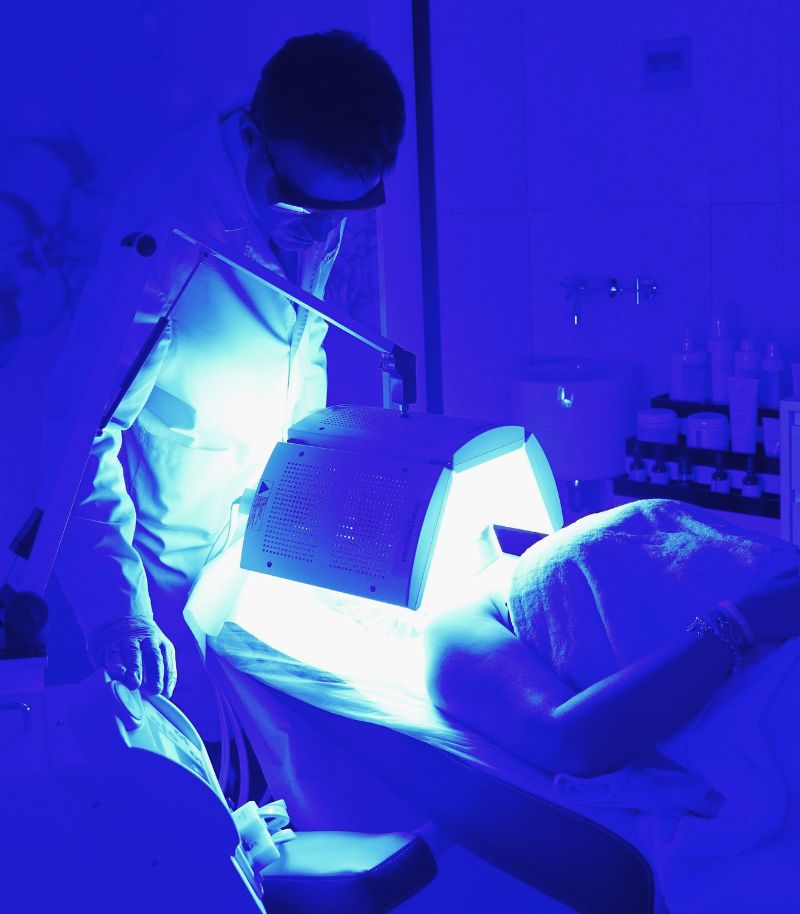
Narrowband ultraviolet B (NB-UVB) phototherapy is an effective option for reducing disease flares and inflammation in patients with chronic atopic dermatitis. This treatment helps modulate the skin’s immune response, reducing pruritus and promoting skin regeneration, in some cases without the need for systemic medications. It is a safe therapeutic alternative that allows flares to be spaced out and improves overall skin texture.
Terapias avanzadas para casos graves e investigación científica
For patients with more severe forms of atopic dermatitis, we use targeted treatments designed to block the inflammatory mechanisms underlying the disease. These therapies have demonstrated high efficacy and safety, allowing for sustained disease control without the adverse effects associated with other systemic treatments. In addition, we provide preferential access to clinical trials conducted at the International Center for Medical Research (ICMR), a reference centre in Spain and Europe dedicated to the research of inflammatory and/or immune-mediated dermatological diseases.
What it is, causes, symptoms and treatment
A guide to understanding atopic dermatitis
It is estimated that in Spain approximately 30% of children under the age of 10 are affected by this condition. In fact, atopic dermatitis accounts for more than one third of consultations in our Paediatric Dermatology Unit. However, although it is primarily a childhood condition that often improves over time, atopic dermatitis does not always resolve in adulthood.
In addition, while skin symptoms are the most visible and widely recognised, atopic dermatitis is also associated with inflammatory processes, an increased risk of allergies and even asthma. It also has a significant psychological impact, as many patients report difficulties in social interaction at school, at work and in their personal lives.
For this reason, the Atopic Dermatitis Unit works closely with the Group’s Allergy Unit to provide comprehensive care for atopic patients of all ages and in all clinical situations.
Although atopic dermatitis is not usually considered a severe disease, early diagnosis and ongoing follow-up by a dermatologist specialising in atopic dermatitis are essential in order to initiate appropriate treatment as early as possible and prevent disease progression.
Clinical experience at our centre shows that effective control of severe flare-ups during childhood leads to a much more favourable long-term course of atopic skin, improved quality of life, fewer associated complications and less residual skin damage.

What is atopic dermatitis?
Atopic dermatitis is a chronic, recurrent, inflammatory skin disease with a hereditary component. It occurs in flare-ups and is characterised primarily by eczema (red patches affecting different areas of the skin surface) accompanied by intense itching. The itching can significantly interfere with daily life and routine activities and often leads to skin damage due to scratching, with an increased risk of infection.
Skin manifestations of atopic dermatitis typically appear during the first year of life, progress in flare-ups throughout childhood and tend to improve in adulthood, although this is not always the case.
The exact incidence of atopic dermatitis is difficult to determine. However, in developed countries it is estimated to affect up to one third of the paediatric population. Around 60% of cases are diagnosed before the age of one, and approximately 85% occur within the first five years of life. Over time, the disease often evolves favourably, although it persists into adulthood in an estimated 3% to 10% of the population.
Atopic dermatitis affects both sexes equally and is associated with a clear genetic predisposition. Approximately 20% to 30% of children with atopic dermatitis have one affected parent, a figure that rises to 40%–50% when both parents are affected.
Causes and symptoms of atopic dermatitis
The term atopy, derived from the Greek a-topos meaning “out of place” or “unusual”, was coined in 1923 by the American immunologist Arthur F. Coca to describe conditions that did not fit into previously recognised disease categories, such as allergies, eczema and asthma.
Causes
Despite having been described over a century ago, the precise causes of atopic dermatitis are still not fully understood. What is well established is that eczema in atopic patients results from a disruption of the skin barrier (the protective layer that prevents dehydration and blocks the entry of potentially harmful agents), combined with an exaggerated inflammatory response of the immune system when exposed to certain triggers such as cosmetics, pollen, pet dander, chemicals, detergents and similar substances.
Multiple factors contribute to impairment of the skin barrier, making it more permeable to irritants. Notably, atopic dermatitis is considered a disease of industrialised societies and is far less common in developing countries or less advantaged regions. It is also more prevalent in urban environments and less frequent in rural areas.
This observation, together with the fact that the prevalence of atopic dermatitis has tripled over the past three decades in industrialised countries, has led the scientific community to suggest that in addition to genetic predisposition, environmental and lifestyle factors play a significant role. These may include air pollution, dietary factors, exposure to certain unidentified toxins during pregnancy, antibiotic use during pregnancy, and prolonged exposure to toxic substances in everyday life.
Symptoms
The most common and characteristic symptom of atopic dermatitis is the appearance of eczema—reddened, inflamed skin with scaling or oozing—in a specific area, accompanied by intense itching. This itching often leads to vigorous scratching, which worsens inflammation, aggravates eczema and increases the risk of wounds and excoriations. These lesions are highly prone to infection and may result in scarring.
The location of eczema varies according to the patient’s age. In infants, it commonly affects the face, trunk and limbs. In older children, lesions more frequently appear in the flexural areas of the arms and legs, as well as on the neck and feet. In adults, typical locations include the nape of the neck, elbows, backs of the hands and feet, and flexural areas of the wrists and legs. However, many adults with atopic dermatitis also show residual lesions characteristic of childhood disease.
There are also atypical manifestations of atopic dermatitis that must be considered, as they can complicate diagnosis. At the Grupo Pedro Jaén Atopic Dermatitis Unit, the following atypical presentations are also evaluated
Pityriasis alba
Rounded, whitish, scaly patches that do not itch and appear on apparently healthy skin of the face and limbs.
Atopic prurigo
An eruption of papules, most commonly on the legs, associated with intense itching that often leads to deep lesions and ulceration.
Juvenile plantar dermatitis
Relatively common in children and adolescents who frequently wear sports footwear. It is characterised by redness of the soles and undersides of the toes, which appear shiny and parchment-like. Fissures may develop in some cases.
Acrovesiculosis
Vesicles on the fingers and/or palms of the hands and feet, causing itching, oozing, crusting, scaling and fissures. These lesions may also be painful.
Complications associated with atopic dermatitis
Atopic dermatitis is a clinical condition with implications that extend far beyond the skin. It is associated with other diseases such as contact dermatitis, bronchial asthma and various types of allergy—including respiratory, food, drug-related, insect sting allergies, Anisakis allergy and latex sensitivity—as well as gluten sensitivity and other immunological and metabolic disorders.
Patients with atopic dermatitis are also more susceptible to skin infections caused by Staphylococcus aureus, which may lead to impetigo, herpes simplex infections, molluscum contagiosum, fungal infections and warts.
In addition, patients with atopic dermatitis often experience irritability, anxiety, feelings of guilt, rejection, bullying and social isolation—whether imposed by others or self-imposed due to embarrassment. These factors can have a significant negative impact on personal development and social relationships. As most patients are children, close monitoring of emotional wellbeing is essential in order to detect and address potential psychological imbalances early.
“At Grupo Pedro Jaén, we have established the first Atopy School within the private healthcare sector in Madrid”
Diagnosis of atopic dermatitis
In most cases, no specific tests are required to diagnose atopic dermatitis. A detailed medical history, the presence of first- and/or second-degree family history, together with clinical examination of the lesions and their distribution, are usually sufficient for the specialist to determine the diagnosis.
However, in cases where the diagnosis is not clear, additional tests may be indicated. These may include skin biopsy, blood tests, or allergy and food intolerance testing, in order to assess the presence of other conditions that may be associated with atopic dermatitis.
Treatment of atopic dermatitis
Atopic dermatitis currently has no cure. However, there are effective therapies available to relieve symptoms, control flare-ups, improve patients’ quality of life and prevent complications.
The disease follows a course of flare-ups alternating with periods of remission, during which the skin may appear healthy but remains susceptible to new flare-ups. For this reason, the challenge for specialists in atopic dermatitis is not only to treat eczema once it appears, but also to prolong remission periods as much as possible.
At the Grupo Pedro Jaén Atopic Dermatitis Unit, a multidisciplinary approach is adopted, with each case assessed individually in order to implement the most appropriate therapeutic strategy. Clinical experience shows that outcomes are generally better when several treatment modalities are combined rather than relying on monotherapy.
Relief of itching
Itching, or pruritus, is a normal sensory response to irritating stimuli affecting the skin, such as insect bites or contact with irritants. Scratching is a reflex action aimed at relieving this sensation, although it often worsens the itch.
In patients with atopic dermatitis, itching becomes part of a particularly intense vicious cycle. During flare-ups, patients experience severe itching that leads to scratching. Scratching, in turn, intensifies the itch and promotes more aggressive scratching, ultimately resulting in excoriations and painful wounds that may bleed and become infected. Breaking this cycle is essential for effective flare-up control.
Relieving itching is crucial for several reasons. First, pruritus in atopic patients is significantly more intense than usual and can severely interfere with daily activities, particularly because most patients are children. Second, scratching leads to skin damage that may progress to infections, ulcers and scarring, requiring specific medical treatment.
Initial management of itching is typically based on topical medications that inhibit histamine release, a cellular signalling molecule involved in several biological reactions, including the sensation of itch.
Treatment of skin dryness
Patients with atopic dermatitis have a marked tendency towards skin dehydration and scaling due to impairment of the skin barrier, which allows excessive water loss. Dry skin causes tightness and itching and acts as a trigger for flare-ups and eczema, with all the associated consequences described above. Management of skin dryness is based on the use of emollient creams designed to repair the skin barrier, restore hydration and prevent water loss. These products are specifically formulated for atopic skin to minimise irritation.
Treatment of eczema
Eczema lesions characteristic of atopic skin are primarily treated with anti-inflammatory medications aimed at controlling inflammation during flare-ups. Depending on the individual case, these treatments may be combined with additional therapies to manage infection (when present), modulate the exaggerated immune response—often once the flare-up has been controlled—or, in selected cases, advanced therapies targeting specific molecular pathways involved in atopic inflammation.
In selected patients who do not respond to other treatment lines, and particularly in adults, some of these medications may be administered orally or by injection.
Phototherapy
Controlled exposure to ultraviolet radiation is used as a therapeutic option in selected cases of atopic dermatitis, generally as a second-line treatment, due to its immunomodulatory and anti-inflammatory effects. Phototherapy is usually reserved for moderate to severe atopic dermatitis in adults. In children, it is only considered in severe cases, according to specialist judgement.

More information
Below you will find practical advice, answers to some of the most frequently asked questions about atopic dermatitis, as well as the authorship and references for the information provided on this page:
Advice for patients with atopic dermatitis
How to break the itch–scratch cycle
When the skin itches, avoiding scratching is extremely difficult for anyone—especially when the patient is a child. However, it is important for children with atopic dermatitis to learn as early as possible how to control this natural impulse. To do so, they should learn to identify the factors that contribute to itching (inflammation, dry air, heat, dry skin, etc.) and develop strategies to avoid scratching—or at least to do so gently.
At the Grupo Pedro Jaén Atopy School, workshops are held regularly to help parents understand that simply saying “don’t scratch” not only fails to prevent scratching, but often increases the child’s anxiety and urge to do so.
For this reason, we teach distraction strategies so that children stop focusing on the itch and have an alternative activity that reduces the frequency of scratching. These activities may range from crafts to colouring, or helping with a task their parents are doing. Relaxation techniques can also help control the urge to scratch intensely.
It is helpful to keep a moisturiser close at hand to apply a thin layer as soon as itching begins, and to repeat moisturising routines several times a day to prevent dryness. Spraying thermal water or applying cold to the itchy area can also reduce itching, as cold “tricks” itch receptors. A very useful tip is to keep creams and sprays in the fridge so they remain cool at all times.
In addition, children should be taught not to scratch with their nails, but instead to use soft alternatives that do not damage the skin, such as mittens, gloves, the back of the hand or the fingertips.
How to control unconscious scratching
Distraction strategies can help reduce unconscious daytime scratching, but it is important to remember that children with atopic dermatitis may also scratch when they are distracted or at night while asleep. To help prevent this, children should sleep in lightweight cotton pyjamas, the bedroom should not be overheated, and they may go to bed wearing cotton or silk gloves or mittens. Bedding should be changed frequently and washed with mild detergents, without fabric softener.
Daily hygiene for atopic patients
Patients with atopic dermatitis should generally choose showers rather than baths, as the longer the skin remains in contact with water, the more it becomes dehydrated. For this reason, showers should be brief, and it is advisable to turn off the water while soaping. Water temperature should be kept between 32 and 34°C, as very hot water increases evaporation from the skin.
That said, bathing a very young child is not always easy, and a bath may be more practical. In these cases, it is advisable to add an emollient product to bath water (there are water-dispersible oils specifically designed for atopic skin) and to keep the bath under ten minutes.
Syndet (soap-free) cleansers should be used, with a pH as close as possible to that of the skin (5.5–5.6), to avoid dryness and preserve the integrity of the skin barrier. These products are best applied with the hands rather than sponges or shower gloves. Shampoo should also be gentle and suitable for frequent use.
After washing, the skin should be dried with a soft towel by patting gently, avoiding excessive rubbing, as this can trigger itching. Immediately afterwards, the skin must be moisturised with products specifically formulated for atopic skin, designed to restore the skin barrier and prevent moisture loss. Applying emollient cream to slightly damp skin helps reduce dehydration, as the product penetrates more effectively.
It is important not to apply moisturisers to areas with active eczema, and to keep nails consistently short and clean.
Holidays and atopic dermatitis
Higher temperatures, fewer febrile illnesses and travel to more humid coastal areas often lead to improvement in children with atopic dermatitis. However, not all summer-related factors are equally beneficial, and in some cases symptoms may worsen significantly during this time of year.
For example, chlorine in swimming pools can aggravate eczema, and daily hygiene in holiday destinations with very hard water (high in limescale) or high magnesium content may increase irritation in this type of skin. However, it is neither possible nor desirable to deprive children of enjoyable time in the pool, nor is it possible to change the composition of tap water at the destination.
For this reason, it is advisable to visit the dermatologist before travelling, so that the specialist can assess the child’s skin and help design a personalised plan to enjoy the summer while minimising discomfort.
The specialist may also recommend barrier creams that help protect the skin from chlorinated water. These creams are formulated to repel water and create a protective layer between water and the skin. The aim is to prevent water loss from within the skin and reduce contact between chlorinated or salty water and atopic skin. Barrier creams can also help reduce irritation from other fluids (saliva, urine, sweat, etc.) that may affect certain areas (around the mouth, the nappy area, armpits, and so on).
Finally, it is advisable to keep bathing time as short as possible. After leaving the water, the skin should be rinsed thoroughly with fresh water after each swim, and the usual emollient should be applied at the end of each day.
Regarding sun protection, children with atopic dermatitis should use physical sunscreens—also known as mineral filters—because they contain particles that are not absorbed by the skin and remain on the surface. This helps avoid penetration of chemical substances such as octocrylene (present in many conventional sunscreens), which may irritate atopic skin in the short term or contribute to allergy development in the long term. These sunscreens should ideally be water-resistant, although they must still be reapplied every two hours.
In carefully selected cases, dermatologists may recommend brief daily sun exposure without sunscreen for only a few minutes, in order to improve the skin in a way similar to controlled phototherapy used in clinical settings. This approach aims to take advantage of the sun’s immunomodulatory effects, which can be beneficial in several skin conditions, including atopic dermatitis.
In any case, during the summer months it is important not to neglect daily skincare routines for children with atopic dermatitis and—unless the dermatologist advises otherwise—to maintain them even when travelling to destinations where dermatitis tends to improve.
Atopic dermatitis at school
As with other chronic conditions, coping in the school environment can be a real challenge for children with atopic dermatitis. The intense itching characteristic of this disorder increases the likelihood of behaviours that may be uncomfortable or difficult for teachers and classmates to understand, such as irritability or drowsiness (due to antihistamine use or poor sleep).
Children with atopic dermatitis often sleep poorly, which may affect mood and school performance. For this reason, school staff should be familiar with the condition in order to minimise its impact.
These behaviours are not related to poor conduct in class and may be more pronounced during exam periods, as anxiety and stress are clear triggers for flare-ups and therefore for intense itching. With understanding and appropriate support, however, a child with atopic dermatitis can lead a completely normal school life.
Teachers and school nursing staff should be informed of the student’s condition so they can help when needed, but the child must learn to follow the treatment and self-care plan prescribed by the dermatologist. Families should inform the school about the medication the child is taking, and the child should carry their creams, gloves, mittens, etc., for use when necessary.
It is advisable for the child to be able to shower after sports activities, using their specific products. If the child wears a uniform and the fabric contains synthetics or wool, it is advisable to wear a cotton undershirt underneath. Although wool is a natural fibre, it is not recommended for atopic skin.
A special diet is not required unless the child also has a confirmed food allergy or intolerance.
Corticosteroid phobia: is it justified?
In clinical practice, there are many medications with an undeserved negative reputation. Dermatology is no exception. In atopic dermatitis, topical corticosteroids often cause reluctance or rejection despite being safe and effective.
It is common for parents of children with atopic dermatitis to feel hesitant about applying the topical corticosteroid prescribed by the dermatologist, due to fear or lack of understanding regarding its benefits and correct use.
However, topical corticosteroids have proven effective in the treatment of atopic dermatitis, including in paediatric patients. Their strong anti-inflammatory effect and local action make them a key tool for the atopic dermatitis specialist. Avoiding these medications or using them incorrectly worsens eczema and negatively affects medium- and long-term prognosis.
How to apply topical corticosteroids correctly
- Apply preferably after bathing, once the skin is dry.
- Spread a thin layer, using enough product to cover the eczema area. Massage gently to aid absorption.
- Follow the prescribed dose and frequency, both in acute phases and in maintenance phases; during maintenance, it is common to adjust treatment by introducing an immunomodulator, in addition to the emollient or moisturiser.
- Do not stop treatment early, even if the lesions improve, unless advised by the specialist.
Frequently asked questions about atopic dermatitis
Is atopic dermatitis contagious?
No. Atopic dermatitis is not contagious, even with close and prolonged contact. It is not transmitted by sharing towels, utensils or clothing used by patients with atopic dermatitis. However, it is important to note that the skin lesions may become infected; in that case, precautions are required to avoid transmission of the infectious agent—but not of atopic dermatitis itself.
Main triggers of atopic flare-ups
Atopic dermatitis flare-ups may be triggered by friction from certain fabrics (synthetics, wool, etc.), cold, heat, sweating, exercise, stress, anxiety, fear, exposure to smoke, detergents, cosmetics containing fragrance or alcohol, soaps, fever, and other factors.
Can atopic dermatitis be prevented?
No. Several research lines are exploring this question, but there are still no solid conclusions. However, flare-ups may be reduced or spaced out by identifying and avoiding triggers whenever possible. Early initiation of treatment also helps reduce disease severity and improves medium- and long-term outcomes.
When does atopic dermatitis improve?
Atopic dermatitis improves in a high proportion of cases as children grow older. From around seven years of age, approximately 80% of children begin to improve significantly, although many will retain a tendency towards dry skin that irritates easily.
That said, this is not a fixed rule. A proportion of patients continue to have the disease in adulthood, usually in a milder form.
Which conditions can be confused with atopic dermatitis?
Seborrhoeic dermatitis may present very similarly in infants. To differentiate them, it is important to note that seborrhoeic dermatitis almost always begins in the first month of life, lesions tend to be more yellowish and greasy (rather than scaly or oozing as in atopic dermatitis), and they may appear on the eyebrows and scalp—locations that are less typical for atopic dermatitis. In addition, itching in seborrhoeic dermatitis is generally not as intense.
Atopic dermatitis may also be confused with other skin conditions such as irritant nappy dermatitis, contact dermatitis, certain immunodeficiencies or scabies, although these are less common.
Are there foods that can trigger atopic flare-ups?
Yes. Beyond individual susceptibility to food allergies, some foods may contribute to eczema development, including cow’s milk, eggs, peanuts, wheat flour, certain fish and seafood, and fruits such as kiwi.
Authorship and references
The content of this page has been prepared by the Communication Department and the Medical Team of Grupo Pedro Jaén, in line with our editorial commitment to ensuring the accuracy and up-to-date nature of the information provided.
References on atopic dermatitis:
1. Wollenberg A, Barbarot S, Bieber T, Christen-Zaech S, Deleuran M, Fink-Wagner A, Gieler U, Girolomoni G, Lau S, Muraro A, Czarnecka-Operacz M, Schäfer T, Schmid-Grendelmeier P, Simon D, Szalai Z, Szepietowski JC, Taïeb A, Torrelo A, Werfel T, Ring J; European Dermatology Forum (EDF), the European Academy of Dermatology and Venereology (EADV), the European Academy of Allergy and Clinical Immunology (EAACI), the European Task Force on Atopic Dermatitis (ETFAD), European Federation of Allergy and Airways Diseases Patients’ Associations (EFA), the European Society for Dermatology and Psychiatry (ESDaP), the European Society of Pediatric Dermatology (ESPD), Global Allergy and Asthma European Network (GA2LEN) and the European Union of Medical Specialists (UEMS). Consensus-based European guidelines for treatment of atopic eczema (atopic dermatitis) in adults and children: part I. J Eur Acad Dermatol Venereol. 2018 May;32(5):657-682. doi: 10.1111/jdv.14891. Erratum in: J Eur Acad Dermatol Venereol. 2019 Jul;33(7):1436. PMID: 29676534.
2. Wollenberg A, Barbarot S, Bieber T, Christen-Zaech S, Deleuran M, Fink-Wagner A, Gieler U, Girolomoni G, Lau S, Muraro A, Czarnecka-Operacz M, Schäfer T, Schmid-Grendelmeier P, Simon D, Szalai Z, Szepietowski JC, Taïeb A, Torrelo A, Werfel T, Ring J; European Dermatology Forum (EDF), the European Academy of Dermatology and Venereology (EADV), the European Academy of Allergy and Clinical Immunology (EAACI), the European Task Force on Atopic Dermatitis (ETFAD), European Federation of Allergy and Airways Diseases Patients’ Associations (EFA), the European Society for Dermatology and Psychiatry (ESDaP), the European Society of Pediatric Dermatology (ESPD), Global Allergy and Asthma European Network (GA2LEN) and the European Union of Medical Specialists (UEMS). Consensus-based European guidelines for treatment of atopic eczema (atopic dermatitis) in adults and children: part II. J Eur Acad Dermatol Venereol. 2018 Jun;32(6):850-878. doi: 10.1111/jdv.14888. PMID: 29878606.
3. Seegräber M, Srour J, Walter A, Knop M, Wollenberg A. Dupilumab for treatment of atopic dermatitis. Expert Rev Clin Pharmacol. 2018 May;11(5):467-474. doi: 10.1080/17512433.2018.1449642. Epub 2018 Mar 20. PMID: 29557246.
4. Siegels D, Heratizadeh A, Abraham S, Binnmyr J, Brockow K, Irvine AD, Halken S, Mortz CG, Flohr C, Schmid-Grendelmeier P, Van der Poel LA, Muraro A, Weidinger S, Werfel T, Schmitt J; European Academy of Allergy, Clinical Immunology Atopic Dermatitis Guideline group. Systemic treatments in the management of atopic dermatitis: A systematic review and meta-analysis. Allergy. 2021 Apr;76(4):1053-1076. doi: 10.1111/all.14631. Epub 2020 Nov 4. PMID: 33074565.
5. Drucker AM, Ellis AG, Bohdanowicz M, Mashayekhi S, Yiu ZZN, Rochwerg B, Di Giorgio S, Arents BWM, Burton T, Spuls PI, Küster D, Siegels D, Schmitt J, Flohr C. Systemic Immunomodulatory Treatments for Patients With Atopic Dermatitis: A Systematic Review and Network Meta-analysis. JAMA Dermatol. 2020 Jun 1;156(6):659-667. doi: 10.1001/jamadermatol.2020.0796. PMID: 32320001; PMCID: PMC7177646.
6. Sidbury R, Davis DM, Cohen DE, Cordoro KM, Berger TG, Bergman JN, Chamlin SL, Cooper KD, Feldman SR, Hanifin JM, Krol A, Margolis DJ, Paller AS, Schwarzenberger K, Silverman RA, Simpson EL, Tom WL, Williams HC, Elmets CA, Block J, Harrod CG, Begolka WS, Eichenfield LF; American Academy of Dermatology. Guidelines of care for the management of atopic dermatitis: section 3. Management and treatment with phototherapy and systemic agents. J Am Acad Dermatol. 2014 Aug;71(2):327-49. doi: 10.1016/j.jaad.2014.03.030. Epub 2014 May 9. PMID: 24813298; PMCID: PMC4410179.
7. Shaw MG, Burkhart CN, Morrell DS. Systemic therapies for pediatric atopic dermatitis: a review for the primary care physician. Pediatr Ann. 2009 Jul;38(7):380-7. doi: 10.3928/00904481-20090622-08. PMID: 19685658.
8. Davis DM, Borok J, Udkoff J, Lio P, Spergel J. Atopic dermatitis: phototherapy and systemic therapy. Semin Cutan Med Surg. 2017 Sep;36(3):118-123. doi: 10.12788/j.sder.2017.027. PMID: 28895958.
9. Chong JH, Koh MJA. Non-topical management of recalcitrant paediatric atopic dermatitis. Arch Dis Child. 2017 Jul;102(7):681-686. doi: 10.1136/archdischild-2016-312106. Epub 2017 Feb 16. PMID: 28209661.
10. Tan AU, Gonzalez ME. Management of severe atopic dermatitis in children. J Drugs Dermatol. 2012 Oct;11(10):1158-65. PMID: 23134980.
11. Tanei R. Atopic Dermatitis in Older Adults: A Review of Treatment Options. Drugs Aging. 2020 Mar;37(3):149-160. doi: 10.1007/s40266-020-00750-5. PMID: 32086792; PMCID: PMC7044141.
12. Chu CY. Treatments for Childhood Atopic Dermatitis: an Update on Emerging Therapies. Clin Rev Allergy Immunol. 2021 Oct;61(2):114-127. doi: 10.1007/s12016-020-08799-1. PMID: 32607924.
13. Sahni VN, Balogh EA, Strowd LC, Feldman SR. The evolving atopic dermatitis management landscape. Expert Opin Pharmacother. 2022 Mar;23(4):517-526. doi: 10.1080/14656566.2021.1999412. Epub 2021 Nov 10. Erratum in: Expert Opin Pharmacother. 2022 Jan 5;:1. PMID: 34758685.
Where we see patients?
Clinics in Madrid
Grupo Pedro Jaén is a medical group founded more than three decades ago with the aim of providing medical, surgical and aesthetic solutions related to skin health and appearance. Led by Dr Pedro Jaén, the group has a highly specialised medical team that covers every area of care with top-level specialists, carries out extensive training activities, is a leader in medical research, and operates several clinics in Madrid, from which it offers the highest standards of care and clinical excellence to all patients.


Calle Serrano 143
This centre is the main headquarters of Grupo Pedro Jaén. It provides diagnostic and treatment services in skin cancer, clinical and aesthetic dermatology, laser treatments and other related specialties.
Mon - Fri 09:00 - 21:00 / Sat: 09:00 - 14:00
Calle Serrano 143, El Viso neighbourhood, Chamartín district, 28006 Madrid, Spain

La Moraleja
Located in Plaza de La Moraleja, this exclusive centre allows Grupo Pedro Jaén to bring its medical and aesthetic services closer to patients across the entire northern area of Madrid.
Mon - Thu: 09:30 - 20:00 / Fri: 09:30 - 18:00
Calle de la Estafeta 8, ground floor, La Moraleja, 28109 Alcobendas, Madrid
Related units and pages
Paediatric dermatology
Specialised care for the full range of dermatological conditions that may affect children.
Clinical dermatology
Highly specialised dermatologists for each skin condition, offering the most advanced treatments available.
Laser Unit
An international reference in laser and intense pulsed light treatments, both in clinical and aesthetic dermatology.
Information and news
Press room
In the Grupo Pedro Jaén Press Room you can find information, advice and news related to dermatology, aesthetic medicine, trichology and general health. The group’s journals are also shared through an online platform, along with updates on the activity and media appearances of our clinics and healthcare professionals.

How to shower properly: tips for looking after your skin
Cold or hot water? Is it better to use a sponge? Find out how to shower properly and what dermatologists recommend to protect your skin.

Retinol in summer: should you stop using it?
We debunk this and other myths about using retinol during the warmer months.

Blog
News about Grupo Pedro Jaén. Information and advice on dermatology, aesthetic medicine, trichology, and general health

Media
Information about media appearances by our clinics and medical specialists.

Journal
Archive of all Grupo Pedro Jaén journals, available through an external online platform.