
Gynaecology Unit
At our centres in Madrid (Spain), located at Calle Serrano 166, and in La Moraleja
Specialists in
Clinical and aesthetic gynaecology
The Grupo Pedro Jaén Gynaecology Unit provides comprehensive care for women’s health from a clinical and surgical perspective, throughout the different stages of life. Its services include preventive care and routine gynaecological check-ups, fertility assessment and assisted reproduction, pregnancy, childbirth, menopause and the management of common gynaecological conditions. Led by Dr Virginia Engels , a specialist in Gynaecology, Obstetrics and Assisted Reproduction, the team also includes Dr Luis San Frutos, Dr Miguel Cabrero and Dr José Fernando Cerezuela. The team’s clinical experience and expertise enable it to manage both common gynaecological conditions and more complex cases.

Recognised reference clinics in Spain
Home > Gynaecology
What sets us apart
Multidisciplinary approach and advanced technology
The unit brings together advanced diagnostics, medical treatment, gynaecological surgery, assisted reproduction, breast health and aesthetic gynaecology. It uses advanced medical technology and specialised techniques, including 3D transvaginal ultrasound, 3D HyFoSy and minimally invasive surgical procedures, which allow for greater precision and can facilitate faster recovery. As part of Grupo Pedro Jaén, the unit also benefits from coordinated multidisciplinary care involving specialists from other medical fields when required. The combination of clinical experience, technology, innovation and multidisciplinary expertise enables us to develop personalised strategies to address each woman’s health, wellbeing and quality of life comprehensively.

At every stage of life
Gynaecological care should be adapted to the needs that arise at each stage of a woman’s life. Our unit provides ongoing care from the first gynaecological check-ups through adulthood and menopause, integrating prevention, diagnosis, contraception, reproductive health and the treatment of conditions that may develop at different stages.
Gynaecological check-ups and preventive care
Check-ups are tailored to each patient, taking into account her age, medical history, symptoms and risk factors. They include a gynaecological assessment and, when appropriate, the recommended tests for the prevention and early detection of certain conditions.
Contraception, reproductive health and gynaecological follow-up
The team provides advice on contraception, reproductive planning, menstrual and hormonal disorders, and other gynaecological problems that may arise throughout life. When necessary, care is coordinated with the fertility, pregnancy, pelvic floor or menopause units.
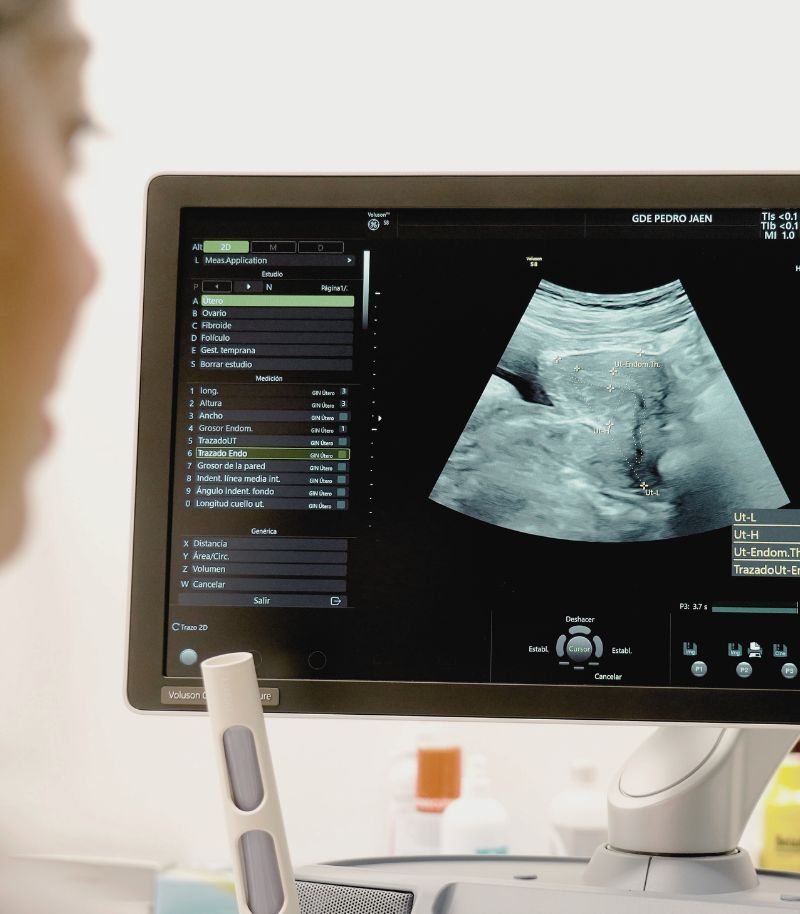
Advanced gynaecological diagnosis
The combination of medical expertise and advanced diagnostic techniques allows us to assess different gynaecological conditions accurately and select the most appropriate investigations for each patient. The Grupo Pedro Jaén Gynaecology Unit offers procedures that complement conventional clinical examination and provide specific information about the uterine cavity, gynaecological anatomy, fertility and cervical conditions.
Diagnostic hysteroscopy and 3D ultrasound
Diagnostic hysteroscopy allows direct visualisation of the inside of the uterus to identify polyps, fibroids, adhesions and other abnormalities. It also enables targeted biopsies to be taken when indicated. 3D ultrasound complements this assessment by providing detailed images of the uterus, endometrium and ovaries, facilitating the investigation of certain malformations and gynaecological lesions.
3D HyFoSy and advanced colposcopy
3D HyFoSy enables ultrasound assessment of Fallopian tube patency without the use of radiation or iodinated contrast agents, providing valuable information during fertility investigations. Advanced colposcopy, meanwhile, allows magnified examination of the cervix and, when necessary, targeted sampling of areas requiring further investigation.
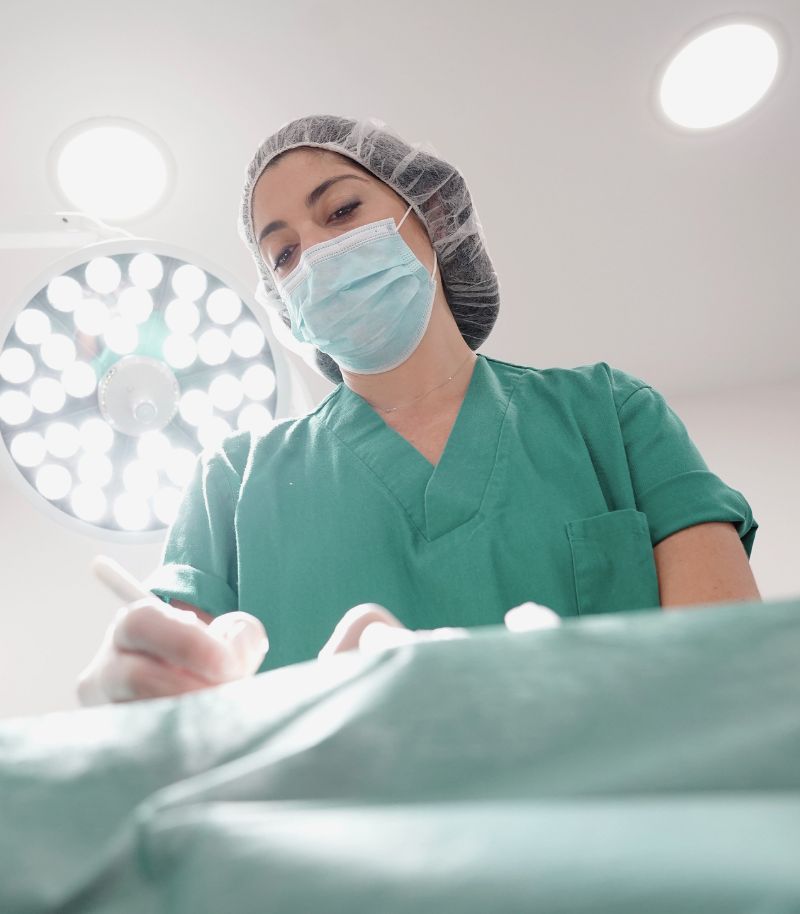
Minimally invasive surgery
Our Gynaecology Unit uses minimally invasive surgical techniques to treat various conditions, aiming to reduce tissue trauma and facilitate patient recovery. The choice of procedure depends on the type, location and complexity of the lesion. Whenever possible, approaches that allow precise treatment while preserving healthy structures are prioritised.
Laparoscopy and mini-laparotomy
These techniques allow conditions such as certain fibroids, ovarian cysts, endometriosis and adhesions to be treated through small incisions. Compared with conventional open surgery, they can reduce surgical trauma and are often associated with faster recovery. The indication for each procedure is always determined individually according to the characteristics of the case.
Operative hysteroscopy and radiofrequency ablation for fibroids
Operative hysteroscopy allows the treatment of polyps, certain submucosal fibroids, adhesions and other abnormalities within the uterus without abdominal incisions. Radiofrequency ablation, meanwhile, can be used to treat selected fibroids through a transvaginal approach under ultrasound guidance, applying thermal energy directly within the fibroid to progressively reduce its volume and associated symptoms.
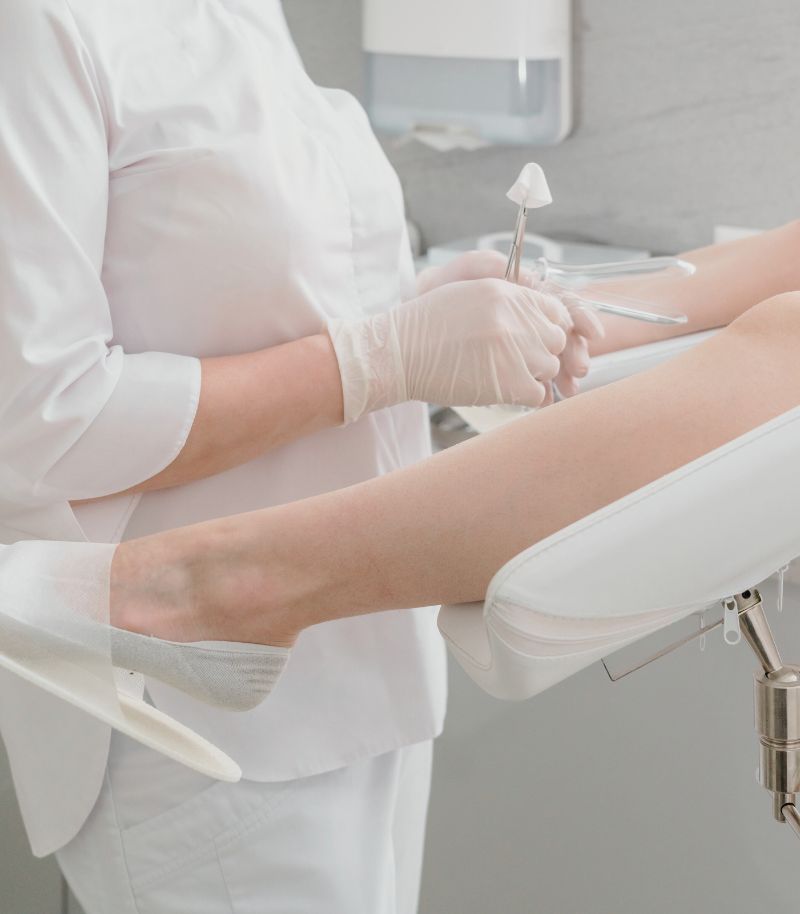
Aesthetic and functional gynaecology
Hormonal changes, pregnancy, childbirth, menopause and other factors can lead to functional or anatomical changes in the genital area. The Gynaecology Unit carries out an individualised assessment to identify the underlying causes of symptoms and, when indicated, select from different medical, technology-based or surgical treatment options.
Treatments for intimate health
The assessment may address problems such as dryness, vaginal discomfort, changes in tissue elasticity or certain symptoms associated with genitourinary syndrome of menopause. Depending on the diagnosis, different therapeutic options and specific care measures may be considered and tailored to each patient.
Function, wellbeing and sexual health
Intimate health problems can affect sexual relationships and quality of life. The approach takes into account potential physical and hormonal factors, as well as other associated circumstances, rather than applying a single treatment to conditions that may have very different underlying causes.
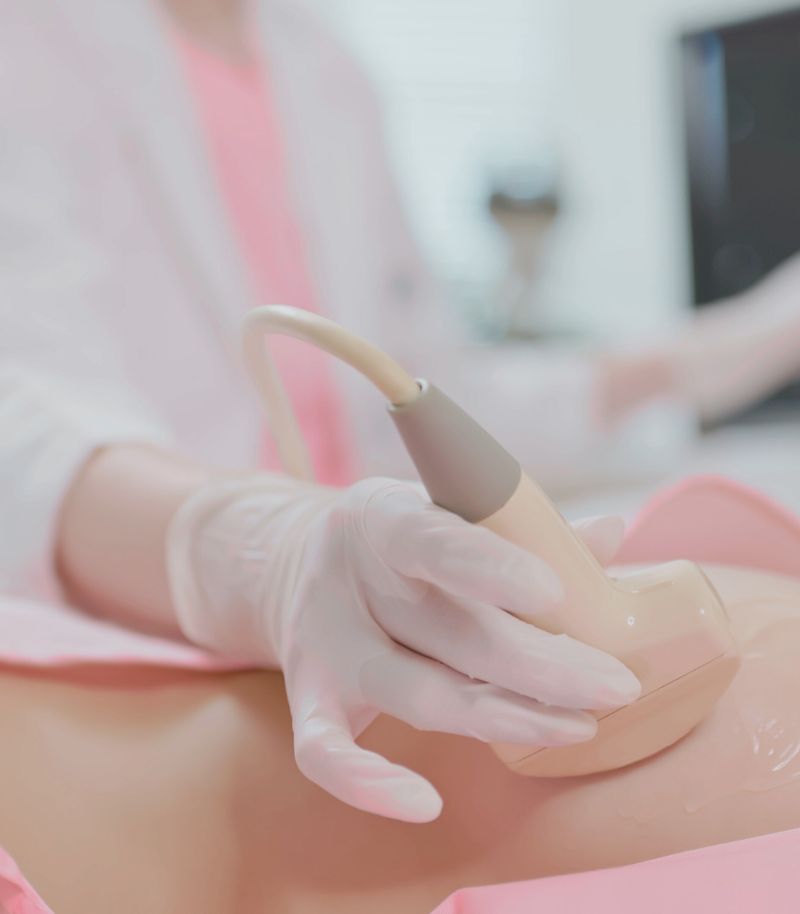
Dedicated Breast Unit
Our unit provides a coordinated approach to the diagnosis and treatment of various breast conditions. Depending on the characteristics of each case, assessment and care may involve gynaecology, diagnostic imaging, surgery and plastic surgery, allowing treatment to be tailored to each patient’s medical and reconstructive needs.
Breast surgery and reconstruction
When surgery is indicated, treatment may include reconstructive techniques aimed at preserving or restoring breast anatomy. These include autologous reconstruction, which uses the patient’s own tissue. The most appropriate approach is selected according to the characteristics of each case.
Management of breast conditions
The unit manages conditions ranging from benign breast disorders to diseases requiring surgery and specialist follow-up. When necessary, gynaecologists, plastic surgeons and other specialists work together to plan diagnosis, treatment and postoperative recovery.
Menopause care
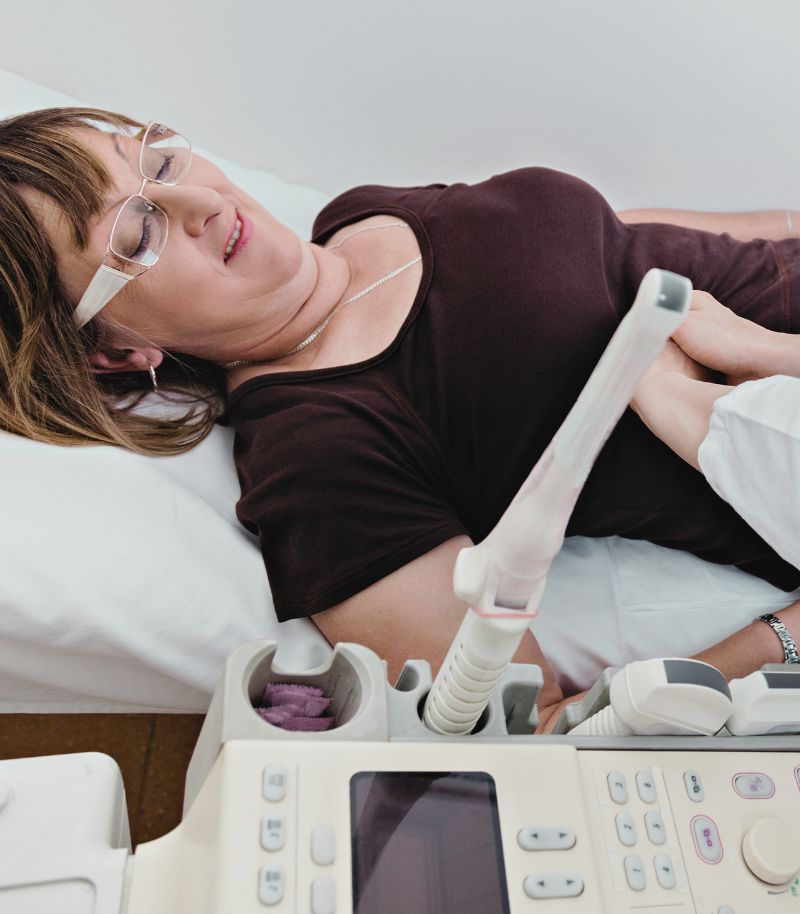
Menopause is a normal physiological stage that may be accompanied by symptoms that vary considerably between women. Medical assessment helps identify changes associated with declining hormone levels and establish an individualised approach that considers vasomotor symptoms, genitourinary health, emotional wellbeing, bone health and other relevant factors.
Genitourinary syndrome of menopause
Dryness, reduced lubrication, vaginal discomfort and certain urinary symptoms may be associated with genitourinary syndrome of menopause. Various local and systemic treatment options are available, including hormonal and non-hormonal therapies. The choice depends on each patient’s symptoms, medical history and individual characteristics.
A comprehensive approach to menopause
Follow-up care may include recommendations on exercise, nutrition and healthy lifestyle habits, together with assessments of sexual, emotional and metabolic health. When necessary, care is coordinated with other Grupo Pedro Jaén specialists to address the different changes associated with this stage of life.

Pelvic Floor Unit
The Pelvic Floor Unit specialises in the comprehensive diagnosis and treatment of disorders affecting the support and function of the pelvic organs. Care is tailored to each patient’s circumstances and includes medical and surgical treatment, supported by expertise in vaginal, reconstructive and minimally invasive surgery.
Pelvic floor disorders
The unit manages conditions such as pelvic organ prolapse, urinary incontinence and other functional pelvic floor disorders. Individualised assessment helps determine the most appropriate treatment, including reconstructive surgery and vaginal or laparoscopic procedures when indicated.
vNOTES: minimally invasive surgery via the vaginal route
The unit offers vNOTES for selected gynaecological procedures in appropriately selected patients. This technique combines vaginal access with endoscopic visualisation, allowing surgery to be performed without incisions in the abdominal skin. Its suitability is assessed individually according to the condition being treated, the patient’s anatomy and other relevant characteristics.
Assisted reproduction
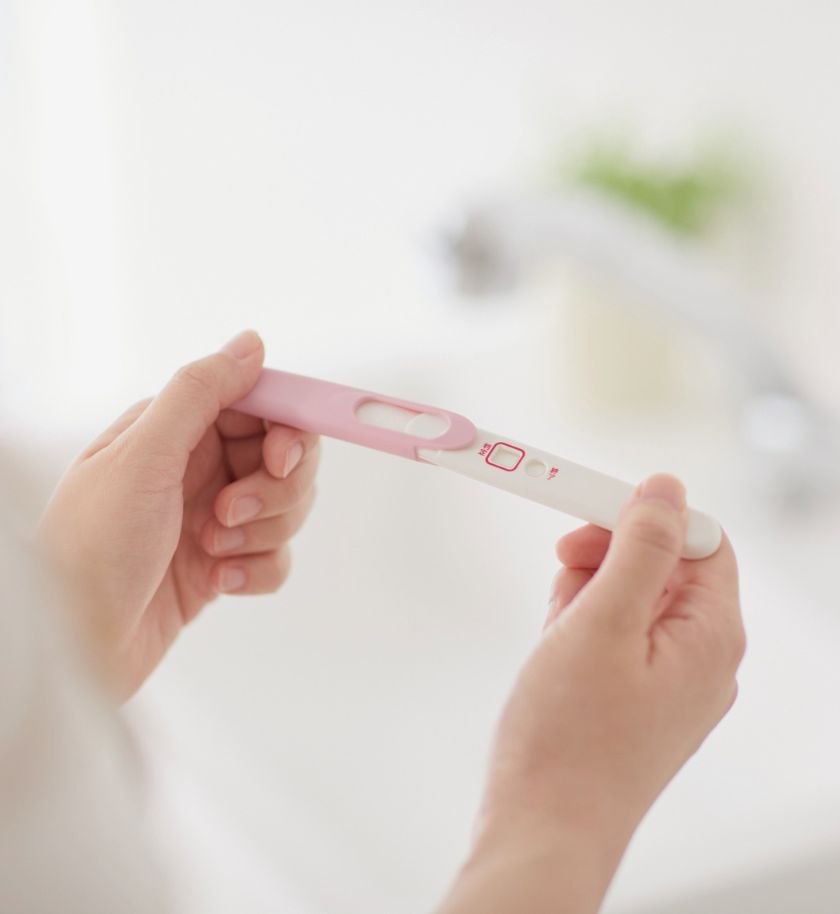
The Grupo Pedro Jaén Gynaecology Unit provides comprehensive care for reproductive difficulties, from investigating potential causes of infertility to assisted reproductive treatments and reproductive surgery when indicated. Each strategy is developed individually, taking into account age, ovarian reserve, gynaecological anatomy, semen parameters, medical history and the reproductive plans of each patient or couple.
Fertility assessment and assisted reproduction
Investigations may include hormone blood tests, transvaginal ultrasound, 3D HyFoSy to assess tubal patency and semen analysis. Depending on the results, various assisted reproductive treatments may be considered, including artificial insemination, in vitro fertilisation (IVF), intracytoplasmic sperm injection (ICSI), the ROPA method, egg donation or cryopreservation.
Reproductive surgery
When anatomical abnormalities may interfere with conception or the progression of a pregnancy, reproductive surgery can be used to treat certain conditions affecting the uterus, ovaries or Fallopian tubes. Whenever possible, minimally invasive techniques such as hysteroscopy and laparoscopy are used as part of a comprehensive fertility strategy.
Pregnancy care
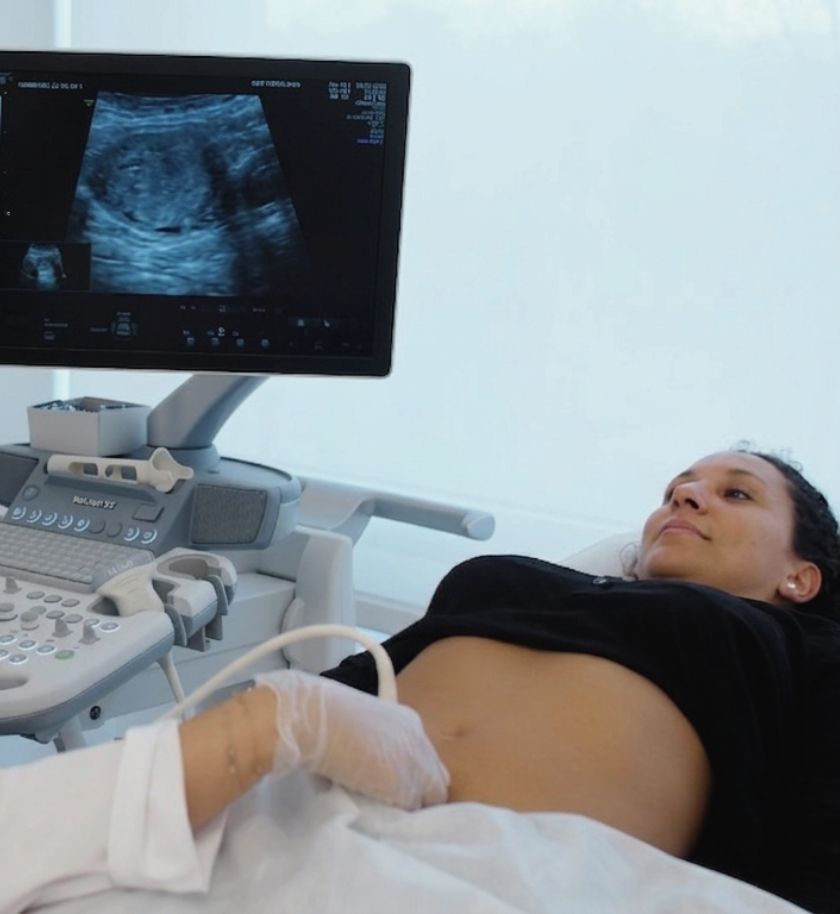
The Grupo Pedro Jaén Gynaecology Unit provides comprehensive pregnancy care from the first weeks of gestation through to the postnatal period. Monitoring is tailored to the patient’s age, medical and obstetric history, method of conception, progression of the pregnancy and any emerging risk factors. Care combines maternal and fetal monitoring, prenatal diagnosis and ongoing support throughout each stage.
Prenatal diagnosis and personalised monitoring
Pregnancy care includes the ultrasound scans, blood tests and screening investigations indicated to assess fetal development and wellbeing while monitoring maternal health. When necessary, assessment may be extended to include cell-free fetal DNA testing using maternal blood or other diagnostic investigations. The frequency of appointments is adapted to the progression of the pregnancy. Where maternal medical conditions or pregnancies requiring closer monitoring are involved, care is coordinated with other specialists.
Preparation for childbirth and postnatal care
During the final weeks of pregnancy, maternal and fetal monitoring becomes more frequent, and the patient receives information to prepare for childbirth, including the onset of labour, pain relief options and possible modes of delivery. Care continues after birth, with assessment of physical recovery, pelvic floor health, breastfeeding, contraception and emotional wellbeing, providing continuity of care beyond pregnancy.
Comprehensive approach
A guide to understanding gynaecological care
The Grupo Pedro Jaén Gynaecology Unit provides a comprehensive approach to the prevention, diagnosis and treatment of conditions affecting gynaecological health. Care encompasses clinical gynaecology, advanced diagnostics, surgery, fertility and assisted reproduction, pregnancy, pelvic floor health, menopause, breast health and functional gynaecology. Follow-up and diagnostic investigations are tailored to each patient’s individual characteristics.
Clinical gynaecology
Routine gynaecological check-ups allow women’s health to be assessed according to their age, medical history, symptoms and risk factors. Neither the frequency of these appointments nor the investigations performed need to be the same for every patient; they should be adapted to individual clinical circumstances.
Cervical cancer screening is carried out according to the recommendations established for each age group and individual situation, using cervical cytology and/or human papillomavirus (HPV) testing. These screening tests should not be confused with a general gynaecological check-up, which may include other assessments depending on each woman’s needs.
Gynaecological consultations also allow the investigation of menstrual disorders, hormonal problems, pelvic pain, menopause-related symptoms, contraception, fertility and other gynaecological conditions. When a problem requires input from other medical specialties, care may be coordinated with professionals from other Grupo Pedro Jaén units.
Diagnostic techniques
3D transvaginal ultrasound
3D transvaginal ultrasound provides detailed imaging of the uterus, endometrium and ovaries, offering additional information beyond conventional ultrasound. It is particularly useful for assessing the morphology of the uterine cavity, certain congenital malformations and lesions such as fibroids or polyps. It also forms part of the investigation of various reproductive problems.
Three-dimensional reconstruction allows examination of planes that cannot always be obtained using two-dimensional ultrasound, enabling accurate assessment of the shape and characteristics of certain uterine abnormalities.
This is an outpatient procedure that does not involve radiation and can be performed during a gynaecological consultation when indicated. Its usefulness and the need for complementary investigations, such as hysteroscopy, depend on the condition being assessed.
HyFoSy-3D
3D HyFoSy is an ultrasound technique used primarily to assess Fallopian tube patency during fertility investigations. It allows the passage through the tubes to be evaluated without ionising radiation or iodinated contrast agents.
What does 3D HyFoSy involve?
During the examination, a small amount of foam contrast medium is introduced through the cervix. Ultrasound is then used to observe its passage through the uterine cavity and Fallopian tubes, allowing tubal patency to be assessed.
The procedure is usually performed in the clinic and may cause discomfort similar to menstrual cramps. In addition to assessing the Fallopian tubes, three-dimensional ultrasound provides information about the morphology of the uterine cavity.
Indications for 3D HyFoSy
Assessment of tubal patency forms part of fertility investigations when the patient’s circumstances and reproductive strategy make it necessary to determine whether the Fallopian tubes are open.
The indication for this examination is not established in isolation. Its findings must be interpreted alongside age, ovarian reserve, ovulation, semen parameters and the remaining fertility investigation results to determine the next steps.

Gynaecological surgery
When surgery is indicated, the unit selects the most appropriate technique according to the condition, its location and complexity, the patient’s medical history and her individual circumstances. Whenever possible, minimally invasive approaches are prioritised to allow precise treatment while limiting tissue trauma.
Laparoscopy
Laparoscopy allows procedures to be performed on the uterus, ovaries, Fallopian tubes and other pelvic structures through small abdominal incisions under endoscopic visualisation. It can be used for procedures such as certain hysterectomies and the treatment of fibroids, ovarian cysts, endometriosis or adhesions.
Hysteroscopy
Hysteroscopy provides direct access to the interior of the uterus through the vagina and cervix. It can be used for diagnostic or surgical purposes to investigate and treat conditions such as endometrial polyps, certain submucosal fibroids, adhesions and some malformations of the uterine cavity.
Mini-laparotomy
In selected cases, a mini-laparotomy may be used to perform gynaecological procedures through a small abdominal incision. The choice between this approach, laparoscopy, hysteroscopy or other techniques depends on the condition being treated, its size and location, and the patient’s individual circumstances.
Common gynaecological conditions that may require surgery
Uterine fibroids
Fibroids are benign tumours of the uterus that are common during the reproductive years. Many women have no symptoms and require only monitoring, while other fibroids may be associated with heavy menstrual bleeding, anaemia, pelvic pressure or pain and, in certain circumstances, reproductive difficulties. Treatment depends on the number, size and location of the fibroids, the symptoms they cause and the patient’s reproductive plans. Options may include monitoring, medical treatment, radiofrequency ablation or different surgical techniques.
Endometriosis
Endometriosis is a gynaecological condition that can cause menstrual pain, chronic pelvic pain, discomfort during sexual intercourse and, in some patients, reproductive difficulties. The severity and impact of the condition vary considerably, so treatment must be tailored to the symptoms, the patient’s age, the extent of the disease and her reproductive plans.
Management may include medical treatment, pain control, fertility assessment and surgery in selected cases. Laparoscopy may be indicated when there is a clinical reason for intervention, but not all patients with endometriosis require surgical treatment.
Ovarian cysts
Ovarian cysts encompass lesions with widely varying characteristics and clinical behaviour. Many are benign and may resolve spontaneously or require only ultrasound monitoring. The indication for surgery depends on factors such as cyst size, ultrasound appearance, symptoms, progression and the patient’s age. When surgery is necessary, every effort is made to preserve as much healthy ovarian tissue as possible, particularly in women who wish to conceive.
Breast conditions
Breast conditions encompass a wide range of benign and malignant disorders that require different diagnostic and therapeutic strategies. Clinical assessment and imaging investigations help guide diagnosis and determine the most appropriate follow-up or treatment in each case.
When surgical treatment is required, planning may be coordinated with plastic surgeons to assess reconstructive options. These include autologous breast reconstruction techniques, which use the patient’s own tissue, when clinically indicated.
“The Gynaecology Unit manages conditions related to clinical and aesthetic gynaecology, reproductive health and gynaecological surgery, among other areas.”
Aesthetic and functional gynaecology
Changes associated with pregnancy and childbirth, ageing, menopause and other circumstances may lead to anatomical or functional changes in the genital area. Gynaecological assessment helps determine their underlying causes, distinguish between conditions that may present with similar symptoms and select the most appropriate treatment according to each patient’s symptoms and needs.
Main functional and aesthetic concerns addressed
Vaginal laxity
A sensation of vaginal laxity may develop after pregnancy and childbirth and may also be associated with progressive changes in the tissues and supporting structures. Some women may notice a reduced sensation of firmness, changes during sexual intercourse or other associated discomfort.
Before considering treatment, it is important to assess pelvic floor function and determine whether there is also prolapse, muscular dysfunction or another condition requiring a specific approach.
Urinary incontinence
Urinary incontinence can present in different forms, which do not all have the same underlying causes or require the same treatment. With stress urinary incontinence, leakage usually occurs when coughing, sneezing, exercising or performing activities that increase abdominal pressure. Other patients predominantly experience urinary urgency or different urinary symptoms.
Specialist assessment allows the type of incontinence to be identified and the appropriate treatment selected. Depending on the case, options may include lifestyle measures, bladder training, pelvic floor rehabilitation and strengthening exercises, as well as medical or surgical treatment when indicated.
Genitourinary syndrome of menopause
A reduction in oestrogen levels associated with menopause can cause changes in the tissues of the vulva, vagina and lower urinary tract. These changes are collectively known as genitourinary syndrome of menopause and may cause dryness, reduced lubrication, burning sensations, discomfort or pain during sexual intercourse, and certain urinary symptoms.
Unlike some other menopausal symptoms, these changes may persist or progress if left untreated. Gynaecological assessment is therefore recommended when they affect wellbeing or sexual health.
Different treatment options are available, and the choice depends on symptom severity, medical history and each woman’s preferences. These may include vaginal moisturisers and lubricants, local or systemic hormonal therapies when indicated, and other individualised strategies.
Anorgasmia and difficulty reaching orgasm
Persistent difficulty reaching orgasm may be associated with a wide range of factors, including physical, hormonal, emotional and relationship-related issues, certain medications and other conditions that can affect sexual response.
Assessment must therefore be individualised rather than attributing the problem to a single cause. When gynaecological or functional factors may be contributing, their diagnosis and treatment can form part of a broader approach to sexual health.
Vaginal rejuvenation treatments
Different medical, physical and surgical treatments are available to address functional and anatomical concerns affecting the genital area. The most appropriate option should be selected only after accurately identifying the underlying problem and considering the potential benefits, limitations and risks of each alternative. Treatment is tailored to each patient’s symptoms, medical history and individual characteristics.
Further information is available on Grupo Pedro Jaén’s vaginal rejuvenation page.
More information
Below are the authorship details for the information provided on this page.
Authorship of the information on this page
The content of this page has been prepared by the Communication Department and the Medical Team of Grupo Pedro Jaén, in line with our editorial commitment to accuracy, scientific rigour and up-to-date medical information.
Where we see patients?
Clinics in Madrid
Grupo Pedro Jaén is a medical group founded more than three decades ago with the aim of providing medical, surgical and aesthetic solutions related to skin health and appearance. Led by Dr Pedro Jaén, the group brings together top-level specialists in each area, maintains a strong commitment to training and medical research, and operates several clinics in Madrid, offering care of the highest quality and excellence.


Calle Serrano 166
Mon - Fri: 09:00 - 21:00 / Sat: 09:00 - 14:00
Calle Serrano 166, El Viso neighbourhood, Chamartín district, 28002 Madrid

La Moraleja
Located in Plaza de La Moraleja, this exclusive centre allows Grupo Pedro Jaén to bring its medical and aesthetic services closer to patients across the entire northern area of Madrid.
Mon - Thu: 09:30 - 20:00 / Fri: 09:30 - 18:00
Calle de la Estafeta 8, ground floor, La Moraleja, 28109 Alcobendas, Madrid, Spain
Related units and pages
Endocrinology
Diagnosis and treatment of hormonal disorders, as well as conditions affecting the organs that produce them.
Acne Unit
Experts in treatments that enable long-term control of this condition.
Hair Disorders Unit
A specialised medical team and the most effective treatments for all types of hair disorders.
Information and news
Press room
In the Grupo Pedro Jaén Press Room you can find information, advice and news related to dermatology, aesthetic medicine, trichology and general health. The group’s journals are also shared through an online platform, along with updates on the activity and media appearances of our clinics and healthcare professionals.

How to shower properly: tips for looking after your skin
Cold or hot water? Is it better to use a sponge? Find out how to shower properly and what dermatologists recommend to protect your skin.
Retinol in summer: should you stop using it?
We debunk this and other myths about using retinol during the warmer months.

Blog
News about Grupo Pedro Jaén. Information and advice on dermatology, aesthetic medicine, trichology, and general health

Media
Information about media appearances by our clinics and medical specialists.

Journal
Archive of all Grupo Pedro Jaén journals, available through an external online platform.