
Diagnostic hysteroscopy
At our centres in Madrid (Spain), located at Calle Serrano 166, and in La Moraleja
Gynaecologists specialising in
Diagnostic hysteroscopy
Diagnostic hysteroscopy is a minimally invasive gynaecological procedure that allows direct visualisation of the inside of the uterus. It is used to examine the endometrium and uterine cavity and identify abnormalities that cannot always be assessed with sufficient accuracy using ultrasound alone. The procedure involves passing a very thin instrument equipped with a small camera through the vagina and cervix. The images are magnified and displayed on a screen, allowing the specialist to examine the shape of the uterine cavity, the appearance of the endometrium and the possible presence of lesions. When indicated, targeted tissue samples can also be taken for subsequent laboratory analysis.

Recognised reference clinics in Spain
Home > Gynaecology > Diagnostic hysteroscopy
What sets us apart
Direct visualisation to examine the uterine cavity
Hysteroscopy allows direct examination of the inside of the uterus and assessment of abnormalities that, in certain circumstances, cannot be characterised with sufficient accuracy using other investigations. At Grupo Pedro Jaén, we plan the procedure individually, taking into account the reason for the consultation, previous findings and each patient’s circumstances. In addition to examining the uterine cavity, targeted biopsies can be taken during the same procedure or, in selected cases, minor abnormalities can be treated. The examination is usually performed in an outpatient setting and takes only a few minutes. However, the type of pain relief, anaesthesia or sedation, as well as the clinical setting, can be adapted when the patient’s circumstances or the planned procedures make this necessary.
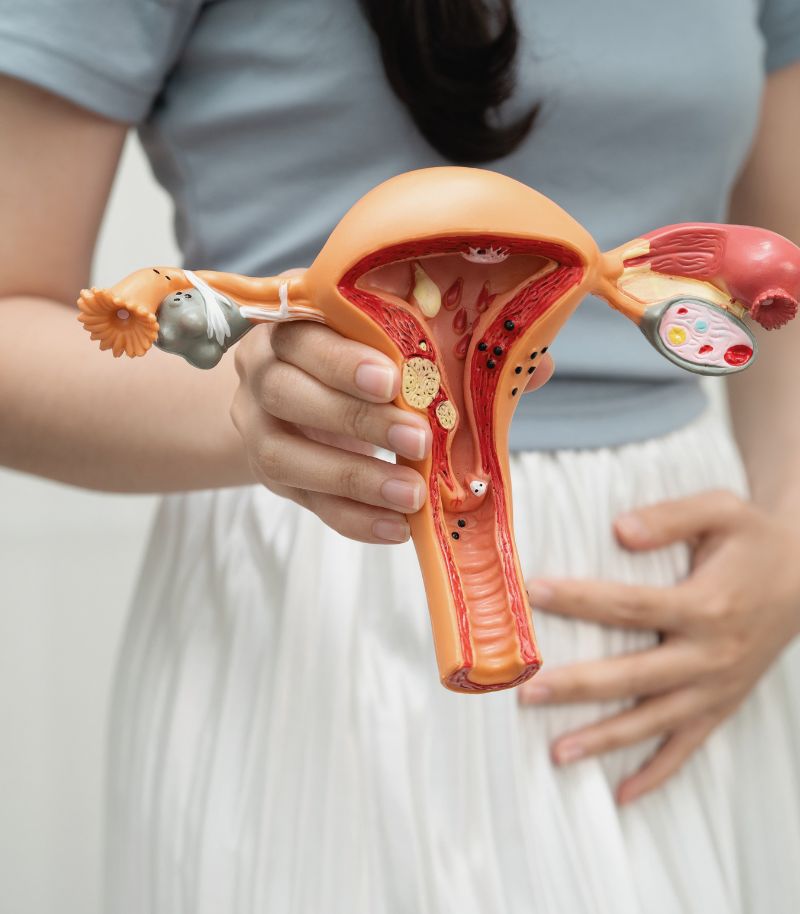
Direct examination of the endometrium and uterine cavity
Diagnostic hysteroscopy allows the specialist to examine the inside of the uterus directly using a small camera incorporated into the hysteroscope. The images are magnified and displayed on a screen, facilitating assessment of the shape of the uterine cavity, the appearance of the endometrium and the possible presence of lesions.
Indicated for various gynaecological abnormalities
The procedure may be recommended to investigate abnormal uterine bleeding, very heavy periods, bleeding between periods or bleeding after menopause. It may also be indicated when an ultrasound scan identifies endometrial thickening or a possible lesion within the uterus.
Identification of different lesions
The examination can identify endometrial polyps, fibroids that protrude into the uterine cavity, adhesions, malformations and certain endometrial abnormalities. It may also form part of investigations into infertility or recurrent miscarriage and can be used to locate an intrauterine device (IUD) when its threads are not visible.
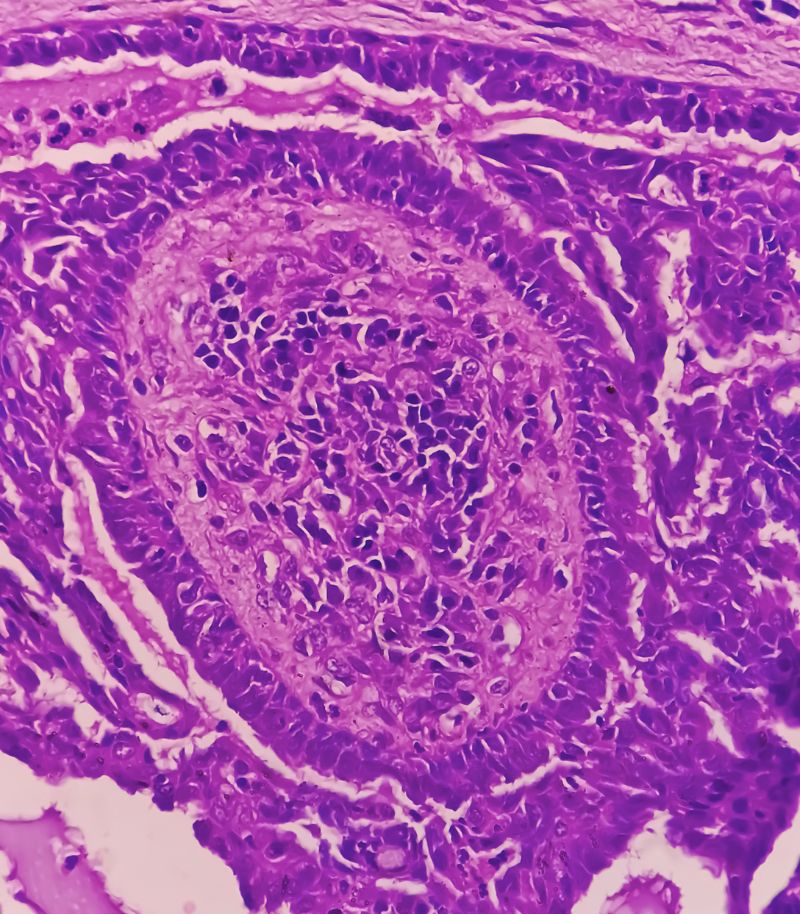
Targeted biopsies during the examination
One of the advantages of diagnostic hysteroscopy is that tissue samples can be obtained directly from areas requiring more detailed investigation. When indicated, direct examination of the uterine cavity can therefore be complemented by tissue sampling for subsequent laboratory analysis.
Tissue sampling under direct visualisation
Small instruments can be passed through the hysteroscope to obtain a targeted biopsy from a specific area of the endometrium. The sample is subsequently analysed to help determine the nature of the abnormality observed.
Diagnosis and minor procedures
In some cases, it may also be possible to remove small polyps, release adhesions or remove an intrauterine device during the same procedure. This may avoid the need for a further intervention to treat straightforward abnormalities. When the findings require more complex treatment, a separate operative hysteroscopy is scheduled.

A procedure tailored to each patient
Diagnostic hysteroscopy is performed by gently passing the hysteroscope through the vagina and cervix into the uterus, without the need for incisions. A small amount of saline solution is introduced to gently separate the walls of the uterine cavity and provide a clear view.
Usually performed in an outpatient setting
In most cases, the examination can be carried out in an outpatient clinic and takes only a few minutes. Its minimally invasive nature generally allows the patient to return home shortly after the procedure.
Different options for managing discomfort
The procedure may be performed without anaesthesia, under local anaesthesia, with sedation or, when circumstances require it, in an operating theatre. The choice depends on the patient’s individual characteristics, the reason for the examination and any additional procedures planned. Before the examination, the available options for managing discomfort are explained and the most appropriate approach is selected for each patient.

Rapid recovery after the procedure
After diagnostic hysteroscopy, patients may experience period-like cramps and light vaginal bleeding for a few days. In general, recovery is quick, and patients can return home and resume their usual activities within a short period.
Straightforward aftercare
The specialist provides the necessary recommendations following the examination and explains what to expect during recovery. The severity of discomfort and the time needed to return fully to normal activities may vary depending on the nature of the procedure performed.
A generally safe procedure
Hysteroscopy is generally safe, although, like any medical procedure, it is not entirely risk-free. Possible complications include infection, significant bleeding and uterine perforation, although these are uncommon. For this reason, it is advisable for the procedure to be performed by experienced professionals and to follow the medical team’s instructions after the examination.
Information about diagnostic hysteroscopy
A guide to understanding the procedure and its indications
Diagnostic hysteroscopy allows direct examination of the inside of the uterus when symptoms, medical history or the results of other investigations indicate that a more detailed assessment of the uterine cavity and endometrium is needed. One of its main advantages is that, in addition to visualising possible abnormalities, it allows targeted tissue samples to be taken from areas requiring further investigation.
When might diagnostic hysteroscopy be recommended?
The procedure may be indicated for abnormal uterine bleeding, very heavy periods, bleeding between periods or bleeding after menopause. It may also be recommended when an ultrasound scan shows endometrial thickening, a polyp, a fibroid or another possible abnormality within the uterus.
Hysteroscopy may also form part of investigations into certain fertility problems or recurrent miscarriage and can be used to locate an intrauterine device when its threads are not visible.
The indication is always established individually, taking into account the patient’s symptoms, medical history and information obtained from other investigations.
Ultrasound and hysteroscopy: what does each examination offer?
Gynaecological ultrasound allows assessment of the uterus, endometrium and ovaries and is one of the main tools used during the initial evaluation. However, in certain circumstances, direct visualisation of the uterine cavity may be necessary to characterise a finding more accurately.
Hysteroscopy provides a magnified view of the endometrial surface and the shape of the uterine cavity. It can therefore help confirm or further characterise abnormalities previously identified by ultrasound, including polyps, fibroids protruding into the uterine cavity, adhesions and certain malformations.
The two investigations are complementary, and their use depends on the condition being assessed.
Why might a targeted biopsy be useful?
When an area requiring further investigation is identified during the examination, small instruments can be passed through the hysteroscope to obtain a tissue sample.
Direct visualisation allows the biopsy to be taken from the specific area requiring investigation. The sample is then sent to the laboratory for analysis, and the results are interpreted alongside the hysteroscopy findings and the patient’s other clinical information.
Not every hysteroscopy requires a biopsy. The decision depends on the reason for the examination and the findings observed during the procedure.
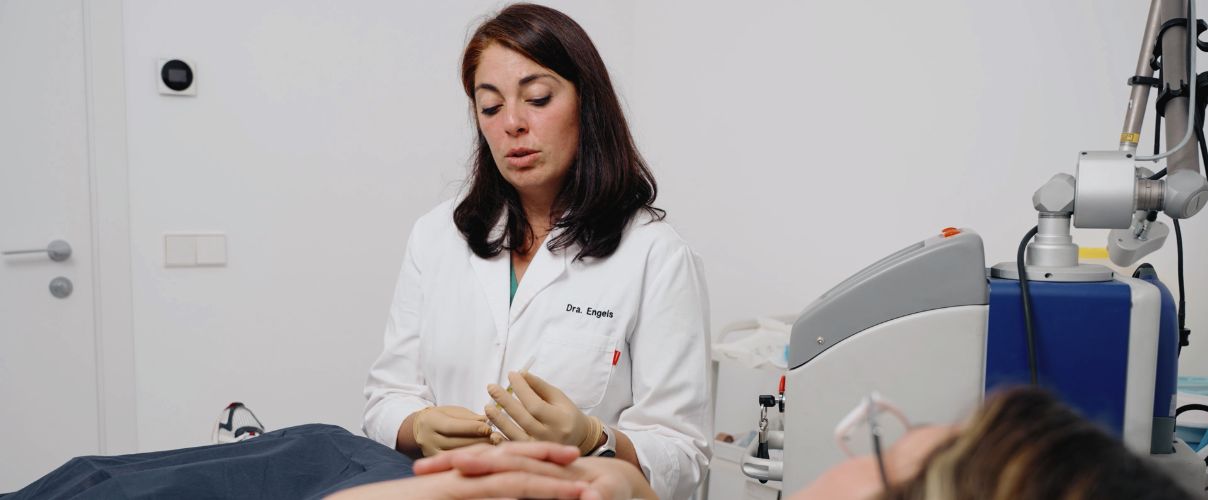
What happens if a polyp or another abnormality is found?
Diagnostic hysteroscopy can identify polyps, certain fibroids, adhesions and other abnormalities within the uterine cavity.
In some cases, minor procedures can be performed during the same examination, such as removing certain small lesions or an intrauterine device. Whether this is possible depends on the type and size of the abnormality, the patient’s individual circumstances and the conditions under which the examination is being performed.
When the lesion requires a more complex intervention, treatment is planned through a separate operative hysteroscopy.
Learn more about operative hysteroscopy
Preparation and management of discomfort
Before hysteroscopy, the medical team explains what the examination involves and the options available to manage any discomfort. Many diagnostic hysteroscopies can be performed in an outpatient setting, but the experience can vary considerably from one patient to another.
Depending on the patient’s individual characteristics, medical history, the reason for the examination and any planned procedures, hysteroscopy may be performed without anaesthesia, under local anaesthesia, with sedation or in an operating theatre. The most appropriate option should be selected individually and agreed with the patient beforehand.
For women who are still menstruating, the timing of the examination may be planned around the menstrual cycle to facilitate clear visualisation of the uterine cavity. The possibility of pregnancy must also be ruled out before performing the procedure.
After diagnostic hysteroscopy
Following the examination, patients may experience period-like cramps and light vaginal bleeding. In most cases, when the procedure is performed on an outpatient basis without sedation, patients can return home shortly afterwards and gradually resume their normal activities.
The severity and duration of discomfort may vary depending on each patient’s sensitivity and whether a biopsy or another minor procedure was performed during the examination.
The medical team provides the necessary aftercare instructions and explains which symptoms require medical attention, particularly severe or persistent pain, significant bleeding, fever or other signs that do not correspond to the expected recovery.
Further information
Below are the authorship details and references for the information provided on this page.
Content authorship and references
The content of this page has been prepared by the Grupo Pedro Jaén Communications Department and Medical Team in accordance with our editorial commitment to ensuring that the information provided is accurate and up to date.
1. American College of Obstetricians and Gynecologists (ACOG). The Use of Hysteroscopy for the Diagnosis and Treatment of Intrauterine Pathology. Committee Opinion No. 800. Obstetrics & Gynecology. 2020;135:e138–e148.
2. American College of Obstetricians and Gynecologists (ACOG). Pain Management for In-Office Uterine and Cervical Procedures. Clinical Consensus No. 9. Obstetrics & Gynecology. 2025. Specific review of pain management options for procedures such as hysteroscopy and endometrial biopsy.
3. Sociedad Española de Ginecología y Obstetricia (SEGO). Histeroscopia en consulta / Hemorragia uterina anormal. Progresos de Obstetricia y Ginecología. 2021;64:230–253. Includes diagnostic algorithms for abnormal uterine bleeding in premenopausal and postmenopausal women.
4. National Institute for Health and Care Excellence (NICE). Heavy menstrual bleeding: assessment and management. Guideline NG88. Recommends outpatient hysteroscopy when the clinical history suggests polyps, submucosal fibroids or endometrial pathology.
Where we see patients?
Clinics in Madrid
Grupo Pedro Jaén is a medical group founded more than three decades ago with the aim of providing medical, surgical and aesthetic solutions related to skin health and appearance. Led by Dr Pedro Jaén, the group brings together top-level specialists in each area, maintains a strong commitment to training and medical research, and operates several clinics in Madrid, offering care of the highest quality and excellence.


Calle Serrano 166
Mon - Fri: 09:00 - 21:00 / Sat: 09:00 - 14:00
Calle Serrano 166, El Viso neighbourhood, Chamartín district, 28002 Madrid

La Moraleja
Located in Plaza de La Moraleja, this exclusive centre allows Grupo Pedro Jaén to bring its medical and aesthetic services closer to patients across the entire northern area of Madrid.
Mon - Thu: 09:30 - 20:00 / Fri: 09:30 - 18:00
Calle de la Estafeta 8, ground floor, La Moraleja, 28109 Alcobendas, Madrid, Spain
Related units and pages
Operative hysteroscopy
Tratamiento mínimamente invasivo de pólipos, determinados miomas y otras alteraciones localizadas en el interior del útero.
Fertility
Estudio de los factores femeninos y masculinos que pueden dificultar la consecución de un embarazo.
Reproductive surgery
Procedimientos destinados a tratar alteraciones anatómicas que pueden interferir en la fertilidad o en la evolución del embarazo.
Assisted reproduction
Técnicas y tratamientos personalizados para buscar el embarazo cuando existen dificultades reproductivas.
Radiofrecuencia para miomas
Tratamiento mínimamente invasivo de determinados miomas uterinos mediante radiofrecuencia transvaginal y control ecográfico.
Gynaecology Unit
A comprehensive approach to health and aesthetic concerns related to the female reproductive system.
Information and news
Press room
In the Grupo Pedro Jaén Press Room you can find information, advice and news related to dermatology, aesthetic medicine, trichology and general health. The group’s journals are also shared through an online platform, along with updates on the activity and media appearances of our clinics and healthcare professionals.

How to shower properly: tips for looking after your skin
Cold or hot water? Is it better to use a sponge? Find out how to shower properly and what dermatologists recommend to protect your skin.

Retinol in summer: should you stop using it?
We debunk this and other myths about using retinol during the warmer months.

Blog
News about Grupo Pedro Jaén. Information and advice on dermatology, aesthetic medicine, trichology, and general health

Media
Information about media appearances by our clinics and medical specialists.

Journal
Archive of all Grupo Pedro Jaén journals, available through an external online platform.