
Vaginal rejuvenation
At our clinic on Calle Serrano 143 in Madrid (Spain)
Gynaecological specialists in
Laser vaginal rejuvenation treatment and other techniques
Various functional and aesthetic vaginal concerns—arising from factors such as childbirth, ageing or intense physical activity—may respond very well to vaginal rejuvenation treatments. For this reason, the Gynaecology Unit at Grupo Pedro Jaén has experienced professionals and advanced technology in this field.

Recognised reference clinics in Spain
Home > Other specialties > Gynaecology > Vaginal Rejuvenation
What sets us apart
Advanced technology and a personalised approach
Our unit is recognised for combining advanced technology with a personalised approach to vaginal rejuvenation. We use minimally invasive treatments such as fractional CO₂ laser, radiofrequency and vaginal mesotherapy, which stimulate tissue regeneration in a safe and effective manner. In addition, we integrate localised hormone therapies and address both functional and aesthetic aspects to improve each patient’s quality of life. Each case is assessed individually, ensuring tailored treatment plans, lasting results and ongoing monitoring to optimise intimate health with the highest standards of safety and comfort.
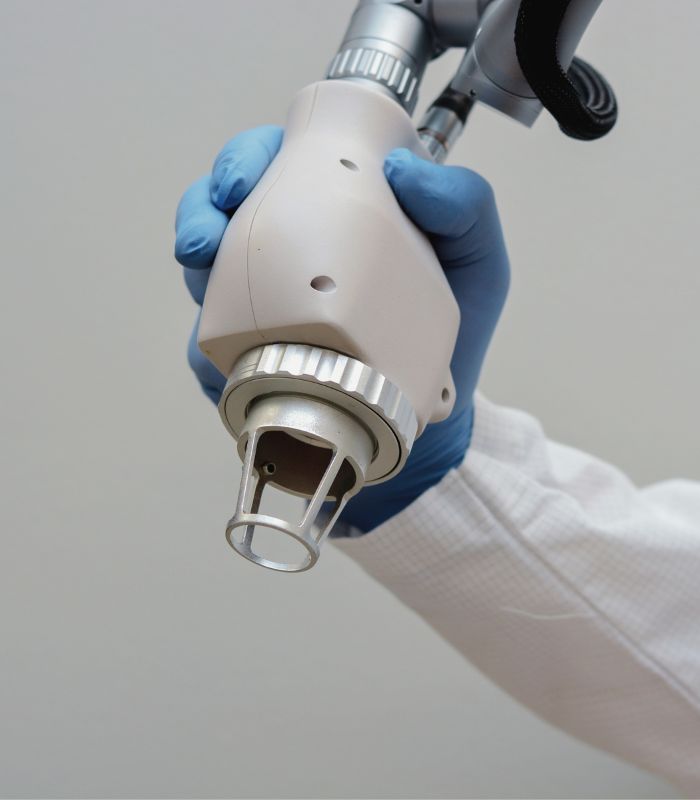
Fractional CO₂ laser
Fractional CO₂ laser therapy helps restore the characteristics of the vaginal mucosa typically seen during the reproductive years, promoting tissue regeneration and increased firmness. It is one of the most advanced techniques for vaginal rejuvenation and is designed to treat mucosal changes associated with ageing or hormonal variations safely and effectively.
Collagen stimulation for natural recovery
This procedure creates controlled microscopic effects that stimulate collagen production, improving tissue elasticity and natural hydration. It is particularly effective for symptoms such as vaginal dryness, genitourinary syndrome of menopause, dyspareunia and reduced vaginal tone.
Visible improvements from the first sessions
Many patients notice improvements in tissue texture and firmness from the first sessions. Enhancing intimate health has a direct positive impact on quality of life and sexual wellbeing. The procedure has a favourable safety profile supported by clinical evidence and can be combined with other regenerative treatments to optimise outcomes according to individual needs.
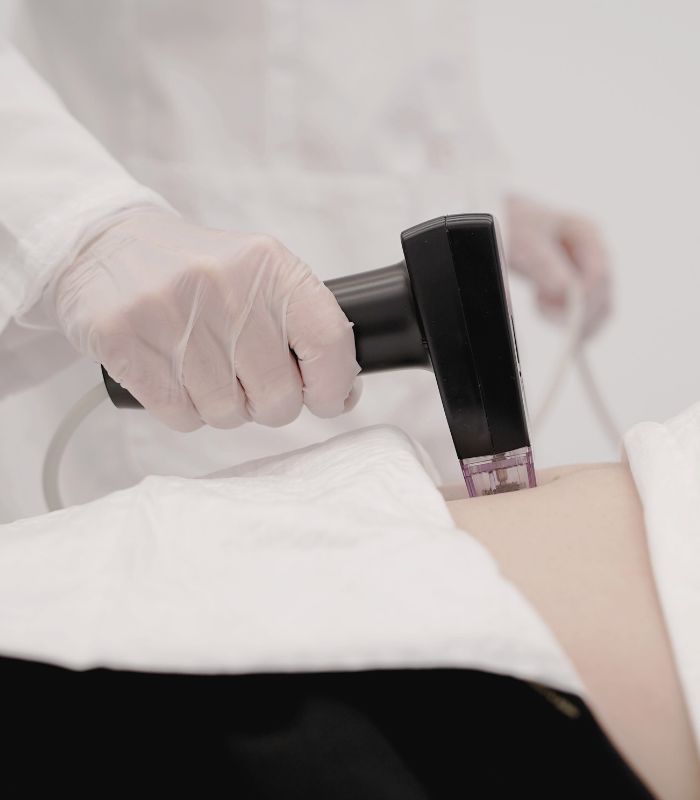
Bipolar radiofrequency
Bipolar radiofrequency is an advanced technology that applies controlled thermal energy to improve the structure and function of vaginal tissues. It is a well-tolerated, non-invasive procedure that requires no downtime, making it an appropriate option for women seeking to improve intimate health without surgery.
Firming and relief of vaginal dryness
By stimulating collagen and elastin fibres, radiofrequency improves tissue tone and elasticity, enhances lubrication and helps reduce discomfort associated with vaginal dryness.
Comfort and safety in every session
As a non-invasive treatment, radiofrequency allows patients to resume normal activities immediately. It may be beneficial in cases of mild urinary incontinence, vaginal laxity and other functional concerns. Its efficacy has been demonstrated in clinical studies and it can be safely combined with other therapies to enhance results.
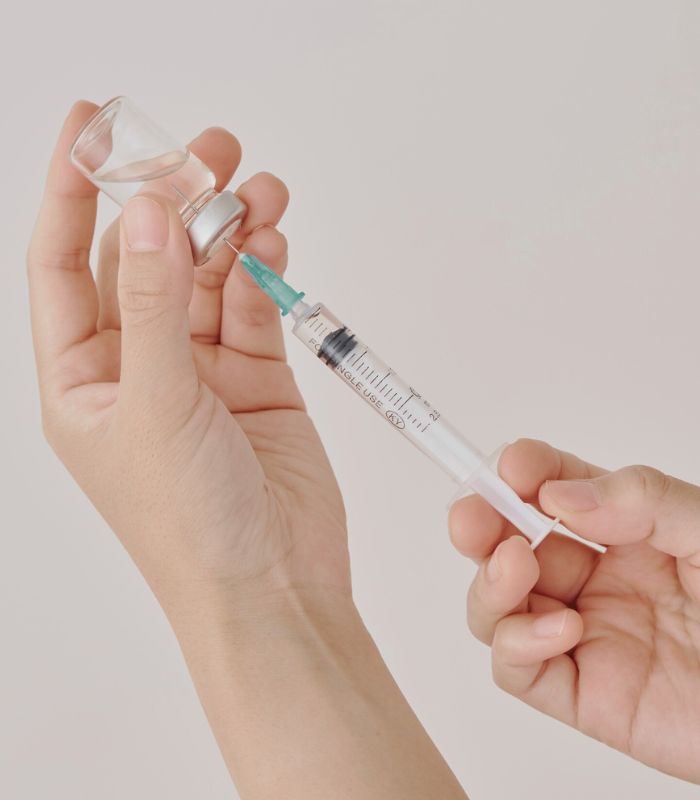
Vaginal mesotherapy
Vaginal mesotherapy is an innovative biostimulatory treatment using autologous plasma or hyaluronic acid to improve the health of intimate tissues. The use of the patient’s own plasma promotes natural regeneration from within, enhancing elasticity and mucosal function.
Rapid relief from uncomfortable symptoms
This treatment is particularly useful for symptoms such as vaginal dryness, itching and irritation. It improves hydration and tissue quality, facilitating greater comfort during sexual activity.
Synergy with other treatments to enhance results
Mesotherapy can be combined with CO₂ laser or radiofrequency treatments to maximise effectiveness, especially in cases of advanced vaginal atrophy or genitourinary syndrome. This combined approach supports faster recovery and improves overall response, providing durable and satisfactory results.

Localised hormone therapy
Reduced oestrogen levels during menopause or the postpartum period may lead to significant intimate discomfort. Localised hormone therapy offers an effective option to restore vaginal tissue function while avoiding the systemic effects associated with other hormonal treatments.
Specific improvements in urogenital health
These therapies help improve tissue elasticity and relieve symptoms such as vaginal dryness, dyspareunia and mild urinary incontinence, supporting gradual and sustained improvement.
Safe and personalised options
Local hormone treatments are administered via creams, vaginal ovules or rings, ensuring targeted action with a favourable safety profile. Medical supervision allows treatment to be adapted to each patient, leading to meaningful improvements in quality of life and intimate wellbeing.
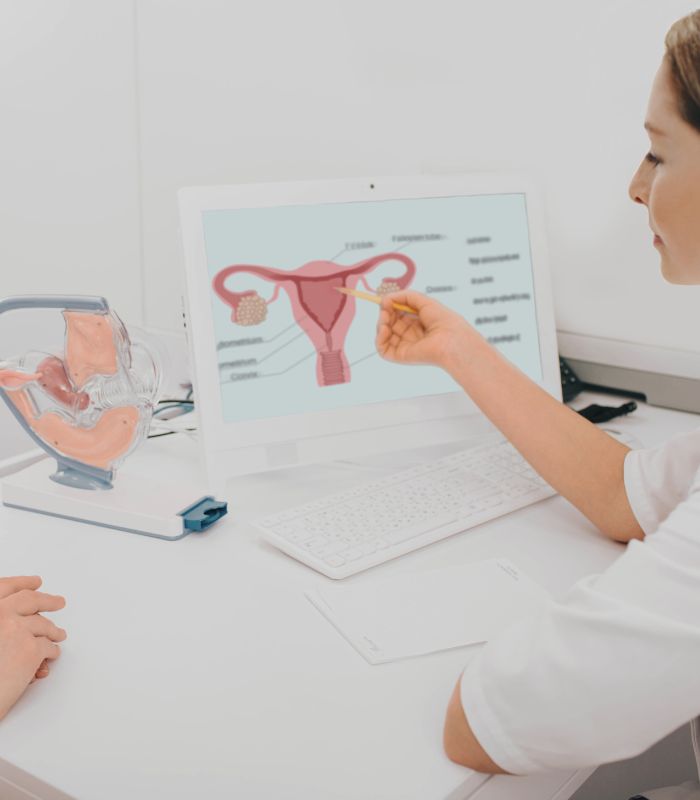
Functional and aesthetic vaginal health
Vaginal rejuvenation treatments address both functional and aesthetic concerns that may impact intimate wellbeing and quality of life. Advanced technologies enable treatment of conditions ranging from vaginal atrophy to tissue laxity.
Correction of vaginal atrophy and genitourinary syndrome
Combined use of laser therapy, radiofrequency and mesotherapy promotes deep tissue regeneration, improving dryness, itching, laxity and overall comfort.
Improvements in vaginal tone and firmness
Vaginal laxity may affect sensitivity and sexual satisfaction. Minimally invasive treatments such as laser and radiofrequency therapy promote tissue remodelling, restoring tone, firmness and improved muscular control. These approaches are supported by clinical evidence demonstrating both safety and effectiveness.
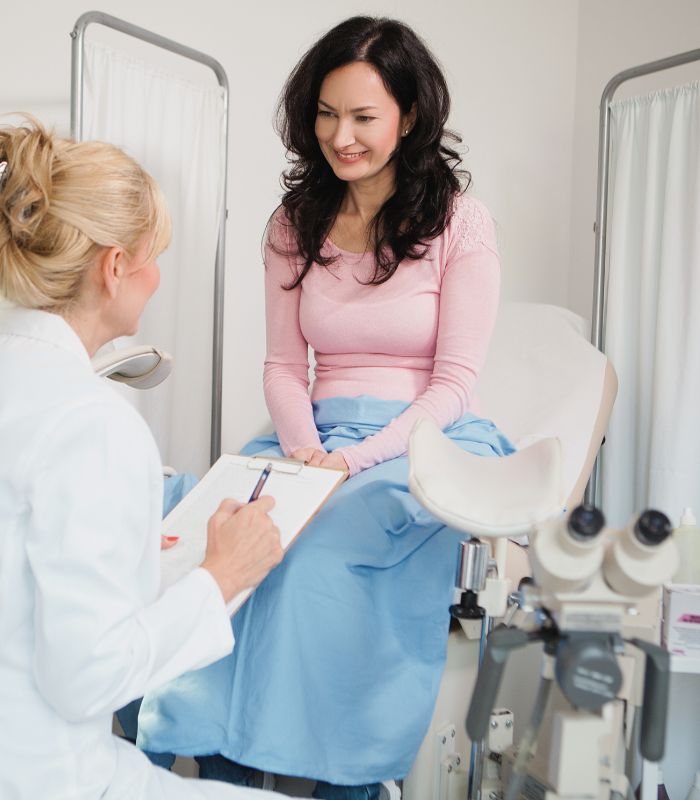
Comprehensive approach
Our Gynaecology Unit designs personalised treatment plans that combine different technologies to achieve optimal results in vaginal rejuvenation. Each patient is carefully evaluated to ensure the most appropriate therapeutic strategy.
Combined techniques to maximise results
CO₂ laser therapy, radiofrequency, mesotherapy and localised hormone therapy are combined as needed to enhance outcomes and support efficient recovery.
Specialised care and follow-up
Patient wellbeing is our priority. We provide structured follow-up after each treatment to monitor progress and adjust therapy when necessary. This integrated approach ensures long-lasting, personalised results and a meaningful improvement in intimate health.
Types and indications
A guide to understanding vaginal rejuvenation treatments
Depending on each individual case, one treatment option or another may be indicated. In some situations, the most appropriate therapeutic approach may involve a combination of different treatments.
Cosmetic treatments
These include specific lubricants designed to facilitate sexual intercourse, as well as moisturising products based on vitamin E and hyaluronic acid, due to their ability to retain water. They are generally applied topically, although injectable formulations are available for cases of more pronounced vaginal dryness.
These treatments are only suitable for mild symptoms. Their main limitation is that they require repeated local application several times a week and, most importantly, they address symptoms but do not reverse underlying atrophic changes.

Vaginal biostimulation
This regenerative medicine treatment is based on harnessing the body’s own tissue repair mechanisms using autologous components (derived from the patient) to restore the characteristics of reproductive-age tissue in women approaching or already in menopause.
These substances are injected directly into the treatment area with the aim of relieving symptoms of genitourinary syndrome and vulvovaginal atrophy caused by loss of elasticity and trophism of the vaginal mucosa associated with oestrogen decline during the climacteric period. Symptoms may include itching, burning, tightness, fissures, painful intercourse, vaginal dryness and other discomforts that negatively affect self-esteem, relationships and overall quality of life.
The treatment is administered to the genital and vulvar area in the form of mesotherapy under topical anaesthesia. It consists of three sessions, spaced at intervals of four to six weeks.
Symptom improvement is usually almost immediate and continues to progress over the following weeks due to stimulation of new collagen and elastin production. This results in improved tissue texture, increased hydration and greater elasticity of the vaginal mucosa and genital skin.
Vaginal biostimulation may be used as a standalone therapy or as a complement to other vaginal rejuvenation treatments available at our Gynaecology Unit, such as fractional CO₂ laser therapy. If necessary, the treatment may be repeated after approximately one year, depending on specialist assessment and individual patient needs.
Vaginal mesotherapy
This treatment is aimed at improving symptoms related to reduced hydration and loss of elasticity of the tissues of the female genital area—issues that may affect women at different stages and circumstances throughout their lives.
It consists of superficial injections, performed under local anaesthesia, of substances with volumising, moisturising and anti-inflammatory properties, with the goal of improving tissue turgor, lubrication and skin quality.
Vaginal mesotherapy may be used as a standalone treatment in mild cases or as a complementary therapy alongside other vaginal revitalisation procedures, such as CO₂ laser therapy or radiofrequency.
This treatment improves symptoms of genitourinary syndrome—including dryness, burning, itching, tightness, dyspareunia and recurrent infections—associated with reduced hydration and elasticity of the vaginal mucosa due to oestrogen and collagen loss during menopause.
In addition, vaginal mesotherapy increases hydration and thickness of the vaginal epithelium, helping to maintain physiological pH balance and healthy vaginal microbiota. This contributes to a reduction in the incidence of urogenital infections.
This therapeutic option is also indicated to improve hydration and skin quality in patients with current or previous vulvar lichen sclerosus, an inflammatory condition that causes dryness, atrophy and sclerosis of genital tissues, significantly impacting physical health, sexual wellbeing and quality of life.
Furthermore, vaginal mesotherapy with hyaluronic acid is the preferred treatment option for patients with genitourinary syndrome resulting from premature menopause induced by oncological treatments, in whom hormonal therapy is not feasible.
The aim of vaginal mesotherapy is to relieve discomfort caused by reduced lubrication and elasticity of the vaginal mucosa, improve urogenital health, and positively impact sexual relationships, self-esteem and overall quality of life.
“Different functional and aesthetic vaginal concerns may respond very well to vaginal rejuvenation treatments.”
Hormonal treatments
This second line of treatment aims to compensate for the oestrogen deficiency associated with menopause through medications administered via different routes (topical preparations, vaginal rings, ovules or oral formulations). Women who also experience reduced libido, difficulty achieving orgasm or low sexual desire due to marked androgen deficiency may benefit from testosterone therapy to address these sexual health concerns. In some cases, other steroid hormones or selective oestrogen receptor modulators may also be required.
The main advantage of these treatments is their local action, allowing the benefits on vaginal atrophy to be achieved while minimising potential systemic effects. In addition, they may improve symptoms such as urgency urinary incontinence, increased urinary frequency and dysuria, which are common during menopause and may also occur after childbirth.
The main limitation of this treatment approach is that, in some cases, topical therapy alone may not be sufficient, making oral or transdermal (patch) formulations, or other systemic options necessary in order to achieve a systemic effect. These treatments require close specialist monitoring, as dose and combination adjustments are often needed. Furthermore, they are contraindicated in patients with a high risk of hormone-dependent malignancies.
Bipolar radiofrequency for vaginal rejuvenation
This vaginal rejuvenation treatment is based on the induction of controlled local heat to stimulate collagen synthesis and improve local vascularisation. This leads to reinforcement of the vaginal support tissues and restoration of vaginal wall thickness and texture, helping to relieve mild to moderate stress urinary incontinence, vaginal dryness, reduced lubrication and discomfort during sexual intercourse.
The technique involves delivering an electrical impulse through a vaginal probe, producing a controlled increase in temperature in the genital tissues. This results in thickening of the vaginal walls and restructuring of atrophic areas. It may also be applied to the vulvar area, including the labia majora and minora, as well as the clitoris.
This is a non-invasive, non-ablative and painless procedure based on controlled heating, with a low risk of burns or tissue damage when performed by trained professionals. It is performed in the outpatient setting and usually requires two to three sessions to complete the treatment. No recovery period or special measures are required, and patients can immediately resume their normal daily activities.
Vaginal radiofrequency has demonstrated a favourable safety profile and clinical effectiveness, significantly improving patients’ quality of life. High levels of patient satisfaction are consistently reported.
Fractional CO₂ laser for vaginal rejuvenation
The fractional CO₂ laser used at the Grupo Pedro Jaén Gynaecology Unit is a device specifically designed for the treatment of vaginal mucosa. Its mechanism of action is based on creating controlled, microscopic thermal effects in the tissue, which stimulate new collagen production (neocollagenesis) and help restore the characteristics of vaginal mucosa typically seen during reproductive age.
This technology has been developed to act delicately on the treatment area without affecting surrounding tissues or structures. Vaginal CO₂ laser treatment is generally well tolerated and has a favourable safety profile when performed by experienced professionals. It is a non-surgical and non-pharmacological treatment option that is effective in managing vaginal atrophy and associated symptoms affecting many women during stages such as menopause (natural or treatment-induced) and the postpartum period
Indications for vaginal rejuvenation laser treatment
Genitourinary syndrome
Published data indicate that the characteristic symptoms of genitourinary syndrome—such as burning, itching, dryness, painful intercourse and vaginal tissue laxity—improve substantially in most patients.
Vaginal atrophy and widening
Vaginal rejuvenation laser treatment also addresses vaginal atrophy and significantly improves vaginal widening syndrome, a condition characterised by reduced friction during intercourse. This may negatively affect sexual arousal and contribute to difficulty or inability to achieve orgasm.
Dyspareunia
Painful intercourse is primarily caused by insufficient vaginal lubrication, resulting in thinner, more fragile and less elastic tissues. These changes lead to pain and discomfort during sexual activity and may contribute to reduced self-esteem, loss of libido and avoidance of intimacy, significantly affecting sexual and emotional wellbeing.
Urinary incontinence
This type of laser treatment also helps restore proper function of urogenital structures and tissues, providing additional benefit in symptoms associated with mild stress urinary incontinence.
Lichen sclerosus
Lichen sclerosus is an uncommon condition of unknown origin that may be highly distressing and, in some cases, disabling. It is characterised by white or erythematous skin patches and lesions associated with itching, pain, bleeding, blistering or ulceration, as well as painful sexual intercourse.
Vaginal CO₂ laser therapy represents a significant advance compared with traditional topical treatments using corticosteroids or immunosuppressive agents. Laser treatment is generally faster and may offer meaningful symptom improvement and associated with higher patient satisfaction, whereas topical therapies may require months of treatment with variable results.
Recovery after gynaecological laser treatment
Vaginal CO₂ laser treatment is generally painless. When applied to the vulvar area, the sensation may be similar to that experienced during laser hair removal. The procedure is performed in the gynaecologist’s office in just a few minutes, on an outpatient basis, without the need for anaesthesia or sedation. The full treatment protocol typically consists of three sessions, spaced at intervals of four to six weeks.
Patients can resume their normal daily activities immediately. However, as this is an ablative laser treatment, light spotting may occur for a few days. During this period, vaginal penetration should be avoided.
Results of vaginal laser rejuvenation
Tissue regeneration and new collagen production begin immediately after each laser session. This process leads to a significant improvement in the main symptoms of vaginal atrophy, with further progression as the weeks pass and the full treatment protocol is completed.
In published studies, outcomes have included: burning sensation improves in approximately 84% of patients, itching in 85%, vaginal dryness and reduced lubrication in 76%, dyspareunia resolves in around 72% of patients, and vaginal laxity decreases in up to 90% of treated women.
Histological and clinical analyses show improved tone and hydration of the vaginal mucosa, enhanced tissue nutrition due to improved blood supply, and thickening of the epithelial layer, resulting in reduced laxity.
An additional benefit of vaginal laser rejuvenation is restoration of vaginal pH, strengthening the natural protective barrier and reducing the risk of infection.
Together, these effects have a significant positive impact on health, quality of life and intimate relationships for women treated with this laser technology.

More information
Below you will find the authorship of the information provided on this page.
Authorship of this content
The content of this page has been prepared by the Communication Department and the Medical Team of Grupo Pedro Jaén, in line with our editorial commitment to accuracy, scientific rigour and up-to-date medical information.
Where we see patients?
Centro en Madrid
Grupo Pedro Jaén has several centres located in Madrid and also offers the option of online consultations. The main headquarters is located on Calle Serrano and provides all specialties except trichology, which is offered at the Calle Cinca clinic, just a few minutes’ walk away. For patients in the northern area of Madrid, the group also has a clinic in La Moraleja, where most specialties are available.


Calle Serrano 143
This centre is the main headquarters of Grupo Pedro Jaén. It provides diagnostic and treatment services in skin cancer, clinical and aesthetic dermatology, laser treatments and other related specialties.
Address and contact details
Just a five-minute walk from the Nuevos Ministerios Transport Interchange and only a few stops away from one of Spain’s most vibrant shopping areas—the Golden Mile and Calle Serrano.
Mon - Fri: 09:00 - 21:00
Calle Serrano 143, El Viso neighbourhood, Chamartín district, 28006 Madrid, Spain
Related units and pages
Gynaecology Unit
A comprehensive approach to health and aesthetic concerns related to the female reproductive system.
Body aesthetics
A personalised approach combining different treatment strategies to address the main body-related concerns.
Other specialties
Treatment of a wide range of health conditions, while maintaining a dermatological and aesthetic medical perspective.
Laser Unit
An international reference in laser and intense pulsed light treatments, both in clinical and aesthetic dermatology.
Plastic surgery
Treatment of facial and body aesthetic and functional concerns that require a surgical solution.
Vascular Surgery Unit
Advanced diagnostic tools and treatments designed to deliver effective approaches with the least invasive techniques possible.
Information and news
Press room
In the Grupo Pedro Jaén Press Room you can find information, advice and news related to dermatology, aesthetic medicine, trichology and general health. The group’s journals are also shared through an online platform, along with updates on the activity and media appearances of our clinics and healthcare professionals.
How to shower properly: tips for looking after your skin
Cold or hot water? Is it better to use a sponge? Find out how to shower properly and what dermatologists recommend to protect your skin.
Retinol in summer: should you stop using it?
We debunk this and other myths about using retinol during the warmer months.

Blog
News about Grupo Pedro Jaén. Information and advice on dermatology, aesthetic medicine, trichology, and general health

Media
Information about media appearances by our clinics and medical specialists.

Journal
Archive of all Grupo Pedro Jaén journals, available through an external online platform.