
Skin Cancer Research and Education
Continuous professional development
Committed to education and research in skin cancer
The Skin Cancer Unit of Grupo Pedro Jaén is actively involved in research projects, technological development and medical education, enabling continuous review, updating and optimisation of our clinical protocols. This commitment ensures that our patients benefit from care aligned with the latest advances and the most up-to-date international clinical guidelines in skin cancer.

Actively contributing to the evolution of the specialty
Home > Skin Cancer > Research and Education
Model of excellence
Knowledge, leadership and a long-term vision
Education and research form part of a single care model focused on clinical excellence and leadership in oncological dermatology. Through the Pedro Jaén Foundation, research activity and educational programmes are integrated into daily clinical practice, creating an environment in which knowledge is shared, critically evaluated and projected beyond the centre itself. This approach not only advances the management of skin cancer, but also actively contributes to the evolution of the specialty and to the training of the professionals who will shape its future.
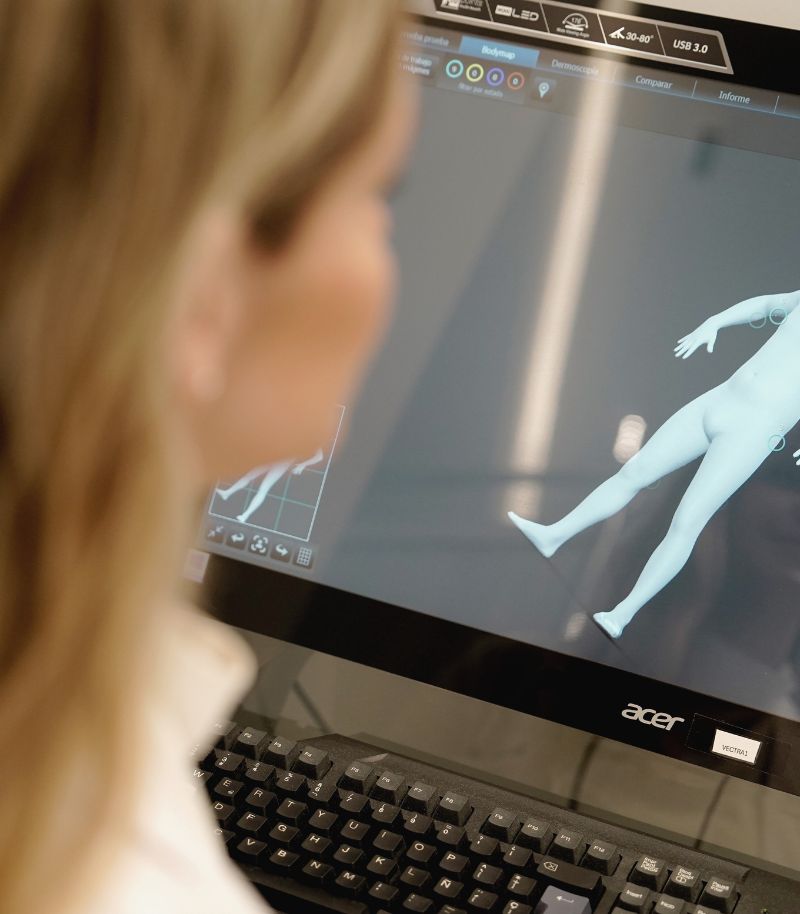
Pedro Jaén Foundation training programmes
At Grupo Pedro Jaén, we understand that addressing skin cancer requires constant knowledge updating and rigorous training capable of anticipating the diagnostic and therapeutic challenges of a continuously evolving disease.
Specialised education in skin cancer
Through the Pedro Jaén Foundation, a high-level educational programme is promoted for dermatologists and physicians in training. This programme includes master’s degrees, expert courses and seminars accredited by prestigious institutions such as the University of Alcalá. Training covers key areas including complex skin cancer, Mohs micrographic surgery, dermatopathology and its clinical correlation, digital dermoscopy, confocal microscopy and new systemic therapies, with a strong practical focus.
Faculty and comprehensive approach
These internationally recognised qualifications are delivered by a faculty composed of specialists from Grupo Pedro Jaén and leading experts in cutaneous oncology and dermatopathology. The objective is to raise the level of professional specialisation and promote a comprehensive approach to patient care, ensuring more accurate diagnoses and safer, more effective treatments.
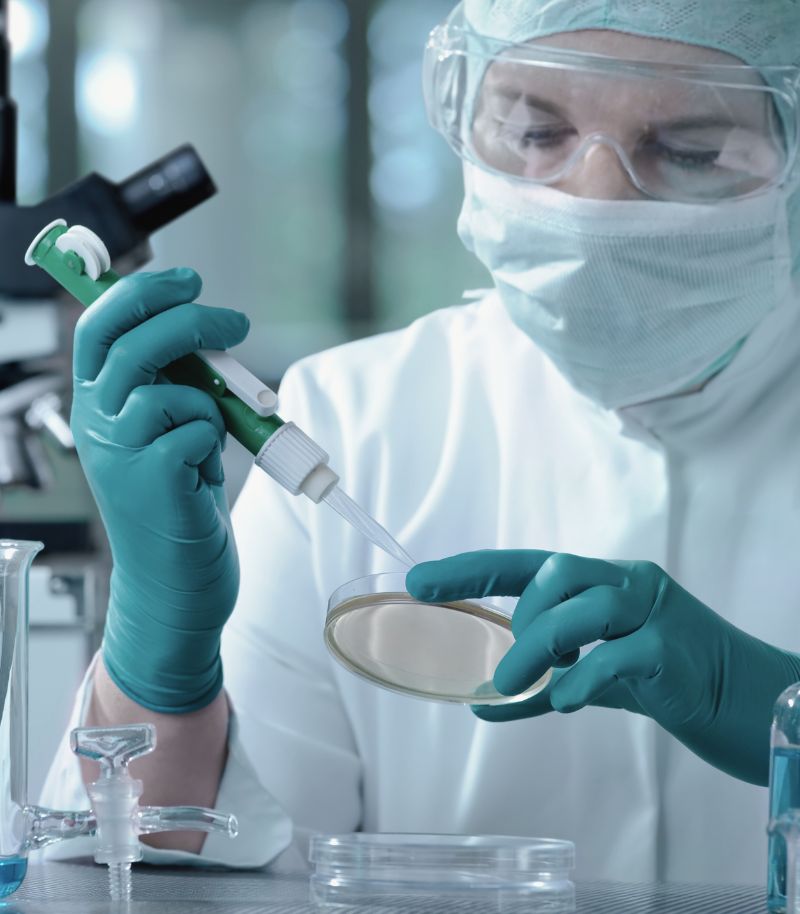
Leading research in skin cancer
The Skin Cancer Unit actively participates in clinical research projects, technological development and the continuous improvement of clinical care protocols. This commitment to research allows for the constant updating of skin cancer diagnosis and treatment, ensuring care aligned with scientific advances and the most current clinical guidelines.
Active research and teamwork
Our team is made up of specialists who have played—and continue to play—a significant role in skin cancer research, participating on an ongoing basis in national and international studies, projects and collaborations. This research activity reinforces clinical excellence and translates directly into benefits for patients.
International leaders in research
Among others, our team includes professionals such as Dr Luis Ríos, a pioneer of Mohs micrographic surgery in Spain and a reference figure in the refinement of surgical techniques for skin tumours, and Dr Salvador González, one of the most internationally cited authors in dermatology and President of the International Society for Confocal Microscopy, with extensive research activity linked to leading oncology centres.
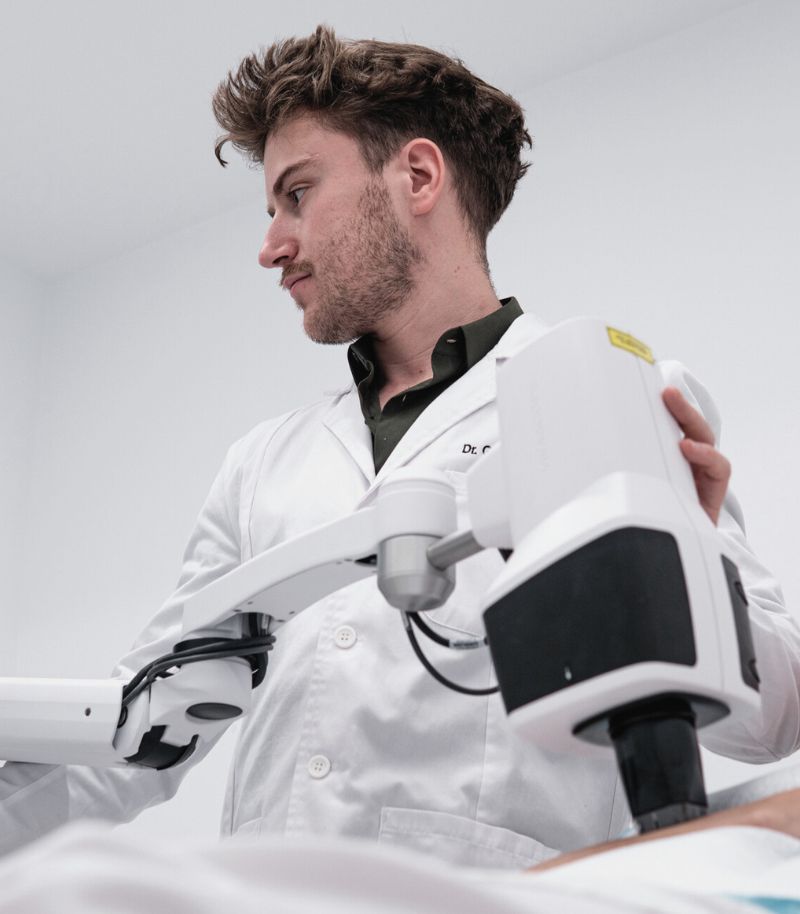
Building the future of oncological dermatology today
At Grupo Pedro Jaén, we understand education and research not only as tools for continuous updating, but as a responsibility towards the future of oncological dermatology. Every trained professional and every consolidated scientific advance contributes to building a system better prepared to address the growing impact of skin cancer on the population.
Impact beyond the consultation
The knowledge generated and shared by our Unit is not limited to daily clinical practice, but extends to hospitals, specialised units and reference centres, raising standards of care beyond our own environment. In this way, diagnostic and therapeutic advances reach more patients, regardless of where they are treated.
A legacy based on clinical excellence
Investing in the future of oncological dermatology means training professionals capable of leading, researching and innovating with clinical judgement and scientific rigour. At Grupo Pedro Jaén, we work to ensure that excellence depends not only on technology, but on people prepared to apply knowledge with precision, ethics and a long-term vision.
Personalised treatment
A guide to understanding common postpartum recovery concerns
After pregnancy, it is common for the body to undergo physical changes such as abdominal skin laxity, localised fat deposits, muscle hypotonia, or the appearance of stretch marks and telangiectasias. Although these are frequent and expected changes, they may affect quality of life, self-esteem and a woman’s overall wellbeing.
In this guide, we explain in detail the most common postpartum concerns and the medical-aesthetic solutions offered within our unit to help restore body shape, improve skin quality and support a safe, effective and respectful recovery, tailored to each individual process.
Skin laxity
Skin laxity affects the vast majority of women after childbirth. It results from stretching of the skin and loss of tone in the supporting tissues caused by progressive abdominal enlargement during pregnancy, together with structural changes that influence skin elasticity and connective tissue.
This laxity may alter the silhouette, with a softer, looser and less firm abdomen that does not improve despite a healthy diet and an active lifestyle.
To address it, medical-aesthetic procedures aimed at stimulating collagen and elastin production are often required. These include radiofrequency microneedling, combined with other treatments depending on whether the laxity is mild, moderate or more severe.
Depending on each patient’s needs, protocols may also include polynucleotides—biostimulatory compounds derived from salmon DNA—which support deep hydration and help promote collagen and elastin production.
The goal of these combined approaches is to repair and redensify tissues and to improve skin quality naturally, restoring structure and firmness.
However, when skin redundancy is significant and there is substantial excess tissue, treatment may need to be complemented with surgery. In such cases, patients can receive specialist assessment and guidance from our Plastic Surgery Unit.
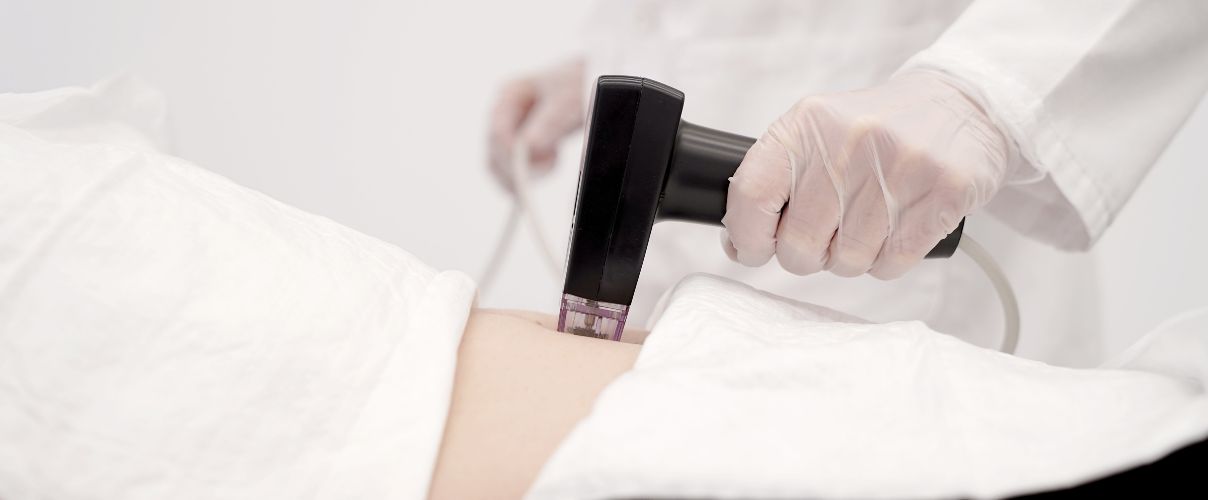
Localised fat
After delivery, many women present localised fat deposits, most commonly in the abdomen, although they may also appear on the hips or thighs. These accumulations are linked to pregnancy-related hormonal and metabolic changes that favour lipid storage in the subcutaneous fat layer (the adipose tissue beneath the skin).
Although fat volume may decrease naturally over time, resistant deposits can persist despite diet and exercise. A medical-aesthetic approach can help remodel body contour and support a more harmonious recovery of the silhouette after motherhood.
To address this, we use advanced technologies such as radiofrequency microneedling and the Accent Prime X platform.
Radiofrequency microneedling combines the mechanical action of a matrix of needles with thermal energy delivered at depth. Thanks to its penetration capacity—particularly suitable for the abdominal area—it reaches deeper levels than other non-surgical techniques.
This technology promotes collagen and elastin formation, contracts the skin and can help target localised fat, addressing skin laxity, skin quality and fat deposits simultaneously.
Accent Prime X combines low-frequency ultrasound with non-invasive radiofrequency in a single platform. It acts on deeper layers of adipose tissue, selectively targeting fat cells without damaging surrounding tissues, which may translate into visible reduction in abdominal volume over a small number of sessions.
Muscle hypotonia
Muscle hypotonia is the loss of tone and firmness of the abdominal musculature that may occur after pregnancy, when muscles have undergone significant stretching. This weakness can hinder recovery of a flatter abdomen, affect posture and, in some cases, be associated with lower back discomfort or reduced core stability.
Addressing hypotonia early with medical approaches and targeted exercise supports both functional and aesthetic abdominal recovery.
Our Body Aesthetic Medicine Unit has an electromagnetic muscle stimulation device designed to combat this loss of tone.
This procedure is used across several medical specialties (including urology, rehabilitation and gynaecology) due to its ability to stimulate and tone muscles non-invasively by generating contractions that promote muscle fibre growth and strengthening. It also contributes to remodelling internal muscle structure, resulting in a denser, more toned and more compact muscle.
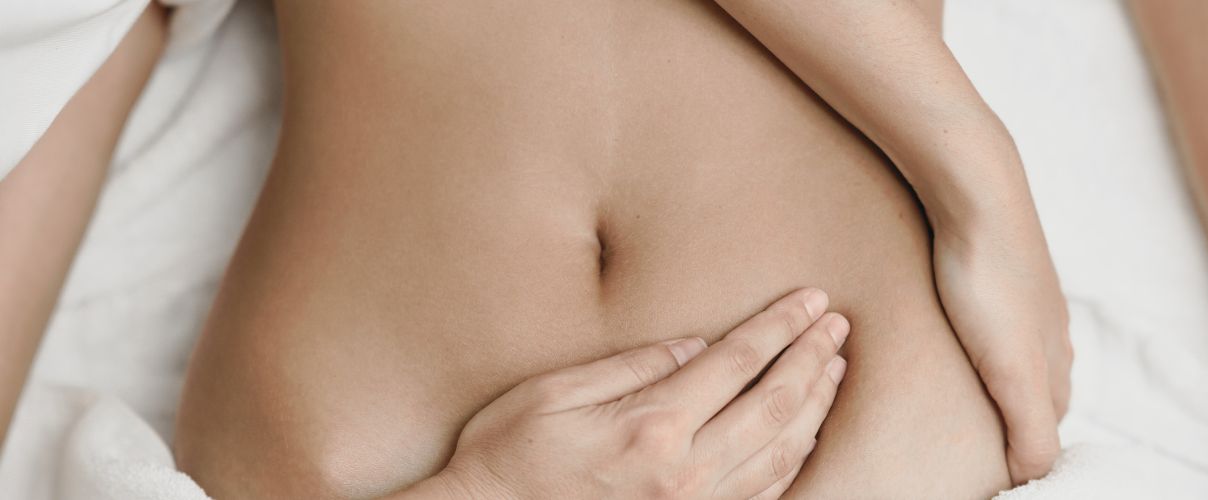
Diastasis
Many women develop abdominal diastasis after one or more deliveries.
Diastasis recti is the separation of the rectus abdominis muscles due to pressure from the growing uterus. It is often associated with pelvic floor weakness, lower back discomfort, digestive symptoms, abdominal protrusion and difficulty performing certain exercises or sports.
Accurate diagnosis and appropriate management not only improve body contour but also contribute to functional recovery and overall wellbeing.
Supervised exercise programmes—guided by rehabilitation physicians and physiotherapists—together with selected medical-aesthetic treatments aimed at strengthening musculature may help in mild diastasis, where separation is limited.
However, when the separation is wider (over 5 centimetres) or there are associated problems such as frequent lower back pain or hernias, the most effective solution is often reconstructive surgery (abdominoplasty with muscle plication). This restores abdominal anatomy and support and is performed within our Plastic Surgery Unit.
Postpartum telangiectasias
Telangiectasias, also known as spider veins, are very common in the postpartum period. These small red or bluish dilated veins—often with a web-like pattern—are related to pregnancy hormonal fluctuations and increased blood volume during gestation.
They most often appear on the legs and feet, although they are also common on the face and décolletage. While they may gradually improve after delivery, they often persist and can affect a patient’s perception of their appearance.
It is reasonable to wait several months postpartum to assess spontaneous improvement. During this period, conservative measures may help, such as wearing compression stockings, gentle exercise, elevating the legs when resting, avoiding prolonged sitting or standing (taking active breaks), and maintaining a healthy weight.
If telangiectasias are more prominent, patients may be referred to the Vascular Surgery Unit, where the suitability of sclerotherapy can be assessed. This minimally invasive outpatient treatment eliminates spider veins by injecting a sclerosing foam. It does not require anaesthesia, hospital admission or recovery time, and in addition to aesthetic improvement, it can significantly relieve the sensation of heavy or tired legs associated with larger telangiectasias.

Stretch marks
Stretch marks are scars caused by rupture of collagen and elastin fibres due to excessive stretching of the skin. Genetic and hormonal factors contribute, and they are particularly common in late pregnancy, as well as in other situations involving rapid weight changes.
They are most commonly located on the abdomen, thighs, hips and breasts. For best results, treatment should ideally be started early—when stretch marks are still red or violaceous—because prognosis is poorer once they become white.
Treatments may soften and fade stretch marks substantially (depending on several factors), but they generally do not eliminate them completely.
At our Body Aesthetic Medicine Unit, we use combined protocols tailored to each case. For red stretch marks, vascular laser may be used to reduce inflammation and redness, followed by laser treatments designed to smooth skin surface and support tissue repair through collagen and elastin induction.
When stretch marks are more mature (with a whitish or pearly tone), radiofrequency microneedling may be added to help improve stretch marks as well as associated laxity and overall skin quality.
Persistent linea nigra
Linea nigra is a vertical hyperpigmented line extending from the navel to the pubic area, associated with increased progesterone during pregnancy, which influences melanin production.
Not all pregnant women develop it, and it usually fades gradually after delivery as hormone levels return to baseline.
However, it can persist in some cases. Depending on severity, it may be treated with topical depigmenting agents combined with laser therapy or radiofrequency microneedling. These techniques can enhance penetration of topical active ingredients and, at the same time, support improvement in overall skin quality.
More information
Below you will find the authorship and references for the information provided on this page:
Authorship and references
The content of this page has been prepared by the Communication Department and the Medical Team of Grupo Pedro Jaén, in line with our editorial commitment to ensuring the accuracy and up-to-date nature of the information provided.
Information and news
Press room
In the Grupo Pedro Jaén Press Room you can find information, advice and news related to dermatology, aesthetic medicine, trichology and general health. The group’s journals are also shared through an online platform, along with updates on the activity and media appearances of our clinics and healthcare professionals.

How to shower properly: tips for looking after your skin
Cold or hot water? Is it better to use a sponge? Find out how to shower properly and what dermatologists recommend to protect your skin.
Retinol in summer: should you stop using it?
We debunk this and other myths about using retinol during the warmer months.

Blog
News about Grupo Pedro Jaén. Information and advice on dermatology, aesthetic medicine, trichology, and general health

Media
Information about media appearances by our clinics and medical specialists.

Journal
Archive of all Grupo Pedro Jaén journals, available through an external online platform.