
Squamous cell carcinoma
Treatment available at our Madrid clinics at Calle Serrano 143 and La Moraleja
Dermatologists specialising in
Treatment of squamous cell carcinoma
Squamous cell carcinoma is the second most common type of skin cancer after basal cell carcinoma and is more aggressive than the latter. It accounts for approximately 20–25% of all skin tumours. It is also referred to as cutaneous squamous cell carcinoma. Metastasis occurs in only 3–5% of cases and it is usually not fatal. However, it can grow rapidly and has a high capacity for local invasion, which makes early diagnosis and treatment essential.

Recognised reference clinics in Spain
Inicio > Skin Cancer > Squamous Cell Carcinoma
What sets us apart
Latest treatments with aesthetic and functional preservation
We adopt a comprehensive approach, combining advanced technology with a multidisciplinary team highly specialised in squamous cell carcinoma. State-of-the-art diagnostic tools allow suspicious lesions to be detected at very early stages, enabling more precise and less invasive interventions. Treatment strategies are individualised and may include Mohs surgery, immunotherapy or targeted therapies, depending on each patient’s clinical situation. Our aim is to optimise clinical outcomes while minimising functional and aesthetic impact.
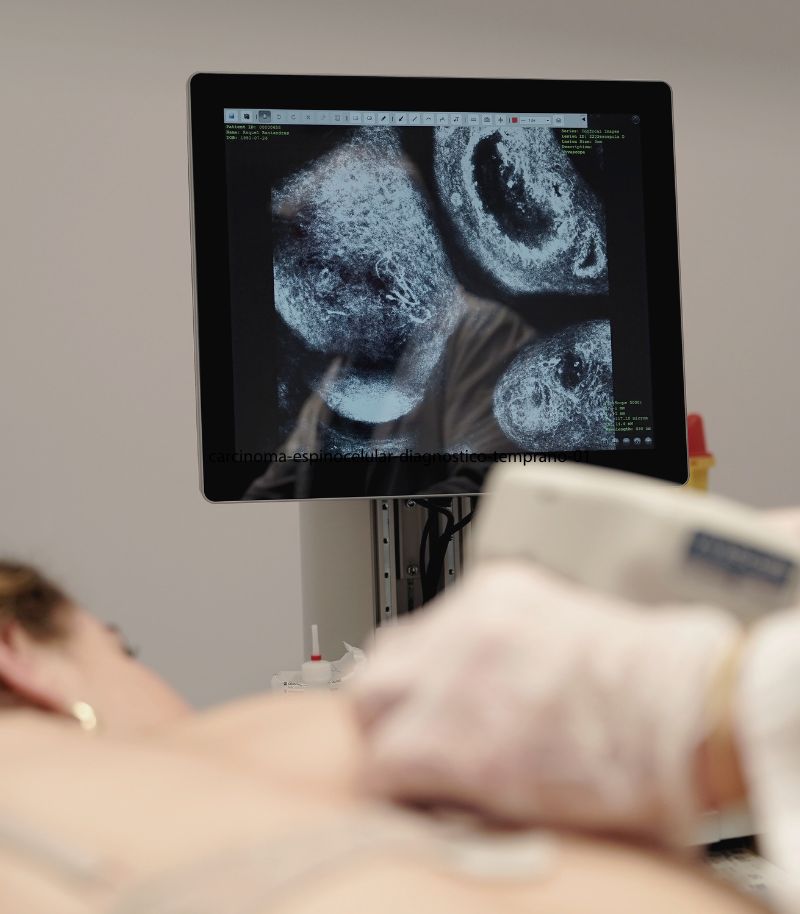
Early diagnosis
At the Grupo Pedro Jaén Skin Cancer Unit, early detection of squamous cell carcinoma is a priority. The use of advanced diagnostic techniques such as confocal microscopy, digital dermoscopy and the Vectra 360 system allows suspicious lesions to be accurately analysed and treated before the tumour progresses.
Benefits of early diagnosis
Identifying squamous cell carcinoma at an early stage reduces the risk of local invasion and limits the need for more aggressive treatments. This facilitates therapeutic approaches associated with fewer sequelae and faster recovery.
State-of-the-art tools for greater precision
Advanced diagnostic technologies improve accuracy and ensure that each patient receives the most appropriate treatment according to the characteristics of the tumour. Precise detection supports optimal treatment planning and helps avoid unnecessary removal of healthy tissue, preserving function and aesthetics in exposed areas such as the face, lips and neck.

Personalised surgical treatment
Squamous cell carcinoma may progress rapidly, which is why early recognition of symptoms and prompt diagnosis are crucial. Surgical excision is usually the treatment of choice. Depending on the characteristics of each case, conventional surgery or Mohs surgery may be indicated.
Wide local excision
This procedure involves removing the tumour together with a margin of surrounding healthy skin to ensure complete excision. The width of the margin depends on the size, thickness and location of the tumour, as it is not always possible to remove wide margins in small or anatomically complex areas.
Mohs surgery
Mohs surgery allows the tumour to be removed layer by layer, with each layer examined microscopically in the operating theatre until no tumour cells remain. This technique is reserved for recurrent squamous cell carcinomas, tumours located in anatomically complex areas (such as the eyebrows, hands, ears or face), or high-risk lesions.
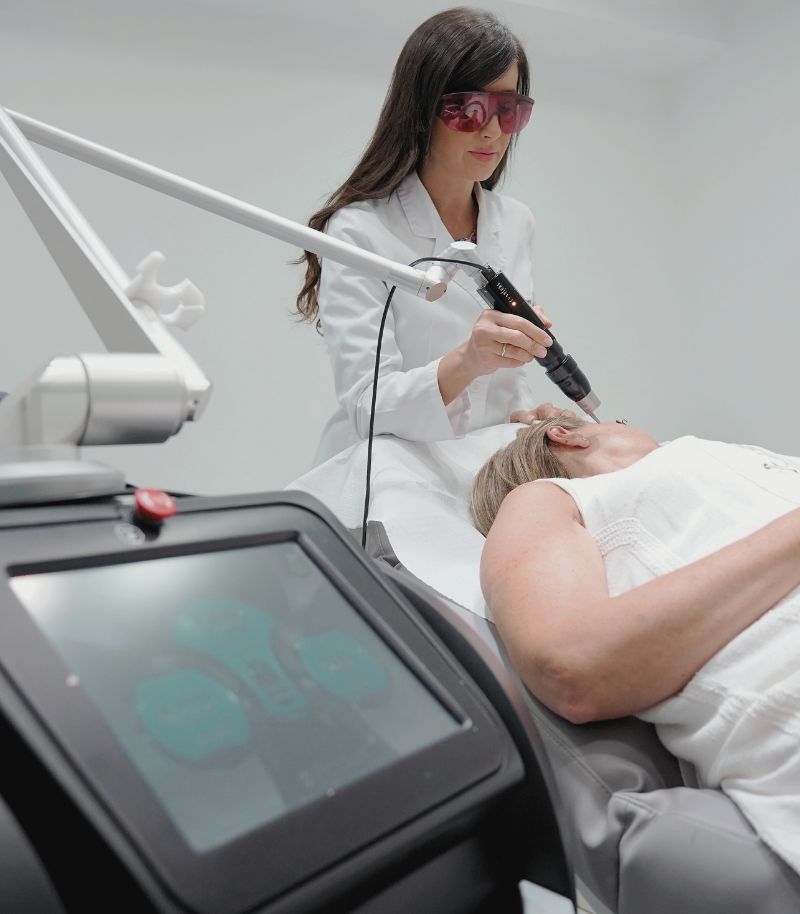
Achieving aesthetic and functional outcomes
Although complete tumour removal is the primary objective, functional and aesthetic outcomes are also carefully considered, as squamous cell carcinoma often affects highly visible areas of the body.
Reduction of functional impact
Squamous cell carcinoma rarely metastasises, but its ability to invade adjacent tissues may lead to significant skin loss, scarring or functional deformities, particularly when located near the mouth, nose or eyes. In such cases, reconstructive surgery may be required and is available at Grupo Pedro Jaén.
Aesthetic improvement
AIn addition to plastic and reconstructive surgery, some patients may benefit from medical aesthetic treatments to minimise scarring, correct asymmetries or improve the appearance of areas affected by surgery. These options are available through the Laser, Regenerative Medicine and Facial Aesthetics Units.
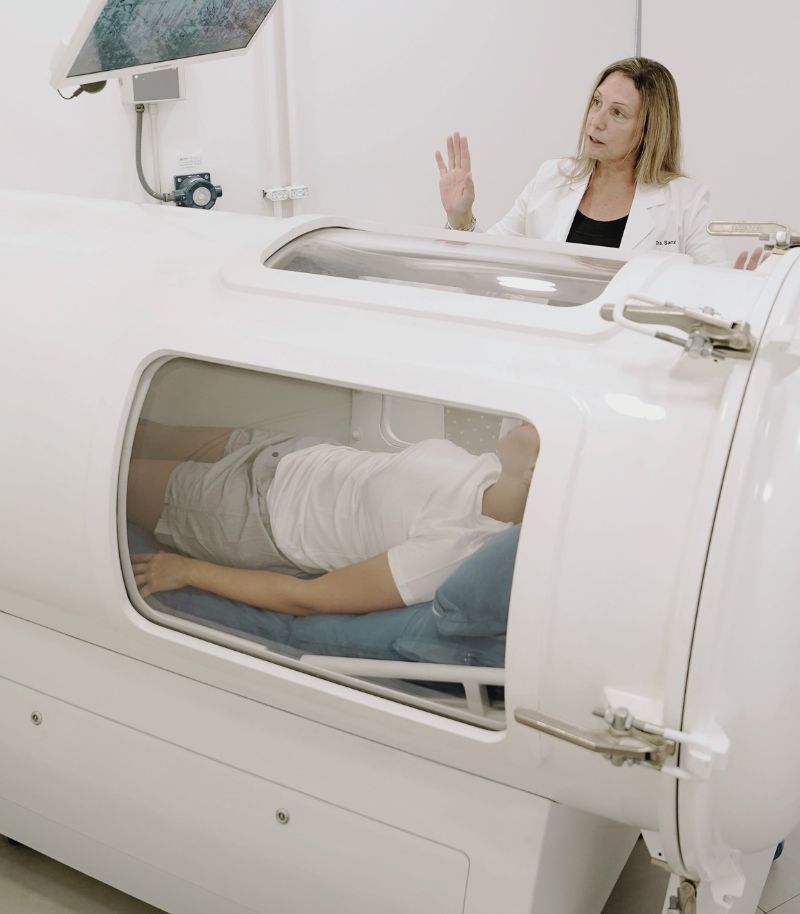
Resources for optimal recovery
The Grupo Pedro Jaén Skin Cancer Unit works in coordination with other specialised units within the group to support recovery after squamous cell carcinoma surgery.
Hyperbaric medicine
Hyperbaric oxygen therapy increases tissue oxygenation, reduces inflammation and post-surgical oedema, lowers the risk of infection and promotes tissue regeneration and wound healing. It may be considered after squamous cell carcinoma surgery, particularly in high-risk patients, following extensive procedures with skin grafts or flaps, or in areas with limited vascularisation such as the ears or nose.
Medical and aesthetic treatments
When necessary, specialists in our Facial Aesthetics Unit support the optimisation of surgical outcomes using neuromodulators, dermal fillers or biostimulators to improve skin quality. Laser treatments may also be used to improve scar appearance and achieve optimal functional and aesthetic results. In addition, the Beauty and Wellbeing Unit offers specific post-surgical treatments to promote tissue drainage and accelerate recovery.
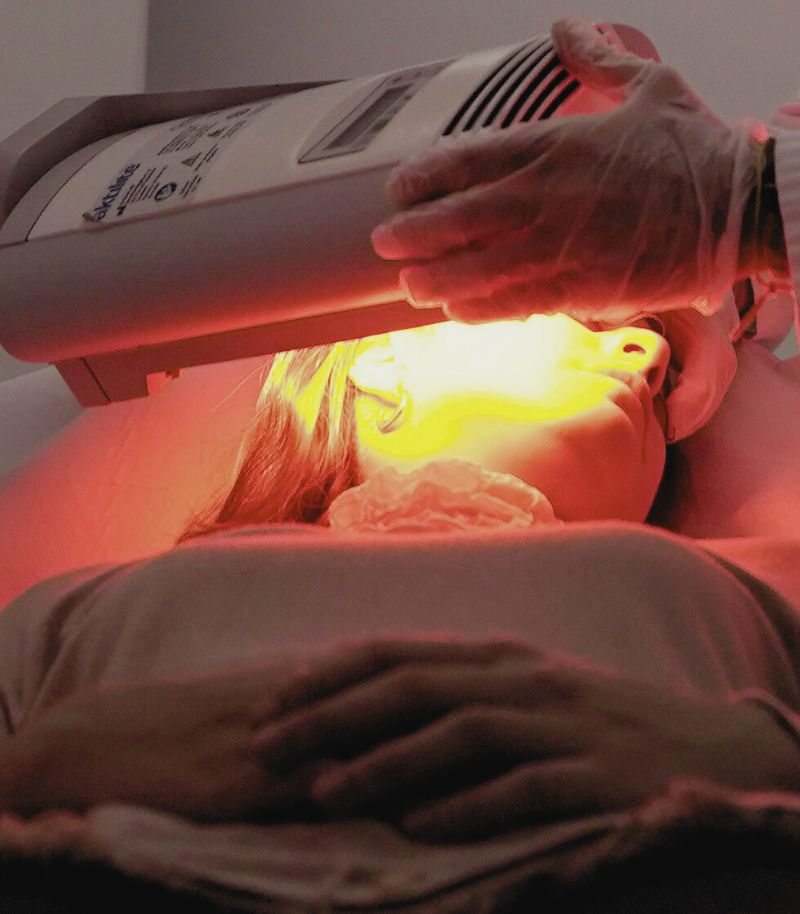
Advanced treatments
Management of squamous cell carcinoma requires a personalised approach that may combine different therapeutic strategies depending on tumour location, size and aggressiveness. In addition to surgery, other treatment options may be considered.
Non-invasive therapies
Highly localised squamous cell carcinomas and superficial lesions may benefit from topical chemotherapeutic treatments aimed at stimulating the immune response or inhibiting tumour cell proliferation. In selected cases, and when lesions are in situ, photodynamic therapy may also be an option.
Disseminated tumours
Recurrent squamous cell carcinomas, advanced-stage tumours or those with metastatic spread may require radiotherapy (for tumour size reduction prior to surgery), systemic chemotherapy or next-generation immunomodulatory therapies.

Prevention and monitoring
In addition to treatment, our unit places strong emphasis on prevention and control of risk factors. Unprotected sun exposure, skin photoageing and certain harmful habits increase the risk of developing new tumours. For this reason, personalised prevention and monitoring programmes are designed for each patient.
Preventive laser
Dermatologists in our Laser Unit are involved in research supporting the preventive role of CO₂ rejuvenation laser therapy in the management of the most common skin tumours, including basal cell and squamous cell carcinoma.
Ongoing care and personalised follow-up
After treatment, a long-term follow-up plan is established to detect any signs of recurrence. Regular check-ups are carried out using advanced diagnostic technologies, such as Vectra 360 and confocal microscopy, enabling early and precise intervention when necessary.
What it is, symptoms and treatment
A guide to understanding squamous cell carcinoma
Squamous cell carcinoma is a malignant neoplasm that originates in squamous cells, also known as keratinocytes. These are flat cells with a scale-like appearance that are found in the lining of hollow organs (such as the bladder, kidneys, uterus, cervix, digestive tract and respiratory tree) as well as on the surface of the skin.
Keratinocytes are responsible for producing keratin, a protein that provides strength and resistance to the skin, hair and nails. They also play a key role in the skin barrier, helping to prevent water loss and skin dehydration.
Malignant proliferation of these cells disrupts normal keratinisation and leads to the development of squamous cell carcinoma, which most commonly affects areas of the body that are frequently exposed to sunlight. These include the face, hairless scalp, ears, neck, shoulders, forearms and the backs of the hands. It is also relatively common in women to develop squamous cell carcinoma on the anterior surface of the lower leg (tibial area), as well as on the lower lip, particularly in smokers.
Although less frequently, squamous cell carcinoma may appear on any part of the body, including the soles of the feet or the genital area, and even inside the mouth. It may also develop on pre-existing skin lesions such as chronic ulcers, scars, fistulas or burns.
There are two specific entities within the spectrum of squamous cell carcinoma:
Keratoacanthoma
Keratoacanthoma is characterised by very rapid growth and may reach a large size within just two or three weeks. Despite its alarming appearance, it has an excellent prognosis and, in some cases, may even regress spontaneously without treatment.
Bowen’s disease
Also known as squamous cell carcinoma in situ, Bowen’s disease is confined to the epidermis and typically presents as a reddish lesion resembling eczema. It is very superficial, non-invasive and has no metastatic potential, which is why its prognosis is generally favourable.

Risk factors for squamous cell carcinoma
As with other types of skin cancer, the most significant risk factor for developing squamous cell carcinoma is prolonged exposure to ultraviolet radiation over many years.
Consequently, the population group most susceptible to squamous cell carcinoma largely overlaps with that of basal cell carcinoma: men over the age of 50 who have experienced long-term exposure to ultraviolet radiation, primarily from sunlight.
This type of skin cancer is more common in individuals with fair skin, light hair and light-coloured eyes. However, although people with darker skin are less likely to develop squamous cell carcinoma, it is the most common skin cancer among individuals of African and Asian descent.
Squamous cell carcinoma may also develop due to other factors. Higher risk is observed in frequent users of tanning beds or sun lamps, immunocompromised patients, individuals with a personal history of skin cancer, those with severe inherited dermatological conditions such as xeroderma pigmentosum or albinism, and people who work outdoors or are exposed to high levels of arsenic and/or tar.
Finally, individuals with actinic keratoses, visible scars or chronic ulcers caused by certain medical conditions have an increased risk of developing squamous cell carcinoma arising on these lesions.
Prognosis and symptoms of squamous cell carcinoma
Squamous cell carcinoma may progress rapidly, making early recognition of symptoms and prompt diagnosis particularly important.
Prognosis of squamous cell carcinoma
Squamous cell carcinoma metastasises in only 3–5% of cases and is generally not fatal. Nevertheless, it may grow rapidly (as in the case of keratoacanthoma) and has a strong capacity for local invasion, especially when located on mucosal surfaces. These factors significantly increase the risk of recurrence and highlight the importance of early diagnosis and treatment.
Squamous cell carcinomas located on the ears, lips, scars or near nerve endings are more likely to spread. Rapid progression may result in substantial tissue loss if treatment is delayed, leading to significant aesthetic damage and potential functional impairment.
It is also noteworthy that approximately one third of squamous cell carcinomas affecting the tongue or oral cavity have already metastasised at the time of diagnosis.
For all these reasons, regular monitoring and early diagnosis of skin cancer are essential.
Signs and symptoms
La manifestación más habitual del carcinoma espinocelular es un nódulo rojizo de consistencia firme que presenta una ligera descamación superficial. Esta lesión va aumentando de tamaño en forma de tumoración dura y puede desarrollar una especie de costra. Finalmente, la formación roja se ulcera y da lugar a una llaga abierta que no cicatriza, extendiéndose por el tejido vecino.
Squamous cell carcinoma may also present as a flat plaque with a scaly crust; a new ulcer or one arising on a pre-existing scar or chronic skin lesion; a rough lesion on the lip that may ulcerate and form a non-healing wound; a rough patch inside the mouth; or a raised red growth. The latter presentation is more common when squamous cell carcinoma is located in the perianal or genital region.
“Squamous cell carcinoma can grow rapidly and has a high capacity for local invasion, which makes early diagnosis and treatment essential”
Treatments for Squamous Cell Carcinoma
Skin cancer includes a wide range of neoplasms with different histological characteristics, prognoses and clinical considerations. For this reason, the choice of the most appropriate treatment must always be individualised, taking into account several factors related to:
- The tumour. Including its location, extent, depth of invasion, vascular involvement and whether it has developed on pre-existing skin damage. These factors allow tumours to be classified as low-risk or high-risk.
- The patient’s circumstances. Such as age, life expectancy, clinical condition, risk factors and the importance of aesthetic outcomes.
- The specialist’s judgement. Which depends on experience and expertise not only in skin cancer therapies, but also in the ability to manage potential complications and address functional and aesthetic sequelae. The Grupo Pedro Jaén Skin Cancer Unit is equipped to offer comprehensive care for all types of skin tumours, provided by highly specialised dermatologists with extensive experience in each therapeutic area.
Surgery with wide margins
Conventional surgery for skin cancer involves surgical excision of the tumour. This procedure is usually performed with widened margins, meaning that a surrounding area of healthy skin is removed as a precaution to ensure complete tumour removal.
The width of the margins depends not only on tumour thickness but also on its location. In small or highly visible areas of the face, it may be difficult or even impossible to remove wide margins due to limited surrounding tissue, and because wider excision results in larger surgical scars.
This approach carries a higher risk of reoperation if the margins obtained in the initial surgery are insufficient to completely remove the tumour.
Mohs surgery
Mohs surgery is a highly effective surgical technique that fulfils three key objectives: complete tumour removal, preservation of function and maximal conservation of healthy tissue. This approach is particularly important when tissue reconstruction is required after tumour excision and is of special relevance given that most skin cancers are located on the face.
This approach involves progressively removing the tumour layer by layer, with each layer examined under a microscope in the operating theatre until no cancer cells are detected. In primary tumours, Mohs surgery achieves cure rates close to 100%, and approximately 98% in recurrent cases. More information about Mohs surgery..
Radiotherapy and chemotherapy
Radiotherapy
Radiotherapy is not usually a first-line treatment, but it may be useful in specific situations, such as reducing the size of squamous cell carcinomas.
Chemotherapy
Systemic chemotherapy is administered orally or intravenously to eliminate cancer cells that may have spread through the body, including to lymph nodes or other organs. In some cases, it may be used as a preoperative treatment prior to skin cancer surgery.

More information
A continuación se responde a algunas de las dudas más frecuentes que tienen los pacientes sobre el carcinoma espinocelular y se indican la autoría y las referencias de la información proporcionada en esta página:
Frequently asked questions about squamous cell carcinoma
Differences between squamous cell carcinoma and basal cell carcinoma
Basal cell carcinoma originates in the basal cells of the epidermis, whereas squamous cell carcinoma arises from squamous cells. These are the most common types of skin cancer. Although their prognosis is often favourable, they should not be underestimated due to the potential complications they may cause when located in sensitive areas (such as the scalp, nasal cavities or eyelids), either because of tissue loss and associated deformity or their ability to infiltrate vital structures.
Is squamous cell carcinoma dangerous?
The percentage of squamous cell carcinomas that metastasise is low (less than 5%). However, this tumour has a strong capacity to invade surrounding tissues, which may lead to significant skin destruction, scarring and even deformities with aesthetic and functional implications that may require reconstructive surgery.
Authorship and references
The content of this page has been prepared by the Communication Department and the Medical Team of Grupo Pedro Jaén, in line with our editorial commitment to ensuring the accuracy and up-to-date nature of the information provided.
References on squamous cell carcinoma:
1. Waldman A, Schmults C. Cutaneous Squamous Cell Carcinoma. Hematol Oncol Clin North Am. 2019 Feb;33(1):1-12. doi: 10.1016/j.hoc.2018.08.001. PMID: 30497667.
2. Que SKT, Zwald FO, Schmults CD. Cutaneous squamous cell carcinoma: Incidence, risk factors, diagnosis, and staging. J Am Acad Dermatol. 2018 Feb;78(2):237-247. doi: 10.1016/j.jaad.2017.08.059. PMID: 29332704.
3. Corchado-Cobos R, García-Sancha N, González-Sarmiento R, Pérez-Losada J, Cañueto J. Cutaneous Squamous Cell Carcinoma: From Biology to Therapy. Int J Mol Sci. 2020 Apr 22;21(8):2956. doi: 10.3390/ijms21082956. PMID: 32331425; PMCID: PMC7216042.
4. Marur S, Forastiere AA. Head and Neck Squamous Cell Carcinoma: Update on Epidemiology, Diagnosis, and Treatment. Mayo Clin Proc. 2016 Mar;91(3):386-96. doi: 10.1016/j.mayocp.2015.12.017. PMID: 26944243.
5. Kallini JR, Hamed N, Khachemoune A. Squamous cell carcinoma of the skin: epidemiology, classification, management, and novel trends. Int J Dermatol. 2015 Feb;54(2):130-40. doi: 10.1111/ijd.12553. Epub 2014 Nov 27. PMID: 25428226.
6. Fu T, Aasi SZ, Hollmig ST. Management of High-Risk Squamous Cell Carcinoma of the Skin. Curr Treat Options Oncol. 2016 Jul;17(7):34. doi: 10.1007/s11864-016-0408-2. PMID: 27262708.
7. Council ML. Common skin cancers in older adults: approach to diagnosis and management. Clin Geriatr Med. 2013 May;29(2):361-72. doi: 10.1016/j.cger.2013.01.011. PMID: 23571033.
8. Vargo N. Basal cell and squamous cell carcinoma. Semin Oncol Nurs. 2003 Feb;19(1):12-21. doi: 10.1053/sonu.2003.50007. PMID: 12638377.
9. Owczarek W, Majewski S, Schwartz RA. Risk factors for squamous cell carcinoma of the skin with two illustrative cases and literature review. Acta Dermatovenerol Croat. 2011;19(1):21-7. PMID: 21489362.
10. Que SKT, Zwald FO, Schmults CD. Cutaneous squamous cell carcinoma: Management of advanced and high-stage tumors. J Am Acad Dermatol. 2018 Feb;78(2):249-261. doi: 10.1016/j.jaad.2017.08.058. PMID: 29332705.
11. Stratigos A, Garbe C, Lebbe C, Malvehy J, del Marmol V, Pehamberger H, Peris K, Becker JC, Zalaudek I, Saiag P, Middleton MR, Bastholt L, Testori A, Grob JJ; European Dermatology Forum (EDF); European Association of Dermato-Oncology (EADO); European Organization for Research and Treatment of Cancer (EORTC). Diagnosis and treatment of invasive squamous cell carcinoma of the skin: European consensus-based interdisciplinary guideline. Eur J Cancer. 2015 Sep;51(14):1989-2007. doi: 10.1016/j.ejca.2015.06.110. Epub 2015 Jul 25. PMID: 26219687.
12. Burton KA, Ashack KA, Khachemoune A. Cutaneous Squamous Cell Carcinoma: A Review of High-Risk and Metastatic Disease. Am J Clin Dermatol. 2016 Oct;17(5):491-508. doi: 10.1007/s40257-016-0207-3. PMID: 27358187.
13. Stratigos AJ, Garbe C, Dessinioti C, Lebbe C, Bataille V, Bastholt L, Dreno B, Fargnoli MC, Forsea AM, Frenard C, Harwood CΑ, Hauschild A, Hoeller C, Kandolf-Sekulovic L, Kaufmann R, Kelleners-Smeets NW, Malvehy J, Del Marmol V, Middleton MR, Moreno-Ramirez D, Pellecani G, Peris K, Saiag P, van den Beuken-van Everdingen MHJ, Vieira R, Zalaudek I, Eggermont AMM, Grob JJ; European Dermatology Forum (EDF), the European Association of Dermato-Oncology (EADO) and the European Organization for Research and Treatment of Cancer (EORTC). European interdisciplinary guideline on invasive squamous cell carcinoma of the skin: Part 1. epidemiology, diagnostics and prevention. Eur J Cancer. 2020 Mar;128:60-82. doi: 10.1016/j.ejca.2020.01.007. Epub 2020 Feb 26. PMID: 32113941.
14. Nuño-González A, Vicente-Martín FJ, Pinedo-Moraleda F, López-Estebaranz JL. High-risk cutaneous squamous cell carcinoma. Actas Dermosifiliogr. 2012 Sep;103(7):567-78. English, Spanish. doi: 10.1016/j.ad.2011.09.005. Epub 2012 Jan 17. PMID: 22261673.
15. Stratigos AJ, Garbe C, Dessinioti C, Lebbe C, Bataille V, Bastholt L, Dreno B, Concetta Fargnoli M, Forsea AM, Frenard C, Harwood CA, Hauschild A, Hoeller C, Kandolf-Sekulovic L, Kaufmann R, Kelleners-Smeets NWJ, Malvehy J, Del Marmol V, Middleton MR, Moreno-Ramirez D, Pellecani G, Peris K, Saiag P, van den Beuken-van Everdingen MHJ, Vieira R, Zalaudek I, Eggermont AMM, Grob JJ; European Dermatology Forum (EDF), the European Association of Dermato-Oncology (EADO) and the European Organization for Research and Treatment of Cancer (EORTC). European interdisciplinary guideline on invasive squamous cell carcinoma of the skin: Part 2. Treatment. Eur J Cancer. 2020 Mar;128:83-102. doi: 10.1016/j.ejca.2020.01.008. Epub 2020 Feb 26. PMID: 32113942.
Where we see patients?
Clinics in Madrid
Grupo Pedro Jaén is a medical group founded more than three decades ago with the aim of providing medical, surgical and aesthetic solutions related to skin health and appearance. Led by Dr Pedro Jaén, the group has a highly specialised medical team that covers every area of care with top-level specialists, carries out extensive training activities, is a leader in medical research, and operates several clinics in Madrid, from which it offers the highest standards of care and clinical excellence to all patients.


Calle Serrano 143
This centre is the main headquarters of Grupo Pedro Jaén. It provides diagnostic and treatment services in skin cancer, clinical and aesthetic dermatology, laser treatments and other related specialties.
Mon - Fri 09:00 - 21:00 / Sat: 09:00 - 14:00
Calle Serrano 143, El Viso neighbourhood, Chamartín district, 28006 Madrid, Spain

La Moraleja
Located in Plaza de La Moraleja, this exclusive centre allows Grupo Pedro Jaén to bring its medical and aesthetic services closer to patients across the entire northern area of Madrid.
Mon - Thu: 09:30 - 20:00 / Fri: 09:30 - 18:00
Calle de la Estafeta 8, ground floor, La Moraleja, 28109 Alcobendas, Madrid
Related units and pages
Skin Cancer
Diagnosis using the most advanced systems, treatment and surgery for the different types of skin cancer.
Mohs Surgery
A surgical technique that allows skin tumours to be removed while preserving as much healthy tissue as possible.
Basal Cell Carcinoma
Early diagnosis and treatment of the most common type of skin cancer, using the most advanced techniques currently available.
Actinic Keratosis
A precancerous skin lesion that requires careful monitoring due to its potential to progress.
Skin Cancer Prevention
Based on simple self-care measures and more advanced techniques for early diagnosis.
Clinical dermatology
Highly specialised dermatologists for each skin condition, offering the most advanced treatments available.
Information and news
Press room
In the Grupo Pedro Jaén Press Room you can find information, advice and news related to dermatology, aesthetic medicine, trichology and general health. The group’s journals are also shared through an online platform, along with updates on the activity and media appearances of our clinics and healthcare professionals.

How to shower properly: tips for looking after your skin
Cold or hot water? Is it better to use a sponge? Find out how to shower properly and what dermatologists recommend to protect your skin.

Retinol in summer: should you stop using it?
We debunk this and other myths about using retinol during the warmer months.

Blog
News about Grupo Pedro Jaén. Information and advice on dermatology, aesthetic medicine, trichology, and general health

Media
Information about media appearances by our clinics and medical specialists.

Journal
Archive of all Grupo Pedro Jaén journals, available through an external online platform.