
Melanoma
Treatment available at our Madrid clinics at Calle Serrano 143 and La Moraleja
Dermatologists specialising in
Treatment of melanoma
Among skin tumours, melanoma is the least common. However, it is the most aggressive form of skin cancer and is potentially life-threatening. Its incidence has increased significantly in recent years, making it a major focus of the Grupo Pedro Jaén Skin Cancer Unit. This has led to the incorporation of advanced diagnostic techniques and therapeutic strategies.

Recognised reference clinics in Spain
Home > Skin Cancer > Melanoma
What sets us apart
Early diagnosis and advanced treatments
Our approach to melanoma care combines advanced technology, clinical expertise and personalised management. Tools such as Vectra 360, confocal microscopy and digital dermoscopy are used for early detection, which is essential to improving prognosis. In advanced cases, surgical treatment may be combined with complementary therapies. Care is delivered through close collaboration within a multidisciplinary team, with the aim of optimising functional and aesthetic outcomes. The unit also participates in research and clinical trials, facilitating access to emerging therapeutic options and ensuring up-to-date, evidence-based care.
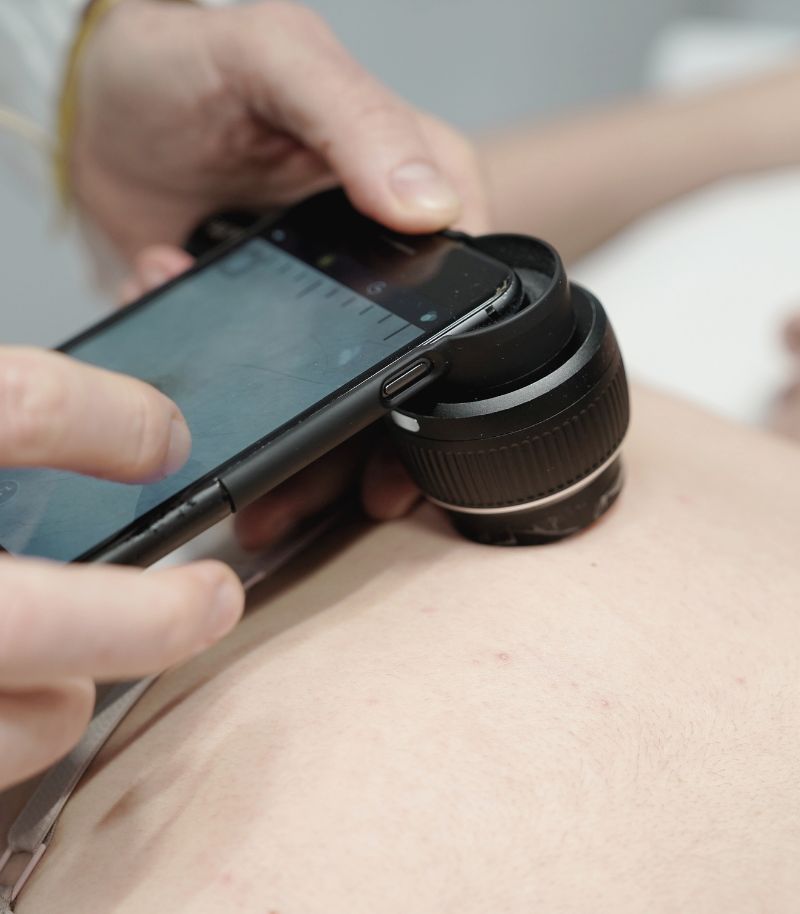
Early diagnosis
Early diagnosis is essential to improving outcomes in melanoma. At the Grupo Pedro Jaén Skin Cancer Unit, advanced technologies are used to detect melanoma at early stages, when treatment is more effective and less invasive.
Importance of early diagnosis
Detection of melanoma at an early stage is associated with cure rates exceeding 90% and reduces the need for aggressive treatment. Early diagnosis minimises the risk of metastasis and significantly improves survival and quality of life.
State-of-the-art technology
Advanced tools such as the Vectra 360 system, confocal microscopy and digital dermoscopy allow precise analysis of skin lesions. These techniques improve diagnostic accuracy, reduce unnecessary biopsies and facilitate long-term monitoring during follow-up.
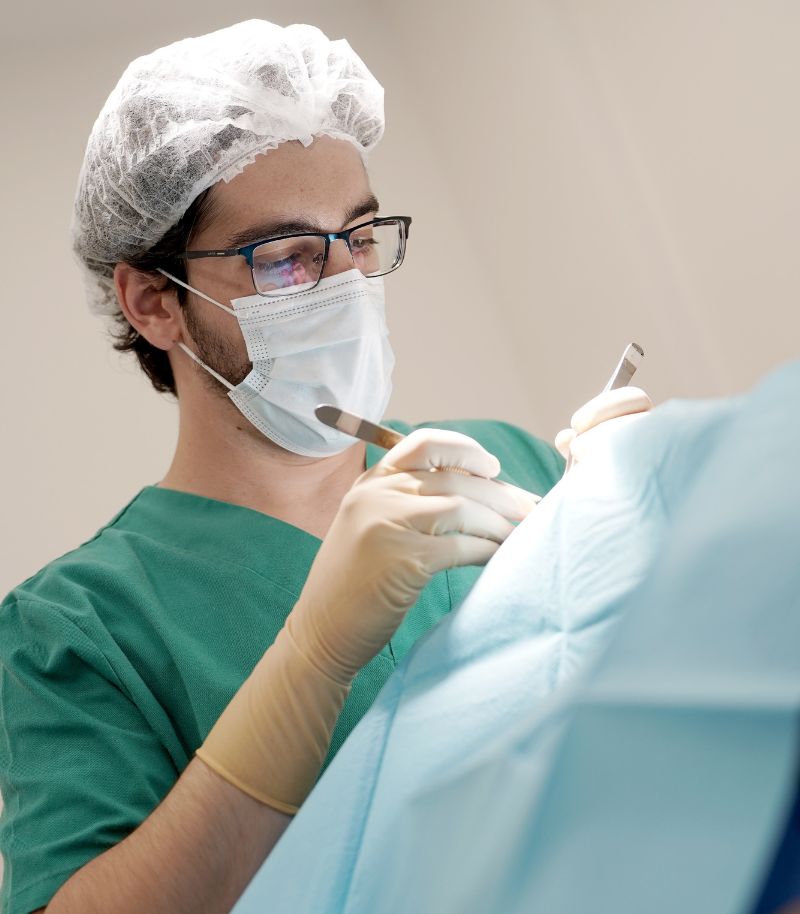
Personalised treatments
Melanoma is an aggressive tumour that requires treatment tailored to its specific characteristics. Our dermatologists specialising in melanoma design individualised treatment plans based on tumour location, extent and depth of invasion, with the aim of maximising therapeutic effectiveness while minimising functional and aesthetic impact.
Wide local excision
Wide local excision is the standard treatment for most melanomas. It involves removal of the tumour together with a margin of surrounding healthy tissue to ensure complete excision. In selected cases, Mohs surgery may be considered, although it is not routinely indicated.
Functional and aesthetic outcomes
Melanoma may affect sensitive and highly visible areas such as the face, neck and hands. For this reason, preservation of function and appearance is carefully considered. Detailed surgical planning and collaboration with reconstructive surgery teams support optimal outcomes and satisfactory recovery.
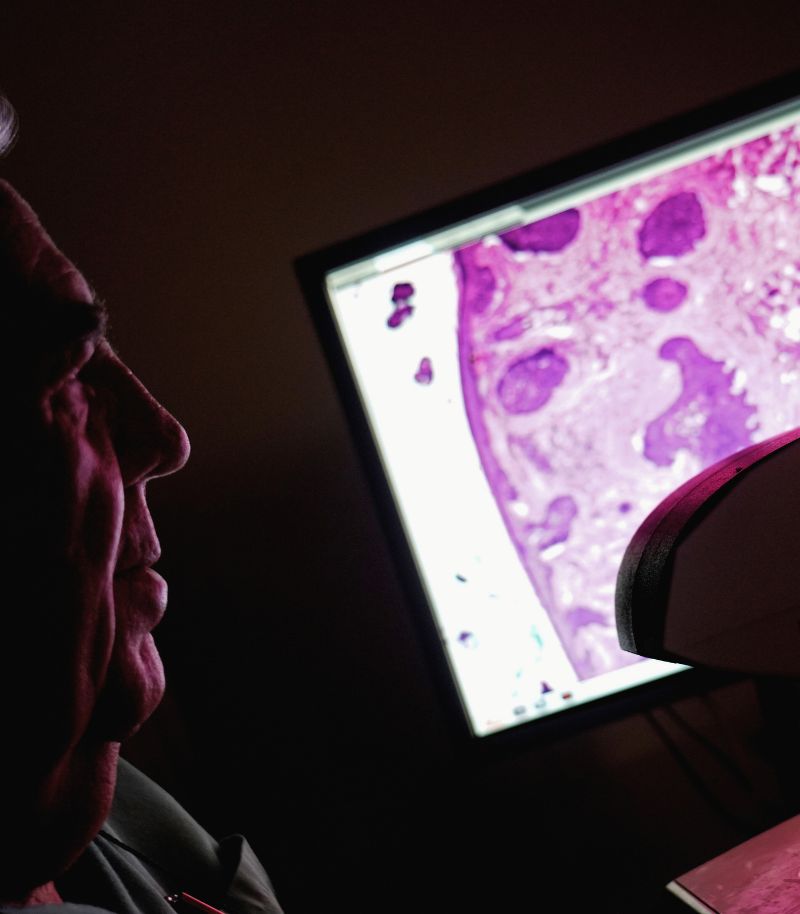
Management of advanced melanoma
In advanced or metastatic melanoma, a comprehensive approach is required. The unit works with a multidisciplinary team that may combine surgery, immunotherapy, radiotherapy and systemic chemotherapy to define the most appropriate strategy for each patient.
Integrated approach and combined treatments
Metastatic melanoma requires coordinated management across specialties. Oncologists, surgeons and dermatologists collaborate to design personalised treatment plans, which may include salvage surgery, palliative radiotherapy and immunotherapy to control disease progression and improve quality of life.
Innovation in complementary therapies
Targeted therapies and immunotherapy have represented a major advance in the management of advanced melanoma, allowing more effective control of tumour growth. These treatments are incorporated according to individual patient characteristics to optimise outcomes.
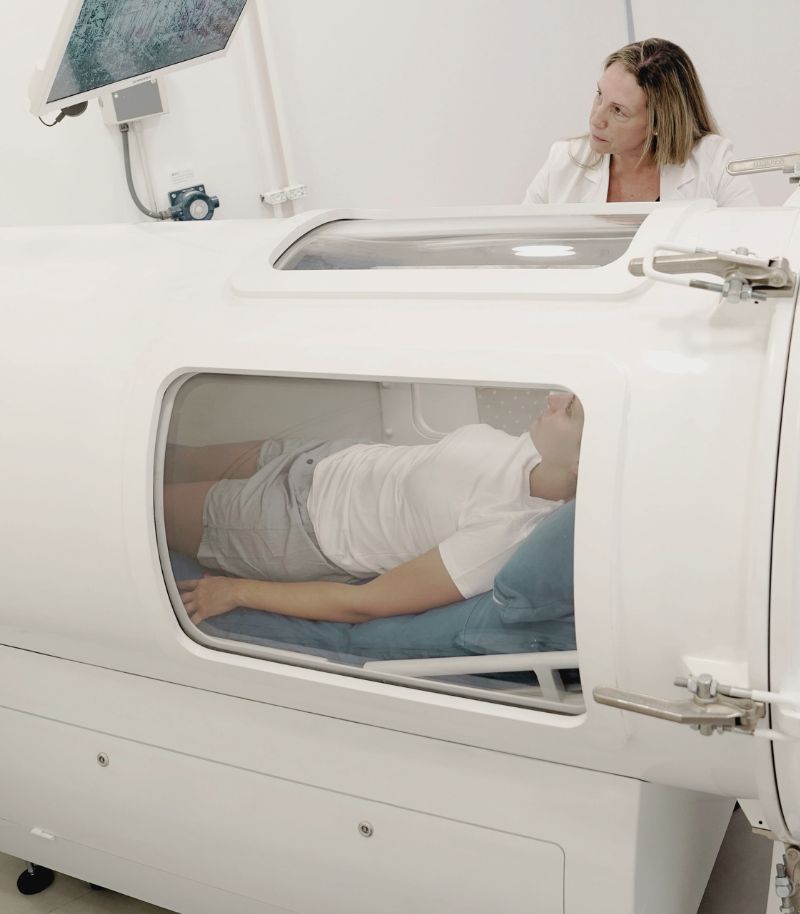
Multidisciplinary approach
The Grupo Pedro Jaén Skin Cancer Unit is supported by other specialised units within the group to improve therapeutic outcomes and facilitate recovery after melanoma surgery.
Hyperbaric medicine
Hyperbaric oxygen therapy increases tissue oxygenation, reduces inflammation and post-surgical oedema, lowers the risk of infection and promotes tissue regeneration and wound healing. It may be considered after surgery, particularly in high-risk patients, following extensive procedures with grafts or flaps, or in areas with limited vascularisation such as the ears or nose.
Medical and aesthetic treatments
When appropriate, specialists in the Facial Aesthetics Unit contribute to optimising surgical outcomes using neuromodulators, dermal fillers or biostimulators to improve skin quality. Laser treatments may also be used to improve scar appearance. In addition, the Beauty and Wellbeing Unit offers specific post-surgical therapies to promote tissue drainage and accelerate recovery.
Monitoring and prevention
Melanoma requires ongoing monitoring to prevent recurrence and to detect new lesions at early stages. Regular follow-up is combined with personalised prevention strategies to reduce the risk of new skin tumours.
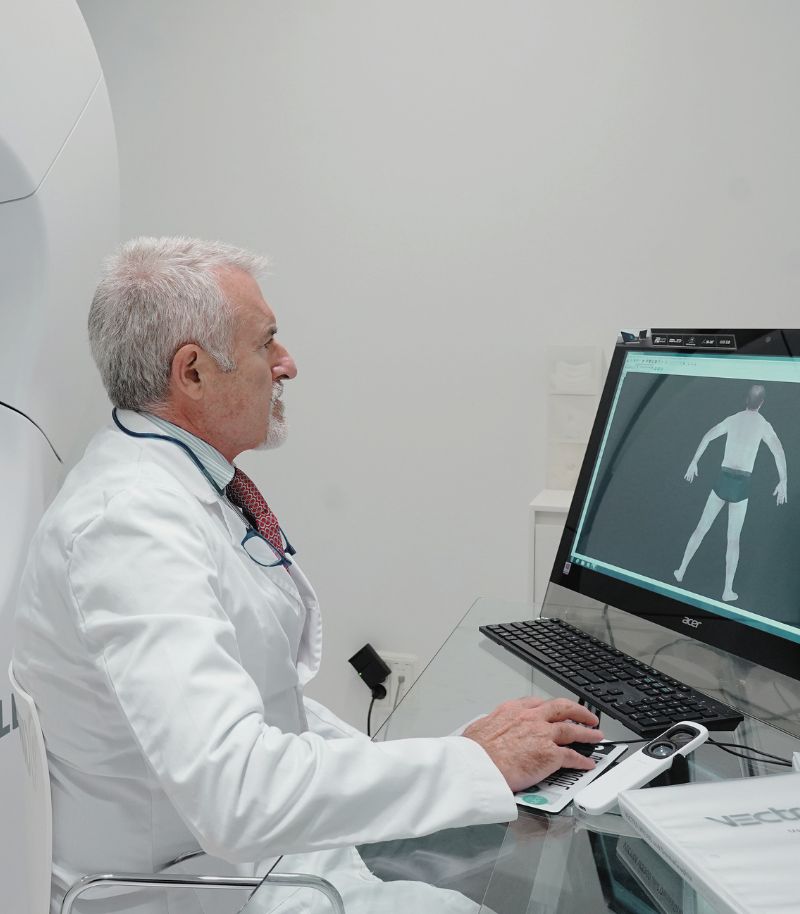
Digital monitoring and lesion control
Digital dermoscopy and total body mapping are used to assess changes in moles and suspicious lesions over time. This allows comparison of images across visits and identification of subtle changes suggestive of early melanoma.
Diagnosis of melanoma in complex locations
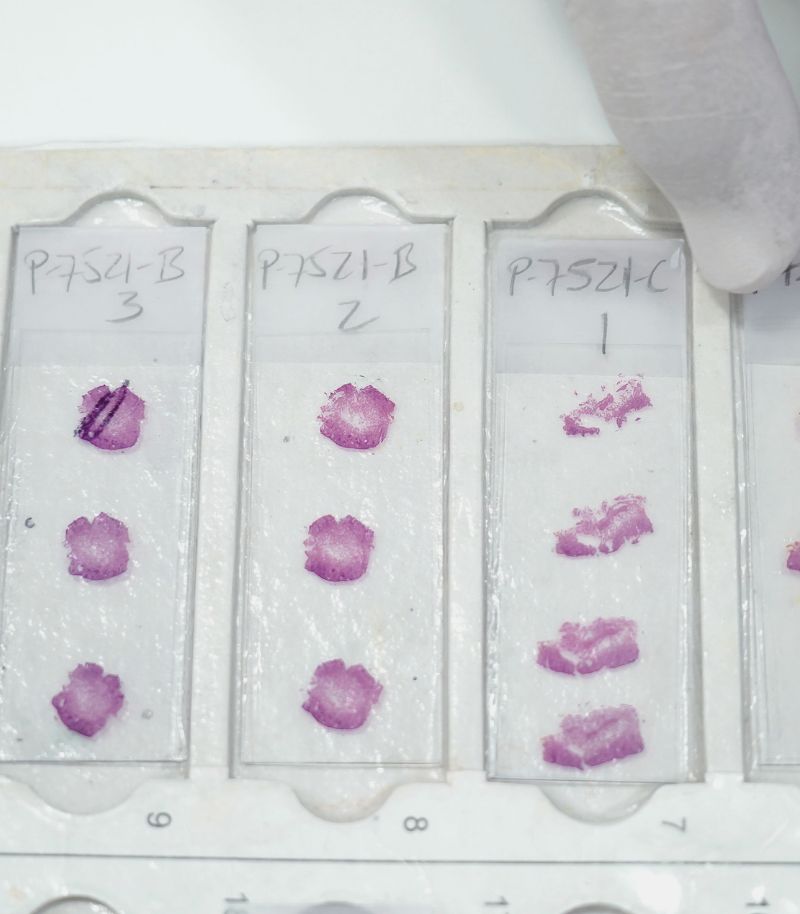
Some melanomas arise in areas that are difficult to examine. In these cases, specialised protocols and techniques such as confocal microscopy and high-resolution imaging are used to facilitate early detection.
Access to innovative therapies
Melanoma treatment is continually evolving, with ongoing advances in immunotherapy, targeted therapies and diagnostic methods. The Grupo Pedro Jaén Skin Cancer Unit actively participates in research and applies innovative treatments to improve clinical outcomes and patient quality of life.
Access to the latest therapies
Through collaboration with leading oncology centres, patients may benefit from the most recent therapeutic options, which have demonstrated effectiveness in tumour control and survival in advanced melanoma.
Commitment to medical research
Our melanoma specialists participate in international research initiatives aimed at improving detection and treatment. This ongoing commitment supports the development of more precise and personalised therapeutic strategies, ensuring that each patient receives care tailored to the characteristics of their disease.
What they are, types and treatment
A guide to understanding melanoma
Melanoma is a skin tumour that originates in melanocytes, the cells responsible for producing the pigment that gives colour to the hair, eyes and skin.
In most cases, melanoma is cutaneous, meaning that it develops on areas of the skin most exposed to ultraviolet radiation, such as the arms, legs, trunk and areas of the scalp without hair. However, it may also arise in other locations where melanin is present, including the eyes (ocular melanoma), the palms of the hands, the soles of the feet, beneath the nails (acral lentiginous melanoma), or internal areas of the body such as the mucosa of the nose or throat, the digestive tract, the vagina or the urinary tract (mucosal melanoma).
Interestingly, melanoma is more commonly diagnosed on the legs and arms in women, whereas in men it more frequently affects the trunk, head and neck.

Risk factors for melanoma
As with other common skin tumours, excessive and prolonged exposure to solar radiation is the most important risk factor for developing melanoma.
This type of skin cancer is more common in men over the age of 50, particularly those who experienced frequent sunburn during childhood and adolescence. As dermatologists often emphasise, the skin has memory: cellular damage accumulates over many years before manifesting as a malignant skin lesion. For this reason, individuals with fair skin, light eyes and blonde or red hair are at greater risk if adequate photoprotection is not maintained throughout the year.
Excessive use of UVA lamps and artificial tanning beds, occupations involving prolonged outdoor exposure, a family history of melanoma or other skin cancers, a previous diagnosis of skin cancer, and the presence of multiple moles—especially large or atypical moles with irregular shape or located in areas usually covered by clothing or hair (such as the scalp, buttocks or soles of the feet)—are additional risk factors. The presence of multiple actinic lesions also increases melanoma risk.
Genetic conditions such as xeroderma pigmentosum and albinism, which affect melanin production and the body’s ability to repair ultraviolet-induced cellular damage, are strongly associated with the development of skin tumours, including melanoma. In addition, immune system disorders and long-term immunosuppressive treatments increase the risk of this type of skin cancer.
It is also important to note that approximately 30% of melanomas arise from previously benign acquired naevi. As a result, having a high number of moles is considered a risk factor and highlights the importance of regular mole monitoring to detect malignant changes at an early stage.
Prognosis and symptoms of melanoma
As noted previously, melanoma is less common than basal cell carcinoma and squamous cell carcinoma, accounting for only around 1–2% of all skin tumours. However, its incidence has increased by approximately 50% in recent years, with around 4,000 new cases diagnosed annually in Spain alone.
Prognosis of melanoma
Melanoma’s aggressive nature and its high capacity to infiltrate deeper layers of the skin and spread to other tissues make it responsible for the highest mortality rate among skin cancers.
Nevertheless, melanoma has an excellent prognosis when detected at an early stage, with cure rates exceeding 90% in cases diagnosed in the initial phases of the disease. This once again underlines the importance of regular skin examinations and early diagnosis, a key pillar of the Grupo Pedro Jaén Skin Cancer Unit.
Signs and symptoms
The most characteristic sign of melanoma is a mole that has changed rapidly in size, texture or colour without an obvious cause. Patients often report that a previously well-defined mole has lost its clear borders and become blurred or diffuse, appearing more like a stain.
The appearance of a completely new mole or a pigmented lesion in an area where none previously existed may also indicate melanoma.
Although many melanomas are dark brown or black due to uncontrolled melanocyte activity, some do not produce excess melanin. In these cases, the lesion may appear pink, light brown or even white.
“Melanoma has a high capacity to metastasise, but when detected in its early stages it has an excellent prognosis”
Melanoma treatment
Skin cancer includes a wide range of neoplasms with different histological characteristics, prognoses and clinical considerations. For this reason, the choice of the most appropriate treatment must always be individualised, taking into account several factors related to:
- The tumour. Including its location, extent, depth of invasion, vascular involvement and whether it has developed on pre-existing skin damage. These factors allow tumours to be classified as low-risk or high-risk.
- The patient’s circumstances. Such as age, life expectancy, clinical condition, risk factors and the importance of aesthetic outcomes.
- The specialist’s judgement. Which depends on experience and expertise not only in skin cancer therapies, but also in the ability to manage potential complications and address functional and aesthetic sequelae. The Grupo Pedro Jaén Skin Cancer Unit is able to provide a comprehensive solution for all types of skin tumours, delivered by highly specialised dermatologists with extensive experience in each therapeutic area.
Surgery with wide margins
Conventional surgery for skin cancer involves surgical excision of the tumour. This procedure is usually performed with widened margins, meaning that a surrounding area of healthy skin is removed as a precaution to ensure complete tumour removal.
The width of the margins depends not only on tumour thickness but also on its location. In small or highly visible areas of the face, it may be difficult or even impossible to remove wide margins due to limited surrounding tissue, and because wider excision results in larger surgical scars.
This approach carries a higher risk of reoperation if the margins obtained in the initial surgery are insufficient to completely remove the tumour.
Mohs surgery
Mohs surgery is a surgical technique that most effectively fulfils three essential objectives: complete tumour removal, preservation of function and maximal conservation of healthy tissue. This is particularly important when tissue reconstruction is required after tumour excision.
More information about Mohs surgery.
Radiotherapy and chemotherapy
Radiotherapy
En realidad, la radioterapia no es un tratamiento de primera elección para el cáncer de piel, pero puede resultar útil en determinadas situaciones como, por ejemplo, para tratar melanomas en estadios muy precoces cuando la cirugía no puede llevarse a cabo por diferentes razones, así como complementar el tratamiento quirúrgico de melanomas poco frecuentes, como el desmoplásico.
Radiotherapy may also be indicated after lymph node dissection to reduce the risk of recurrence, or to treat recurrences and metastases.
Finally, a palliative form of radiotherapy may be used to relieve symptoms caused by melanoma metastases, particularly when they involve the brain or bones. Although this treatment is not curative, it may reduce tumour size or slow progression in order to alleviate patient suffering.
Chemotherapy
Systemic chemotherapy is administered orally or intravenously to eliminate cancer cells that may have spread throughout the body, including to lymph nodes or other organs. In some cases, it may be used as a preoperative treatment prior to skin cancer surgery.

More information
Below you will find the authorship and references for the information provided on this page:
Authorship and references
The content of this page has been prepared by the Communication Department and the Medical Team of Grupo Pedro Jaén, in line with our editorial commitment to ensuring the accuracy and up-to-date nature of the information provided.
References on melanoma:
1. Ahmed B, Qadir MI, Ghafoor S. Malignant Melanoma: Skin Cancer-Diagnosis, Prevention, and Treatment. Crit Rev Eukaryot Gene Expr. 2020;30(4):291-297. doi: 10.1615/CritRevEukaryotGeneExpr.2020028454. PMID: 32894659.
2. Rastrelli M, Tropea S, Rossi CR, Alaibac M. Melanoma: epidemiology, risk factors, pathogenesis, diagnosis and classification. In Vivo. 2014 Nov-Dec;28(6):1005-11. PMID: 25398793.
3. Pavri SN, Clune J, Ariyan S, Narayan D. Malignant Melanoma: Beyond the Basics. Plast Reconstr Surg. 2016 Aug;138(2):330e-340e. doi: 10.1097/PRS.0000000000002367. PMID: 27465194.
4. Abbas O, Miller DD, Bhawan J. Cutaneous malignant melanoma: update on diagnostic and prognostic biomarkers. Am J Dermatopathol. 2014 May;36(5):363-79. doi: 10.1097/DAD.0b013e31828a2ec5. PMID: 24803061.
5. Rager EL, Bridgeford EP, Ollila DW. Cutaneous melanoma: update on prevention, screening, diagnosis, and treatment. Am Fam Physician. 2005 Jul 15;72(2):269-76. PMID: 16050450.
6. Ingraffea A. Melanoma. Facial Plast Surg Clin North Am. 2013 Feb;21(1):33-42. doi: 10.1016/j.fsc.2012.11.007. PMID: 23369587.
7. Rigel DS, Carucci JA. Malignant melanoma: prevention, early detection, and treatment in the 21st century. CA Cancer J Clin. 2000 Jul-Aug;50(4):215-36; quiz 237-40. doi: 10.3322/canjclin.50.4.215. PMID: 10986965.
8. Johansson M, Brodersen J, Gøtzsche PC, Jørgensen KJ. Screening for reducing morbidity and mortality in malignant melanoma. Cochrane Database Syst Rev. 2019 Jun 3;6(6):CD012352. doi: 10.1002/14651858.CD012352.pub2. PMID: 31157404; PMCID: PMC6545529.
9. Vosmík F. Maligní melanom kůze. Epidemiologie, rizikové faktory, klinická diagnostika [Malignant melanoma of the skin. Epidemiology, risk factors, clinical diagnosis]. Cas Lek Cesk. 1996 Jul 26;135(13):405-8. Czech. PMID: 8925536.
10. Gandini S, Autier P, Boniol M. Reviews on sun exposure and artificial light and melanoma. Prog Biophys Mol Biol. 2011 Dec;107(3):362-6. doi: 10.1016/j.pbiomolbio.2011.09.011. Epub 2011 Sep 19. PMID: 21958910.
11. Kibbi N, Kluger H, Choi JN. Melanoma: Clinical Presentations. Cancer Treat Res. 2016;167:107-29. doi: 10.1007/978-3-319-22539-5_4. PMID: 26601860.
Where we see patients?
Clinics in Madrid
Grupo Pedro Jaén is a medical group founded more than three decades ago with the aim of providing medical, surgical and aesthetic solutions related to skin health and appearance. Led by Dr Pedro Jaén, the group has a highly specialised medical team that covers every area of care with top-level specialists, carries out extensive training activities, is a leader in medical research, and operates several clinics in Madrid, from which it offers the highest standards of care and clinical excellence to all patients.


Calle Serrano 143
This centre is the main headquarters of Grupo Pedro Jaén. It provides diagnostic and treatment services in skin cancer, clinical and aesthetic dermatology, laser treatments and other related specialties.
Mon - Fri 09:00 - 21:00 / Sat: 09:00 - 14:00
Calle Serrano 143, El Viso neighbourhood, Chamartín district, 28006 Madrid, Spain

La Moraleja
Located in Plaza de La Moraleja, this exclusive centre allows Grupo Pedro Jaén to bring its medical and aesthetic services closer to patients across the entire northern area of Madrid.
Mon - Thu: 09:30 - 20:00 / Fri: 09:30 - 18:00
Calle de la Estafeta 8, ground floor, La Moraleja, 28109 Alcobendas, Madrid
Related units and pages
Mohs Surgery
A surgical technique that allows skin tumours to be removed while preserving as much healthy tissue as possible.
Squamous Cell Carcinoma
The second most common type of skin cancer after basal cell carcinoma, although it is more aggressive.
Skin Cancer Prevention
Based on simple self-care measures and more advanced techniques for early diagnosis.
Basal Cell Carcinoma
Early diagnosis and treatment of the most common type of skin cancer, using the most advanced techniques currently available.
Skin Cancer
Diagnosis using the most advanced systems, treatment and surgery for the different types of skin cancer.
Actinic Keratosis
A precancerous skin lesion that requires careful monitoring due to its potential to progress.
Information and news
Press room
In the Grupo Pedro Jaén Press Room you can find information, advice and news related to dermatology, aesthetic medicine, trichology and general health. The group’s journals are also shared through an online platform, along with updates on the activity and media appearances of our clinics and healthcare professionals.

How to shower properly: tips for looking after your skin
Cold or hot water? Is it better to use a sponge? Find out how to shower properly and what dermatologists recommend to protect your skin.

Retinol in summer: should you stop using it?
We debunk this and other myths about using retinol during the warmer months.

Blog
News about Grupo Pedro Jaén. Information and advice on dermatology, aesthetic medicine, trichology, and general health

Media
Information about media appearances by our clinics and medical specialists.

Journal
Archive of all Grupo Pedro Jaén journals, available through an external online platform.