
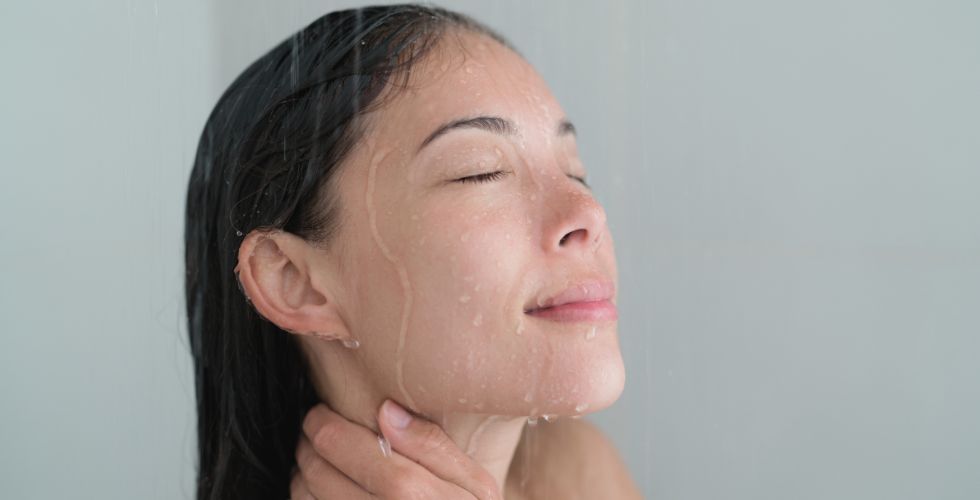
Cold or hot water? Is it better to use a sponge? Find out how to shower properly and what dermatologists recommend to protect your skin.
Showering is an everyday habit that most of us carry out almost daily without giving it much thought. However, the temperature of the water, the amount of time we spend in the shower, the products we use and even whether or not we use a sponge can have a significant impact on skin health.
Knowing how to shower properly is also part of good skin care. An inappropriate shower routine can contribute to dryness and irritation and may even worsen conditions such as atopic dermatitis, eczema or rosacea. Although showering may seem straightforward, following a few simple recommendations can help keep the skin healthy and protect its barrier function.
Shower temperature matters: lukewarm is better than hot
One of the most common mistakes is showering with water that is too hot, particularly during the colder months.
Although hot water may feel pleasant and provide an immediate sense of comfort, very hot water can damage the skin barrier, including the hydrolipidic film that protects the skin surface against water loss and potentially irritating external agents.
As a result, the skin may become dry more easily and develop tightness or itching. Certain dermatological conditions may also worsen.
Excessively hot water can also affect the scalp and hair, contributing to dryness and dehydration of the hair fibre.
For this reason, when dermatologists are asked how to shower properly, we recommend using lukewarm water.
Do you need to use a sponge in the shower?
The simple answer is no.
Most people can maintain adequate hygiene using only their hands and a gentle cleansing product.
Although sponges may give a stronger sensation of cleansing, they are not essential and, in some cases, may even be counterproductive.
People with dry or sensitive skin, atopic dermatitis, eczema or rosacea generally benefit more from gentle cleansing without excessive friction.
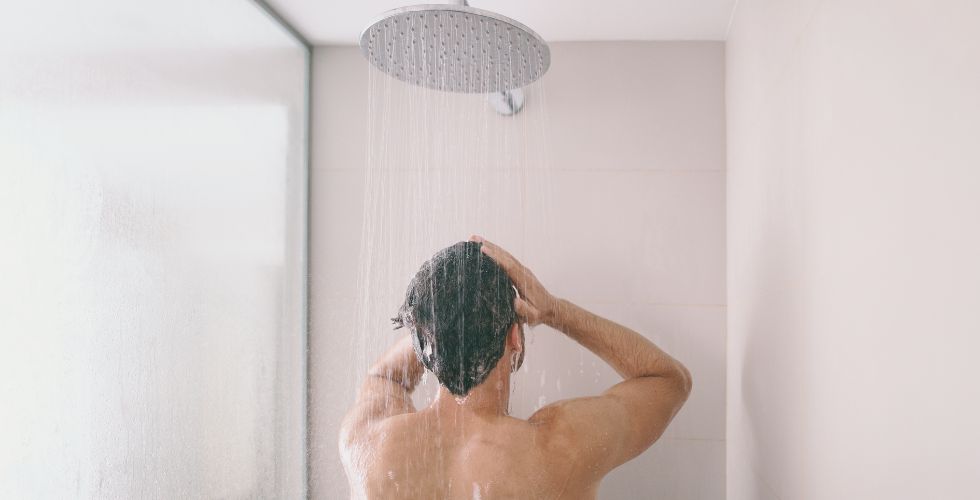
The most common mistakes when using a sponge
People who use a sponge in the shower often make certain mistakes that may affect skin health without realising it.
- Rubbing too vigorously. Many people associate friction with a deeper clean, but excessive rubbing can disrupt the skin barrier, cause irritation and increase dryness. In sensitive skin or in patients with dermatitis, it may even trigger flare-ups or worsen existing symptoms.
- Using highly abrasive or rough sponges. Certain sponges, natural loofahs, or sisal mitts cause excessive exfoliation when used daily. While exfoliation has its place in skincare, it should be performed occasionally and under controlled conditions, rather than during every shower.
- Using too much shower gel or heavily fragranced products. More foam does not mean better cleansing. Excessive use of strongly fragranced products or harsh cleansing agents can contribute to irritation and reduce the skin’s natural hydration.
- Sharing a sponge with other people. A sponge should be for personal use only. Sharing one can facilitate the transfer of microorganisms present on the skin and increase the risk of skin infections.
- Keeping the same sponge for too long. With continued use, sponges accumulate dead skin cells, soap residue and microorganisms. They should therefore be replaced regularly, particularly when they show signs of wear.
- Leaving the sponge damp in a poorly ventilated area. The warm, humid environment of a bathroom encourages the growth of bacteria, fungi and mould. It is therefore important to rinse the sponge thoroughly after each use and allow it to dry completely in a well-ventilated place.
If you use a sponge, choose the right one
For those who prefer to continue using a sponge, soft, quick-drying materials are generally preferable.
Soft microfibre mitts can be a suitable option because they provide very mild exfoliation without being overly abrasive to the skin.
By contrast, very rough sponges, abrasive exfoliating gloves or coarse loofahs are best avoided, particularly in people with sensitive skin or skin that is prone to irritation.
Signs that your sponge should be replaced
If you use a sponge regularly, it is important to replace it periodically.
Warning signs include:
- An unpleasant smell, even after rinsing.
- Dark marks or discolouration.
- Visible mould.
- Changes in texture.
- A slimy or deteriorated appearance.
If any of these signs appear, the sponge should be replaced.
How long should a shower last?
Proper showering involves more than just water temperature; duration is also a key factor.
Very long showers can contribute to the loss of the skin’s natural moisture, particularly when combined with hot water and harsh cleansing products.
In general, a short shower with lukewarm water is usually sufficient to maintain good hygiene without compromising the skin barrier.
Choose a cleanser that is gentle on the skin
Many people focus primarily on creams or serums and forget that cleansing is also an important part of dermatological skin care.
It is advisable to use mild products with a physiological pH and, where possible, avoid shower gels containing excessive fragrance or harsh cleansing agents.
This is particularly important for people with dry or sensitive skin or a history of dermatitis.
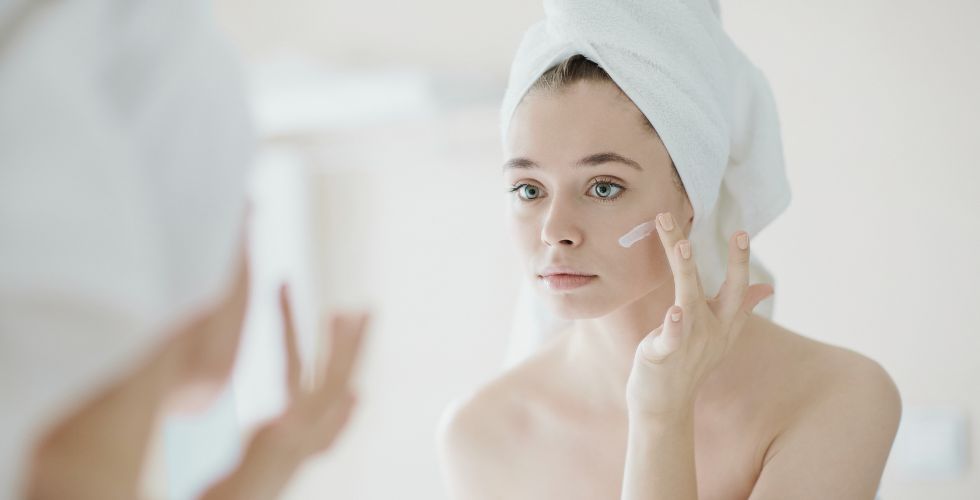
Moisturising starts as soon as you step out of the shower
Your skin care routine does not end when you turn off the tap.
One of the best times to apply a body moisturiser is after gently drying the skin, while it still retains some moisture.
This helps support the skin barrier, reduce water loss and keep the skin more comfortable, particularly in people who are prone to dryness.
What does the ideal shower look like according to dermatologists?
If we had to summarise dermatological recommendations for showering properly while protecting the skin, they would be as follows:
- Use lukewarm water. Water that is too hot removes some of the lipids that form part of the skin’s protective barrier, contributing to dryness, irritation and tightness. It can also dry out both the scalp and the hair fibre.
- Avoid excessively long showers. The longer the skin remains in contact with water, the greater the potential loss of natural moisture. In general, a short shower is enough to maintain good hygiene without compromising barrier function.
- Choose gentle cleansing products. Ideally, proper showering requires the use of physiological pH body washes, while avoiding those with excessive fragrances or harsh cleansing agents, particularly for individuals with dry, sensitive, or dermatitis-prone skin.
- Avoid rubbing the skin aggressively. The sensation of a “deep clean” does not necessarily mean healthier skin. Excessive friction can cause irritation, low-grade inflammation and worsening of pre-existing skin conditions.
- Avoid using a sponge if the skin is dry or sensitive. In most cases, the hands are sufficient for cleansing. Sponges can be too abrasive for patients with atopic dermatitis, eczema, rosacea or particularly sensitive skin.
- Apply a moisturiser after showering. This is one of the simplest and most effective measures for supporting the skin barrier. Applying body moisturiser after gently drying the skin helps retain moisture and maintain skin comfort throughout the day.
- Keep sponges clean if you use them. They should be rinsed thoroughly after every use, left to dry in a well-ventilated place and replaced regularly. A damp, deteriorated sponge can become a reservoir for bacteria, fungi and other microorganisms.
Ultimately, the ideal shower is not the longest or the hottest, but the one that cleanses the skin while respecting its natural balance and preserving the barrier function that protects it from external factors.
Frequently Asked Questions on Proper Showering Techniques
Is it bad to shower with very hot water?
Yes. Excessively hot water can contribute to skin dehydration, disrupt the skin’s protective barrier and worsen problems such as dryness, itching or certain dermatological conditions.
Is it better to shower with a sponge or with your hands?
In most cases, your hands are sufficient to maintain good hygiene. Sponges are not essential and may be too abrasive for dry or sensitive skin.
How often should you replace a shower sponge?
This depends on the type of sponge and its condition, but it should be replaced regularly and sooner if it develops an unpleasant smell, stains, mould or visible signs of deterioration.
How long should a shower last?
A shower should generally be brief and taken with lukewarm water. Prolonged showers can contribute to the loss of the skin’s natural moisture.
Do you need to apply moisturiser after showering?
Yes, particularly if you have dry or sensitive skin. Applying a moisturiser after showering helps support the skin barrier and maintain adequate skin hydration.
Te invitamos a compartir con familiares y amigos este post donde explicamos cómo ducharse correctamente.
References and Authorship
This content has been prepared by the Communications Department and the Medical Team of Grupo Pedro Jaén, in accordance with our editorial commitment to accuracy and regular updates of the information provided.
References:
- American Academy of Dermatology Association. Dermatologists’ top tips for relieving dry skin. Recomendaciones sobre la duración y temperatura de la ducha, el uso de limpiadores suaves y la aplicación de hidratante después del baño.
- Ananthapadmanabhan KP, Moore DJ, Subramanyan K, Misra M, Meyer F. Cleansing without compromise: the impact of cleansers on the skin barrier and the technology of mild cleansing. Dermatol Ther. 2004;17 Suppl 1:16-25. doi: 10.1111/j.1396-0296.2004.04s1002.x. PMID: 14728695.
- Corazza M, Lauriola MM, Zappaterra M, Bianchi A, Virgili A. Surfactants, skin cleansing protagonists. J Eur Acad Dermatol Venereol. 2010 Jan;24(1):1-6. doi: 10.1111/j.1468-3083.2009.03349.x. PMID: 19614860.
- Draelos ZD. The science behind skin care: Cleansers. J Cosmet Dermatol. 2018 Feb;17(1):8-14. doi: 10.1111/jocd.12469. PMID: 29231284.
- Bottone EJ, Perez AA 2nd, Oeser JL. Loofah sponges as reservoirs and vehicles in the transmission of potentially pathogenic bacterial species to human skin. J Clin Microbiol. 1994 Feb;32(2):469-472. doi: 10.1128/jcm.32.2.469-472.1994. PMID: 8150959. PMCID: PMC263056.
