
Psoriasis Unit
At our clinics in Madrid: Calle Serrano 143 and La Moraleja
Dermatologists specialising in
Psoriasis treatment
The Grupo Pedro Jaén Psoriasis and Inflammatory Skin Conditions Unit has been designed to provide a holistic approach to this condition, whose implications extend far beyond the skin. Composed of leading specialists in psoriasis treatment, the unit offers a highly specialised differential approach to the diagnosis, treatment and monitoring of psoriasis, addressing all aspects of the condition that affect the patient’s life.

Recognised reference clinics in Spain
Home > Clinical Dermatology > Psoriasis
What sets us apart
Holistic approach beyond the skin
Our unit combines advanced technology, clinical research and a multidisciplinary team to offer precision treatments tailored to each patient. Our specialists participate in research studies that enable us to access the most innovative therapies, offering safe and effective options. When clinically indicated, we also conduct a comprehensive assessment that includes cardiovascular diagnosis by means of arterial ultrasound and rigorous monitoring of comorbidities. The combination of treatments using phototherapy, laser and advanced medications enables us to achieve optimal disease control, improving not only the skin but also the patient’s quality of life.
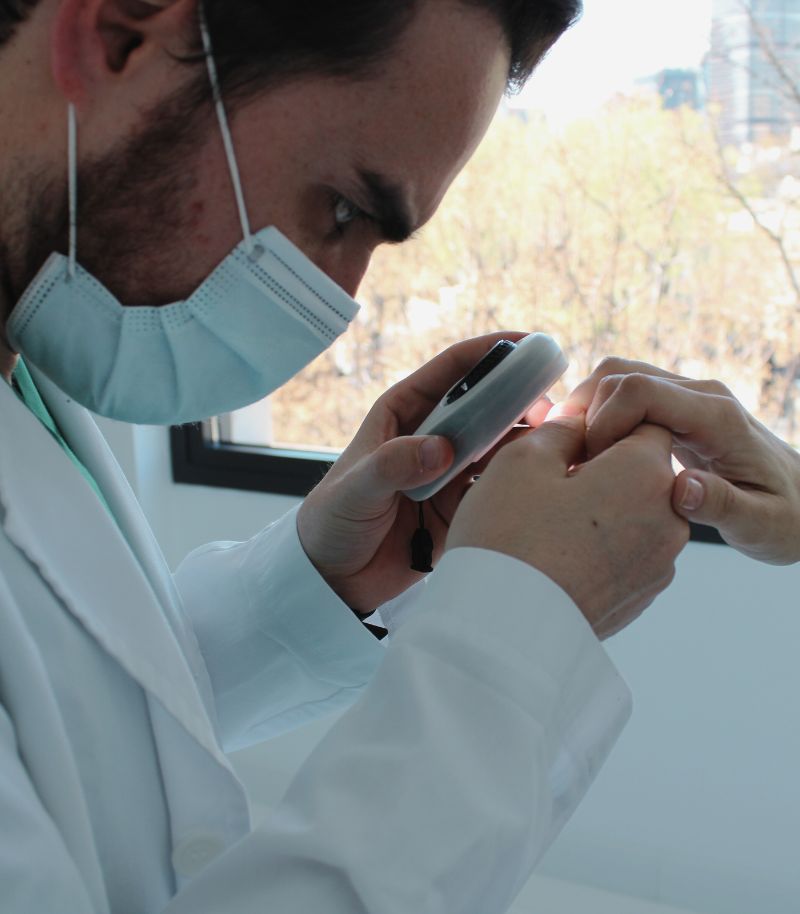
Differential diagnosis
Diagnosis of psoriasis begins at the first consultation with a comprehensive assessment to provide a holistic approach to the patient’s wellbeing.
360º health assessment
Skin involvement is assessed through examination of both the skin and the joints. Specific tests are conducted to screen for psoriatic arthritis. In addition, when clinically indicated, a cardiovascular assessment by femoral arterial ultrasound is performed, as psoriasis increases the risk of cardiovascular disease. Ultrasound can detect early arterial changes and help guide preventive strategies.
Liver function is also assessed, as patients with psoriasis are more prone to fatty liver and liver fibrosis. The condition of the patient’s nails is evaluated with the support of the Grupo Pedro Jaén Nail Unit.
Additional care for issues not directly related to the skin
The psoriasis consultation can also provide advice on pregnancy planning, addressing questions about transmission, the evolution of the condition in pregnancy and treatments compatible with pregnancy. The psychological impact of psoriasis on self-esteem and personal relationships is also considered, with the help of the group’s Emotional Support Unit.
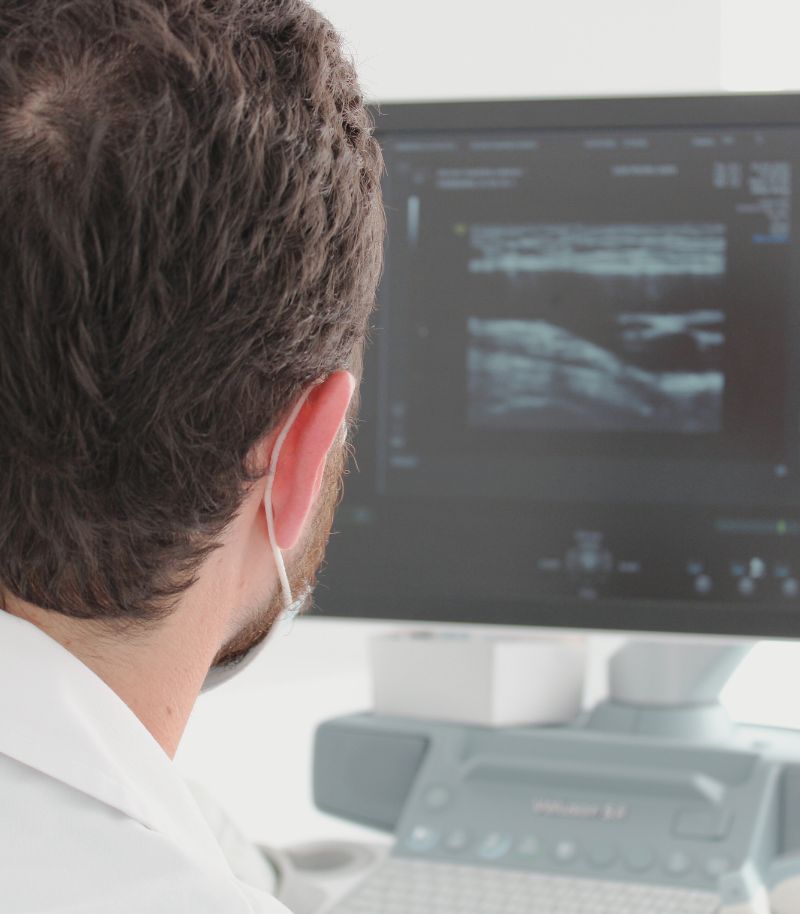
Treatment of comorbidities
The main objective of our unit is to achieve complete control of psoriasis, using the most advanced treatments to minimise its impact on the patient’s life and address associated comorbidities.
Treatment of associated conditions (comorbidities)
Psoriasis not only affects the skin, but also increases the risk of cardiovascular, metabolic and joint diseases. Our unit conducts a comprehensive assessment that includes studies such as femoral arterial ultrasound, capable of detecting pathological signs in early stages. This preventive approach enables early therapeutic measures to be implemented and improves the overall health of the patient.
Leaders in research and early diagnosis
The unit is made up of psoriasis specialists and renowned researchers who are leading research studies on its relationship with comorbidities such as cardiovascular diseases, psoriatic arthritis, type 2 diabetes and fatty liver. Early detection of these associations enables the design of personalised treatment strategies, improving outcomes and avoiding long-term complications.

Advanced drug therapy
In recent years, scientific research has revolutionised the treatment of psoriasis, enabling high levels of disease control with an excellent safety and efficacy profile in the vast majority of cases.
Advanced therapies for personalised treatment
These treatments, developed using advanced biotechnological processes, modulate the immune response and reduce chronic inflammation in a targeted manner. Thanks to their high effectiveness, they improve the patient’s quality of life with an optimal dosage adapted to the clinical evolution.
Exclusive access to state-of-the-art therapies
The Grupo Pedro Jaén Psoriasis Unit is a national and international benchmark in the treatment of psoriasis. As a reference private centre in Spain, we offer patients access to state-of-the-art therapies. Our psoriasis dermatologists design personalised strategies, selecting the most appropriate treatment based on the severity of the condition, comorbidities and the individual needs of each patient.
In addition to pharmacological treatments, we use narrowband UVB phototherapy and specific lasers to reduce inflammation and improve skin texture. These technologies offer effective solutions without resorting to unnecessary systemic medication.
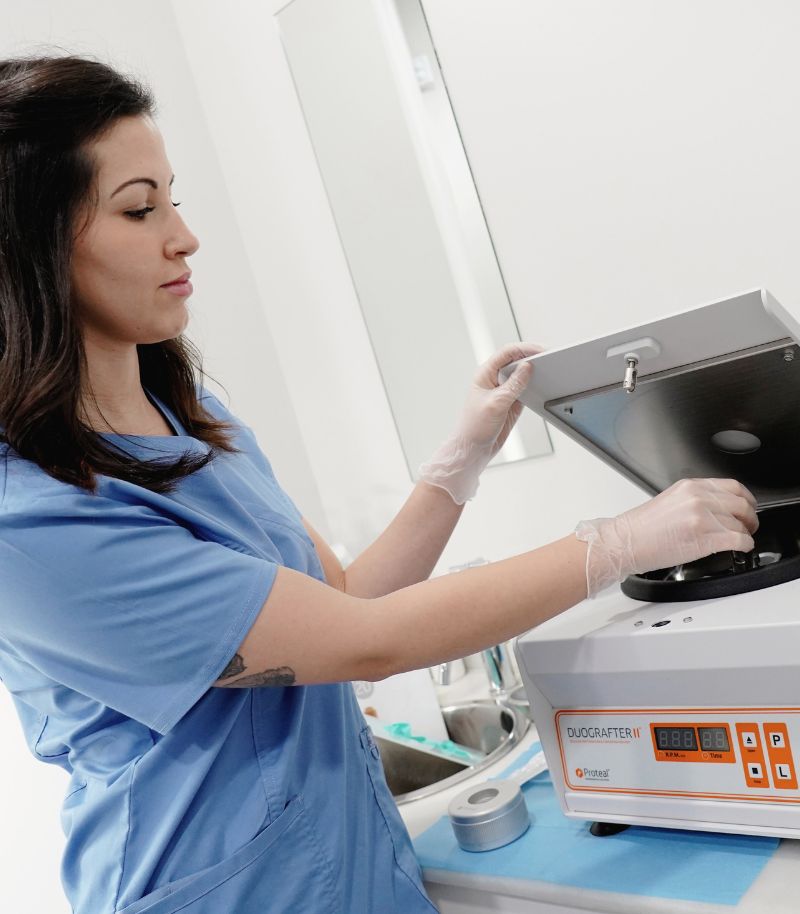
Leaders in research and development
Our commitment to innovation enables us to be at the forefront in the study, diagnosis and treatment of psoriasis. The active participation of our specialists in clinical studies not only contributes to the advancement of dermatology, but also enables us to offer state-of-the-art treatments with greater precision and safety.
Leadership in clinical trials and new therapies
Specialists in our unit are involved in national and international research into the causes of psoriasis and the factors that influence its progression. This enables the development of more effective therapies, with a better safety profile and adapted to each type of patient. Thanks to the work carried out in our research centre, patients have access to the most advanced treatments and protocols.
Scientific evidence for optimised treatment
Our team analyses and applies the latest scientific advances in psoriasis research to offer each patient an up-to-date and personalised approach. The combination of research and clinical practice enables us to anticipate patient needs, improve the effectiveness of treatments and ensure the latest evidence-based care.
What it is, symptoms, types and treatment
A guide to understanding psoriasis
Psoriasis is a relatively common chronic inflammatory skin disease that occurs in flare-ups and causes whitish or greyish scaling on the surface of the skin. It is estimated to affect around 2–3% of the population and, although this percentage may seem small, it represents more than 125 million people worldwide.
It affects men and women equally and has a significant hereditary component, as it is more common among siblings and descendants of affected individuals. Approximately 40% of patients with psoriasis have a family history of the disease.
Although psoriasis can appear at any stage of life, it most commonly begins in young adulthood. Early onset is associated with a more severe and unstable clinical course, which is why early diagnosis and prompt initiation of treatment are particularly important.
In addition to the emotional and social impact associated with more severe forms of psoriasis, it is important to note that between 10% and 30% of patients also develop psoriatic arthritis. These patients are at increased risk of other health conditions, such as metabolic syndrome, depression and anxiety.
In fact, 70% of patients with psoriasis report that the disease significantly disrupts their daily lives due to the anxiety and distress caused by their appearance, regardless of purely skin-related symptoms. Around 60% state that their social activities are affected to some degree, and half of patients report that their professional careers have been negatively impacted.
Sadness, low self-esteem, difficulties with social interaction or forming emotional relationships, sexual problems—resulting both from embarrassment about showing affected areas and from pain or discomfort when lesions are located in the genital area—shame when exposing affected skin during social or outdoor activities, and fear of rejection are among the many additional consequences of this dermatosis.

Causes of psoriasis
Although the exact causes of psoriasis are not fully understood, it is known that in addition to its hereditary component, the disease may be triggered by both internal and external factors.
External triggers of psoriasis
These include physical injury to the skin—such as friction, pressure, bruises, wounds, cuts or insect bites—which can cause patients who already have psoriasis to develop plaques in previously unaffected areas following trauma. This phenomenon, also observed in other dermatological conditions such as vitiligo, is known as the Koebner phenomenon.
Internal triggers of psoriasis
The most common internal triggers include infections; treatment with certain medications such as lithium, beta-blockers or interferons; pregnancy; emotional stress; endocrine disorders; and smoking. Although smoking is not a direct trigger, it is a recognised risk factor for developing psoriasis and for worsening prognosis in patients already diagnosed.
Symptoms of common psoriasis
There are many types of psoriasis depending on lesion location and characteristics. Visible signs vary according to the subtype. However, common psoriasis, the most frequent form, typically presents as reddish, scaly plaques that most often appear on the elbows, knees, scalp and behind the ears, although they may also affect the knuckles, nails and other joints.
These lesions occur because the skin cell renewal cycle is excessively accelerated in patients with psoriasis. Under normal conditions, skin regeneration takes approximately 28–30 days. In psoriasis, this process may take only three to four days.
As a result, dead skin cells accumulate on the surface of the skin, forming deposits or plaques with a scale-like appearance—the most characteristic visible sign of psoriasis.
In addition to their aesthetic impact, psoriatic lesions may cause itching, burning and pain in affected areas and nearby joints, a condition known as psoriatic arthritis. Furthermore, the marked dryness associated with psoriasis can lead to the development of painful cracks that may bleed and become infected.
Although symptoms can often be controlled and even rendered barely noticeable, psoriasis should not be considered a curable or reversible condition. Some studies on the natural course of psoriasis suggest that in approximately 40% of patients the disease may resolve spontaneously after several years, but this cannot be predicted.
Diagnosis and types of psoriasis
The symptoms described above are usually sufficient to diagnose psoriasis during a clinical consultation. However, given the wide range of clinical presentations and the emotional, systemic and health implications of the disease, the Psoriasis and Inflammatory Skin Diseases Unit of Grupo Pedro Jaén has developed a comprehensive and specialised diagnostic protocol addressing all aspects of the condition.
Diagnosis of psoriasis
Differential diagnosis begins at the first consultation and allows patients to receive truly comprehensive care:
Complete skin examination
Initial assessment focuses primarily on skin lesions, as these are usually the patient’s main concern and play a major role in quality-of-life impairment.
Joint assessment
A significant proportion of patients develop psoriatic arthritis following skin involvement. For this reason, screening for disease markers through specific blood tests is essential. Grupo Pedro Jaén collaborates with expert rheumatologists who act as consultants in these cases, providing added value to the unit.
Femoral arterial ultrasound
Specialists at Grupo Pedro Jaén have participated in international research showing that psoriasis increases the risk of cardiovascular disease, particularly in patients with additional risk factors such as overweight, abdominal fat, obesity, type 2 diabetes, high cholesterol or smoking. These studies demonstrate that femoral arterial ultrasound can detect arterial damage in patients with psoriasis long before clinical symptoms appear, enabling early diagnosis and timely preventive treatment to reduce the risk of serious cardiovascular events.
Liver assessment
Patients with psoriasis have an increased risk of developing fatty liver disease and liver fibrosis. For this reason, psoriasis specialists at Grupo Pedro Jaén may consider evaluating liver health during consultation.
Nail ultrasound examination
Ultrasound assessment of the nails is extremely useful for accurate diagnosis in doubtful cases and for monitoring psoriatic nail involvement. For this purpose, the Psoriasis and Inflammatory Skin Diseases Unit works in close collaboration with the Grupo Pedro Jaén Nail Unit.
Assessment of reproductive planning
Pregnancy planning is a common concern among women with psoriasis. Patients often worry about the risk of transmission to their children, potential worsening of the disease during pregnancy, or whether psoriasis treatment must be discontinued. These concerns are addressed within the unit, and therapeutic alternatives are proposed so that treatment can continue without compromising embryonic safety.
Emotional care
Psoriasis has a significant impact on self-esteem and greatly affects personal, emotional, sexual and professional relationships. Emotional assessment and support form an integral part of the specialised care provided by the unit.
Types of psoriasis
There are many forms of psoriasis, mainly determined by lesion location and characteristics.
Plaque psoriasis (psoriasis vulgaris)
This is the most common form, accounting for approximately 80% of diagnosed cases. Although relatively frequent, it has a profound psychological impact and significantly impairs quality of life. Patients with psoriasis also have a higher risk of developing other medical conditions.
Plaque psoriasis presents with well-defined plaques formed by accumulations of dead skin cells that shed as whitish or greyish scales. The surrounding skin is often inflamed and reddened, and lesions may cause intense itching, cracks and skin abrasions.
Plaque psoriasis may be associated with psoriatic arthritis, which causes joint inflammation and pain similar to rheumatoid arthritis, including stiffness, swelling, loss of strength and local warmth. It most often occurs in patients with existing psoriasis or a family history of the disease, although it may also appear in individuals without a prior diagnosis, complicating detection and delaying treatment.
The joints most commonly affected include the knees, although fingers, toes, pelvis, sacrum and iliac crest (hip area) may also be involved. Psoriatic arthritis may affect a single joint or multiple joints simultaneously and typically occurs in flare-ups. Repeated joint inflammation can lead to permanent damage over time, impairing mobility and function and significantly reducing quality of life.
Inverse psoriasis
Inverse psoriasis causes red, inflamed lesions in skin folds, such as the armpits, groin, under the breasts and around the genital area. Unlike plaque psoriasis, scaling is usually minimal or absent.
Guttate psoriasis
This form is more common in childhood and is characterised by the sudden appearance of small, drop-shaped red lesions that spread across the trunk, limbs and sometimes the scalp. It is often associated with infections, particularly those caused by streptococcal bacteria, and may resolve once the infection is treated.
Pustular psoriasis
A rare form of psoriasis that presents with red patches affecting large body areas (generalised pustular psoriasis) or localised regions such as the backs of the hands or fingertips. Lesions consist of pus-filled blisters that develop hours after the skin becomes red and painful. Symptoms may include chills, intense itching, fever and gastrointestinal disturbances. Blisters typically resolve within days but may recur.
Erythrodermic psoriasis
Another rare but severe form in which the skin becomes intensely red and develops widespread scaling. Patients experience severe itching and/or burning, worsened by friction or scratching. It may affect large body areas or nearly the entire skin surface and is classified as dry or oedematous erythrodermic psoriasis, the latter being more severe.
Nail psoriasis
Approximately half of patients with psoriasis have nail involvement. Nail psoriasis can be classified into matrix psoriasis and nail bed psoriasis. Matrix psoriasis is characterised by excessive proliferation of skin cells in the nail matrix, leading to deformities and irregularities of the nail surface. Over time, the nail plate permanently loses its smooth appearance. Nail bed psoriasis presents with hyperkeratosis (keratin accumulation) and parakeratosis (disruption of the keratin formation cycle). These alterations result in yellowish or brownish discoloration beneath the nail plate, which is visible on the nail surface. In more severe cases, the nail may detach from the nail bed, leaving it exposed and unprotected. The Psoriasis and Inflammatory Skin Diseases Unit works in close collaboration with the Nail Unit to diagnose and treat nail psoriasis.
“Differential diagnosis begins at the first consultation and allows for a comprehensive approach to care.”
Psoriasis and cardiovascular risk
If there is one factor that clearly places psoriasis among diseases that go beyond the skin, it is its close relationship with cardiovascular disease. The Psoriasis and Inflammatory Skin Diseases Unit at Grupo Pedro Jaén includes leading specialists in this field who actively participate in and lead research exploring the link between psoriasis and cardiovascular involvement.
Although ongoing research has provided increasing evidence of this association, most patients with psoriasis consult their dermatologist primarily for the treatment of skin symptoms and are often unaware of the cardiovascular implications of the disease.
This relationship has been recognised relatively recently—approximately a decade ago—and cardiology guidelines have only begun to formally incorporate psoriasis as a risk factor within the last two to three years.
Psoriasis is associated with increased cardiovascular risk
Current evidence shows that patients with psoriasis, particularly those with more severe forms of the disease, have a higher risk of myocardial infarction, ischaemic heart disease and cerebrovascular disease at younger ages. In addition, life expectancy in these patients may be reduced by approximately four to five years compared with the general population.
It has also been clearly established that cardiovascular risk increases in parallel with the severity of skin involvement.
Importantly, psoriasis itself is considered an independent risk factor for the development of coronary artery disease and acute myocardial infarction. This means that even in the absence of other traditional cardiovascular risk markers, the presence of psoriasis alone predisposes patients to cardiovascular disease.
This is because, in addition to common risk factors seen in the general population such as obesity, hypercholesterolaemia, diabetes, hypertension, smoking and depression patients with psoriasis have an additional burden: chronic systemic inflammation, which places them at a clear disadvantage from a cardiovascular perspective.
Given these findings, it is reasonable to ask whether controlling psoriasis may also help reduce cardiovascular risk. According to psoriasis specialists, the answer is yes.
The importance of controlling psoriasis
Based on clinical experience accumulated over recent years, effective control of psoriasis has been shown to positively influence cardiovascular risk markers. In fact, emerging evidence suggests that treating the dermatological disease may directly improve cardiovascular prognosis. Furthermore, research is currently underway to explore the use of medications commonly prescribed for psoriasis in the treatment of cardiovascular risk factors.
At the same time, studies are investigating whether it may be appropriate to prescribe specific cardiovascular risk–reducing therapies at the time of psoriasis diagnosis, rather than waiting for overt cardiac disease to develop.
Although many of these questions are still being clarified—given the relatively recent recognition of the psoriasis–cardiovascular link—it is now clear that patients with psoriasis require close medical monitoring. Even in the absence of clinically apparent coronary disease, chronic inflammation associated with psoriasis is directly linked to thrombus formation and early endothelial damage (the inner lining of the arteries).
For this reason, specialists at the Psoriasis and Inflammatory Skin Diseases Unit of Grupo Pedro Jaén actively investigate and consider these warning signs when referring patients to cardiology, and likewise collaborate closely when referrals are made in the opposite direction.
Psoriasis treatments
Once the diagnosis has been confirmed, and after considering factors such as patient age, extent and progression of lesions, and overall health status, an individualised treatment plan must be designed. This is generally based on combining different therapeutic approaches.
Treatment selection takes into account lesion severity and extent, as well as the impact of psoriasis on the patient’s daily life—personal, professional, emotional and social. Regular follow-up is essential in order to assess response and introduce necessary adjustments to maintain disease control.
At the same time, patient education plays a fundamental role. Adherence to treatment is closely linked to effectiveness. Fear of long-term medication use, misconceptions regarding drug safety and the relapsing nature of psoriasis often lead patients to discontinue treatment when symptoms improve or plaques disappear. This frequently results in a significant rebound effect.
Topical treatments for psoriasis
Topical treatments for psoriasis include creams, emulsions, lotions or foams applied directly to the skin. In mild cases, these therapies may be sufficient without the need for additional options.
These formulations contain active ingredients that help control the disease by reducing inflammation associated with plaques, modulating inflammatory responses and keeping flare-ups under control. Some agents also help normalise the accelerated skin cell turnover characteristic of psoriasis.
Newer-generation topical treatments offer improved safety profiles and, when used at prescribed doses and according to specialist recommendations, are effective options with minimal side effects.
Phototherapy for psoriasis
Phototherapy is based on the controlled application of ultraviolet radiation to psoriatic lesions using specialised lamps. This approach reproduces the beneficial effects of sunlight while minimising potential risks.
Depending on specialist assessment and factors such as lesion type, location and extent, treatment may involve ultraviolet A radiation combined with a photosensitising agent (psoralen), broadband ultraviolet radiation or narrowband ultraviolet B radiation.
Laser therapy in psoriasis treatment
Two main types of laser are used in psoriasis management. Although they may be applied as standalone treatments, they are most commonly used as complementary therapies alongside pharmacological treatment. Laser therapy is particularly useful for small areas, thin plaques and skin that is not markedly thickened, as it allows targeted treatment without affecting surrounding skin.
Excimer laser
This laser is used for small, well-defined plaques, avoiding the need to treat large body areas. It is commonly applied to facial plaques or lesions in sensitive skin folds such as the groin or armpits. Its mechanism of action is based on plaque removal through controlled light and heat.
Vascular laser
This laser targets red pigmentation and is used to destroy the dilated blood vessels present in psoriatic lesions. As a secondary effect, it also reduces the expression of lymphocytic markers involved in psoriasis pathogenesis.
Oral and injectable treatments for psoriasis
There are several treatment options for psoriasis that may be administered orally or by injection, depending on disease severity and patient needs. Some oral treatments require strict medical supervision, particularly in women planning pregnancy, as certain medications may affect the fetus. In such cases, specialist consultation is essential to adjust treatment and consider safer alternatives.
Other therapies act by modulating inflammation, helping to control immune responses and reduce excessive skin cell proliferation. These treatments may be particularly beneficial in patients with joint involvement, reducing the frequency and intensity of flare-ups. In addition, some therapies regulate immune system activity in a controlled manner, providing rapid symptom relief in specific clinical situations.
In moderate to severe psoriasis, when other treatments have been ineffective or are contraindicated, more advanced pharmacological therapies are available. These treatments act very selectively on specific molecular pathways of the immune system and generally achieve excellent results. Such next-generation therapies are usually considered second- or third-line options for patients requiring a more targeted therapeutic response.

More information
The following section includes frequently asked questions, recommended daily skincare measures for psoriasis, authorship and the references supporting the information provided on this page:
Myths and frequently asked questions
Psoriasis doesn’t hurt
This is not true—or at least, not always. Psoriasis can cause significant joint pain, and it may also lead to itching, burning, stinging and intense pain when the skin cracks. In addition, these vulnerable areas are exposed to infections, which can be painful.
Psoriasis is only an aesthetic issue
Although the cosmetic impact is considerable for many patients, psoriasis also has cardiovascular, metabolic and emotional implications, which represent a major part of the disease’s management and prognosis.
Psoriasis is caused by poor hygiene
Psoriasis is an inflammatory condition that affects the skin cell renewal cycle and has no connection to hygiene. In fact, many patients with psoriasis are especially meticulous with personal care in order to avoid worsening their skin.
Psoriasis is contagious
Psoriasis is not contagious and is not transmitted by being near or living with someone who has it. It is also not transmitted through touching, kissing or sexual contact.
If I have psoriasis, I can’t wear make-up
Make-up can help people feel better about themselves and support self-esteem. It can also camouflage visible skin changes and, in some cases, cosmetic products contain therapeutic ingredients. However, it is important to choose high-quality, non-comedogenic cosmetics that are dermatologically tested and recommended by a specialist. It is also advisable to avoid applying make-up during flare-ups, mainly to prevent mixing it with topical medication and to avoid irritating the skin.
If I have psoriasis, my children will also have it
Psoriasis has a hereditary component, but inheritance is neither constant nor predictable. Therefore, it is not certain that children will develop the condition. In addition, if they do, the severity of psoriasis in parents does not necessarily determine the severity in their children.
Psoriasis medications are not safe
Several of the drugs used to treat psoriasis are also prescribed for other serious conditions, which can lead patients to perceive them as dangerous or associated with excessive side effects. However, these medications have a high safety profile, and the benefits of treatment generally outweigh the risks of leaving the disease uncontrolled. It is essential to follow the dermatologist’s guidance in order to maximise benefits and minimise risks.
With psoriasis, it’s better not to use sunscreen
Because phototherapy is commonly used to treat psoriasis and many patients improve in the summer, the myth has developed that people with psoriasis can sunbathe freely and even skip sunscreen.
It is true that psoriasis specialists may recommend controlled sun exposure, as ultraviolet rays can have a beneficial effect on plaques and other skin symptoms. Many patients report significant improvement in summer, particularly when spending time in coastal environments, where higher humidity may also help relieve symptoms.
However, this does not mean that patients can sunbathe without limits or without sunscreen. Solar radiation accelerates photoageing (dark spots, wrinkles and loss of radiance) and increases the risk of skin cancer.
Excessive sun exposure can also cause sunburn and trigger a rebound effect, leading to worsening psoriasis.
In practice, the goal is short, controlled exposures to obtain potential benefits without the risks—always according to the psoriasis specialist’s advice.
In addition, some psoriasis medications are not compatible with sun exposure. For example, topical vitamin D derivatives—such as calcipotriol, tacalcitol and their combinations—may lose effectiveness with sunlight, which is why they are typically recommended for evening use.
Some systemic drugs can also increase sun sensitivity, so starting these therapies in summer may be discouraged or, if treatment is already underway, sun exposure should be limited and photoprotection should be intensified.
Finally, medications such as cyclosporine and methotrexate may interact with sun exposure by increasing skin cancer risk, so additional precautions are also required.
Daily skincare for psoriasis
Regardless of the treatment being followed, patients with psoriasis should pay close attention to daily skincare in order to relieve itching, help remove accumulated scaling, prevent cracking and reduce the risk of infection in affected areas. General recommendations include:
Hydration
This is the key principle for patients with psoriasis. Keeping the skin well moisturised helps reduce dryness, scaling, itching and stinging, and also helps prevent cracking. Highly emollient products should be chosen to reduce water loss, strengthen the skin barrier and keep the skin soft and supple. These moisturisers should be formulated without volatile ingredients or fragrances.
Gentle cleansing
Use daily hygiene products formulated with oat-based ingredients and a pH as close as possible to healthy skin (between 4.5 and 5.5). Apply preferably with the hands, avoiding washcloths, exfoliating gloves or sponges. Dry the skin by patting gently rather than rubbing, to avoid triggering flare-ups. For the scalp, use a shampoo specifically formulated for psoriatic skin.
Colognes and perfumes
Patients with psoriasis should choose hygiene and cosmetic products that are fragrance-free and alcohol-free, and avoid applying these products directly to the skin.
Fabrics
Wear clothing made preferably from natural fabrics such as cotton. Wool is natural, but it may cause itching and worsen psoriatic skin.
Nail care
Keep nails short and well filed, avoiding sharp edges or splinters, as scratching can injure skin that is already highly vulnerable.
Healthy habits
Maintaining a healthy lifestyle in general—avoiding smoking and alcohol, as well as overweight and obesity—can have a very positive effect on psoriasis.
Managing stress
Anxiety and stress are among the main triggers for psoriasis flare-ups. Physical activity and relaxation techniques can help improve emotional wellbeing and reduce flare-ups or disease worsening.
Prevention
Try to avoid skin trauma and infections, and keep in mind that many medications can worsen psoriasis—such as certain anti-inflammatory drugs, antihypertensives, antimalarials and iodine-containing medications, for example.
Sun exposure
Sun exposure, together with the higher humidity typical of coastal climates, often leads to noticeable improvement in psoriatic lesions. However, excessive sun exposure can have the opposite effect and significantly worsen psoriasis.
Authorship and references
The content of this page has been prepared by the Communication Department and the Medical Team of Grupo Pedro Jaén, in line with our editorial commitment to ensuring the accuracy and up-to-date nature of the information provided.
References on psoriasis:
1. April W Armstrong, Charlotte Read. Pathophysiology, Clinical Presentation, and Treatment of Psoriasis: A Review. JAMA. 2020 May 19;323(19):1945-1960. doi: 10.1001/jama.2020.4006. PMID: 32427307.
2. Shivani B Kaushik, Mark G Lebwohl. Psoriasis: Which therapy for which patient: Psoriasis comorbidities and preferred systemic agents. J Am Acad Dermatol. 2019 Jan;80(1):27-40. doi: 10.1016/j.jaad.2018.06.057. Epub 2018 Jul 11. PMID: 30017705.
3. K M Hoegler,A M John, M Z Handler, R A Schwartz. Generalized pustular psoriasis: a review and update on treatment. J Eur Acad Dermatol Venereol. 2018 Oct;32(10):1645-1651. doi: 10.1111/jdv.14949. Epub 2018 Apr 11. PMID: 29573491.
4. Laurie Rousset, Bruno Halioua. Stress and psoriasis. nt J Dermatol. 2018 Oct;57(10):1165-1172. doi: 10.1111/ijd.14032. Epub 2018 May 4. PMID: 29729012.
5. Wolf-Henning Boehncke, Michael P Schön. Psoriasis. ancet. 2015 Sep 5;386(9997):983-94. doi: 10.1016/S0140-6736(14)61909-7. Epub 2015 May 27. PMID: 26025581.
6. Alvaro Gonzalez-Cantero, Meron Teklu, Alexander V. Sorokin, Amit K. Dey, Joel M. Gelfand, Nehal N. Mehta. Subclinical Liver Disease Is Associated with Subclinical Atherosclerosis in Psoriasis: Results from Two Observational Studies. ORIGINAL ARTICLE CLINICAL RESEARCH| VOLUME 142, ISSUE 1, P88-96, JANUARY 01, 2022. DOI:10.1016/j.jid.2021.05.034.
7. Gonzalez-Cantero, N. Patel, Christin Hong, C. Abbad-Jaime de Aragón, E. Berna-Rico, J. Solis, A. Ballesterr, Alexander V. Sorokin at National Institutes of Health, H. Teague, Martin P Playford at National Institutes of Health, Maria G Barderas at Servicio de Salud de Castilla-La Mancha, Hospital Nacional de Paraplejicos, L. Fernandez-Friera, N. Mehta. 845 HDL composition, particle number and size is associated with non-calcified coronary plaque in psoriasis. August 2022Journal of Investigative Dermatology 142(8):S146. DOI:10.1016/j.jid.2022.05.859
8. E.de Dios Berna-Rico, D.Fernandez-Nieto, A.Gonzalez-Cantero. FR – El papel de la dieta mediterránea en el tratamiento de la psoriasisRole of the Mediterranean Diet in the Treatment of Psoriasis. Received 11 April 2021, Accepted 10 November 2021, Available online 10 August 2022. DOI:10.1016/j.ad.2021.11.011.
9. Gangadhar Hari, Anoop Kishore, Sreedhara Ranganath Pai Karkala. Treatments for psoriasis: A journey from classical to advanced therapies. How far have we reached?. European Journal of Pharmacology. Volume 929, 15 August 2022, 175147. DOI: 10.1016/j.ejphar.2022.175147.
10. A Al-Janabi and Z Z N Yiu. Biologics in Psoriasis: Updated Perspectives on Long-Term Safety and Risk Management. Psoriasis (Auckl). 2022; 12: 1–14. Published online 2022 Jan 6. doi: 10.2147/PTT.S328575. PMCID: PMC8747772. PMID: 35024352.
11. Laida Elberdín, Rosa M Fernández-Torres, Sabela Paradela, María Mateos, Eva Blanco, Vanesa Balboa-Barreiro, María I Gómez-Besteiro, Maria Outeda, Isabel Martín-Herranz, Eduardo Fonseca. Biologic Therapy for Moderate to Severe Psoriasis. Real-World Follow-up of Patients Who Initiated Biologic Therapy at Least 10 Years Ago. Dermatol Ther (Heidelb). 2022 Mar;12(3):761-770. doi: 10.1007/s13555-022-00693-2. Epub 2022 Feb 28. PMID: 35226302 PMCID: PMC8941069.
12. Emilie Sbidian, Anna Chaimani, Ignacio Garcia-Doval, Giao Do, Camille Hua, Canelle Mazaud, Catherine Droitcourt, Carolyn Hughes, John R Ingram, Luigi Naldi, Olivier Chosidow, Laurence Le Cleach. Systemic pharmacological treatments for chronic plaque psoriasis: a network meta-analysis. Cochrane Database Syst Rev. 2017 Dec 22;12(12):CD011535. doi: 10.1002/14651858.CD011535.pub2. PMID: 29271481 PMCID: PMC6486272.
Where we see patients?
Clinics in Madrid
Grupo Pedro Jaén is a medical group founded more than three decades ago with the aim of providing medical, surgical and aesthetic solutions related to skin health and appearance. Led by Dr Pedro Jaén, the group has a highly specialised medical team that covers every area of care with top-level specialists, carries out extensive training activities, is a leader in medical research, and operates several clinics in Madrid, from which it offers the highest standards of care and clinical excellence to all patients.


Calle Serrano 143
This centre is the main headquarters of Grupo Pedro Jaén. It provides diagnostic and treatment services in skin cancer, clinical and aesthetic dermatology, laser treatments and other related specialties.
Mon - Fri 09:00 - 21:00 / Sat: 09:00 - 14:00
Calle Serrano 143, El Viso neighbourhood, Chamartín district, 28006 Madrid, Spain

La Moraleja
Located in Plaza de La Moraleja, this exclusive centre allows Grupo Pedro Jaén to bring its medical and aesthetic services closer to patients across the entire northern area of Madrid.
Mon - Thu: 09:30 - 20:00 / Fri: 09:30 - 18:00
Calle de la Estafeta 8, ground floor, La Moraleja, 28109 Alcobendas, Madrid
Related units and pages
Laser Unit
An international reference in laser and intense pulsed light treatments, both in clinical and aesthetic dermatology.
Clinical dermatology
Highly specialised dermatologists for each skin condition, offering the most advanced treatments available.
Paediatric dermatology
Specialised care for the full range of dermatological conditions that may affect children.
Information and news
Press room
In the Grupo Pedro Jaén Press Room you can find information, advice and news related to dermatology, aesthetic medicine, trichology and general health. The group’s journals are also shared through an online platform, along with updates on the activity and media appearances of our clinics and healthcare professionals.

How to shower properly: tips for looking after your skin
Cold or hot water? Is it better to use a sponge? Find out how to shower properly and what dermatologists recommend to protect your skin.
Retinol in summer: should you stop using it?
We debunk this and other myths about using retinol during the warmer months.

Blog
News about Grupo Pedro Jaén. Information and advice on dermatology, aesthetic medicine, trichology, and general health

Media
Information about media appearances by our clinics and medical specialists.

Journal
Archive of all Grupo Pedro Jaén journals, available through an external online platform.