
Hidradenitis Suppurativa Unit
At our clinics in Madrid: Calle Serrano 143 and La Moraleja
Dermatologists specialising in
Treatment of hidradenitis suppurativa
The Grupo Pedro Jaén Hidradenitis Suppurativa Unit offers a holistic approach to this condition and includes specialists who are recognised leaders in its treatment. Key Grupo Pedro Jaén dermatologists participate in research to improve treatments and patients’ quality of life. We are pioneers in non-invasive diagnosis of the condition using skin ultrasound. We also use this test to assess the risk associated with hidradenitis and the extent of its comorbidities. Our centre offers all the treatments that have proven to be effective in treating the skin changes inherent to this condition and has an agreement to supply biological drugs that is unique in the private sector.

Recognised reference clinics in Spain
Home > Clinical Dermatology > Hidradenitis Suppurativa
What sets us apart
Holistic approach with the most advanced treatments
Our unit is distinctive in that it offers a fully personalised therapeutic approach, combining innovative strategies with comprehensive care. We have advanced tools that enable us to assess not only skin changes, but also the systemic impact of the condition, addressing metabolic, cardiovascular and emotional factors. In addition, the treatments we offer are multidisciplinary and include state-of-the-art therapies and continuous monitoring of possible complications. Our commitment to research enables us to apply the most innovative treatments and optimise each protocol to improve patients’ quality of life.
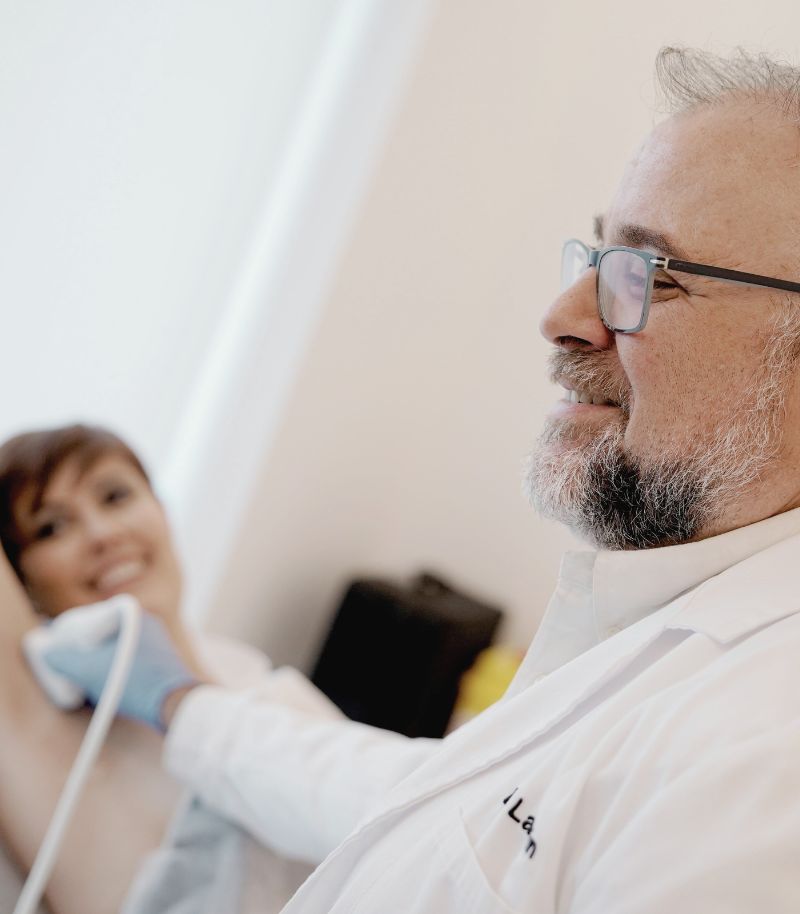
Early and advanced diagnosis
Early detection of hidradenitis suppurativa is essential to slow its progression, avoid complications and improve the patient’s quality of life. Our unit uses the most advanced diagnostic techniques to identify the condition in its early stages and design effective treatment strategies.
Skin ultrasound for accurate diagnosis
High-resolution ultrasound makes it possible to detect changes deep in the skin, that are not visible to the naked eye, delineate the affected areas and assess the level of inflammation in the tissues. This tool is key to monitoring the evolution of the condition and guiding treatments, such as corticosteroid infiltrations, ensuring accurate and effective application.
Early diagnosis for a better evolution
Early diagnosis enables less invasive treatments, reducing pain, scarring and disease progression. It also reduces the risk of developing associated conditions such as cardiovascular and metabolic diseases, improving long-term outcomes and avoiding surgery in advanced stages.
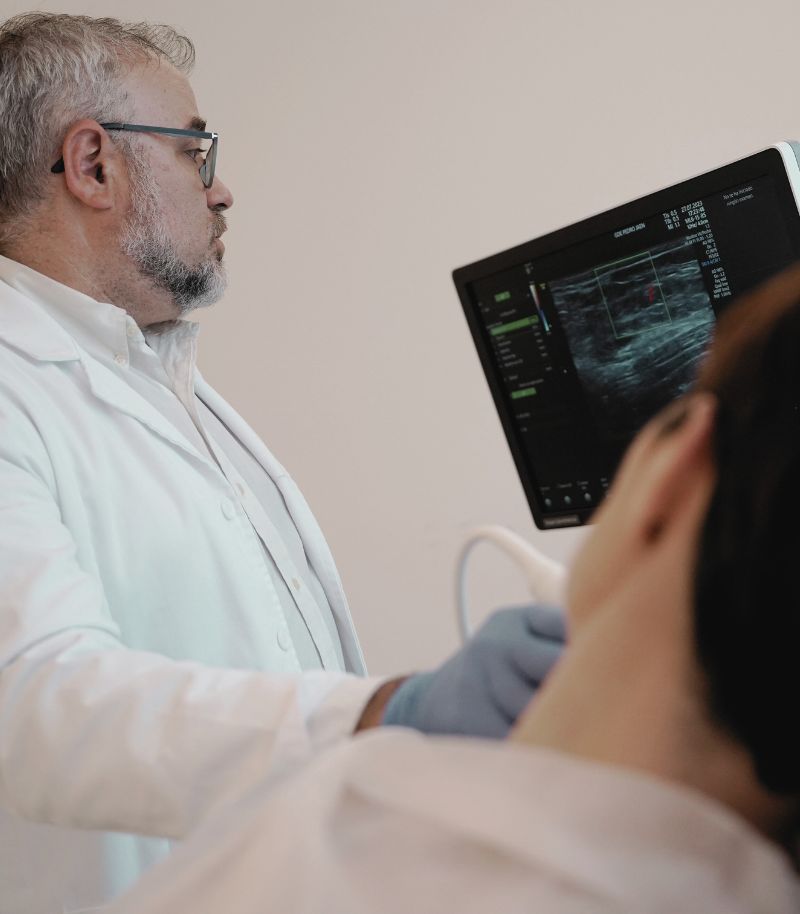
Experts in complex cases
Our unit provides patients with the most innovative therapies to control hidradenitis suppurativa, reduce active abscesses and prevent new flare-ups. These strategies range from pharmacological treatments to advanced procedures to minimise inflammation and improve skin functionality.
Advanced pharmacological treatments
The most advanced drugs developed in recent years have revolutionised the management of hidradenitis by specifically targeting the inflammatory molecules responsible for the condition. Our unit analyses the patient’s profile to select the most appropriate therapy, optimising its efficacy and reducing possible adverse effects.
Multidisciplinary and coordinated approach
As hidradenitis can be linked to autoimmune and metabolic diseases, we work closely with specialists in dermatology, surgery, endocrinology and gastroenterology. This coordination enables us to offer a holistic treatment, addressing both the symptoms affecting the skin and the systemic implications of the condition.
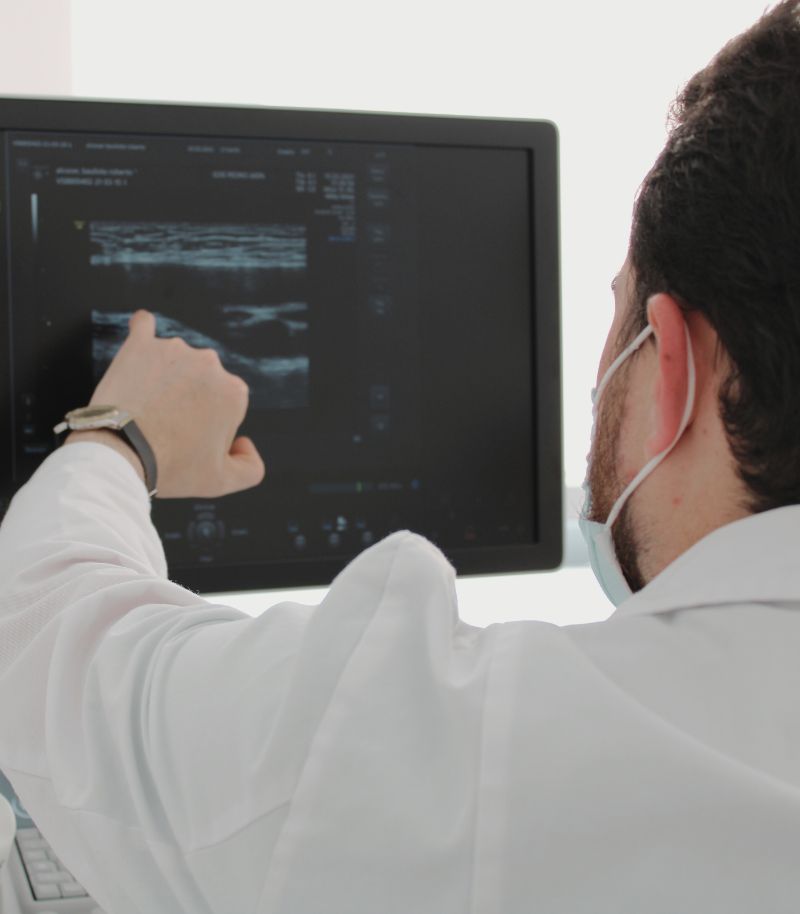
Control and management of comorbidities
Hidradenitis suppurativa is more than a skin condition: it can be associated with metabolic, cardiovascular and emotional problems that directly impact the patient’s health. In our unit, we take a holistic approach to prevent and treat these complications from the start of treatment.
Prevention of cardiovascular risk
Numerous studies have shown that hidradenitis suppurativa increases the risk of cardiovascular disease. To prevent complications, we perform a vascular assessment with arterial ultrasound, enabling us to detect early signs of such problems and act before symptoms appear.
Addressing related conditions
Many patients with hidradenitis have associated conditions such as type 2 diabetes, metabolic syndrome, inflammatory bowel disease or lipid profile alterations. Our hidradenitis suppurativa treatment specialists assess these risk factors and apply personalised medical strategies to optimise the patient’s overall health and reduce the systemic impact of the condition.
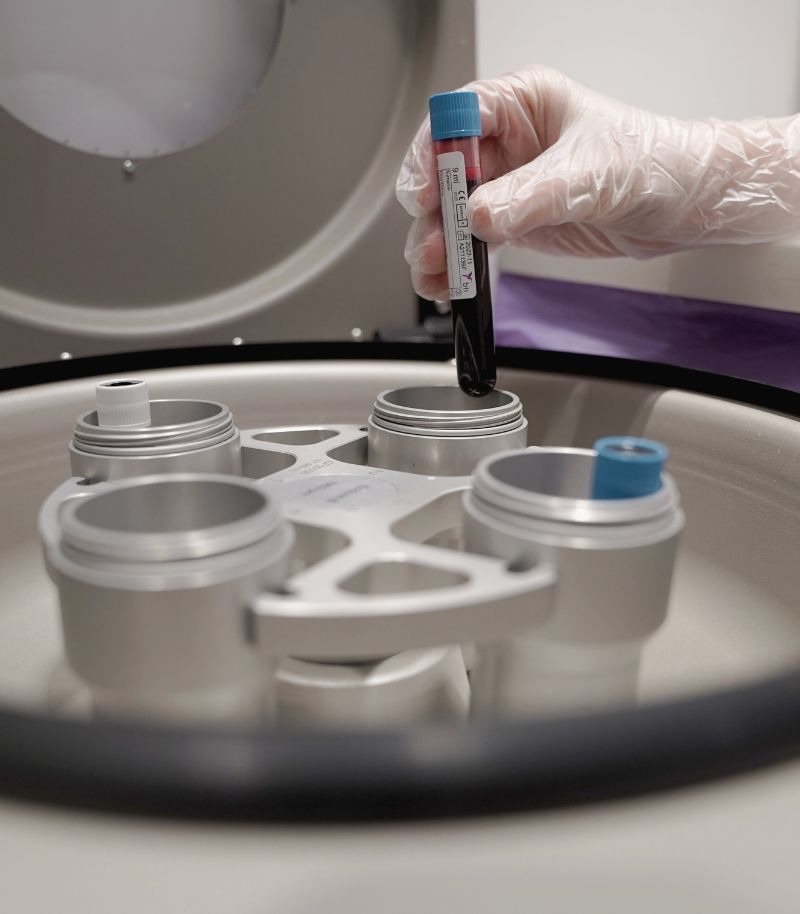
Innovation and patient care
Beyond the clinical management of hidradenitis, in our unit we focus on improving the patient’s quality of life, providing emotional support and access to the latest medical research to expand the therapeutic options available.
Participation in clinical trials
We are part of national and international research projects that seek new therapies for hidradenitis, including treatments shared with inflammatory conditions such as psoriasis. Our team participate in clinical trials to evaluate the safety and efficacy of new therapeutic options, ensuring that our patients can benefit from the latest medical advances.
Specialised psychological support
The emotional impact of hidradenitis suppurativa is significant, affecting patients’ self-esteem, social life and psychological wellbeing. We have an emotional support team who help to manage stress, anxiety and difficulties that may arise from the condition, ensuring a holistic and patient-centred approach.
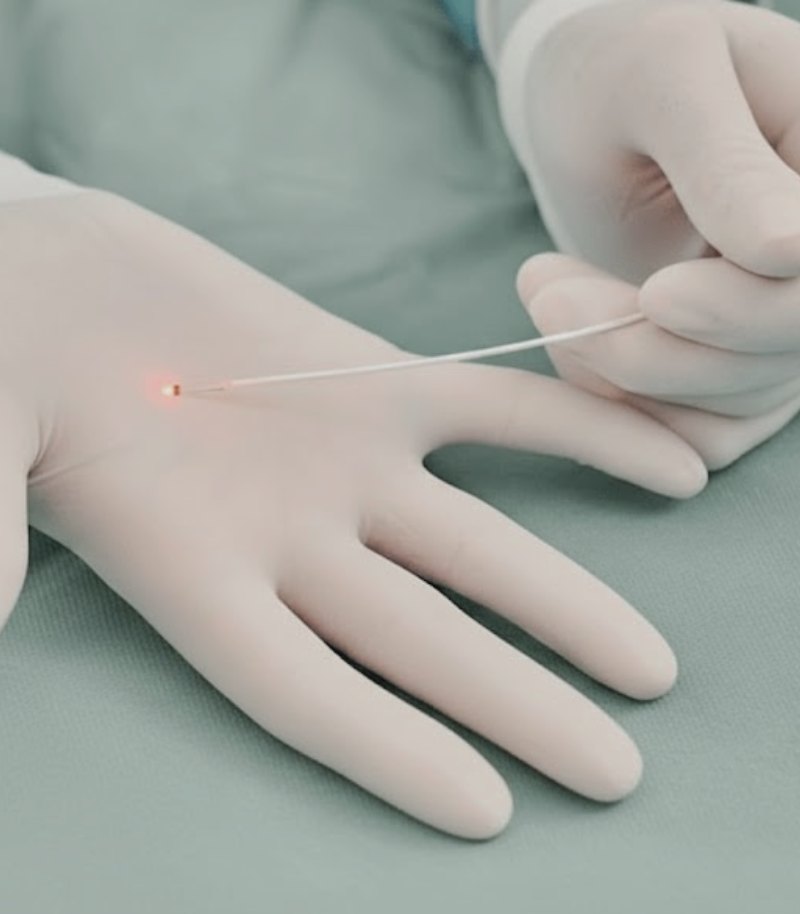
Técnica FILAC para lesiones resistentes
La técnica FILAC (Fistula Laser Closure) es un procedimiento quirúrgico mínimamente invasivo utilizado habitualmente para el tratamiento de las fístulas anales. Se basa en el uso de un láser de diodo para cauterizar todo el trayecto fistuloso desde el interior, minimizando el daño a los tejidos circundantes y preservando la función del esfínter anal.
Laser de diodo para fístulas
Haciendo las adaptaciones pertinentes, esta intervención puede hacer lo mismo con las fístulas de la hidradenitis, evitando así la escisión ampliada de las lesiones, una cirugía que requiere extirpar segmentos más o menos extensos de tejido y que tiene un mayor riesgo de secuelas físicas y funcionales derivadas de los problemas de cicatrización y de la localización de dichas fístulas. Con este procedimiento, que aplicamos con anestesia local, el paciente hace una vida prácticamente normal a las 24-48 horas y queda muy satisfecho.
Manejo eficaz de la hidradenitis supurativa
La Unidad de Hidradenitis Supurativa de Grupo Pedro Jaén ha logrado una verdadera revolución en el manejo de la enfermedad con la investigación, el diagnóstico precoz con ecografía cutánea, el tratamiento con medicación avanzada y la cirugía con láser de diodo para lesiones resistentes.
What it is, symptoms and treatment
A guide to understanding hidradenitis suppurativa
Hidradenitis suppurativa is an inflammatory skin disease characterised by the appearance of lumps and abscesses similar to acne lesions in hair follicles associated with apocrine glands—the glands responsible for secreting substances such as oil, earwax and pheromones. Apocrine glands are found in greater concentration in areas such as the armpits, groin, genitals, perianal region, buttocks and breasts.
This is one of the conditions that most severely affects emotional wellbeing and quality of life. Several studies conclude that the impact of hidradenitis on daily life is comparable to that of diabetes, Chronic Obstructive Pulmonary Disease (COPD), cardiovascular disease or cancer. In addition, this condition may lead to depression, anxiety, sexual dysfunction and other psychological difficulties related to the challenges patients face in their personal and professional relationships.

Causes of hidradenitis suppurativa
For reasons that are not yet fully understood and are still being studied, the pilosebaceous follicles associated with apocrine glands in patients with hidradenitis become blocked and fill with waste substances (keratin, dead cells, sebum, etc.). This triggers a very painful inflammatory process that can also lead to local complications of varying severity (scarring, fistulas, cysts, infections, etc.) when abscesses rupture the follicle and drain—either to the skin surface or into deeper layers.
This condition typically appears after the age of 20 and is around three times more common in women, although symptoms are generally more severe in men. Prevalence and symptom severity usually decrease after the age of 50, although this does not always occur.
Although the exact cause of hidradenitis suppurativa is not fully established, it is known to be influenced by a combination of factors, both genetic and environmental:
Immunological factors
The abnormal inflammatory reaction characteristic of hidradenitis may be caused by an immune response in which the patient’s own immune system mistakenly attacks the pilosebaceous follicle and skin as if they were harmful agents.
Environmental factors
Smoking, obesity and friction are the three main external factors that promote the development of hidradenitis and influence its course
- Smoking has an inflammatory effect and also alters keratin production, promoting follicular occlusion.
- Overweight and obesity worsen symptoms and prognosis, as they are associated with irritation and occlusion in skin folds. In addition, fatty tissue—which is more abundant in people with excess weight—has a clear pro-inflammatory role.
- Friction, associated with wearing tight clothing—especially in poorly breathable fabrics—increases the risk of follicular blockage and worsens skin irritation and inflammation.
Hormonal, pharmacological and genetic factors
Hormonal factors
Because many women experience changes in symptoms and disease progression depending on the menstrual cycle, pregnancy or menopause, it is likely that, at least in some patients, the condition is influenced by hormonal profile.
Pharmacological factors
Certain medications such as lithium, contraceptives or retinoids may increase hidradenitis recurrence.
Genetic factors
It is estimated that around 40% of patients with hidradenitis suppurativa have a first-degree relative affected by the same condition.
At present, hidradenitis suppurativa has no cure, and available treatments are aimed at controlling symptoms, improving disease progression and preventing deterioration of emotional wellbeing and quality of life.
“There is growing evidence that hidradenitis suppurativa is associated with other inflammatory diseases whose implications extend beyond the skin.”
Symptoms and diagnosis of hidradenitis suppurativa
Hidradenitis suppurativa has very characteristic symptoms that usually allow a rapid diagnosis in clinic. However, confirming the diagnosis using tools such as ultrasound helps detect issues early and facilitates treatment.
Symptoms and manifestations
Hidradenitis is characterised by the appearance of lumps that are very painful to touch, resulting from obstruction and rupture of pilosebaceous follicles in typical locations.
In addition to pain, these abscesses—commonly referred to as “golondrinos”—cause itching and/or drainage of a seropurulent fluid that may be more or less thick and malodorous. This can lead to fibrosis and scarring, open comedones, double comedones, fistulas and tunnels beneath the skin.
Lesions associated with hidradenitis suppurativa:
Nodules
Solid, rounded lumps similar to acne lesions, although considerably larger. These nodules are located deep within the skin and are very painful on touch or pressure.
Abscesses
Palpable lesions with less firmness than nodules and larger than typical acne spots. They contain seropurulent material that may drain to the skin surface or into the deeper dermis. They are deep and painful.
Fistulas
Connections between two or more abscesses that leave scars and open lesions on the skin. They are inflamed and often very painful.
Tunnels
Connections between hidradenitis lesions beneath the skin that enlarge the affected area and lead to fibrosis and proliferation of scar tissue.
Diagnosis
The nature of typical hidradenitis lesions is often so evident that no specific tests are required beyond observation and physical examination. In this way, the dermatologist specialising in hidradenitis bases the diagnosis mainly on three aspects:
Characteristic lesions of hidradenitis
Abscesses, nodules, fistulas and/or associated scarring.
Typical location
Mainly armpits and groin, although lesions may also appear on the breasts, anogenital area, buttocks, etc.
Course
The patient reports that lesions are recurrent or have become chronic.
Based on these findings, the specialist may classify the condition into different stages according to the Hurley scale, the most widely used classification:
Hurley I. Mild hidradenitis
A small number of painful nodules or abscesses, isolated, usually in the groin or armpits.
Hurley II. Moderate hidradenitis
More numerous abscesses and nodules. Patients may present scarring and fistulous tracts due to recurrence in the same area.
Hurley III. Severe hidradenitis
Very numerous abscesses and nodules, often leading to extensive fistulas and tunnels that may drain to the skin surface, leaving large scars.
The Grupo Pedro Jaén Hidradenitis Suppurativa Unit also uses high-resolution ultrasound to provide a more precise diagnosis regarding the exact nature of lesions, their number and location, the presence of deep cysts that may not be visible on the skin surface, and to delineate affected areas in patients who require surgery. This procedure is non-invasive, which is especially important in paediatric patients or in those cases where malignant nature must be ruled out.
Ultrasound has also proven useful for detecting early signs of inflammation and vascular lesions, as well as for guiding intralesional corticosteroid injections. For this reason, specialists in this unit have incorporated this imaging technique into the management of hidradenitis patients, both for diagnosis and treatment.
Comorbilidades de la hidrosadenitis supurativa
As with psoriasis, there is increasing evidence that hidradenitis suppurativa is linked to other inflammatory diseases with implications that go beyond the skin. At the Grupo Pedro Jaén Hidradenitis Unit, these variables are considered and assessed in order to provide comprehensive care. It is therefore important to bear in mind that hidradenitis may be associated with different conditions.
Diseases associated with hidradenitis
Inflammatory bowel disease
Several studies conclude that both conditions may arise through very similar mechanisms. In fact, Crohn’s disease can present with skin lesions similar to those seen in hidradenitis patients.
Diabetes
Patients with hidradenitis seem to have a slightly higher risk of developing insulin resistance and diabetes, a phenomenon also seen in patients with psoriasis.
Abnormal lipid profile
Between 3% and 10% of patients with hidradenitis suppurativa also have LDL cholesterol (“bad” cholesterol) and triglyceride levels above recommended values, making them more vulnerable to certain cardiovascular disorders.
Metabolic syndrome
Metabolic syndrome refers to the combination of pro-inflammatory factors including excess abdominal fat, insulin resistance, hypertension and atherosclerosis. This syndrome increases the risk of cardiovascular disease and type 2 diabetes, and it is more common in patients with hidradenitis suppurativa.
Cardiovascular diseases
Patients with hidradenitis have a higher risk of myocardial infarction or stroke. This is very similar to what occurs in patients with psoriasis. In fact, this factor is investigated and monitored in the Grupo Pedro Jaén Psoriasis and Inflammatory Skin Diseases Unit.
Treatments for hidradenitis suppurativa
Management of hidradenitis suppurativa is closely related to early diagnosis. The earlier it is detected, the simpler treatment tends to be and the better the patient’s response and outcomes.
Treatments for hidradenitis
There are multiple treatment lines depending on severity. At the Grupo Pedro Jaén Hidradenitis Suppurativa Unit, we offer all of them, and the dermatologists in the unit can prescribe them individually or in combination depending on each case.
Medications
There are multiple treatment lines depending on severity. At the Grupo Pedro Jaén Hidradenitis Suppurativa Unit, we offer all of them, and the dermatologists in the unit can prescribe them individually or in combination depending on each case.
The first line of treatment aims to control bacterial infection and reduce the inflammatory activity involved in the formation and accumulation of pus within the characteristic abscesses.
In addition, medications are often prescribed to reduce pain, swelling and progression of abscesses and nodules. These drugs may be administered orally or, depending on the case, injected directly into lesions. In such cases, Grupo Pedro Jaén specialists use ultrasound so that the dermatologist can deliver the medication precisely to the target area.
Finally, the specialist may consider prescribing other medications to control associated conditions such as acne, or aggravating factors related to the patient’s immune or hormonal activity.
Advanced treatments for hidradenitis
There are next-generation therapies designed to act locally and selectively on certain cellular markers involved in inflammatory diseases. In hidradenitis, there are therapeutic options that block specific proteins that play a key role in chronic inflammatory processes and are also involved in the activity of certain skin cells responsible for keratin production. These treatments may help reduce existing lesions and prevent new ones from developing.
At present, Grupo Pedro Jaén specialists are investigating the potential benefits of some therapies used in psoriasis treatment to control hidradenitis, as both diseases share many inflammatory mechanisms and pathways. This may allow patients to benefit from similar therapeutic approaches.
Surgery
Surgery in hidradenitis patients is used to drain larger abscesses that do not drain spontaneously and cause significant discomfort and pain. In addition to removing purulent material, the skin and structures involved in abscess formation are excised, particularly when lesions are extensive and tend to recur in the same location. These interventions are also used to repair fistulas and/or improve the scars left by more severe lesions.

More information
Below you will find frequently asked questions, patient advice, authorship and references for the information provided on this page.
Frequently asked questions about hidradenitis suppurativa
Is hidradenitis suppurativa contagious?
No. Although the characteristic abscesses and nodules may become infected, hidradenitis is not an infectious disease and therefore cannot be transmitted to other people.
Is familial hidradenitis always inherited?
No. It is true that familial hidradenitis suppurativa is influenced by genetic factors. However, this means that direct descendants of affected patients have a higher probability of developing the condition, not that they will necessarily do so.
Does hidradenitis suppurativa worsen or improve during pregnancy?
Hormonal profile has a decisive influence on the course of hidradenitis suppurativa, so it is common to wonder what will happen during pregnancy. In general terms, and according to the available scientific evidence, hidradenitis suppurativa improves in a significant proportion of pregnant patients, and many affected women experience no changes.
Research also shows that pregnant patients whose hidradenitis worsens tend to have greater weight gain, more occlusion in skin folds and increased friction from clothing. In addition, increased adipose tissue contributes to worsening inflammatory markers, which in turn aggravates hidradenitis.
Finally, there appears to be a higher prevalence of pregnancy-related conditions in patients with hidradenitis suppurativa, such as gestational diabetes or pre-eclampsia (high blood pressure during pregnancy).
Can I breastfeed if I have hidradenitis suppurativa?
Patients with hidradenitis localised on the breasts may be forced to stop breastfeeding, depending on the severity of their lesions. However, they should consult a dermatologist specialising in hidradenitis to assess possible treatments and alternatives that may allow breastfeeding if the mother wishes.
Is there a diet that cures hidradenitis?
Some research has explored the relationship between certain foods or nutrients and hidradenitis suppurativa. The influence of dairy products, sugars and simple carbohydrates, gluten, wheat, brewer’s yeast, etc. has been studied, but conclusions are contradictory and evidence is not sufficiently robust, as studies often involve small numbers of patients or have methodological limitations.
For this reason, hidradenitis specialists support a generally healthy diet that helps maintain weight (or reduce it if necessary) and do not recommend adding or eliminating any specific food to improve the course of this condition. Likewise, they do not propose any specific diet (ketogenic, paleo, gluten-free, etc.) for hidradenitis patients, as there is currently no scientific evidence supporting their effectiveness.
Is there any vitamin supplement that improves hidradenitis?
Almost all chronic inflammatory diseases (including hidradenitis) are associated with vitamin D deficiency. However, there is no evidence that hidradenitis suppurativa improves by increasing vitamin D intake through diet or supplementation.
Some hidradenitis specialists prescribe zinc gluconate to selected patients, as some studies have found an association between this condition and zinc deficiency. However, given that the evidence is very limited, this is used as an adjuvant measure and never as a primary treatment line.
Can I use alternative therapies or natural products to improve my hidradenitis?
At present, there is no scientific evidence supporting the use of herbal preparations (tea tree oil, aloe vera, Chinese herbs, etc.), homeopathic products or alternative therapies (acupuncture, reiki, etc.) to cure or improve the course of hidradenitis suppurativa.
Advice for patients
As described, hidradenitis suppurativa is a chronic disease: it has treatment, but currently no cure. Patients therefore need to learn to live with the condition and adopt certain measures and recommendations to control it and minimise the impact on quality of life.
Consult a hidradenitis suppurativa specialist as early as possible
Hidradenitis suppurativa has a negative impact on both physical and mental health. Delayed diagnosis leads to worsening symptoms and sequelae, as well as a significant reduction in quality of life. Early diagnosis is therefore essential to start effective treatment, improve disease course and prevent the most severe complications.
Control weight and do not smoke
Smoking and increased fatty tissue associated with overweight and obesity are pro-inflammatory factors. This, in turn, promotes hidradenitis flare-ups and worsens prognosis. For this reason, one of the first recommendations patients receive is to adopt a healthy lifestyle with a balanced diet and physical activity to avoid weight gain, and to stop smoking if they have this harmful habit.
Avoid tight clothing and synthetic fabrics
Overly tight clothing increases friction and occlusion on the skin—two triggers for hidradenitis flare-ups. Likewise, synthetic fabrics or wool, which promote irritation, sweat accumulation and itching, are not ideal for hidradenitis patients. Patients should preferably choose linen, cotton or similar breathable fabrics.
Laser hair removal: ask your hidradenitis specialist
The dermatologist specialising in hidradenitis may recommend laser hair removal to eliminate the hair follicle where abscesses often form. This option can be very effective in patients who develop recurrent abscesses in the same area.
Avoid stress
Emotional stress and anxiety are not direct causes of hidradenitis suppurativa. However, as with other dermatological conditions such as rosacea, acne, atopic dermatitis or psoriasis, they can trigger flare-ups and worsen disease progression. For this reason, hidradenitis specialists recommend managing these factors as much as possible.
Authorship and references
The content of this page has been prepared by the Communication Department and the Medical Team of Grupo Pedro Jaén, in line with our editorial commitment to ensuring the accuracy and up-to-date nature of the information provided.
References on hidradenitis suppurativa:
1. Saunte DML, Jemec GBE. Hidradenitis Suppurativa: Advances in Diagnosis and Treatment. JAMA. 2017 Nov 28;318(20):2019-2032. doi: 10.1001/jama.2017.16691. PMID: 29183082.
2. Goldburg SR, Strober BE, Payette MJ. Hidradenitis suppurativa: Epidemiology, clinical presentation, and pathogenesis. J Am Acad Dermatol. 2020 May;82(5):1045-1058. doi: 10.1016/j.jaad.2019.08.090. Epub 2019 Oct 9. PMID: 31604104.
3. Sabat R, Jemec GBE, Matusiak Ł, Kimball AB, Prens E, Wolk K. Hidradenitis suppurativa. Nat Rev Dis Primers. 2020 Mar 12;6(1):18. doi: 10.1038/s41572-020-0149-1. PMID: 32165620.
4. Tchero H, Herlin C, Bekara F, Fluieraru S, Teot L. Hidradenitis Suppurativa: A Systematic Review and Meta-analysis of Therapeutic Interventions. Indian J Dermatol Venereol Leprol. 2019 May-Jun;85(3):248-257. doi: 10.4103/ijdvl.IJDVL_69_18. Erratum in: Indian J Dermatol Venereol Leprol. 2019 Nov-Dec;85(6):617. PMID: 30924446.
5. Pescitelli L, Ricceri F, Prignano F. Hidradenitis suppurativa and associated diseases. G Ital Dermatol Venereol. 2018 Jun;153(3 Suppl 2):8-17. doi: 10.23736/S0392-0488.17.05772-8. PMID: 30468375.
6. Scala E, Cacciapuoti S, Garzorz-Stark N, Megna M, Marasca C, Seiringer P, Volz T, Eyerich K, Fabbrocini G. Hidradenitis Suppurativa: Where We Are and Where We Are Going. Cells. 2021 Aug 15;10(8):2094. doi: 10.3390/cells10082094. PMID: 34440863; PMCID: PMC8392140.
7. Chu CB, Yang CC, Tsai SJ. Hidradenitis suppurativa: Disease pathophysiology and sex hormones. Chin J Physiol. 2021 Nov-Dec;64(6):257-265. doi: 10.4103/cjp.cjp_67_21. PMID: 34975118.
8. A. Goñi-Navarro, P. Mollá-Roig, S. de la Fuente-Meira, R. Campos Ródenas, Complejidad Bio-Psico-Social En Pacientes Con Hidradenitis Supurativa: Un Estudio Piloto De Psico-Dermatología,Actas Dermo-Sifiliográficas,2022,,ISSN 0001-7310, https://doi.org/10.1016/j.ad.2021.12.017.
9. Emily K. Kozera, Michelle A. Lowes, Jennifer L. Hsiao, John W. Frew,Clinical considerations in the management of hidradenitis suppurativa in women, International Journal of Women’s Dermatology,Volume 7, Issue 5, Part B,2021,Pages 664-671,ISSN 2352-6475, DOI: 10.1016/j.ijwd.2021.10.012.
Where we see patients?
Clinics in Madrid
Grupo Pedro Jaén is a medical group founded more than three decades ago with the aim of providing medical, surgical and aesthetic solutions related to skin health and appearance. Led by Dr Pedro Jaén, the group has a highly specialised medical team that covers every area of care with top-level specialists, carries out extensive training activities, is a leader in medical research, and operates several clinics in Madrid, from which it offers the highest standards of care and clinical excellence to all patients.


Calle Serrano 143
This centre is the main headquarters of Grupo Pedro Jaén. It provides diagnostic and treatment services in skin cancer, clinical and aesthetic dermatology, laser treatments and other related specialties.
Mon - Fri 09:00 - 21:00 / Sat: 09:00 - 14:00
Calle Serrano 143, El Viso neighbourhood, Chamartín district, 28006 Madrid, Spain

La Moraleja
Located in Plaza de La Moraleja, this exclusive centre allows Grupo Pedro Jaén to bring its medical and aesthetic services closer to patients across the entire northern area of Madrid.
Mon - Thu: 09:30 - 20:00 / Fri: 09:30 - 18:00
Calle de la Estafeta 8, ground floor, La Moraleja, 28109 Alcobendas, Madrid
Related units and pages
Clinical dermatology
Highly specialised dermatologists for each skin condition, offering the most advanced treatments available.
Psoriasis Unit
Comprehensive management of psoriasis and its associated comorbidities using the most advanced treatments, including biologic therapies.
Paediatric dermatology
Specialised care for the full range of dermatological conditions that may affect children.
Information and news
Press room
In the Grupo Pedro Jaén Press Room you can find information, advice and news related to dermatology, aesthetic medicine, trichology and general health. The group’s journals are also shared through an online platform, along with updates on the activity and media appearances of our clinics and healthcare professionals.

How to shower properly: tips for looking after your skin
Cold or hot water? Is it better to use a sponge? Find out how to shower properly and what dermatologists recommend to protect your skin.
Retinol in summer: should you stop using it?
We debunk this and other myths about using retinol during the warmer months.

Blog
News about Grupo Pedro Jaén. Information and advice on dermatology, aesthetic medicine, trichology, and general health

Media
Information about media appearances by our clinics and medical specialists.

Journal
Archive of all Grupo Pedro Jaén journals, available through an external online platform.