
Nails Unit
At our clinics in Madrid: Calle Serrano 143 and La Moraleja
Dermatologists specialising in
Treatment of nail disorders
Nail disorders and diseases are relatively common and can be painful and significantly disabling for patients. Nail conditions may be associated with underlying systemic diseases, which often have a long course and require complex assessment. For these reasons, Grupo Pedro Jaén created this pioneering unit, which is unique in its field.

Recognised reference clinics in Spain
Home > Clinical Dermatology > Nail Disorders
What sets us apart
High level of specialisation and holistic approach
The Grupo Pedro Jaén Nail Unit stands out for its highly specialised and multidisciplinary approach, combining advanced technology with the expertise of dermatologists specialised in nail disorders. We use high-precision diagnostic tools, such as digital dermoscopy and mycological cultures, which enable early detection and accurate differentiation of complex nail conditions. In addition, we offer innovative treatments ranging from laser therapies to minimally invasive surgery, ensuring effective and personalised solutions. Our commitment to research and continuous follow-up guarantees the best possible outcomes for each patient, optimising both nail health and aesthetic results.
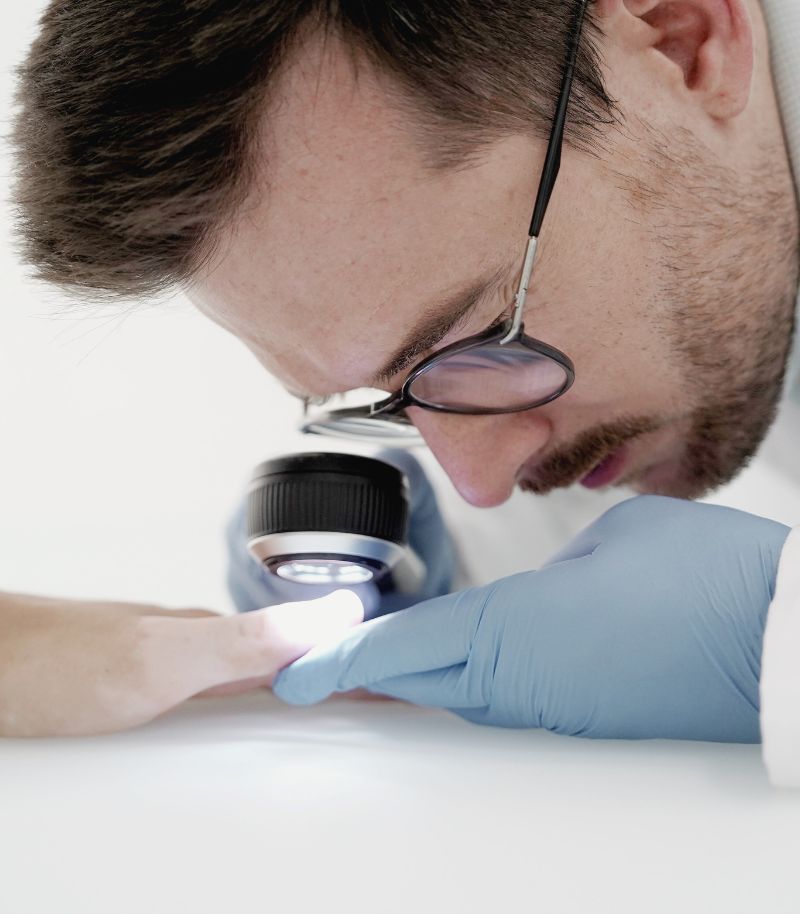
Advanced diagnostics
Nail diseases may be an indicator of underlying systemic conditions or complex dermatological disorders. For this reason, our unit is equipped with state-of-the-art technology to assess each case accurately and establish the most appropriate treatment.
Digital dermoscopy and mycological analysis
Digital dermoscopy allows detailed examination of nail structures, helping to differentiate conditions such as onychomycosis, nail psoriasis or even subungual tumours. In addition, we perform mycological cultures and histopathological studies when required, in order to confirm the diagnosis with the highest level of accuracy.
Differential diagnosis and personalised approach
Our team analyses factors such as infections, autoimmune diseases and structural alterations to tailor treatment to each patient. We also assess the relationship between nail health and other dermatological or systemic conditions, working closely with other specialties to provide comprehensive care. Accurate diagnosis is the cornerstone of effective and successful treatment.
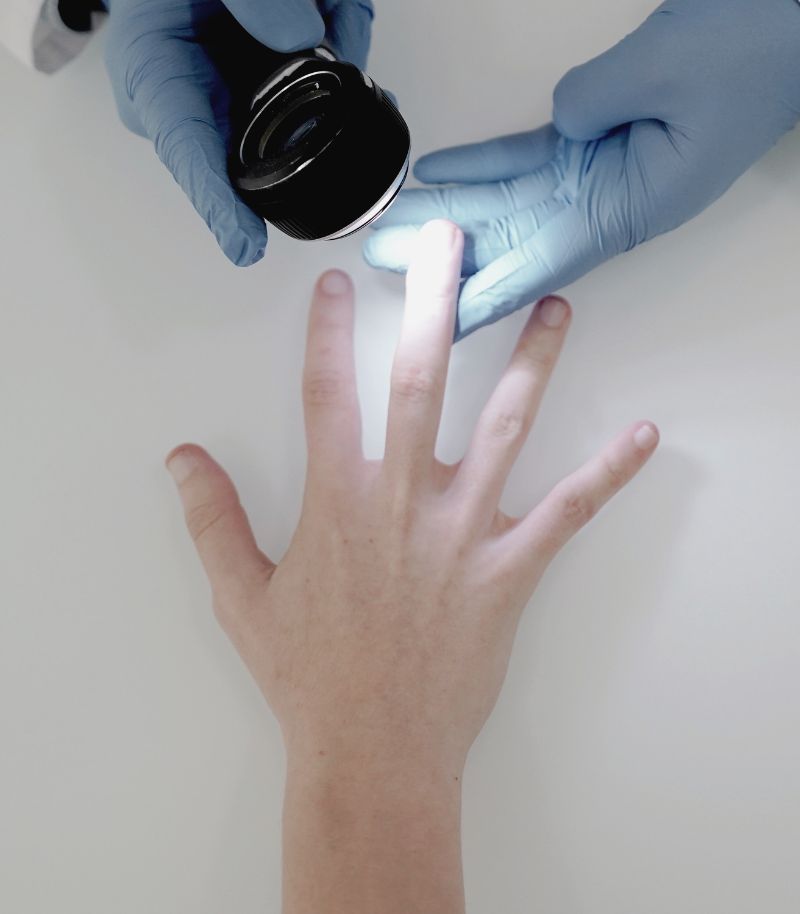
Treatment of onychomycosis and brittle nails
Fungal infections and nail fragility not only affect appearance, but also nail health and functionality. Our unit offers innovative treatments designed to restore nail strength and prevent recurrence.
Combination of antifungal therapies and next-generation laser
Onychomycosis is one of the most common and persistent nail conditions. To treat it effectively, we combine oral and topical antifungal medications with high-precision laser therapy, capable of penetrating the nail plate without damaging surrounding tissues. This combined approach allows faster eradication of the infection and significantly reduces recurrence rates.
Strengthening and nutritional support for brittle nails
Brittle nails may be caused by external factors, pharmacological treatments, oncological therapies or nutritional deficiencies. We assess each case individually and offer targeted regenerative treatments to strengthen nails from the root. In addition, we provide specific care guidelines to protect the nails and prevent progressive deterioration.
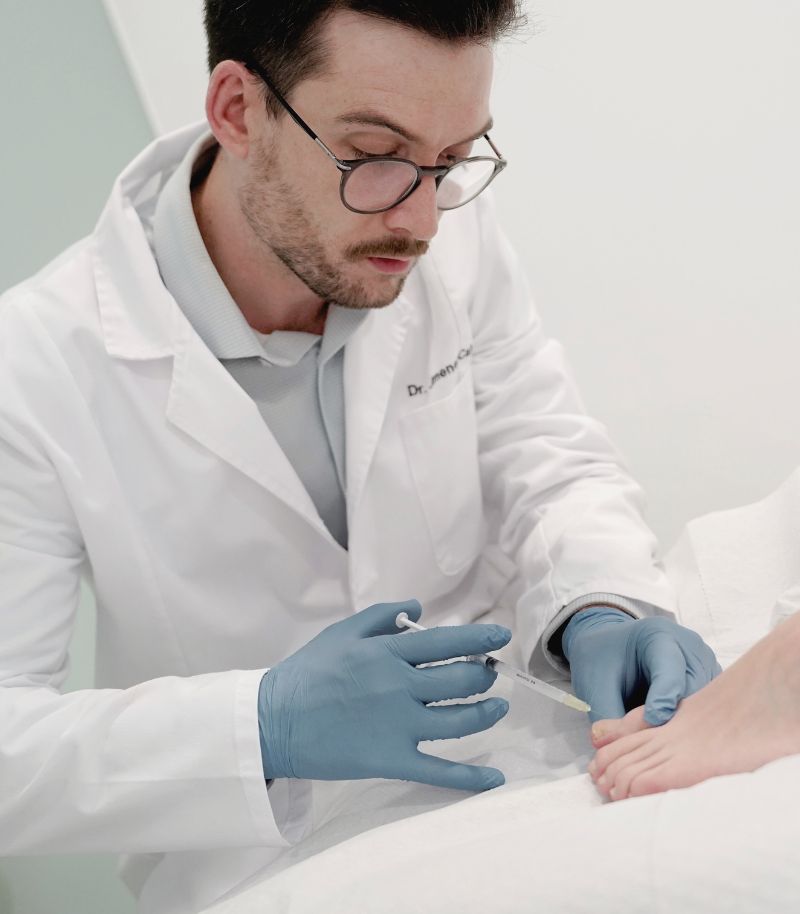
Management of nail tumours and lesions
Nail alterations may be associated with the development of benign or malignant tumours that require early diagnosis and specialised treatment. Our dermatologists specialising in nail disorders have the experience and technology needed to manage these conditions safely and effectively.
Early detection using advanced techniques
To differentiate between cysts, granulomas, carcinomas and subungual melanomas, we use diagnostic tools such as digital dermoscopy and high-resolution ultrasound. These techniques allow precise analysis of nail structures and early detection of abnormalities before serious complications arise. When necessary, biopsies are performed to confirm the diagnosis.
Tailored treatments according to the condition
Benign tumours, such as myxoid cysts and pyogenic granulomas, can be treated with laser therapy, infiltrations or minimally invasive surgical procedures that ensure rapid recovery and optimal aesthetic outcomes. In cases of malignant lesions, such as squamous cell carcinoma or subungual melanoma, we perform Mohs surgery to ensure complete tumour removal while preserving as much healthy tissue as possible.
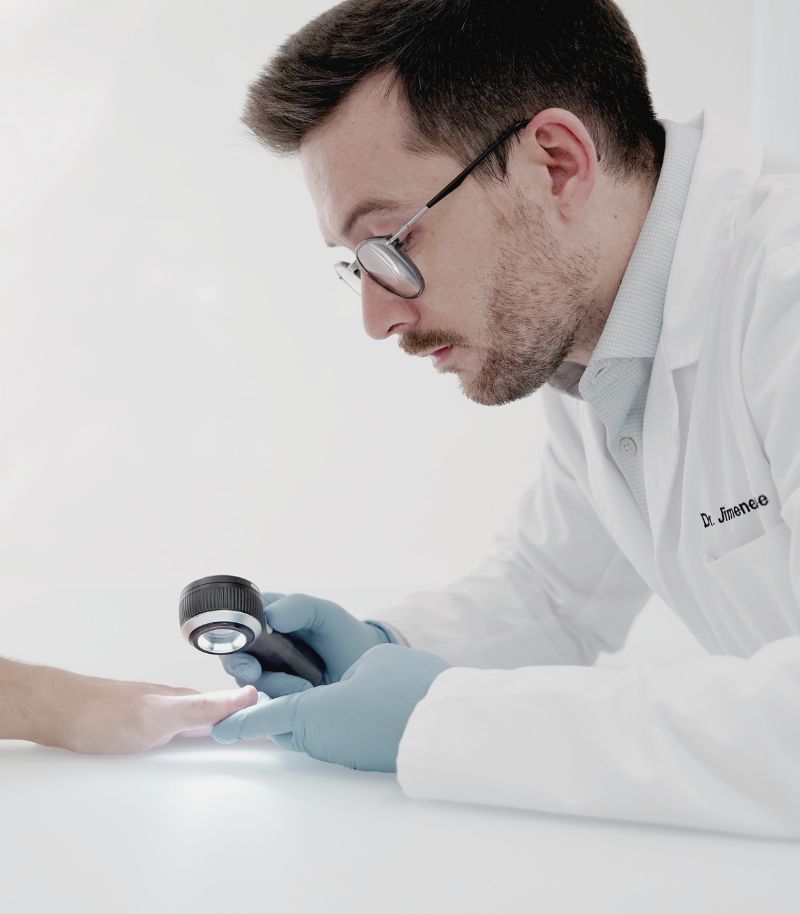
Long-term follow-up and nail care
Beyond immediate treatment, maintenance and prevention of recurrence are essential to ensure long-term nail health. Our nail specialists provide individualised follow-up for each patient, ensuring favourable outcomes and minimising future complications.
Regular assessment and treatment monitoring
Patients with chronic or recurrent nail conditions require ongoing monitoring to assess treatment effectiveness and adjust protocols when necessary. Through regular follow-up appointments and imaging studies, we monitor recovery and reinforce therapy when required.
Accessible care and flexible consultation options
To facilitate follow-up, we offer care at our Serrano and La Moraleja clinics, as well as online consultations that allow treatment adjustments and medical advice without the need for frequent travel. This accessible and personalised approach ensures optimal management of nail disorders and an improved quality of life for our patients.
What it is, symptoms and treatment
A guide to understanding nail disorders and diseases
The range of conditions affecting the nails is very broad and includes infections, inflammatory diseases, benign and malignant tumours, alterations related to the use of cosmetics, congenital malformations, allergies and trauma.
This diversity makes the assessment of nail disorders particularly complex, as nail changes may be a sign of multiple diseases and conditions, whether dermatological or systemic. In addition, treatments for nail disorders often need to be prolonged over time in order to achieve complete resolution, making early diagnosis essential. Based on this premise, the most common nail conditions include:
- Fungal nail infections (onychomycosis)
- Ingrown toenails
- Nail tumours

Fungal nail infections (onychomycosis)
Onychomycosis, a fungal infection affecting the nails, is one of the most common nail disorders. In fact, most people will experience a fungal nail infection at some point in their lives.
It may be caused by three different types of fungi (dermatophytes, yeasts or moulds) and can affect both fingernails and toenails. In some cases, fungal infections may also involve other areas of the body, such as the skin or hair.
Fungal nail infections most commonly affect the toenails. They usually begin in the big toe and may spread to other nails if treatment is not started early.
Causes of fungal nail infections
Fungal nail infections are mainly caused by three types of fungi, and their clinical presentation varies depending on the microorganism involved:
Dermatophytes
These filamentous fungi, belonging to the mould family, are responsible for around 90% of cases of onychomycosis. They invade keratin-rich tissues such as the skin and its appendages, including nails, as they feed on keratin—the protein that provides strength, shine and resistance to skin, hair and nails.
Yeasts
Yeasts are the second most common cause of fungal nail infections, most frequently Candida albicans and Candida parapsilosis. Unlike dermatophyte infections, yeast-related nail infections are more common in fingernails.
Other moulds
Non-dermatophyte mould infections are rare and usually require specific predisposing factors, such as trauma, circulatory disorders, anatomical abnormalities or previous dermatophyte infections. Despite their low frequency, they are medically significant due to the complexity of their treatment.
Fungi thrive in warm, dark and humid environments. For this reason, several risk factors predispose patients to onychomycosis, including wearing synthetic socks and non-breathable footwear that promote sweating, poor hygiene, and failure to wear protective footwear in swimming pools, changing rooms and communal showers.
In addition, nail or skin trauma, previous fungal infections and certain medical conditions—such as psoriasis, diabetes or immunodeficiency—can increase susceptibility to fungal nail infections.
Symptoms and diagnosis of fungal nail infections
Symptoms
Nails affected by fungal infections typically show changes in colour, with white, yellow, greenish or brown areas. The nails may become thickened, develop ridges or small pits on the surface, and acquire a rough appearance. Partial detachment from the nail bed, flaking and splitting are also common. In some cases, a mild unpleasant odour may be present.
In most cases, despite the long duration of treatment, fungal nail infections mainly cause aesthetic changes. However, some infections may be associated with significant inflammation of the surrounding skin, intense itching and considerable pain. In severe cases, nail loss may occur.
Diagnosis
The diagnosis of fungal nail infections must be made by a dermatologist specialising in nail disorders, as changes in nail colour, shape or thickness are not always caused by fungal infections. Conditions such as iron deficiency, kidney failure, liver cirrhosis and other systemic diseases can produce nail dystrophies that mimic onychomycosis, making differential diagnosis essential.
At the Grupo Pedro Jaén Nail Unit, diagnosis is primarily based on clinical examination and the use of dermoscopy. Thanks to magnification and polarised light, dermoscopy allows the specialist to identify features that are not visible to the naked eye.
In most cases, a sample is also taken for laboratory analysis. This involves scraping the affected area of the nail to obtain material for fungal culture, which helps confirm the diagnosis and identify the specific fungus responsible.
Treatment of fungal nail infections
Treating fungal nail infections is complex and often lengthy, as fungi are highly resistant organisms and therapeutic response may be slow, with a significant risk of recurrence. For this reason, and because the infection can spread easily from one nail to another, early specialist assessment is strongly recommended.
The best results are usually achieved by combining different treatment modalities rather than relying on a single approach. Treatment choice depends on the type of fungus, the extent of infection, the number of affected nails and the patient’s overall clinical situation.
Topical and oral antifungal medications
Treating fungal nail infections is complex and often lengthy, as fungi are highly resistant organisms and therapeutic response may be slow, with a significant risk of recurrence. For this reason, and because the infection can spread easily from one nail to another, early specialist assessment is strongly recommended.
The best results are usually achieved by combining different treatment modalities rather than relying on a single approach. Treatment choice depends on the type of fungus, the extent of infection, the number of affected nails and the patient’s overall clinical situation.
Depending on the case, the specialist may prescribe oral and/or topical antifungal treatments to eradicate the infection. These therapies require a high level of adherence, as they must be applied daily for several months—and sometimes up to a year—to be effective.
Laser treatment
Laser technology has a high capacity to penetrate the nail plate, destroying fungi and spores without damaging the surrounding skin or tissues. Typically, between four and six sessions of 10–15 minutes are required, although treatment success depends on factors such as infection location, extent and number of affected nails.
Laser treatment is completely painless—patients may only feel a sensation of warmth—and has no significant side effects. It allows immediate return to normal activities and, in some cases, is combined with antifungal medication applied at home.
Preventive measures to avoid fungal nail infections
To prevent fungal proliferation, it is essential to keep the skin environment clean and dry. Hands and feet should be washed frequently and dried thoroughly, especially under the nails and between the toes.
For foot care, cotton socks (preferably 100%) and breathable footwear are recommended. Shoes should not be tight, and feet should be left uncovered whenever possible.
Protective footwear should always be worn in swimming pools, communal showers, gyms and changing rooms, as these warm and humid environments favour fungal growth.
If having manicures or pedicures outside the home, it is important to choose establishments that strictly follow hygiene and disinfection protocols.
Ingrown toenails
An ingrown toenail, also known as onychocryptosis, is a common nail disorder that occurs when the edge or corner of a nail curves excessively and penetrates the surrounding skin. This causes inflammation, pain, bleeding, discharge and, in some cases, infection.
Stages of ingrown toenails
Ingrown toenails are usually classified into three stages according to severity:
Stage I
Mild inflammation and redness of the lateral nail folds, causing moderate pain and discomfort when walking or wearing shoes.
Stage II
Symptoms worsen, with increased pain, hypersensitivity to touch and the appearance of a granuloma that may ooze or become infected. Walking becomes difficult.
Stage III
Inflammation becomes chronic, the lateral nail fold hypertrophies and pain may become intermittent. In the presence of infection, progression to osteomyelitis (bone infection) is possible.
Although ingrown toenails most commonly affect the big toes, they can occur in any toe.
Causes and prevention of ingrown toenails
Causes
The most common cause is wearing narrow or tight footwear, including rigid safety shoes, as well as improper nail trimming—cutting nails too short or leaving sharp edges.
Other contributing factors include bulbous toe anatomy, congenital nail malformations, hyperhidrosis, overweight, poor hygiene, recurrent infections and repeated microtrauma related to sports.
Prevention
Proper nail trimming and wearing adequately wide footwear are key preventive measures.
Patients with a congenital predisposition should attend regular specialist check-ups to monitor nail health.
Diagnosis and treatment of ingrown toenails
Diagnosis is usually made through clinical examination of the nail and surrounding skin, assessing signs of inflammation and infection. In young patients with recurrent ingrown toenails, X-ray or ultrasound imaging may be required to rule out conditions such as osteochondroma (a benign bone tumour).
Nail brace treatment (orthonyxia)
Nail braces are an effective, safe and non-surgical treatment option for ingrown toenails. This technique does not require recovery time, provides rapid pain relief and allows patients to wear normal footwear and resume daily activities immediately.
After measuring the nail, an appropriately sized brace is applied under local anaesthesia. The procedure usually takes less than one hour and does not require time off work.
Monthly follow-up visits are scheduled to gradually adjust the tension until symptoms resolve. Braces can be used long-term and reapplied in cases of recurrence.
These nail braces used to treat ingrown toenails are devices made of steel wires or plastic bands that are applied directly to the dorsal surface of the nail. Their purpose is to gradually correct the abnormal curvature of the nail, thereby preventing it from injuring or embedding into the periungual tissue. To protect the braces from friction caused by footwear, they are covered with an artificial nail resin.
The use of nail braces for the correction of ingrown toenails is indicated in cases of mild to moderate ingrown nails in adults, children and patients with diabetes, as well as when the ingrown nail is associated with a local infection. However, the indication may vary depending on each patient, based on the clinical judgement of the specialist in the Nail Unit.
Correction of ingrown toenails using nail braces is a safe, less invasive alternative to surgery, achieving comparable success and recurrence rates.
Surgical treatment
Surgical treatment of ingrown toenails, also known as chemical matrixectomy, is a simple and rapid procedure performed when permanent narrowing of the nail plate is required to prevent recurrent penetration into the toe.
To carry out this procedure, the specialist administers local anaesthesia so that the patient experiences no discomfort or pain during surgery. The shape of the nail is then modified by trimming the excess portion, the segment of nail embedded in the skin is removed, and a sterile gauze or cotton applicator soaked in phenol is applied for a few seconds. This compound produces a controlled chemical cauterisation, sealing the treated area and preventing bleeding.
Chemical matrixectomy is a straightforward and effective surgical technique for the treatment of ingrown toenails, with a very low recurrence rate. Postoperative discomfort is minimal, and in most cases patients are able to return to their daily activities quickly.
When ingrown toenails are also caused by hypertrophy of the lateral nail folds, surgical reduction of these soft tissues is required. The most appropriate technique will depend on the severity of the condition.
“The assessment of nail disorders can be complex, as pathological nail changes may be indicative of a wide range of diseases and systemic conditions.”
Nail tumours
Like any structure in the body, nails can develop tumours, both benign and malignant. These tumours often cause changes in nail texture, appearance, colour and shape that may resemble other nail disorders. For this reason, it is essential to see a dermatologist as soon as these types of changes are noticed.
The most common nail tumours:
Benign tumours
Myxoid cysts
These are raised benign lesions that appear on the distal phalanx, very close to the nail. They are soft in consistency and typically have a pinkish or whitish colour. Although benign, they may cause pain on touch or pressure and can compress the nail matrix, leading to nail deformity. They may resolve spontaneously and, if they cause no symptoms, do not require treatment. When necessary, they can be removed using needle puncture and drainage, ablative laser, surgery or intralesional medication.
Pyogenic granulomas
These are raised, brown or reddish skin growths that develop rapidly near the nails, usually after an injury or trauma. They result from excessive capillary proliferation and inflammation in the damaged area. They may disappear on their own, but sometimes need to be removed because they cause discomfort and frequent bleeding even with minor friction. Before removal (often with a pulsed dye laser), a biopsy should be performed to confirm the lesion is benign.
Periungual fibromas
These grow around the nail and develop slowly. Their colour is similar to the surrounding skin and they are very firm. They are surgically removed when they become large or cause discomfort.
Malignant tumours
Bowen’s disease
Also known as squamous cell carcinoma in situ, Bowen’s disease is an early form of squamous cell carcinoma. It typically presents as a flat, scaly or crusted lesion that is red or brown in colour. It most often appears in areas exposed to sunlight, although it can develop anywhere on the body.
Subungual squamous cell carcinoma
Among subungual tumours (those located under the nail), squamous cell carcinoma is the most common. It usually develops on the distal phalanx of the thumb or index finger, but can occur under any nail. It often has a warty appearance and can be easily mistaken for a common wart. In fact, infection with the human papillomavirus (HPV) appears to be a risk factor. This can delay diagnosis and treatment, which is typically surgical. Mohs micrographic surgery is the most effective option in these cases.
Subungual melanoma
This is a very rare but highly aggressive tumour. It has a poor prognosis because it is often diagnosed late. Its main clinical sign is a brown band on a reddish nail, which is frequently mistaken for a haematoma. The most characteristic sign is Hutchinson’s sign: a black, dark brown or grey pigmentation that extends onto the cuticle and lateral nail folds, although this is not always present. Treatment is surgical (often with Mohs surgery), but if it is not carried out early enough, amputation and systemic treatments such as chemotherapy may be required.

More information
Below you will find the frequently asked questions, guidance on how to prevent nail problems, as well as authorship and references for the information provided on this page:
Frequently asked questions about nail disorders
How do I know if I have nail fungus?
Psoriasis can cause nail changes that may be mistaken for a fungal infection. For this reason, it is important to be assessed by a dermatologist specialising in nail disorders, who can identify the true cause of the symptoms and prescribe the most appropriate treatment for each case.
Why do my nails break?
Brittle nails are one of the most common reasons for consultation. The term “brittle nails” refers to any change in nail hardness, flexibility or resistance due to an alteration affecting the keratin structure that makes up the nail. The most common causes are environmental, such as contact with irritants, cleaning products or cosmetics. However, nails may also become fragile due to health problems such as anaemia, joint disorders or vascular conditions.
Brittle nails usually improve quickly once the underlying cause is identified and addressed. In the meantime, depending on the case, the dermatologist may recommend a nail-strengthening product, although it is important to note that overuse can increase the rigidity of the nail plate and make it more prone to breaking.
Nail changes and systemic diseases
Nails can provide valuable clues about other health problems. By observing nail abnormalities, specialists may detect signs of a range of conditions that may affect the patient.
- Spoon nails (koilonychia). The scientific term for this abnormality is koilonychia. The nail is soft and curves upwards, hence the common name. It may be suggestive of cardiac or pulmonary disease, as well as hypothyroidism, lupus or haemochromatosis (a condition characterised by iron accumulation in body tissues).
- Clubbing. This affects the entire distal phalanx of the fingers. It is caused by thickening of the soft tissue under the nail, which changes the shape of the finger and the curvature of the nail. It may (though not always) indicate lung disease (cancer, abscesses, bronchiectasis, etc.) or congenital liver and heart disorders.
- Yellow nail syndrome. This affects all or nearly all fingernails and toenails. The nails lose their cuticles and develop a colour ranging from pale yellow to greenish. It is uncommon, but has been described in association with rheumatoid arthritis, diabetes, neoplasms, thyroid and kidney disease, and other rare syndromes.
- Half-and-half nails (Lindsay’s nails). The lower half of the nail becomes white, while the upper half remains pink. It can occur in healthy people, but may also indicate kidney failure.
- Terry’s nails. Almost the entire nail becomes white, with only a narrow band of normal colour at the distal edge. It appears in around 80% of people with cirrhosis, and also in some people with heart failure and diabetes.
- Nail pitting. The nail surface shows multiple small depressions due to abnormalities in keratinisation. These may be associated with alopecia areata, eczema, sarcoidosis, Reiter’s syndrome and other conditions.
- Beau’s lines. Transverse grooves on the nail plate. Most are due to trauma, but when they appear at the same level on several nails they may indicate a serious illness, a febrile episode or a drug reaction.
- Diffuse leukonychia. The nail surface becomes whitish and completely opaque. It may indicate leprosy, liver cirrhosis or ulcerative colitis.
- Changes in the lunula. The lunula is the whitish, half-moon-shaped area at the base of the nail near the cuticle. Changes in its shape or outline may suggest systemic disease. In terms of colour, a yellow lunula has been associated with tetracycline treatments; a blue lunula may indicate Wilson’s disease or liver disorders. A red lunula is relatively common in patients with lupus, heart failure, rheumatoid arthritis, alopecia areata, cirrhosis, psoriasis and carbon monoxide poisoning, among others.
Why do toenails thicken?
Toenails most often thicken due to a fungal infection. They may also thicken because of wearing shoes that are too tight. However, other conditions such as diabetes, psoriasis or vascular disease can also contribute to toenail thickening. For this reason, it is advisable to see a specialist in nail disorders as early as possible to identify the cause and treat the nail changes.
What is nail dystrophy?
The term nail dystrophy refers to any alteration in the shape, colour or appearance of the nails. It may be caused by infections, trauma, tumours, congenital malformations or systemic diseases such as psoriasis.
Home remedies for nail fungus
Garlic ointments, vinegar, lemon, olive oil, bicarbonate of soda, mouthwash, menthol, tea tree oil, hydrogen peroxide, talc… there is a wide range of supposed home remedies for fungal nail infections. None has proven effectiveness or scientific support, so they are not recommended.
Nail specialists also warn that these remedies often delay seeking professional care and, as a result, delay effective treatment—especially concerning given how resistant nail fungal infections can be and how long it can take to achieve a complete cure.
Risks of gel or semi-permanent manicures
Manicures and pedicures should be carried out in appropriate establishments that ensure proper hygiene and cleaning of both the premises and instruments, as well as the quality of polishes and other cosmetic products used to beautify nails.
In this context, nail health specialists warn that gel or semi-permanent polishes—especially those used in home kits—have contributed to an increase in aesthetic nail problems such as brittleness, peeling and loss of shine. They have also been linked to a higher incidence of other health issues, including susceptibility to fungal or bacterial infections, contact dermatitis, allergies and other skin problems.
This increase is largely due to the presence of acrylates in their composition. Acrylates are plastic-derived polymers found in paints, varnishes, adhesives, medical materials, lacquers and more, and they have a high allergenic potential.
The main issue with developing an allergy or sensitivity to these compounds is that symptoms (itching, swelling, rashes, oedema, burning, etc.) may appear soon after a manicure or pedicure, but may also have medium- and long-term consequences, as many medical devices and materials contain acrylates. This can become a serious problem if an allergic patient needs them. More information.
Why you should not bite your nails
Nail biting (onychophagia) has a negative impact on nail appearance, but it can also cause a range of health problems when the behaviour is frequent and long-standing.
If nail biting starts in childhood, it may lead to shortening of the distal phalanges, affecting normal bone development. Children who bite their nails are also more likely to develop threadworm infection (pinworms), as these parasites are mainly transmitted from hands to mouth.
Nail biting causes inflammation of the surrounding skin and increases susceptibility to infections. These infections can be endogenous, due to overgrowth of bacteria normally present on the skin surface, leading to paronychia (whitlows) with swelling, pain, bleeding and even abscess formation.
They can also be exogenous infections caused by viruses, bacteria or fungi from outside the body.
In the long term, nail biting can damage the nail matrix, causing the nail to grow wider and less slender. These deformities of the nail plate are often irreversible. In severe cases, the nail may be lost. When it regrows, it often has a more irregular surface or permanent deformities.
How to prevent nail problems
- Trim your nails with nail clippers or dedicated scissors. Do not cut them too short, so the nail can properly protect your fingertips.
- Shape them as you prefer, but avoid irregular edges or sharp corners. Use a fine-grit nail file to smooth out edges and prevent splits that may snag or dig into the skin.
- Prevent dirt from building up under the nails by washing them frequently with water and a mild soap. Use a soft-bristled brush if needed, but avoid using sharp or pointed objects to remove dirt under the nails.
- Moisturise your cuticles and nails with hand cream or oil to keep nails hydrated and prevent splitting or peeling.
- Avoid biting your nails or the surrounding skin, as this can damage the nail bed or alter nail shape.
- Do not cut your cuticles. Removing cuticles promotes fungal and bacterial growth that can lead to nail infections. Overdoing this habit can also cause nail deformities. If the cuticles are very thickened, it is best to gently push them back with a blunt instrument that does not damage the nail (an orange stick or similar), after softening them with warm water or oil.
- Avoid contact with irritants (chemicals, soaps, detergents), and wear gloves when washing dishes or cleaning.
- Try not to keep your nails wet or damp for long periods, and dry them thoroughly (including the surrounding skin) after washing your hands, showering or bathing.
Authorship and references
The content of this page has been prepared by the Communication Department and the Medical Team of Grupo Pedro Jaén, in line with our editorial commitment to ensuring the accuracy and up-to-date nature of the information provided.
References on nail conditions:
1. Leung AKC, Lam JM, Leong KF, Hon KL, Barankin B, Leung AAM, Wong AHC. Onychomycosis: An Updated Review. Recent Pat Inflamm Allergy Drug Discov. 2020;14(1):32-45. doi: 10.2174/1872213X13666191026090713. PMID: 31738146; PMCID: PMC7509699.
2. Lipner SR, Scher RK. Onychomycosis: Treatment and prevention of recurrence. J Am Acad Dermatol. 2019 Apr;80(4):853-867. doi: 10.1016/j.jaad.2018.05.1260. Epub 2018 Jun 28. PMID: 29959962.
3. Gupta AK, Stec N, Summerbell RC, Shear NH, Piguet V, Tosti A, Piraccini BM. Onychomycosis: a review. J Eur Acad Dermatol Venereol. 2020 Sep;34(9):1972-1990. doi: 10.1111/jdv.16394. Epub 2020 Jun 5. PMID: 32239567.
4. Gupta AK, Stec N, Summerbell RC, Shear NH, Piguet V, Tosti A, Piraccini BM. Onychomycosis: a review. J Eur Acad Dermatol Venereol. 2020 Sep;34(9):1972-1990. doi: 10.1111/jdv.16394. Epub 2020 Jun 5. PMID: 32239567.
5. A. Devi Sangeetha, K. Gopalakrishnan, R. Ramachandran, Murali Narasimhan, Balaji Ramraj, A descriptive study of onychoscopic features in various subtypes of onychomycosis, Medical Journal Armed Forces India, 2021, ISSN 0377-1237, DOI: 10.1016/j.mjafi.2021.03.019.
6. Mayeaux EJ Jr, Carter C, Murphy TE. Ingrown Toenail Management. Am Fam Physician. 2019 Aug 1;100(3):158-164. PMID: 31361106.
7. Chabchoub I, Litaiem N. Ingrown Toenails. 2022 Jun 5. In: StatPearls [Internet]. Treasure Island (FL): StatPearls Publishing; 2022 Jan–. PMID: 31536303.
8. Hare AQ, Rich P. Nail Tumors. Dermatol Clin. 2021 Apr;39(2):281-292. doi: 10.1016/j.det.2020.12.007. PMID: 33745640.
9. Richert B, Lecerf P, Caucanas M, André J. Nail tumors. Clin Dermatol. 2013 Sep-Oct;31(5):602-17. doi: 10.1016/j.clindermatol.2013.06.014. PMID: 24079590.
10. Dany M, Fischer AS, Pei S, Rubin AI. Updates on the Pathology and Management of Nail Unit Tumors and Dermatoses. Surg Pathol Clin. 2021 Jun;14(2):327-339. doi: 10.1016/j.path.2021.03.006. PMID: 34023109.
11. Haneke E. Important malignant and new nail tumors. J Dtsch Dermatol Ges. 2017 Apr;15(4):367-386. doi: 10.1111/ddg.13223. PMID: 28378483.
Where we see patients?
Clinics in Madrid
Grupo Pedro Jaén is a medical group founded more than three decades ago with the aim of providing medical, surgical and aesthetic solutions related to skin health and appearance. Led by Dr Pedro Jaén, the group has a highly specialised medical team that covers every area of care with top-level specialists, carries out extensive training activities, is a leader in medical research, and operates several clinics in Madrid, from which it offers the highest standards of care and clinical excellence to all patients.


Calle Serrano 143
This centre is the main headquarters of Grupo Pedro Jaén. It provides diagnostic and treatment services in skin cancer, clinical and aesthetic dermatology, laser treatments and other related specialties.
Mon - Fri 09:00 - 21:00 / Sat: 09:00 - 14:00
Calle Serrano 143, El Viso neighbourhood, Chamartín district, 28006 Madrid, Spain

La Moraleja
Located in Plaza de La Moraleja, this exclusive centre allows Grupo Pedro Jaén to bring its medical and aesthetic services closer to patients across the entire northern area of Madrid.
Mon - Thu: 09:30 - 20:00 / Fri: 09:30 - 18:00
Calle de la Estafeta 8, ground floor, La Moraleja, 28109 Alcobendas, Madrid
Related units and pages
Clinical dermatology
Highly specialised dermatologists for each skin condition, offering the most advanced treatments available.
Psoriasis Unit
Comprehensive management of psoriasis and its associated comorbidities using the most advanced treatments, including biologic therapies.
Allergy Unit
Diagnosis of the different types of allergy and personalised treatment plans designed by a specialist allergist
Information and news
Press room
In the Grupo Pedro Jaén Press Room you can find information, advice and news related to dermatology, aesthetic medicine, trichology and general health. The group’s journals are also shared through an online platform, along with updates on the activity and media appearances of our clinics and healthcare professionals.

How to shower properly: tips for looking after your skin
Cold or hot water? Is it better to use a sponge? Find out how to shower properly and what dermatologists recommend to protect your skin.
Retinol in summer: should you stop using it?
We debunk this and other myths about using retinol during the warmer months.

Blog
News about Grupo Pedro Jaén. Information and advice on dermatology, aesthetic medicine, trichology, and general health

Media
Information about media appearances by our clinics and medical specialists.

Journal
Archive of all Grupo Pedro Jaén journals, available through an external online platform.