
Vitiligo Unit
At our clinics in Madrid: Calle Serrano 143 and La Moraleja
Dermatologists specialising in
Treatment of vitiligo
The Grupo Pedro Jaén Vitiligo Unit is at the forefront of research into this pathology and can offer the most cutting-edge treatments and technology to control it. The unit also distinguishes itself by carrying out a differential diagnosis of each case of vitiligo and prescribing a treatment tailored to each patient, depending on the clinical condition, possible comorbidities and the repercussions that the disease may have on their quality of life.
Recognised reference clinics in Spain
Home > Clinical Dermatology > Vitiligo
What sets us apart
Comprehensive approach and access to innovative treatments
At the Grupo Pedro Jaén Vitiligo Unit, we combine the latest technology with a multidisciplinary approach to guarantee optimal results. We have advanced tools such as Wood’s light and confocal microscopy to detect lesions in their early stages and differentiate them from other depigmenting pathologies. In addition, we offer narrowband UVB phototherapy, pigment surgery for resistant cases, medication and complementary aesthetic solutions. Our commitment to research allows us to apply new immunological therapies and precision medicine, offering personalised treatments with guaranteed scientific backing.
Advanced diagnostics
At the Grupo Pedro Jaén Vitiligo Unit, we use state-of-the-art technology to accurately assess the disease and establish the most appropriate treatment from the outset, avoiding delays and optimising results.
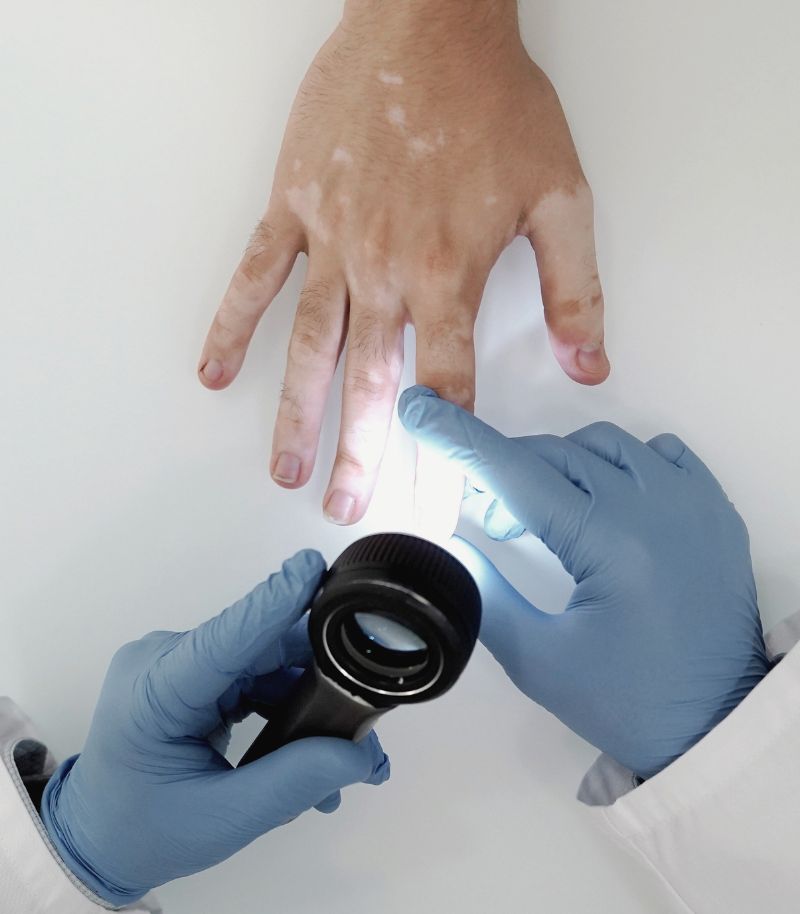
Wood’s light and confocal microscopy for invisible lesions
These tools allow depigmented areas to be detected even though they are imperceptible to the naked eye, enabling the extent and activity of vitiligo to be assessed with great precision. Thanks to these techniques, our vitiligo dermatologists can identify the disease in its early stages and take early action. This facilitates early intervention, which is key to improving the response to treatment and minimising the spread of lesions.
Screening for other depigmenting pathologies
In selected cases, we perform virtual biopsies and supplementary tests to rule out conditions such as pityriasis alba or guttate hypomelanosis. Correctly differentiating vitiligo from other depigmenting diseases avoids unnecessary or ineffective treatments. Our approach guarantees an accurate diagnosis, optimising the therapeutic strategy for each patient and increasing the chances of successful repigmentation.
Treatments tailored to each patient
We take a holistic approach to vitiligo, combining phototherapy, topical treatments, state-of-the-art drugs and advanced surgical options to maximise repigmentation and improve the patient’s quality of life, tailoring the treatment to each case.
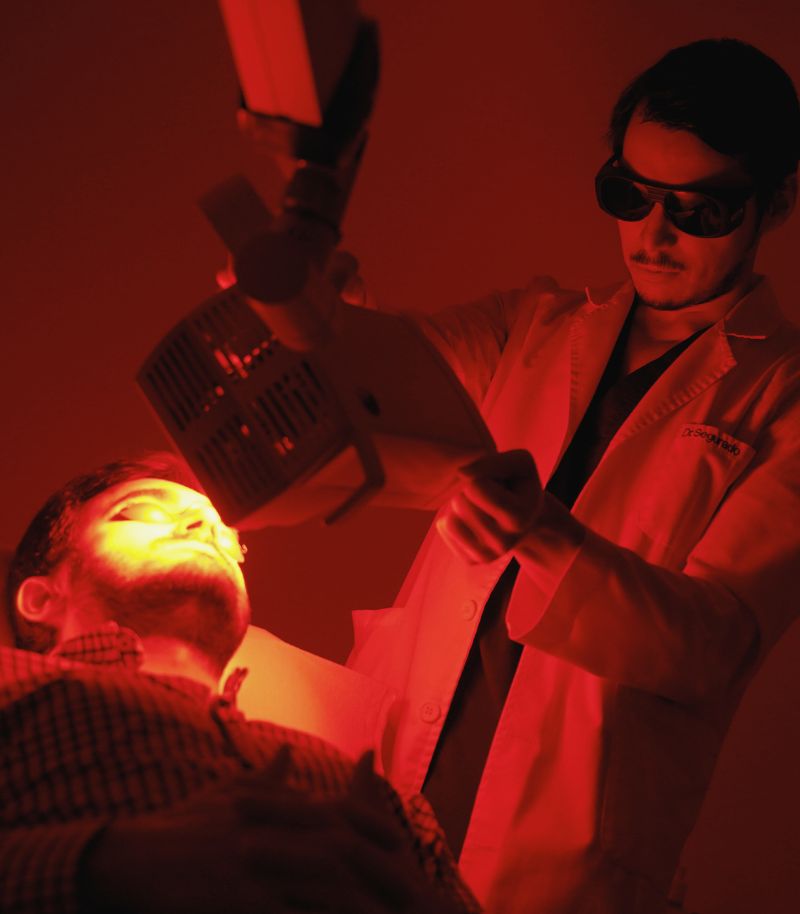
Narrowband UVB phototherapy
This treatment is highly effective in halting the progression of vitiligo and stimulating melanin production in the affected areas. It is combined with topical immunomodulators and oral treatments to enhance its effectiveness. Phototherapy is safe and well tolerated, with personalised scheduling of sessions to obtain the best results without affecting the patient’s routine.

Multidisciplinary approach
Vitiligo is not only a skin disease, but can be associated with other autoimmune disorders and can have a significant emotional impact. For this reason, our team works in close collaboration with various specialist teams to offer a comprehensive treatment.
Collaboration with endocrinology and other medical units
Since vitiligo can be linked to pathologies such as thyroid dysfunction, we perform endocrine assessments to detect possible co-morbidities and treat them in a holistic manner. This allows for an integrated approach to the disease, reducing the possibility of future complications and improving the response to treatment.
Specialised psychological care
The cosmetic impact of vitiligo can affect the patient’s self-esteem and quality of life. Psychological support is available to help manage anxiety and strengthen emotional wellbeing during the therapeutic process. Our specialists in psychodermatology work on coping techniques, promoting acceptance of the disease and the patient’s mental wellbeing.
Innovation and research into new treatments
The Grupo Pedro Jaén Vitiligo Unit actively participates in international studies to develop innovative therapies that improve treatment results and provide patients with new alternatives. Our commitment to research allows us to offer cutting-edge strategies based on the latest scientific evidence.
New immune therapies to regulate the disease
We research innovative drugs that act on the immune response involved in vitiligo, managing to control the progression of the disease and favouring the recovery of the skin pigment. These treatments aim to regulate the activity of the immune system without compromising other functions of the body, providing safer and more effective treatment options.
Advances in precision medicine and genetics
We incorporate biomarker analysis and genetic studies to design personalised treatments, enabling a more effective therapeutic response with fewer side effects. Thanks to this approach, we can predict which treatments will be most effective for each patient, optimising skin repigmentation and minimising the risks associated with conventional treatments.
Complementary aesthetic treatments
In addition to medical and surgical treatments, we offer aesthetic solutions to improve the appearance of the skin, achieving greater uniformity in skin tone and providing alternatives for those patients where repigmentation is not viable.
Total depigmentation in extensive vitiligo
For patients with universal or widespread vitiligo, we offer complete depigmentation of healthy skin, achieving a uniform tone and reducing the contrast between affected and unaffected areas. This treatment is carried out with specific drugs that progressively eliminate the remaining pigment, ensuring a harmonious and definitive result.
Medical micropigmentation as an aesthetic solution
In certain cases, medical micropigmentation can be an effective alternative, camouflaging depigmented areas in visible zones and providing immediate and natural results. This technique, similar to a semi-permanent tattoo, allows skin colour matching on eyebrows, lips and other exposed areas, offering aesthetic enhancement without interfering with ongoing medical treatments.
Convenience and accessibility during vitiligo treatment
We understand that the treatment of vitiligo must be adapted to the patient’s life, so we offer convenient and flexible solutions to improve adherence to and efficacy of the procedures, facilitating access to advanced therapies without the need for constant visits to the clinic.
Medically supervised phototherapy at home
For those patients who cannot come to the clinic frequently, we provide phototherapy equipment for home use, ensuring correct application under the supervision of our specialists. This approach allows treatment continuity to be maintained without interruption, maximising the benefits of narrowband UVB therapy.
Online consultation and personalised monitoring
We provide online consultations so that patients can receive advice without having to travel unnecessarily. In addition, we carry out constant monitoring to adjust treatments according to the evolution of each case, guaranteeing optimal results. This care model makes it possible to answer questions, modify therapeutic guidelines and improve adherence to treatment from any location.
What it is, symptoms and treatment
A guide to understanding vitiligo
Vitiligo is a condition characterised by the appearance of white patches on the skin due to the absence of melanin, the pigment responsible for skin colour. It affects approximately 1% of the population and can develop in both men and women of any ethnic background. It most commonly appears before the age of 30, although it can in fact develop at any stage of life, both before and after this age.
These white patches may appear anywhere on the body, although the most commonly affected areas include the skin around the eyes or mouth, the armpits, elbows, wrists, hands, fingers, knees and, in general, any area of skin subjected to repeated friction from clothing or everyday objects such as necklaces, straps, belts, waistbands, bracelets or elastic bands.
Vitiligo is a dermatological condition that is not serious and does not significantly compromise a patient’s health or life expectancy. However, it often has a considerable aesthetic impact and, as a result, a significant emotional burden for those affected. In fact, it is considered one of the skin conditions with the greatest negative impact on daily life, frequently interfering with work and personal relationships and acting as a contributing factor to anxiety and depression in many patients.

Causes of vitiligo
The exact causes of vitiligo are unknown, although it is generally accepted to be an autoimmune disorder. In autoimmune diseases, the immune system—commonly referred to as the body’s natural defences—mistakenly identifies the body’s own cells as harmful and destroys them.
In vitiligo, the immune system targets melanocytes, the cells responsible for producing melanin, the pigment that gives colour to the skin. The destruction of melanocytes results in complete depigmentation of the affected area, leaving the skin entirely white.
Although many questions remain regarding the origin of vitiligo, a certain genetic predisposition has been identified. Individuals with family members affected by vitiligo have a higher risk of developing the condition, although this does not necessarily mean they will do so during their lifetime. There is also evidence linking vitiligo to other autoimmune diseases, particularly those affecting the thyroid gland, and it may also be associated with atopic dermatitis.
In addition, certain factors may trigger or worsen vitiligo in individuals who have already been diagnosed or who are predisposed to developing it. One of the most common triggers is physical stress, such as a significant infection, surgery or childbirth. Emotional stress may also play a role.
Another common trigger is repeated friction or rubbing of the skin caused by objects such as watches, bracelets, necklaces, elastic bands or straps, as well as any form of skin trauma, including knocks, wounds or inflammatory processes.
Symptoms of vitiligo
The most obvious symptom of vitiligo is the appearance of white patches on the skin as a result of melanin loss. As mentioned above, depigmented areas can develop anywhere on the body, although certain regions are more susceptible.
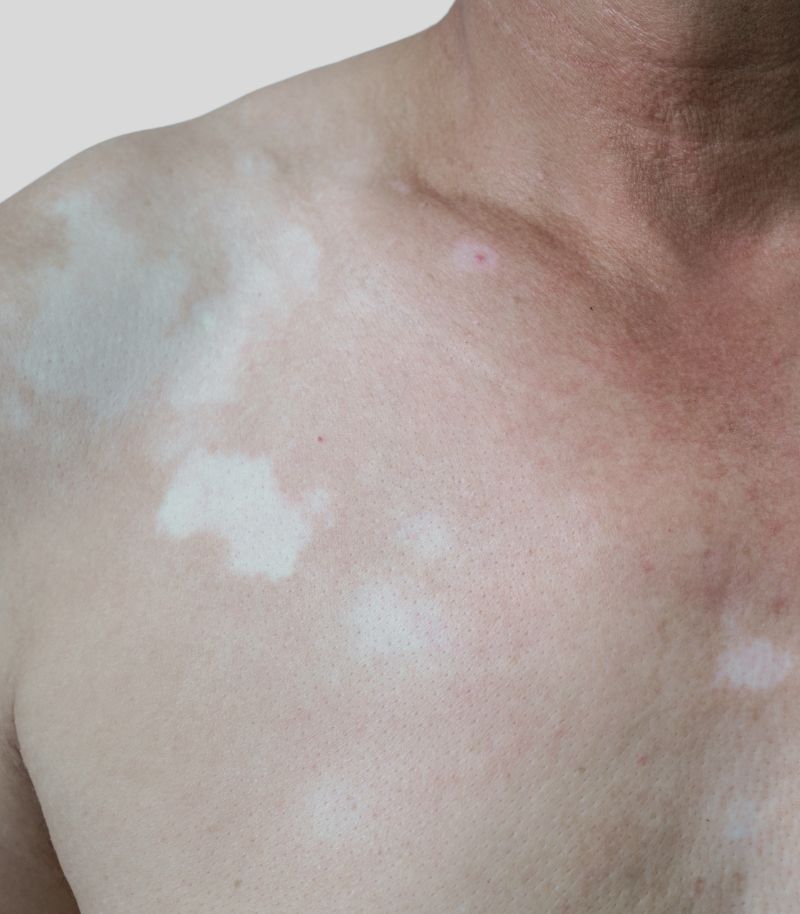
Most vitiligo patches share common characteristics. They are typically milky white in colour, irregular in shape and have clearly defined borders. Their size varies and may range from small spots to much larger areas. Vitiligo-affected skin does not show dryness or scaling and becomes more noticeable during the summer, as depigmented areas do not tan and therefore contrast more strongly with normally pigmented skin.
Vitiligo lesions are often symmetrical and tend to appear on or near joints, such as the fingers, elbows, knees and ankles. It is also common for patients with depigmentation on the lips to have similar lesions on the hands and feet.
“At Grupo Pedro Jaén, we offer the full range of medical treatments for vitiligo, including pigment surgery.”
Diagnosis and types of vitiligo
Diagnosing vitiligo is usually straightforward and is most often performed during a dermatology consultation through a simple clinical examination. Regarding its types, they are differentiated according to the distribution and patterns of the characteristic white patches of this condition.
Diagnosis
Diagnosing vitiligo is usually straightforward and is most often performed during a dermatology consultation through a simple clinical examination.
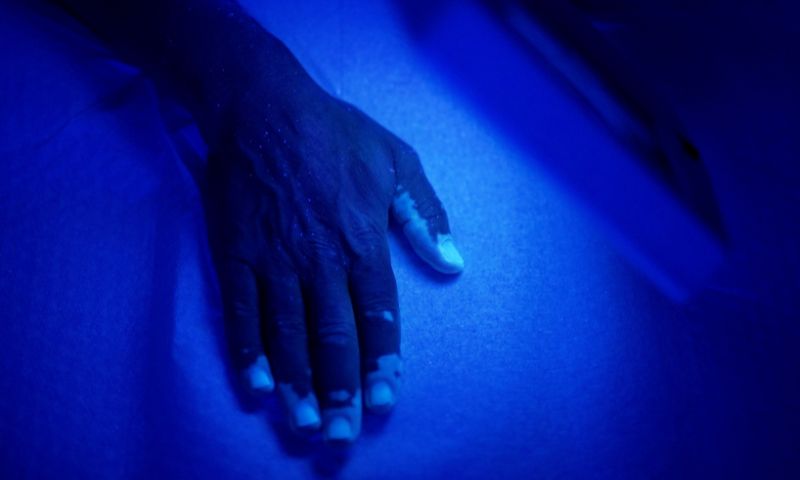
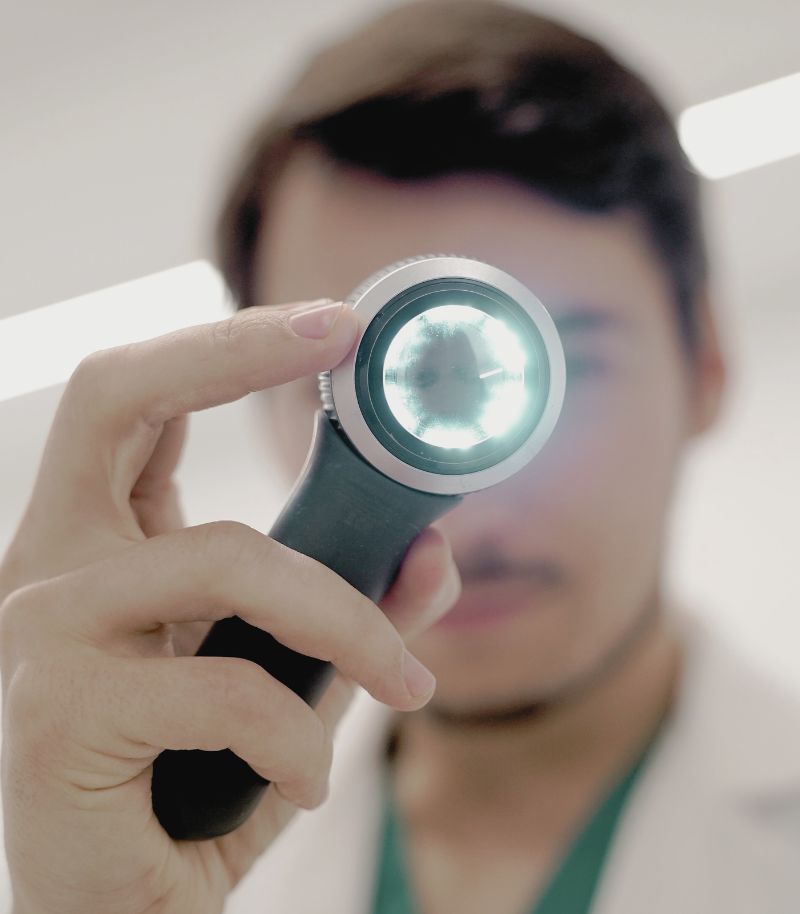
For a more comprehensive assessment, specialists at the Vitiligo Unit frequently use Wood’s light, a type of ultraviolet radiation that helps detect skin changes that are not visible to the naked eye. This allows us to determine whether any melanin remains in the affected area or whether depigmentation is complete.
Under Wood’s light, vitiligo lesions appear as a white-bluish fluorescent colour, with the intensity depending on the presence or absence of residual melanin.
In selected cases, vitiligo specialists may also recommend a skin biopsy.
This involves taking a small sample of skin for laboratory analysis to confirm the absence of melanocytes, the cells responsible for melanin production.
If the dermatologist suspects the presence of another autoimmune condition, additional tests may be requested.
The results of these investigations help the dermatologist to design a treatment plan tailored to each patient’s specific needs. At the Grupo Pedro Jaén Vitiligo Unit, we place particular emphasis on early diagnosis for two key reasons.
Firstly, early detection and classification of vitiligo allow treatment to begin sooner, increasing the likelihood of a favourable response. Secondly, vitiligo can be confused with other dermatological conditions such as pityriasis alba, pityriasis versicolor or guttate hypomelanosis—three pigmentation disorders that also present with white or pale patches. Diagnostic inaccuracies may delay appropriate treatment, potentially worsening the patient’s prognosis.
Types of vitiligo
The hallmark of vitiligo is the appearance of white patches caused by the loss of melanocytes. These depigmented areas can occur anywhere on the body, although they are more commonly seen on the backs of the hands, the distal parts of the fingers, the knees, the perioral and periocular regions, the armpits, wrists, elbows and genital area.
Based on the distribution and pattern of the lesions, several types of vitiligo can be distinguished.
Segmental vitiligo
In this form, white patches appear on only one side of the body. Segmental vitiligo tends to develop at an earlier age, sometimes during childhood, and is less common in adulthood. It is more resistant to medical treatment and typically has a sudden onset, progresses over a short period, stabilises and may eventually resolve.
Focal vitiligo
Patients with focal vitiligo have a single depigmented patch or a small number of isolated depigmented areas located anywhere on the body.
Generalised vitiligo
This is the most common form of vitiligo. Depigmented areas are distributed diffusely across the body, usually following a symmetrical pattern. Lesions frequently affect the elbows, knees, genital area, mucous membranes, neck, fingers, feet, hands, lips, armpits, navel and the areas around the mouth and eyes. Hair may also be affected, leading to premature greying of the eyebrows, eyelashes or scalp.
Acrofacial vitiligo
In this type, melanocyte loss affects the face as well as distal areas such as the hands and feet.
Universal vitiligo
Universal vitiligo is characterised by widespread and progressive destruction of melanocytes across the skin. As a result, depigmented areas become increasingly extensive and may merge, leaving only small residual areas of normally pigmented skin.
Prevention and progression of vitiligo
Actualmente no existe ninguna manera de prevenir el vitíligo. No obstante, se sabe que es fundamental evitar los posibles desencadenantes mencionados para frenar su evolución y evitar que surjan nuevas zonas despigmentadas o que las manchas blancas se hagan cada vez más grandes.
Although ongoing research is being conducted, there are still no reliable markers that can accurately predict how vitiligo will progress once diagnosed, or which cases are likely to be more clinically aggressive at disease onset.
Treatments for vitiligo
At present, vitiligo has no definitive cure and its course cannot be reliably predicted. However, this does not mean that effective treatments are not available to slow disease progression and attempt repigmentation of white patches, with the aim of improving skin appearance and patients’ quality of life.
There are several therapeutic approaches for vitiligo, and some options can be highly satisfactory for patients. At the Grupo Pedro Jaén Vitiligo Unit, we generally design individualised treatment protocols, combining different therapies that target the underlying mechanisms involved. For this reason, treatments with anti-inflammatory, antioxidant and repigmenting effects are often prescribed.
It is important to clarify that improvement is neither rapid nor permanent. Melanocytes—the cells responsible for producing melanin—are highly specialised. Their processes of proliferation, differentiation, migration to the affected skin areas and initiation of pigment production take several weeks.
Phototherapy for vitiligo
Actualmente, la fototerapia es el tratamiento más efectivo para el vitíligo, ya que logra frenar o detener por completo el avance de la patología. La fototerapia puede aplicarse en monoterapia o combinarse con tratamientos orales y/o tópicos para potenciar sus beneficios.
Ultraviolet light is one of the most powerful stimuli for melanocytes to produce melanin, a pigment that colours the skin as a natural protective response against solar radiation. However, prolonged and excessive exposure to ultraviolet light significantly increases the short-term risk of burns, as well as the long-term risk of premature photoageing and skin cancer.
It should also be noted that the skin of patients with vitiligo is more susceptible to sunburn in depigmented areas, as these lack melanin. Unprotected sun exposure therefore makes these areas particularly vulnerable to damage.
Phototherapy for vitiligo involves the controlled exposure of depigmented skin to ultraviolet light, specifically narrowband UVB, which stimulates melanocyte activity while avoiding the most harmful wavelengths of sunlight. UVB therapy may be delivered in different ways depending on the case, including handheld devices, panels, cabins or laser systems.
At Grupo Pedro Jaén, we also offer supervised home-based phototherapy, an option that is both effective and convenient for patients, reducing the need for frequent clinic visits.
In addition, we have an excimer lamp for selected patients—such as children or those with localised lesions. Its mechanism is similar to conventional phototherapy, but results are often achieved more quickly and in fewer sessions. This treatment, however, must be performed in a medical setting.
Topical treatments
Topical treatments for vitiligo aim to repigment depigmented areas through the application of creams that help control inflammation or immune activity associated with the condition.
There are also plant-based topical treatments that may be used alone—such as black pepper extract to reduce oxidative stress in vitiligo lesions, or melon extract to promote repigmentation—or combined with phototherapy to enhance results, as in the case of psoralens or Polypodium leucotomos fern extract.
Topical treatments are generally considered first-line therapy for all patients with vitiligo and are usually prescribed for several months. If no significant response or improvement is observed during this period, phototherapy may be introduced or topical treatments may be combined with other medications.
Oral treatments
Oral treatments for vitiligo are prescribed when topical therapies do not achieve the desired response. They may be used alone or in combination with other therapeutic approaches.
These medications are used to control the inflammatory component of vitiligo and are often administered as mini-pulse regimens, in which low doses are taken on several days per week. This approach helps slow disease progression, control inflammation and reduce the risk of side effects.
Vitamin D may also be added due to its antioxidant and immunomodulatory properties, which can help mitigate oxidative damage associated with melanocyte destruction and modulate immune system activity. Phenylalanine may also be prescribed.
Phenylalanine is an amino acid involved in melanin synthesis and promotes repigmentation through three main mechanisms: it inhibits the production of antibodies that destroy melanocytes, improves the skin’s tolerance to sun exposure, and facilitates the migration of melanocytes from pigmented areas to depigmented zones. Oral vitiligo treatments containing phenylalanine aim to stimulate melanocyte activity to restore natural pigment production and are usually combined with phototherapy for improved results.
Depigmentation therapy for vitiligo
In some cases, vitiligo progresses to the point where depigmented areas greatly exceed pigmented skin, leaving only small residual areas of colour. This form of the disease, known as universal vitiligo or advanced generalised vitiligo, is managed with an approach opposite to that used in other cases. Instead of attempting to repigment white areas, treatment focuses on depigmenting the remaining pigmented skin to achieve a more uniform appearance. This is done using a phenolic compound that destroys residual melanocytes and permanently removes pigment.
Patients undergoing depigmentation therapy often report high satisfaction, primarily due to aesthetic improvement. However, candidates must be selected very carefully and receive thorough information about the nature of this treatment, as it is irreversible and may take several months to achieve definitive results. The product is applied once or twice daily and is often combined with oral or topical treatments. Close dermatological follow-up is essential to monitor for possible areas of repigmentation.

Latest research in vitiligo treatment
Dermatologists at the Grupo Pedro Jaén Vitiligo Unit actively participate in research into emerging treatments that may become part of the therapeutic arsenal for vitiligo if their effectiveness is confirmed.
Among therapies currently under investigation are new treatment options designed to block specific immune signalling pathways. These molecules, developed in recent years, have shown great promise in the treatment of inflammatory skin diseases due to their ability to act on precise molecular targets. Their mechanism of action is based on selectively inhibiting the activity of certain immune cells that attack melanocytes, thereby preventing further cellular damage.
More information
Below you will find the frequently asked questions, authorship, and references for the information provided on this page:
Frequently asked questions about vitiligo
Is vitiligo contagious?
No. Vitiligo is not a contagious disease. Family members and close contacts can share spaces, clothing, utensils and physical contact without any risk of transmission.
Does vitiligo cause pain?
No. Although vitiligo is associated with certain autoimmune conditions, the loss of melanocytes itself is not painful.
Is vitiligo hereditary?
There is evidence to suggest that vitiligo has a genetic component. Individuals with a family history of the condition have a higher likelihood of developing it, although inheritance is not guaranteed.
Can stress cause vitiligo?
Emotional stress may trigger the onset of vitiligo or contribute to the enlargement of depigmented areas in individuals who are already predisposed to the condition. In this sense, stress is a triggering factor rather than the primary cause. Not everyone who experiences stress will develop vitiligo.
Should I follow a special diet if I have vitiligo?
Apart from maintaining a diet rich in antioxidants to provide additional protection for depigmented skin, there is currently no strong scientific evidence to support recommending or avoiding specific foods or diets to prevent, treat or control vitiligo.
How should I care for my skin if I have vitiligo?
Patients with vitiligo should avoid objects and clothing that cause excessive friction on the skin, such as belts, jewellery, straps or tight elastics. Care should also be taken with aesthetic or cosmetic treatments that may be irritating or overly aggressive. Consulting a specialist before undergoing such procedures is advisable to avoid skin trauma that could trigger new vitiligo patches. Sun protection is particularly important. Broad-spectrum sunscreens with the highest possible protection factor should be applied regularly, as depigmented areas lack melanin and are therefore much more vulnerable to sunburn. Maintaining good skin hydration is also essential to support the skin barrier and hydrolipidic film, which help prevent dehydration and protect against external aggressors. If make-up is used, products containing sun filters are recommended. Tattooing depigmented areas to camouflage white patches is not advisable, as it may increase the risk of new depigmented lesions developing.
When should vitiligo treatment be started?
Many patients are uncertain about the best time to begin treatment, especially when lesions are small. It is important to clarify that any patient with vitiligo is a candidate for treatment, regardless of lesion extent. Scientific evidence has demonstrated the significant psychological impact of vitiligo, independent of the size of affected areas. Early treatment is also crucial to slow disease progression. Initiating therapy when lesions are still small may be decisive in preventing their enlargement and limiting further skin involvement.
Authorship and references
The content of this page has been prepared by the Communication Department and the Medical Team of Grupo Pedro Jaén, in line with our editorial commitment to ensuring the accuracy and up-to-date nature of the information provided.
References on vitiligo:
1. Christina Bergqvist, Khaled Ezzedine. Vitiligo: A Review. Dermatology. 2020;236(6):571-592. doi: 10.1159/000506103. Epub 2020 Mar 10. PMID: 32155629.
2. Michael L Frisoli, Kingsley Essien, John E Harris. Vitiligo: Mechanisms of Pathogenesis and Treatment. Annu Rev Immunol. 2020 Apr 26;38:621-648. doi: 10.1146/annurev-immunol-100919-023531. Epub 2020 Feb 4. PMID: 32017656.
3. Priyanka Karagaiah, Yan Valle, Julia Sigova, Nicola Zerbinati, Petar Vojvodic, Davinder Parsad , Robert A Schwartz, Stephan Grabbe, Mohamad Goldust, Torello Lotti. Emerging drugs for the treatment of vitiligo. Expert Opin Emerg Drugs. 2020 Mar;25(1):7-24. doi: 10.1080/14728214.2020.1712358. Epub 2020 Feb 3. PMID: 31958256.
4. Christina Bergqvist, Khaled Ezzedine. Vitiligo: A focus on pathogenesis and its therapeutic implications. J Dermatol. 2021 Mar;48(3):252-270. doi: 10.1111/1346-8138.15743. Epub 2021 Jan 6. PMID: 33404102.
5. Raheel Zubair, Iltefat H Hamzavi. Phototherapy for Vitiligo. Dermatol Clin. 2020 Jan;38(1):55-62. doi: 10.1016/j.det.2019.08.005. Epub 2019 Oct 18. PMID: 31753192.
6. Emerson Araújo, Do Bú,Vitória Medeiros dos Santos, Kaline Silva Lima, Cicero Roberto Pereira, Maria Edna Silva, Alexandred Viviane Alves dos Santos Bezerra. Neuroticism, stress, and rumination in anxiety and depression of people with Vitiligo: An explanatory model. Acta Psychologica Volume 227, July 2022, 103613. DOI: 10.1016/j.actpsy.2022.103613.
7. Electra Nicolaidou, Styliani Mastraftsi , Vassiliki Tzanetakou, Dimitrios Rigopoulos. Childhood Vitiligo. Am J Clin Dermatol. 2019 Aug;20(4):515-526. doi: 10.1007/s40257-019-00430-0. PMID: 30911977.
8. Boniface K, Seneschal J, Picardo M, Taïeb A. Vitiligo: Focus on Clinical Aspects, Immunopathogenesis, and Therapy. Clin Rev Allergy Immunol. 2018 Feb;54(1):52-67. doi: 10.1007/s12016-017-8622-7. PMID: 28685247.
9. Razmi T M, Afra TP, Parsad D. Vitiligo surgery: A journey from tissues via cells to the stems! Exp Dermatol. 2019 Jun;28(6):690-694. doi: 10.1111/exd.13807. Epub 2018 Dec 5. PMID: 30332503.
10. Nahhas AF, Mohammad TF, Hamzavi IH. Vitiligo Surgery: Shuffling Melanocytes. J Investig Dermatol Symp Proc. 2017 Oct;18(2):S34-S37. doi: 10.1016/j.jisp.2017.01.001. PMID: 28941491.
11. Ju HJ, Bae JM, Lee RW, Kim SH, Parsad D, Pourang A, Hamzavi I, Shourick J, Ezzedine K. Surgical Interventions for Patients With Vitiligo: A Systematic Review and Meta-analysis. JAMA Dermatol. 2021 Mar 1;157(3):307-316. doi: 10.1001/jamadermatol.2020.5756. PMID: 33595599; PMCID: PMC7890456.
Where we see patients?
Clinics in Madrid
Grupo Pedro Jaén is a medical group founded more than three decades ago with the aim of providing medical, surgical and aesthetic solutions related to skin health and appearance. Led by Dr Pedro Jaén, the group has a highly specialised medical team that covers every area of care with top-level specialists, carries out extensive training activities, is a leader in medical research, and operates several clinics in Madrid, from which it offers the highest standards of care and clinical excellence to all patients.


Calle Serrano 143
This centre is the main headquarters of Grupo Pedro Jaén. It provides diagnostic and treatment services in skin cancer, clinical and aesthetic dermatology, laser treatments and other related specialties.
Mon - Fri 09:00 - 21:00 / Sat: 09:00 - 14:00
Calle Serrano 143, El Viso neighbourhood, Chamartín district, 28006 Madrid, Spain

La Moraleja
Located in Plaza de La Moraleja, this exclusive centre allows Grupo Pedro Jaén to bring its medical and aesthetic services closer to patients across the entire northern area of Madrid.
Mon - Thu: 09:30 - 20:00 / Fri: 09:30 - 18:00
Calle de la Estafeta 8, ground floor, La Moraleja, 28109 Alcobendas, Madrid
Related units and pages
Clinical dermatology
Highly specialised dermatologists for each skin condition, offering the most advanced treatments available.
Laser Unit
An international reference in laser and intense pulsed light treatments, both in clinical and aesthetic dermatology.
Paediatric dermatology
Specialised care for the full range of dermatological conditions that may affect children.
Information and news
Press room
In the Grupo Pedro Jaén Press Room you can find information, advice and news related to dermatology, aesthetic medicine, trichology and general health. The group’s journals are also shared through an online platform, along with updates on the activity and media appearances of our clinics and healthcare professionals.

How to shower properly: tips for looking after your skin
Cold or hot water? Is it better to use a sponge? Find out how to shower properly and what dermatologists recommend to protect your skin.

Retinol in summer: should you stop using it?
We debunk this and other myths about using retinol during the warmer months.

Blog
News about Grupo Pedro Jaén. Information and advice on dermatology, aesthetic medicine, trichology, and general health

Media
Information about media appearances by our clinics and medical specialists.

Journal
Archive of all Grupo Pedro Jaén journals, available through an external online platform.