
Hyperhidrosis Unit
At our clinics in Madrid: Calle Serrano 143 and La Moraleja
Dermatologists specialising in
Treatment of hyperhidrosis
The Grupo Pedro Jaén Hyperhidrosis Unit is a pioneer and a reference centre in the diagnosis and application of cutting-edge treatments for pathological excessive sweating. In fact, it was the first private dermatology centre to introduce infiltrated medication therapy for the treatment of localised excessive sweating of the hands and armpits, and it is one of the most experienced centres in the use of oral anticholinergic drugs—a family of medications whose use requires extensive expertise and which are indicated for the management of generalised hyperhidrosis.

Recognised reference clinics in Spain
Home > Clinical Dermatology > Hyperhidrosis
What sets us apart
Pioneers in the treatment of excessive sweating
Our unit stands out for addressing hyperhidrosis from a multidisciplinary perspective, analysing each case in depth in order to design specific treatments according to the type and severity of the condition. We incorporate advanced diagnostic tools such as the Minor’s test and skin ultrasound to ensure an accurate diagnosis and to differentiate between primary, secondary or childhood hyperhidrosis. In addition, we offer personalised therapeutic options that include neuromodulators administered with truncal anaesthesia, and thoracic sympathectomy in severe cases. This comprehensive approach allows us to provide effective solutions with continuous follow-up, optimising outcomes and significantly improving patients’ quality of life.
Accurate diagnosis
Hyperhidrosis often has a significant impact on patients’ quality of life, interfering with their social, professional and personal activities. For this reason, it is essential to identify the type of hyperhidrosis (focal or generalised) and to assess its degree of severity.
Advanced tests to differentiate types of hyperhidrosis
We use diagnostic tools such as the Minor’s test, which allows us to accurately identify areas of excessive sweating, and the Hyperhidrosis Disease Severity Scale (HDSS), which helps classify the functional impact of the condition. These tests enable us to personalise each treatment according to the severity and location of sweating.
In addition, we perform a thorough differential diagnosis to distinguish between primary and secondary hyperhidrosis, avoiding ineffective treatments and addressing the underlying cause in each case.
Multidisciplinary approach for comprehensive care
It is also important to rule out possible secondary causes, such as hormonal, metabolic or neurological disorders. For this reason, our Hyperhidrosis Unit works closely with the Endocrinology and Gynaecology units. This global perspective allows us to treat not only hyperhidrosis itself, but also any associated conditions that may be contributing to its development, aiming for more effective and long-lasting results for each patient.
Innovative therapeutic options
Hyperhidrosis can present with varying degrees of severity and affect different areas of the body, so treatment must be tailored to the specific needs of each patient. In our unit, we offer safe and innovative therapeutic options based on the most up-to-date scientific evidence.
Antiperspirants and medication for mild to moderate cases
In mild cases, aluminium chloride in specific formulations can help temporarily block excessive sweating. For patients with more significant symptoms, we use oral treatments such as anticholinergic drugs, which regulate sympathetic nervous system activity. When hyperhidrosis is linked to emotional factors, these treatments can be combined with therapies aimed at reducing stress and anxiety, with support from our Emotional Support Unit.
Advanced treatments for severe cases
When hyperhidrosis is more severe and resistant to conventional therapies, our hyperhidrosis specialists turn to advanced treatments that offer effective and long-lasting solutions, significantly improving patients’ quality of life.
Neuromodulators for localised hyperhidrosis
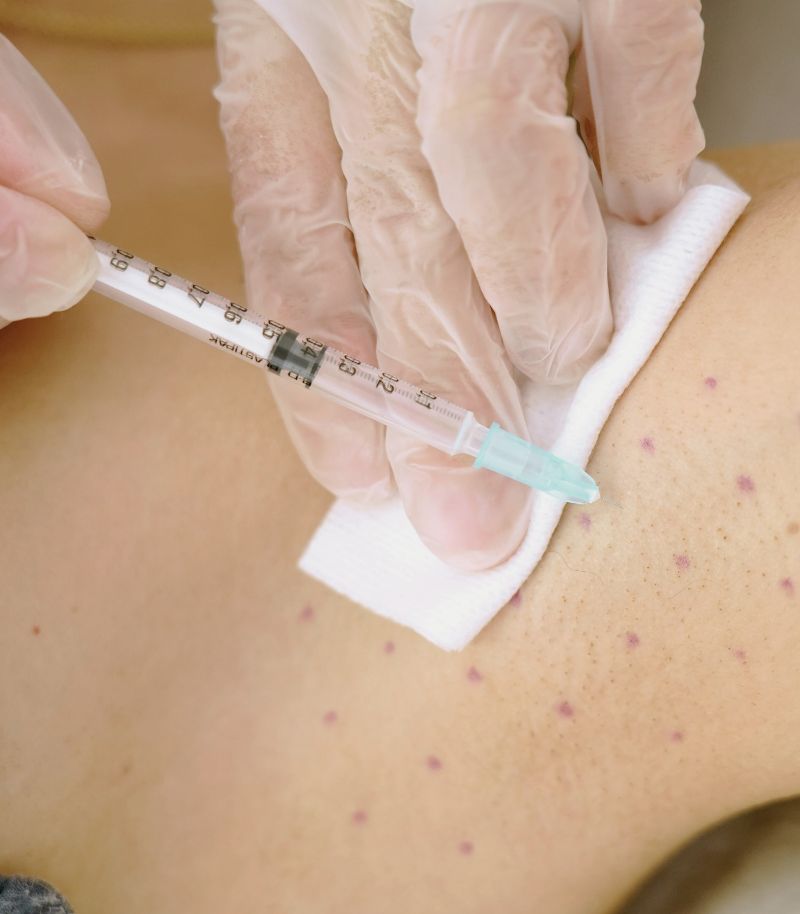
Neuromodulation with infiltrated agents is one of the most effective options for treating hyperhidrosis of the armpits, palms, soles of the feet and face. Its mechanism of action temporarily blocks the nerves responsible for stimulating sweat glands, leading to a marked reduction in sweating. We perform this technique using truncal anaesthesia to ensure patient comfort. The effects typically last between 4 and 6 months, so treatment needs to be repeated periodically to maintain results.
Thoracic sympathectomy: a definitive solution for severe cases
In patients with severe hyperhidrosis that is resistant to other treatments, thoracic sympathectomy may be considered. This minimally invasive surgical procedure involves interrupting the activity of the sympathetic nerves responsible for excessive sweating. Although it can provide a definitive solution, a detailed assessment is essential to evaluate the risk of compensatory sweating.

Comprehensive approach and continuous follow-up
Hyperhidrosis can evolve over time, with changes in its presentation and severity. For this reason, appropriate follow-up and a personalised approach are essential to ensure optimal and long-lasting results.
Ongoing assessment to optimise outcomes
From the first consultation, we carry out a comprehensive diagnosis and establish an individualised treatment plan. Through regular follow-up, we adjust therapies according to clinical evolution, ensuring maximum effectiveness while minimising potential adverse effects. This strategy allows long-term control of hyperhidrosis, reducing relapses and offering the best possible patient experience.
Accessible and multidisciplinary care
We facilitate access to care through both in-person and online consultations, ensuring close and continuous follow-up. Our team of dermatologists specialising in hyperhidrosis works in coordination with experts in endocrinology, gynaecology and surgery, providing a fully multidisciplinary approach. This integration of specialties allows us to address all possible causes of hyperhidrosis and deliver effective, case-specific solutions.
What it is, symptoms and treatment
A guide to understanding hyperhidrosis
Sweat production is a normal physiological process involved in the regulation of body temperature. This mechanism is mediated by the sympathetic nervous system, which stimulates the sweat glands to secrete sweat when the body needs to cool down.
Sweat is a transparent fluid composed mainly of water, with small amounts of lactic acid, urea and mineral salts (sodium, potassium, magnesium and calcium). Its production usually increases when body temperature rises due to heat, intense physical activity, the intake of very hot, spicy or seasoned foods or drinks, stress, fear, or as a result of an underlying illness or infection accompanied by fever.
However, hyperhidrosis presents important differences compared with normal excessive sweating under physiological circumstances. The term hyperhidrosis refers to a clinical condition characterised by excessive sweat production, understood as sweating that occurs even in the absence of the usual triggering stimuli described above and that significantly interferes with quality of life and normal daily functioning.
Hyperhidrosis causes profuse sweating that may drip, stain clothing and keep the skin constantly damp or wet, having a decisive impact on patients’ personal lives. Patients frequently report difficulties shaking hands, writing or signing documents, gripping a steering wheel, wearing certain types of clothing, finding employment, performing their job effectively, or simply holding or touching objects without damaging them or leaving them wet with sweat.
Although hyperhidrosis is neither a painful nor a life-threatening condition, it significantly impairs the quality of life of approximately three quarters of those affected. It has a marked negative impact on self-esteem and on personal and professional relationships. Many patients develop social phobia and report feeling inhibited when interacting with others due to fear of criticism or rejection related to an appearance perceived as untidy or unhygienic.
In addition, the accumulation of sweat in skin folds and the presence of persistently moist areas of skin promote the growth of fungi and bacteria. This can lead to irritation, fissures and skin lesions that may become infected.

Causes of hyperhidrosis
Hyperhidrosis is estimated to affect approximately 3% of the population and occurs equally in men and women. Its prevalence is similar across all ethnic groups and it typically follows an uneven course throughout life. It often begins in childhood, worsens during puberty and adolescence, and tends to improve in older age. The areas most frequently affected are the armpits, palms of the hands and soles of the feet.
The specific causes of hyperhidrosis can be very diverse, although in most cases the origin is unknown (idiopathic hyperhidrosis). Nevertheless, many cases are associated with endocrine or hormonal disorders, as well as underlying diseases such as hyperthyroidism or diabetes. Certain pharmacological treatments may also trigger excessive sweating.
For this reason, at the Grupo Pedro Jaén Hyperhidrosis Unit we perform a comprehensive differential diagnosis to identify and locate any potential causes or conditions responsible for excessive sweating. When such causes are identified, the unit works closely with other specialised units within the centre, such as Gynaecology (when hyperhidrosis is related to female hormonal factors) or Endocrinology (when excessive sweating is linked to thyroid disease or metabolic disorders).
This approach allows us to implement a fully personalised and significantly more effective treatment for each patient with hyperhidrosis.
Classification of hyperhidrosis
Hyperhidrosis is classified into different types, as outlined below:
Primary hyperhidrosis
Also known as idiopathic hyperhidrosis, this form has no clearly identifiable underlying condition that explains its origin. It affects specific areas of the body, such as the armpits, palms of the hands, soles of the feet, craniofacial region and groin. Symptoms are often exacerbated by stress, anxiety, fear, heat or vasodilatory stimuli (such as alcohol consumption, hot drinks, spicy or heavily seasoned foods). Primary hyperhidrosis can lead to skin maceration and increase the risk of skin infections and unpleasant body odour due to sweat accumulation in skin folds.
Secondary hyperhidrosis
Secondary hyperhidrosis is caused by underlying diseases or clinical conditions that trigger an abnormal response of the sympathetic nervous system, resulting in excessive sweat production. This response may be related to hormonal or endocrine disorders such as hyperthyroidism, diabetes, respiratory failure, certain types of cancer, or alcohol and/or drug withdrawal syndromes. Secondary hyperhidrosis often affects the face and upper trunk.
Generalised hyperhidrosis
Generalised hyperhidrosis is a consequence of an underlying medical condition and affects most of the body surface.
Paediatric hyperhidrosis
Although referred to as paediatric hyperhidrosis, this type most commonly manifests during preadolescence and adolescence. Prior to this stage, excessive sweating in children—although sometimes striking—is usually normal and reflects the need for effective thermoregulation. Paediatric hyperhidrosis typically affects the palms of the hands, armpits and feet. It significantly interferes with school performance and often causes considerable difficulties in the child’s social environment.
How hyperhidrosis is diagnosed
In general, diagnosing hyperhidrosis is based on observing the areas of the body most affected by this alteration in sweat production. However, in many cases it is necessary to carry out additional tests in order to determine whether there is an underlying disease or disorder that may be responsible for increased sweating.
For this reason, diagnosis at the Grupo Pedro Jaén Hyperhidrosis Unit is carried out by dermatologists with extensive experience in the specific management of this condition. This allows the most appropriate treatment to be implemented early in each case—something highly valued by patients, who often attend the clinic after experiencing significant difficulties in their daily activities and routine due to excessive sweating, without having found truly effective solutions.
These complementary tests aim to determine whether hyperhidrosis is primary or due to an underlying condition or circumstance that may trigger excessive sweating (secondary hyperhidrosis), as well as to establish the severity of hyperhidrosis based on the patient’s physical and emotional impact.
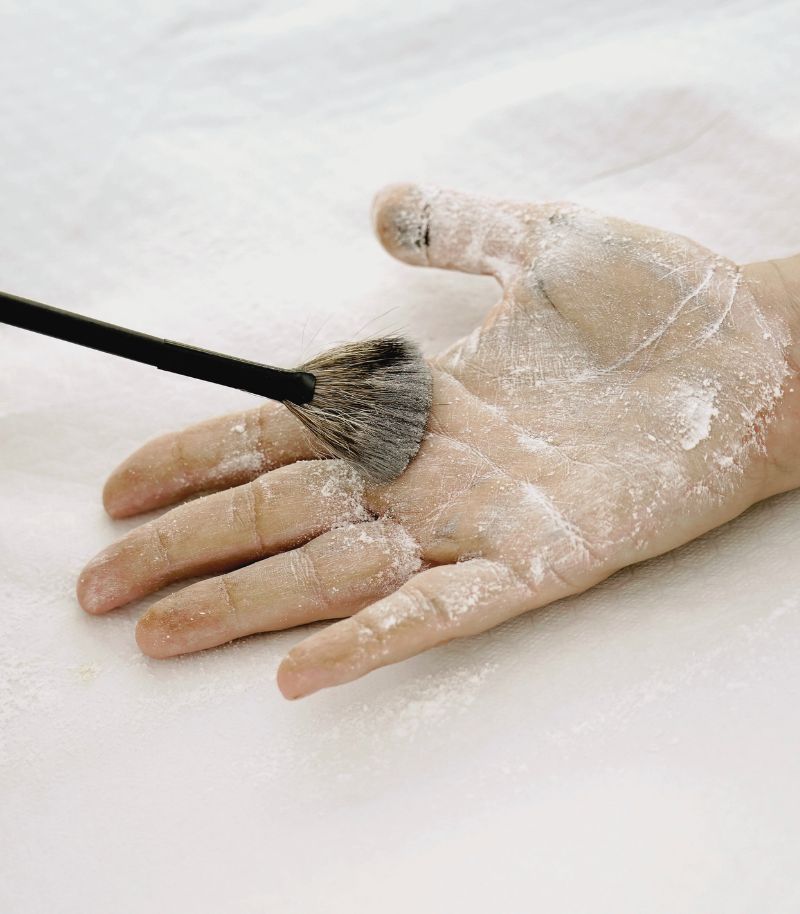
The Minor’s test is used to identify the areas of greatest sweating, and also to monitor botulinum toxin treatment. The test consists of applying iodine tincture to the area being assessed or treated, after shaving any hair if present. Once the skin is completely dry, corn starch is dusted over the area. When the patient starts to sweat, the combination of starch, sweat and iodine produces a reaction that turns the skin bluish, allowing the treatment area to be clearly outlined and the openings of the sweat glands to be precisely identified.
In addition, the dermatologist may use the Hyperhidrosis Disease Severity Scale (HDSS) to assess the extent to which excessive sweating interferes with the patient’s quality of life. This is a simple questionnaire that provides a score from 1 to 4. Scores 1 and 2 correspond to mild or moderate hyperhidrosis, while scores 3 and 4 indicate severe, limiting excessive sweating.
“It is essential that each patient is assessed by a dermatologist to rule out possible underlying causes of hyperhidrosis”
Treatments for hyperhidrosis
There are several therapeutic options for hyperhidrosis. As a general rule, specialists at the Grupo Pedro Jaén Hyperhidrosis Unit begin with the simplest and least invasive treatments and then move on to other alternatives depending on each patient’s response and the evolution of symptoms.
It is essential that each patient is assessed by a dermatologist to rule out possible underlying causes of hyperhidrosis, as in such cases it may be possible to regulate sweat production by treating the original problem, without the need for specific measures to control excessive sweating.
Antiperspirants, oral and topical medicines
Antiperspirants
Topical antiperspirants used to treat hyperhidrosis contain aluminium salts formulated in solutions with a variable proportion of alcohol. They act by obstructing the pores of the sweat glands and causing atrophy of the sweat-secreting glands.
The product should be applied according to the instructions of the dermatologist specialising in hyperhidrosis, who typically prescribes a daily regimen until the patient progressively improves. From that point onwards, a maintenance regimen is implemented, usually consisting of applying the antiperspirant two or three days per week.
Oral and topical medicines
There are various oral and topical medicines that the dermatologist specialising in hyperhidrosis may prescribe to treat generalised excessive sweating.
These active ingredients may act directly either on sweat production itself or on factors that favour this mechanism (anxiety, nervousness, vasodilation, etc.), and they must be supervised at all times by the hyperhidrosis specialist to avoid unwanted side effects affecting other body functions.
The Grupo Pedro Jaén Hyperhidrosis Unit has extensive experience in the use of individualised pharmacological treatments for hyperhidrosis—an aspect of vital importance, particularly when certain medicines are involved.
Iontophoresis for hyperhidrosis
Iontophoresis is a transcutaneous treatment for hyperhidrosis that consists of inducing an electrical current to pass through the skin. To do this, the treatment area must be submerged in water, so that the electrical current mobilises sodium ions and reduces the activity of the sweat glands, thereby decreasing sweat production.
Although it is a safe, non-invasive and generally well-tolerated option, it has now become a secondary treatment because more effective and longer-lasting alternatives are available. For this reason, its use is usually reserved as an adjunctive therapy or for selected cases, and regular maintenance sessions are required to preserve results.
It is also important to bear in mind that this treatment can only be applied to areas that can be easily immersed in water, which means it cannot be used to treat axillary hyperhidrosis, for example. In addition, treatment must be administered by a specialist with experience in this type of therapy, as inappropriate use may cause burns or skin necrosis.
This therapy can only be used when the skin is intact — that is, in the absence of lesions or irritation. This is not always possible in patients with hyperhidrosis, as maceration and fissures are common in skin folds where sweat tends to accumulate.
Finally, iontophoresis cannot be used in patients with a history of heart disease, in those with pacemakers, or in patients with glaucoma, an eye condition characterised by increased intraocular pressure.
Injected medication
Injecting medication that produces neuromuscular relaxation has represented a true revolution in the treatment of hyperhidrosis, thanks to its effectiveness and its high safety profile. The Grupo Pedro Jaén Hyperhidrosis Unit is a pioneer in the use of this injected treatment for hyperhidrosis, having been the first private centre to implement this procedure more than twenty years ago.
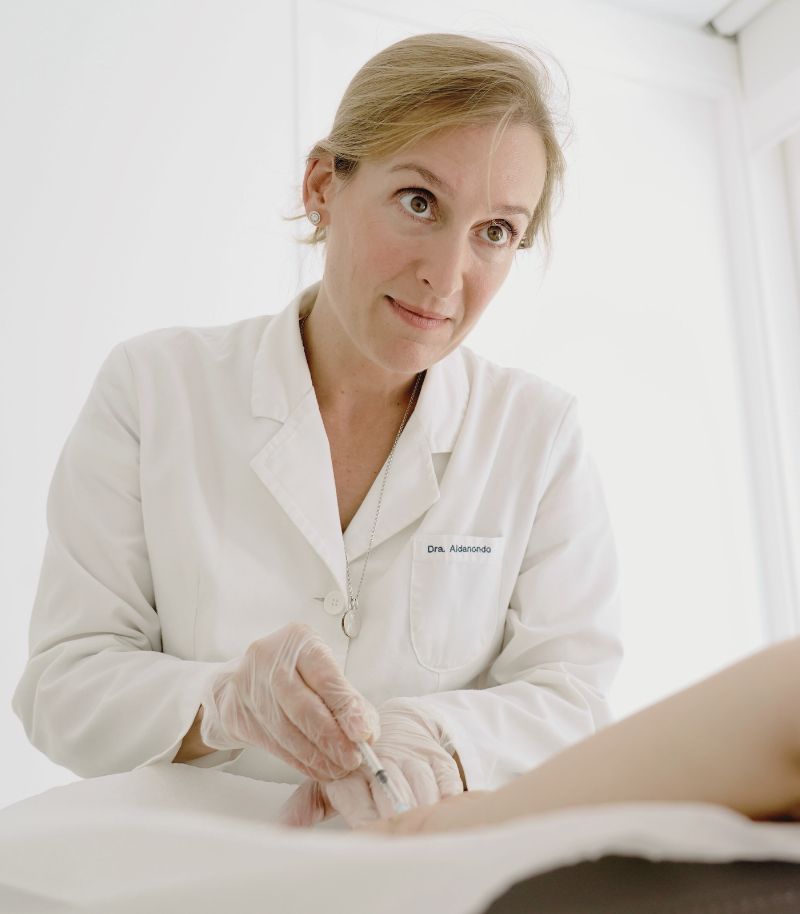
This hyperhidrosis therapy consists of injecting small doses of the active ingredient following a pattern of points spaced approximately 1.5–2 centimetres apart, previously marked on the treatment area. The medicine inhibits the release of acetylcholine at the neuromuscular level and blocks sweat production in the sweat glands.
It is a quick procedure performed in the clinic, with no specific prior preparation required and no recovery time or time off work. A reduction in sweat production is usually noticed a few days after the active ingredient is injected and lasts for several months—between six and nine, depending on the patient. After this period, the treatment can be repeated.
The main advantages of treating hyperhidrosis with these injections are their high effectiveness, their excellent safety profile, and the ability to adjust the amount of product injected according to the level of sweating to be controlled in each area, which helps avoid systemic side effects. Thanks to these advantages, the treatment can also be used in selected cases of paediatric hyperhidrosis, depending on the dermatologist’s judgement and the patient’s degree of impairment.
Injectable treatment for primary hyperhidrosis is particularly suitable for reducing excessive sweating in the armpits and palms of the hands. However, injections in the palms can be uncomfortable and painful, as multiple injections are required in a delicate, sensitive area.
The Grupo Pedro Jaén Hyperhidrosis Unit has addressed this issue by using nerve trunk blocks in the hand—a resource applied prior to the injections—which has expanded the therapeutic options for a large number of patients. It is essential that this type of anaesthesia is administered by sufficiently experienced specialists, in order to avoid undesired effects on hand sensation and strength.
Surgery as a treatment for hyperhidrosis
Surgical treatment for hyperhidrosis is known as thoracic sympathectomy and consists of cutting, electrocoagulating or clipping the sympathetic chain located in the posterior thorax, accessed through small incisions made in the chest or near the armpit. This is a minimally invasive procedure that nevertheless requires general anaesthesia and a recovery period of several days.
This technique is used in severe cases of primary focal hyperhidrosis affecting the palms and armpits and is usually performed on both sides of the body. Surgical treatment reduces sweating radically and immediately in most cases.
However, a high percentage of operated patients develop compensatory sweating in other areas of the body (upper back, buttocks, groin, thighs, etc.). This side effect may resolve spontaneously after a few months or, alternatively, persist permanently. In such cases, it is necessary to use other treatments for hyperhidrosis, mainly periodic injections of the medicine mentioned above.

More information
Below you will find frequently asked questions, patient advice, authorship and references for the information provided on this page.
Frequently asked questions about hyperhidrosis
Is hyperhidrosis due to poor hygiene?
No. Excessive sweating is not related to poor hygiene, nor is it necessarily related to body odour, which may be due to other factors such as sweat accumulation in skin folds or the presence of bromhidrosis, a clinical condition characterised by an unpleasant odour of body sweat. In fact, people with hyperhidrosis often have stricter personal hygiene habits than those who do not live with this problem.
Does hyperhidrosis cause body odour?
No—at least not always. In fact, sweat itself has no smell. The odour results from the accumulation of sweat in certain areas of the skin and the breakdown of some sweat components by skin bacteria.
Which specialists can treat hyperhidrosis?
Hyperhidrosis should be treated by a dermatologist with specific knowledge of this condition, as this specialist understands the structures and functioning of the entire dermis, as well as non-dermatological mechanisms that can contribute to excessive sweating. Nevertheless, general practitioners, neurologists or internists may contribute to both diagnosis and follow-up.
Does hyperhidrosis go away over time?
No. Hyperhidrosis usually appears in childhood and generally worsens during puberty and adolescence. In some cases it improves later in life, but this pattern is not fixed and does not occur in all cases.
Does anxiety or stress cause hyperhidrosis?
No. Although stressful situations can increase sweating and hyperhidrosis tends to worsen when the patient is nervous, stress or anxiety are not direct causes of hyperhidrosis, a clinical condition that is due to other factors that are often not identifiable.
Is a deodorant the same as an antiperspirant?
No. Deodorant is a mainly cosmetic product used to neutralise body odour. Antiperspirant is used to control sweat production by acting on the sweat glands.
Is hyperhidrosis inherited?
Primary hyperhidrosis (not due to any underlying factor or disease) has a clear genetic component. It is estimated that approximately two thirds of patients with hyperhidrosis have family members affected by the same disorder. This does not mean that parents will inevitably pass hyperhidrosis on to their children, but rather that there is a higher predisposition.
Can I prevent hyperhidrosis?
Primary hyperhidrosis cannot be prevented. However, it is possible to control circumstances and diseases that trigger secondary hyperhidrosis, as well as manage everyday factors that favour sweat production, such as increased body temperature, clothing choices and the consumption of certain foods.
Advice for patients with hyperhidrosis
Below are some recommendations that may be helpful for patients with hyperhidrosis:
- Follow the hyperhidrosis treatment prescribed by your dermatologist and do not stop it without consulting the specialist first.
- Try to keep the skin dry and avoid sweat accumulation in skin folds to prevent fungal or bacterial overgrowth.
- Wear clothing made from natural fabrics—preferably cotton—that allow the skin to breathe. Avoid synthetic fabrics in direct contact with the skin. Change clothes as often as you need.
- Wear cotton socks and footwear that allows the feet to breathe. Change shoes and socks several times a day and keep your feet bare for as long as possible.
- Shower once a day—twice if you need to. Use hygiene products designed to help control odour and excessive sweating. Ask your dermatologist about the most appropriate active ingredients (chlorhexidine, aluminium chlorohydrate, antibacterial agents, etc.).
- Shave or remove underarm hair.
- Limit alcohol, spicy or heavily seasoned foods, caffeine, etc., as these can promote sweating.
- Manage stress to help prevent the situation from worsening.
Authorship and references
The content of this page has been prepared by the Communication Department and the Medical Team of Grupo Pedro Jaén, in line with our editorial commitment to ensuring the accuracy and up-to-date nature of the information provided.
References on hyperhidrosis:
1. Lenefsky M, Rice ZP. Hyperhidrosis and its impact on those living with it. Am J Manag Care. 2018 Dec;24(23 Suppl):S491-S495. PMID: 30589248.
2. McConaghy JR, Fosselman D. Hyperhidrosis: Management Options. Am Fam Physician. 2018 Jun 1;97(11):729-734. PMID: 30215934.
3. Nawrocki S, Cha J. Botulinum toxin: Pharmacology and injectable administration for the treatment of primary hyperhidrosis. J Am Acad Dermatol. 2020 Apr;82(4):969-979. doi: 10.1016/j.jaad.2019.11.042. Epub 2019 Dec 4. PMID: 31811879.
4. Nawrocki S, Cha J. The etiology, diagnosis, and management of hyperhidrosis: A comprehensive review: Therapeutic options. J Am Acad Dermatol. 2019 Sep;81(3):669-680. doi: 10.1016/j.jaad.2018.11.066. Epub 2019 Jan 31. PMID: 30710603.
5. Daryll Baker,Hyperhidrosis,Surgery (Oxford),Volume 40, Issue 1,2022,Pages 70-75, ISSN 0263-9319, DOI: 10.1016/j.mpsur.2021.11.001.
6. Shekhar Neema, D.M. Tripathy, Sweta Mukherjee, Anwita Sinha, Senkadhir Vendhan, Biju Vasudevan,Infrared thermography in the diagnosis of palmar hyperhidrosis: A diagnostic study,Medical Journal Armed Forces India,2021,ISSN 0377-1237, DOI: 10.1016/j.mjafi.2021.07.007.
7. Liu V, Farshchian M, Potts GA. Management of Primary Focal Hyperhidrosis: An Algorithmic Approach. J Drugs Dermatol. 2021 May 1;20(5):523-528. doi: 10.36849/JDD.5774. PMID: 33938689.
8. Remington C, Ruth J, Hebert AA. Primary hyperhidrosis in children: A review of therapeutics. Pediatr Dermatol. 2021 May;38(3):561-567. doi: 10.1111/pde.14551. Epub 2021 Mar 4. PMID: 33660889.
9. Wade R, Jones-Diette J, Wright K, Layton AM, Woolacott N. Hyperhidrosis quality of life measures: review and patient perspective. J Dermatolog Treat. 2019 May;30(3):303-308. doi: 10.1080/09546634.2018.1506080. Epub 2018 Sep 12. PMID: 30051732.
Where we see patients?
Clinics in Madrid
Grupo Pedro Jaén is a medical group founded more than three decades ago with the aim of providing medical, surgical and aesthetic solutions related to skin health and appearance. Led by Dr Pedro Jaén, the group has a highly specialised medical team that covers every area of care with top-level specialists, carries out extensive training activities, is a leader in medical research, and operates several clinics in Madrid, from which it offers the highest standards of care and clinical excellence to all patients.


Calle Serrano 143
This centre is the main headquarters of Grupo Pedro Jaén. It provides diagnostic and treatment services in skin cancer, clinical and aesthetic dermatology, laser treatments and other related specialties.
Mon - Fri 09:00 - 21:00 / Sat: 09:00 - 14:00
Calle Serrano 143, El Viso neighbourhood, Chamartín district, 28006 Madrid, Spain

La Moraleja
Located in Plaza de La Moraleja, this exclusive centre allows Grupo Pedro Jaén to bring its medical and aesthetic services closer to patients across the entire northern area of Madrid.
Mon - Thu: 09:30 - 20:00 / Fri: 09:30 - 18:00
Calle de la Estafeta 8, ground floor, La Moraleja, 28109 Alcobendas, Madrid
Related units and pages
Clinical dermatology
Highly specialised dermatologists for each skin condition, offering the most advanced treatments available.
Gynaecology Unit
A comprehensive approach to health and aesthetic concerns related to the female reproductive system.
Endocrinology
Diagnosis and treatment of hormonal disorders, as well as conditions affecting the organs that produce them.
Information and news
Press room
In the Grupo Pedro Jaén Press Room you can find information, advice and news related to dermatology, aesthetic medicine, trichology and general health. The group’s journals are also shared through an online platform, along with updates on the activity and media appearances of our clinics and healthcare professionals.
How to shower properly: tips for looking after your skin
Cold or hot water? Is it better to use a sponge? Find out how to shower properly and what dermatologists recommend to protect your skin.
Retinol in summer: should you stop using it?
We debunk this and other myths about using retinol during the warmer months.

Blog
News about Grupo Pedro Jaén. Information and advice on dermatology, aesthetic medicine, trichology, and general health

Media
Information about media appearances by our clinics and medical specialists.

Journal
Archive of all Grupo Pedro Jaén journals, available through an external online platform.