
Molluscum Contagiosum
Treatment available at our Madrid clinics at Calle Serrano 143 and La Moraleja
Dermatologists specialising in
Treatment of molluscum contagiosum
Molluscum contagiosum is a common viral infection in childhood, with higher susceptibility in those with atopic dermatitis. Treatment is planned individually for each patient, depending on their age and the extent and location of the symptoms. We can offer various topical treatments, laser therapy or cryotherapy, always supervised by professionals specially trained in treating children.
Recognised reference clinics in Spain
Home > Clinical Dermatology > Paediatric Dermatology > Molluscum contagiosum
What sets us apart
Effective treatment tailored to each case
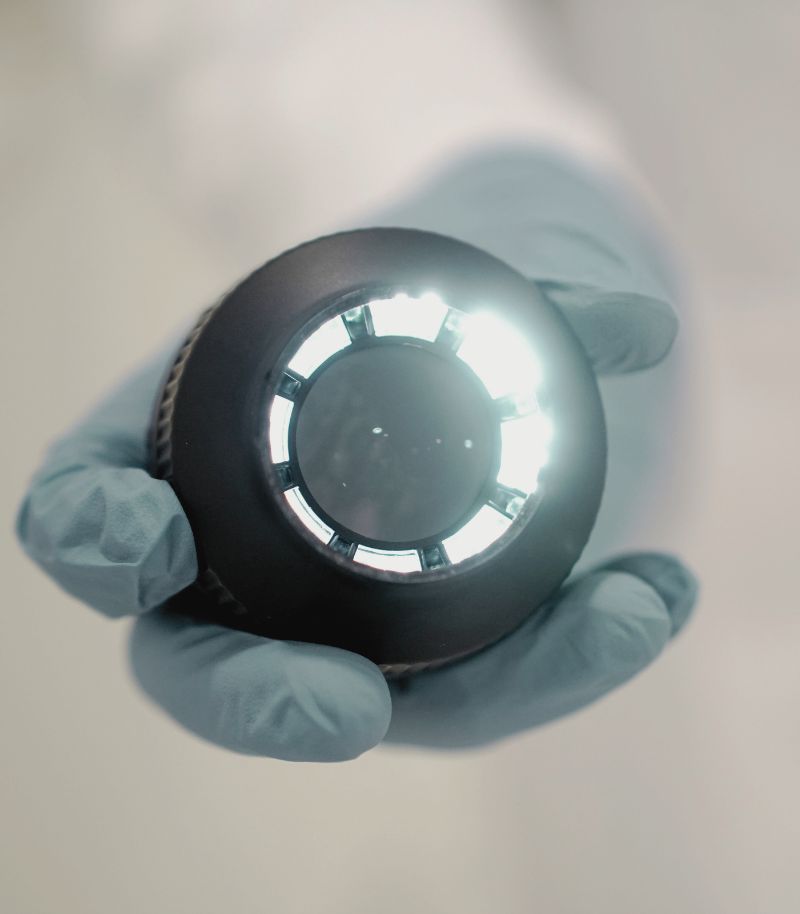
At the Grupo Pedro Jaén Paediatric Dermatology Unit, we tackle molluscum contagiosum through a specialised approach, combining precise diagnosis and treatments adapted to children’s sensitivity. We use advanced technology, such as the digital dermatoscope, to differentiate molluscum contagiosum from other skin conditions and select the best treatment option. In addition, we apply protocols designed to reduce discomfort, ensuring a safe and supportive environment. Our team offers personalised monitoring, adjusting treatment according to the child’s evolution and preventing new outbreaks with specific care strategies.
Accurate diagnosis
The first step in treating molluscum contagiosum is to ensure that the diagnosis is correct, differentiating it from other dermatological conditions such as warts, seborrhoeic keratoses or allergic reactions. A detailed assessment enables us to select the most appropriate treatment in each case and avoid unnecessary procedures.
Specialised assessment using advanced technology
In the Grupo Pedro Jaén Paediatric Dermatology Unit, we use tools such as the digital dermatoscope, which enables us to analyse the skin with great precision and detect specific characteristics of the molluscum contagiosum skin anomalies. This helps us to confirm the diagnosis, without the need for biopsies, and to plan an effective treatment.
Differential diagnosis and personalised plan
Each patient receives a treatment tailored to their age, skin type, and number and location of skin anomalies. In some cases, we assess the presence of associated skin conditions, such as eczema, which may contribute to the persistence of the spots associated with molluscum contagiosum. This holistic approach enables us to personalise each treatment, optimise resolution times and minimise risks.

Treatment adapted according to severity
At Grupo Pedro Jaén, we select treatments to eliminate the spots associated with molluscum contagiosum when it is considered necessary to treat the condition instead of monitoring its evolution. The choice of treatment depends on the age of the patient, the presence of associated dermatitis and the location and number of molluscum spots.
Non-invasive methods for mild cases
In the simplest cases, we use topical immunomodulatory treatments that reinforce the body’s natural response to eliminate the molluscum spots. We also use keratolytic agents that facilitate the controlled desquamation of the spots without generating irritation, enabling a progressive resolution without the need for more aggressive interventions.
Advanced approach for extensive or persistent skin anomalies
When spots are numerous, resistant or affect delicate areas, we turn to specialised techniques such as curettage, cryotherapy or laser, which effectively eliminate the molluscum spots. These treatments are applied with topical anaesthesia when necessary, ensuring the child’s comfort and reducing the risk of spreading the virus.
Specialised care for children
The management of molluscum contagiosum in children requires sensitivity and experience, so our dermatological team has developed specific protocols to make the consultation and treatment as comfortable as possible.
Empathetic and professional approach
From the first visit, we create a safe and welcoming environment so that the child feels comfortable and included in the process. We explain each step of the procedure in an understandable way and use strategies to reduce anxiety, avoiding negative experiences associated with dermatological treatment.
Techniques adapted to children’s skin
Our treatments respect the delicacy of children’s skin, using minimally invasive and well-tolerated methods. In cases where intervention is required, we apply protocols that minimise pain and stress, ensuring a rapid and uncomplicated recovery. The child’s safety and wellbeing is our priority at all times.
What it is, types and treatment
A guide to understanding molluscum contagiosum
Molluscum contagiosum is the second most common reason for dermatology consultations in paediatric patients. Its prevalence is highest in children under five years of age and gradually decreases in those over the age of 12. It is a benign condition that nevertheless requires medical monitoring.
It is an infection caused by the Molluscum contagiosum virus, of which four subtypes are known. Type 1 accounts for between 75% and 90% of cases and is the most common subtype in children. Molluscum lesions appear as small bumps that are very similar in colour to the surrounding skin or slightly reddish, with a diameter of between 2 and 5 millimetres. Although they can affect any area of the skin, they most commonly appear on exposed areas of the body and are rarely found on the palms of the hands, soles of the feet or mucous membranes.
The number of lesions usually ranges from one to twenty, although there may be many more. Larger lesions often present a characteristic central depression known as umbilication. In some cases, eczema may appear around the lesions as a result of an inflammatory skin reaction when the body attempts to defend itself against the viral infection. defend itself against the viral infection.

How molluscum contagiosum is transmitted, symptoms and natural course
Molluscum contagiosum is transmitted through direct skin-to-skin contact or by sharing objects used by an infected person. The most common sources of infection include bath towels, swimming pools and environments where large numbers of children gather, such as play centres and nurseries. Children are particularly vulnerable due to typical childhood behaviours and close physical interaction with other children.
Self-inoculation is also common for the same reasons, as lesions can spread easily through scratching, which contributes to dissemination of the virus.
The incubation period ranges from two weeks to two months. After this time, small papules measuring around one millimetre—or even smaller—begin to appear. They are usually flesh-coloured or slightly pink. In some cases, a small central indentation can be observed. In exceptional cases, lesions may grow to several centimetres in size. Eczematous reactions around the lesions are common and represent the immune response to the infection. In some cases, this defensive reaction leads to spontaneous resolution.
Although the clinical presentation may appear striking, molluscum contagiosum is not a serious condition and often resolves spontaneously without specific treatment over a variable period of time, ranging from six months to four years. For this reason, an approach of active monitoring is often recommended before initiating treatment, depending on the child’s evolution.
When to consult a dermatologist for molluscum contagiosum
Despite being a benign condition that may resolve on its own, it is advisable to consult a paediatric dermatologist to confirm the diagnosis and rule out other skin conditions.
The specialist can also assess whether the location of the lesions, their size or the child’s age make active treatment more appropriate than watchful waiting. In some cases, molluscum contagiosum may progress uncontrollably, presenting with numerous lesions and causing intense itching and discomfort. This can worsen the infection and increase the risk of additional skin problems such as erosions and wounds due to scratching.
Children with atopic dermatitis should consult a dermatologist as soon as molluscum contagiosum is suspected, as viral itching adds to that caused by atopy. Persistent scratching favours the spread of infection, worsens eczema, causes skin injuries and increases the risk of scarring, with potential aesthetic consequences.
“We choose methods aimed at destroying the lesions when specialists consider that treatment is necessary rather than simple monitoring”
Treatments for molluscum contagiosum
There is currently no specific antiviral therapy for molluscum contagiosum. At the Grupo Pedro Jaén Paediatric Dermatology Unit, we use methods designed to destroy the lesions when treatment is considered necessary instead of observation. The choice of treatment depends on the patient’s age, the presence of associated dermatitis, and the number and location of lesions.
Curettage or scraping
This is a minor surgical procedure that involves scraping the molluscum lesion with a curette (a medical instrument with a sharp edge). In young children and in cases with multiple lesions, we recommend applying topical anaesthetic cream beforehand to minimise discomfort, as fear or pain may make it difficult to complete the procedure.
Topical treatments
Topical medications may be prescribed for home use when there are numerous lesions. These treatments are applied directly to the lesions to reduce inflammation, combat the virus or stimulate the patient’s immune response.
Although easy to use, they require consistency and daily application over several months to be effective, which can make adherence challenging, particularly in paediatric patients.
Cryotherapy
Cryotherapy involves freezing the lesions with liquid nitrogen. In molluscum contagiosum, its use is limited because it can be painful for children and may alter skin pigmentation, leading to hyperpigmentation or hypopigmentation. For this reason, it is not recommended for extensive involvement. A more localised option using forceps may be better tolerated and provide improved cosmetic outcomes.
Laser treatment for molluscum contagiosum
Laser therapy removes the lesion through a dual mechanism: it destroys the papule and stimulates the immune system. It is highly effective and offers excellent cosmetic results. Laser treatment is particularly suitable for extensive areas, sensitive locations or cases that have not responded to other therapies. However, it may be uncomfortable for younger children and is usually reserved for older paediatric patients. When laser treatment is required, the Paediatric Dermatology Unit works closely with the Grupo Pedro Jaén Laser Unit.
Although molluscum contagiosum is more common in children, it is not exclusively a paediatric condition. It can also affect adults, typically in isolated cases or in patients with immunological disorders. In adults, molluscum contagiosum is also considered a sexually transmitted infection.

More information
Below you will find the authorship and references for the information provided on this page:
Authorship and references
The content of this page has been prepared by the Communication Department and the Medical Team of Grupo Pedro Jaén, in line with our editorial commitment to ensuring the accuracy and up-to-date nature of the information provided.
References on molluscum contagiosum:
1. Leung AKC, Barankin B, Hon KLE. Molluscum Contagiosum: An Update. Recent Pat Inflamm Allergy Drug Discov. 2017;11(1):22-31. doi: 10.2174/1872213X11666170518114456. PMID: 28521677.
2. Badavanis G, Pasmatzi E, Monastirli A, Georgiou S, Tsambaos D. Topical Imiquimod is an Effective and Safe Drug for Molluscum Contagiosum in Children. Acta Dermatovenerol Croat. 2017 Jul;25(2):164-166. PMID: 28871935.
3. Meza-Romero R, Navarrete-Dechent C, Downey C. Molluscum contagiosum: an update and review of new perspectives in etiology, diagnosis, and treatment. Clin Cosmet Investig Dermatol. 2019 May 30;12:373-381. doi: 10.2147/CCID.S187224. PMID: 31239742; PMCID: PMC6553952.
4. van der Wouden JC, van der Sande R, Kruithof EJ, Sollie A, van Suijlekom-Smit LW, Koning S. Interventions for cutaneous molluscum contagiosum. Cochrane Database Syst Rev. 2017 May 17;5(5):CD004767. doi: 10.1002/14651858.CD004767.pub4. PMID: 28513067; PMCID: PMC6481355.
5. Gerlero P, Hernández-Martín Á. Update on the Treatment of molluscum Contagiosum in children. Actas Dermosifiliogr (Engl Ed). 2018 Jun;109(5):408-415. English, Spanish. doi: 10.1016/j.ad.2018.01.007. Epub 2018 Mar 22. PMID: 29576186.
6. Badri T, Gandhi GR. Molluscum Contagiosum. 2022 May 1. In: StatPearls [Internet]. Treasure Island (FL): StatPearls Publishing; 2022 Jan–. PMID: 28722927.
7. Eichenfield L, Hebert A, Mancini A, Rosen T, Weiss J. Therapeutic Approaches and Special Considerations for Treating Molluscum Contagiosum. J Drugs Dermatol. 2021 Nov 1;20(11):1185-1190. doi: 10.36849/jdd.6383. PMID: 34784125.
8. Forbat E, Al-Niaimi F, Ali FR. Molluscum Contagiosum: Review and Update on Management. Pediatr Dermatol. 2017 Sep;34(5):504-515. doi: 10.1111/pde.13228. PMID: 28884917.
9. Griffith RD, Yazdani Abyaneh MA, Falto-Aizpurua L, Nouri K. Pulsed dye laser therapy for molluscum contagiosum: a systematic review. J Drugs Dermatol. 2014 Nov;13(11):1349-52. PMID: 25607701.
Where we see patients?
Clinics in Madrid
Grupo Pedro Jaén is a medical group founded more than three decades ago with the aim of providing medical, surgical and aesthetic solutions related to skin health and appearance. Led by Dr Pedro Jaén, the group has a highly specialised medical team that covers every area of care with top-level specialists, carries out extensive training activities, is a leader in medical research, and operates several clinics in Madrid, from which it offers the highest standards of care and clinical excellence to all patients.


Calle Serrano 143
This centre is the main headquarters of Grupo Pedro Jaén. It provides diagnostic and treatment services in skin cancer, clinical and aesthetic dermatology, laser treatments and other related specialties.
Mon - Fri 09:00 - 21:00 / Sat: 09:00 - 14:00
Calle Serrano 143, El Viso neighbourhood, Chamartín district, 28006 Madrid, Spain

La Moraleja
Located in Plaza de La Moraleja, this exclusive centre allows Grupo Pedro Jaén to bring its medical and aesthetic services closer to patients across the entire northern area of Madrid.
Mon - Thu: 09:30 - 20:00 / Fri: 09:30 - 18:00
Calle de la Estafeta 8, ground floor, La Moraleja, 28109 Alcobendas, Madrid
Related units and pages
Laser Unit
An international reference in laser and intense pulsed light treatments, both in clinical and aesthetic dermatology.
Clinical dermatology
Highly specialised dermatologists for each skin condition, offering the most advanced treatments available.
Paediatric dermatology
Specialised care for the full range of dermatological conditions that may affect children.
Information and news
Press room
In the Grupo Pedro Jaén Press Room you can find information, advice and news related to dermatology, aesthetic medicine, trichology and general health. The group’s journals are also shared through an online platform, along with updates on the activity and media appearances of our clinics and healthcare professionals.
How to shower properly: tips for looking after your skin
Cold or hot water? Is it better to use a sponge? Find out how to shower properly and what dermatologists recommend to protect your skin.
Retinol in summer: should you stop using it?
We debunk this and other myths about using retinol during the warmer months.

Blog
News about Grupo Pedro Jaén. Information and advice on dermatology, aesthetic medicine, trichology, and general health

Media
Information about media appearances by our clinics and medical specialists.

Journal
Archive of all Grupo Pedro Jaén journals, available through an external online platform.