
Baby Skin Care
Treatment available at our Madrid clinics at Calle Serrano 143 and La Moraleja
Dermatologists specialising in
Baby Skin Care
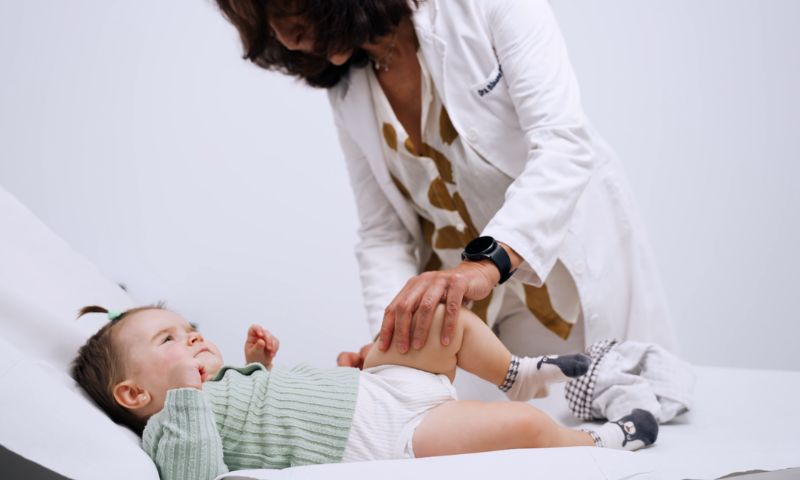
The skin acts as a barrier, playing an important role in keeping the body in balance by preventing water loss. The skin of a newborn baby has different characteristics to the skin of an older child or adult. These differences mean that skin care for newborns, aimed at protecting and maintaining the barrier function of the skin, must be appropriate to its specific characteristics. The skin of newborn babies differs anatomically and physiologically from that of older children, with even greater differences compared to adult skin. It’s essential to understand these differences in order to be able to provide appropriate care for newborn babies.
Recognised reference clinics in Spain
Home > Clinical Dermatology > Paediatric Dermatology > Baby Skin Care
What sets us apart
Advice for parents and specialised care
Our paediatric dermatology unit offers a specialised approach to baby skin care, providing personalised advice to parents to prevent and treat skin disorders from the first days of life. Our team of experts not only focus on the treatment of dermatological problems, but also on educating parents about recommended hygiene routines, moisturising and protection against external agents. Through close monitoring, we help to ensure the wellbeing of each baby’s skin, adapting each recommendation to their specific needs.
Expert care for the skin of newborn babies
Hygiene and protection for healthy skin
Prevention and early identification of problems
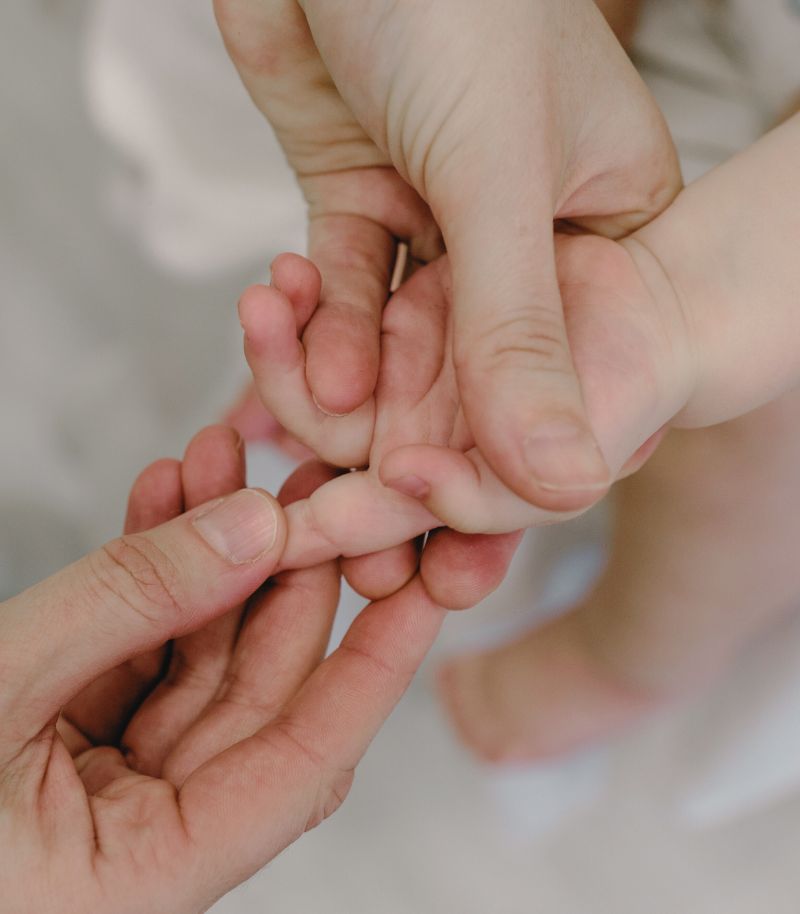
Expert care for the skin of newborn babies
Newborn babies’ skin is thinner and more delicate than adult skin, making it more vulnerable to irritation, dryness and other problems. Our unit helps parents understand their baby’s specific skin care needs by providing clear information and personalised recommendations. Our approach is based on prevention and maintenance of skin health from birth.
Specialist advice for parents
Parents often have questions about how to properly care for their baby’s skin, what products to use and what measures to take to avoid irritation. Our team of paediatric dermatologists offer expert guidance, answering questions and teaching best practices in hygiene, moisturising and protection.
Personalised and tailored approach
Every baby has unique skin, with its own characteristics and needs. Therefore, we adapt our advice according to the baby’s skin type, ensuring that each family receives useful information that is applicable to their specific case, helping to prevent problems and promote healthy skin.
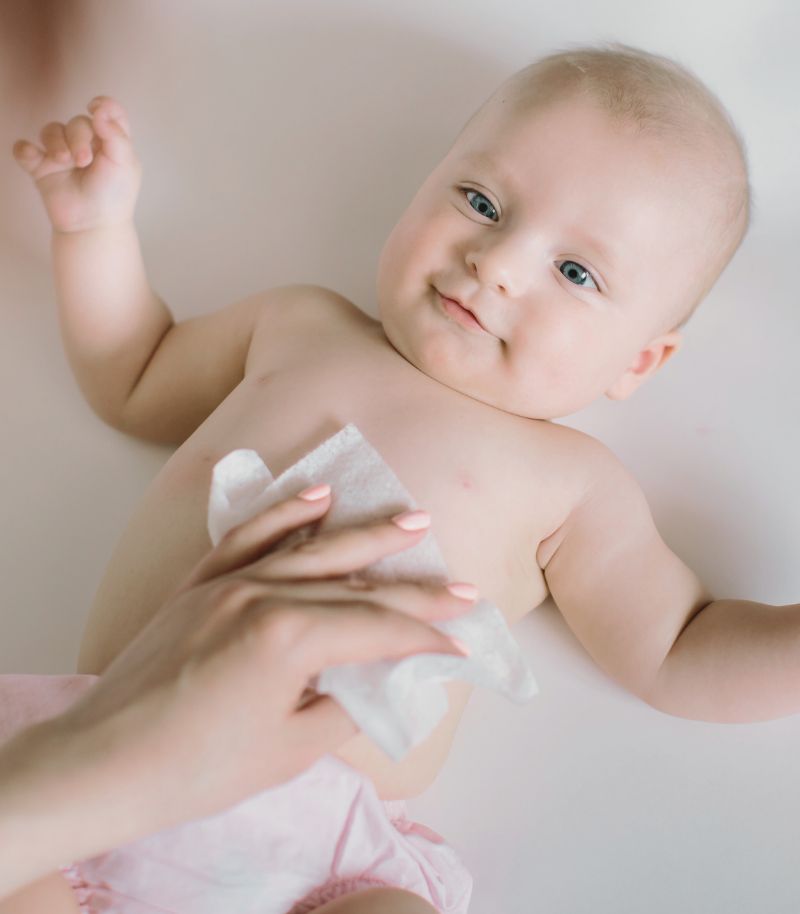
Hygiene and protection for healthy skin
Daily care of a baby’s skin is essential to strengthen its protective barrier and prevent dermatological problems. In our unit, we teach parents how to follow an appropriate hygiene routine, using gentle products and techniques that help maintain the natural balance of the skin.
Baby-friendly hygiene routines
Many parents are unsure what kind of products to use or how often to bathe their baby. We therefore offer guidelines on optimal hygiene, explaining the importance of using gentle cleansers, the right water temperature and the correct way to dry the skin without causing irritation.
Protection against environmental factors
Cold, humidity and sun exposure can affect a baby’s skin if it is not adequately protected. Our unit provides guidance on the use of moisturisers, protective barriers and appropriate clothing according to the season, ensuring that every baby’s skin remains healthy and protected at all times.
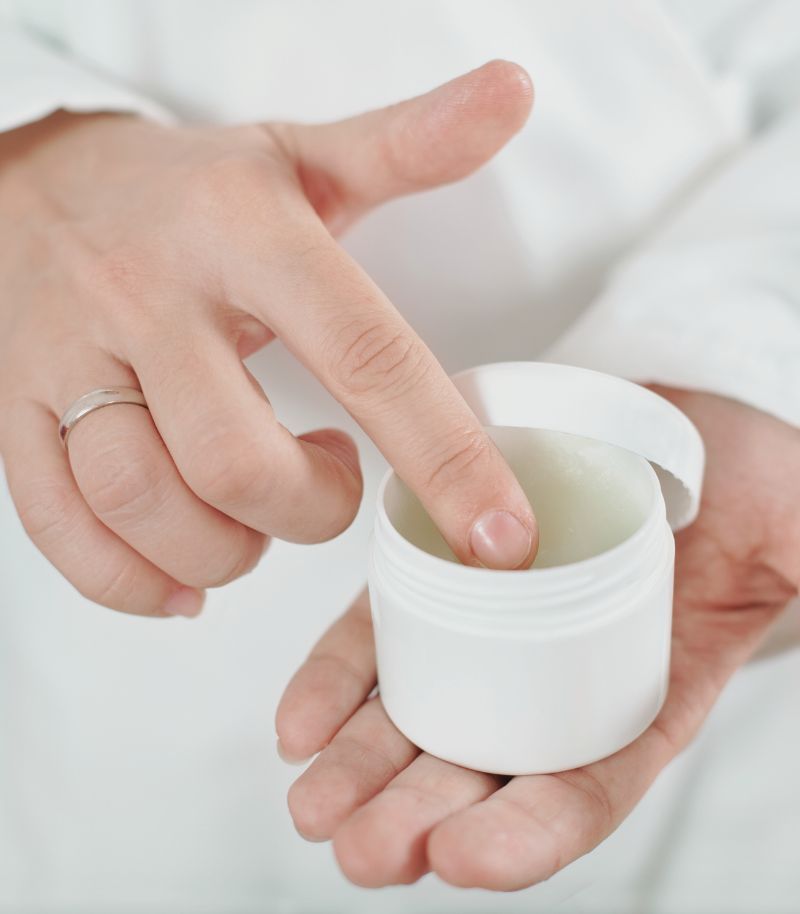
Prevention and early identification of problems
Beyond hygiene and moisturising, it’s essential to establish a care routine that prevents irritation, dryness and other common skin problems in childhood. We guide parents in how to select appropriate products and how to identify warning signs that require dermatological consultation.
Prevention of skin irritations and disorders
Some conditions, such as nappy rash or cradle cap, can be prevented with simple measures, such as the use of barrier creams, frequent nappy changes or the correct application of moisturising oils and lotions. In our unit, we explain how to avoid these problems and how to treat them effectively if they occur.
Identifying warning signs
Although many skin disorders in babies are temporary, some require medical assessment. We teach parents how to differentiate normal skin changes from those that may indicate more serious conditions, providing clear guidelines on when to consult a specialist to ensure their child’s skin health.
General advice
A guide to understanding newborn skin care
The skin of the newborn and that of the infant undergo significant anatomical and physiological changes at each stage of development. Understanding these differences in depth is essential in order to provide the most appropriate care at every stage.
Taking into account the specific characteristics of infant skin, the basic principles of newborn skin care are as follows:
The golden rule for caring for baby skin
With some nuances, there is one rule that always applies when in doubt: treat a newborn’s skin as if it were sensitive or reactive, even if it has not been diagnosed as such. In dermatology, we refer to sensitive or reactive skin when the skin is prone to irritation, itching, dryness, flaking, redness or burning sensations in response to everyday stimuli such as cold, heat, wind, heating systems, or contact with common agents like fabrics, cosmetics, plants or chemical products. Patients with this type of skin can prevent symptoms by adopting certain precautions and using specific products—precisely the same products that are suitable for babies with normal skin.
Hydration: essential for newborns
Many of the most common dermatological conditions in babies (diaper dermatitis, fissures, irritations, cradle cap, etc.) can be prevented or improved with adequate hydration. Newborn skin is more prone to dryness and to reacting when in contact with certain textile fibres or the diaper itself. Moisturising products for babies should be highly emollient but not excessively greasy, as overly occlusive products may promote skin infections or miliaria (inflammation of the sweat glands with small blister-like eruptions due to sweat retention). Vegetable oils added to bath water moisturise without clogging pores. When applied after bathing, they also facilitate a relaxing massage for the baby.

Avoid additives
Preservatives, fragrances and other ingredients commonly found in adult skincare products may irritate newborn skin. For example, propylene glycol is present in many moisturising creams and lotions and, at concentrations above 5%, can irritate a baby’s delicate skin. For the same reasons, ingredients such as methylisothiazolinone, sodium lauryl sulphate (SLS), sodium laureth sulphate (SLES) and ammonium laureth sulphate—foaming agents commonly used in gels, shampoos and toothpaste—are not recommended.
Protect your baby from the sun
Babies under six months of age should never be exposed to the sun. In fact, before this age, it is not advisable for them to visit beaches or swimming pools, even when under a parasol, as water and sand reflect solar radiation.
After six months of age, sun exposure should be very limited, always avoiding the central hours of the day and prioritising physical photoprotection (clothing, hats, sunglasses), complemented by sunscreens with a very high SPF, at least SPF 30.
Should babies be bathed every day?
This is one of the most frequent questions in our Paediatric Dermatology Unit. The answer is yes: newborns should be bathed daily, unless the baby is premature or there is a specific paediatric indication advising otherwise.
The ideal bath for a newborn
The water temperature should be around 37.5°C. Although this may feel slightly cool to adults, it is the most comfortable temperature for the baby and the most respectful of their delicate skin, helping to prevent irritation and dryness.
Bath time should not exceed five to six minutes. This is sufficient to cleanse the areas that require more thorough washing: the face, neck, skin folds in the buttock and thigh areas, the wrists, and the diaper area.
The use of sponges or harsh soaps is not recommended. A small amount of baby liquid cleanser diluted in the bath water is sufficient and should be applied gently by hand, taking the opportunity to soothe and massage the baby.
After bathing, the baby should be dried with a warm, soft cotton towel, patting gently without rubbing. Particular care should be taken to dry skin folds thoroughly, as moisture promotes maceration, small fissures and fungal infections.
“The golden rule for caring for baby skin is to treat it as sensitive or reactive, even if it has not been diagnosed as such”
Diaper area care
The key to good hygiene in the diaper area is removing waste and keeping the skin dry, ensuring that urine and stool remain in contact with the skin for as little time as possible.
There is no solid scientific evidence indicating that care routines should vary across paediatric ages (newborn, infant, toddler).
Generally, the most appropriate approach is to clean the diaper area with lukewarm water and a syndet cleanser (mild formulations specifically designed for delicate skin, also known as “soap-free cleansers”).
Cleaning should always be performed from front to back, using very soft materials to avoid excessive friction.
It is advisable to use nappies with adequate absorbency and breathability. They should be changed frequently throughout the day and as soon as possible after each bowel movement.
The correct diaper size should be used, avoiding overly tight fitting.
To reduce the risk of irritation, the use of an emollient after diaper changes may be beneficial. This product should preferably be formulated as a paste or ointment (rather than a cream or oil) and must not contain fragrances, preservatives or antiseptics.
Cradle cap
This colloquial term for infantile seborrhoeic dermatitis refers to the appearance of reddish patches covered with yellowish, dandruff-like scales, typically localised on the scalp. In more pronounced cases, lesions may also affect the eyebrows, ears, eyelashes, diaper folds or axillae; however, this is less common. In any case, this condition is not related to poor hygiene, nor is it contagious or allergic in nature.
There is no clearly established cause for cradle cap, and its intensity varies from one baby to another. Experts agree that sebum produced by the sebaceous glands — even in relatively small amounts — may act as an irritant on the baby’s delicate skin, contributing to the development of these characteristic scales.
Cradle cap usually resolves spontaneously with normal hygiene measures and gentle washing of the scalp using a mild baby shampoo that helps loosen the scales. In more severe cases, mineral or vegetable oils (such as almond or borage oil) may be used to soften the scales and facilitate removal. If the condition does not improve or causes discomfort, a dermatologist should be consulted to prescribe appropriate treatments. Home remedies or non-specialist advice may worsen the condition and compromise the baby’s health. Forced removal of scales should be avoided.
Physiological peeling in the first days of life
This is known as physiological desquamation and is completely harmless. It represents renewal of the outermost epidermal layer as the baby adapts to life outside the womb. It is not related to dryness or dehydration and resolves spontaneously around the second week of life. There is no need to use heavier or greasier creams or to apply them more frequently.

Neonatal acne and infantile acne
Neonatal acne typically develops within the first two weeks of life and is more common in boys than in girls. If acne appears after three months of age, it is referred to as infantile acne. It resembles adolescent acne, although it is generally less inflammatory. It is characterised by the appearance of small red papules, some with a white head (pustules), usually located on the forehead, nose, chin and cheeks. In the past, neonatal acne was associated with breastfeeding, leading some mothers to discontinue nursing out of concern that they were harming their baby. While this assumption is not entirely accurate, the condition is thought to be related to stimulation of the sebaceous glands by maternal hormones transferred during pregnancy, which may continue to exert an effect after birth.
Although maternal hormones stimulate sebaceous glands during pregnancy and after birth—and may also be present in breast milk—this condition is generally transient. If acne persists beyond three months, sebaceous gland stimulation may be accompanied by the presence of Malassezia, a microorganism also involved in other conditions such as pityriasis versicolor and seborrhoeic dermatitis. However, this association is not fully established, as Malassezia is part of normal skin flora. In most cases, it resolves spontaneously and does not require treatment.
Miliaria (heat rash)
Miliaria can be confused with infantile acne, but while acne appears only on the face, miliaria can affect the entire body, especially the forehead, chin, skin folds and back.
Scientific evidence has shown that miliaria (heat rash) is caused by obstruction of the sweat glands due to excessive heat or humidity. When a baby is overwrapped, the sweat glands produce perspiration; however, because these glands are still immature, bacterial proliferation may occur, leading to inflammation and blockage of the sweat ducts. As a result, sweat becomes trapped beneath the skin, producing the characteristic small papules of miliaria. This condition is more common during the summer months and usually resolves spontaneously within a few days.
Treatment is aimed at relieving discomfort and itching. It mainly consists of bathing the baby regularly to keep the skin clean, carefully drying the affected areas, and avoiding the use of very thick creams that may occlude the pores or products that excessively dry the skin. Once again, it is important to emphasise that talcum powder should not be used.
Although these small lesions are not serious, they can be uncomfortable for the baby, who may scratch and cause minor wounds with a risk of secondary infection. Some key recommendations to help prevent miliaria (heat rash) include:
- Maintain an appropriate room temperature The ideal temperature for the baby’s bedroom is around 19°C.
- Avoid overwrapping. Because babies do not regulate their body temperature efficiently, there is a common tendency to overdress them. While it is true that their thermoregulation is immature, there is no need to bundle them excessively. The general rule is to dress the baby in layers and add one more layer than the adult is wearing — preferably one that can be easily removed to adapt to temperature changes
- Choose natural fibres. Cotton and linen are recommended for baby clothing. These fabrics are breathable, soft and safe for newborn skin. Polyester and synthetic fibres should be avoided.
- Change nappies frequently. This helps prevent chafing, irritation, maceration and redness in the diaper area. Gentle hygiene. Clean the area with lukewarm water, paying particular attention to skin folds. Dry thoroughly afterwards, without rubbing.
- Avoiding excessive use of humidifiers, as high humidity combined with heat can trigger miliaria.

Wounds: covered or exposed?
Normal child development involves play and physical activity, which often result in blisters, abrasions and minor wounds that can usually be managed at home.
- Clean: Water and soap are sufficient.
- Disinfect: Use chlorhexidine or iodine (never together). Povidone-iodine should not be used in children under two years of age. Alcohol and hydrogen peroxide are too harsh and should be avoided.
- Do not blow on wounds: The mouth contains bacteria that can contaminate the wound.
- Cover: Use a breathable surgical dressing to promote healing and prevent contamination. Conventional plastic adhesive bandages are not recommended.
- Monitor: After 24 hours, uncover to check for inflammation, pain or pus. Change dressings daily, cleaning and disinfecting with each change.
- Avoid picking scabs: This delays healing and increases infection risk. If scabs are large or tight, softening creams or ointments may be used.
More information
Below you will find the authorship and references for the information provided on this page:
Authorship and references
The content of this page has been prepared by the Communication Department and the Medical Team of Grupo Pedro Jaén, in line with our editorial commitment to ensuring the accuracy and up-to-date nature of the information provided.
References on baby skin care:
1. Johnson E, Hunt R. Infant skin care: updates and recommendations. Curr Opin Pediatr. 2019 Aug;31(4):476-481. doi: 10.1097/MOP.0000000000000791. PMID: 31188166.
2. Kusari A, Han AM, Virgen CA, Matiz C, Rasmussen M, Friedlander SF, Eichenfield DZ. Evidence-based skin care in preterm infants. Pediatr Dermatol. 2019 Jan;36(1):16-23. doi: 10.1111/pde.13725. Epub 2018 Dec 12. PMID: 30548578.
3. Cooke A, Bedwell C, Campbell M, McGowan L, Ersser SJ, Lavender T. Skin care for healthy babies at term: A systematic review of the evidence. Midwifery. 2018 Jan;56:29-43. doi: 10.1016/j.midw.2017.10.001. Epub 2017 Oct 6. PMID: 29055852.
4. Visscher MO, Adam R, Brink S, Odio M. Newborn infant skin: physiology, development, and care. Clin Dermatol. 2015 May-Jun;33(3):271-80. doi: 10.1016/j.clindermatol.2014.12.003. Epub 2014 Dec 8. PMID: 25889127.
5. Burdall O, Willgress L, Goad N. Neonatal skin care: Developments in care to maintain neonatal barrier function and prevention of diaper dermatitis. Pediatr Dermatol. 2019 Jan;36(1):31-35. doi: 10.1111/pde.13714. Epub 2018 Dec 2. PMID: 30506880.
6. Kelleher MM, Cro S, Cornelius V, Lodrup Carlsen KC, Skjerven HO, Rehbinder EM, Lowe AJ, Dissanayake E, Shimojo N, Yonezawa K, Ohya Y, Yamamoto-Hanada K, Morita K, Axon E, Surber C, Cork M, Cooke A, Tran L, Van Vogt E, Schmitt J, Weidinger S, McClanahan D, Simpson E, Duley L, Askie LM, Chalmers JR, Williams HC, Boyle RJ. Skin care interventions in infants for preventing eczema and food allergy. Cochrane Database Syst Rev. 2021 Feb 5;2(2):CD013534. doi: 10.1002/14651858.CD013534.pub2. PMID: 33545739; PMCID: PMC8094581.
7. Albahrani Y, Hunt R. Newborn Skin Care. Pediatr Ann. 2019 Jan 1;48(1):e11-e15. doi: 10.3928/19382359-20181211-01. PMID: 30653637.
8. Blume-Peytavi U, Lavender T, Jenerowicz D, Ryumina I, Stalder JF, Torrelo A, Cork MJ. Recommendations from a European Roundtable Meeting on Best Practice Healthy Infant Skin Care. Pediatr Dermatol. 2016 May;33(3):311-21. doi: 10.1111/pde.12819. Epub 2016 Feb 26. PMID: 26919683; PMCID: PMC5069619.
Where we see patients?
Clinics in Madrid
Grupo Pedro Jaén is a medical group founded more than three decades ago with the aim of providing medical, surgical and aesthetic solutions related to skin health and appearance. Led by Dr Pedro Jaén, the group has a highly specialised medical team that covers every area of care with top-level specialists, carries out extensive training activities, is a leader in medical research, and operates several clinics in Madrid, from which it offers the highest standards of care and clinical excellence to all patients.


Calle Serrano 143
This centre is the main headquarters of Grupo Pedro Jaén. It provides diagnostic and treatment services in skin cancer, clinical and aesthetic dermatology, laser treatments and other related specialties.
Mon - Fri 09:00 - 21:00 / Sat: 09:00 - 14:00
Calle Serrano 143, El Viso neighbourhood, Chamartín district, 28006 Madrid, Spain

La Moraleja
Located in Plaza de La Moraleja, this exclusive centre allows Grupo Pedro Jaén to bring its medical and aesthetic services closer to patients across the entire northern area of Madrid.
Mon - Thu: 09:30 - 20:00 / Fri: 09:30 - 18:00
Calle de la Estafeta 8, ground floor, La Moraleja, 28109 Alcobendas, Madrid
Related units and pages
Paediatric dermatology
Specialised care for the full range of dermatological conditions that may affect children.
Clinical dermatology
Highly specialised dermatologists for each skin condition, offering the most advanced treatments available.
Acne Unit
Experts in treatments that enable long-term control of this condition.
Information and news
Press room
In the Grupo Pedro Jaén Press Room you can find information, advice and news related to dermatology, aesthetic medicine, trichology and general health. The group’s journals are also shared through an online platform, along with updates on the activity and media appearances of our clinics and healthcare professionals.
How to shower properly: tips for looking after your skin
Cold or hot water? Is it better to use a sponge? Find out how to shower properly and what dermatologists recommend to protect your skin.
Retinol in summer: should you stop using it?
We debunk this and other myths about using retinol during the warmer months.

Blog
News about Grupo Pedro Jaén. Information and advice on dermatology, aesthetic medicine, trichology, and general health

Media
Information about media appearances by our clinics and medical specialists.

Journal
Archive of all Grupo Pedro Jaén journals, available through an external online platform.