
Male Aesthetics Unit
At our centres in Madrid: Serrano 143, Serrano 166 and La Moraleja
Specialists in
Cosmetic surgery and aesthetic medicine for men
In recent years, there has been an exponential increase in demand for, and interest in, aesthetic treatments for men. The Grupo Pedro Jaén Male Aesthetics Unit was created to offer specific care for men, following the same guiding principles as the rest of the group’s units: personalised attention, therapeutic combinations tailored to each patient to achieve the best possible result and, above all, a focus on skin health by treating any underlying clinical concerns.

Recognised reference clinics in Spain
Home > Aesthetic medicine > Male aesthetic medicine
What sets us apart
Treatments tailored to each man’s individual characteristics
We offer treatments specifically designed to respect the shape and structure of men’s faces and bodies. From tailored techniques for wrinkle correction to enhancing masculine facial features, such as defining the jawline and cheekbones, each procedure is personalised to achieve natural results. In addition, common concerns are addressed, such as non-surgical procedures to reduce submental fullness (double chin), skin laxity, alopecia and rejuvenation of the eye area. The unit also has a complementary aesthetic area which provides professional skincare treatments to optimise and prolong the effects of the medical treatments.
Treatment of wrinkles
Facial masculinisation
Non-surgical rhinoplasty
Treatments to address skin laxity
Double chin reduction without surgery
Advanced alopecia treatments
Laser hair removal for men
Rejuvenation of the eyes
Treatment of wrinkles
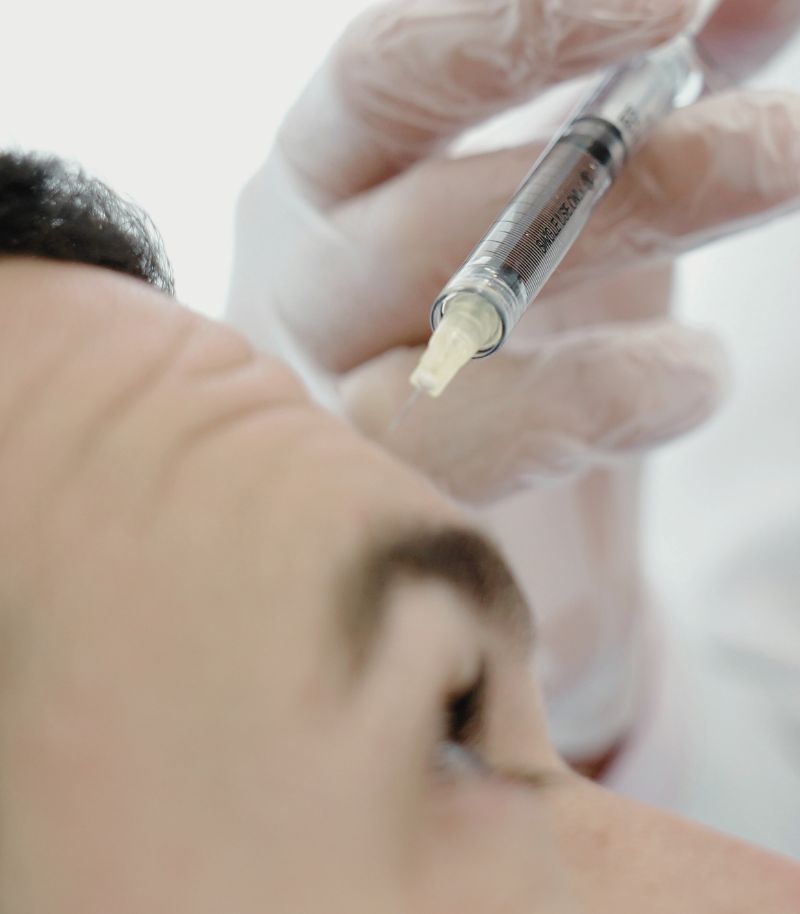
Men’s wrinkles require a distinct approach from women’s, due to men’s thicker skin structure, higher sebum production and different ageing pattern. Our treatments are designed to smooth fine lines without altering the masculinity of the face.
Technique designed for the male anatomy
When treating men, the injection of neuromodulators for aesthetic purposes is adapted to their facial structure, avoiding raising the eyebrows too much or modifying the natural expression. The dosage and application points are adjusted to maintain a relaxed and rejuvenated look without losing the expression in the eyes.
Complement with fillers for deep wrinkles
Because wrinkles in men tend to be deeper, neuromodulators can be combined with resorbable dermal fillers to restore volume in strategic areas. This combination makes it possible to correct significant folds such as the nasolabial folds, achieving a natural result, without exaggeration or overcorrection. The aim of our specialists in male aesthetic medicine is to offer a progressive rejuvenation that maintains the harmony of the face without altering its identity.
Enhancing masculine facial features
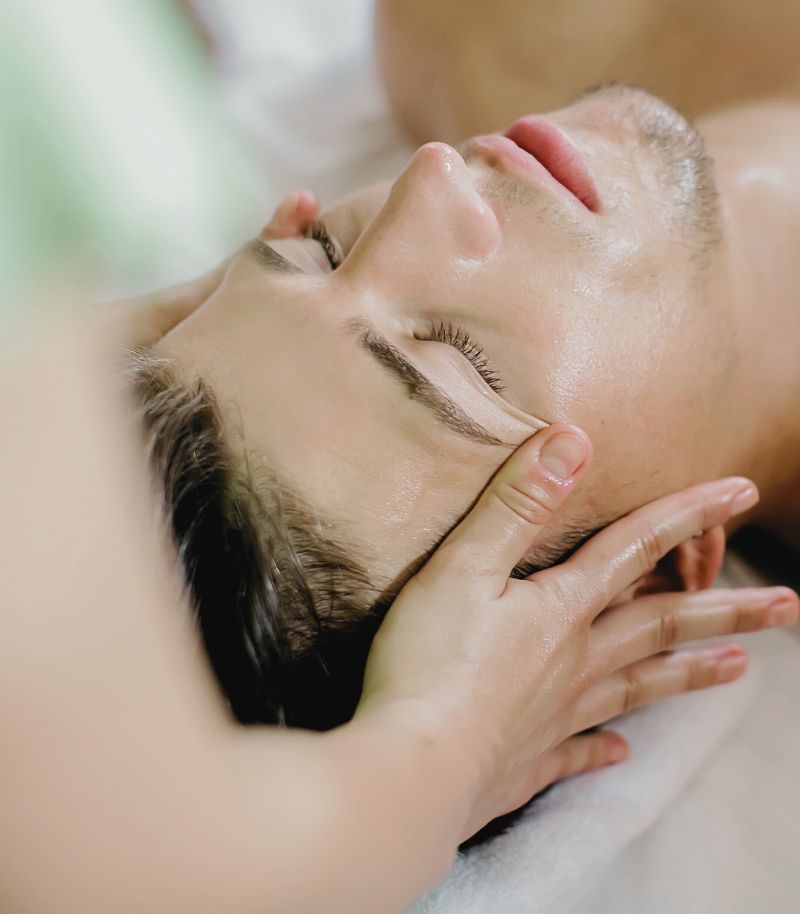
Facial masculinisation is a treatment designed to highlight strong, well-defined features, achieving an aesthetic balance in accordance with the male bone structure. This procedure does not seek major transformations but rather to enhance the harmony of the face with advanced and personalised techniques.
Definition to highlight masculine traits
· We use resorbable fillers and collagen stimulators to sculpt the jawline, project the chin and add prominence to the cheekbones. These interventions are performed strategically, ensuring that the volumes appear natural and are adapted to the male anatomy.
Reduction of double chin and skin laxity
In addition to structural definition, we treat skin laxity and fat accumulation under the chin (submental fat) with non-invasive techniques. Procedures such as focused ultrasound and lipolytic substances help to redefine facial contours, improving firmness and symmetry without the need for surgery. This enables a more sculpted and rejuvenated face to be achieved while maintaining the masculine essence.
Non-surgical rhinoplasty
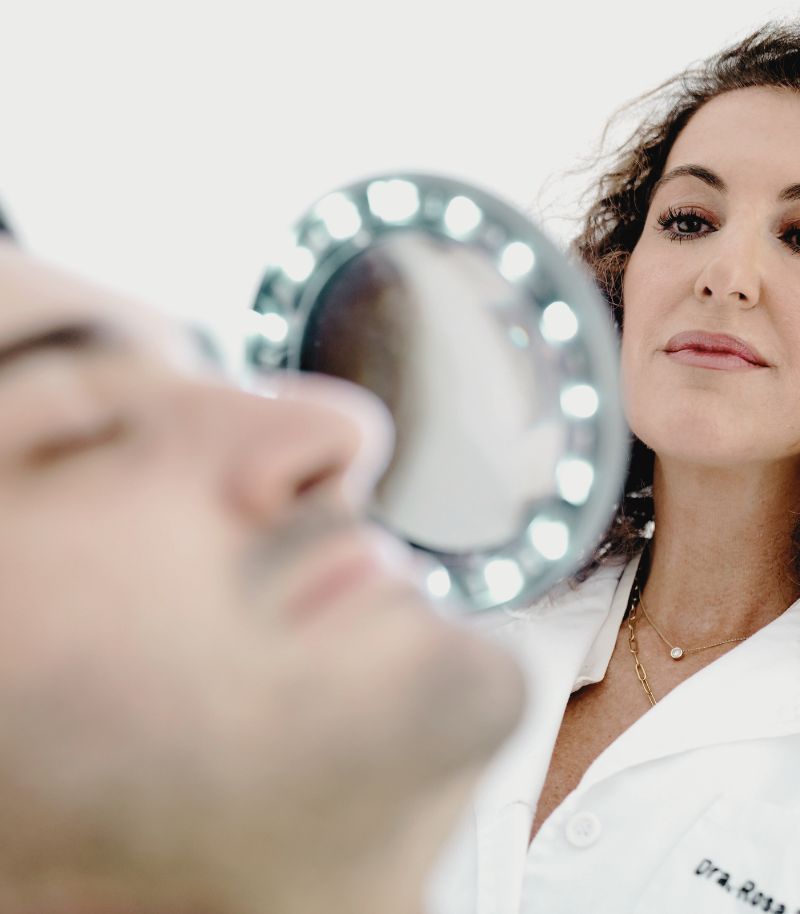
Non-surgical rhinoplasty enables the shape of the nose to be improved in just a few minutes. Using resorbable fillers, we correct imperfections without altering the bone structure. No specific recovery time is required.
Accurate and personalised correction
This treatment is ideal for smoothing pronounced ridges, raising the nasal tip or improving symmetry without the need for surgery. The results are immediate and allow a more harmonious profile to be achieved without affecting the functionality of the nose. The procedure is quick, safe and minimally invasive.
Specific technique to preserve male aesthetics
Our specialists apply techniques adapted to the male physiognomy, avoiding excessively thinning the nose or giving it an excessively upturned appearance. The aim is to respect the proportions of the face, improving the shape of the nose in a discreet and natural way. Non-surgical rhinoplasty is ideal for those seeking an effective solution without the risks and recovery time of surgery.
Treatments to address skin laxity
Loss of firmness in the skin is a natural process that takes place as part of ageing, but in men it must be addressed with specific techniques that respect their facial structure. The treatments aim to tighten the skin and restore volume without altering the male expression.
Combination of advanced techniques
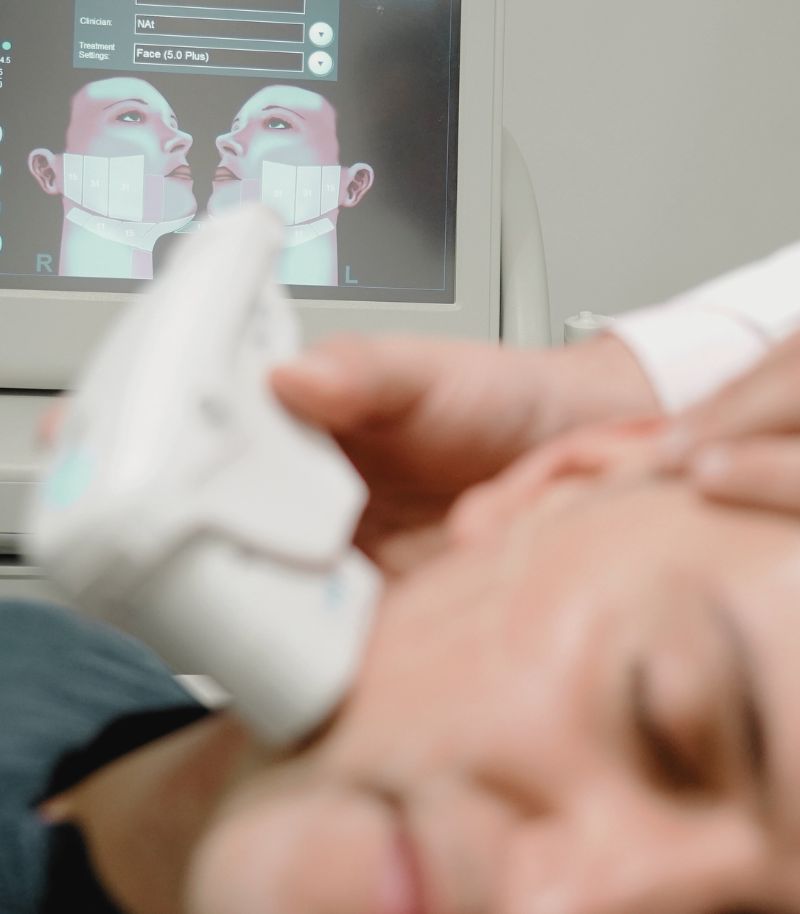
To treat skin laxity without surgery, we use a combination of resorbable fillers, collagen stimulators, focused ultrasound and radiofrequency. These treatments stimulate collagen production, enhance firmness and reduce volume loss in key areas such as the jaw and neck.
Natural results retaining masculine features
The aim is to achieve a rejuvenated face without modifying the man’s characteristic features. A lifting effect is achieved without surgery, progressively restoring tension to the skin. Thanks to the personalisation of each treatment, the results are discreet and natural, allowing the face to recover its firmness without losing its identity. Gradual application by our male aesthetic specialists enables adjustments to be made to achieve an optimal aesthetic balance.
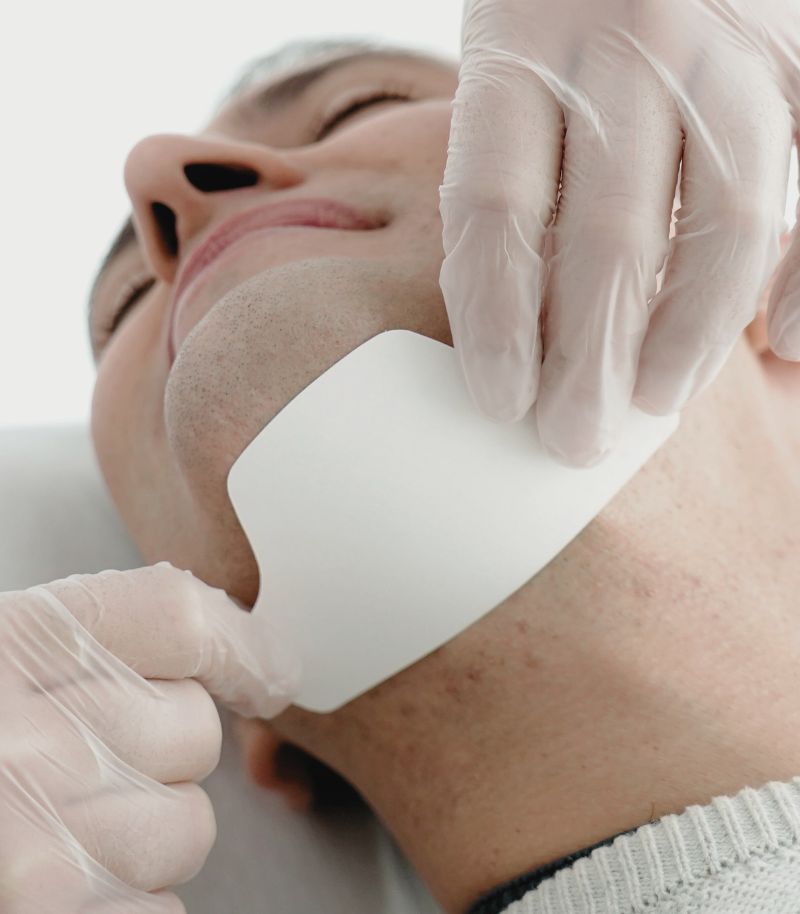
Double chin reduction without surgery
Fat accumulation under the chin is a major aesthetic concern for men, as it can blur the contours of the face and give an aged appearance. Non-invasive treatments are now available to remove double chins without the need for surgery.
Cryolipolysis for fat reduction under the chin
This procedure uses controlled cold to selectively destroy accumulated fat cells under the chin. By treating localised fat definitively, it enables the neck contour to be redefined without resorting to surgery. Results start to become visible within a few weeks and continue to improve over time.
Accent Prime ultrasound + radiofrequency
This equipment combines radiofrequency and ultrasound to treat sagging skin, improve skin texture and reduce localised fat, such as fat under the chin. It is ideal for non-invasive neck and décolletage rejuvenation, stimulating collagen and redefining facial contours without surgery or recovery time.
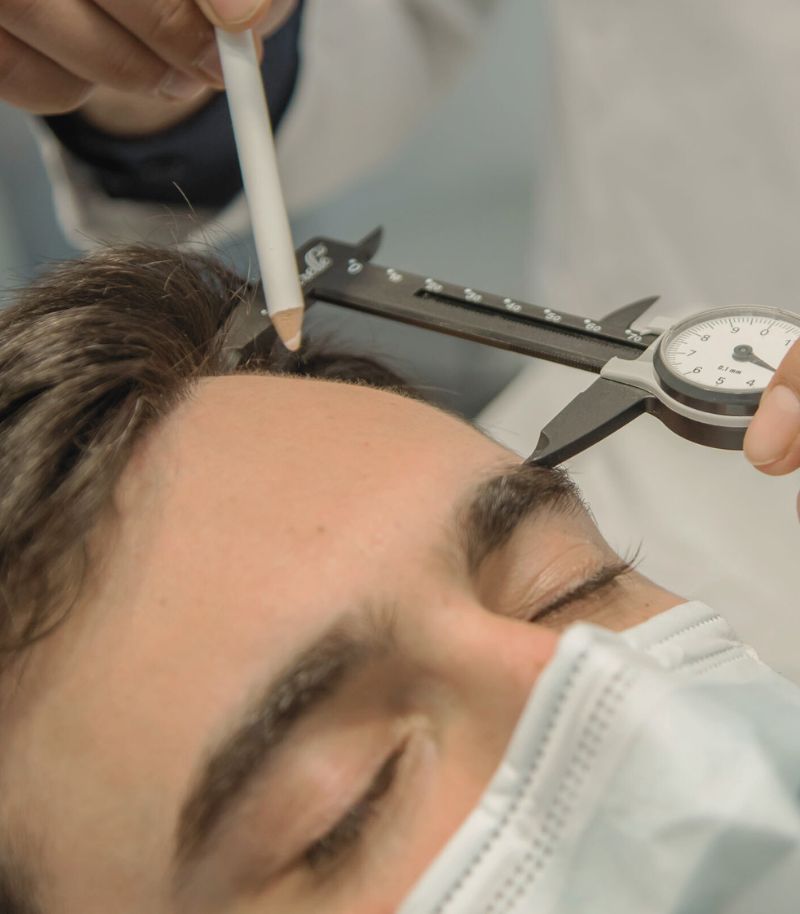
Advanced alopecia treatments
Alopecia is one of the main aesthetic concerns in men, impacting self-esteem and personal image. At Grupo Pedro Jaén, we offer effective solutions to stop hair loss and naturally recover hair density.
Diagnosis and personalised solutions
Each case is studied individually, identifying the causes of the alopecia and determining the best therapeutic approach. Options include medical treatments with specific drugs, hair mesotherapy and biostimulation with platelet-rich plasma (PRP).
Transplants for an optimal result
For more advanced cases, hair transplants using the FUE technique enable hair to be precisely redistributed, achieving natural growth without visible scars. This procedure is performed under local anaesthesia and offers a definitive solution. Thanks to the personalisation of the treatment, we guarantee results that integrate perfectly with the existing hair, restoring hair density and balance.
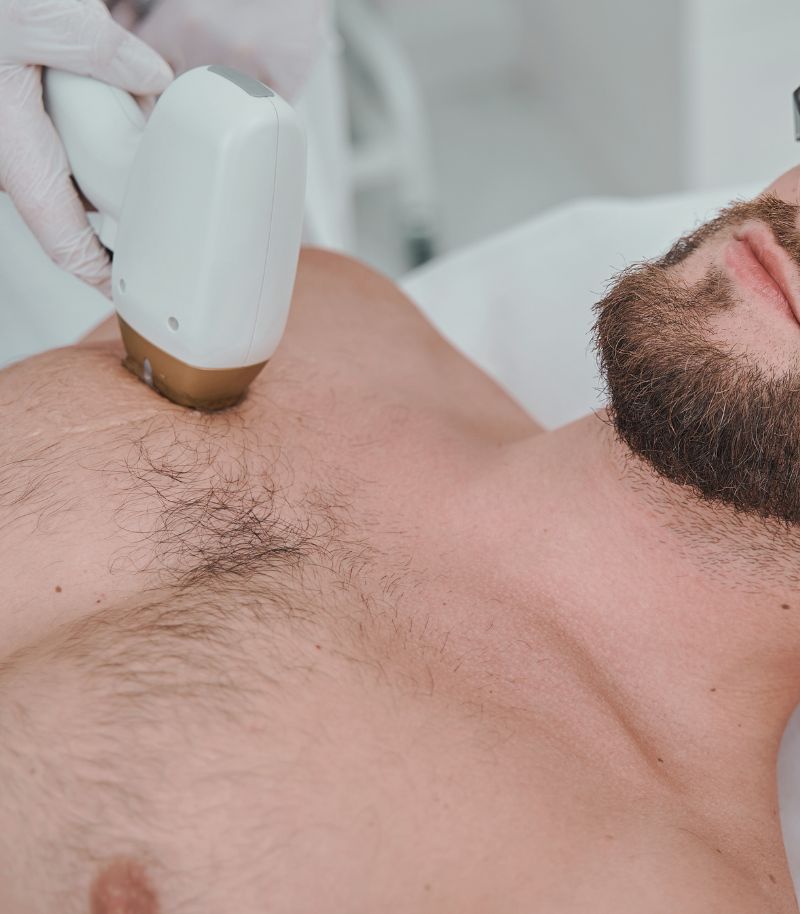
Laser hair removal for men
More and more men are opting for laser hair removal to remove unwanted hair and improve their body aesthetics. This treatment offers a lasting and effective solution to reduce hair growth on various areas of the body.
Effective removal of unwanted hair
We use advanced laser technology to significantly reduce hair in areas such as the back, chest, neck and buttocks. Unlike other hair removal methods, the laser acts directly on the hair follicle, progressively weakening it and reducing its growth.
Comfortable, supervised approach
Laser hair removal for men requires specific parameters adapted to the density and thickness of the hair. Each session at our centre is therefore supervised by specialists to guarantee maximum effectiveness and safety. In addition, the procedure is quick, with minimal discomfort and no recovery time, allowing patients to resume their daily activities immediately. With regular sessions, permanently smoother, hair-free skin is achieved, without irritation or problems such as ingrown hairs
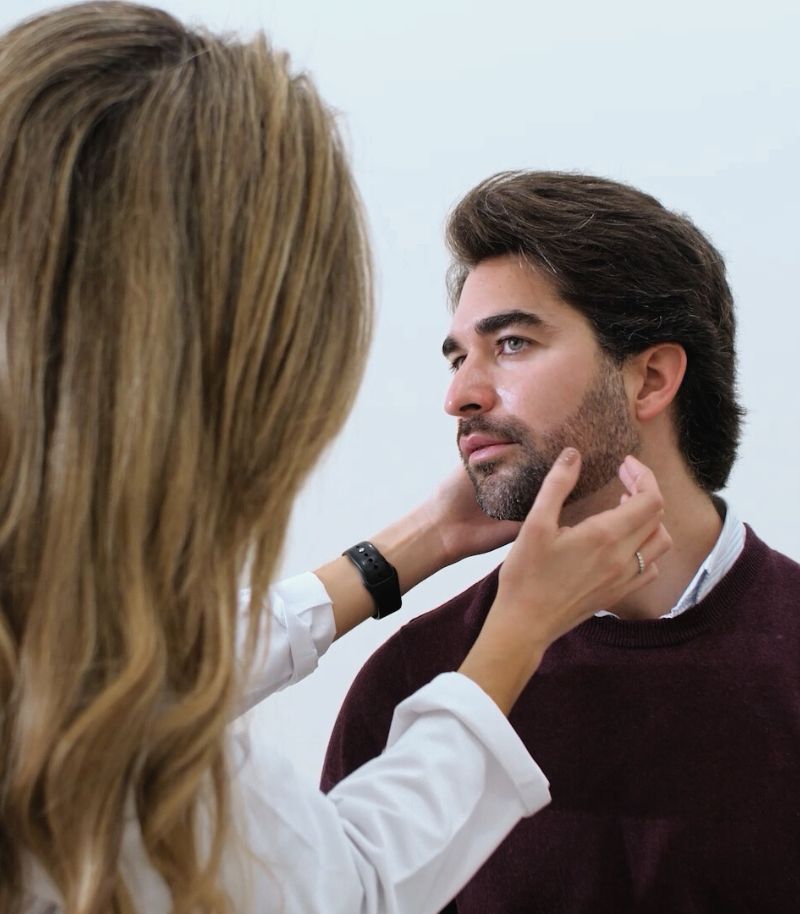
Rejuvenation of the eyes
Bags under the eyes and drooping eyelids can give a tired, aged appearance to a man’s face. At our centre, we offer tailored treatments to rejuvenate the eyes without losing their natural expressiveness.
Minimally invasive blepharoplasty – eyelid surgery
When there is significant excess skin or fat, eyelid surgery can correct bags and skin laxity in the upper and lower eyelids. This procedure is performed under local anaesthesia, offering lasting results without altering the masculine identity of the face.
Adaptation to masculine traits
Each treatment is designed by our specialists in male aesthetic medicine and focuses on respecting male facial shape and structure, avoiding changes that could feminise the expression. In addition to eyelid surgery, we use complementary techniques such as fractional CO2 laser or specific fillers to improve skin texture and smooth wrinkles around the eyes. With these techniques, we achieve a fresher, rejuvenated look – without sacrificing natural, firm masculine features.
Facial and body treatments
Guide to male aesthetic treatments
There are crucial differences between male and female facial anatomy which, together with differences in hormonal profiles, result in a very different pattern of skin ageing between the two sexes.
Aesthetic differences between men and women
From the age of 30 onwards, men experience a progressive decline in testosterone levels. Combined with the absence of the antioxidant protection provided by oestrogens in women, this makes male skin more vulnerable to oxidative stress and free radical damage. As a result, skin ageing tends to be more pronounced, becoming evident through the appearance of pigmentation, wrinkles and an earlier increase in skin laxity compared to women.
In addition, male facial bone structure is generally broader than that of women. Men typically have greater projection of the malar and orbital regions, as well as larger maxillary areas and a more prominent forehead. Overall, the male face tends to appear wider and more robust, with more projected cheekbones and temples, and a stronger jawline and frontal structure.
Male anatomy also has a higher proportion of muscle relative to fat, providing firmer support for the skin. Furthermore, male dermis is approximately 20% thicker than female dermis and contains a higher density of hair follicles and sebaceous glands, which produce greater amounts of sebum.
The combination of these factors results in tougher skin that is more prone to acne, folliculitis, blemishes and blackheads, as well as thicker skin with more surface irregularities.
On the other hand, male dermis contains a higher proportion of collagen, contributing to a more compact and firm texture. However, this apparent advantage has a downside: because male skin is thicker and appears more resistant, many men believe it tolerates lack of care, environmental aggression, frequent shaving (an additional and recurrent form of skin trauma), and the passage of time better — leading to the misconception that it requires less attention and skincare, which is not the case.

Male skin is not more resistant
These factors explain why signs of ageing tend to appear later in male skin. However, when they do appear, they are often more pronounced and occur at a younger age compared to women. In men, wrinkles tend to be deeper and marked, dark circles more evident and under-eye bags more prominent. In short, male dermis is highly sensitive to damage caused by free radicals and cellular oxidation, as it lacks the antioxidant protective shield provided by oestrogens in women.
In addition, from the age of thirty onwards, testosterone levels progressively decline in men, exposing the skin to one of the main mechanisms responsible for ageing: the slowing of collagen synthesis.
Collagen is a fundamental protein responsible for tissue consistency. Its deficiency affects not so much the ageing of the skin itself, but rather tissue sagging and skin laxity, which ultimately cause the face to lose freshness and appear less youthful. As a result, the apparent advantage of thicker skin is not particularly long-lasting in practice.
It should also be taken into account that male skin is exposed to the same external aggressors as female skin: ultraviolet radiation, sunburn, poor dietary habits, alcohol consumption, smoking, lack of sleep — as well as additional factors such as shaving. Male skin is therefore just as susceptible to dermatological diseases, including skin cancer.
“In general, the best results are achieved by combining different therapeutic options and acting early”
Beard and body hair do not protect men’s skin
This is another common myth surrounding male skin that should be dispelled. While it is true that men with abundant body hair or a dense beard may have an additional degree of sun protection compared to less hairy men or women, this protection is far more limited than commonly believed. Even very hairy men should not skip a photoprotection routine adapted to their skin type — both to prevent skin cancer and to minimise the impact of ultraviolet radiation on skin ageing.
To avoid dense creams clogging hair follicles — which can lead to breakouts — and because heavy textures are uncomfortable on hairy areas, lighter formulations such as spray or gel sunscreens are preferable. These textures are easier and more comfortable to apply, increasing adherence to regular photoprotection.
Aesthetic treatments for men
The Grupo Pedro Jaén Male Aesthetics Unit takes into account all the factors described above in order to apply treatments specifically designed for men, using techniques that differ from those used in women, addressing their main concerns while always respecting male facial anatomy.
Most common male aesthetic treatments
Wrinkles
The infiltration of a medication that attenuates expression lines in the upper third of the face (forehead, glabellar lines and crow’s feet) is one of the most frequently requested treatments by men seeking facial rejuvenation. To achieve optimal results in male patients, the injection technique must be adapted, as male skin is thicker and facial musculature tends to be stronger.
Injection points in the frontal and periocular areas must also be modified to prevent the tail of the eyebrow from becoming arched or excessively elevated, features typically associated with female aesthetics. Although men generally have horizontally positioned eyebrows, it is relatively common for a central peak to be present, which can be softened by injecting a variable dose of this medication just above that area.
Finally, as men tend to develop deeper wrinkles than women, it is often necessary to complement this treatment with the filling of wrinkles using resorbable substances.
Facial masculinisation
Demand for facial masculinisation treatments has increased significantly in recent years. This procedure involves the injection of collagen stimulators and/or resorbable fillers to create the optical effect of sharper angles and to simulate a more square bone structure typically associated with male facial aesthetics.
This non-invasive treatment achieves greater definition of the lower third of the face by enhancing the jawline, projecting the chin and accentuating the cheekbones. In addition, these infiltrations reduce the appearance of double chin and submandibular skin laxity.
To obtain a robust result aligned with male aesthetic ideals, a different filling technique is required compared to that used in women, where the objective is usually to soften the facial contour, refine the face and project the cheekbones.
Non-surgical rhinoplasty
This treatment is also performed in women, although men generally require higher volumes of product to achieve an optimal result. Non-surgical rhinoplasty is carried out in consultation and is intended to correct minor defects in the shape and position of the nose, such as a pronounced dorsal hump or lack of tip projection. It is performed using resorbable fillers with a high capacity for water retention. In male patients, a specific technique must be applied to avoid excessive tip rotation, which could feminise facial features.
Male facial skin laxity
Over time, both men and women experience a slowdown in collagen synthesis, leading to loss of volume and firmness in tissues, a process that ages the face even in the absence of deep wrinkles. However, collagen loss occurs differently in men and women. In men, this decline is gradual and begins much earlier, whereas in women it becomes particularly evident during menopause.
In any case, collagen deficiency results in tissue sagging and skin laxity, as if the skin were thinning or losing volume. When restoring volume or providing support, it is essential to take into account the anatomical differences described above in order to preserve masculine facial features. Resorbable fillers and collagen stimulators are generally used to restore volume and produce a tightening effect through the stimulation of new collagen formation.
Other treatments commonly used in male aesthetics to improve skin laxity include focused ultrasound and radiofrequency. Both techniques produce facial tightening by heating the deeper layers of the skin, triggering new collagen production after each session.
Double chin
Double chin (submental fullness) results from the accumulation of excess fat in the submandibular area. This disrupts facial harmony and can give the appearance of being overweight, even when this is not the case. Until recently, there were no non-invasive treatments available to eliminate this fat accumulation beneath the chin. Currently, an injectable substance is available that reduces submental fat without the need for surgery, reserving surgical intervention for cases in which double chin correction must be combined with facial and neck lifting procedures.
Alopecia
Androgenetic alopecia is one of the most common reasons for consultation among men from the age of eighteen onwards. More than half of men experience this type of hair loss before the age of fifty, and a significant proportion of affected patients suffer considerable psychological impact affecting their professional life, personal relationships and self-esteem.
For this reason, specialists from the Male Aesthetics Unit refer these cases to the Grupo Pedro Jaén Trichology and Hair Transplant Unit.
Unwanted hair
Even men who do not remove all body hair often report discomfort due to excessive hair growth in certain areas such as the back, shoulders, neck or buttocks. To address this concern, we offer several laser hair removal systems applied in our Beauty and Wellness Unit, under the supervision of the group’s medical team.
Under-eye bags
This is one of the major aesthetic concerns among men. To correct this issue and achieve comprehensive rejuvenation of the eye area, lower eyelid blepharoplasty is commonly performed. This minimally invasive procedure removes excess skin and fat pads that accumulate under the eyes and distort the area. When drooping upper eyelids are also present, the procedure can be extended to include upper eyelid blepharoplasty.

More information
Below you will find the authorship and references for the information provided on this page:
Authorship and references
The content of this page has been prepared by the Communication Department and the Medical Team of Grupo Pedro Jaén, in line with our editorial commitment to ensuring the accuracy and up-to-date nature of the information provided.
References on male aesthetic surgery and treatments :
1. Rossi AM. Men’s aesthetic dermatology. Semin Cutan Med Surg. 2014 Dec;33(4):188-97. doi: 10.12788/j.sder.0113. PMID: 25830252.
2. Wieczorek IT, Hibler BP, Rossi AM. Injectable Cosmetic Procedures for the Male Patient. J Drugs Dermatol. 2015 Sep;14(9):1043-51. PMID: 26355626.
3. Farhadian JA, Bloom BS, Brauer JA. Male Aesthetics: A Review of Facial Anatomy and Pertinent Clinical Implications. J Drugs Dermatol. 2015 Sep;14(9):1029-34. PMID: 26355624.
4. Farhadian JA, Bloom BS, Brauer JA. Male Aesthetics: A Review of Facial Anatomy and Pertinent Clinical Implications. J Drugs Dermatol. 2015 Sep;14(9):1029-34. PMID: 26355624.
5. Frucht CS, Ortiz AE. Nonsurgical Cosmetic Procedures For Men: Trends And Technique Considerations. J Clin Aesthet Dermatol. 2016 Dec;9(12):33-43. Epub 2016 Dec 1. PMID: 28210397; PMCID: PMC5300725.
6. Mastroluca E, Patalano M, Bertossi D. Minimally invasive aesthetic treatment of male patients: The importance of consultation and the lower third of the face. J Cosmet Dermatol. 2021 Jul;20(7):2086-2092. doi: 10.1111/jocd.14231. Epub 2021 May 24. PMID: 33993643; PMCID: PMC8361772.
7. Keaney TC, Anolik R, Braz A, Eidelman M, Eviatar JA, Green JB, Jones DH, Narurkar VA, Rossi AM, Gallagher CJ. The Male Aesthetic Patient: Facial Anatomy, Concepts of Attractiveness, and Treatment Patterns. J Drugs Dermatol. 2018 Jan 1;17(1):19-28. PMID: 29320584.
8. Green JB, Keaney TC. Aesthetic Treatment With Botulinum Toxin: Approaches Specific to Men. Dermatol Surg. 2017 Nov;43 Suppl 2:S153-S156. doi: 10.1097/DSS.0000000000001375. PMID: 29064978.
9. Handler MZ, Goldberg DJ. Cosmetic Concerns Among Men. Dermatol Clin. 2018 Jan;36(1):5-10. doi: 10.1016/j.det.2017.09.001. PMID: 29108546.
10. Marten T, Elyassnia D. Male Facelift. Clin Plast Surg. 2022 Apr;49(2):221-256. doi: 10.1016/j.cps.2021.12.005. PMID: 35367032.
11. Singh B, Keaney T, Rossi AM. Male Body Contouring. J Drugs Dermatol. 2015 Sep;14(9):1052-9. PMID: 26355627.
12. Yanes DA, Keaney TC. Refining male injectables in aesthetics. Clin Dermatol. 2022 May-Jun;40(3):256-258. doi: 10.1016/j.clindermatol.2021.11.008. Epub 2021 Nov 24. PMID: 34838660.
13. Green JB, Metelitsa AI, Kaufman J, Keaney T. Laser and Light-Based Aesthetics in Men. J Drugs Dermatol. 2015 Sep;14(9):1061-4. PMID: 26355628.
14. Juhász M, Marmur E. Energy-Based Devices in Male Skin Rejuvenation. Dermatol Clin. 2018 Jan;36(1):21-28. doi: 10.1016/j.det.2017.09.004. Epub 2017 Oct 12. PMID: 29108542.
15. Crispin MK, Hruza GJ, Kilmer SL. Lasers and Energy-Based Devices in Men. Dermatol Surg. 2017 Nov;43 Suppl 2:S176-S184. doi: 10.1097/DSS.0000000000001274. PMID: 29064982.
Where we see patients?
Clinics in Madrid
Grupo Pedro Jaén is a medical group founded more than three decades ago with the aim of providing medical, surgical and aesthetic solutions related to skin health and appearance. Led by Dr Pedro Jaén, the group has a highly specialised medical team that covers every area of care with top-level specialists, carries out extensive training activities, is a leader in medical research, and operates several clinics in Madrid, from which it offers the highest standards of care and clinical excellence to all patients.

Calle Serrano 143
This centre is the main headquarters of Grupo Pedro Jaén. It provides diagnostic and treatment services in skin cancer, clinical and aesthetic dermatology, laser treatments and other related specialties.
Mon - Fri: 09:00 - 21:00 / Sat: 09:00 - 14:00
Calle Serrano 143, El Viso neighbourhood, Chamartín district, 28006 Madrid, Spain

La Moraleja
Located in Plaza de La Moraleja, this exclusive centre allows Grupo Pedro Jaén to bring its medical and aesthetic services closer to patients across the entire northern area of Madrid.
Mon - Thu: 09:30 - 20:00 / Fri: 09:30 - 18:00
Calle de la Estafeta 8, ground floor, La Moraleja, 28109 Alcobendas, Madrid, Spain

Calle Serrano 166
This centre currently offers services in body aesthetic medicine, endocrinology, nutrition, complementary aesthetic medicine and post-surgical aesthetic treatments.
Mon - Fri: 09:00 - 21:00 / Sat: 09:00 - 14:00
Calle Serrano 166, El Viso neighbourhood, Chamartín district, 28002 Madrid

Related units and pages
Facial aesthetics
Minimally invasive treatments to improve facial appearance with harmonious and natural-looking results.
Body aesthetics
A personalised approach combining different treatment strategies to address the main body-related concerns.
Clinical dermatology
Highly specialised dermatologists for each skin condition, offering the most advanced treatments available.
Scars
Fully personalised treatments tailored to the type and specific characteristics of each scar.
Plastic surgery
Treatment of facial and body aesthetic and functional concerns that require a surgical solution.
Complementary aesthetics
Cosmetic and aesthetic treatments that address beauty from a clinical perspective to achieve optimal results.
Information and news
Press room
In the Grupo Pedro Jaén Press Room you can find information, advice and news related to dermatology, aesthetic medicine, trichology and general health. The group’s journals are also shared through an online platform, along with updates on the activity and media appearances of our clinics and healthcare professionals.
How to shower properly: tips for looking after your skin
Cold or hot water? Is it better to use a sponge? Find out how to shower properly and what dermatologists recommend to protect your skin.
Retinol in summer: should you stop using it?
We debunk this and other myths about using retinol during the warmer months.

Blog
News about Grupo Pedro Jaén. Information and advice on dermatology, aesthetic medicine, trichology, and general health

Media
Information about media appearances by our clinics and medical specialists.

Journal
Archive of all Grupo Pedro Jaén journals, available through an external online platform.