
Unidad de Medicina Regenerativa
At our centres in Madrid: Serrano 143, Serrano 166 and La Moraleja
Specialists in
Regenerative Medicine
The Grupo Pedro Jaén Regenerative Medicine Unit is among the pioneering centres in Spain. It works closely with other units across the group to provide biological products and treatments designed to support the body’s natural tissue repair mechanisms. Specialists across several units have contributed to the research and clinical development of these therapies, helping refine the medical and aesthetic protocols we offer.

Recognised reference clinics in Spain
Home > Aesthetic Medicine > Regenerative Medicine
What sets us apart
Integrating advanced regenerative therapies
Our Regenerative Medicine Unit is recognised for an innovative and multidisciplinary approach, integrating advanced therapies that enhance medical and aesthetic treatments and support recovery. We tailor each procedure to promote tissue regeneration, hair stimulation and skin repair, providing solutions in complex cases. We work in close coordination with plastic surgery, trichology and dermatology to support longer-lasting, natural-looking outcomes. Combining advanced technology with a highly specialised team, we deliver regenerative approaches that support both health outcomes and aesthetic goals.
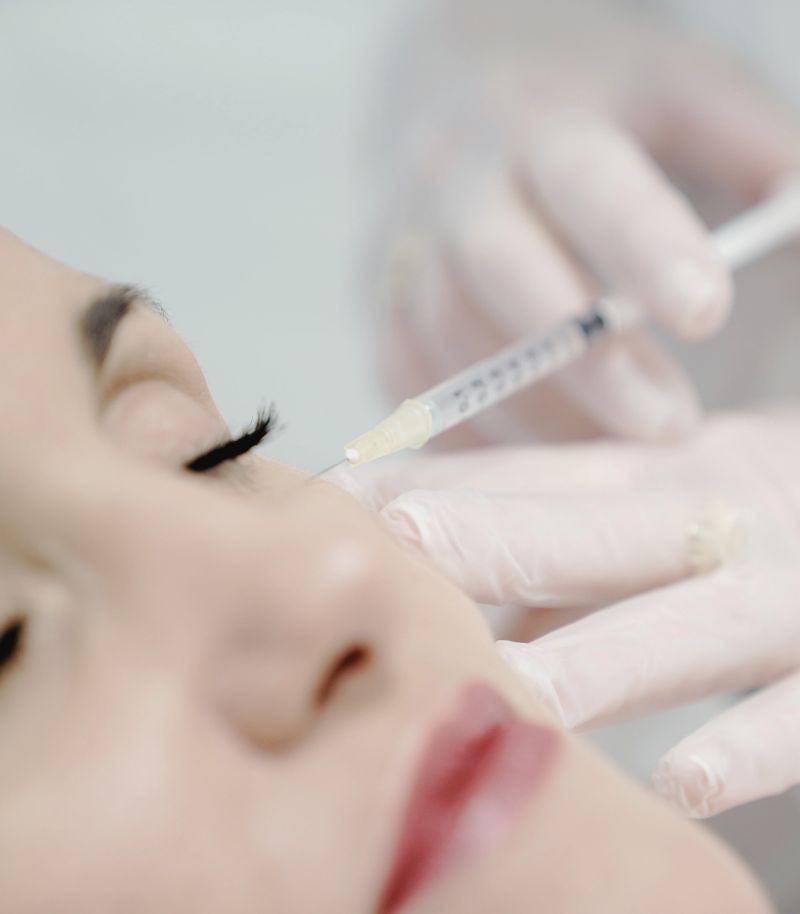
Facial aesthetics
Regenerative medicine plays a key role in improving skin quality and facial rejuvenation. In collaboration with the Facial Aesthetic Medicine Unit, this approach enhances conventional aesthetic treatments, supporting more natural-looking and longer-lasting results.
Biological stimulation for firmer, more elastic skin
Regenerative approaches (delivered via injection, laser or device-based technologies) promote collagen and elastin production—key factors in improving skin texture and firmness. These techniques can be combined with skin-tightening procedures or facial fillers, helping optimise outcomes and prolong benefits.
Progressive and natural rejuvenation
Regenerative medicine (delivered via injection or device-based techniques) follows a “less is more” philosophy, supporting gradual improvement without changing facial identity. The result is a refreshed yet harmonious appearance, without an “overdone” look, while respecting the face’s natural structure and expression.
More information
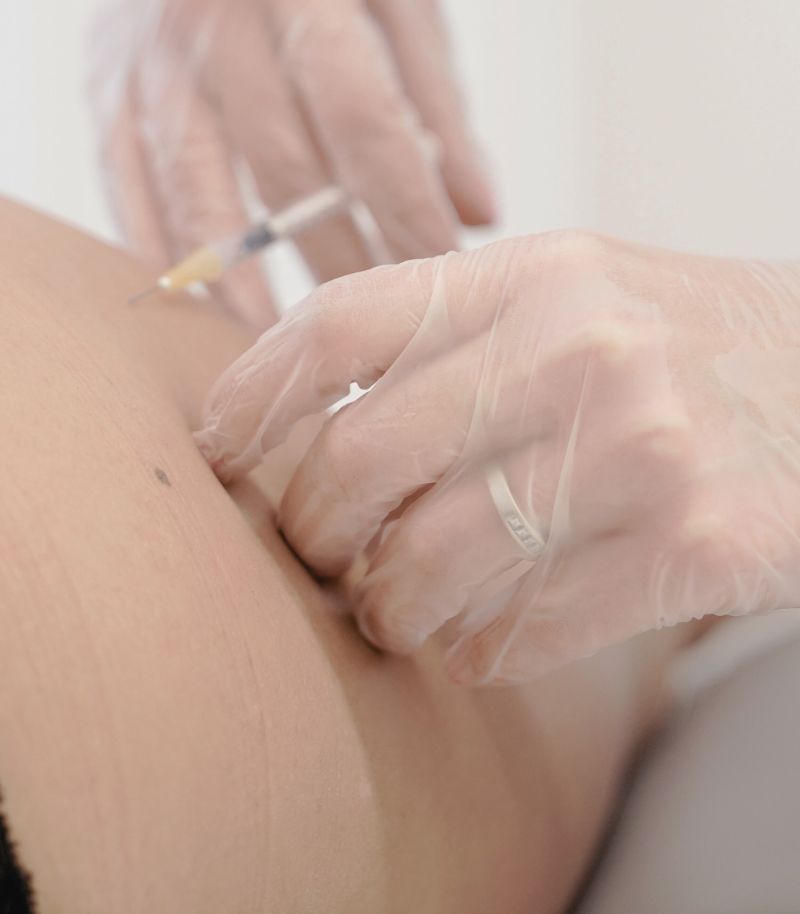
Body aesthetics
In body aesthetic medicine, tissue regeneration plays an important role in skin remodelling and firmness. When used in combination with other treatments, it can help achieve a more even-looking appearance and improved firmness over time.
Collagen and elastin production to support firmness
Regenerative therapies stimulate cellular activity, improving skin elasticity and overall quality. In the management of skin laxity and cellulite, they may enhance the effects of treatments such as radiofrequency and mesotherapy.
Synergy with body contouring procedures
Regenerative medicine can complement localised fat-reduction procedures and skin-toning treatments, supporting better skin adaptation after volume reduction. This approach may improve uniformity and response in areas affected by more advanced cellulite.
More information
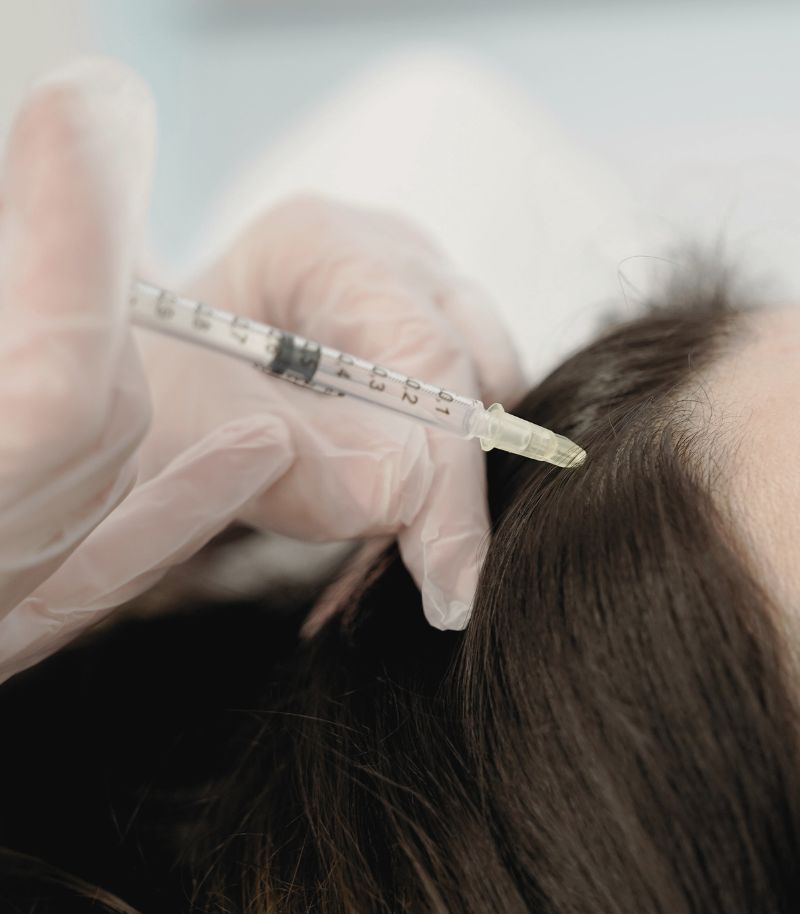
Hair disorders and hair transplantation
Regenerative medicine has become an important tool in the management of hair and scalp concerns. It is used within the Trichology Unit to support follicular strength, improve hair density and promote recovery in patients with alopecia.
Activation of hair follicles for improved density
Regenerative treatments may support microcirculation in the scalp and activate weakened hair follicles, helping optimise medical treatment outcomes and improve hair quality
Faster and more effective post-transplant recovery
After a hair transplant, these techniques may support healing and reduce graft adaptation time. This may support graft take and overall recovery, helping achieve more natural-looking, even results.
More information
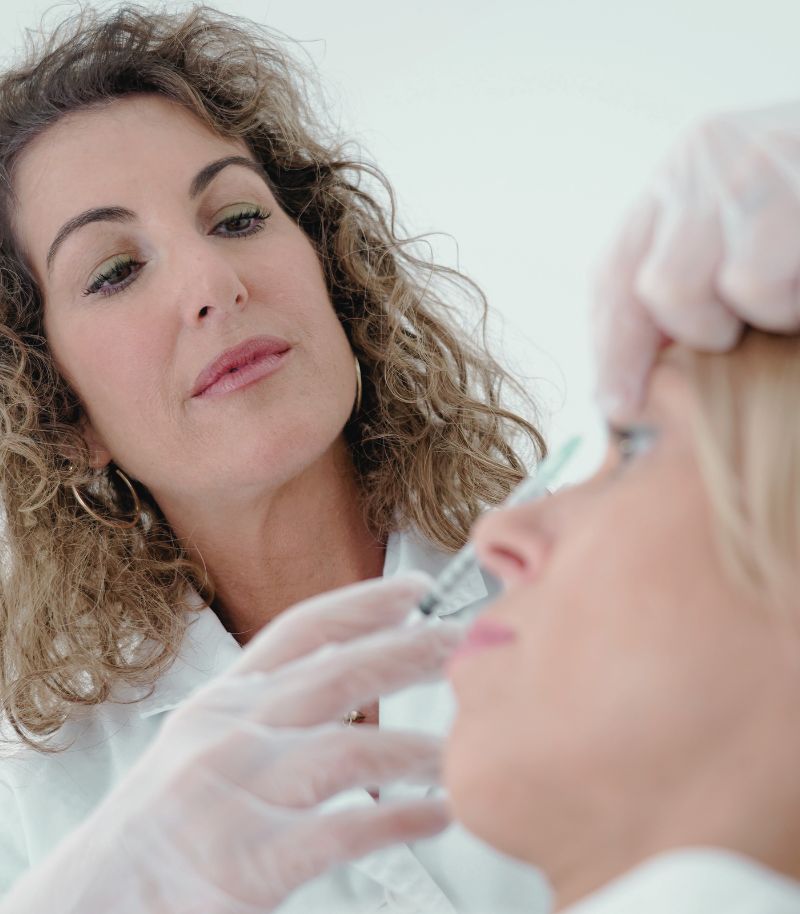
Clinical and aesthetic dermatology
Regenerative medicine has become a valuable resource in dermatology, supporting both the management of selected skin conditions and improvements in skin quality. It may help address scarring, signs of skin ageing and other concerns more effectively when used as part of a personalised plan.
Dermal regeneration for sensitive and damaged skin
Regenerative approaches may support skin recovery in selected cases of dermatitis or persistent irritation. They can also enhance the effects of other treatments such as medical peels and laser therapy, helping improve texture and radiance.
Advanced correction of scars and marks
Regenerative procedures may be a useful adjunct for acne, surgical or traumatic scars. By supporting cellular regeneration, they can promote gradual improvement in skin appearance, reducing irregularities and restoring a more even texture.
More information
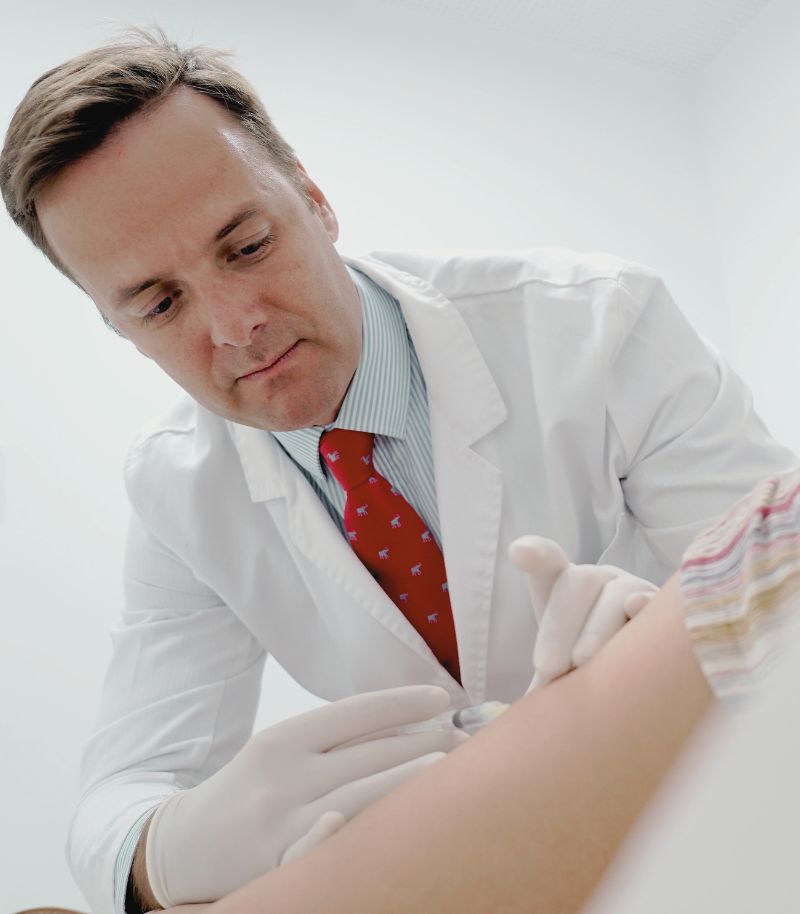
Vascular disease and surgery
Regenerative medicine has expanded therapeutic options for vascular diseases, particularly in cases complicated by ischaemia, chronic inflammation or abnormal scarring. In these situations, the Regenerative Medicine Unit works in close collaboration with the Hyperbaric Medicine Unit.
Benefits of hyperbaric therapy
Hyperbaric oxygen therapy significantly increases oxygen levels in the blood, producing beneficial effects on tissue regeneration. These include stimulation of new blood vessel formation (angiogenesis), reduction of inflammation, improved wound healing and enhanced immune response.
Beneficial effects on vascular diseases
The Regenerative Medicine Unit may offer hyperbaric oxygen therapy or injectable biostimulatory treatments to support management of conditions such as diabetic foot and chronic vascular ulcers, critical limb ischaemia, recovery from arterial or venous surgery, resolution of post-surgical complications, and treatment of tissue damage secondary to radiotherapy in cancer patients with vascular involvement.
More information
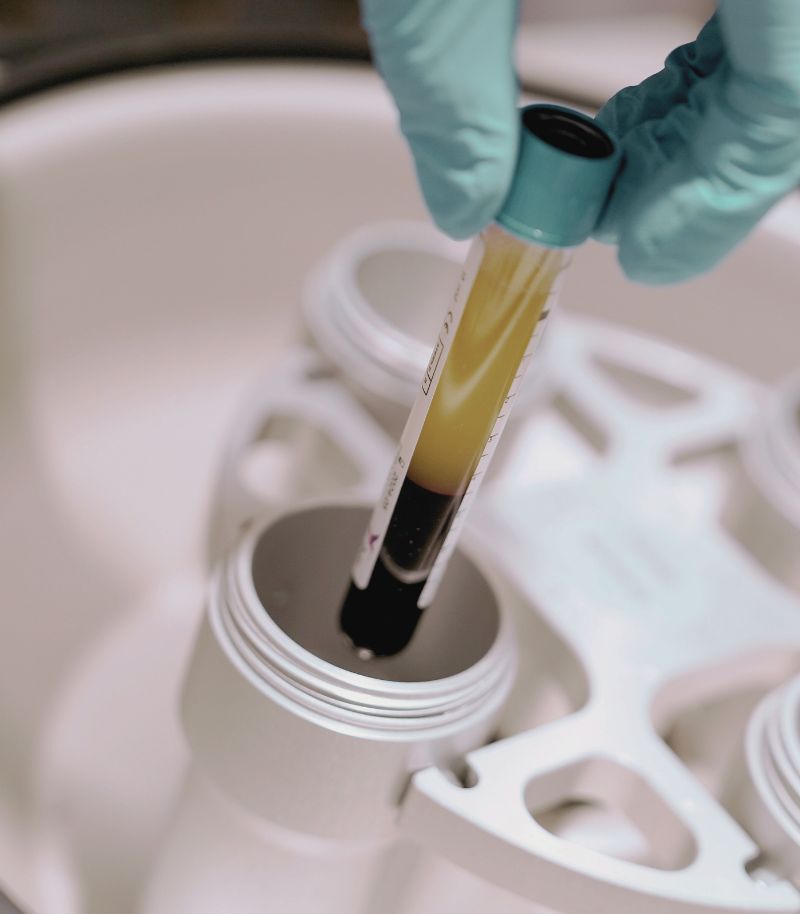
Plastic surgery
Regenerative medicine has become an important adjunct in plastic surgery, supporting post-operative recovery and aesthetic outcomes. Its use—through hyperbaric therapy, laser therapy, device-based techniques or injectable biostimulation—may help reduce healing time and enhance tissue regeneration.
Supporting post-surgical healing
Regenerative therapies may support healing after aesthetic and reconstructive procedures. By stimulating collagen production, the skin can recover more efficiently while supporting optimal scar quality.
Improved tissue integration in aesthetic procedures
In surgeries such as facelifts or liposuction, these treatments may support tissue integration and improve skin elasticity, helping optimise adaptation and recovery. This approach can contribute to a more even-looking, longer-lasting result while minimising irregularities and supporting a natural appearance.
More information
What it involves and indications
A guide to understanding regenerative medicine treatments
The skin retains its capacity for renewal throughout adult life; however, this ability gradually slows down in parallel with the ageing process. The key cell responsible for skin renewal and repair is the epidermal stem cell. For this reason, it is the main focus of regenerative medicine in dermatology and anti-ageing aesthetic dermatology.

Autologous fat grafting
Autologous fat has become one of the most powerful stimulators of facial rejuvenation and an ideal filling material in aesthetic and reconstructive surgery. This biological material, obtained from the patient’s own adipose tissue, has represented a significant advance in achieving effective treatments with maximum naturalness.
Today, autologous fat is used in a wide range of clinical and aesthetic procedures. In addition, specialists at Grupo Pedro Jaén are actively involved in research projects aimed at developing new applications that are expected to become available in the near future.
Autologous fat is considered an ideal filler for several reasons. As it is tissue obtained from the patient’s own body, the risk of rejection or allergic reaction is eliminated.
In addition to its excellent safety profile, autologous fat grafting offers long-term stability, as the objective is for the graft to integrate into the recipient tissue. This avoids the risks of displacement, encapsulation or rupture that must always be considered when using synthetic fillers or implants.
Autologous fat grafts can also be combined with other treatments and may be used in patients who already have implants or permanent fillers, thereby expanding therapeutic possibilities.
Finally, growing scientific evidence supports its use not only as a filling material, but also as a regenerative treatment. When applied through microinjections, autologous fat can improve overall skin quality and promote facial rejuvenation.
Main types of autologous fat preparations
When referring to autologous fat, several different preparations can be distinguished:
Macrofat
Macrofat is used to restore large volumes, particularly in the breast and buttocks. It is obtained through liposuction using a larger cannula in order to harvest sizeable fat grafts. At Grupo Pedro Jaén, we have developed techniques that improve graft survival. Larger grafts require greater blood supply and traditionally have a lower rate of long-term integration, a limitation that we are increasingly able to overcome.
Macrofat is especially useful in breast reconstructive surgery, for example following breast cancer. In this procedure, fat is harvested from the abdomen, processed and then grafted into the breast to reconstruct the operated breast and restore symmetry.
Microfat
Microfat is used for volumisation of areas such as the periocular region, nasolabial and marionette lines, and for hand rejuvenation. It is obtained through liposuction using a very fine cannula. Due to its smaller particle size, microfat grafts require less blood supply to survive and therefore have a higher likelihood of successful integration at the recipient site.
Nanofat
Nanofat is an emulsion derived from microfat that is rich in stem cells and stromal vascular fraction. It is indicated to improve skin quality on the face, neck and décolletage by enhancing skin tone, reducing pore size, refining surface texture and giving the dermis a healthier, more supple appearance.
In some cases, nanofat may be applied using a device equipped with multiple fine needles that deliver the produc superficially. This technique is referred to as nanofat microneedling.
This approach benefits from the synergistic effect of the regenerative response triggered by microneedling itself—since controlled tissue injury activates natural repair mechanisms—combined with the regenerative properties of the injected product.
Stromal Vascular Fraction (SVF)
Stromal vascular fraction is obtained by processing adipose tissue to isolate this component together with stem cells. SVF-based treatments may be used alone or combined with platelet-rich plasma to address conditions requiring enhanced tissue regeneration, such as scars or lesions caused by morphea, a rare inflammatory skin disorder characterised by discoloured patches of skin.
SNIF (Sharp Needle Intradermal Fat)
SNIF is a form of microfat that is injected very superficially to soften wrinkles of the face and neck. In this technique, the regenerative effect of the stromal vascular fraction is specifically utilised. SNIF is often used as a complementary treatment to facial lifting procedures to achieve a more comprehensive and harmonious rejuvenation.
With the exception of macrofat—obtained using a larger cannula during conventional liposuction—all other procedures involve fat aspiration using fine cannulas under local anaesthesia. Fat is typically harvested from the abdomen or knees. The recipient area is then anaesthetised, and the fat is processed according to the intended therapeutic goal.
Side effects associated with these procedures are generally mild and temporary. Bruising and swelling usually resolve within a few days. In some cases, a transient yellowish skin discoloration may appear after nanofat treatment, which typically disappears within a few weeks.
Final results are not fully appreciable until approximately four to six months after treatment, as the regenerative process is gradual. Nevertheless, patient satisfaction is high, particularly in cases involving reconstruction of tissues affected by serious conditions such as breast or skin cancer.
Autologous fat grafting is not limited to facial harmonisation or body reconstruction. It also plays an important role in the treatment of depressed scars caused by traumatic or surgical injuries, severe acne, chickenpox, or autoimmune diseases such as lupus or morphea.
Patients with immune-mediated conditions are more susceptible to adverse reactions when treated with exogenous substances. This limitation is effectively addressed through the use of autologous materials, such as fat grafts and microinjections.
“The skin retains its capacity for renewal throughout adult life, but this ability gradually slows down in parallel with the ageing process”
More information
Below you will find the authorship of the information provided on this page.
Authorship of this content
The content of this page has been prepared by the Communication Department and the Medical Team of Grupo Pedro Jaén, in line with our editorial commitment to accuracy, scientific rigour and up-to-date medical information.
Where we see patients?
Clinics in Madrid
Grupo Pedro Jaén is a medical group founded more than three decades ago with the aim of providing medical, surgical and aesthetic solutions related to skin health and appearance. Led by Dr Pedro Jaén, the group has a highly specialised medical team that covers every area of care with top-level specialists, carries out extensive training activities, is a leader in medical research, and operates several clinics in Madrid, from which it offers the highest standards of care and clinical excellence to all patients.

Calle Serrano 143
This centre is the main headquarters of Grupo Pedro Jaén. It provides diagnostic and treatment services in skin cancer, clinical and aesthetic dermatology, laser treatments and other related specialties.
Mon - Fri: 09:00 - 21:00 / Sat: 09:00 - 14:00
Calle Serrano 143, El Viso neighbourhood, Chamartín district, 28006 Madrid, Spain

La Moraleja
Located in Plaza de La Moraleja, this exclusive centre allows Grupo Pedro Jaén to bring its medical and aesthetic services closer to patients across the entire northern area of Madrid.
Mon - Thu: 09:30 - 20:00 / Fri: 09:30 - 18:00
Calle de la Estafeta 8, ground floor, La Moraleja, 28109 Alcobendas, Madrid, Spain

Calle Serrano 166
This centre currently offers services in body aesthetic medicine, endocrinology, nutrition, complementary aesthetic medicine and post-surgical aesthetic treatments.
Mon - Fri: 09:00 - 21:00 / Sat: 09:00 - 14:00
Calle Serrano 166, El Viso neighbourhood, Chamartín district, 28002 Madrid

Related units and pages
Clinical dermatology
Highly specialised dermatologists for each skin condition, offering the most advanced treatments available.
Facial aesthetics
Minimally invasive treatments to improve facial appearance with harmonious and natural-looking results.
Other specialties
Treatment of a wide range of health conditions, while maintaining a dermatological and aesthetic medical perspective.
Information and news
Press room
In the Grupo Pedro Jaén Press Room you can find information, advice and news related to dermatology, aesthetic medicine, trichology and general health. The group’s journals are also shared through an online platform, along with updates on the activity and media appearances of our clinics and healthcare professionals.
How to shower properly: tips for looking after your skin
Cold or hot water? Is it better to use a sponge? Find out how to shower properly and what dermatologists recommend to protect your skin.
Retinol in summer: should you stop using it?
We debunk this and other myths about using retinol during the warmer months.

Blog
News about Grupo Pedro Jaén. Information and advice on dermatology, aesthetic medicine, trichology, and general health

Media
Information about media appearances by our clinics and medical specialists.

Journal
Archive of all Grupo Pedro Jaén journals, available through an external online platform.