
Bichectomy (Buccal fat removal)
At our centres in Madrid: Serrano 143, Serrano 166 and La Moraleja
Specialists in
Bichectomy surgery (buccal fat removal)
The Grupo Pedro Jaén Facial Aesthetics Unit has renowned specialists who perform bichectomy using the safest and most effective procedures. This minimally invasive cosmetic procedure slims the facial contours and makes the cheekbones appear more prominent.

Recognised reference clinics in Spain
Home > Aesthetic medicine > Plastic surgery > Bichectomy
What sets us apart
Planning based on anatomical criteria
We are committed to a holistic medical-aesthetic approach, based on a personalised assessment of each patient, the technical precision of the surgical team and their experience in complex cases. Each bichectomy is planned to take anatomical criteria into account, avoiding excessive extractions that could compromise the harmony of the face in the long term. In addition, we offer specialised post-operative monitoring and, if necessary, we combine the treatment with other techniques to optimise the result while retaining a natural appearance.
Minimally invasive surgery
Selecting candidate patients
Precise technique performed by specialists
Post-operative period and recovery
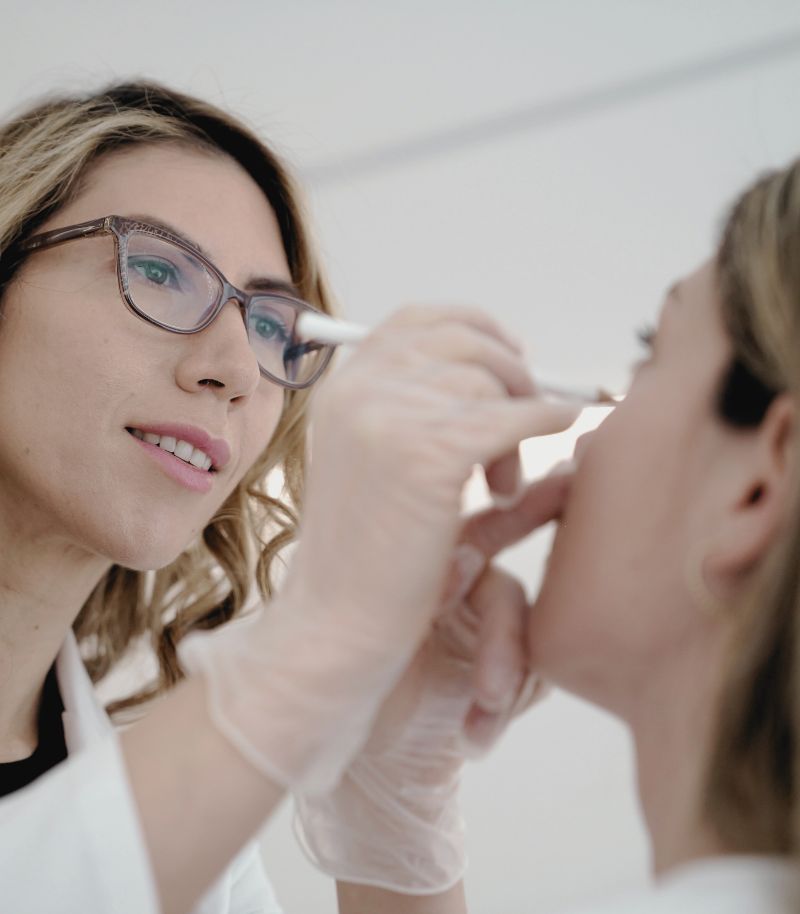
Minimally invasive surgery
Bichectomy is a minimally invasive surgical procedure that involves making a small incision on the inside of the cheeks to remove the buccal fat pads (also known as Bichat’s fat pads), two small deposits of fatty tissue located in this area of the face, just below the cheekbones.
Bichectomy objective
The buccal fat pads have no specific function other than to round the face. Therefore, the aim of the bichectomy is purely aesthetic: to refine the lower face and define the cheekbones by hollowing out the cheeks to achieve a more angular and stylised shape.
Outpatient procedure
The procedure is performed in the operating theatre without the need for a general anaesthetic. Only local anaesthesia is required; however, sedation can be administered upon request to help the patient relax during the procedure. The bichectomy, or buccal lipectomy, is performed in just 30 minutes and doesn’t require the patient to stay in hospital.
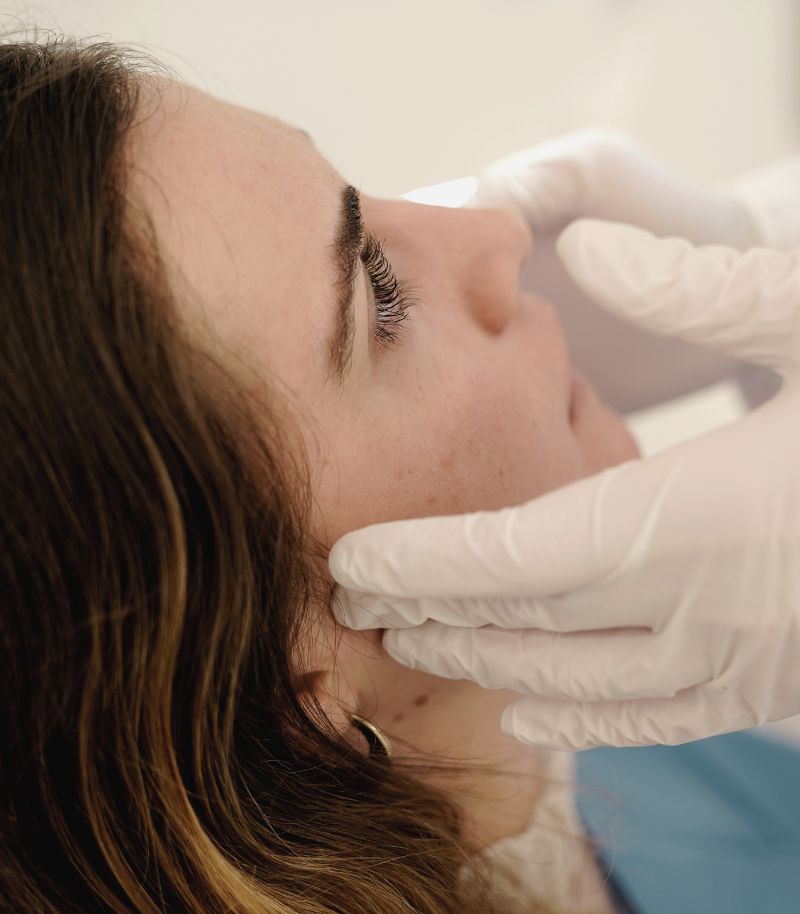
Selecting candidate patients
In theory, bichectomy is a procedure suitable for men and women of any age. However, not all patients will benefit from it, so a personalised assessment must be carried out by expert professionals.
Appropriate candidates
Young patients with excessively rounded faces are ideal candidates for the procedure, as they have sufficient volume in the fatty compartments of the face. Their faces can be made slimmer by removing all or part of the buccal fat pads, thus reducing the volume of the cheeks.
Patients who are not recommended candidates
Bichectomy is not advisable for mature patients who don’t have enough fat to remove. In this case, one of the other techniques used to project cheekbones will be more suitable, such as fillers or facial prostheses. Removal of the buccal fat pads is generally not recommended for very young patients with thin faces, as it may lead to an undesirably hollow or aged appearance.
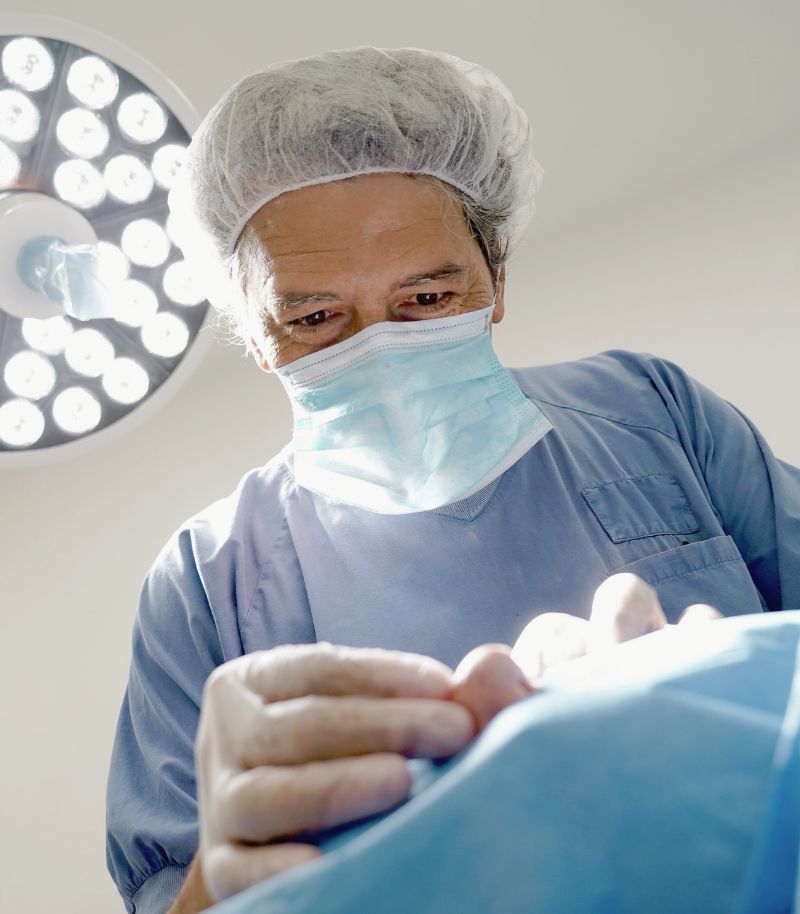
Precise technique performed by specialists
Bichectomy is a straightforward surgery but requires detailed knowledge of facial anatomy. At Grupo Pedro Jaén, it’s carried out by a specialised team who ensure precision and safety for every patient.
Minimally invasive outpatient procedure
The procedure is performed through a small incision inside the mouth, leaving no visible scars. It is performed under local anaesthesia and doesn’t require hospitalisation, allowing the patient to return to their routine within a few days.
Holistic care and post-operative monitoring
In addition to the surgical procedure, we offer post-operative care that includes medical monitoring, hygiene recommendations and inflammation control. Our aim is to guarantee an optimal recovery and a natural and well-proportioned result.
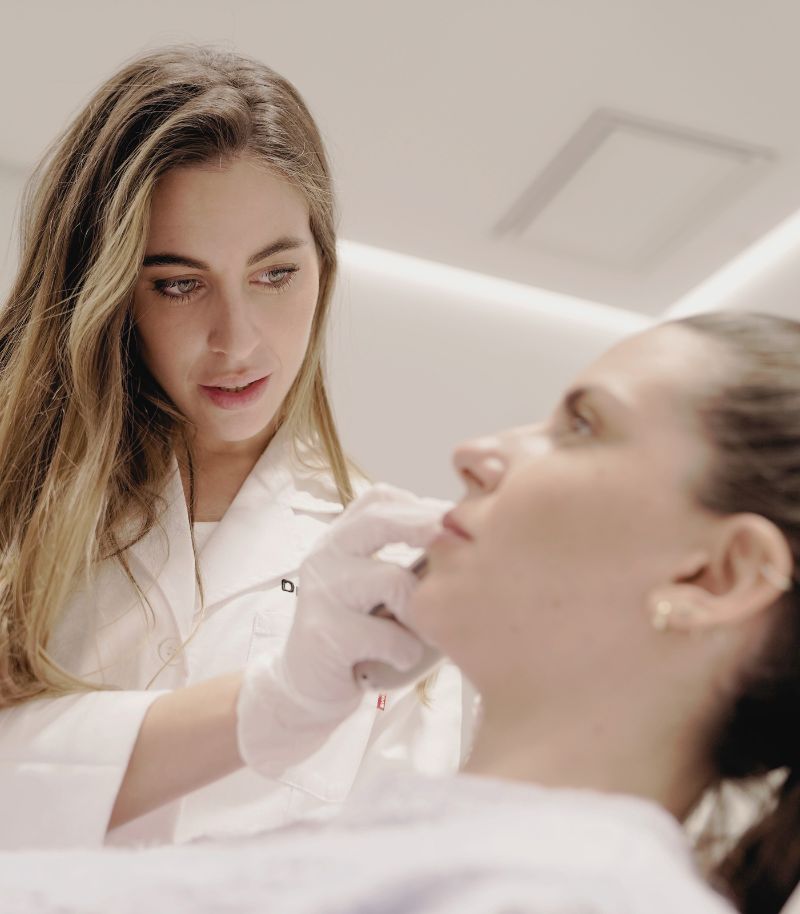
Post-operative period and recovery
Bichectomy is performed through two very small incisions inside the mouth, leaving no visible scars. This makes it a relatively painless procedure with an easy recovery.
Post-intervention guidelines
In the days following the procedure, it’s normal for the face to be swollen and for bruising to appear on the cheeks. These are mild effects that gradually disappear in the days following the operation with no additional intervention other than commonly used painkillers and anti-inflammatory drugs.
Gradual result with progressive improvement
Although changes can be seen straight after the procedure, the final result is consolidated a few weeks later, when the inflammation subsides. The improvement is gradual and natural, with no sudden changes that would indicate an intervention has occurred.
What it involves, indications and outcomes
A guide to understanding bichectomy
Bichectomy, commonly known as buccal fat removal, has become one of the most requested aesthetic procedures in recent years, largely due to the influence of social media and the spread of a beauty standard based on a slim facial contour and very prominent cheekbones.
It is a minimally invasive procedure with high safety standards. However, particular care must be taken when selecting suitable candidates, as it is usually requested by very young patients and performed for purely aesthetic reasons. In addition, the changes achieved are subtle, a factor that does not always match patients’ expectations.

What bichectomy involves
Bichectomy is a minimally invasive surgical procedure that consists of making a small incision on the inside of the cheeks to remove the buccal fat pads (Bichat’s fat pads), two small deposits of fatty tissue located just beneath the cheekbones. These fat pads usually weigh no more than 10 grams and are positioned between two powerful muscles: the masseter, a short and strong muscle involved in chewing; the buccinator, which enables actions such as blowing, whistling, sucking and facial gestures involving lip pursing.
The buccal fat pads do not have a specific functional role other than contributing to facial roundness. Therefore, the objective of buccal fat removal is to refine the lower face and enhance cheekbone definition by subtly hollowing the cheeks.
The procedure is performed in the operating theatre without the need for general anaesthesia. Only local anaesthesia is required and, if the patient wishes, sedation can be administered. Bichectomy, also known as buccal lipectomy, takes approximately 30 minutes and does not require hospital admission.
Indications for bichectomy
The growing demand for this procedure is largely related to a beauty ideal characterised by elongated facial features and projected cheekbones. In reality, bichectomy is performed exclusively for aesthetic reasons, as there is no medical indication for removing this fatty tissue and it has no impact on physical health.
Suitable candidates include men and women with excessively rounded faces or with a degree of disproportion in relation to the rest of the facial oval. Bichectomy may also be considered by patients who wish to slim their cheeks and enhance their cheekbones in order to achieve a more harmonious facial appearance.
“In general, the best results are achieved by combining different therapeutic options and acting at an early stage”
Recovery after bichectomy
Bichectomy is performed through two very small incisions inside the mouth, leaving no visible scars. This makes it a minimally painful procedure with an easy recovery.
In the days following the intervention, it is normal for the face to be swollen and for bruising to appear on the cheeks. These are mild effects that usually resolve spontaneously over the following days with standard painkillers and anti-inflammatory medication.
Most patients can return to their normal daily activities after three to four days, with the only additional precaution being to avoid intense physical exercise for two to three weeks, depending on the specialist’s advice and individual recovery.
In some cases, patients may experience trismus, an involuntary contraction of the chewing muscles that makes it difficult to open the mouth, speak, eat or gesture normally. This effect is not serious and usually resolves within a few days by performing oral opening exercises.
In rare cases, and usually as a result of poor technique, bichectomy can cause injury to Stensen’s duct, a structure associated with the parotid glands and salivary drainage. Damage or obstruction of this duct may lead to facial swelling, intraoral inflammation or oral infections. For this reason, despite being a quick and apparently simple procedure, it is essential that bichectomy is performed by experienced surgeons to ensure maximum safety.
Considerations regarding bichectomy
From a technical point of view, bichectomy can be performed on men and women of any age. However, younger patients are those who benefit most, as they still retain sufficient volume in the facial fat compartments and have not yet experienced the bone loss associated with the natural ageing process. In these cases, if a slimmer face is desired, reducing cheek volume by partially or completely removing the buccal fat pads can be an appropriate solution.
By contrast, mature patients usually do not have sufficient fat to remove, as ageing is associated with progressive loss of facial fat and bone density, which naturally refines the face. In such cases, other techniques such as fillers or facial implants are more suitable, which is why bichectomy is generally not recommended in mature patients.
Careful patient selection is also essential even in young individuals, as excessive fat removal at an early age may lead to a prematurely hollow or gaunt appearance. This could require early use of fillers or tightening treatments later on.

More information
Below you will find the authorship of the information provided on this page.
Authorship of this content
The content of this page has been prepared by the Communication Department and the Medical Team of Grupo Pedro Jaén, in line with our editorial commitment to accuracy, scientific rigour and up-to-date medical information.
Where we see patients?
Clinics in Madrid
Grupo Pedro Jaén is a medical group founded more than three decades ago with the aim of providing medical, surgical and aesthetic solutions related to skin health and appearance. Led by Dr Pedro Jaén, the group has a highly specialised medical team that covers every area of care with top-level specialists, carries out extensive training activities, is a leader in medical research, and operates several clinics in Madrid, from which it offers the highest standards of care and clinical excellence to all patients.

Calle Serrano 143
This centre is the main headquarters of Grupo Pedro Jaén. It provides diagnostic and treatment services in skin cancer, clinical and aesthetic dermatology, laser treatments and other related specialties.
Mon - Fri: 09:00 - 21:00 / Sat: 09:00 - 14:00
Calle Serrano 143, El Viso neighbourhood, Chamartín district, 28006 Madrid, Spain

La Moraleja
Located in Plaza de La Moraleja, this exclusive centre allows Grupo Pedro Jaén to bring its medical and aesthetic services closer to patients across the entire northern area of Madrid.
Mon - Thu: 09:30 - 20:00 / Fri: 09:30 - 18:00
Calle de la Estafeta 8, ground floor, La Moraleja, 28109 Alcobendas, Madrid, Spain

Calle Serrano 166
This centre currently offers services in body aesthetic medicine, endocrinology, nutrition, complementary aesthetic medicine and post-surgical aesthetic treatments.
Mon - Fri: 09:00 - 21:00 / Sat: 09:00 - 14:00
Calle Serrano 166, El Viso neighbourhood, Chamartín district, 28002 Madrid

Related units and pages
Facial aesthetics
Minimally invasive treatments to improve facial appearance with harmonious and natural-looking results.
Body aesthetics
A personalised approach combining different treatment strategies to address the main body-related concerns.
Male aesthetics
Surgical and aesthetic treatments fully adapted to male facial and body anatomy.
Scars
Fully personalised treatments tailored to the type and specific characteristics of each scar.
Plastic surgery
Treatment of facial and body aesthetic and functional concerns that require a surgical solution.
Complementary aesthetics
Cosmetic and aesthetic treatments that address beauty from a clinical perspective to achieve optimal results.
Information and news
Press room
In the Grupo Pedro Jaén Press Room you can find information, advice and news related to dermatology, aesthetic medicine, trichology and general health. The group’s journals are also shared through an online platform, along with updates on the activity and media appearances of our clinics and healthcare professionals.

How to shower properly: tips for looking after your skin
Cold or hot water? Is it better to use a sponge? Find out how to shower properly and what dermatologists recommend to protect your skin.
Retinol in summer: should you stop using it?
We debunk this and other myths about using retinol during the warmer months.

Blog
News about Grupo Pedro Jaén. Information and advice on dermatology, aesthetic medicine, trichology, and general health

Media
Information about media appearances by our clinics and medical specialists.

Journal
Archive of all Grupo Pedro Jaén journals, available through an external online platform.