
Eye rejuvenation
At our centres in Madrid: Serrano 143, Serrano 166 and La Moraleja
Specialists in
Aesthetic treatments for the periocular area
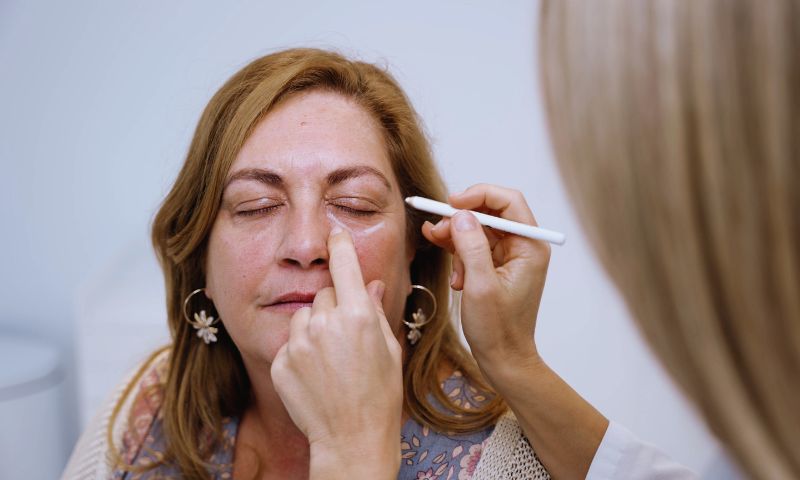
At the Grupo Pedro Jaén Facial Aesthetics Unit, we have developed and perfected a wide range of treatments specifically designed for the eye area, addressing its specific aesthetic and functional concerns. Our specialists are experts in treating this region of the face and take its anatomical complexity into account to achieve optimal aesthetic results. Meticulous care is taken to preserve function at all times, as precision is essential to avoid compromising visual performance.
Recognised reference clinics in Spain
Home > Aesthetic Medicine > Facial Aesthetic Medicine > Eye rejuvenation
What sets us apart
Harmonious and safe results
The eye area is one of the most delicate and expressive regions of the face, capable of conveying emotions and moods. At Grupo Pedro Jaén, we have developed a comprehensive approach that combines advanced technology, medical expertise and meticulous care to achieve natural and safe results. Through personalised treatments, we address each concern affecting the periocular area to rejuvenate the eyes effectively.
Personalised diagnosis
Treatments for under-eye bags
Periocular wrinkles
Treatment of under-eye bags
Solutions for drooping eyelids
Surgery for advanced cases
Personalised diagnosis
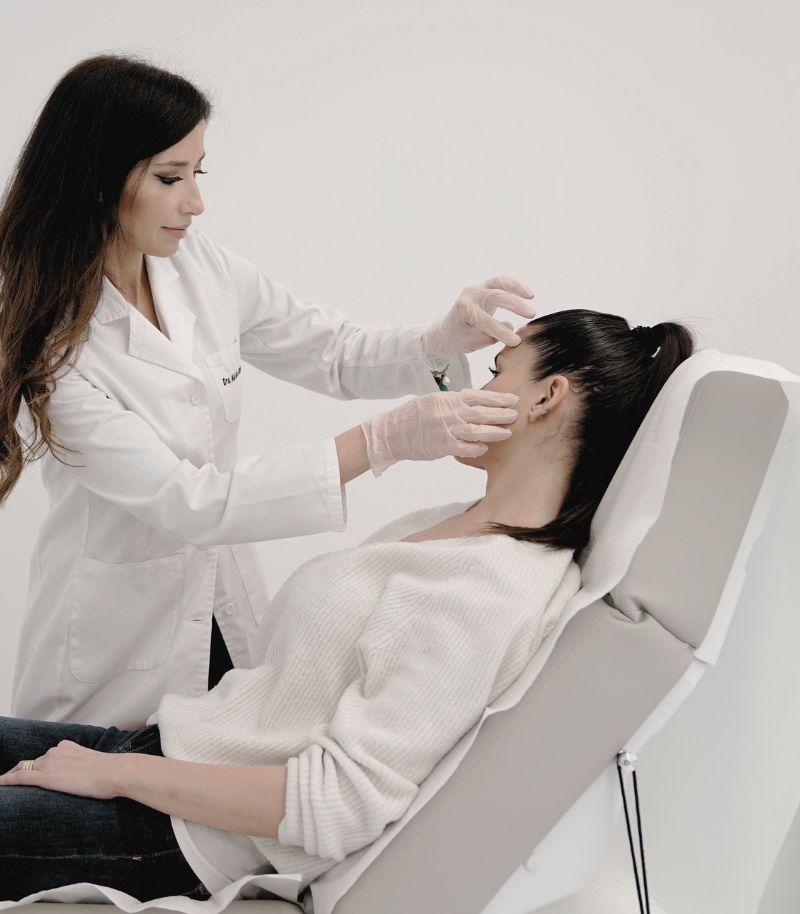
Diagnostic accuracy is key to guaranteeing effective treatments for the eye contour, a delicate area due to its anatomy and functionality. A holistic approach enables each concern to be addressed safely and effectively, improving both the appearance and functional integrity of the periocular area.
Functional and aesthetic assessment of the eye contour
Our specialists analyse the periocular area, identifying conditions such as under-eye bags, skin laxity, dark circles and wrinkles in order to design a plan adapted to each patient’s needs. In addition, we assess factors such as skin quality, hydration and muscle activity, ensuring that each procedure is performed with maximum precision.
Multidisciplinary approach to achieve the best results
A team of dermatologists, aesthetic doctors and plastic surgeons work together to treat each case in a holistic and co-ordinated manner. This collaborative approach enables us to combine minimally invasive treatments with advanced techniques to achieve personalised, natural and safe results.
Treatments for under-eye bags
Under-eye bags may be caused by fat accumulation, fluid retention or loss of tissue firmness. At Grupo Pedro Jaén, we design personalised treatments according to the aetiology and severity of the problem.
Non-invasive options for mild to moderate bags
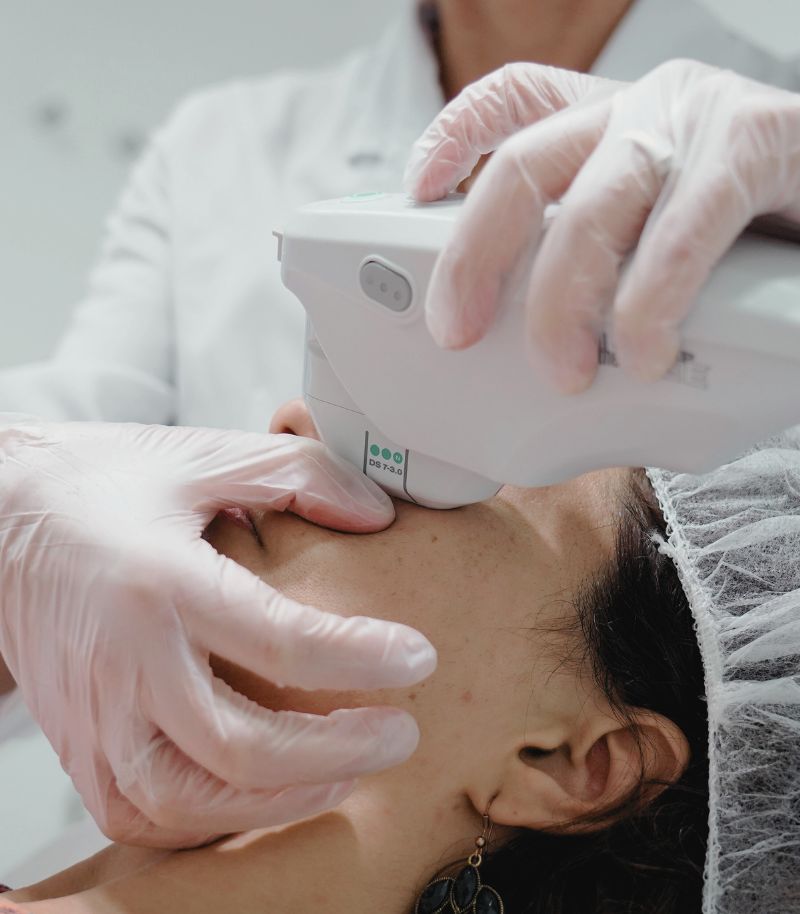
We use technologies such as radiofrequency and focused ultrasound to improve microcirculation and reduce fluid retention, which can also be alleviated through lymphatic drainage. These energy-based devices also stimulate collagen production, achieving a progressive tightening effect.
Blepharoplasty for advanced cases
When bags are severe or due to herniated fat pads, blepharoplasty (eyelid surgery) is the treatment of choice. This procedure removes excess skin and fat, restoring a fresher, more rested appearance. Our approach is based on strategically placed minimal incisions, ensuring imperceptible scars.

Periocular wrinkles
Periocular wrinkles are one of the first signs of ageing, reflecting the natural loss of skin resilience. At our centre, we combine medical treatments and technology to smooth them without altering facial expression.
Neuromodulators for expression lines
Neuromodulators relax the muscles to smooth crow’s feet and glabellar lines. Strategically applied, they open up the gaze, raise the tail of the eyebrow and achieve a fresher look while preserving natural mobility and avoiding a “frozen” appearance.
CO₂ laser for eyelids
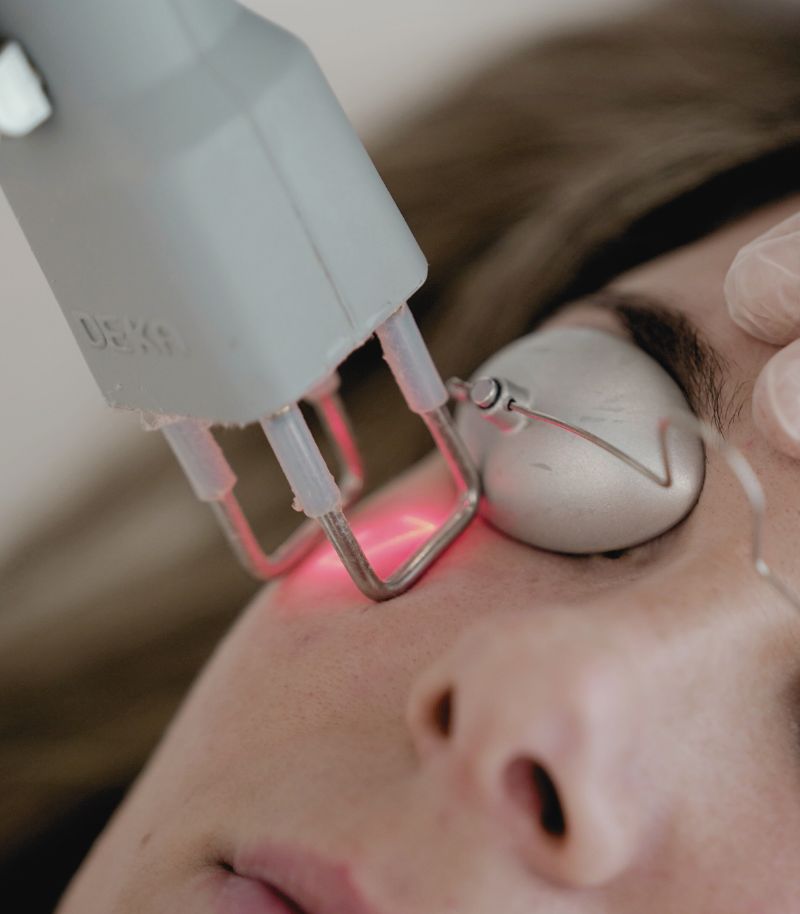
This treatment stimulates deep collagen production and renews the skin surface, improving quality and reducing wrinkles. It also helps to reduce laxity and improve elasticity. Combining it with injectable treatments enhances the rejuvenating effect by replenishing volume and hydration.
Treatment of under-eye bags
Under-eye bags may be caused by fat accumulation, fluid retention or loss of tissue firmness. At Grupo Pedro Jaén, we design personalised treatments according to the aetiology and severity of the problem.
Options for different types of dark circles
Vascular dark circles (reddish/purplish) are treated using vascular laser, sometimes complemented with carboxytherapy. Pigmented dark circles (brown) are usually treated with topical depigmenting agents, specific peels and picosecond lasers to fragment melanin. For hollow dark circles, the best approach is to use fillers in the tear trough to restore volume.
Combined treatments
Many patients present with mixed dark circles. In these cases, we combine different techniques depending on the priorities: improving colour, restoring volume or treating skin texture.
Solutions for drooping eyelids
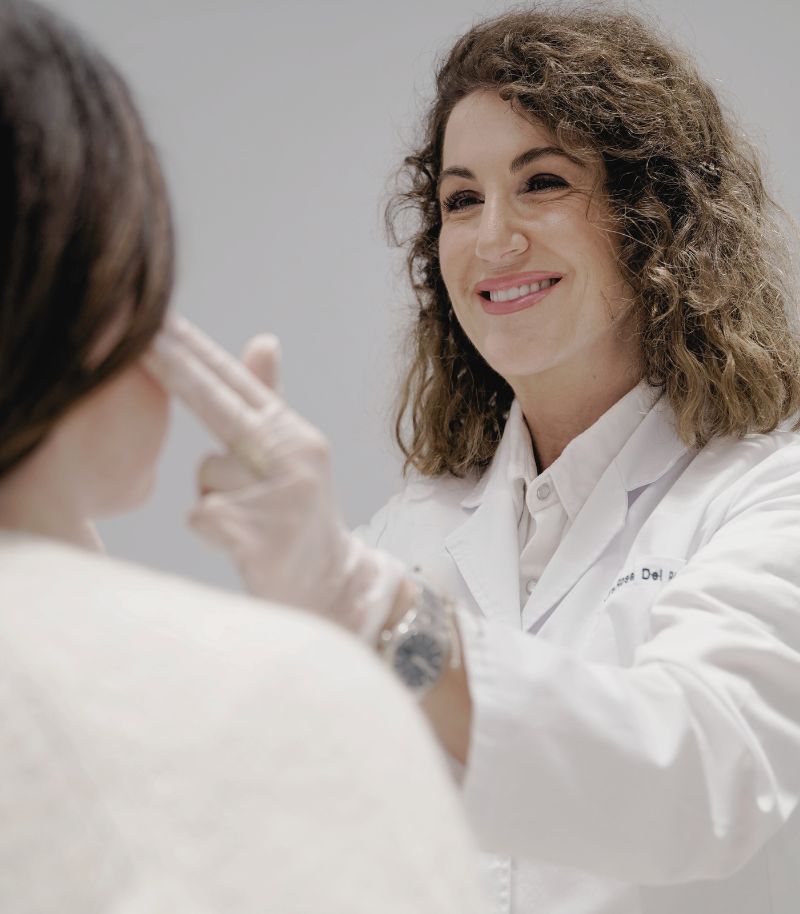
Sagging eyelids not only affect appearance but can also impact visual function. We apply advanced treatments to firm the skin, restoring eyelid position.
Radiofrequency and focused ultrasound
These non-invasive treatments stimulate collagen production in the deep layers of the skin, achieving a progressive lifting effect on the eyelid. They improve elasticity and texture without scarring or downtime.
Collagen stimulators for progressive improvement
The most effective non-surgical approaches to address drooping eyelids include neuromodulator injections to elevate the brow, collagen stimulators to improve tissue firmness, skin tightening systems, and focused ultrasound. Filler substances in the brow arch also help restore structural support.
Surgery for advanced cases
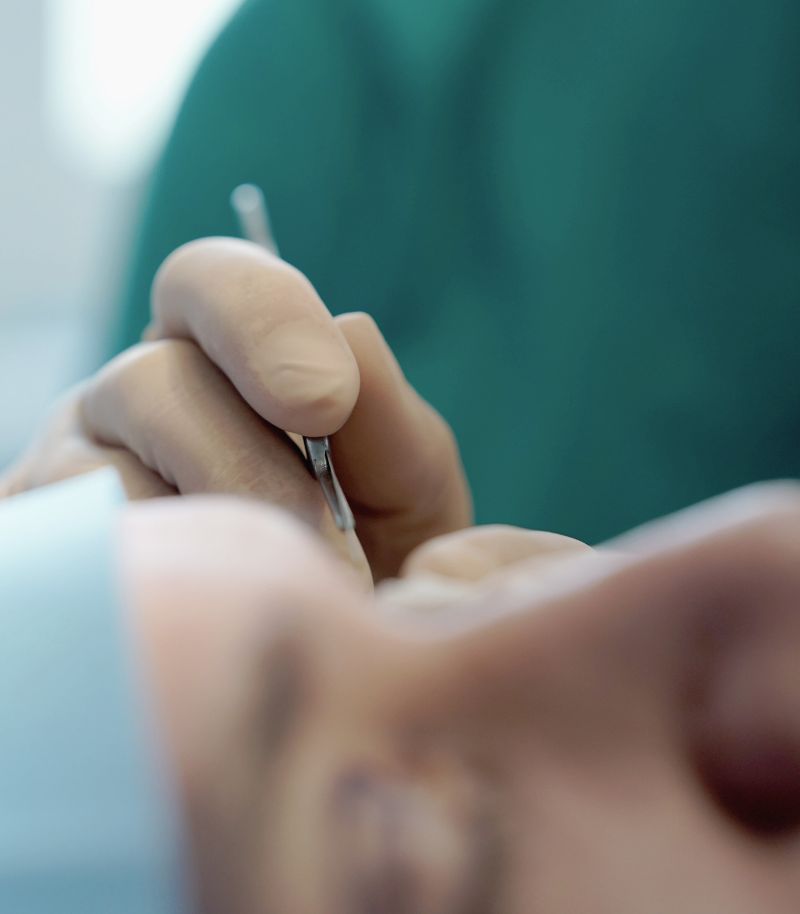
Excess eyelid skin, pronounced drooping or deep wrinkles may require surgical correction when medical-aesthetic treatments are not sufficient.
Blepharoplasty (Eyelid surgery)
This surgery corrects excess skin and bags, rejuvenating the eyes without altering natural expression. It can be performed on the upper or lower eyelids (or both). When performed by experts, it is a safe and well-established procedure with long-lasting results.
Long-term support and follow-up
A brow lift is a minimally invasive surgical procedure that raises the natural position of the eyebrows, opening up the gaze and correcting sagging. It is performed through small incisions hidden in the hairline, offering natural and lasting results to restore freshness to the upper third of the face.
What they involve and treatment options
A guide to understanding aesthetic concerns of the eye contour
The eyebrows, eyes and periocular area form a functional and aesthetic unit that plays a decisive role in facial appearance. Drooping eyebrows, dark circles, under-eye bags, crow’s feet, forehead and frown lines, or excess eyelid skin can give the face a tired, aged, sad or even angry appearance. These changes are often perceived as particularly unfavourable and may appear at relatively early ages.

Under-eye bags
Although under-eye bags and dark circles are sometimes referred to interchangeably, they represent different conditions, both of which are common in aesthetic consultations. Under-eye bags are caused by the accumulation of fluid or fat in the lower eyelid area, leading to excessive volume due to skin laxity and descent of the lower eyelid tissues.
The weakening of supporting structures and age-related skin laxity contribute to the progressive prominence of under-eye bags when not treated appropriately.
While under-eye bags are not a serious clinical condition, they do disrupt facial harmony and significantly affect appearance, giving the face a tired, aged or sad look. They are often associated with dark circles and skin laxity, although these features do not necessarily occur simultaneously.
This condition affects both men and women and is usually the result of a combination of factors, including genetic predisposition, fluid retention, sleep deprivation, ageing, stress, smoking and poor dietary habits.
Treatments for under-eye bags
Selecting the most appropriate treatment requires determining whether the under-eye bags are due to fluid retention, localised fat deposits, or a combination of both.
When under-eye bags are primarily caused by fluid accumulation, treatment is usually straightforward and involves addressing contributing lifestyle factors (diet, sleep, smoking, alcohol consumption) combined with non-invasive drainage-based therapies. These include lymphatic drainage massage and endermology performed in our Beauty and Wellness Unit, as well as radiofrequency and ultrasound treatments that reduce congestion, improve periocular tissue quality, gently elevate the tail of the eyebrow and stimulate collagen and elastin production to reduce laxity.
These approaches are effective in mild to moderate cases. However, when under-eye bags are pronounced or caused by herniated fat, lower eyelid blepharoplasty is the treatment of choice.
Periocular wrinkles
The periocular area is particularly prone to the development of wrinkles for several reasons. Firstly, the skin in this region is thinner and contains fewer sebaceous glands than the rest of the face. As a result, its skin barrier is less effective at preventing dehydration and protecting the epidermis from external aggressors, particularly ultraviolet radiation—one of the main causes of photoageing, characterised by the combination of pigmentation changes, wrinkles and dehydration that compromise skin quality.
Secondly, the periocular area is subject to constant mechanical stress due to facial expression. The eyes play a central role in non-verbal communication—expressing surprise, anger, sadness or joy—and for this reason are especially susceptible to early expression lines, commonly known as crow’s feet.
Finally, due to the absence of strong underlying support musculature, the skin around the eyes tends to lose tone and descend more readily than in other facial areas, making it particularly vulnerable to laxity-related wrinkling in the lower eyelid region.
Periocular wrinkles can give the entire face a tired or sad appearance and are among the most visible signs of ageing. Fortunately, the Facial Aesthetics Unit at Grupo Pedro Jaén is a pioneer in the application of treatments aimed at reducing periocular wrinkles by addressing their underlying cause. In most cases, the best outcomes are achieved through protocols that combine multiple therapeutic approaches.
Treatments for periocular wrinkles
The aim of treatments for periocular wrinkles is to improve the condition of the skin in this area and rejuvenate the eyes by smoothing the cutaneous surface. These treatments may be complemented by others targeting skin laxity or pigmentation in order to achieve optimal results.
Injected medication
The injection of controlled doses of a muscle-relaxing medication is used to soften dynamic expression lines located at the crow’s feet, forehead and glabellar region, which result from facial movement. Treatment of the upper third of the face modulates periocular muscle activity and smooths wrinkles without adding volume or altering the patient’s natural facial expression or aesthetics. The result is the so-called “well-rested” effect, characterised by a fresher appearance and a relaxed, rejuvenated expression.
CO₂ laser
This type of laser induces controlled exfoliation of the superficial layers of the skin, reducing both dynamic expression lines and those that develop in the periocular area as part of the natural ageing process. A key advantage of this rejuvenation laser is that the thermal energy delivered to the deeper layers of the skin stimulates collagen and elastin production, significantly improving firmness and turgor. As a result, skin laxity is reduced while the surface texture is smoothed.
Regenerative techniques
Regenerative therapies stimulate the skin’s natural repair mechanisms and promote the production of collagen and elastin—two components that are relatively scarce in periocular tissues. The result is improved skin density, firmness and hydration.
Injectable fillers
When forehead, glabellar or crow’s feet wrinkles are particularly pronounced, resorbable dermal fillers may be used. These substances smooth wrinkles and fill grooves through their water-binding properties. Their key advantages include ease of application in an outpatient setting, excellent biocompatibility to minimise adverse reactions, and reversibility. The results can be adjusted over time, and once the filler has been fully resorbed, treatment can be safely repeated.
“In general, the best outcomes are achieved by combining different therapeutic options and initiating treatment at an early stage”
Dark circles
One of the most common concerns among patients attending our facial aesthetics consultations is the appearance of dark circles under the eyes. Dark circles give the face a tired, sad and aged appearance that is often perceived as unattractive and is not necessarily linked to the ageing process, as they are frequently observed in very young patients.
The Facial Aesthetics Unit at Grupo Pedro Jaén emphasises the importance of establishing an accurate diagnosis of the specific type of dark circles, as this distinction determines the most appropriate treatment in each case. Furthermore, the specialists in this Unit stress that all procedures in the under-eye area must be performed by experienced professionals, given the anatomical complexity of this region. On the one hand, the skin in this area is so thin that there is virtually no margin for error; on the other, it lies in close proximity to vital ocular structures which, if damaged, could compromise visual function.
For this reason, three main types of dark circles are distinguished, although they often coexist in the same patient.
Types of dark circles and treatment
Vascular dark circles
Vascular dark circles appear bluish, purplish or violaceous. They are easily recognised because the underlying blood vessels are visible through the very thin infraorbital skin. The cornerstone treatments for vascular dark circles are carboxytherapy and vascular laser therapy. Carboxytherapy involves the injection of medical-grade carbon dioxide beneath the skin using a fine needle. This treatment significantly improves tissue oxygenation, helping to reduce the bluish discolouration characteristic of vascular dark circles.
Vascular laser therapy, on the other hand, is highly effective due to its affinity for haemoglobin. This type of laser targets and eliminates superficial vascular networks, improving the appearance of vascular dark circles.
Both techniques also enhance skin quality in the infraorbital area and have a beneficial effect on periocular wrinkles.
Pigmented dark circles
Pigmented dark circles are caused by skin darkening due to excess melanin. They are usually related to genetic and hormonal factors and may appear at any age, including childhood. These dark circles typically present as brownish or yellow-brown discoloration and, like other forms of facial pigmentation, require treatment with topical depigmenting agents, pigment-specific lasers and chemical peels to inhibit melanin synthesis, lighten skin tone and renew the epidermis. Treatment of pigmented dark circles must always be performed by experienced specialists to avoid damaging the delicate periocular skin or worsening pigmentation.
Hollow dark circles
Hollow dark circles are characterised by a visible groove beneath the eyes caused by volume loss in the infraorbital region. Treatment requires the use of injectable fillers to restore lost volume and re-establish facial harmony.
Treating hollow dark circles with fillers demands an in-depth knowledge of facial anatomy and the specific properties of the tissues in this area. The approach must go beyond simply filling the tear trough; treatment should also address the temporal hollow, the superior orbital rim and the lateral infraorbital area to achieve a balanced and harmonious result.
Equally important is the injection plane. Fillers must be placed at a very deep level. Superficial injection produces the opposite of the desired effect, leading to visible swelling, as these materials have a high capacity for water retention. Specialists at Grupo Pedro Jaén are highly experienced in managing and correcting such cases using hyaluronidase when required.
Advanced technologies for the treatment of dark circles
The infraorbital area can also be improved using two advanced treatments available at our centre: fractional CO₂ laser and focused ultrasound.
Fractional CO₂ laser has become a key tool in facial rejuvenation and a cornerstone in the treatment of wrinkles, pigmentation, scars, stretch marks and acne marks. It also renews the skin surface through a controlled peeling effect and improves skin quality by enhancing microcirculation and stimulating the production of new collagen and elastin.
Focused ultrasound is one of the most effective non-invasive technologies for improving skin firmness. It delivers ultrasound energy to the deeper layers of the skin and can reach the SMAS (Superficial Musculoaponeurotic System), the continuous fascial layer that envelops the face and neck and plays a key role in facial support.
This technology generates controlled thermal stimulation that promotes the formation of new collagen—an essential protein for skin firmness and elasticity.
Eyelids
The eyelids are essential structures that protect the eyes from external aggressors. They also lubricate the ocular surface through blinking and help maintain the appropriate level of moisture required for optimal vision. In addition to this function, the eyelids play a crucial role in facial aesthetics, as their volume and contour significantly influence the expression of the eyes and the overall appearance of the eye area.
The skin of the eyelids is thin and particularly fragile for several reasons. It is easily irritated and prone to dehydration due to a relatively weak hydrolipidic barrier, which is low in fatty acids and water, as the eyelids contain very few sebaceous glands. In addition, the eyelid skin has relatively limited vascular efficiency, which can impair tissue regeneration and lymphatic drainage in this area, making it more prone to swelling and the development of under-eye bags.
Furthermore, eyelid skin contains fewer collagen and elastin fibres, making it especially vulnerable to ageing. Although the periocular area contains numerous muscles responsible for blinking and eye movement, these muscles do not provide effective structural support. As a result, wrinkles, laxity and sagging develop earlier than in other facial regions.
Skin laxity in this area can lead to drooping eyelids, giving the entire face a tired and aged appearance. In addition, excess skin increases the weight of the upper eyelid and, in some patients, may even impair the visual field, making surgical intervention necessary for functional rather than purely aesthetic reasons.
Eyelid treatments
The primary aesthetic concern affecting the eyelids is skin laxity. This is addressed through treatments aimed at improving skin quality and firmness by stimulating collagen and elastin production.
At the Grupo Pedro Jaén Facial Aesthetics Unit, we offer a full range of non-invasive treatments to improve eyelid skin. These include injections of a medication commonly used to treat forehead lines, frown lines and crow’s feet, which can also be used to subtly elevate the tail of the eyebrow. This opening of the eye area causes the upper eyelid to lift, resulting in a more alert and rested expression.
In addition, collagen stimulators, dermal fillers, radiofrequency and focused ultrasound can indirectly improve eyelid position and shape by promoting the formation of new collagen and elastin fibres. These treatments are used to modulate eyebrow tail position and harmonise the temporal hollows, creating a more open and lifted periocular appearance.
Resorbable skin-tightening systems placed beneath the periorbital skin can also provide an immediate lifting effect that may last between one and three years.
However, non-invasive treatments are only effective in cases of mild eyelid laxity. When drooping is pronounced or excess skin is significant, surgical blepharoplasty or brow lifting should be considered.

More information
Below you will find the authorship and references for the information provided on this page:
Authorship and references
The content of this page has been prepared by the Communication Department and the Medical Team of Grupo Pedro Jaén, in line with our editorial commitment to ensuring the accuracy and up-to-date nature of the information provided.
References on eye and periorbital rejuvenation::
1. Murthy R, Roos JCP, Goldberg RA. Periocular hyaluronic acid fillers: applications, implications, complications. Curr Opin Ophthalmol. 2019 Sep;30(5):395-400. doi: 10.1097/ICU.0000000000000595. PMID: 31261189.
2. Iranmanesh B, Khalili M, Mohammadi S, Amiri R, Aflatoonian M. Employing microbotox technique for facial rejuvenation and face-lift. J Cosmet Dermatol. 2022 Oct;21(10):4160-4170. doi: 10.1111/jocd.14768. Epub 2022 Jan 22. PMID: 35064633.
3. Markey JD, White WM. Advances in Nonsurgical Periocular Rejuvenation. Facial Plast Surg Clin North Am. 2022 Aug;30(3):321-329. doi: 10.1016/j.fsc.2022.03.006. PMID: 35934434.
4. Garcia CP, Badin AZD. Treating Excess Lower Eyelid Skin Without Incisions. Aesthetic Plast Surg. 2019 Oct;43(5):1320-1325. doi: 10.1007/s00266-019-01427-0. Epub 2019 Jun 19. PMID: 31218381.
5. Robati RM, Asadi E. Efficacy and safety of fractional CO2 laser versus fractional Er:YAG laser in the treatment of facial skin wrinkles. Lasers Med Sci. 2017 Feb;32(2):283-289. doi: 10.1007/s10103-016-2111-8. Epub 2016 Nov 24. PMID: 27885522.
6. Worley B, Cohen JL. Combination Ablative Approach to Laser Therapy in Advanced Aging of the Face. J Drugs Dermatol. 2018 Jul 1;17(7):796-799. PMID: 30005103.
7. Kassir M, Kroumpouzos G, Puja P, Katsambas A, Galadari H, Lotti T, Abdelmaksoud A, Grabbe S, Juchems E, Goldust M. Update in minimally invasive periorbital rejuvenation with a focus on platelet-rich plasma: A narrative review. J Cosmet Dermatol. 2020 May;19(5):1057-1062. doi: 10.1111/jocd.13376. Epub 2020 Mar 17. PMID: 32181588.
8. Evans AG, Ivanic MG, Botros MA, Pope RW, Halle BR, Glassman GE, Genova R, Al Kassis S. Rejuvenating the periorbital area using platelet-rich plasma: a systematic review and meta-analysis. Arch Dermatol Res. 2021 Nov;313(9):711-727. doi: 10.1007/s00403-020-02173-z. Epub 2021 Jan 12. PMID: 33433716.
9. Gennai A, Zambelli A, Repaci E, Quarto R, Baldelli I, Fraternali G, Bernardini FP. Skin Rejuvenation and Volume Enhancement with the Micro Superficial Enhanced Fluid Fat Injection (M-SEFFI) for Skin Aging of the Periocular and Perioral Regions. Aesthet Surg J. 2017 Jan;37(1):14-23. doi: 10.1093/asj/sjw084. Epub 2016 May 30. PMID: 27241362.
10. Theodorelou-Charitou SA, Xanthos T, Nikas IP, Ntinioti T. New era in upper eyelid rejuvenation: A brief overview of non-surgical blepharoplasty techniques. J Plast Reconstr Aesthet Surg. 2021 Jul;74(7):1633-1701. doi: 10.1016/j.bjps.2021.01.008. Epub 2021 Feb 10. PMID: 33602571.
11. Baroni A. Non-surgical blepharoplasty with the novel plasma radiofrequency ablation technology. Skin Res Technol. 2020 Jan;26(1):121-124. doi: 10.1111/srt.12774. Epub 2019 Sep 19. PMID: 31535742.
12. Drolet BC, Sullivan PK. Evidence-based medicine: Blepharoplasty. Plast Reconstr Surg. 2014 May;133(5):1195-1205. doi: 10.1097/PRS.0000000000000087. PMID: 24776550.
13. Zoumalan CI, Roostaeian J. Simplifying Blepharoplasty. Plast Reconstr Surg. 2016 Jan;137(1):196e-213e. doi: 10.1097/PRS.0000000000001906. PMID: 26710052.
14. Shah-Desai S, Joganathan V. Novel technique of non-surgical rejuvenation of infraorbital dark circles. J Cosmet Dermatol. 2021 Apr;20(4):1214-1220. doi: 10.1111/jocd.13705. Epub 2020 Nov 28. PMID: 32881282.
15. Lipp M, Weiss E. Nonsurgical Treatments for Infraorbital Rejuvenation: A Review. Dermatol Surg. 2019 May;45(5):700-710. doi: 10.1097/DSS.0000000000001897. PMID: 31033596.
16. Zaheri H, Beyzaee AM, Rokni GR, Patil A, Golpour M, Goldust M. Comparison of the efficacy of carboxytherapy versus fractional CO2 laser therapy for the treatment of periorbital dark circles: A randomized clinical trial. J Cosmet Dermatol. 2022 Sep 6. doi: 10.1111/jocd.15337. Epub ahead of print. PMID: 36065678.
17. Kounidas G, Kastora S, Rajpara S. Decoding infraorbital dark circles with lasers and fillers. J Dermatolog Treat. 2022 May;33(3):1563-1567. doi: 10.1080/09546634.2020.1855297. Epub 2020 Dec 3. PMID: 33272039.
18. Friedmann DP, Goldman MP. Dark circles: etiology and management options. Clin Plast Surg. 2015 Jan;42(1):33-50. doi: 10.1016/j.cps.2014.08.007. PMID: 25440739.
19. Roh MR, Chung KY. Infraorbital dark circles: definition, causes, and treatment options. Dermatol Surg. 2009 Aug;35(8):1163-71. doi: 10.1111/j.1524-4725.2009.01213.x. Epub 2009 May 15. PMID: 19469797.
20. Park KY, Kwon HJ, Youn CS, Seo SJ, Kim MN. Treatments of Infra-Orbital Dark Circles by Various Etiologies. Ann Dermatol. 2018 Oct;30(5):522-528. doi: 10.5021/ad.2018.30.5.522. Epub 2018 Aug 28. PMID: 33911473; PMCID: PMC7992473.
21. Lio ML, Chang CC, Chuang AD, Tsai LC, Chen CC. Quantified Facial Rejuvenation Utilizing High Intense Focus Ultrasound with Multiple Penetrative Depths. Clin Cosmet Investig Dermatol. 2022 Mar 19;15:489-496. doi: 10.2147/CCID.S350556. PMID: 35368623; PMCID: PMC8968221.
22. Glaser DA, Kurta A. Periorbital Rejuvenation: Overview of Nonsurgical Treatment Options. Facial Plast Surg Clin North Am. 2016 May;24(2):145-52. doi: 10.1016/j.fsc.2016.01.003. PMID: 27105800.
23. Brauer JA, Patel U, Hale EK. Laser skin resurfacing, chemical peels, and other cutaneous treatments of the brow and upper lid. Clin Plast Surg. 2013 Jan;40(1):91-9. doi: 10.1016/j.cps.2012.08.006. PMID: 23186758.
24. Hoenig J, Hoenig D. Minimally invasive periorbital rejuvenation. Facial Plast Surg. 2013 Aug;29(4):295-309. doi: 10.1055/s-0033-1349363. Epub 2013 Jul 24. PMID: 23884851.
25. Devgan L, Singh P, Durairaj K. Minimally Invasive Facial Cosmetic Procedures. Otolaryngol Clin North Am. 2019 Jun;52(3):443-459. doi: 10.1016/j.otc.2019.02.013. Epub 2019 Apr 5. PMID: 30954270.
26. Ibrahim O, Keller EC, Arndt KA. Update on botulinum neurotoxin use in aesthetic dermatology. Semin Cutan Med Surg. 2014 Dec;33(4):152-6. doi: 10.12788/j.sder.0115. PMID: 25830246.
Where we see patients?
Clinics in Madrid
Grupo Pedro Jaén is a medical group founded more than three decades ago with the aim of providing medical, surgical and aesthetic solutions related to skin health and appearance. Led by Dr Pedro Jaén, the group has a highly specialised medical team that covers every area of care with top-level specialists, carries out extensive training activities, is a leader in medical research, and operates several clinics in Madrid, from which it offers the highest standards of care and clinical excellence to all patients.

Calle Serrano 143
This centre is the main headquarters of Grupo Pedro Jaén. It provides diagnostic and treatment services in skin cancer, clinical and aesthetic dermatology, laser treatments and other related specialties.
Mon - Fri: 09:00 - 21:00 / Sat: 09:00 - 14:00
Calle Serrano 143, El Viso neighbourhood, Chamartín district, 28006 Madrid, Spain

La Moraleja
Located in Plaza de La Moraleja, this exclusive centre allows Grupo Pedro Jaén to bring its medical and aesthetic services closer to patients across the entire northern area of Madrid.
Mon - Thu: 09:30 - 20:00 / Fri: 09:30 - 18:00
Calle de la Estafeta 8, ground floor, La Moraleja, 28109 Alcobendas, Madrid, Spain

Calle Serrano 166
This centre currently offers services in body aesthetic medicine, endocrinology, nutrition, complementary aesthetic medicine and post-surgical aesthetic treatments.
Mon - Fri: 09:00 - 21:00 / Sat: 09:00 - 14:00
Calle Serrano 166, El Viso neighbourhood, Chamartín district, 28002 Madrid

Related units and pages
Facial aesthetics
Minimally invasive treatments to improve facial appearance with harmonious and natural-looking results.
Body aesthetics
A personalised approach combining different treatment strategies to address the main body-related concerns.
Male aesthetics
Surgical and aesthetic treatments fully adapted to male facial and body anatomy.
Scars
Fully personalised treatments tailored to the type and specific characteristics of each scar.
Plastic surgery
Treatment of facial and body aesthetic and functional concerns that require a surgical solution.
Complementary aesthetics
Cosmetic and aesthetic treatments that address beauty from a clinical perspective to achieve optimal results.
Information and news
Press room
In the Grupo Pedro Jaén Press Room you can find information, advice and news related to dermatology, aesthetic medicine, trichology and general health. The group’s journals are also shared through an online platform, along with updates on the activity and media appearances of our clinics and healthcare professionals.
How to shower properly: tips for looking after your skin
Cold or hot water? Is it better to use a sponge? Find out how to shower properly and what dermatologists recommend to protect your skin.
Retinol in summer: should you stop using it?
We debunk this and other myths about using retinol during the warmer months.

Blog
News about Grupo Pedro Jaén. Information and advice on dermatology, aesthetic medicine, trichology, and general health

Media
Information about media appearances by our clinics and medical specialists.

Journal
Archive of all Grupo Pedro Jaén journals, available through an external online platform.