
Facial volume loss
At our centres in Madrid: Serrano 143, Serrano 166 and La Moraleja
Specialists in
Treatments to restore facial volume
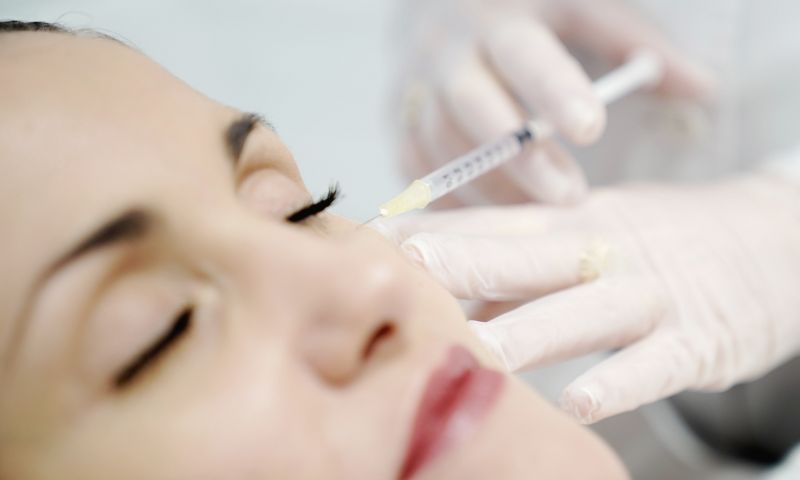
The Grupo Pedro Jaén Facial Aesthetics Unit specialises in treatments designed to restore facial volume, creating a fresh and youthful appearance while respecting facial harmony and ensuring a completely natural-looking result.
Recognised reference clinics in Spain
Home > Aesthetic Medicine > Facial Aesthetic Medicine > Facial volume loss
What sets us apart
Latest treatments and natural results
Loss of facial volume is one of the main signs of ageing. Over time, tissues atrophy, facial fat decreases and bone structure loses density, resulting in a sharper, less defined face. Our specialists offer advanced treatments to restore facial volumes precisely and safely, achieving natural results that respect facial harmony.
Strategic planning
Pioneers in skin ultrasound
Resorbable fillers
Injected collagen stimulators
Experts in lipofilling
Correction of Previous Treatments
Strategic planning
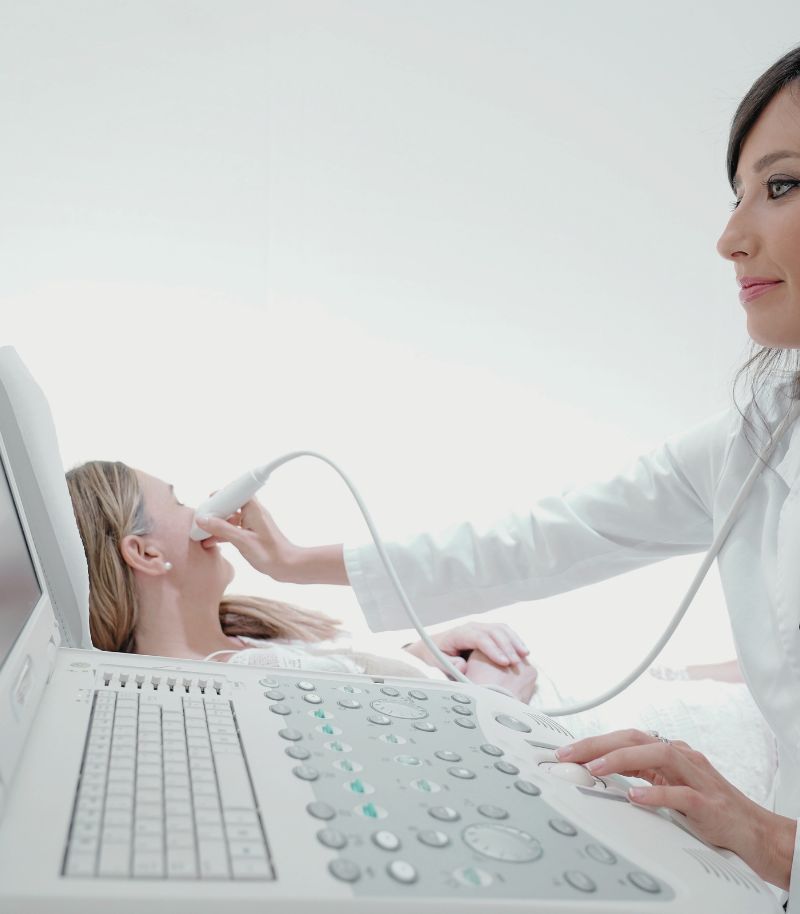
Our approach is based on a thorough diagnosis that personalises the treatment, ensuring harmony and a natural appearance. Facial assessment considers not only volume loss but also the aesthetic balance of the face and the quality of the skin.
Individualised diagnosis
At the Grupo Pedro Jaén Facial Aesthetics Unit, we carry out a detailed analysis of the bone structure, the elasticity of the skin and the distribution of fat and soft tissues. This approach enables us to design a precise treatment plan that preserves facial proportions, minimises signs of ageing and enhances natural beauty.
Personalised treatment plan
We use advanced diagnostic tools to assess facial anatomy and plan each procedure with precision. This enables us to combine techniques such as resorbable fillers, collagen stimulators and tightening technologies, ensuring natural and harmonious results. Our priority is to offer safe and durable solutions, with a focus on medical and aesthetic excellence.
Pioneers in skin ultrasound
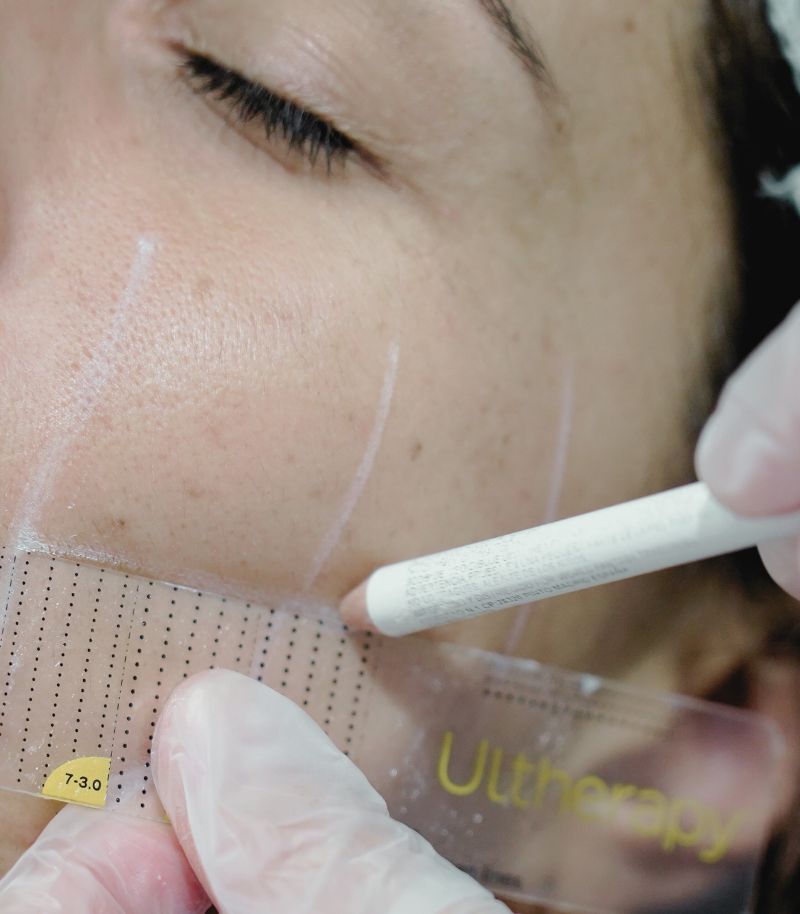
Skin ultrasound has become a key tool in aesthetic medicine for the diagnosis and planning of treatments to restore facial volume. Its ability to provide real-time visualisation of the different layers of the skin, subcutaneous tissue and deep anatomical structures enables the practitioner to work with greater precision and safety.
Diagnosis and planning
Prior to treatment, ultrasound helps to identify the exact location of blood vessels, glands or previous fillers, reducing the risk of complications such as bruising, vascular occlusions or asymmetrical results. It enables the ideal depth of injection to be determined and the most suitable anatomical plane to be chosen for each type of filler, resulting in more natural and personalised results.
Safer and more effective treatment
It is particularly useful in patients who have undergone previous treatment, as it enables assessment of the presence of previous residual products or subclinical complications such as granulomas or fibrosis. Thanks to its non-invasive nature and the information it provides in real time, ultrasound brings an additional level of safety and control to aesthetic procedures.
Resorbable fillers
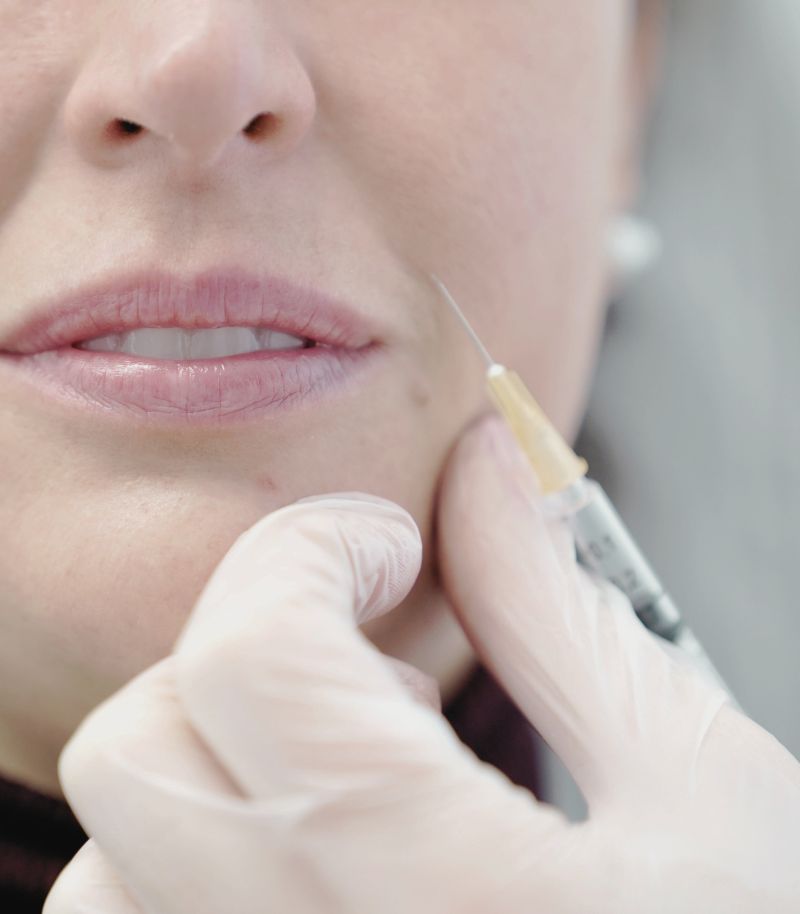
At the Grupo Pedro Jaén Facial Aesthetics Unit, we use totally biocompatible resorbable fillers to reduce the possibility of adverse reactions and avoid rejection of the material.
Mitigating the risk of overcorrection
To avoid excess volume, alteration of the original features or an unnatural appearance, it is essential to choose the correct product for each treatment area, inject the appropriate volume, and to respect the time between sessions, making sure to repeat the procedure when almost all the previous product has been reabsorbed.
A specific filler for every área
Resorbable fillers are formulated with different degrees of density, depending on the objective of the treatment. They can replenish volume in different areas of the face, provide immediate improvement, treat dehydrated lips, increase the size of the lips, correct certain nasal defects without surgery, fill the temporal cavities, dark circles under the eyes or nasolabial folds, or achieve a precise and lasting increase in the volume of the cheekbones.
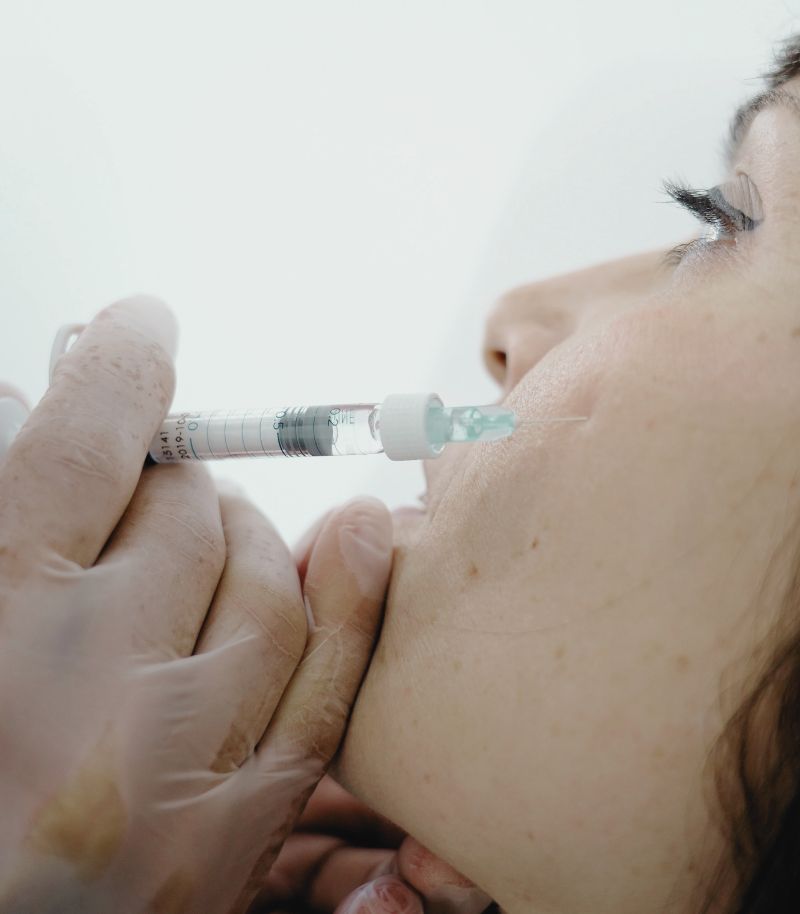
Injected collagen stimulators
Collagen stimulators are formulated from biocompatible compounds suspended in an aqueous gel that is injected into the areas where volumes need to be restored. In addition to the immediate plumping effect, these collagen stimulators promote the formation of new collagen—an essential structural protein responsible for skin firmness and volume, the benefits of which are seen progressively over the months.
Immediate and prolonged effects
Like resorbable fillers, collagen stimulators are biocompatible to minimise the risk of adverse reactions. However, although the particles in the formulation are almost completely reabsorbed, the effects are more long-lasting than those achieved with fillers with high water-retention capacity.
Suitable for large áreas
These collagen stimulators are used to replenish volume in large areas such as the cheeks, chin or the entire jaw arch; in fact, it is a very common procedure in the Men’s Aesthetic Unit to give men’s faces a more masculine appearance.
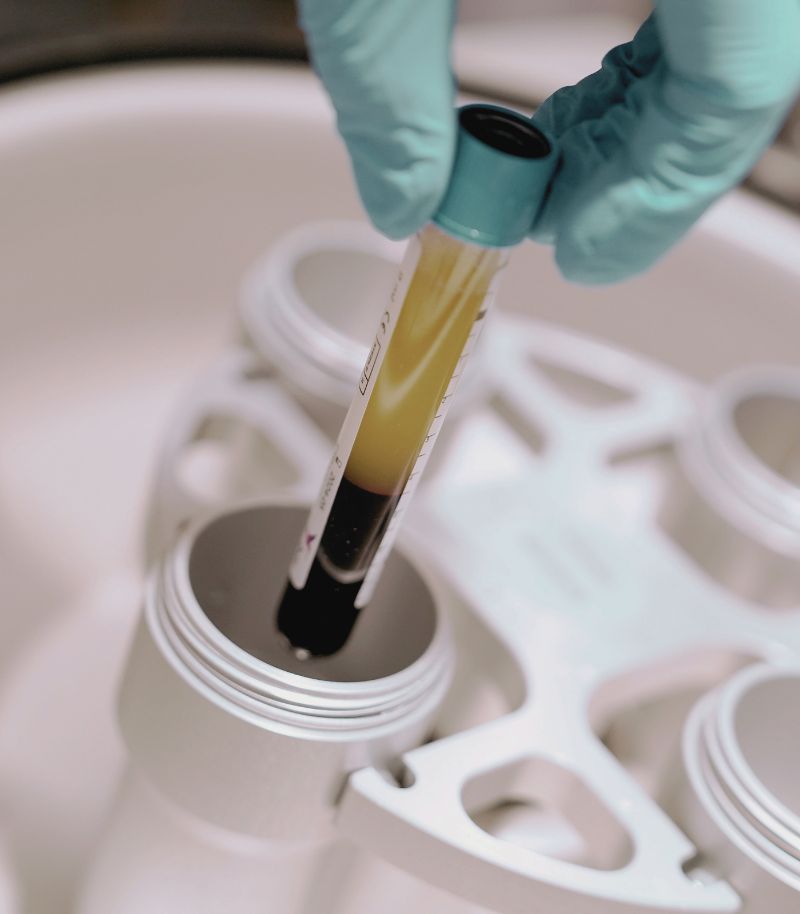
Experts in lipofilling
Autologous fat treatments combine aspects of both aesthetic techniques and surgery, since in order to extract the fat to be used to replenish volumes and regenerate the skin, prior liposuction must be carried out, preferably on the abdomen or knees. Grupo Pedro Jaén is a pioneering centre in the research, development and application of this procedure for clinical and aesthetic purposes.
Full compatibility
Autologous fat is a regenerative medicine resource that is an ideal filler material because, as it is a tissue obtained from the patient’s own fat, the possibility of rejection is eliminated. It is also stable over time and can be combined with other aesthetic procedures.
Additional advantages of autologous fat
Autologous fat can be used on cheekbones, nasolabial folds, marionette lines, dark circles under the eyes or temporal fossae with harmonious and natural results, even in patients who already have permanent fillers. Finally, research shows that autologous fat also stimulates facial rejuvenation through the stromal vascular fraction (SVF).
Correction of Previous Treatments
Our Facial Aesthetics Unit has the support of the Filler Complications Unit to correct previous procedures that have generated unwanted volumes or complications. We have safe and personalised protocols to guarantee the recovery of facial harmony.
Excessive volume or adverse reactions
We have experts in treatment with hyaluronidase, an enzymatic compound that dissolves fillers with high water-retention capacity. It is used to correct unwanted results, excessive product accumulation or asymmetries. It can be used to restore a more natural appearance to the face or to prepare the area before a new treatment.
Removal of permanent fillers
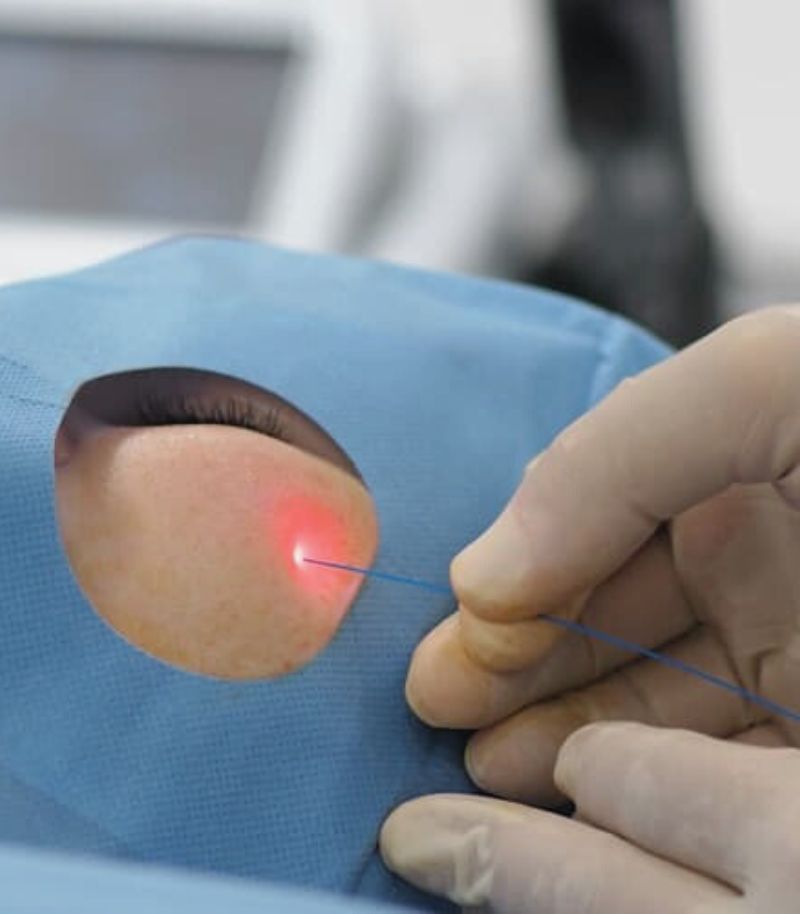
Grupo Pedro Jaén has a specific laser to eliminate or reduce permanent fillers (silicones or acrylates). By means of a fine optical fibre introduced under the skin, guided by ultrasound, the material is liquefied by applying heat, allowing it to be removed without leaving visible scars. The treatment is an outpatient procedure, performed under local anaesthesia and also improves the quality and firmness of the skin.
Regenerative medicine
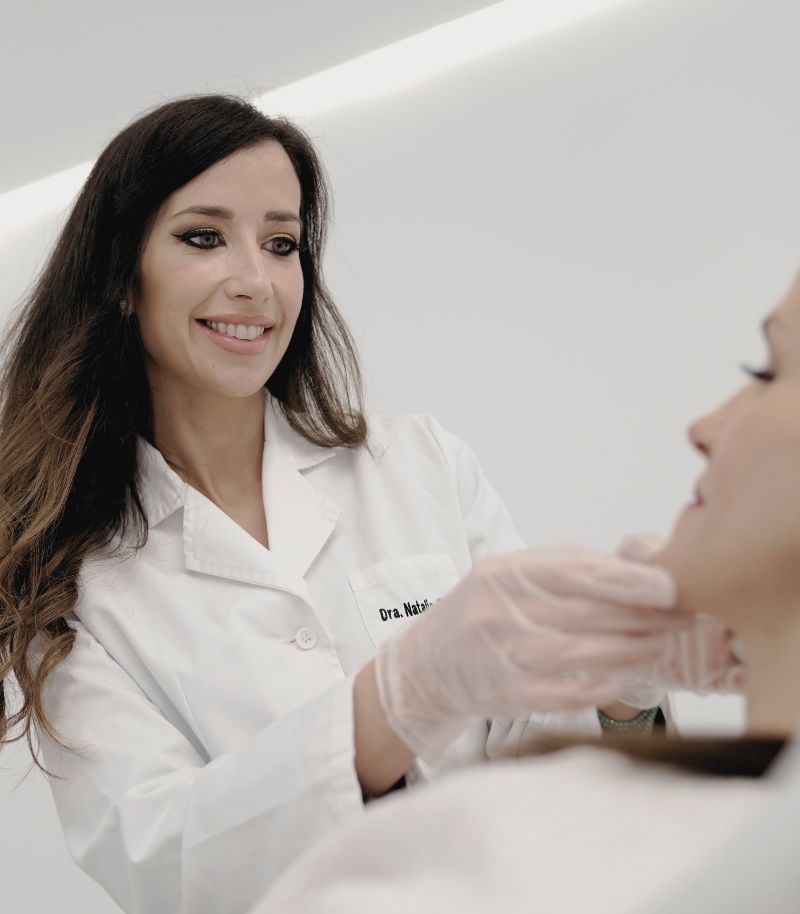
The Grupo Pedro Jaén Facial Aesthetics Unit works on the development of anti-ageing protocols based on the body’s own tissue regeneration capacity, with the aim of achieving more harmonious and natural results, a healthier appearance and a minimum risk for the patient in the short, medium and long term.
Availability of all relevant resources
We incorporate the most advanced and effective technology, we have the most extensive laser platform in Europe in the private sector and we incorporate the safest and most effective treatments and products. In addition, we work with leading specialists in these fields to achieve the safest, most effective protocols.
Combined protocols
The combination of different strategies enables us to improve skin quality and restore facial volumes with maximum precision. We design personalised treatments combining technology, different types of lasers and medical treatments to achieve the best possible result according to the specific needs of each patient.
Why it occurs and treatment options
A guide to understanding facial volume loss
As we age, a gradual biological slowdown occurs, leading to reduced efficiency in the body’s tissue repair mechanisms. At the cutaneous level, this translates into a progressive decline in skin quality, making it more susceptible to external aggressors and requiring more targeted care to maintain a healthy and aesthetically pleasing appearance. In addition to wrinkles and skin laxity, another phenomenon that becomes more pronounced over time is the loss of volume in specific areas of the face, which significantly contributes to the visible signs of ageing.

Why facial volume loss occurs
Facial ageing is characterised, among other changes, by a gradual loss of volume caused by thinning and retraction of facial tissues. This process is the result of several combined mechanisms.
Facial fat atrophy
The adipose tissue distributed within the facial fat compartments — responsible for providing volume and contour to the face — gradually diminishes with age. This process is not uniform; it is more pronounced in the malar region (cheeks) and the periorbital area (around the eyes), where volume loss significantly alters facial definition and contributes to a more aged appearance. In any case, the overall result is a progressive narrowing and hollowing of the face due to the loss of thickness of these underlying fat pads beneath the skin, which are essential for maintaining youthful contours and structural support.
Resorption of supporting bone structures
In addition, with advancing age, facial bones gradually lose density and undergo resorption, leading to a reduction in structural support and further contributing to changes in facial contour and volume. As a consequence, skeletal fragility develops in the form of osteopenia and, ultimately, osteoporosis — a condition associated with an increased risk of fractures and responsible for the progressive loss of height often observed in older individuals.
This process of bone resorption in the facial skeleton leads to progressive retraction of the overlying soft tissues, as they lose structural support. As a result, the face as a whole gradually loses volume. Together with the reduction of facial fat, this phenomenon gives rise to what is commonly described as facial “skeletonisation” or “cadaverisation” — somewhat stark terms that nonetheless vividly illustrate the visible consequences of advanced volume loss in facial tissues.
This loss of volume, together with progressive skin laxity caused by weakening of the ligaments that support facial soft tissues, results in a more aged facial appearance. However, with appropriate medical intervention, it is possible to restore facial fullness and achieve a more refreshed and harmonious look.
“In general, the best outcomes are achieved by combining different therapeutic options and initiating treatment at an early stage”
Treatments to restore facial volume
Some of the main treatments used to restore facial volume include the following:
Injectable resorbable fillers
Resorbable dermal fillers The dermal fillers used at the Facial Aesthetics Unit of Grupo Pedro Jaén have gained renewed relevance due to their safety profile, effectiveness and versatility.
These fillers are formulated from polysaccharides naturally present in the body and are characterised by their high water-retention capacity, making them fully biocompatible and minimising the risk of allergic reactions or rejection
Resorbable fillers are formulated with different degrees of density, depending on the objective of the treatment. They can replenish volume in different areas of the face, provide immediate improvement, treat dehydrated lips, increase the size of the lips, correct certain nasal defects without surgery, fill the temporal cavities, dark circles under the eyes or nasolabial folds, or achieve a precise and lasting increase in the volume of the cheekbones.
These materials are resorbable and provide long-lasting but temporary results. Once fully resorbed, treatments can be safely repeated, and results can be adjusted or reversed if necessary.
Collagen stimulators
Collagen stimulators are injectable materials composed of microparticles similar to the mineral component of bones and teeth, suspended in an aqueous gel. Although biocompatible and resorbable, collagen stimulators offer longer-lasting results than conventional fillers due to the persistence of microparticles that continue to promote collagen synthesis.
Like the dermal fillers mentioned above, collagen stimulators are biocompatible in order to minimise the risk of adverse reactions and are resorbable. However, as the microparticles remain in the tissue, their effects are longer-lasting than those achieved with resorbable filler materials.
These collagen stimulators are used to replenish volume in large areas such as the cheeks, chin or the entire jaw arch; in fact, it is a very common procedure in the Men’s Aesthetic Unit to give men’s faces a more masculine appearance.
Autologous fat grafting
Autologous fat grafting lies between medical aesthetics and surgery, as it requires a prior liposuction procedure — usually from the abdomen or knees — to obtain the fat used for facial volume restoration and skin regeneration. Grupo Pedro Jaén is a pioneer in the research, development and clinical application of autologous fat for both medical and aesthetic purposes.
This technique offers several advantages: the tissue is obtained from the patient’s own body, eliminating the risk of rejection; results are stable over time; and it can be combined with other aesthetic procedures. Autologous fat grafting can also be used in patients who have previously received permanent fillers.
Recent research has demonstrated that autologous fat not only acts as a volumising material but also plays a regenerative role thanks to its stromal vascular fraction (SVF), contributing to overall facial rejuvenation.

More information
Below you will find the authorship and references for the information provided on this page:
Authorship and references
The content of this page has been prepared by the Communication Department and the Medical Team of Grupo Pedro Jaén, in line with our editorial commitment to ensuring the accuracy and up-to-date nature of the information provided.
References on facial volume loss:
1. Bass LS. Injectable Filler Techniques for Facial Rejuvenation, Volumization, and Augmentation. Facial Plast Surg Clin North Am. 2015 Nov;23(4):479-88. doi: 10.1016/j.fsc.2015.07.004. PMID: 26505544.
2. Moradi A, Watson J. Current Concepts in Filler Injection. Facial Plast Surg Clin North Am. 2015 Nov;23(4):489-94. doi: 10.1016/j.fsc.2015.07.005. PMID: 26505545.
3. Surek CC. Facial Anatomy for Filler Injection: The Superficial Musculoaponeurotic System (SMAS) Is Not Just for Facelifting. Clin Plast Surg. 2019 Oct;46(4):603-612. doi: 10.1016/j.cps.2019.06.007. PMID: 31514811.
4. de Maio M, DeBoulle K, Braz A, Rohrich RJ; Alliance for the Future of Aesthetics Consensus Committee. Facial Assessment and Injection Guide for Botulinum Toxin and Injectable Hyaluronic Acid Fillers: Focus on the Midface. Plast Reconstr Surg. 2017 Oct;140(4):540e-550e. doi: 10.1097/PRS.0000000000003716. PMID: 28953721.
5. de Maio M. Myomodulation with Injectable Fillers: An Innovative Approach to Addressing Facial Muscle Movement. Aesthetic Plast Surg. 2018 Jun;42(3):798-814. doi: 10.1007/s00266-018-1116-z. Epub 2018 Mar 16. PMID: 29549406; PMCID: PMC5945756.
6. Bass LS. Injectable Filler Techniques for Facial Rejuvenation, Volumization, and Augmentation. Facial Plast Surg Clin North Am. 2015 Nov;23(4):479-88. doi: 10.1016/j.fsc.2015.07.004. PMID: 26505544.
7. Cotofana S, Schenck TL, Trevidic P, Sykes J, Massry GG, Liew S, Graivier M, Dayan S, de Maio M, Fitzgerald R, Andrews JT, Remington BK. Midface: Clinical Anatomy and Regional Approaches with Injectable Fillers. Plast Reconstr Surg. 2015 Nov;136(5 Suppl):219S-234S. doi: 10.1097/PRS.0000000000001837. PMID: 26441102.
8. Sykes JM, Cotofana S, Trevidic P, Solish N, Carruthers J, Carruthers A, Moradi A, Swift A, Massry GG, Lambros V, Remington BK. Upper Face: Clinical Anatomy and Regional Approaches with Injectable Fillers. Plast Reconstr Surg. 2015 Nov;136(5 Suppl):204S-218S. doi: 10.1097/PRS.0000000000001830. PMID: 26441101.
9. de Almeida AT, Figueredo V, da Cunha ALG, Casabona G, Costa de Faria JR, Alves EV, Sato M, Branco A, Guarnieri C, Palermo E. Consensus Recommendations for the Use of Hyperdiluted Calcium Hydroxyapatite (Radiesse) as a Face and Body Biostimulatory Agent. Plast Reconstr Surg Glob Open. 2019 Mar 14;7(3):e2160. doi: 10.1097/GOX.0000000000002160. PMID: 31044123; PMCID: PMC6467620.
10. Moradi A, Watson J. Current Concepts in Filler Injection. Facial Plast Surg Clin North Am. 2015 Nov;23(4):489-94. doi: 10.1016/j.fsc.2015.07.005. PMID: 26505545.
11. Simonacci F, Bertozzi N, Grieco MP, Grignaffini E, Raposio E. Procedure, applications, and outcomes of autologous fat grafting. Ann Med Surg (Lond). 2017 Jun 27;20:49-60. doi: 10.1016/j.amsu.2017.06.059. PMID: 28702187; PMCID: PMC5491488.
12. Attenello NH, Maas CS. Injectable fillers: review of material and properties. Facial Plast Surg. 2015 Feb;31(1):29-34. doi: 10.1055/s-0035-1544924. Epub 2015 Mar 12. PMID: 25763894.
13. Glasgold M, Glasgold R, Lam S. Autologous fat grafting for midface rejuvenation. Clin Plast Surg. 2015 Jan;42(1):115-21. doi: 10.1016/j.cps.2014.08.004. Epub 2014 Oct 11. PMID: 25440748.
14. Azoury SC, Shakir S, Bucky LP, Percec I. Modern Fat Grafting Techniques to the Face and Neck. Plast Reconstr Surg. 2021 Oct 1;148(4):620e-633e. doi: 10.1097/PRS.0000000000008405. PMID: 34550946.
15. Sheng L, Yu Z, Li S, Jiang Z, Cao W. Midface Rejuvenation With Autologous Fat Grafting. J Craniofac Surg. 2022 Aug 24. doi: 10.1097/SCS.0000000000008949. Epub ahead of print. PMID: 36000767.
Where we see patients?
Clinics in Madrid
Grupo Pedro Jaén is a medical group founded more than three decades ago with the aim of providing medical, surgical and aesthetic solutions related to skin health and appearance. Led by Dr Pedro Jaén, the group has a highly specialised medical team that covers every area of care with top-level specialists, carries out extensive training activities, is a leader in medical research, and operates several clinics in Madrid, from which it offers the highest standards of care and clinical excellence to all patients.

Calle Serrano 143
This centre is the main headquarters of Grupo Pedro Jaén. It provides diagnostic and treatment services in skin cancer, clinical and aesthetic dermatology, laser treatments and other related specialties.
Mon - Fri: 09:00 - 21:00 / Sat: 09:00 - 14:00
Calle Serrano 143, El Viso neighbourhood, Chamartín district, 28006 Madrid, Spain

La Moraleja
Located in Plaza de La Moraleja, this exclusive centre allows Grupo Pedro Jaén to bring its medical and aesthetic services closer to patients across the entire northern area of Madrid.
Mon - Thu: 09:30 - 20:00 / Fri: 09:30 - 18:00
Calle de la Estafeta 8, ground floor, La Moraleja, 28109 Alcobendas, Madrid, Spain

Calle Serrano 166
This centre currently offers services in body aesthetic medicine, endocrinology, nutrition, complementary aesthetic medicine and post-surgical aesthetic treatments.
Mon - Fri: 09:00 - 21:00 / Sat: 09:00 - 14:00
Calle Serrano 166, El Viso neighbourhood, Chamartín district, 28002 Madrid

Related units and pages
Facial aesthetics
Minimally invasive treatments to improve facial appearance with harmonious and natural-looking results.
Body aesthetics
A personalised approach combining different treatment strategies to address the main body-related concerns.
Male aesthetics
Surgical and aesthetic treatments fully adapted to male facial and body anatomy.
Scars
Fully personalised treatments tailored to the type and specific characteristics of each scar.
Plastic surgery
Treatment of facial and body aesthetic and functional concerns that require a surgical solution.
Complementary aesthetics
Cosmetic and aesthetic treatments that address beauty from a clinical perspective to achieve optimal results.
Information and news
Press room
In the Grupo Pedro Jaén Press Room you can find information, advice and news related to dermatology, aesthetic medicine, trichology and general health. The group’s journals are also shared through an online platform, along with updates on the activity and media appearances of our clinics and healthcare professionals.

How to shower properly: tips for looking after your skin
Cold or hot water? Is it better to use a sponge? Find out how to shower properly and what dermatologists recommend to protect your skin.
Retinol in summer: should you stop using it?
We debunk this and other myths about using retinol during the warmer months.

Blog
News about Grupo Pedro Jaén. Information and advice on dermatology, aesthetic medicine, trichology, and general health

Media
Information about media appearances by our clinics and medical specialists.

Journal
Archive of all Grupo Pedro Jaén journals, available through an external online platform.