
Filler Complications Unit
At our centres in Madrid: Serrano 143, Serrano 166 and La Moraleja
Specialists in
Laser removal of permanent fillers
The Grupo Pedro Jaén Filler Complications Unit was a pioneer in the introduction of laser technology to effectively solve the problems arising from treatments with permanent fillers such as silicones and acrylates, which were widely used in the eighties and nineties. We have extensive experience in this area and in treatments to address complications linked to the resorbable fillers currently in use.

Recognised reference clinics in Spain
Home > Aesthetic Medicine > Filler Complications Unit
What sets us apart
Experts in recovering the natural appearance of each face
Addressing complications arising from filler materials requires accurate diagnosis and advanced techniques to ensure safe removal. We combine high-resolution cutaneous ultrasound to locate fillers, laser technology for the extraction of permanent substances and hyaluronidase to correct excess hyaluronic acid. In addition, we have a unit specialising in complex cases, supported by advanced regenerative medicine technology and innovative therapies, guaranteeing effective solutions and natural results in each treatment.
Skin ultrasound for accurate diagnosis
Laser removal of permanent fillers
Removal of resorbable fillers
Experience in complex cases
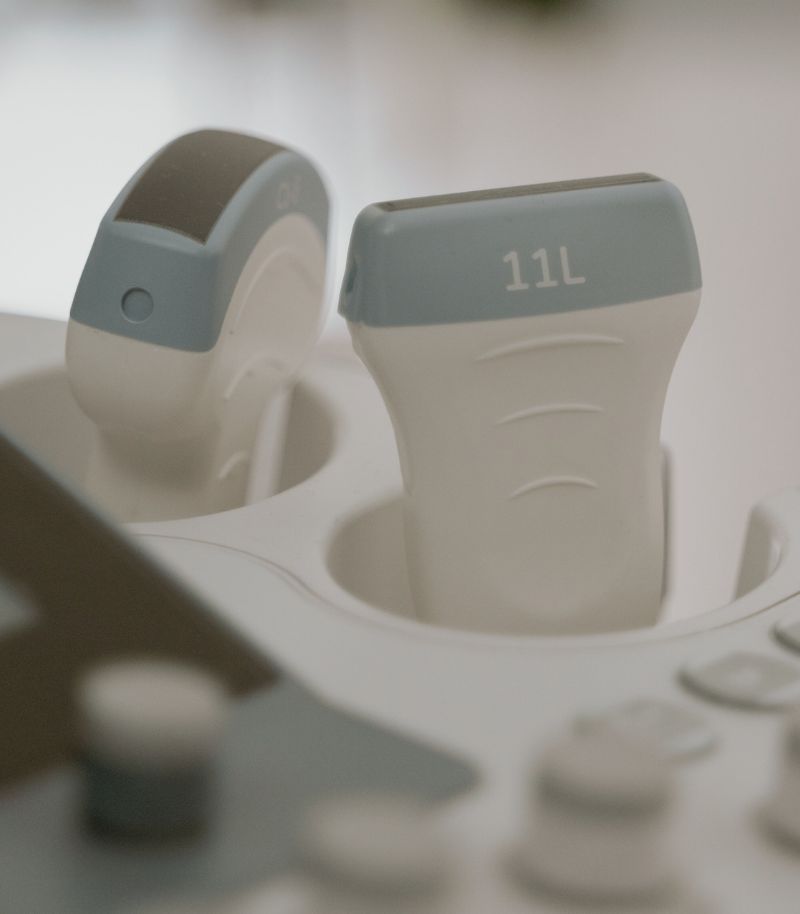
Skin ultrasound for accurate diagnosis
Cutaneous ultrasound has become an essential tool in aesthetic medicine to assess and diagnose complications from dermal fillers. This non-invasive technique makes it possible to identify the exact location of the filler material, its characteristics and possible associated problems such as migration, bacterial biofilm formation or inflammation. By providing real-time images, it facilitates an accurate assessment of the situation, which is essential for planning appropriate interventions.
Applications in ultrasound-guided treatments
In addition to its diagnostic function, cutaneous ultrasound is essential in performing ultrasound-guided treatments to remove fillers. By providing detailed visualisation of the area to be treated, the filler complications specialist can perform safer and more accurate procedures, minimising risks and improving outcomes. This advanced technology enables complications to be managed effectively, ensuring greater patient satisfaction and reduced recovery time.
Additional benefits of ultrasound in aesthetics
The use of ultrasound in the aesthetic field not only improves the accuracy of diagnosis and treatment but also contributes to the early detection of possible complications. By continuously monitoring the evolution of fillers, anomalies can be identified at an early stage, allowing timely interventions and avoiding major problems. This proactive vigilance is key to maintaining the patient’s long-term health and appearance.
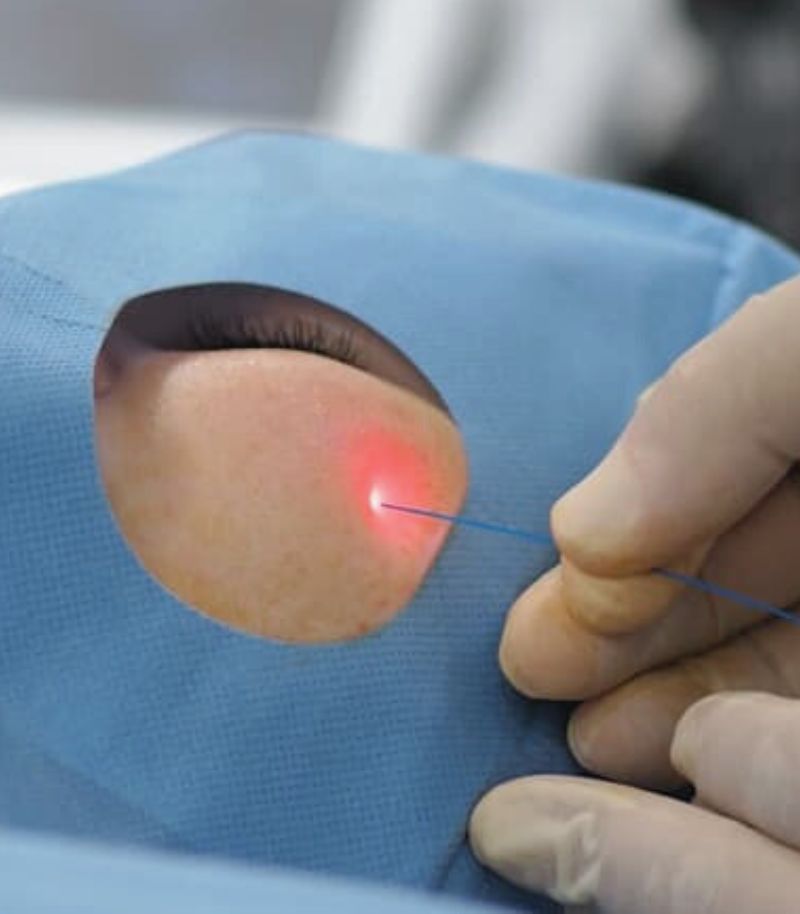
Laser removal of permanent fillers
The removal of permanent fillers, such as silicones and acrylates, has been a challenge in aesthetic medicine. However, the introduction of laser technology revolutionised this field, offering an effective and less invasive solution to treat complications associated with these materials. Grupo Pedro Jaén has been a pioneer in incorporating this technique, accumulating vast experience in its application and obtaining successful results in numerous patients.
Intralesional laser technique
This treatment method consists of inserting an optical fibre under the skin until the filler, previously located by ultrasound, is reached. The laser emits heat that liquefies the material, allowing it to be removed by manual drainage. This is an outpatient procedure and only requires local anaesthesia, which reduces discomfort and recovery time for the patient. Moreover, thanks to the fine calibre of the optical fibre, there are no visible scars, improving post-operative aesthetics.
Additional tightening and rejuvenating effect
An additional advantage of this treatment is the tightening effect that the heat of the laser induces in the skin. This action promotes collagen production, which contributes to a firmer, rejuvenated appearance. Thus, in addition to eliminating unwanted filler material, the quality and appearance of the skin is improved, achieving a more balanced and natural result.

Removal of resorbable fillers
Despite their biocompatibility and resorbable nature, fillers can give rise to certain complications derived from issues such as overcorrection (injection of excess product), uneven distribution or asymmetries. At Grupo Pedro Jaén, we have extensive experience in solving problems associated with resorbable fillers.
Correction using hyaluronidase
Hyaluronidase is an enzyme that enables hyaluronic acid to be dissolved in a controlled and safe manner. Its use is suitable for cases where there is excess volume, asymmetry, a palpable nodule or irregularity, or when a complication has occurred after treatment with dermal fillers, such as persistent swelling or vascular compression.
Experts in this treatment
It is important that hyaluronidase is administered by experienced professionals, as its action generally dissolves hyaluronic acid. When applied precisely and appropriately, it restores a natural appearance, resolves complications and, in many cases, enables a new and more appropriate treatment to be planned.
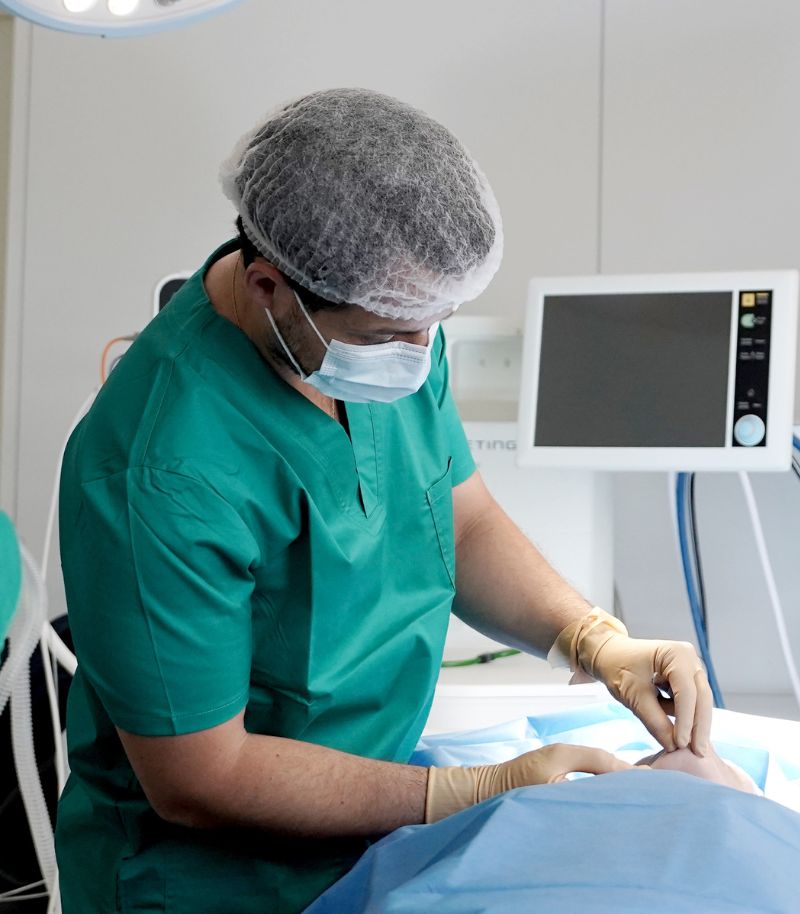
Experience in complex cases
The management of complications arising from filler materials, both permanent and resorbable, requires specialised knowledge and experience. Grupo Pedro Jaén has an outstanding history in the treatment of these complex cases, offering personalised solutions that minimise the aesthetic consequences and guarantee patient safety.
Treatments for specific complications
Our team deals with various complications such as inflammation, granulomas, material migration, embolism and tissue necrosis due to vascular occlusion. For each situation, tailored therapeutic strategies are designed, using advanced technologies and minimally invasive techniques to promote optimal recovery and successful outcomes.
Support from specialised units
The Grupo Pedro Jaén Filler Complications Unit benefits from the support of other specialised areas, such as Regenerative Medicine and Hyperbaric Medicine. This multidisciplinary approach enables regenerative therapies that accelerate recovery and improve aesthetic results, offering the patient comprehensive, high-quality care.
What they are and how they are treated
Guide to understanding complications with permanent fillers
One of the major advantages currently available to specialists in facial and body aesthetics is the high safety profile of both the treatments and the materials used to perform them. In addition, at Grupo Pedro Jaén we have carried out extensive work in research and clinical development aimed at achieving the best possible results using the smallest possible amount of product. We have also implemented increasingly less invasive techniques and ensured that our specialists receive specific training in the management of potential complications.
Fortunately, we now work with biocompatible materials that do not cause rejection reactions and whose effects are temporary. However, in relation to this advantage, it is important to remember that it has not always been possible to reverse the results of an aesthetic treatment or to resolve the problems that arose after its application.

Complications originating from treatments carried out in the 1980s and 1990s
During the 1980s and 1990s, volumising treatments were commonly performed—especially on the lips and cheekbones—using non-resorbable filler materials. These products, mainly silicones and acrylates, have caused numerous problems, even many years after implantation.
As a result, the field of aesthetic medicine was forced to reconsider the use of permanent materials in aesthetic procedures and to investigate methods to remove residual product that had migrated or become encapsulated over time, as well as to minimise dermatological sequelae, scarring and granulomas that compromise both aesthetics and skin health.
Inflammation, granulomas, cysts and biofilms (colonies of microorganisms—usually bacteria—that grow encapsulated around the filler and are often highly resistant to antibiotics) were not only frequent complications associated with these substances, but also particularly difficult to resolve.
In fact, the only available treatments were anti-inflammatory drugs to alleviate acute symptoms and surgical removal. The limitation of these options lies in the fact that anti-inflammatory drugs address symptoms but not the root cause and have a high recurrence rate once pharmacological treatment is discontinued. Surgery, on the other hand, is only feasible in a limited number of cases and does not always provide fully satisfactory results.
“In general, the best results are achieved by combining several therapeutic options and acting early”
Laser removal of permanent fillers
This situation changed a few years ago with the introduction of a type of laser equipped with an optical fibre measuring between 200 and 400 microns, used with the support of high-precision ultrasound imaging. Grupo Pedro Jaén, a pioneer in incorporating this technology, has extensive experience in this treatment and is one of the very few centres in Spain to offer it.
Laser removal of permanent fillers essentially consists of inserting the optical fibre under the skin until it reaches the filler to be dissolved. The filler is previously located using ultrasound to determine its composition and exact location, and to assess whether it has migrated or become encapsulated.
The laser generates a thermal effect that liquefies the filler material, allowing it to be removed by manual drainage. Due to the very fine calibre of the optical fibre, no visible scarring is left on the skin surface. In addition, ultrasound guidance allows the surgeon to know in advance the type of material to be removed and its precise location, making the procedure less invasive and more accurate, while enabling real-time monitoring throughout the treatment.
The results of laser removal of permanent fillers become apparent over the weeks following the procedure. During the first few days, the patient only needs to perform gentle massages to facilitate drainage of residual filler material into the lymphatic system, allowing it to be naturally eliminated by the body. Silicone fillers generally respond well and can often be almost completely removed in a single session, whereas acrylates are more resistant and usually require more than one session.
The main advantage of laser removal of permanent fillers—besides being a fully outpatient procedure requiring only local anaesthesia—is that it produces a tightening effect and an improvement in skin quality, resulting in a noticeably more rejuvenated and harmonious facial appearance.

More information
Below you will find the authorship and references for the information provided on this page:
Authorship and references
The content of this page has been prepared by the Communication Department and the Medical Team of Grupo Pedro Jaén, in line with our editorial commitment to ensuring the accuracy and up-to-date nature of the information provided.
References on filler complications:
1. Carruthers J, Carruthers A, Humphrey S. Introduction to Fillers. Plast Reconstr Surg. 2015 Nov;136(5 Suppl):120S-131S. doi: 10.1097/PRS.0000000000001770. PMID: 26441092.
2. Urdiales-Gálvez F, Delgado NE, Figueiredo V, Lajo-Plaza JV, Mira M, Moreno A, et al. Treatment of soft tissue filler complications: Expert consensus recommendations. Aesthetic Plast Surg. 2018;42(2):498–510.
3. Wilson YL, Ellis DA. Permanent soft tissue fillers. Facial Plast Surg. 2011 Dec;27(6):540-6. doi: 10.1055/s-0031-1298787. Epub 2011 Dec 28. PMID: 22205527.
4. Woodward J, Khan T, Martin J. Facial Filler Complications. Facial Plast Surg Clin North Am. 2015 Nov;23(4):447-58. doi: 10.1016/j.fsc.2015.07.006. PMID: 26505541.
5. Joseph JH. The Case for Synthetic Injectables. Facial Plast Surg Clin North Am. 2015 Nov;23(4):433-45. doi: 10.1016/j.fsc.2015.07.003. PMID: 26505540.
6. Kunjur J, Witherow H. Long-term complications associated with permanent dermal fillers. Br J Oral Maxillofac Surg. 2013 Dec;51(8):858-62. doi: 10.1016/j.bjoms.2013.06.013. Epub 2013 Aug 18. PMID: 23962591.
7. Donis AA, Gutiérrez PG, Domínguez NR, Moreno GS, Ávila JR. Filler Materials: A Review [Internet]. Medigraphic.com. [citado el 25 de abril de 2021]. Disponible en: https://www.medigraphic.com/pdfs/cosmetica/dcm-2015/dcm151l.pdf
8. Zhang L, Luo Z, Li J, Liu Z, Xu H, Wu M, et al. Endovascular hyaluronidase application through superselective angiography to rescue blindness caused by hyaluronic acid injection. Aesthet Surg J. 2021;41(3):344–55.
9. Niamtu J 3rd. Complications in fillers and Botox. Oral Maxillofac Surg Clin North Am. 2009 Feb;21(1):13-21, v. doi: 10.1016/j.coms.2008.11.001. PMID: 19185791.
10. Vélez-Benítez E, Cuenca-Pardo J, Ramos-Gallardo G, Ramos-Ramos K. Seguridad en la aplicación de rellenos faciales. Medicina basada en evidencia. Cirugía Plástica. 2019;29(1):64–74.
11. Sánchez-Carpintero I, Candelas D, Ruiz-Rodríguez R. Materiales de relleno: tipos, indicaciones y complicaciones. Actas Dermosifiliogr. 2010;101(5):381–93.
12. Mundada P, Kohler R, Boudabbous S, Toutous Trellu L, Platon A, Becker M. Injectable facial fillers: imaging features, complications, and diagnostic pitfalls at MRI and PET CT. Insights Imaging. 2017;8(6):557–72.
13. Dermatology DF in. Materiales de relleno en dermatología [Internet]. Medigraphic.com. 2011 [citado el 25 de abril de 2021]. Disponible en: https://www.medigraphic.com/pdfs/cosmetica/dcm-2011/dcm114g.pdf
Where we see patients?
Clinics in Madrid
Grupo Pedro Jaén is a medical group founded more than three decades ago with the aim of providing medical, surgical and aesthetic solutions related to skin health and appearance. Led by Dr Pedro Jaén, the group has a highly specialised medical team that covers every area of care with top-level specialists, carries out extensive training activities, is a leader in medical research, and operates several clinics in Madrid, from which it offers the highest standards of care and clinical excellence to all patients.

Calle Serrano 143
This centre is the main headquarters of Grupo Pedro Jaén. It provides diagnostic and treatment services in skin cancer, clinical and aesthetic dermatology, laser treatments and other related specialties.
Mon - Fri: 09:00 - 21:00 / Sat: 09:00 - 14:00
Calle Serrano 143, El Viso neighbourhood, Chamartín district, 28006 Madrid, Spain

La Moraleja
Located in Plaza de La Moraleja, this exclusive centre allows Grupo Pedro Jaén to bring its medical and aesthetic services closer to patients across the entire northern area of Madrid.
Mon - Thu: 09:30 - 20:00 / Fri: 09:30 - 18:00
Calle de la Estafeta 8, ground floor, La Moraleja, 28109 Alcobendas, Madrid, Spain

Calle Serrano 166
This centre currently offers services in body aesthetic medicine, endocrinology, nutrition, complementary aesthetic medicine and post-surgical aesthetic treatments.
Mon - Fri: 09:00 - 21:00 / Sat: 09:00 - 14:00
Calle Serrano 166, El Viso neighbourhood, Chamartín district, 28002 Madrid

Related units and pages
Facial aesthetics
Minimally invasive treatments to improve facial appearance with harmonious and natural-looking results.
Body aesthetics
A personalised approach combining different treatment strategies to address the main body-related concerns.
Male aesthetics
Surgical and aesthetic treatments fully adapted to male facial and body anatomy.
Scars
Fully personalised treatments tailored to the type and specific characteristics of each scar.
Plastic surgery
Treatment of facial and body aesthetic and functional concerns that require a surgical solution.
Complementary aesthetics
Cosmetic and aesthetic treatments that address beauty from a clinical perspective to achieve optimal results.
Information and news
Press room
In the Grupo Pedro Jaén Press Room you can find information, advice and news related to dermatology, aesthetic medicine, trichology and general health. The group’s journals are also shared through an online platform, along with updates on the activity and media appearances of our clinics and healthcare professionals.

How to shower properly: tips for looking after your skin
Cold or hot water? Is it better to use a sponge? Find out how to shower properly and what dermatologists recommend to protect your skin.

Retinol in summer: should you stop using it?
We debunk this and other myths about using retinol during the warmer months.

Blog
News about Grupo Pedro Jaén. Information and advice on dermatology, aesthetic medicine, trichology, and general health

Media
Information about media appearances by our clinics and medical specialists.

Journal
Archive of all Grupo Pedro Jaén journals, available through an external online platform.