
Hair Transplant Unit
Treatment at our clinics in Madrid, Calle Cinca and La Moraleja
Dermatologists specialising in
Hair trasplant
Hair transplantation is a surgical procedure that may be required in certain cases to achieve optimal results in the treatment of specific forms of alopecia. The medical team of the Grupo Pedro Jaén Hair Disorders and Hair Transplant Unit has extensive expertise in performing hair transplantation using state-of-the-art technology and the most effective surgical techniques.

Recognised reference clinics in Spain
Home > Hair Disorders > Hair transplant
What sets us apart
We apply the most advanced and effective techniques
We set a new benchmark in hair transplantation thanks to our experience in complex cases, the use of advanced techniques such as unshaven FUE, and the ability to perform mega sessions of more than 6,000 follicular units. We combine comprehensive diagnosis, procedural safety and personalised care to achieve natural and long-lasting results.
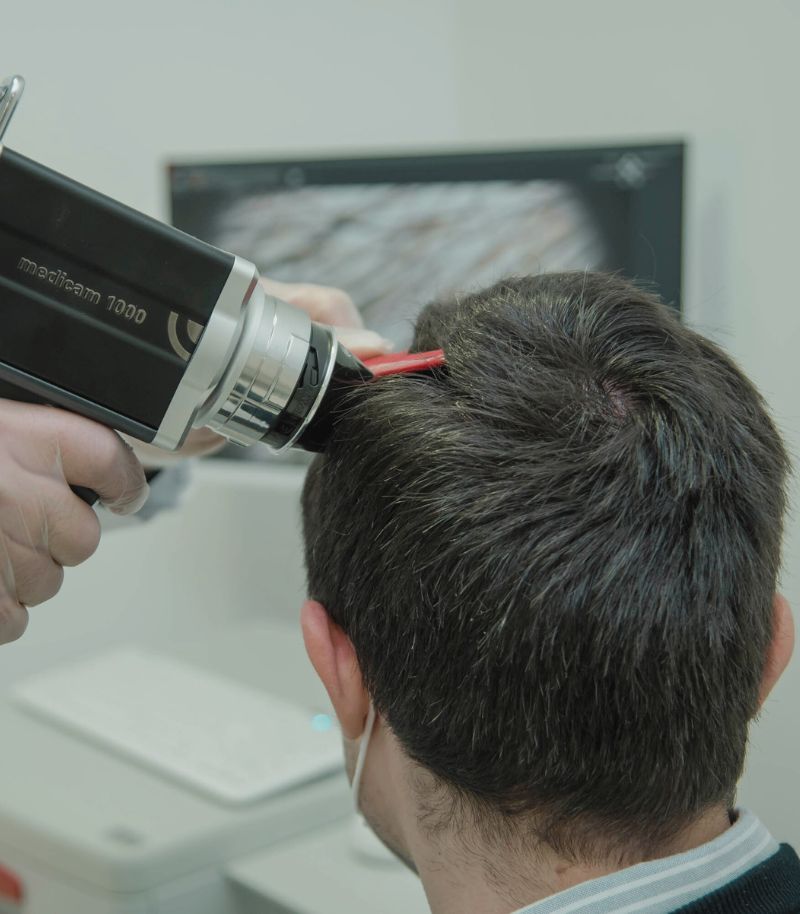
Accurate diagnosis and precise indication
The main indication for hair transplantation is androgenetic alopecia, in both men and women, when there is a significant loss of hair density and the aim is to restore it visibly. There are other forms of alopecia that may also improve with hair transplantation, although each case requires a thorough and individualised assessment.
Better diagnosis, greater likelihood of success
Initial diagnosis and appropriate patient selection are essential for transplanted follicles to successfully take root in the scalp and be maintained in the medium and long term. Skipping this step significantly increases the risk of graft failure and subsequent hair loss.
Medium- and long-term follow-up
Patients must continue medical treatment after hair transplantation to prevent progression of alopecia in non-transplanted hair. A structured medium- and long-term treatment plan, together with close follow-up of graft evolution, is essential to optimise outcomes.
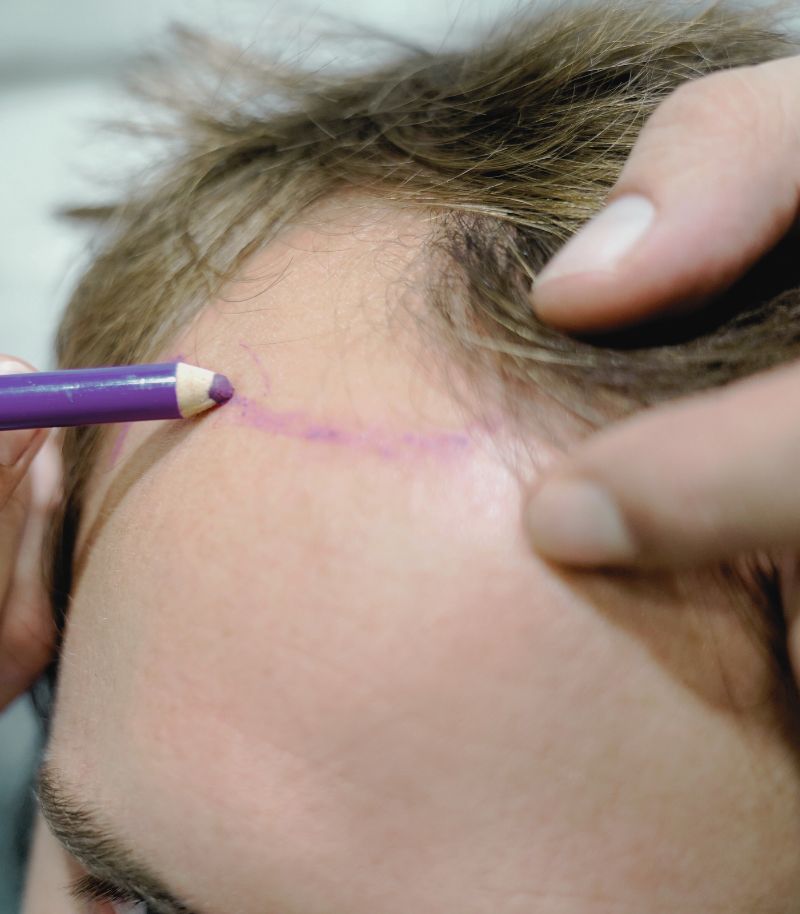
All available techniques
We perform all follicular unit transplantation techniques, carefully selecting donor follicles according to hair characteristics in each area to ensure a completely natural final result.
FUE technique
This technique involves extracting individual follicular units from the donor area and implanting them into the recipient area. It requires shaving the hair and allows for a high number of grafts in a single procedure. It is commonly used in men who wear their hair short. No linear scar is produced in the donor area.
Unshaven FUE technique
This technique follows the same principles as standard FUE, but only small areas of the donor region are shaved and concealed with surrounding hair. It allows faster return to social and professional activities and reduces the aesthetic impact during the early post-operative phase.
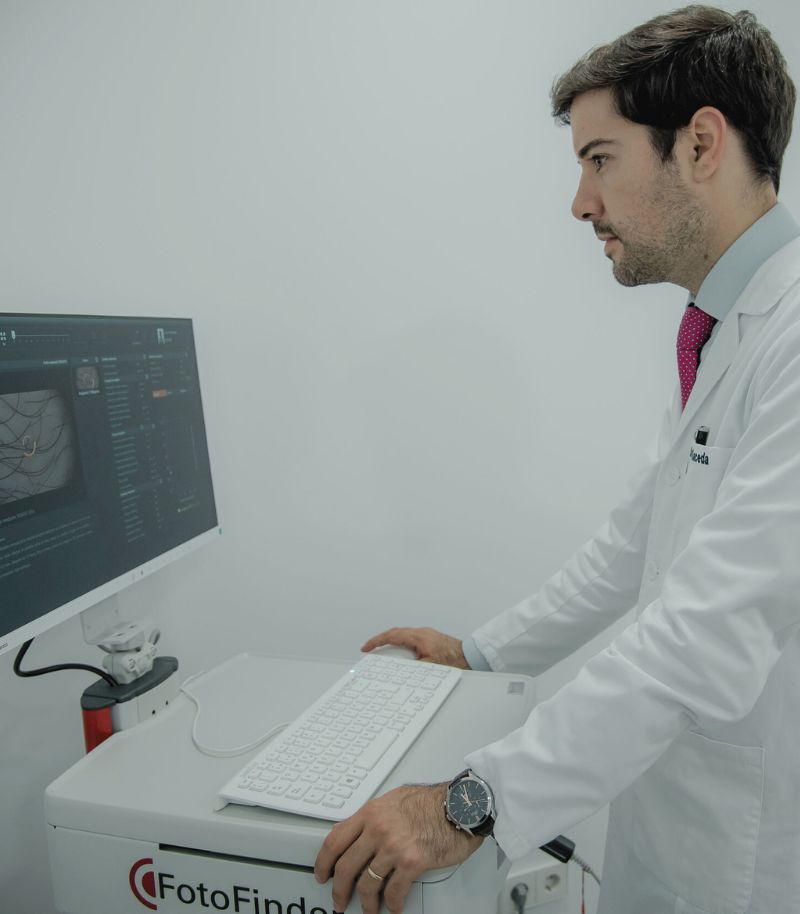
Before, during and after transplantation
Differential diagnosis and prior medical treatment allow for more precise candidate selection. This is essential to rule out contraindications previously considered absolute (such as certain scarring alopecias), manage patient expectations and plan the most appropriate complementary medical treatment.
Enhanced comfort during surgery
La Unidad de Tricología y Trasplante Capilar de Grupo Pedro Jaén se distingue por llevar a cabo la cirugía capilar mediante sedación superficial con un anestesista en quirófano presente durante toda la cirugía. This improves surgical safety and enhances patient comfort.
Results and follow-up
Cosmetic results are typically achieved 12–15 months after surgery (slightly longer in women). Although transplanted hair does not fall out once established, remaining hair may continue to follow the natural course of alopecia. Ongoing medical treatment and close follow-up are therefore essential to optimise long-term outcomes.
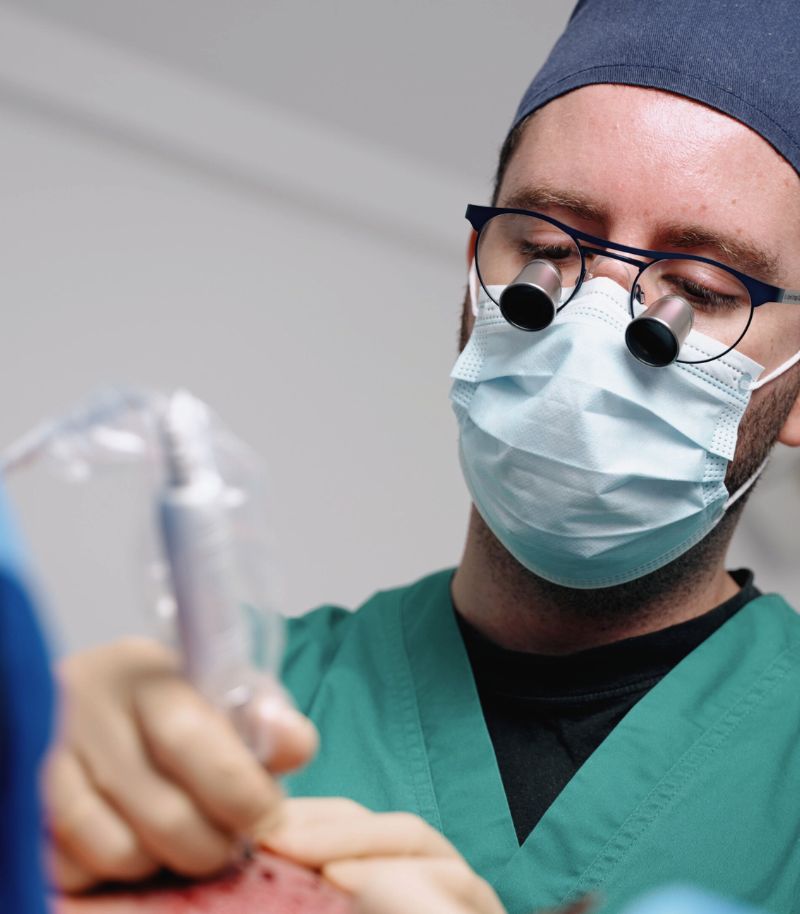
Experts in complex cases
The specialists of the Grupo Pedro Jaén Hair Disorders and Hair Transplant Unit have extensive experience in managing highly complex hair transplant cases, involving advanced surgical techniques, complementary medical treatment and cosmetic resources to achieve the best possible results.
Mega sessions
We perform high-density hair transplants through mega sessions exceeding 6,000 follicular units in a single procedure. This approach, available in very few centres, allows large areas of alopecia to be treated efficiently, reducing the need for multiple surgeries and improving the overall patient experience.
Complementary treatments
In addition to medical therapy, some patients may require complementary procedures to optimise transplant outcomes. When clinically appropriate, cosmetic techniques such as hair micropigmentation may be considered to enhance overall results.
Indications, techniques and outcomes
A guide to understanding hair transplantation
Hair transplantation involves restoring areas of the scalp affected by certain forms of alopecia using the patient’s own hair, obtained from areas that are not affected by the balding process. The aim of this surgical procedure is for the transplanted hair in the recipient area to retain the same characteristics as in its original location, so that it does not undergo alopecia and does not fall out.
To achieve this, hair transplantation is performed using hair follicles from the occipital region, as these follicles are genetically resistant to hair loss. For this reason, this area is rarely affected by alopecia. In simple terms, hair transplantation consists of extracting hair follicles from areas where hair is abundant (the donor area) and implanting them into areas where hair is lacking (the recipient area).
How hair transplantation is performed
Years ago, hair transplant surgery was carried out using grafts, whereby several hair follicles were implanted together into the recipient area in the form of small tufts. This approach allowed the procedure to be performed relatively quickly and easily. However, the results were often suboptimal, as grouping follicles in this way produced an unnatural cosmetic appearance commonly known as the “doll’s hair” effect.
Over time, hair transplantation techniques have evolved and improved, leading to what is now known as follicular unit microtransplantation. Although the underlying principle remains the same—repopulating areas affected by alopecia with hair resistant to hair loss taken from the patient—the procedure is now performed using micrografts, with follicles implanted individually, one by one.
This is a highly meticulous procedure that requires specialised technical expertise and careful, detailed work. However, the result is far more natural and, above all, much more satisfactory for the patient.

Indications for hair transplantation
The main indication for hair transplantation is androgenetic alopecia, in both men and women, when there is a significant loss of hair density and the aim is to restore it visibly.
There are also other forms of alopecia that may benefit from hair transplantation, such as certain primary scarring alopecias (including frontal fibrosing alopecia and lichen planopilaris) and secondary alopecias (surgical scars, burns or alopecia resulting from radiotherapy).
However, each case must be carefully evaluated to ensure that the transplanted follicles successfully take root in the scalp and are maintained in the medium and long term. Failing to carry out a thorough assessment of candidates for hair transplantation significantly increases the risk of graft failure and subsequent hair loss.
Types of hair transplantation
Although the technique currently used by the specialists of the Grupo Pedro Jaén Hair Disorders and Hair Transplant Unit is always follicular unit micrografting, there are three types of hair transplantation that can be performed using this procedure.
Our hair transplant surgeons carefully select the follicles to be transplanted, taking into account the characteristics of the hair in each area, in order to achieve a completely natural final result.
The aim of this procedure is for patients undergoing hair transplantation in our unit to look natural not only immediately after treatment, but also decades later, as their remaining hair follows its natural course over time.
FUE technique (Follicular Unit Extraction)
The FUE technique involves extracting follicular units individually from the donor area and subsequently implanting them into the recipient area. This procedure requires shaving the hair and allows a very high number of follicular units to be transplanted in a single surgery. It is most commonly used in men who usually wear their hair short or shaved. No linear scar is produced in the donor area with this technique.
Unshaven FUE technique
This technique follows the same principles as standard FUE, but without shaving the entire scalp. Only small areas of the donor zone are shaved and later concealed by the patient’s own hair. It is ideal for a faster return to social and professional activities. Currently, our hair transplant specialists perform a large number of procedures using this technique in order to minimise the aesthetic impact during the early post-operative period.
“The main indication for hair transplantation is androgenetic alopecia, in both men and women, when hair density has been lost and the aim is to restore it visibly”
Hair transplantation, step by step
Below are the key steps to be followed before, during and after surgery.
A few days before surgery
Approximately ten days before the procedure, patients should avoid taking anti-inflammatory medications and aspirin. In addition, during the 24 hours prior to surgery, alcohol, coffee and tobacco should be avoided.
If the patient is undergoing treatment with vasodilators for alopecia, this should be discontinued one week before the hair transplant. However, antiandrogen therapy does not need to be stopped.
On the day of surgery
Patients must attend the operating theatre after fasting for at least six hours and with clean hair, having washed it either the night before or the morning of the hair transplant. Regarding accompaniment, it is not necessary to attend the clinic with a companion; however, it is recommended to leave the clinic accompanied, as driving home is not advised due to the administration of medication that may reduce alertness and slow reflexes.
In the operating theatre
At the Grupo Pedro Jaén Hair Disorders and Hair Transplant Unit, surgery is performed in the operating theatre under light sedation and local anaesthesia. Throughout the procedure, the patient is continuously monitored by an anaesthetist, a factor that significantly increases procedural safety and patient comfort during what is a relatively lengthy intervention. This approach represents a distinguishing feature of our unit and is an important reason why many patients choose to undergo surgery at our centre.
Regarding the surgical procedure itself, three main stages can be identified.
1. Extraction of follicles from the donor area
The required hair is extracted from the occipital region, either using the strip method (FUSS/FUT technique) or the FUE technique.
2. Individual separation and preparation of follicles
With the FUSS technique, follicles are meticulously separated under microscopes. In the FUE technique, follicles are already extracted individually and only require preparation prior to implantation.
3. Implantation of follicles into the alopecic area
Hair follicles extracted from the occipital region are implanted one by one into the area affected by hair loss, through micro-incisions measuring less than one millimetre. The implantation design is tailored to each patient to achieve a completely natural appearance.
After hair transplant surgery
Hair transplantation is a minimally invasive surgical procedure. Therefore, hospital admission is not required and patients may return home on the same day. In the days following surgery, patients are prescribed anti-inflammatory and antibiotic medication and advised to maintain relative rest. Most patients can resume social and professional activities approximately one week after the procedure.
Following hair transplantation, patients must observe simple care measures for the transplanted follicles. This includes avoiding excessive friction in the transplanted area and washing the hair carefully, taking care not to remove the scabs that form around the transplanted follicles.
The Grupo Pedro Jaén Hair Disorders and Hair Transplant Unit places particular emphasis on close follow-up during the first days after surgery. Specialists instruct patients on wound care, appropriate hair washing techniques and other relevant aspects. The aim is to minimise post-operative discomfort and optimise transplant outcomes by promoting successful follicular implantation.
Patients who have undergone hair transplantation using the strip technique (FUSS/FUT) must return to the clinic after 12–14 days, as indicated by the specialist, for suture removal. The strip scar is concealed by the surrounding hair and is generally unnoticeable from the day after surgery. After a few weeks, it becomes virtually imperceptible, even with short hair.
Hair transplant results
The final cosmetic result is achieved approximately 12–15 months after the procedure. This is because the transplanted follicles require time to resume growth following the stress that surgery places on the scalp tissue. However, once transplanted into the balding area, the follicles are permanent and do not undergo further loss.
In women, definitive results may take slightly longer to become apparent. This delay is not a cause for concern regarding the success of the procedure.
Hair transplant specialists must inform patients that, although transplanted hair will not be lost once established in the recipient area, the remaining hair may continue to follow the natural course of alopecia. For this reason, close follow-up and continued medical treatment for alopecia are essential to optimise transplant outcomes.

More information
Below are answers to some frequently asked questions about hair transplantation, as well as references and authorship details for the information provided on this page.
Frequently asked questions about hair transplantation
How long does a hair transplant procedure take?
Hair transplantation is a labour-intensive procedure involving a multidisciplinary team of approximately nine to ten professionals, including surgeons, nursing staff, an anaesthetist and specialised technicians.
The individual separation and preparation of follicles for implantation requires coordinated teamwork over several hours, typically between five and eight hours, depending on the number of follicular units transplanted.
Is hospital admission required?
Despite its duration, hair transplantation is performed as an outpatient procedure. Hospital admission is not required, and patients can return home once the surgery has been completed.
Why is an anaesthetist involved during surgery?
Hair transplantation is not a particularly painful procedure. However, it is a lengthy operation, and both follicular extraction and implantation can be uncomfortable due to the large number of micro-incisions required. At the Grupo Pedro Jaén Hair Disorders and Hair Transplant Unit, surgery is performed under local anaesthesia combined with light sedation, administered under the supervision of an anaesthetist. This approach significantly improves patient comfort throughout the procedure.
Can both men and women undergo hair transplantation?
Hair transplantation can be performed in both men and women. Rather than gender, the key factors are donor area hair quality, type of alopecia and the extent of the recipient area. Dermatologists specialising in hair disorders are best placed to assess whether a patient is a suitable candidate for hair transplantation.
Can more than one hair transplant be performed?
In most cases, a single hair transplant achieves excellent results. However, some patients with advanced alopecia may require more than one procedure. It should be noted that the donor area does not generate new follicles once they have been extracted, meaning that hair transplantation cannot be performed an unlimited number of times.
For this reason, careful candidate selection and appropriate timing are essential to ensure a high likelihood of success.
Is there a better time of year to undergo surgery?
From a strictly medical perspective, hair transplantation can be performed at any time of year. The timing is usually determined by the patient’s availability to dedicate approximately one week to post-operative care.
How long will I need to take off work after a hair transplant?
Physically, patients usually feel well by the second or third day after surgery. However, from a cosmetic perspective, we recommend delaying return to work for approximately seven to eight days, as mild forehead swelling and scab formation in the micrograft areas are common during the first days after surgery.
When will the final result be visible?
Improvement usually begins to become noticeable after six months. From that point onwards, progress continues gradually until 12–14 months, when the final result can generally be assessed. In women, definitive results may take up to 18 months.
Is it necessary to continue medical treatment for alopecia after a hair transplant?
Yes. Hair transplantation is not a substitute for pharmacological treatment of alopecia. While transplanted hair will not be lost, the remaining hair must be maintained with the medical treatment recommended by the specialist.
Authorship and references for the information on this page
The content of this page has been prepared by the Communication Department and the Medical Team of Grupo Pedro Jaén, in line with our editorial commitment to ensuring the accuracy and up-to-date nature of the information provided.
References on hair transplantation:
1. Manual de Tricología #TricoHRC. Directores: Sergio Vañó y Pedro Jaén. Comité editorial: Dr. David Saceda y Dr. Óscar Muñoz. ISBN: 978-84-09-05743-6.
2. Innovations hair restoration surgeons have made to adapt to the challenges of follicular unit excision. Gupta AK, Bruce A, Trivellini R, Dua K, Mohebi P, True RH, Harris JA. J Cosmet Dermatol. 2020 Aug;19(8):1883-1891.
3. Robotic Hair Transplantation. Avram MR, Watkins S. Facial Plast Surg Clin North Am. 2020 May;28(2):189-196. doi: 10.1016/j.fsc.2020.01.011.
4. Follicular Unit Excision: Current Practice and Future Developments. Epstein GK, Epstein J, Nikolic J. Facial Plast Surg Clin North Am. 2020 May;28(2):169-176. doi: 10.1016/j.fsc.2020.01.006.
5. Hair Transplant: Added Value When Performed by a Dermatologist. Vañó Galván S. Actas Dermosifiliogr. 2017 Jul-Aug;108(6):495-497. doi: 10.1016/j.ad.2017.06.001.
6. Hair transplant in frontal fibrosing alopecia: A multicenter review of 51 patients. Vañó-Galván S, Villodres E, Pigem R, Navarro-Belmonte MR, Asín-Llorca M, Meyer-González T, Rodrigues-Barata R, Moreno-Arrones ÓM, Saceda-Corralo D, Bouhanna P, Camps A. J Am Acad Dermatol. 2019 Sep;81(3):865-866. doi: 10.1016/j.jaad.2019.05.031.
Where we see patients?
Clinics in Madrid
Grupo Pedro Jaén is a medical group with more than thirty years of experience, specialising in medical, surgical and aesthetic solutions related to skin health and care. Under the leadership of Dr Pedro Jaén, the group has a multidisciplinary team of highly qualified specialists, ensuring expert care across all areas of treatment. In addition, Grupo Pedro Jaén is recognised for its strong commitment to medical education, its leadership in clinical research and its network of clinics in Madrid, from which it provides healthcare of the highest quality and excellence to its patients.


Calle Cinca 30
Located in the El Viso district, this centre houses the consultations of the Hair Disorders and Hair Transplant Unit of Grupo Pedro Jaén in central Madrid.
Mon - Fri: 09:00 - 20:30
Calle Cinca 30, El Viso neighbourhood, Chamartín District, 28002 Madrid

La Moraleja
Located in Plaza de La Moraleja, this exclusive centre allows Grupo Pedro Jaén to bring its medical and aesthetic services closer to patients across the entire northern area of Madrid.
Mon - Thu: 09:30 - 20:00 / Fri: 10:00 - 18:00
Calle de la Estafeta 8, ground floor, La Moraleja, 28109 Alcobendas, Madrid, Spain
Related units and pages
Androgenetic alopecia
Information about this common form of alopecia and the different treatment options currently available.
Topical and oral medication
Evidence-based prescription of the most advanced medications for male and female alopecia.
Hair Disorders Unit
A specialised medical team and the most effective treatments for all types of hair disorders.
Female alopecia
Individualised diagnosis and specific treatments for the different types of alopecia in women.
Frontal fibrosing alopecia
Personalised treatment based on the extent of hair loss and the degree of scalp inflammation.
Alopecia areata
Treatments aimed both at promoting hair regrowth and preventing common relapses.
Information and news
Press room
In the Grupo Pedro Jaén Press Room you can find information, advice and news related to dermatology, aesthetic medicine, trichology and general health. The group’s journals are also shared through an online platform, along with updates on the activity and media appearances of our clinics and healthcare professionals.
How to shower properly: tips for looking after your skin
Cold or hot water? Is it better to use a sponge? Find out how to shower properly and what dermatologists recommend to protect your skin.
Retinol in summer: should you stop using it?
We debunk this and other myths about using retinol during the warmer months.

Blog
News about Grupo Pedro Jaén. Information and advice on dermatology, aesthetic medicine, trichology, and general health

Media
Information about media appearances by our clinics and medical specialists.

Journal
Archive of all Grupo Pedro Jaén journals, available through an external online platform.