
Frontal fibrosing alopecia
Treatment at our clinics in Madrid on Calle Cinca and La Moraleja
Dermatologists specialising in
Treatment of frontal fibrosing alopecia
Early detection of frontal fibrosing alopecia is essential to prevent disease progression and improve long-term prognosis. For this reason, the Hair Disorders Unit at Grupo Pedro Jaén provides comprehensive medical care, covering both diagnosis and treatment, based on the latest scientific evidence and the extensive experience of dermatologists expert in hair disorders with specific expertise in frontal fibrosing alopecia.

Recognised reference clinics in Spain
Home > Hair Disorders Unit > Frontal fibrosing alopecia
What sets us apart
Specialised expertise and advanced medical treatments
Llevamos a cabo un abordaje 360º que incluye el control de la inflamación para frenar la progresión de la enfermedad, soporte emocional y soluciones cosméticas para mejorar la calidad de vida y la confianza de nuestras pacientes. Contamos con dermatólogos que son referentes nacionales e internacionales en el tratamiento de la alopecia frontal fibrosante, así como en los principales tipos de alopecia.
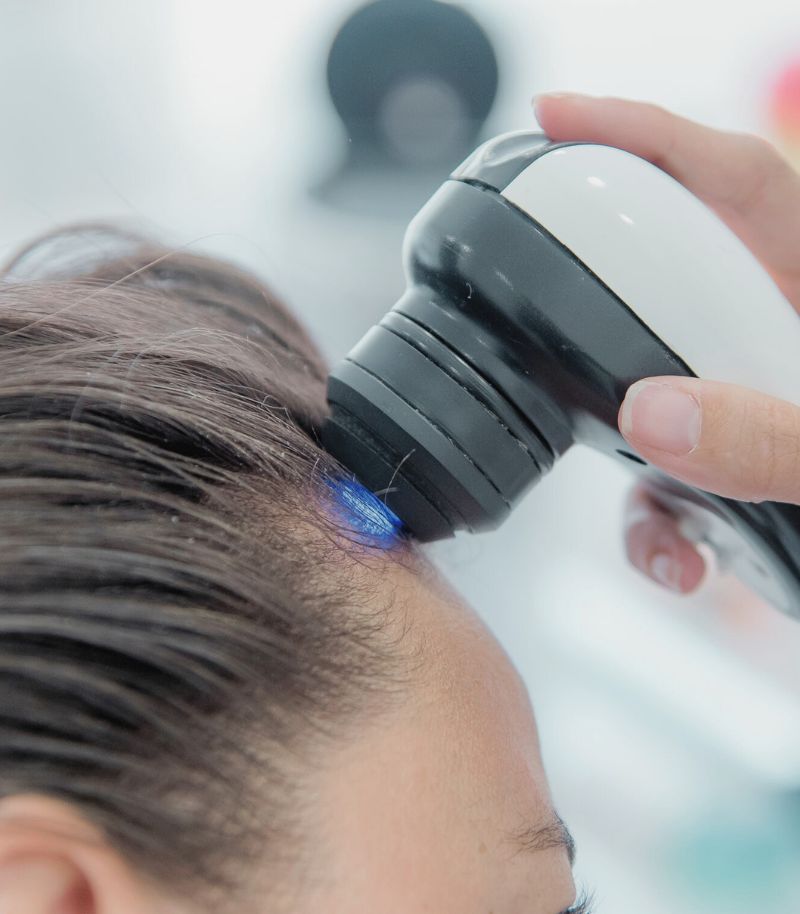
Clinical and research expertise
The Hair Disorders Unit at Grupo Pedro Jaén is a recognised reference centre in the study and management of frontal fibrosing alopecia.
Leadership in research
Members of our team have published numerous scientific studies and research projects on this condition, which predominantly affects women and whose incidence has increased in recent years for reasons that are still under investigation.
Extensive clinical experience
The integration of research activity with daily clinical practice allows us to apply an evidence-based approach and to individualise treatment strategies, resulting in more effective and carefully tailored patient care.
Expertise in combined medical therapies
The primary objective of current treatments for frontal fibrosing alopecia is to preserve existing hair and control the inflammatory mechanisms responsible for follicular destruction until the disease stabilises spontaneously. The extensive experience of our specialists allows them to combine different pharmacological approaches to address hormonal factors, stabilise hair loss, improve hair shaft quality and thickness, and, in selected cases, achieve limited regrowth at the frontal hairline.
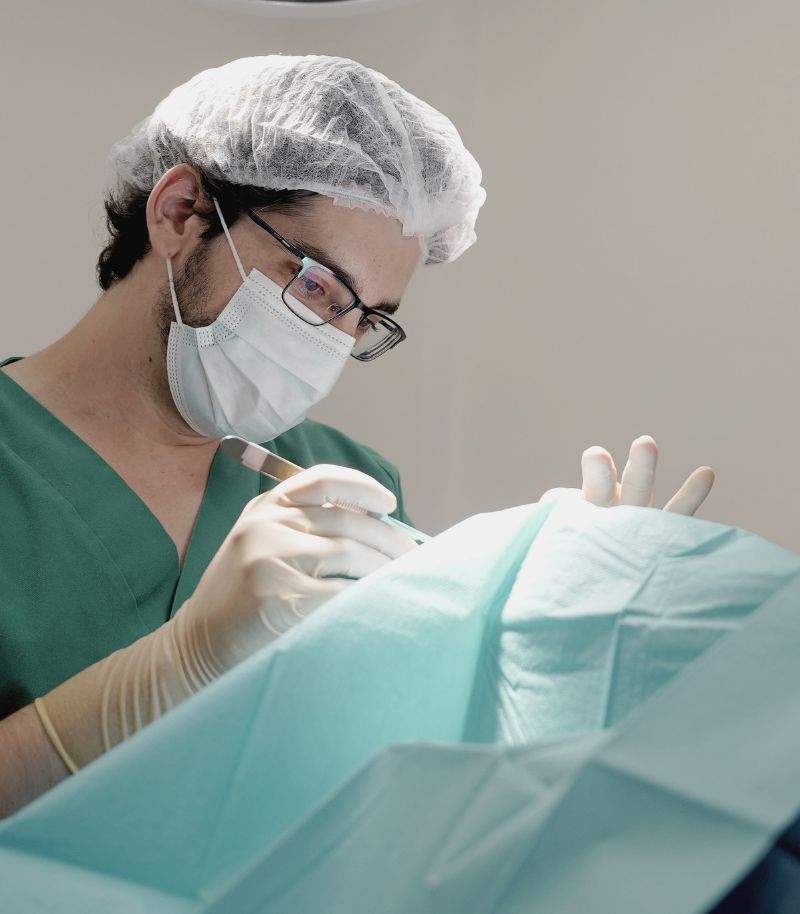
Hair surgery in selected women
Hair transplantation is not considered a first-line treatment for frontal fibrosing alopecia. However, selected patients with significant hair loss who achieve sustained disease stabilisation under medical treatment may be candidates for surgical intervention aimed at restoring hair density and improving facial framing.
Expertise in female hair transplantation
Our dermatologists expert in hair disorders have extensive experience in carefully selecting suitable candidates and closely monitoring each case, as reactivation of inflammatory activity may compromise graft survival.
Specialised follow-up
Medium- and long-term follow-up is essential to assess disease evolution and ensure the stability of surgical outcomes.
More information
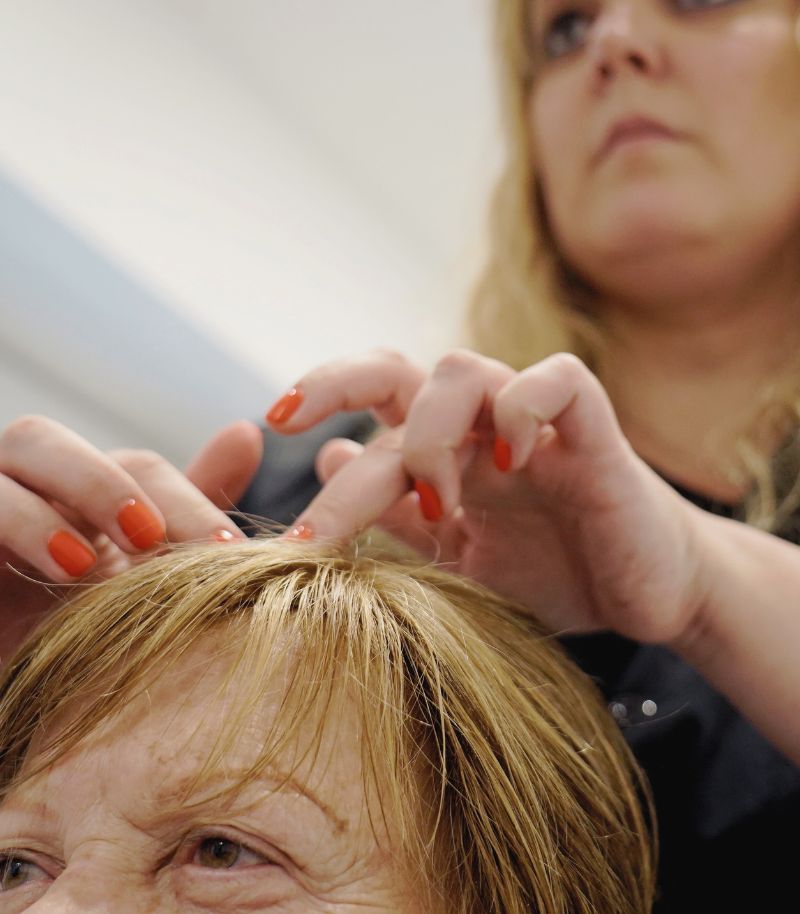
Advanced cosmetic options
Our Hair Disorders Unit offers a range of cosmetic measures that can help visually enhance the results of medical and surgical treatment for frontal fibrosing alopecia.
Scalp micropigmentation and microblading
Scalp micropigmentation may be used to simulate greater hair density in specific areas with more advanced hair loss. In addition, microblading can be performed to redefine the eyebrows and improve the overall facial appearance.
More information
Comprehensive care and emotional support
Frontal fibrosing alopecia can have a significant emotional impact, affecting self-esteem and psychological well-being.
Emotional Support Unit
When appropriate, our medical team works in coordination with the Emotional Support Unit, providing integrated care from the initial consultation through long-term follow-up, with the aim of optimising both clinical outcomes and patient well-being.
Care based on respect and empathy
Our approach is grounded in respect, empathy and clear communication, ensuring that patients feel supported throughout the diagnostic and therapeutic process while receiving the most advanced medical care currently available for frontal fibrosing alopecia.
More information
What it is, types, causes and treatment
A guide to understanding frontal fibrosing alopecia
Frontal fibrosing alopecia belongs to the group of primary cicatricial alopecias, a category of hair disorders in which the hair follicle is progressively destroyed and replaced by scar tissue, making hair regrowth impossible in the affected areas.
It is an increasingly common form of alopecia whose exact cause has not yet been fully defined. It most frequently affects women after menopause, although its incidence has been rising in recent years among premenopausal women and, less commonly, in men.
The Hair Disorders Unit at Grupo Pedro Jaén leads and participates in several research studies on frontal fibrosing alopecia and has published some of the most relevant scientific data currently available on this increasingly prevalent condition.
Frontal fibrosing alopecia is characterised by hair loss along the frontotemporal hairline, commonly referred to as the “headband” area.
In addition to scalp involvement, hair loss associated with this condition may also affect other hair-bearing areas of the body, such as the eyebrows, eyelashes and sideburns.
In fact, loss of the sideburns is considered a particularly characteristic clinical sign of frontal fibrosing alopecia. This hair loss usually appears bilaterally and in a largely symmetrical pattern. In some patients it results in a clearly defined area of complete hair loss with smooth skin, while in others it presents as a more subtle, diffuse reduction in hair density.
Beyond hair loss, frontal fibrosing alopecia may be accompanied by scalp itching or pain. It is also relatively common for patients to develop facial papules (small bumps on the face) and for the frontal veins to become more prominent.
Taken together, these features—along with the progressive recession of the frontal hairline—can lead to a significant aesthetic impact on the face, particularly in female patients.

Causes of frontal fibrosing alopecia
For reasons that are still under investigation, the incidence of frontal fibrosing alopecia has increased progressively in recent years.
According to studies published to date, including several led by specialists from the Hair Disorders Unit at Grupo Pedro Jaén, the development of this condition involves a combination of hormonal and autoimmune mechanisms that trigger inflammation and subsequent destruction of the hair follicle in genetically predisposed individuals.
On the one hand, an autoimmune reaction has been identified in which the body’s immune system targets the hair follicle, inducing an inflammatory process that, if not treated early, ultimately leads to follicular destruction and permanent hair loss.
On the other hand, evidence supporting a hormonal component is based on the higher prevalence of frontal fibrosing alopecia in women around the time of menopause.
Finally, recent research has demonstrated a degree of genetic susceptibility. According to published data, approximately 10% of patients with frontal fibrosing alopecia have at least one affected family member.
Diagnosis of frontal fibrosing alopecia
The diagnosis of frontal fibrosing alopecia is established during a clinical consultation through a detailed review of the patient’s medical history and a physical examination. This assessment is complemented by digital trichoscopy, which provides a highly detailed evaluation of the scalp and hair shafts using a digital microscope.
The clinical pattern of this condition is often so characteristic that a diagnosis can be made without further tests. However, in selected cases, a histological analysis may be required to assess the degree of inflammation or to clarify diagnostic uncertainty. This involves performing a scalp biopsy, a simple outpatient procedure that takes less than 15 minutes under local anaesthesia and requires only a single suture after the sample is obtained.
In addition, a comprehensive thyroid function assessment is recommended, as this form of cicatricial alopecia may be associated with thyroid disorders, particularly autoimmune hypothyroidism.
In this context, specialists at the Hair Disorders Unit at Grupo Pedro Jaén emphasise the importance of early diagnosis and prompt initiation of medical treatment, since in cicatricial alopecias such as frontal fibrosing alopecia, hair loss is irreversible once scar tissue has formed and the hair follicle is permanently destroyed.
“Once hair has been lost in a specific area, cosmetic measures are required, as regrowth does not occur”
Treatment of frontal fibrosing alopecia in women and men
Because frontal fibrosing alopecia is a scarring alopecia, it has traditionally been considered a condition without treatment. However, although there is currently no curative therapy for this form of alopecia, several therapeutic options are available that allow for a more optimistic outlook. By combining different treatment strategies, it is often possible to stabilise hair loss and, in some cases, achieve limited regrowth at the hairline.
In general terms, current treatments for frontal fibrosing alopecia are aimed at preserving existing hair and controlling the inflammatory mechanisms responsible for follicular destruction until the disease becomes inactive spontaneously
In all cases, treatment must be highly individualised, taking into account the extent of hair loss and the degree of scalp inflammation. The main therapeutic approach is based on combining anti-androgenic agents and corticosteroids.
Topical and oral Medication
Core treatment strategies involve the use of medications that act both on hormonal mechanisms and on the inflammatory process responsible for hair loss. These treatments may be administered orally or infiltrated directly into affected areas and can be complemented with agents that not only reduce inflammation but also improve the thickness and quality of the remaining hair fibres.
In addition, treatment may be complemented with specific medications aimed at managing facial papules, which are frequently associated with frontal fibrosing alopecia, in order to improve overall skin condition.
Hair transplantation in frontal fibrosing alopecia
Hair transplantation is not considered a first-line treatment for frontal fibrosing alopecia. However, patients with significant hair density loss who achieve disease stabilisation with medical treatment may be candidates for this procedure to restore lost density and improve facial aesthetics.
Before considering hair transplantation, the disease should be clinically stable, with no active inflammatory process. It is important to note that the goal of hair transplantation in this condition is always limited to specific areas, such as the temples or eyebrows. It should also be emphasised that this is an aesthetic solution and does not definitively resolve the underlying disease.
Patients undergoing hair transplantation must be informed that transplanted hair has a higher risk of loss if inflammatory activity recurs. Recent studies suggest that up to 50% of transplanted hair may be lost within five years following the procedure.
For this reason, careful evaluation by an experienced specialist is essential to determine appropriate patient selection and graft indication.
Strict follow-up is required after hair transplantation, as reactivation of the disease may occur in the grafted areas in some patients. It is also important to emphasise that ongoing medical therapy must be maintained to reduce the risk of disease progression.
Other treatment options
In severe cases of frontal fibrosing alopecia, particularly those with significant inflammatory activity that does not respond to standard therapies, oral systemic treatments may be considered. These therapies have shown efficacy in controlling inflammation and modulating the immune response. In selected cases, low-level laser therapy may also be used as a complementary physical treatment.
Cosmetic measures
The primary objective of medical treatment in frontal fibrosing alopecia is to stabilise and slow hair loss; however, it does not usually result in visible regrowth. When hair loss has already occurred in a specific area, and regrowth is not possible, cosmetic measures become necessary. These may include scalp micropigmentation, eyebrow microblading, or hair prostheses, depending on the affected area and the patient’s needs.
Photoprotection and frontal fibrosing alopecia
In recent years, several studies have explored a possible association between the use of certain sunscreen filters and frontal fibrosing alopecia. This remains a controversial topic under active investigation, and at present there is insufficient evidence to recommend avoidance of sunscreen products.

More information
Below you will find the authorship and references for the information provided on this page:
Authorship and references
The content of this page has been prepared by the Communication Department and the Medical Team of Grupo Pedro Jaén, in line with our editorial commitment to ensuring the accuracy and up-to-date nature of the information provided.
References on female alopecia:
1. Frontal fibrosing alopecia: a multicenter review of 355 patients. Vañó-Galván S, Molina-Ruiz AM, Serrano-Falcón C, Arias-Santiago S, Rodrigues-Barata AR, Garnacho-Saucedo G, Martorell-Calatayud A, Fernández-Crehuet P, Grimalt R, Aranegui B, Grillo E, Diaz-Ley B, Salido R, Pérez-Gala S, Serrano S, Moreno JC, Jaén P, Camacho FM. J Am Acad Dermatol. 2014 Apr;70(4):670-8. doi: 10.1016/j.jaad.2013.12.003. Epub 2014 Feb 5. PMID: 24508293.
2. Antiandrogenic drugs, a therapeutic option for frontal fibrosing alopecia patients. Vañó-Galván S, Saceda-Corral D, Alonso-Castro L, Urech M, Espada J. J Am Acad Dermatol. 2016 Apr;74(4):e77. doi: 10.1016/j.jaad.2015.11.047. No abstract available. PMID: 26979375.
3. Frontal fibrosing alopecia: a retrospective review of 19 patients seen at Duke University. Ladizinski B, Bazakas A, Selim MA, Olsen EA. J Am Acad Dermatol. 2013 May;68(5):749-55. doi: 10.1016/j. jaad.2012.09.043. Epub 2013 Feb 1. PMID: 23375454.
4. Frontal fibrosing alopecia: clinical and prognostic classification. Moreno-Arrones OM, Saceda-Corralo D, Fonda-Pascual P, Rodrigues-Barata AR, Buendía-Castaño D, Alegre-Sánchez A, Pindado-Ortega C, Molins M, Perosanz D, Segurado-Miravalles G, Jaén P, Vañó-Galván S. J Eur Acad Dermatol Venereol. 2017 Apr 20. doi: 10.1111/jdv.14287. [Epub ahead of print] PMID: 28426907.
5. Development and validation of the Frontal Fibrosing Alopecia Severity Score. Saceda-Corralo D, Moreno-Arrones ÓM, Fonda-Pascual P, Pindado-Ortega C, Buendía-Castaño D, Alegre-Sánchez A, Segurado-Miravalles G, Rodrigues-Barata AR, Jaén-Olasolo P, Vaño-Galván S. J Am Acad Dermatol. 2018 Mar;78(3):522-529.
6. Risk factors associated with frontal fibrosing alopecia: a multicentre case-control study Moreno-Arrones OM, Saceda-Corralo D, Rodrigues-Barata AR, Castellanos-González M, Fernández-Pugnaire MA, Grimalt R, Hermosa-Gelbard A, Bernárdez C, Molina-Ruiz AM, Ormaechea-Pérez N, Fernández-Crehuet P, Vaño-Galván S. Clin Exp Dermatol. 2019 Jun;44(4):404-410.
7. Factors influencing frontal fibrosing alopecia severity: a multicentre cross-sectional study. Moreno-Arrones OM, Saceda-Corralo D, Rodrigues-Barata AR, et al. J Eur Acad Dermatol Venereol. 2019;33(9). doi:10.1111/jdv.15590.
8. Hair transplant in frontal fibrosing alopecia: A multicenter review of 51 patients. Vañó-Galván S, Villodres E, Pigem R, Navarro-Belmonte MR, Asín-Llorca M, Meyer-González T, Rodrigues-Barata R, Moreno-Arrones ÓM, Saceda-Corralo D, Bouhanna P, Camps A. J Am Acad Dermatol. 2019 Sep; 81(3):865-866.
9. Svigos K, Yin L, Shaw K, et al. Use of platelet-rich plasma in lichen planopilaris and its variants: A retrospective case series demonstrating treatment tolerability without koebnerization [published online ahead of print, 2020 Jun 15]. J Am Acad Dermatol. 2020;S0190-9622(20)31087-2. doi:10.1016/j.jaad.2020.06.026.
10. Vañó-Galván S, Villodres E, Pigem R, et al. Hair transplant in frontal fibrosing alopecia: A multicenter review of 51 patients. J Am Acad Dermatol. 2019;81(3):865-866. doi:10.1016/j.jaad.2019.05.031.
11. Pindado-Ortega C, Saceda-Corralo D, Moreno-Arrones OM, Rodrigues-Barata AR, Hermosa-Gelbard A, Jaén-Olasolo P, Vañó-Galván S. EFFECTIVENESS OF DUTASTERIDE IN A LARGE SERIES OF PATIENTS WITH FRONTAL FIBROSING ALOPECIA IN REAL CLINICAL PRACTICE. J Am Acad Dermatol. 2020 Oct 7:S0190-9622(20)32696-7. doi: 10.1016/j.jaad.2020.09.093. Epub ahead of print. PMID: 33038469.
Where we see patients?
Clinics in Madrid
Grupo Pedro Jaén is a medical group with more than thirty years of experience, specialising in medical, surgical and aesthetic solutions related to skin health and care. Under the leadership of Dr Pedro Jaén, the group has a multidisciplinary team of highly qualified specialists, ensuring expert care across all areas of treatment. In addition, Grupo Pedro Jaén is recognised for its strong commitment to medical education, its leadership in clinical research and its network of clinics in Madrid, from which it provides healthcare of the highest quality and excellence to its patients.


Calle Cinca 30
Located in the El Viso district, this centre houses the consultations of the Hair Disorders and Hair Transplant Unit of Grupo Pedro Jaén in central Madrid.
Mon - Fri: 09:00 - 20:30
Calle Cinca 30, El Viso neighbourhood, Chamartín District, 28002 Madrid

La Moraleja
Located in Plaza de La Moraleja, this exclusive centre allows Grupo Pedro Jaén to bring its medical and aesthetic services closer to patients across the entire northern area of Madrid.
Mon - Thu: 09:30 - 20:00 / Fri: 10:00 - 18:00
Calle de la Estafeta 8, ground floor, La Moraleja, 28109 Alcobendas, Madrid, Spain
Related units and pages
Hair Disorders Unit
A specialised medical team and the most effective treatments for all types of hair disorders.
Hair loss diagnosis
Diagnosis of alopecia using advanced technology and an expert medical team to determine the most appropriate therapeutic approach.
Folliculitis Decalvans
More advanced alternatives to stabilise the clinical condition and prevent further progression of this form of alopecia.
Female alopecia
Individualised diagnosis and specific treatments for the different types of alopecia in women.
Androgenetic alopecia
Information about this common form of alopecia and the different treatment options currently available.
Alopecia areata
Treatments aimed both at promoting hair regrowth and preventing common relapses.
Information and news
Press room
In the Grupo Pedro Jaén Press Room you can find information, advice and news related to dermatology, aesthetic medicine, trichology and general health. The group’s journals are also shared through an online platform, along with updates on the activity and media appearances of our clinics and healthcare professionals.

How to shower properly: tips for looking after your skin
Cold or hot water? Is it better to use a sponge? Find out how to shower properly and what dermatologists recommend to protect your skin.
Retinol in summer: should you stop using it?
We debunk this and other myths about using retinol during the warmer months.

Blog
News about Grupo Pedro Jaén. Information and advice on dermatology, aesthetic medicine, trichology, and general health

Media
Information about media appearances by our clinics and medical specialists.

Journal
Archive of all Grupo Pedro Jaén journals, available through an external online platform.