
Emotional Support Unit
At our clinic on Calle Serrano 143 in Madrid (Spain)
Specialists in
Psychological care for patients with skin conditions
The Grupo Pedro Jaén Emotional Support Unit is designed to provide psychological care for patients with skin conditions experiencing emotional distress as a consequence of their skin condition, as well as for those whose dermatosis may be triggered or exacerbated by psychological factors.

Recognised reference clinics in Spain
Home > Other specialties > Emotional support
What sets us apart
A holistic approach to emotional and dermatological wellbeing
At the Grupo Pedro Jaén Emotional Support Unit, we address the close relationship between skin and emotions, offering a holistic approach aimed at improving both dermatological health and psychological wellbeing. Our multidisciplinary team of dermatologists, psychologists and psychiatrists works together to develop personalised care strategies based on scientific evidence. With both face-to-face and online consultations, we ensure accessible and continuous care, supporting patients in managing the emotional impact of their skin conditions and improving their overall quality of life.

Multidisciplinary approach
The Grupo Pedro Jaén Emotional Support Unit provides holistic care for patients with skin conditions, addressing both physical symptoms and the psychological impact these conditions may generate. Emotional wellbeing plays a key role in the course of many dermatological diseases, which is why our approach is inherently multidisciplinary.
Understanding how skin affects emotions
Skin conditions may be triggered or aggravated by stress and anxiety, creating a vicious cycle that can be difficult to break. Conditions such as psoriasis, eczema or acne often worsen during periods of emotional distress, affecting self-esteem and overall wellbeing. Our unit focuses on identifying these contributing factors so we can intervene in an effective and targeted manner.
Experienced multidisciplinary team
Our specialists in dermatology, psychology and psychiatry work closely together to design personalised treatment plans. This coordinated approach allows us to address skin conditions comprehensively, reduce emotional factors that influence disease progression and support patients in adapting more effectively to their condition.
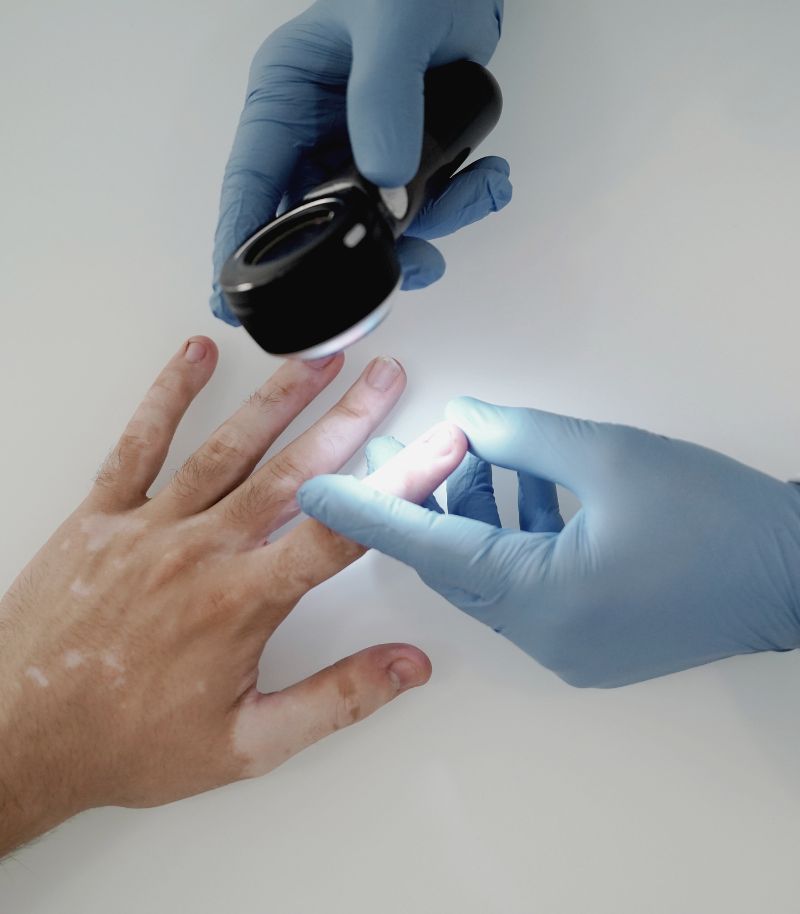
Tailored psychological support
Emotional support is essential for patients with chronic or visible skin conditions. Our unit offers individualised psychological care aimed at helping patients manage their condition more effectively and reduce its impact on daily life, promoting emotional stability and self-confidence.
Support for visible skin conditions
Skin conditions that affect appearance—such as psoriasis, rosacea, vitiligo or alopecia—may have a significant psychological impact. Social exposure, fear of rejection or perceived stigma can lead to anxiety, stress or depressive symptoms. Our team supports patients in developing strategies to cope with these challenges and improve emotional wellbeing.
Impact on self-esteem and treatment adherence
Psychological support not only helps alleviate emotional distress, but also promotes adherence to medical treatment and may contribute to a more favourable disease course. Our specialists work with each patient to develop coping strategies, strengthen self-esteem and manage anxiety, with the aim of improving quality of life and self-perception.
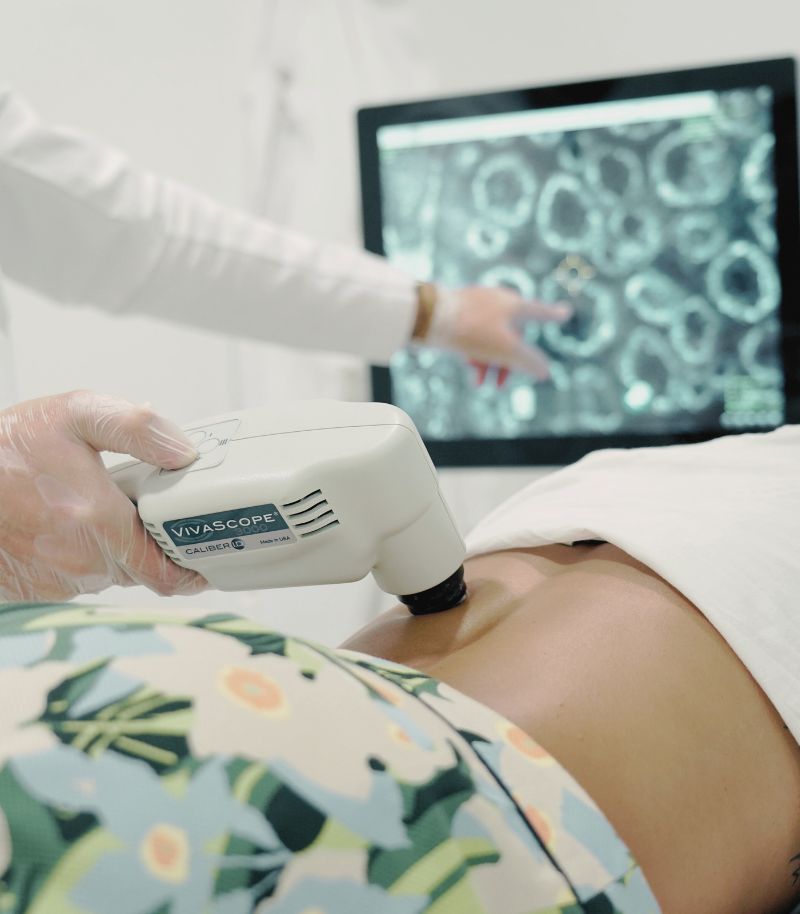
Emotional support in oncological dermatology
Patients with skin conditions related to oncological processes often require specialised psychological care. The Emotional Support Unit provides comprehensive support for patients with skin cancer and other oncology-related dermatological conditions.
Managing emotional impact
A cancer diagnosis can generate significant fear, anxiety and emotional distress. In addition, the physical consequences of treatments such as surgery, radiotherapy or chemotherapy may affect body image and self-esteem. Our team supports patients through tailored psychological interventions designed to help them cope with these changes.
Improving quality of life
Beyond the clinical management of cancer, our unit focuses on improving patients’ quality of life by offering tools to help them adapt to the disease, its treatments and associated side effects. Emotional support is integrated with dermatological and aesthetic oncological care to help patients regain confidence and emotional wellbeing.
Continuous and accessible care
Our Emotional Support Unit offers an integrated psychodermatology approach, combining dermatological treatment with psychological interventions aimed at promoting emotional stability and long-term adherence to medical care. Skin conditions are influenced not only by biological factors, but also by stress, anxiety and emotional wellbeing, which can affect disease flares and recovery.
Evidence-based psychological intervention
Our interventions are based on current medical and psychological evidence. We apply validated techniques—such as cognitive behavioural therapy, relaxation strategies and cognitive restructuring—to help reduce emotional distress, improve coping mechanisms and enhance quality of life.
Accessibility and interdisciplinary coordination
We provide both face-to-face and online consultations to ensure accessible, continuous care tailored to each patient’s needs. In addition, we work in close coordination with other specialist units at Grupo Pedro Jaén, integrating emotional care into the overall medical treatment plan and ensuring a truly multidisciplinary approach.
Experts in psychodermatology
A guide to understanding the Emotional Support Unit
There is now very little doubt about the close relationship between physical illness and the psychological impact experienced by those who suffer from it. As scientific evidence in this field has accumulated, an increasing number of specialists and medical centres emphasise the need to treat patients using a holistic approach that addresses both the strictly medical aspects and the emotional sphere. This integrated model aims to provide more comprehensive care and ultimately deliver greater benefit to the patient.
As a result of this reflection, the Grupo Pedro Jaén Emotional Support Unit was initiated by Dr Pedro Jaén and led by Dr Leticia Alonso, a clinical and aesthetic dermatologist with training in psychotherapy and a Master’s degree in Psychotherapy from the University of Alcalá de Henares – European Institute of Psychotherapy, together with Dr Miguel Álvarez de Mon, psychiatrist at Infanta Leonor University Hospital and Associate Professor of Psychiatry at the University of Alcalá de Henares, both based in Madrid.

Emotional impact of skin diseases
As noted above, many dermatological conditions have a negative effect on patients’ emotional wellbeing, particularly because they alter physical appearance and are often immediately visible.
Psoriasis as a key example
Psoriasis is a chronic inflammatory skin disease that typically follows a relapsing course and produces whitish or greyish scaling on the skin surface, which often appears rough, cracked and markedly erythematous.
On the one hand, it has been clearly demonstrated that periods of stress worsen psoriasis severity. On the other, patients with psoriasis are known to be more susceptible to mental health disorders such as depression and anxiety, which are detected in approximately 20–30% of cases.
Moreover, up to 70% of patients report that the disease significantly disrupts their daily lives due to the nervousness and distress caused by its appearance, regardless of skin symptoms. Around 60% state that their social activities are conditioned by the disease to some degree, and half report that their professional career has been affected for the same reason.
In consultations with dermatologists specialising in psoriasis, it is common to hear patients describe feelings of sadness, low self-esteem, difficulties in social interaction or forming intimate relationships, sexual problems related both to embarrassment about showing their body to a partner and to pain or discomfort when lesions affect the genital area, shame about exposing affected areas during social gatherings or activities (particularly outdoors), fear of summer or going to the beach due to wearing less covering clothing, and a persistent fear of rejection.
Other skin conditions with psychological impact
Alopecia is estimated to cause significant emotional distress, particularly scarring alopecias and those involving loss of eyebrows or eyelashes. For example, alopecia areata—an autoimmune form of hair loss that may also be triggered by traumatic events or stressful situations—is associated with anxiety and depression in more than 30% of patients, a figure that may rise to 75% in extensive disease or in women.
Similarly, numerous studies have identified a high prevalence of psychiatric comorbidity in patients with atopic dermatitis, acne, rosacea in its more severe forms, or hyperhidrosis (pathological excessive sweating). These patients may experience intense anxiety and stress, frequently develop depression, and in some cases report suicidal ideation or attempts.
Even without reaching such extreme situations, data consistently show that dermatology patients experience higher levels of stress, anxiety, depression, social isolation, emotional inhibition and phobias compared with the general population. They also report a significantly poorer quality of life than patients with other medical conditions and, of course, compared with healthy individuals—even in cases where the dermatosis is not life-threatening or associated with severe physical suffering.
Emotional support for oncology patients
Receiving a cancer diagnosis often has a profound emotional impact on both the patient and their close family. In addition, oncological treatments frequently result in dermatological and aesthetic sequelae that further undermine self-esteem and quality of life in patients with cancer.
Emotional support throughout the course of the disease has been shown to be one of the cornerstones of treatment and one of the most effective resources for improving mood and treatment adherence.
Bidirectional relationship between the nervous system and the skin
An increasing body of research has demonstrated a clear bidirectional relationship between the nervous system and the skin, likely related to their shared embryological origin.
This understanding has contributed to the development of psychodermatology, also known as psychocutaneous medicine—a discipline at the intersection of dermatology, psychiatry and psychology. Psychodermatology focuses on patients with skin disorders whose course is associated with emotional components, and examines the influence of stress and anxiety on the evolution of dermatological diseases, as well as the psychiatric comorbidity present in many dermatoses.
In many conditions—far more than those cited here as examples—the psychological factor may arise as a consequence of the disease itself or act as a trigger or catalyst for its development.
“The Emotional Support Unit provides care for patients who suffer because of their skin conditions, as well as for patients whose psychological difficulties negatively affect the health of their skin”
Comprehensive approach to skin diseases
The aim of the Grupo Pedro Jaén Emotional Support Unit is to provide psychological support to patients who are often not prepared to develop effective coping or adaptation strategies for their skin condition within the same clinical setting in which the dermatological disease is being treated, without removing them from the established care pathway. This approach helps to avoid a common problem among these patients: moving from one consultation to another, repeatedly sharing deeply personal and sometimes intimate experiences with professionals who may not be familiar with dermatological conditions.
This objective is fully aligned with the philosophy of Grupo Pedro Jaén, which is based on offering comprehensive care through multidisciplinary teams made up of specialists from different units within the centre.
While curing the disease remains the primary goal, we believe that addressing its broader implications makes a meaningful difference, allowing care to be delivered in a more global, integrative and human manner.
How the Emotional Support Unit works
Patients seen in this unit are generally referred from other units within the group, with which it works closely. Care is structured around two individual consultations.
During the first consultation, Dr Alonso carries out a comprehensive patient assessment, including a detailed history of the dermatological condition, as well as an exploration of wellbeing, quality of life and emotional factors related to the disease in the professional, social and family environment. The aim is to determine the extent to which the skin condition influences or conditions the patient’s daily life and relationships.
Based on this assessment, a detailed report is prepared, including a set of therapeutic recommendations, which also serves as the starting point for the second consultation.
Subsequently, Dr Álvarez de Mon evaluates the presence of anxiety or depressive symptoms, as well as other possible psychological disturbances such as eating behaviour disorders, somatisation, hypochondriacal concerns or loss of self-esteem. He also assesses the patient’s coping capacity and the degree to which the condition has affected their life.
Finally, a diagnostic orientation and a personalised therapeutic proposal are established, which may include psychotherapy and/or pharmacological treatment, always tailored to the specific needs of each patient. In cases where treatment is not considered necessary, the patient is discharged.
In summary, the Grupo Pedro Jaén Emotional Support Unit aims to go one step further in patient care, offering access to the widest possible range of evidence-based resources to treat the disease and, at the same time, promote the best possible quality of life.

More information
Below you will find the authorship of the information provided on this page.
Authorship of this content
The content of this page has been prepared by the Communication Department and the Medical Team of Grupo Pedro Jaén, in line with our editorial commitment to accuracy, scientific rigour and up-to-date medical information.
Where we see patients?
Centro en Madrid
Grupo Pedro Jaén has several centres located in Madrid and also offers the option of online consultations. The main headquarters is located on Calle Serrano and provides all specialties except trichology, which is offered at the Calle Cinca clinic, just a few minutes’ walk away. For patients in the northern area of Madrid, the group also has a clinic in La Moraleja, where most specialties are available.


Calle Serrano 143
This centre is the main headquarters of Grupo Pedro Jaén. It provides diagnostic and treatment services in skin cancer, clinical and aesthetic dermatology, laser treatments and other related specialties.
Address and contact details
Just a five-minute walk from the Nuevos Ministerios Transport Interchange and only a few stops away from one of Spain’s most vibrant shopping areas—the Golden Mile and Calle Serrano.
Mon - Fri: 09:00 - 21:00
Calle Serrano 143, El Viso neighbourhood, Chamartín district, 28006 Madrid, Spain
Related units and pages
Clinical dermatology
Highly specialised dermatologists for each skin condition, offering the most advanced treatments available.
Hair Disorders Unit
A specialised medical team and the most effective treatments for all types of hair disorders.
Body aesthetics
A personalised approach combining different treatment strategies to address the main body-related concerns.
Facial aesthetics
Minimally invasive treatments to improve facial appearance with harmonious and natural-looking results.
Plastic surgery
Treatment of facial and body aesthetic and functional concerns that require a surgical solution.
Male aesthetics
Surgical and aesthetic treatments fully adapted to male facial and body anatomy.
Information and news
Press room
In the Grupo Pedro Jaén Press Room you can find information, advice and news related to dermatology, aesthetic medicine, trichology and general health. The group’s journals are also shared through an online platform, along with updates on the activity and media appearances of our clinics and healthcare professionals.
How to shower properly: tips for looking after your skin
Cold or hot water? Is it better to use a sponge? Find out how to shower properly and what dermatologists recommend to protect your skin.
Retinol in summer: should you stop using it?
We debunk this and other myths about using retinol during the warmer months.

Blog
News about Grupo Pedro Jaén. Information and advice on dermatology, aesthetic medicine, trichology, and general health

Media
Information about media appearances by our clinics and medical specialists.

Journal
Archive of all Grupo Pedro Jaén journals, available through an external online platform.