
Rosacea Unit
At our clinics in Madrid: Calle Serrano 143 and La Moraleja
Dermatologists specialising in
Treatment of rosacea
Rosacea is an inflammatory condition that primarily affects the skin of the central area of the face (chin, forehead and nose), although in some cases it may extend to other areas. At the Grupo Pedro Jaén Rosacea Unit, we offer oral, topical and laser treatments for the four recognised types of rosacea. In many cases, we are able to prevent new flare-ups throughout the patient’s life.

Recognised reference clinics in Spain
Inicio > Clinical Dermatology > Rosacea
What sets us apart
Holistic approach and advanced treatments
We offer a comprehensive and personalised approach to the treatment of rosacea, a chronic condition that significantly affects quality of life. We effectively address the different manifestations of the condition through a team of specialist rosacea dermatologists and advanced technologies such as vascular laser, intense pulsed light and confocal microscopy. We are committed to providing an accurate diagnosis and combined treatments that include topical, oral and energy device procedures, achieving long-lasting results and a marked improvement in the health and appearance of our patients’ skin.
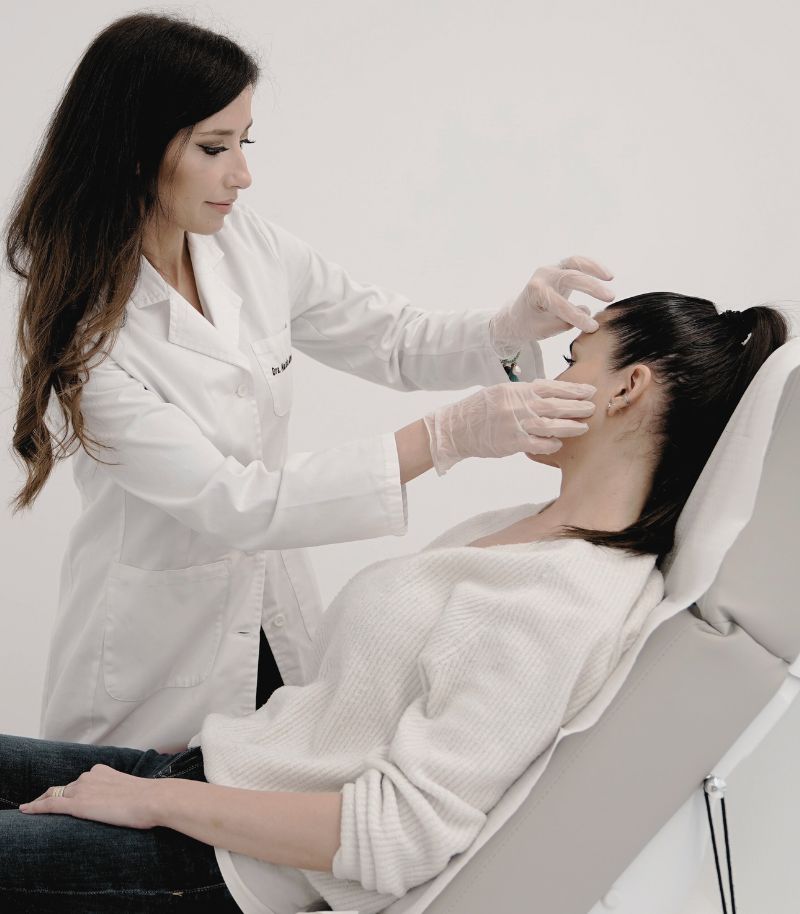
Personalised approach
At the Grupo Pedro Jaén Rosacea Unit, we offer a personalised approach for each patient, guaranteeing a treatment which is adapted to their needs and optimises results.
Hyper-specialisation of our dermatologists
We have dermatologists with extensive experience in treating rosacea. Their detailed knowledge is continually updated, ensuring expertly management of the condition. In addition, our multidisciplinary approach incorporates combined treatments, enabling us to precisely address the different manifestations of rosacea.
Combined treatments
Our rosacea dermatologists combine topical therapies, oral therapies and energy-based devices such as vascular lasers and intense pulsed light. This therapeutic synergy helps reduce the frequency and intensity of flare-ups, reduces inflammation and improves skin quality. Thanks to this holistic approach, we are able to control the condition in the long term, minimising symptom recurrence and offering our patients an effective solution that improves their quality of life.
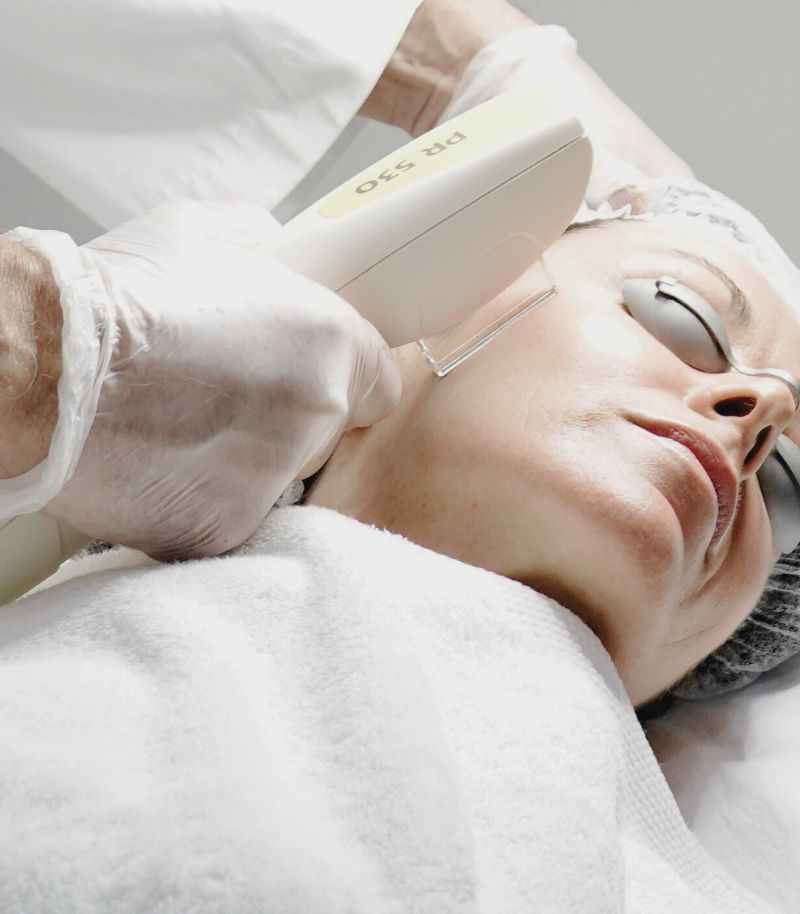
IPL and advanced laser treatment
The Rosacea Unit uses state-of-the-art devices to treat the different manifestations of the condition with high precision and efficacy.
Pulsed dye and Nd:YAG vascular lasers
The pulsed dye laser is the best option for removing facial redness and treating spider veins. The Nd:YAG laser acts on larger-calibre vessels, contributing to a significant reduction in redness and improving skin tone. Both treatments have an anti-inflammatory effect, helping to reduce the appearance of papulopustular flare-ups.
Intense pulsed light (IPL)
This advanced technology treats diffuse redness and dilation of small blood vessels and improves skin texture and evenness. In our practice, we can apply IPL on the day of diagnosis, optimising the patient’s time and offering immediate improvement. Thanks to this technology, we offer high-resolution consultations that enable effective treatment from the first visit.
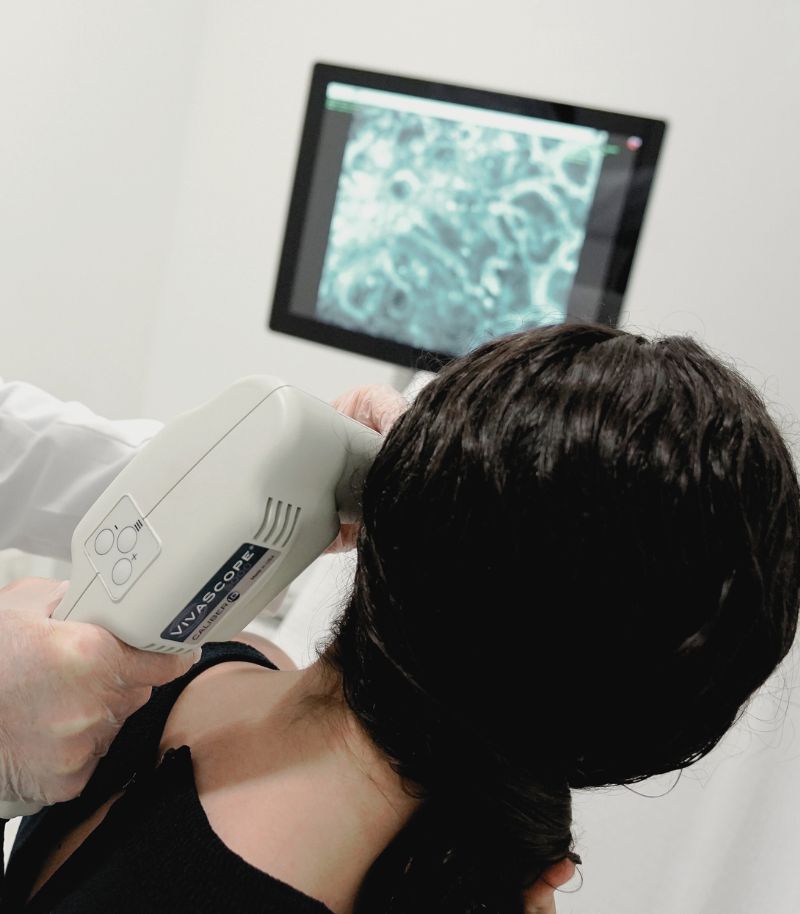
Diagnosis with confocal microscopy
Our unit is a pioneer in incorporating advanced diagnostic technology to accurately assess each case of rosacea and tailor treatment to the patient’s specific needs.
Virtual biopsy
The confocal microscope enables us to examine skin at microscopic resolution without the need for invasive biopsies. This technique is key to identifying the presence of the Demodex folliculorum mite (implicated in certain types of rosacea) and to assess in detail the inflammation and vascular alterations of the skin.
Therapeutic monitoring and control
Thanks to this technology, our specialist rosacea dermatologists can monitor each case and adjust the treatment according to its evolution. This translates into a better therapeutic response and better control of the condition.
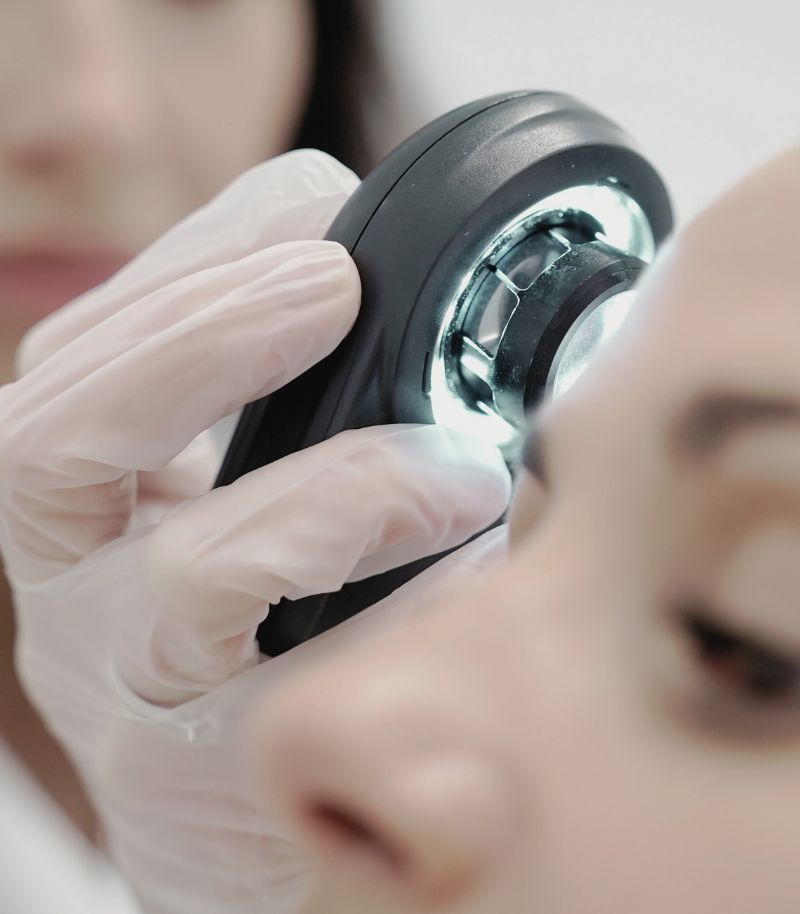
Connection with the Sensitive Skin Unit
Rosacea is one of the main conditions associated with sensitive skin and requires a specialised approach. At our Sensitive Skin Unit, we treat this inflammatory condition along with other dermatological conditions such as atopic dermatitis and contact dermatitis, offering comprehensive solutions to improve skin health.
Multidisciplinary and personalised approach
Our specialists work together with those from other areas of dermatology and allergology to evaluate the underlying causes of reactive skin and establish therapeutic strategies tailored to each patient. This coordination makes it possible to develop effective treatments that reduce inflammation and strengthen the skin barrier.
Long-term skin health
Thanks to our combination of clinical expertise and advanced technology, we are able to restore the health of the skin in a lasting way. We treat rosacea and other conditions with a progressive approach, minimising triggers and offering a long-term solution that significantly improves each patient’s quality of life.
What it is, types, causes and treatment
A guide to understanding rosacea
Rosacea is a chronic inflammatory skin condition that primarily affects the face, particularly the central areas (cheeks, chin, forehead and nose), although in some cases it may also extend to other parts of the skin. Affected areas appear intensely red and irritated and may cause itching, stinging, scaling and burning sensations of varying intensity.
Types of rosacea
There are four recognised types of rosacea, depending on clinical presentation:
Erythematotelangiectatic rosacea
This type is characterised by sudden redness of the cheeks, forehead and nose. This abrupt flushing is often accompanied by stinging, burning sensations, itching and, in some patients, pain. The skin becomes highly sensitive to touch, inflamed and particularly dry. Dilated blood vessels become visible through the skin, and small vascular spider veins (telangiectasias) appear, mainly on the nose and cheeks. These episodes may recur when patients are exposed to triggering factors such as cold, heat, sudden temperature changes, alcohol intake, very hot or spicy foods and emotional stress.
Papulopustular rosacea
This form also presents with facial redness, although it is generally less intense than in erythematotelangiectatic rosacea. Its most characteristic feature is the appearance of lesions similar to acne. In these cases, the skin often appears excessively oily and tends to itch or burn less intensely.
Because of these features, papulopustular rosacea is frequently mistaken for acne, which can be particularly harmful for patients. With very few exceptions, topical acne treatments are unsuitable for rosacea-prone skin and may worsen the condition if used without specialist supervision.
Ocular rosacea
Ocular rosacea is especially uncomfortable and can significantly affect quality of life. It presents with redness, dryness, itching and burning sensations in the eyes. Patients may also experience photophobia (marked light sensitivity), blurred vision and excessive tearing. Ocular rosacea is often associated with other eye conditions such as conjunctivitis and uveitis— inflammation of the conjunctiva and the uveal tract, respectively. This form of rosacea requires evaluation by both a dermatologist and an ophthalmologist.
Phymatous rosacea
Phymatous rosacea is characterised by skin thickening in specific areas, such as the nose (rhinophyma), forehead (metophyma), chin (gnathophyma), eyelids (blepharophyma) or earlobes (otophyma). These areas develop palpable nodules that may grow significantly, leading to visible anatomical deformity.
The skin becomes thickened, inflamed and reddish to violaceous in colour, with an oily, shiny surface, enlarged pores and visible red veins.
Although symptom severity may vary, phymatous rosacea generally has a profound aesthetic and emotional impact. Many patients report that their social and personal relationships are affected, as the condition may give the appearance of poor hygiene or substance abuse, leading to stigma and emotional distress.

Causes of rosacea
The exact causes of rosacea are not fully understood. However, a genetic predisposition is recognised, and individuals who have experienced one episode are more likely to develop future flare-ups. Hormonal factors—such as menopause—also appear to influence disease onset and progression.
Other contributing factors include sun exposure, skin phototype, and certain medications. Rosacea may develop at any age but is most common in adults between 30 and 50 years of age and is more frequent in individuals with fair skin. Although rosacea is more common in women, symptoms tend to be more severe in men.
Several studies have linked rosacea to Helicobacter pylori, the bacterium associated with gastric ulcers. More recently, an association has been identified between rosacea and Demodex folliculorum, a microscopic mite that inhabits hair follicles and sebaceous glands and feeds on sebum and dead skin cells.
Diagnosis of rosacea
Rosacea diagnosis is primarily clinical. Dermatologists assess characteristic features such as facial redness, papules and pustules, visible blood vessels, and the presence of phymatous changes to determine the type of rosacea affecting the patient. In selected cases, blood tests, hormonal studies or skin biopsy may be required to confirm the diagnosis and evaluate the nature of specific lesions.
The Grupo Pedro Jaén Sensitive Skin Unit includes internationally recognised specialists in confocal microscopy—a highly advanced, non-invasive imaging technique that allows three-dimensional visualisation of the skin. This technology enables detection of increased Demodex folliculorum density and facilitates targeted treatment.
Research conducted by Grupo Pedro Jaén specialists has shown that patients with rosacea may have up to ten times higher concentrations of Demodex folliculorum in their pilosebaceous follicles compared with individuals without rosacea.
Confocal microscopy also allows close monitoring of treatment response, enabling specialists to assess whether mite density decreases with therapy or whether treatment adjustments are required.
Importantly, confocal microscopy functions as a virtual skin biopsy, providing results comparable to conventional biopsy without tissue removal, injections or sutures. It is completely painless and leaves no scars.
“There is a genetic predisposition to rosacea, and it is estimated to affect up to 10% of the population”
Treatments for rosacea
Rosacea is considered a chronic condition, and treatment aims to reduce symptoms, minimise sequelae and space flare-ups over time. However, current therapeutic options are sufficiently advanced to achieve long-term disease control in many patients.
In some cases, patients may remain symptom-free for very prolonged periods—or even indefinitely. Clinical experience within the Grupo Pedro Jaén Sensitive Skin Unit shows that combined treatment approaches are generally more effective and longer-lasting than monotherapy.
Topical treatments
Topical treatments for rosacea are usually custom-compounded creams tailored to each patient’s clinical presentation. They must be applied strictly according to the dermatologist’s instructions, as inappropriate use may irritate the skin.
Different therapeutic strategies are selected depending on whether rosacea is associated with seborrhoeic dermatitis, bacterial colonisation, inflammation or significant Demodex folliculorum involvement.
Oral treatments
Los tratamientos orales para la rosácea suelen combinarse con otras alternativas tópicas cuando éstas no son suficientes por sí solas. Se recurre a ellos generalmente para tratar lesiones inflamatorias, las pápulas y las pústulas de la rosácea, muy similares a las del acné.
Laser treatment
Laser therapy is primarily indicated for the treatment of superficial dermal blood vessels. These vessels—known as telangiectasias or spider veins—are responsible for persistent redness and inflammation.
Vascular lasers selectively target red pigmentation without damaging surrounding tissue. Pulsed dye laser is typically used for small-calibre facial vessels, while Nd:YAG laser is reserved for larger vessels.
In addition to eliminating abnormal blood vessels, vascular lasers significantly improve inflammatory papulopustular lesions.
Phymatous changes (soft tissue hyperplasia, such as rhinophyma) may be treated surgically or with CO₂ laser, depending on severity.
Rosacea specialists at Grupo Pedro Jaén work closely with the Laser Unit to design the most appropriate treatment plan according to lesion type and skin characteristics.

More information
Below you will find the authorship and references for the information provided on this page:
Authorship and references
The content of this page has been prepared by the Communication Department and the Medical Team of Grupo Pedro Jaén, in line with our editorial commitment to ensuring the accuracy and up-to-date nature of the information provided.
References on rosacea:
1. van Zuuren EJ, Arents BWM, van der Linden MMD, Vermeulen S, Fedorowicz Z, Tan J. Rosacea: New Concepts in Classification and Treatment. Am J Clin Dermatol. 2021 Jul;22(4):457-465. doi: 10.1007/s40257-021-00595-7. Epub 2021 Mar 23. PMID: 33759078; PMCID: PMC8200341.
2. Buddenkotte J, Steinhoff M. Recent advances in understanding and managing rosacea. F1000Res. 2018 Dec 3;7:F1000 Faculty Rev-1885. doi: 10.12688/f1000research.16537.1. PMID: 30631431; PMCID: PMC6281021.
3. Redd TK, Seitzman GD. Ocular rosacea. Curr Opin Ophthalmol. 2020 Nov;31(6):503-507. doi: 10.1097/ICU.0000000000000706. PMID: 33009083.
4. Searle T, Ali FR, Carolides S, Al-Niaimi F. Rosacea and the gastrointestinal system. Australas J Dermatol. 2020 Nov;61(4):307-311. doi: 10.1111/ajd.13401. Epub 2020 Aug 6. PMID: 32761824.
5. Ahn CS, Huang WW. Rosacea Pathogenesis. Dermatol Clin. 2018 Apr;36(2):81-86. doi: 10.1016/j.det.2017.11.001. Epub 2017 Dec 15. PMID: 29499802.
6. Li A, Fang R, Mao X, Sun Q. Photodynamic therapy in the treatment of rosacea: A systematic review. Photodiagnosis Photodyn Ther. 2022 Jun;38:102875. doi: 10.1016/j.pdpdt.2022.102875. Epub 2022 Apr 22. PMID: 35470124.
7. Gisele Viana de Oliveira, 3.39 – Rosacea and Microbiome, Editor(s): Maria Glibetic, Comprehensive Gut Microbiota, Elsevier, 2022, Pages 463-472, ISBN 9780128220368, DOI: 10.1016/B978-0-12-819265-8.00019-X.
8. Noguera-Morel L, Hernández-Martín A, Torrelo A. Childhood rosacea and related disorders. Clin Exp Dermatol. 2021 Apr;46(3):430-437. doi: 10.1111/ced.14419. Epub 2020 Nov 20. PMID: 33217048.
9. Two AM, Wu W, Gallo RL, Hata TR. Rosacea: part I. Introduction, categorization, histology, pathogenesis, and risk factors. J Am Acad Dermatol. 2015 May;72(5):749-58; quiz 759-60. doi: 10.1016/j.jaad.2014.08.028. PMID: 25890455.
10. Kang CN, Shah M, Tan J. Rosacea: An Update in Diagnosis, Classification and Management. Skin Therapy Lett. 2021 Jul;26(4):1-8. PMID: 34347259.
Where we see patients?
Clinics in Madrid
Grupo Pedro Jaén is a medical group founded more than three decades ago with the aim of providing medical, surgical and aesthetic solutions related to skin health and appearance. Led by Dr Pedro Jaén, the group has a highly specialised medical team that covers every area of care with top-level specialists, carries out extensive training activities, is a leader in medical research, and operates several clinics in Madrid, from which it offers the highest standards of care and clinical excellence to all patients.


Calle Serrano 143
This centre is the main headquarters of Grupo Pedro Jaén. It provides diagnostic and treatment services in skin cancer, clinical and aesthetic dermatology, laser treatments and other related specialties.
Mon - Fri 09:00 - 21:00 / Sat: 09:00 - 14:00
Calle Serrano 143, El Viso neighbourhood, Chamartín district, 28006 Madrid, Spain

La Moraleja
Located in Plaza de La Moraleja, this exclusive centre allows Grupo Pedro Jaén to bring its medical and aesthetic services closer to patients across the entire northern area of Madrid.
Mon - Thu: 09:30 - 20:00 / Fri: 09:30 - 18:00
Calle de la Estafeta 8, ground floor, La Moraleja, 28109 Alcobendas, Madrid
Related units and pages
Sensitive Skin Unit
Integrated management of reactive and inflammatory skin conditions closely associated with rosacea.
Clinical dermatology
Highly specialised dermatologists for each skin condition, offering the most advanced treatments available.
Paediatric dermatology
Specialised care for the full range of dermatological conditions that may affect children.
Contact dermatitis
Identification of triggering causes, tailored treatment plans and personalised guidance.
Atopic dermatitis
Control of this condition and improvement of its prognosis in children and adults to enhance quality of life.
Acne Unit
Experts in treatments that enable long-term control of this condition.
Information and news
Press room
In the Grupo Pedro Jaén Press Room you can find information, advice and news related to dermatology, aesthetic medicine, trichology and general health. The group’s journals are also shared through an online platform, along with updates on the activity and media appearances of our clinics and healthcare professionals.

How to shower properly: tips for looking after your skin
Cold or hot water? Is it better to use a sponge? Find out how to shower properly and what dermatologists recommend to protect your skin.
Retinol in summer: should you stop using it?
We debunk this and other myths about using retinol during the warmer months.

Blog
News about Grupo Pedro Jaén. Information and advice on dermatology, aesthetic medicine, trichology, and general health

Media
Information about media appearances by our clinics and medical specialists.

Journal
Archive of all Grupo Pedro Jaén journals, available through an external online platform.