
Hyperbaric Medicine Unit
At our clinic on Calle Serrano 143 in Madrid (Spain)
Specialists in
Hyperbaric medicine
The Grupo Pedro Jaén Hyperbaric Medicine Unit was established to support other medical units within the group that benefit from hyperbaric oxygen therapy as a regenerative medicine tool. Its aim is to accelerate recovery after medical and surgical treatments, help prevent potential complications and enhance therapeutic outcomes, contributing to improved overall patient recovery.

Recognised reference clinics in Spain
Home > Other specialties > Hyperbaric medicine
What sets us apart
More effective treatments and improved recovery
Hyperbaric oxygen therapy uses controlled high-pressure oxygenation to support tissue regeneration, reduce the risk of complications and optimise recovery following medical and surgical interventions. Our approach is based on careful patient selection and personalised treatment protocols, ensuring safe, effective care and optimal recovery under specialist medical supervision.
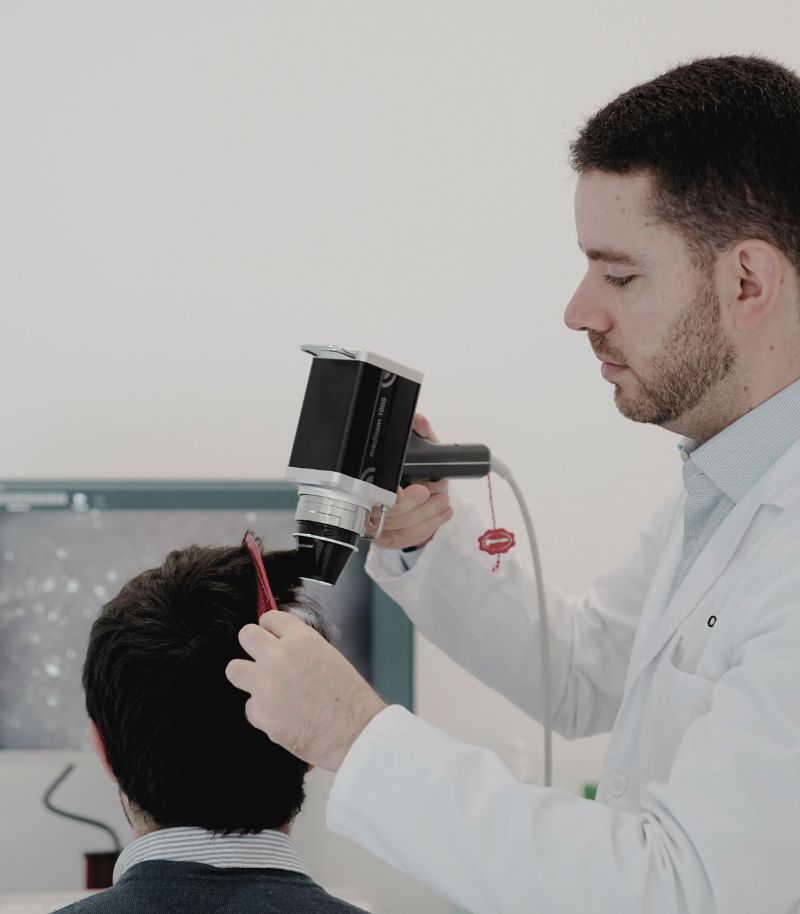
Enhancing aesthetic and hair treatments
Hyperbaric therapy has become a valuable complementary treatment to optimise outcomes in aesthetic and hair-related procedures.
Support for hair transplants and hair treatments
Within the Hair Disorders and Hair Transplant Unit, hyperbaric therapy supports post-transplant recovery by improving tissue oxygenation and promoting graft survival. It may also enhance the effectiveness of injectable hair treatments by contributing to scalp revitalisation and tissue health.
Supporting facial aesthetic treatments
In facial aesthetic medicine, hyperbaric therapy can enhance the regenerative response following treatments such as mesotherapy with biostimulatory agents, contributing to improved skin quality and recovery. It may also be used as supportive care in the management of complications related to injectable treatments, particularly those associated with tissue hypoxia, by improving oxygen delivery to affected areas.
More information
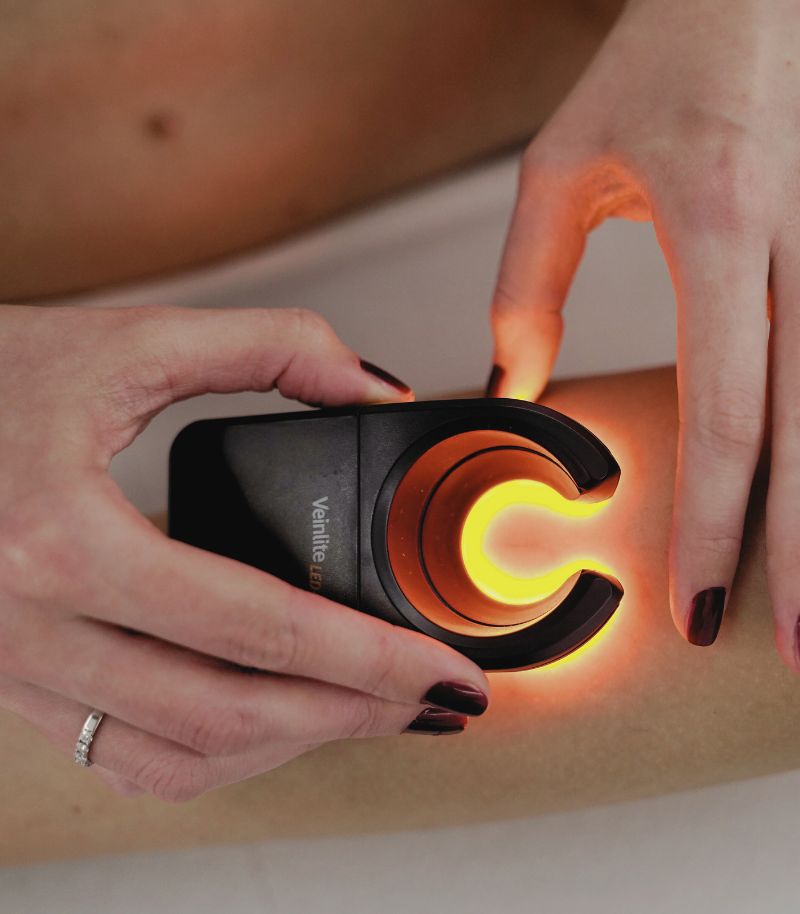
Support in vascular pathology and surgery
Hyperbaric oxygen therapy is a valuable adjunct in the management of vascular disease and in post-surgical recovery, offering an additional therapeutic option in selected cases.
Management of complex vascular conditions
Within the Vascular Surgery Unit, hyperbaric therapy may be used to support the treatment of complex conditions such as chronic vascular ulcers, diabetic foot lesions and other difficult-to-heal vascular wounds. Enhanced oxygen delivery promotes tissue repair, supports infection control and may contribute to improved healing times.
Optimising recovery after vascular surgery
Following procedures such as varicose vein surgery or treatment of vascular tumours, hyperbaric therapy can support wound healing, reduce the risk of complications and facilitate a more efficient recovery when incorporated into post-operative care protocols.
More information
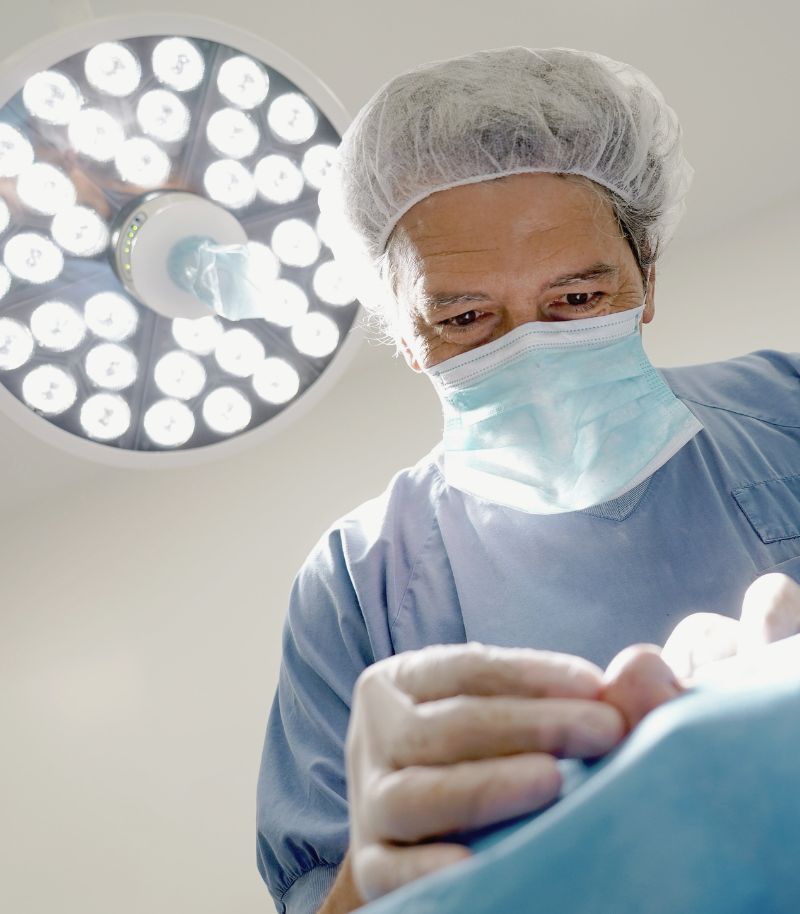
Optimising recovery after vascular surgery
Hyperbaric therapy is increasingly used as supportive care to optimise recovery following selected surgical procedures, particularly in plastic, reconstructive and dermatological surgery.
Supporting post-operative recovery
This therapy may be used after procedures such as Mohs surgery for skin cancer, reconstructive interventions and selected aesthetic surgeries. Increased oxygen availability supports tissue regeneration, helps reduce inflammation and may contribute to improved post-operative comfort.
Improving healing and reducing complications
By enhancing oxygen delivery to operated tissues, hyperbaric therapy can support wound healing and reduce the risk of infection or delayed recovery. Its integration into post-operative care aims to promote safe healing and optimise both functional and aesthetic outcomes.
More information
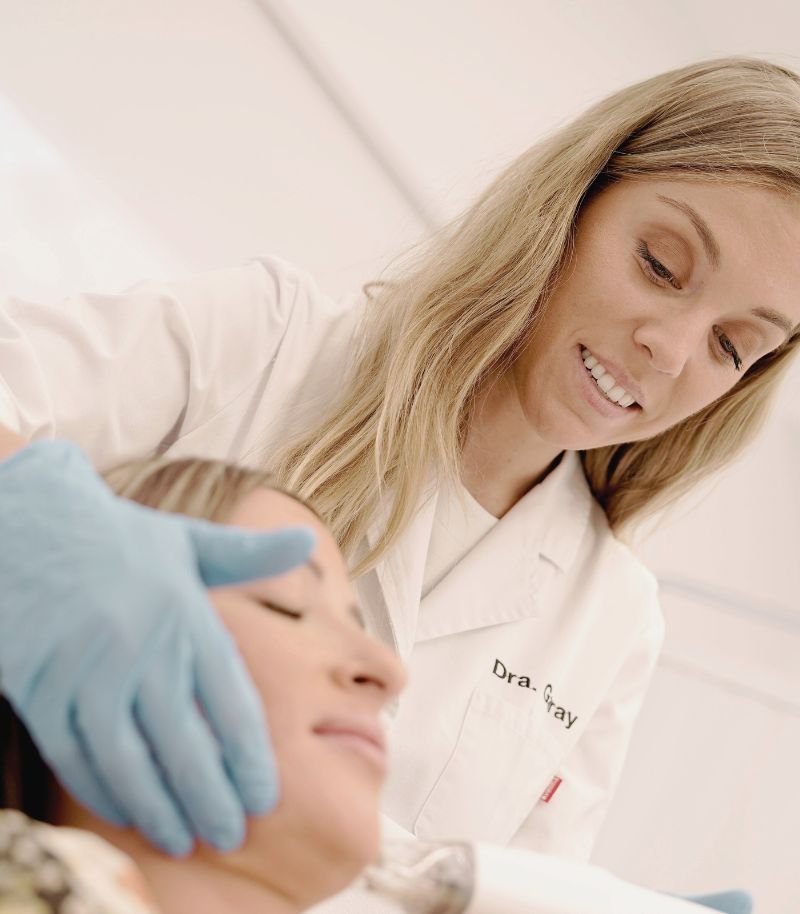
Oncology patient care
Hyperbaric oxygen therapy may play a supportive role in the multidisciplinary care of oncology patients, particularly in the management of treatment-related tissue damage.
Management of radiotherapy-related tissue damage
Hyperbaric therapy may be indicated in selected cases of tissue injury secondary to radiotherapy, supporting oxygenation and tissue repair. It can help alleviate symptoms such as skin irritation, dryness or delayed wound healing, contributing to improved quality of life.
Support for aesthetic and hair procedures in oncology patients
In oncology patients undergoing aesthetic or hair-related procedures, hyperbaric therapy may support recovery by promoting tissue healing and scalp revitalisation. Its use aims to facilitate a safer recovery process and contribute to overall patient wellbeing.
Hyperbaric chamber
A guide to understanding the Hyperbaric Medicine Unit
Hyperbaric medicine is a long-established medical discipline, with origins dating back to the 16th century. Even at that time, it was observed that increasing air pressure could improve certain injuries and have a beneficial effect on the course of chronic or long-standing conditions.
The discovery of oxygen in 1775 laid the scientific foundations of hyperbaric therapy as we know it today, leading to extensive research and the development of hyperbaric chambers capable of delivering this treatment to patients.
These early advances culminated in the 1960s through the work of Dr Ite Boerema, Professor of Surgery at the University of Amsterdam, who proposed the use of hyperbaric oxygen to increase tolerance to cardiac arrest.
Today, hyperbaric therapy is a well-established and continuously developing discipline used in a wide range of clinical situations involving hypoxia (lack of oxygen) due to ischaemia, compression or inflammation, among other processes. In these cases, an increased supply of oxygen is required to support tissue regeneration. Indications include decompression sickness in divers and aviation personnel, recovery after myocardial infarction, severe anaemia, asphyxia, carbon monoxide poisoning, pulmonary embolism, wound and ulcer healing, burns, radiation-induced tissue injury, compartment syndrome, and recovery following plastic or reconstructive surgery, among others.

Main effects and applications of the hyperbaric chamber
Hyperbaric therapy offers multiple benefits and applications that enhance treatments carried out across different units of Grupo Pedro Jaén.
Effects of hyperbaric therapy
Tissue revitalisation and neovascularisation
Hyperbaric therapy promotes the formation of new blood vessels and increases oxygen delivery to tissues affected by hypoxia. Improved vascularisation, blood flow and oxygenation support faster recovery of normal organ and tissue function, as well as tissue regeneration following injury.
Breathing pure oxygen at pressures two to three times higher than normal atmospheric pressure results in enhanced tissue oxygenation, allowing tissues to repair more efficiently and rapidly.
Antimicrobial action
Hyperbaric oxygen therapy inhibits toxin production in active infections and eliminates anaerobic bacteria, which thrive in low-oxygen environments and are particularly active in hypoxic tissues. In addition, hyperbaric therapy enhances the activity of white blood cells involved in immune defence and improves the effectiveness of antibiotics prescribed for bacterial infections.
Antioxidant effect
Hyperbaric oxygen therapy increases levels of several natural antioxidants that neutralise free radicals—by-products of cellular metabolism that can damage tissues. Free radical levels may increase due to factors such as unprotected sun exposure, tobacco use or certain pathological processes.
Anti-inflammatory effect
Hyperbaric therapy exerts a vasoconstrictive effect that helps reduce oedema and inflammation associated with trauma, whether accidental or controlled (such as surgery or invasive treatments). Its antibacterial properties and its influence on the release of growth factors are particularly beneficial for tissue regeneration and for accelerating wound and injury healing.
Applications across Grupo Pedro Jaén units
Hair Disorders and Hair Transplant Unit
Hyperbaric therapy is used to support healing following hair transplantation, promoting recovery of the tissues that nourish hair follicles and increasing the survival rate of transplanted follicles.
It may also be used as an adjunct to hair treatments with platelet-rich plasma (PRP) to enhance their therapeutic effect.
Vascular Surgery Unit
Hyperbaric therapy is used in the management of venous ulcers, diabetic foot and other complex vascular lesions. It is also employed within the Vascular Surgery Unit to improve post-operative healing following procedures such as varicose vein removal or excision of vascular tumours.
Plastic Surgery Unit
This regenerative medicine resource is used after surgical procedures—including Mohs surgery for skin cancer, aesthetic procedures and reconstructive surgery—to reduce oedema and inflammation, accelerate tissue recovery and improve wound healing. It is helpful in preventing post-operative infections, reducing healing complications and managing wounds with delayed or difficult healing.
Hyperbaric therapy has also demonstrated effectiveness in supporting the survival and progression of skin flaps and grafts commonly used in reconstructive surgery.
Oncology Patient Care Unit
One of the most frequent indications within this unit is the treatment of skin damage and tissue changes secondary to radiotherapy. Hyperbaric therapy is indicated to revitalise tissues affected by radiation.
Facial Aesthetics Unit
Hyperbaric oxygen therapy is a valuable adjunct to mesotherapy treatments with platelet-rich plasma, enhancing their regenerative effects on the skin. It is also used as a complementary treatment for complications or sequelae related to dermal filler injections associated with tissue hypoxia.
How hyperbaric oxygen therapy is delivered
At Grupo Pedro Jaén, hyperbaric therapy is administered in monoplace chambers designed to allow the patient to lie comfortably in a quiet and relaxing environment during the session.
Sessions typically last between one and one and a half hours, depending on the specialist’s indications. During the treatment, the patient breathes pure oxygen at increased pressure without the need to wear a mask.
The hyperbaric chamber is equipped with an intercom system, allowing continuous communication between the patient and the operator, who remains present throughout the session to address any needs that may arise.
Hyperbaric oxygen therapy does not require complex preparation. Upon arrival, patients are asked to change clothing and wear garments made from 100% cotton. They should attend the session without creams, deodorants, wigs or hairpieces, hairspray or make-up, and must remove all jewellery. Electronic devices are not permitted inside the chamber.
During the session, patients may experience a sensation of ear pressure similar to that felt during air travel or at high altitude. This is temporary and can be relieved by swallowing or yawning, as commonly done on an aeroplane.
Hyperbaric oxygen therapy is an outpatient treatment. Once the session is complete, patients may return home and resume their usual daily activities without the need for specific recovery measures.
Some patients report mild fatigue or increased appetite after treatment. These are normal, self-limiting effects and do not require specific medical intervention.
“Before indicating treatment, our hyperbaric medicine specialists carry out a complete medical history and an individualised assessment of each patient.”
Contraindications of hyperbaric therapy
Hyperbaric oxygen therapy is a well-established and generally safe treatment with few contraindications. However, it must always be administered in an appropriate medical setting and under the supervision of specialists trained in this discipline, who are able to apply the most suitable protocol for each patient’s condition.
For this reason, patients with fever, sinusitis or active upper respiratory tract infections should wait until these conditions have resolved before undergoing hyperbaric oxygen therapy.
Treatment is contraindicated in cases of untreated pneumothorax, uncontrolled epilepsy, oxygen toxicity (a very rare condition), ongoing treatment with certain medications such as disulfiram or cisplatin, or in patients with severe claustrophobia. Pregnancy is considered a relative contraindication and must be individually assessed by the specialist in each case.
For all these reasons, before indicating this type of treatment, our hyperbaric medicine specialists perform a thorough medical history and an individualised clinical assessment for every patient.

More information
Below you will find the authorship of the information provided on this page.
Authorship of this content
The content of this page has been prepared by the Communication Department and the Medical Team of Grupo Pedro Jaén, in line with our editorial commitment to accuracy, scientific rigour and up-to-date medical information.
Where we see patients?
Centro en Madrid
Grupo Pedro Jaén has several centres located in Madrid and also offers the option of online consultations. The main headquarters is located on Calle Serrano and provides all specialties except trichology, which is offered at the Calle Cinca clinic, just a few minutes’ walk away. For patients in the northern area of Madrid, the group also has a clinic in La Moraleja, where most specialties are available.


Calle Serrano 143
This centre is the main headquarters of Grupo Pedro Jaén. It provides diagnostic and treatment services in skin cancer, clinical and aesthetic dermatology, laser treatments and other related specialties.
Address and contact details
Just a five-minute walk from the Nuevos Ministerios Transport Interchange and only a few stops away from one of Spain’s most vibrant shopping areas—the Golden Mile and Calle Serrano.
Mon - Fri: 09:00 - 21:00
Calle Serrano 143, El Viso neighbourhood, Chamartín district, 28006 Madrid, Spain
Related units and pages
Hair Disorders Unit
A specialised medical team and the most effective treatments for all types of hair disorders.
Plastic surgery
Treatment of facial and body aesthetic and functional concerns that require a surgical solution.
Vascular Surgery Unit
Advanced diagnostic tools and treatments designed to deliver effective approaches with the least invasive techniques possible.
Facial aesthetics
Minimally invasive treatments to improve facial appearance with harmonious and natural-looking results.
Body aesthetics
A personalised approach combining different treatment strategies to address the main body-related concerns.
Oncological Aesthetic Care Unit
Medical aesthetic facial, body and hair care for oncology patients.
Information and news
Press room
In the Grupo Pedro Jaén Press Room you can find information, advice and news related to dermatology, aesthetic medicine, trichology and general health. The group’s journals are also shared through an online platform, along with updates on the activity and media appearances of our clinics and healthcare professionals.
How to shower properly: tips for looking after your skin
Cold or hot water? Is it better to use a sponge? Find out how to shower properly and what dermatologists recommend to protect your skin.
Retinol in summer: should you stop using it?
We debunk this and other myths about using retinol during the warmer months.

Blog
News about Grupo Pedro Jaén. Information and advice on dermatology, aesthetic medicine, trichology, and general health

Media
Information about media appearances by our clinics and medical specialists.

Journal
Archive of all Grupo Pedro Jaén journals, available through an external online platform.