
Operative hysteroscopy
At our centres in Madrid (Spain), located at Calle Serrano 166, and in La Moraleja
Gynaecologists specialising in
Operative hysteroscopy
Operative hysteroscopy is a minimally invasive technique used to treat various abnormalities within the uterus, including endometrial polyps, certain submucosal fibroids, adhesions and some malformations of the uterine cavity. The procedure involves passing a hysteroscope through the vagina and cervix, without the need for abdominal incisions. The integrated camera provides a direct, magnified view of the uterine cavity, allowing the gynaecologist to treat the affected tissue precisely. Depending on the type and complexity of the lesion, the procedure may be performed on an outpatient basis or in an operating theatre, following an individualised assessment of each patient.

Recognised reference clinics in Spain
Home > Gynaecology > Operative hysteroscopy
What sets us apart
Minimally invasive surgery tailored to each patient
At Grupo Pedro Jaén, operative hysteroscopy is planned following an individualised gynaecological assessment. The aim is to select the most appropriate treatment approach according to the patient’s symptoms, imaging findings and the characteristics of the lesion, while also taking into account her medical history and reproductive plans. By accessing the uterus through the vagina and cervix, this technique allows certain abnormalities to be treated without abdominal incisions. Depending on the complexity of the procedure, it may be performed on an outpatient basis or require sedation or anaesthesia in an operating theatre. The clinical setting is adapted to the needs of each case.
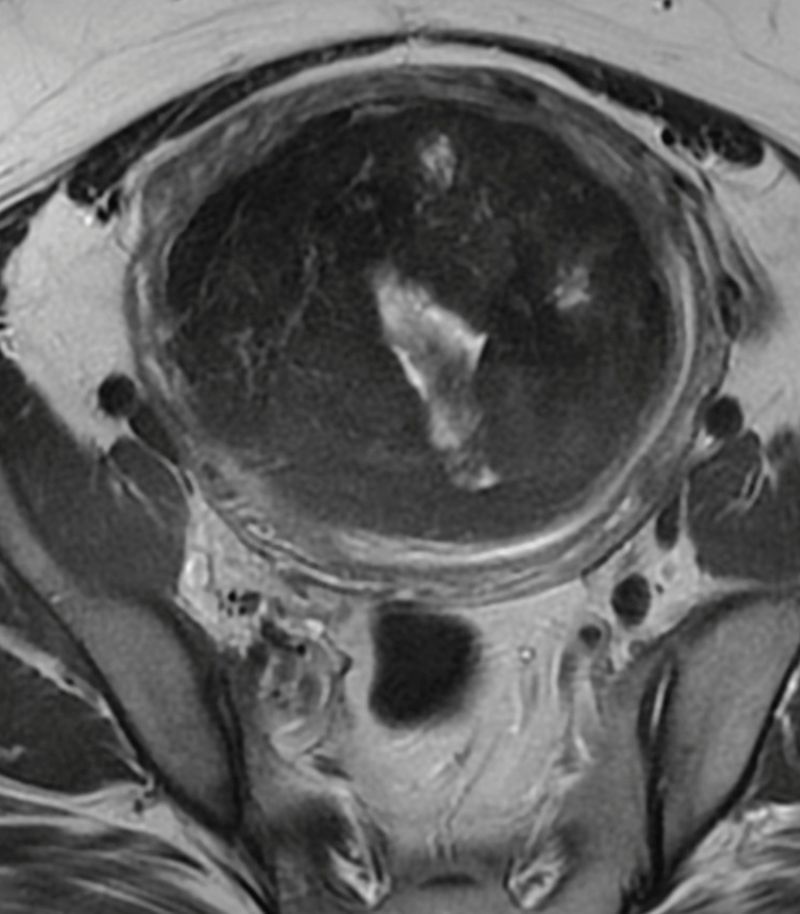
Treatment of polyps and submucosal fibroids
Operative hysteroscopy allows direct treatment of lesions within the uterus under magnified visualisation of the uterine cavity. Its most common indications include the removal of endometrial polyps and certain submucosal fibroids, particularly those that grow wholly or partially into the uterine cavity.
Targeted treatment of the lesion
Small surgical instruments can be passed through the hysteroscope to cut, resect or remove the abnormal tissue in a controlled manner. The aim is to treat the affected tissue while preserving the surrounding healthy structures as far as possible.
Assessment of symptoms and diagnosis
Polyps and submucosal fibroids may be associated with heavy periods, bleeding between periods, anaemia, pelvic pain or reproductive difficulties. The indication for hysteroscopy is determined individually after assessing the patient’s symptoms, imaging findings and the size and location of the lesion. When indicated, the tissue removed may be sent to the laboratory for analysis.
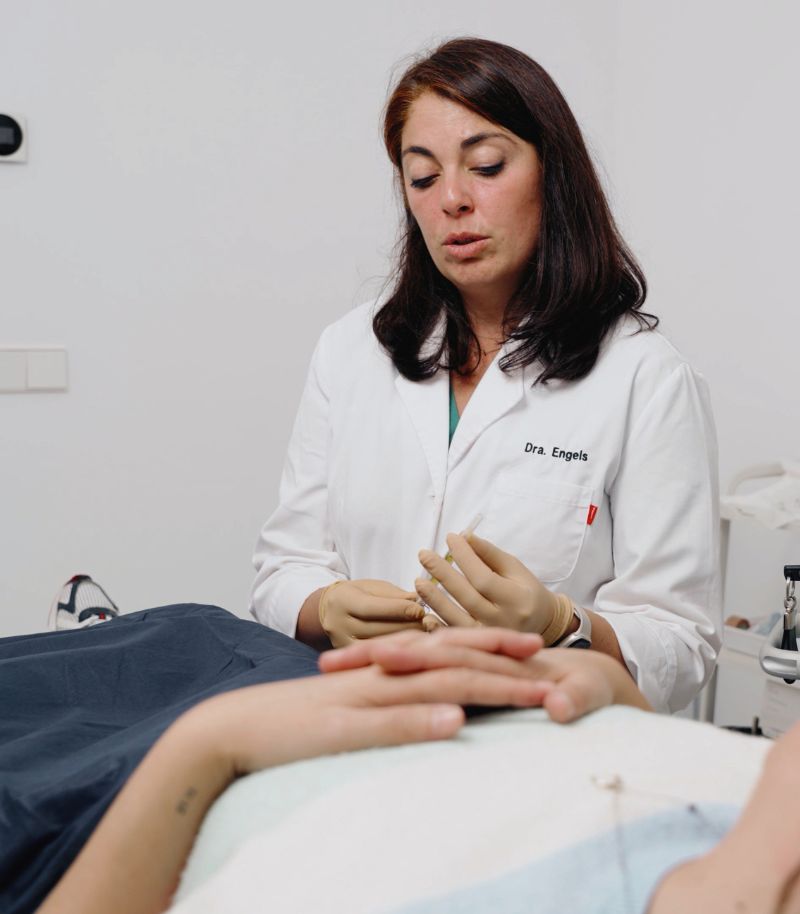
Access to the uterus without abdominal incisions
One of the main characteristics of operative hysteroscopy is that it provides access to the uterine cavity through the vagina and cervix. As a result, the procedure does not require abdominal incisions or leave external scars, allowing certain intrauterine abnormalities to be treated directly.
Reduced impact on surrounding tissues
The specialist operates under direct visualisation using a hysteroscope equipped with a small camera. This allows precise treatment of the affected area while helping to preserve the surrounding healthy tissues.
An alternative to more invasive procedures
In appropriate cases, avoiding abdominal surgery is generally associated with less postoperative discomfort, a shorter hospital stay and faster recovery compared with conventional, more invasive surgery. However, hysteroscopy is not suitable for every lesion. Its indication depends on factors such as the size, location, extent and nature of the abnormality, as well as the patient’s medical history and reproductive plans.
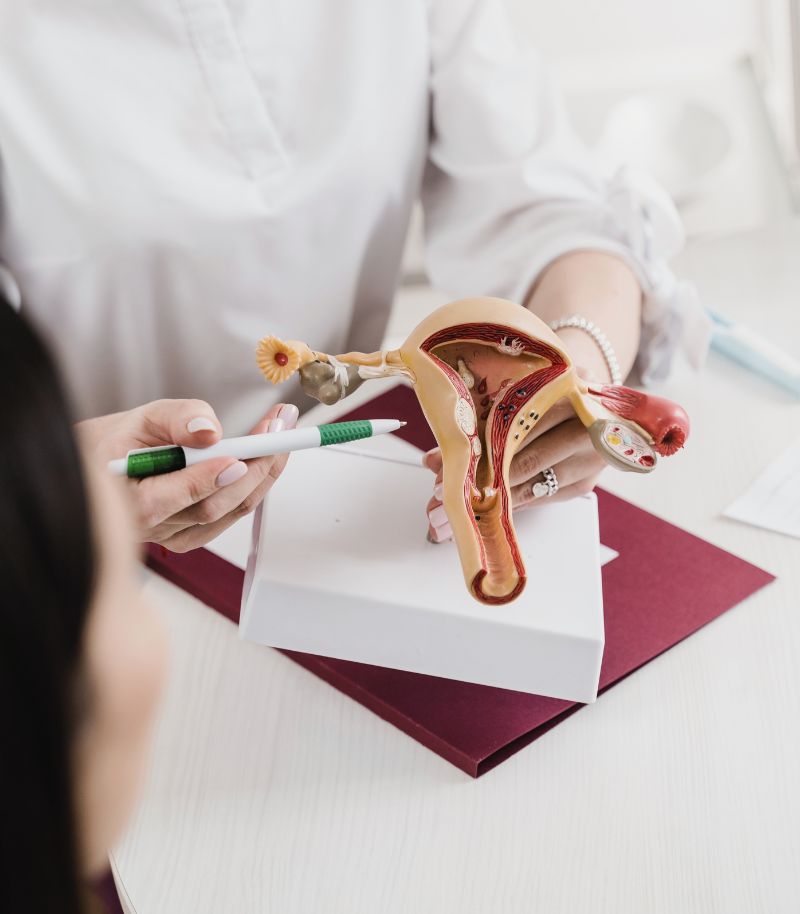
A procedure tailored to each case
Not all operative hysteroscopy procedures require the same clinical setting or type of anaesthesia. Planning depends on the intended treatment, the size and complexity of the lesion and each patient’s individual characteristics. Preoperative assessment is therefore an essential part of the procedure.
From outpatient procedures to surgery in an operating theatre
Straightforward procedures may be performed on an outpatient basis using pain relief or local anaesthesia. When treatment is more complex, sedation or anaesthesia may be required, and the procedure may need to take place in an operating theatre.
Individualised planning before surgery
The medical team assesses the patient’s symptoms, available imaging results and the characteristics of the lesion before deciding how to perform the hysteroscopy. During the procedure, saline solution is usually used to separate the uterine walls and provide a clear view of the cavity. This planning allows both the surgical technique and the anaesthetic and clinical arrangements to be adapted to the patient’s specific needs and the intended treatment.
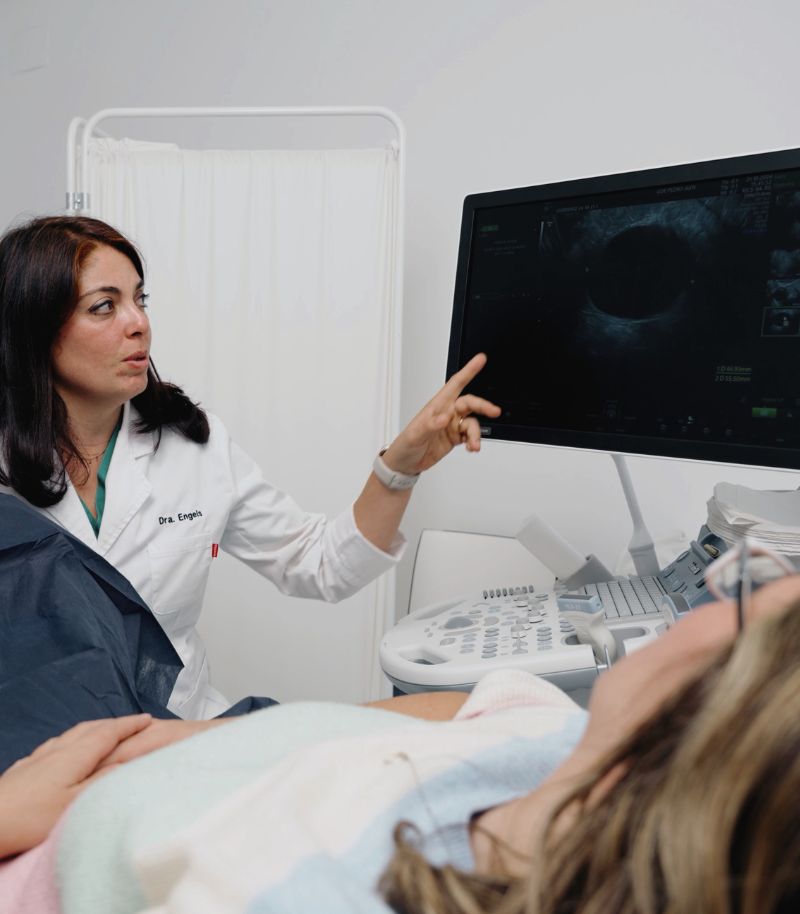
Recovery and follow-up
Most patients can return home on the same day as their operative hysteroscopy. When sedation or anaesthesia has been used, it may be necessary to remain under observation for a few hours before discharge. Recovery is generally gradual and depends on the type of procedure performed.
Common symptoms after the procedure
During the first few days, patients may experience period-like cramps and light vaginal bleeding. The specialist provides the necessary aftercare instructions and advice on gradually resuming normal activities.
Follow-up and warning signs
Although operative hysteroscopy is generally safe, it is not entirely free from potential complications. These include infection, bleeding, perforation of the uterine wall and complications related to the fluid used to distend the uterine cavity. Such complications are uncommon, but it is important for patients to recognise symptoms that require medical attention. Follow-up allows the team to monitor recovery, address any concerns and adapt postoperative recommendations to the nature of the procedure and each patient’s circumstances.
Information about operative hysteroscopy
A guide to understanding the procedure and its indications
Operative hysteroscopy allows certain abnormalities within the uterus to be treated using a hysteroscope and small surgical instruments introduced through the vagina and cervix. This makes it possible to treat the lesion directly without abdominal incisions.
Although it uses the same route of access as diagnostic hysteroscopy, its purpose is different. While diagnostic hysteroscopy is primarily used to examine and assess the uterine cavity, operative hysteroscopy allows more extensive therapeutic procedures to be performed.
What abnormalities can be treated with operative hysteroscopy?
Indications include endometrial polyps, certain submucosal fibroids, intrauterine adhesions and some malformations of the uterine cavity, such as certain uterine septa.
The procedure may also be used in specific circumstances to remove displaced intrauterine devices or other objects located within the uterus.
Not all abnormalities of the uterine cavity require surgical treatment. The decision depends on factors such as the type and size of the lesion, the patient’s symptoms, age, medical history and reproductive plans.
Endometrial polyps: do they always need to be removed?
Endometrial polyps are growths of the endometrium that protrude into the uterine cavity. They may be discovered during investigations into abnormal uterine bleeding or reproductive difficulties, or incidentally during an ultrasound examination.
The decision to remove them is made individually, taking into account the patient’s symptoms, the size of the polyp, her age and other clinical factors. When surgery is indicated, hysteroscopy allows the polyp to be visualised directly and removed under visual guidance.
Submucosal fibroids and hysteroscopic treatment
Submucosal fibroids grow wholly or partially into the uterine cavity and may be associated with heavy menstrual bleeding, anaemia, reproductive difficulties or other symptoms.
Whether they can be treated by hysteroscopy depends primarily on their size, location and the extent to which they extend into the muscular wall of the uterus.
Small fibroids located predominantly within the uterine cavity are generally more accessible using this approach. When fibroids are larger or extend deeply into the myometrium, the procedure may be more complex and, in some cases, treatment may need to be performed over more than one operation.
Hysteroscopic resection is one of the treatment options considered for submucosal fibroids in the management of heavy menstrual bleeding.
Diagnostic and operative hysteroscopy: what is the difference?
Diagnostic hysteroscopy is primarily intended to provide direct visualisation of the uterine cavity, identify abnormalities and obtain targeted biopsies when indicated.
Some straightforward procedures can be performed during diagnostic hysteroscopy, such as the removal of certain small lesions. However, when an abnormality requires more complex resection, additional instrumentation or specific anaesthetic arrangements, a separate operative hysteroscopy is scheduled.
This distinction allows the procedure to be tailored to the characteristics of each lesion and each patient.
How is operative hysteroscopy performed?
The hysteroscope is passed through the vagina and cervix into the uterine cavity. A liquid distension medium is used to expand the cavity and maintain a clear view during the procedure.
Different surgical instruments can be introduced through the hysteroscope to cut, resect or remove the tissue requiring treatment.
The type of instruments used, the duration of the procedure and the anaesthetic arrangements depend on the lesion, its size and complexity, and the patient’s individual characteristics.
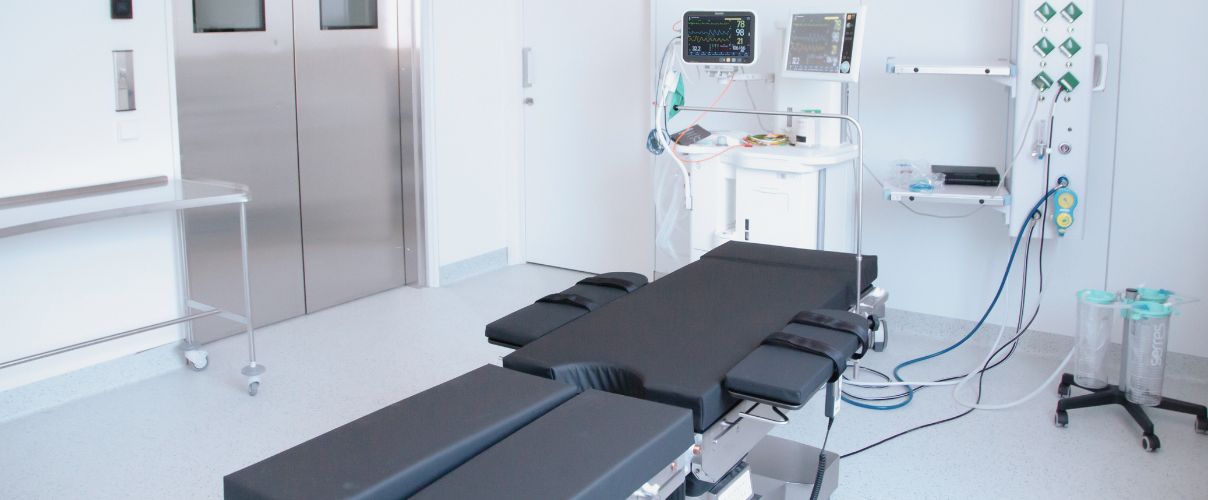
Is operative hysteroscopy always performed in an operating theatre?
Not necessarily.
Some hysteroscopic procedures can be performed on an outpatient basis, while others require an operating theatre, sedation or general or regional anaesthesia.
Factors such as the size and location of the lesion, the anticipated complexity of the procedure, the patient’s tolerance and the instruments required help determine the most appropriate option.
Before the procedure, patients should receive information about what it involves and the available options for managing discomfort and pain.
“The Gynaecology Unit manages conditions related to clinical and aesthetic gynaecology, reproductive health and gynaecological surgery, among other areas.”
Operative hysteroscopy and fertility
Certain abnormalities of the uterine cavity, such as some polyps, submucosal fibroids, adhesions or septa, may be identified during fertility investigations.
In these circumstances, the decision to perform surgery does not depend solely on the presence of a lesion, but also on its characteristics, the patient’s reproductive history and the findings of the overall fertility assessment.
When surgery is indicated, hysteroscopy allows certain abnormalities to be treated using the natural route of access to the uterus, avoiding abdominal incisions.
What can be expected after the procedure?
After operative hysteroscopy, patients may experience period-like cramps and light vaginal bleeding during the first few days.
Recovery time depends on the complexity of the procedure, the type of lesion treated and the anaesthetic arrangements. Recovery is relatively quick after many procedures, but patients should follow the medical team’s specific recommendations regarding physical activity, sexual intercourse, tampon use and other activities.
When sedation or anaesthesia has been used, patients must also follow the specific advice provided about driving and other activities during the hours following the procedure.
Possible risks and complications
Operative hysteroscopy is a minimally invasive technique, but, like any surgical procedure, it is not entirely risk-free.
Possible complications include bleeding, infection and, rarely, perforation of the uterine wall. During certain procedures, the amount of fluid used to distend the uterine cavity must also be carefully monitored.
The level of risk depends partly on the complexity of the procedure and the type of lesion being treated. The medical team explains the specific circumstances of the planned intervention and the measures taken to minimise these risks beforehand.
When should you seek medical advice after operative hysteroscopy?
The medical team provides each patient with specific instructions following the procedure.
Medical advice should be sought if bleeding increases or becomes heavier than expected, if severe or worsening pain does not respond to the prescribed treatment, or if fever, significant malaise or unpleasant-smelling vaginal discharge develops.
If any symptoms occur that do not correspond to the expected recovery explained by the medical team, patients are advised to contact the clinic to determine whether a follow-up assessment is needed.
Further information
Below are the authorship details and references for the information provided on this page.
Authorship and references
The content of this page has been prepared by the Grupo Pedro Jaén Communications Department and Medical Team in accordance with our editorial commitment to ensuring that the information provided is accurate and up to date.
References:
1. American College of Obstetricians and Gynecologists (ACOG). The Use of Hysteroscopy for the Diagnosis and Treatment of Intrauterine Pathology. Committee Opinion No. 800. Obstetrics & Gynecology. 2020;135:e138–e148.
2. American College of Obstetricians and Gynecologists (ACOG). Pain Management for In-Office Uterine and Cervical Procedures. Clinical Consensus No. 9. Obstetrics & Gynecology. 2025.
3. Sociedad Española de Ginecología y Obstetricia (SEGO). Histeroscopia en consulta. Progresos de Obstetricia y Ginecología. 2021;64:230–253.
4. National Institute for Health and Care Excellence (NICE). Heavy menstrual bleeding: assessment and management. Guideline NG88. Recommendations on the investigation and treatment of polyps, submucosal fibroids and other intracavitary causes of uterine bleeding.
Where we see patients?
Clinics in Madrid
Grupo Pedro Jaén is a medical group founded more than three decades ago with the aim of providing medical, surgical and aesthetic solutions related to skin health and appearance. Led by Dr Pedro Jaén, the group brings together top-level specialists in each area, maintains a strong commitment to training and medical research, and operates several clinics in Madrid, offering care of the highest quality and excellence.


Calle Serrano 166
Mon - Fri: 09:00 - 21:00 / Sat: 09:00 - 14:00
Calle Serrano 166, El Viso neighbourhood, Chamartín district, 28002 Madrid

La Moraleja
Located in Plaza de La Moraleja, this exclusive centre allows Grupo Pedro Jaén to bring its medical and aesthetic services closer to patients across the entire northern area of Madrid.
Mon - Thu: 09:30 - 20:00 / Fri: 09:30 - 18:00
Calle de la Estafeta 8, ground floor, La Moraleja, 28109 Alcobendas, Madrid, Spain
Related units and pages
Diagnostic hysteroscopy
Exploración directa de la cavidad uterina para identificar alteraciones y realizar biopsias dirigidas cuando están indicadas.
Radiofrequency ablation for fibroids
Tratamiento mínimamente invasivo de determinados miomas uterinos mediante radiofrecuencia transvaginal y control ecográfico.
Reproductive surgery
Procedimientos destinados a tratar alteraciones anatómicas que pueden interferir en la fertilidad o en la evolución del embarazo.
Fertility
Estudio de los factores femeninos y masculinos que pueden dificultar la consecución de un embarazo.
Assisted reproduction
Técnicas y tratamientos personalizados para buscar el embarazo cuando existen dificultades reproductivas.
Gynaecology Unit
A comprehensive approach to health and aesthetic concerns related to the female reproductive system.
Information and news
Press room
In the Grupo Pedro Jaén Press Room you can find information, advice and news related to dermatology, aesthetic medicine, trichology and general health. The group’s journals are also shared through an online platform, along with updates on the activity and media appearances of our clinics and healthcare professionals.

How to shower properly: tips for looking after your skin
Cold or hot water? Is it better to use a sponge? Find out how to shower properly and what dermatologists recommend to protect your skin.

Retinol in summer: should you stop using it?
We debunk this and other myths about using retinol during the warmer months.

Blog
News about Grupo Pedro Jaén. Information and advice on dermatology, aesthetic medicine, trichology, and general health

Media
Information about media appearances by our clinics and medical specialists.

Journal
Archive of all Grupo Pedro Jaén journals, available through an external online platform.