
Excess hair growth
Treatment at our clinics in Madrid on Calle Cinca and La Moraleja
Dermatologists specialising in
Treatment of excessive hair growth
At the Grupo Pedro Jaén Hair Disorders Unit, we approach the management of excessive hair growth from a strictly medical perspective. An initial assessment is carried out to establish a precise clinical diagnosis, distinguishing between possible hypertrichosis or hirsutism, and to determine whether further investigations are required. When indicated, we offer evidence-based technological treatments for hair reduction using laser and intense pulsed light systems with proven safety and effectiveness.

Recognised reference clinics in Spain
Home > Hair Disorders > Excess hair growth
What sets us apart
Comprehensive and specialised approach
We address excessive hair growth through a comprehensive medical assessment, evaluating potential hormonal, genetic and metabolic factors involved in its development. Our multidisciplinary team works in close coordination with the Endocrinology and Nutrition Unit and the Gynaecology Unit to identify associated conditions, such as polycystic ovary syndrome (PCOS). In complex cases, we apply specific clinical protocols that combine medical assessment with advanced technological treatments, ensuring an individualised and effective approach for each patient. In all cases, our objective is to achieve safe, medically appropriate and sustained results over time.
Differential diagnosis
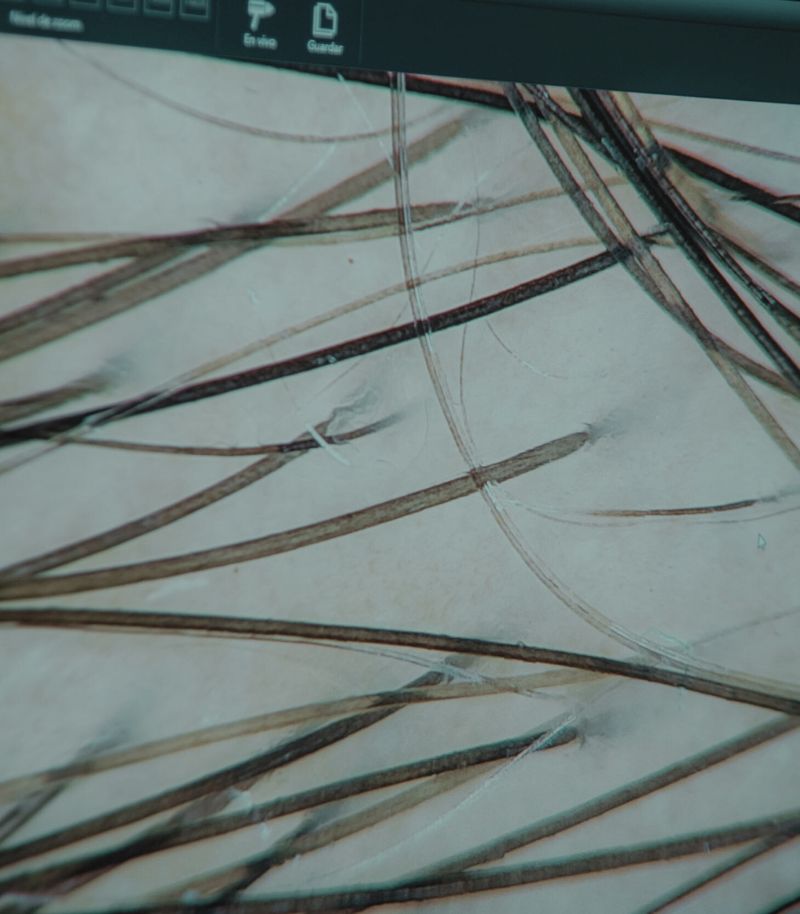
Excessive hair growth may be related to hirsutism, hypertrichosis (including rare conditions such as congenital hypertrichosis), or may fall within normal biological variation.
Detailed assessment
To determine the underlying cause, we perform a thorough clinical examination during the consultation and assess hormonal, genetic and clinical factors in order to establish the most appropriate diagnostic and therapeutic strategy.
Coordination with other units
Hirsutism is more common in women and is frequently associated with hormonal imbalances and genetic factors. In these cases, in addition to dermatological evaluation, we investigate potential underlying syndromes such as polycystic ovary syndrome and work in close collaboration with the Grupo Pedro Jaén Endocrinology and Nutrition Unit or Gynaecology Unit, providing a fully integrated and personalised approach.
More information

Advanced and safe treatments
At the Grupo Pedro Jaén Hair Disorders Unit, excessive hair growth is treated using advanced technological solutions such as medical laser systems and intense pulsed light (IPL). These techniques are widely supported by scientific evidence and are recognised for their effectiveness and safety when appropriately indicated.
Effective hair reduction
Through selective photothermolysis, light energy is directed towards the hair follicle, generating controlled thermal damage that inhibits hair regrowth while preserving the surrounding skin. This allows for progressive and significant reduction in hair density after each session. As these procedures are non-invasive, the risk of adverse effects is low, even in sensitive skin areas.
Individualised treatment planning
Laser or IPL sessions are planned on an individual basis, taking into account the anatomical area, hair characteristics and skin type. This tailored approach optimises clinical outcomes while ensuring patient safety and comfort throughout the treatment process.
Experts in complex cases
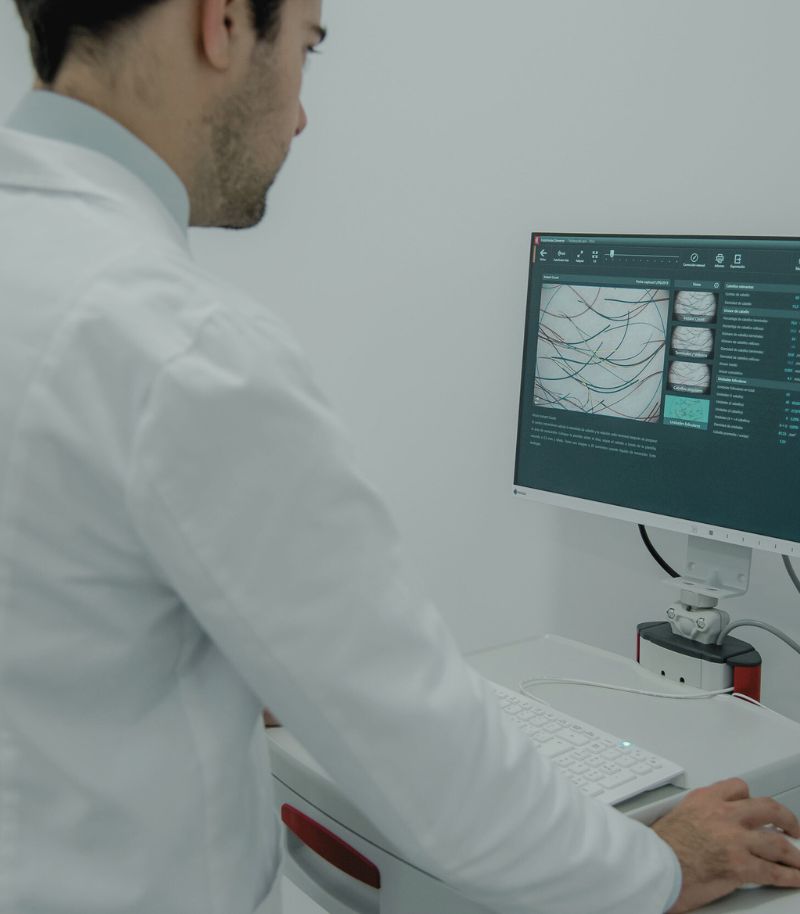
The management of hypertrichosis, including rare genetic forms, requires a highly specialised and individualised approach. At our Hair Disorders Unit, we follow structured clinical protocols that include detailed evaluation, accurate diagnosis and careful planning of medical and technological treatments aimed at reducing excessive hair growth.
Extensive experience and multidisciplinary care
In addition to hypertrichosis, we manage other complex presentations such as drug-induced excessive hair growth and paraneoplastic hypertrichosis, a rare manifestation that may be associated with systemic or oncological diseases, where early recognition is essential.
Our approach combines dermatological expertise, advanced laser technology and close collaboration with other medical specialties when required, ensuring comprehensive and patient-centred care.
Emotional support
When necessary, patients may also receive specialised psychological support through the Grupo Pedro Jaén Emotional Support Unit, addressing the emotional and quality-of-life impact that these conditions may have.
More information
Hirsutism and hypertrichosis
A clinical guide to understanding excessive hair growth
Although hair loss represents a significant proportion of consultations at the Grupo Pedro Jaén Hair Disorders Unit, the opposite situation — excessive hair growth — also accounts for an important part of our clinical activity. Patients may seek assessment for medical reasons or due to the impact that excessive hair growth has on their appearance and quality of life.

Hirsutism
Hirsutism is a hormone-related condition characterised by excessive hair growth,
primarily in women, in body areas where hair is normally present but typically less abundant than in men.
Women with hirsutism often present with alterations in their hormonal profile related to disorders of the adrenal glands or the pituitary gland. These abnormalities lead to increased levels of androgens, hormones that are usually present in higher concentrations in men.
This hormonal imbalance may also be influenced by hereditary factors that increase sensitivity to androgens or result in a higher number of hair follicles in specific areas. In addition, hirsutism may be associated with conditions such as polycystic ovary syndrome (PCOS), certain types of acne, or the use of specific medications, including anabolic steroids or corticosteroids.
Clinically, patients experience increased hair density following a typically male pattern of distribution. As a result of this virilisation process, excessive hair growth may appear on the face — particularly on the sideburns, upper lip, chin or beard area — as well as on other parts of the body, such as the arms, legs or abdomen.
The diagnosis of hirsutism requires a thorough clinical examination, a complete hormonal assessment through blood tests, and a detailed medical history, with particular attention to medication use, in order to identify potential contributing factors.
Treatment is tailored to each patient once the diagnosis has been established and the underlying cause identified. In women with polycystic ovary syndrome, referral to the Gynaecology Unit may be considered to address the underlying condition in addition to managing unwanted hair growth.
Targeted treatment of affected areas may include topical medications or medical laser hair reduction, depending on the severity and clinical characteristics of each case.
Hypertrichosis
Hypertrichosis is a very rare genetic condition with a strong hereditary component. It is estimated to affect approximately one in 10,000 individuals, and fewer than 50 cases have been documented worldwide. Due to its extremely low prevalence and genetic basis, hypertrichosis is classified as a rare disease.
This condition is characterised by the presence of hair in areas where hair does not normally grow. This distinguishes it from hirsutism, which involves increased hair density in areas where hair is physiologically present.
Types of hypertrichosis according to genetic pattern
Lumbosacral hypertrichosis
Also known as faun tail, this congenital form causes hair growth over the lower back and sacral area.
Irritative hypertrichosis
Although a genetic predisposition may exist, this form is acquired rather than congenital and develops as a result of chronic and repetitive friction in specific areas of the body, such as the knees.
Naevus hypertrichosis
This form presents as terminal hair growth in a localised area of skin, either at birth or during the first year of life. It usually affects a single area, although multiple sites may occasionally be involved.
Lanuginous hypertrichosis
This variant is characterised by the presence of lanugo-type hair — the fine, downy hair normally seen in newborns — in adults. Commonly affected areas include the face, ears, nose and forehead, although other body areas may also be involved.
Congenital hypertrichosis
Linked to the X chromosome, this is the most striking and severe form. Patients present with dense, coarse hair covering the face and often the entire body, giving rise to what is commonly referred to as werewolf syndrome.
Hypertrichosis does not usually pose a health risk, except in rare cases associated with systemic or hereditary diseases or as a side effect of certain medications. However, its impact on appearance and daily life can be profound, making medical intervention necessary to remove hair from areas where it should not be present.
Conventional hair removal methods, such as shaving or depilatory creams, do not prevent regrowth. Therefore, laser-based treatments represent the most effective option for achieving long-term or definitive results in patients with hypertrichosis.
“Excessive hair growth represents an important part of our clinical activity, both for medical reasons and due to its aesthetic and psychological impact”
Removal of excessive hair growth
Both hirsutism and hypertrichosis, in addition to conventional hair removal methods, can be managed using different types of medical lasers and intense pulsed light (IPL). Although these technologies have certain limitations, they currently represent the most effective and safest options for achieving long-lasting and, in many cases, near-permanent hair reduction.
These technologies work by selectively destroying hair through the application of light energy that targets melanin, the natural pigment responsible for hair and skin colour. This process, known as selective photothermolysis, allows destruction of the hair follicle while preserving surrounding tissues. Different wavelengths and integrated cooling systems are used to protect the skin and minimise adverse effects.
At the Grupo Pedro Jaén Hair Disorders Unit, excessive hair removal is always approached from a medical perspective. Regardless of the patient’s motivation, all laser or IPL treatments are preceded by a clinical assessment and diagnosis to determine whether excessive hair growth is due to hypertrichosis, hirsutism or personal preference, and to establish the most appropriate therapeutic protocol.
The number of sessions and the interval between them are individualised according to each patient’s characteristics, including age, skin phototype, hair features, and the anatomical area to be treated.
When indicated, complementary medical treatments may also be considered, particularly in cases where hormonal or metabolic factors contribute to hair growth, always with the aim of improving quality of life through evidence-based medical, scientific and technological advances.

More information
Below you will find the authorship and references for the information provided on this page:
Authorship and references
The content of this page has been prepared by the Communication Department and the Medical Team of Grupo Pedro Jaén, in line with our editorial commitment to ensuring the accuracy and up-to-date nature of the information provided.
References on excessive hair growth:
1. Saleh D, Yarrarapu SNS, Cook C. Hypertrichosis. 2022 Jul 4. In: StatPearls [Internet]. Treasure Island (FL): StatPearls Publishing; 2022 Jan–. PMID: 30521275.
2. Garcia-Cruz D, Figuera LE, Cantu JM. Inherited hypertrichoses. Clin Genet. 2002 May;61(5):321-9. doi: 10.1034/j.1399-0004.2002.610501.x. PMID: 12081714.
3. Buch J, Ranganath P. Approach to inherited hypertrichosis: A brief review. Indian J Dermatol Venereol Leprol. 2021 Jan-Feb;88(1):11-21. doi: 10.25259/IJDVL_629_20. PMID: 34379956.
4. Matheson E, Bain J. Hirsutism in Women. Am Fam Physician. 2019 Aug 1;100(3):168-175. PMID: 31361105.
5. Bode D, Seehusen DA, Baird D. Hirsutism in women. Am Fam Physician. 2012 Feb 15;85(4):373-80. PMID: 22335316.
6. Lizneva D, Gavrilova-Jordan L, Walker W, Azziz R. Androgen excess: Investigations and management. Best Pract Res Clin Obstet Gynaecol. 2016 Nov;37:98-118. doi: 10.1016/j.bpobgyn.2016.05.003. Epub 2016 May 19. PMID: 27387253.
7. Brodell LA, Mercurio MG. Hirsutism: Diagnosis and management. Gend Med. 2010 Apr;7(2):79-87. doi: 10.1016/j.genm.2010.04.002. PMID: 20435271.
8. van Zuuren EJ, Fedorowicz Z, Carter B, Pandis N. Interventions for hirsutism (excluding laser and photoepilation therapy alone). Cochrane Database Syst Rev. 2015 Apr 28;2015(4):CD010334. doi: 10.1002/14651858.CD010334.pub2. PMID: 25918921; PMCID: PMC6481758.
9. Fanta M. Hirsutismus [Hirsutism]. Ceska Gynekol. 2017 Summer;82(3):237-242. Czech. PMID: 28593779.
10. Mimoto MS, Oyler JL, Davis AM. Evaluation and Treatment of Hirsutism in Premenopausal Women. JAMA. 2018 Apr 17;319(15):1613-1614. doi: 10.1001/jama.2018.2611. PMID: 29522641; PMCID: PMC6025746.
11. Lee CM. Laser-assisted hair removal for facial hirsutism in women: A review of evidence. J Cosmet Laser Ther. 2018 Jun;20(3):140-144. doi: 10.1080/14764172.2017.1376099. Epub 2017 Dec 8. PMID: 29020474.
12. Heidelbaugh JJ. Endocrinology Update: Hirsutism. FP Essent. 2016 Dec;451:17-24. PMID: 27936531.
Where we see patients?
Clinics in Madrid
Grupo Pedro Jaén is a medical group with more than thirty years of experience, specialising in medical, surgical and aesthetic solutions related to skin health and care. Under the leadership of Dr Pedro Jaén, the group has a multidisciplinary team of highly qualified specialists, ensuring expert care across all areas of treatment. In addition, Grupo Pedro Jaén is recognised for its strong commitment to medical education, its leadership in clinical research and its network of clinics in Madrid, from which it provides healthcare of the highest quality and excellence to its patients.


Calle Cinca 30
Located in the El Viso district, this centre houses the consultations of the Hair Disorders and Hair Transplant Unit of Grupo Pedro Jaén in central Madrid.
Mon - Fri: 09:00 - 20:30
Calle Cinca 30, El Viso neighbourhood, Chamartín District, 28002 Madrid

La Moraleja
Located in Plaza de La Moraleja, this exclusive centre allows Grupo Pedro Jaén to bring its medical and aesthetic services closer to patients across the entire northern area of Madrid.
Mon - Thu: 09:30 - 20:00 / Fri: 10:00 - 18:00
Calle de la Estafeta 8, ground floor, La Moraleja, 28109 Alcobendas, Madrid, Spain
Related units and pages
Hair Disorders Unit
A specialised medical team and the most effective treatments for all types of hair disorders.
Androgenetic alopecia
Information about this common form of alopecia and the different treatment options currently available.
Alopecia areata
Treatments aimed both at promoting hair regrowth and preventing common relapses.
Information and news
Press room
In the Grupo Pedro Jaén Press Room you can find information, advice and news related to dermatology, aesthetic medicine, trichology and general health. The group’s journals are also shared through an online platform, along with updates on the activity and media appearances of our clinics and healthcare professionals.

How to shower properly: tips for looking after your skin
Cold or hot water? Is it better to use a sponge? Find out how to shower properly and what dermatologists recommend to protect your skin.
Retinol in summer: should you stop using it?
We debunk this and other myths about using retinol during the warmer months.

Blog
News about Grupo Pedro Jaén. Information and advice on dermatology, aesthetic medicine, trichology, and general health

Media
Information about media appearances by our clinics and medical specialists.

Journal
Archive of all Grupo Pedro Jaén journals, available through an external online platform.