
Facial Paralysis Specialists
At our Madrid clinic on Calle Serrano 166
Specialists in
Treatment of facial paralysis
Patients with facial paralysis experience partial or complete loss of the ability to move the muscles on one side of the face (bilateral paralysis may also occur). This affects facial expression and facial movement and may cause difficulties with blinking, eye closure, speech and chewing. The Grupo Pedro Jaén Facial Paralysis Unit brings together a multidisciplinary team of specialists led by Belén Alonso, coordinator of the Facial Paralysis Rehabilitation Working Group of the Spanish Society of Rehabilitation and Physical Medicine (SERMEF). The team is structured to provide comprehensive, coordinated care aimed at achieving the optimal functional and quality-of-life outcomes for each patient.

Recognised reference clinics in Spain
Home > Other specialties > Facial paralysis
What sets us apart
Multidisciplinary approach
The Grupo Pedro Jaén Facial Paralysis Unit offers an advanced, personalised approach to addressing the multiple dimensions of this condition. Aware of both the physical and emotional challenges associated with facial paralysis, our team provides a full spectrum of care, ranging from conservative therapies to specialised surgical interventions. Each patient receives comprehensive management focused not only on functional recovery, but also on improving overall quality of life, supported by the experience of a highly specialised medical team and the use of advanced therapeutic techniques.
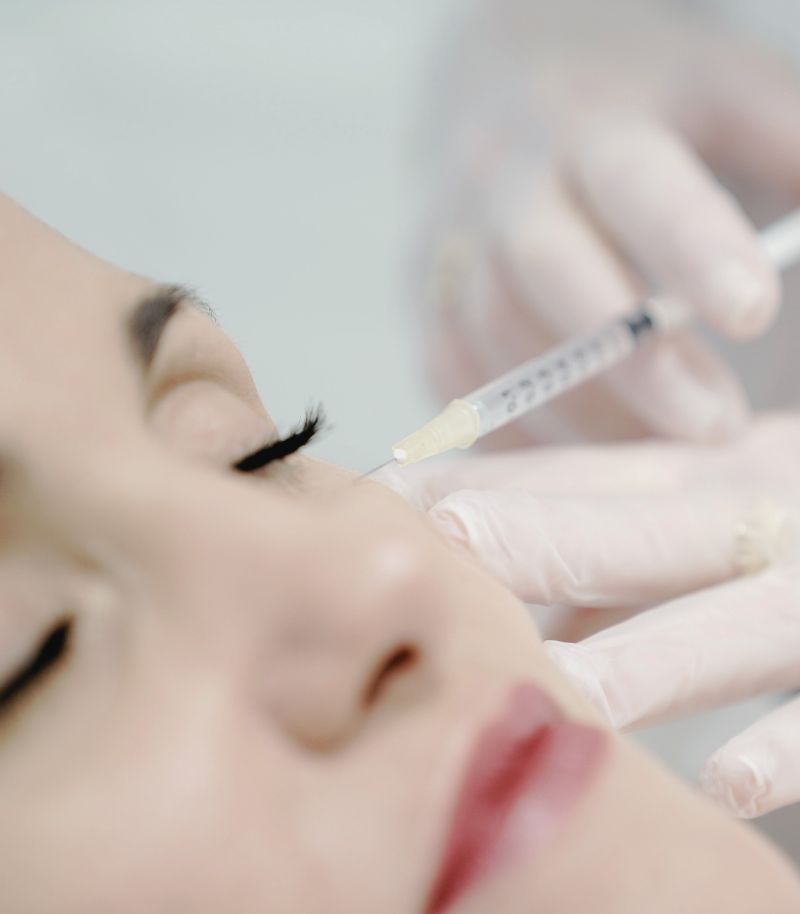
Functional recovery with conservative treatments
Facial paralysis may be managed using non-invasive therapeutic options aimed at restoring mobility, preventing long-term complications and optimising functional recovery through personalised care.
Initial treatments to restore mobility
Management may include anti-inflammatory medication to reduce inflammation, as well as specific measures to protect the eye in cases of incomplete eyelid closure. Neuromuscular therapy is used to strengthen facial muscles, improve motor control and prevent complications such as muscle atrophy or hypertonia.
Advanced therapies to optimise outcomes
Targeted facial exercises and injections may help relax overactive muscles, control stiffness and reduce spasms, supporting facial symmetry and functional recovery. Patients are monitored closely and treatment is adjusted according to individual progress.
Throughout treatment, patients are closely monitored and therapeutic strategies are adapted according to individual progress, ensuring sustained and effective functional recovery.

Innovation in surgical treatments
The Facial Paralysis Unit coordinates a range of surgical options tailored to each patient’s diagnosis and clinical situation. In the acute phase, facial nerve reconstruction may be performed using direct suturing techniques or autologous nerve grafts.
Functional recovery
In cases of complete facial paralysis where no significant reinnervation is observed within six months, surgical strategies may be considered to restore nerve signal transmission using donor tissue. These procedures aim to support essential functions such as speech and chewing.
Relief of muscle atrophy
In long-standing facial paralysis, surgical interventions may be used to address muscle atrophy through reinnervation techniques, including microvascular nerve grafts or muscle transpositions using other healthy muscle groups.
Improving eye closure and facial symmetry
Static procedures may also be indicated to improve eye closure (eyelid surgery), facilitate nasal airflow (nasal valve reconstruction) or enhance facial symmetry at rest. These may include techniques such as SMAS suspension, static fascia slings or facial lipoinjection with autologous fat.

Emotional and psychosocial approach
Facial paralysis affects not only physical function, but often has a significant emotional and psychological impact, influencing self-esteem, wellbeing and quality of life. At Grupo Pedro Jaén, all these aspects are addressed as part of comprehensive patient care.
Psychological support
Through the Emotional Support Unit, patients with facial paralysis have access to psychological resources and tools to help them cope with both the condition itself and the medical or surgical treatments prescribed by their specialists.
Global approach
Our integrated care model allows patients to receive comprehensive support within the same care pathway, reducing unnecessary visits, waiting times and uncertainty, and significantly improving both physical and emotional wellbeing.
More information
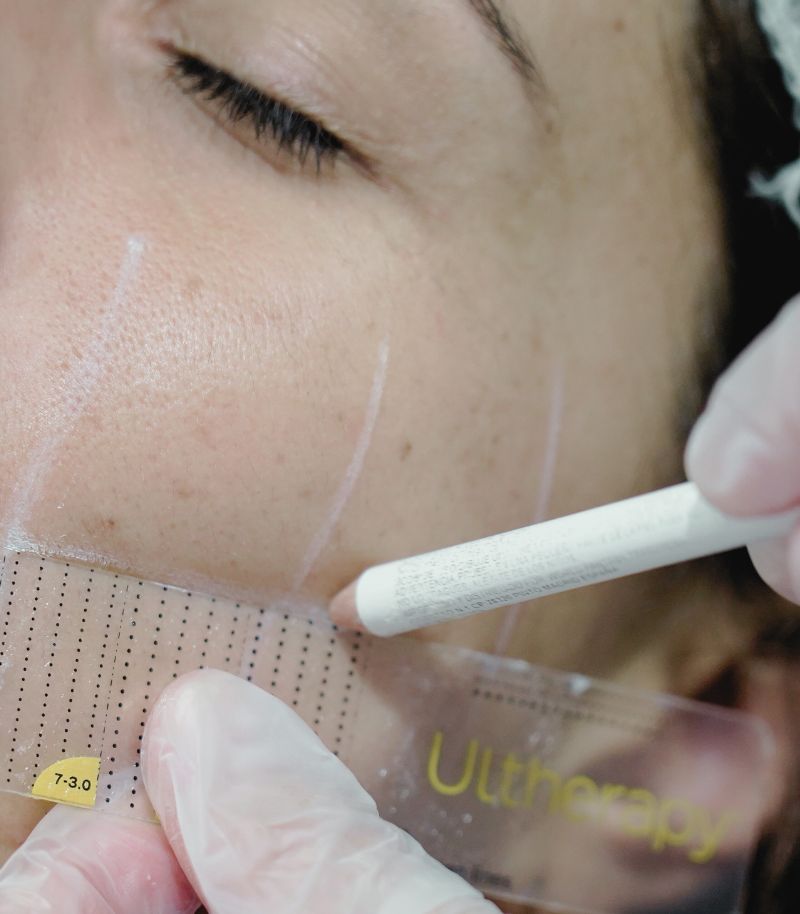
Comprehensive and personalised care
The Grupo Pedro Jaén Facial Paralysis Unit provides each patient with a treatment plan fully tailored to their individual needs, following a thorough clinical evaluation.
Tailored therapy
Treatment plans are dynamic and evolve according to each patient’s response, ensuring a flexible and personalised approach throughout every stage of the recovery process.
Multidisciplinary approach
Care often combines different therapeutic strategies and involves close collaboration with other specialised units within the group, such as Emotional Support, Facial Aesthetic Medicine and Plastic Surgery. This coordinated approach ensures that functional, aesthetic and emotional aspects are addressed in a comprehensive manner.
Our multidisciplinary team, led by nationally and internationally recognised specialists, applies advanced techniques to achieve optimal outcomes for each patient.
More information
Symptoms, diagnosis and treatment
A guide to understanding facial paralysis
The incidence of facial paralysis ranges between 20 and 30 cases per 100,000 people per year and is more common between the ages of 15 and 45.

Causes of facial paralysis
Idiopathic facial paralysis, also known as Bell’s palsy, is the most common form of peripheral facial paralysis and accounts for more than half of unilateral facial paralysis cases.
There are many other causes that can damage the facial nerve along its course and result in facial paralysis, including:
Infections
Infection with viruses from the herpes simplex family is thought to be associated with Bell’s palsy, which generally has a favourable prognosis. The varicella-zoster virus may also be linked to facial paralysis, which can sometimes recur.
Trauma
Severe facial trauma, fractures of the temporal bone (located on both sides of the skull) and facial wounds can damage the facial nerve and cause facial paralysis.
Tumours
Certain tumours may affect facial nerve function, regardless of their aggressiveness or malignancy. The most common is acoustic neuroma, also known as vestibular schwannoma, a slow-growing tumour that affects the nerve segment extending from the inner ear to the brain.
Iatrogenic causes
Facial paralysis may also result from unintended nerve inflammation or injury during or after surgery involving the skull base, the ears or the parotid glands (salivary glands located in front of the ears on each side of the face).
Congenital causes
In Moebius syndrome, facial paralysis is congenital and present from birth. This is a very rare condition caused by an abnormality of the rhombencephalon (the posterior part of the brain).
Symptoms of facial paralysis
Symptoms of facial paralysis vary depending on whether the patient is in the acute phase or the subacute–chronic phase of the condition.
Acute phase
Facial paralysis usually appears suddenly and worsens over the following 24–48 hours, which is known as the acute phase. Symptoms then persist for a variable period and generally improve progressively with appropriate medical treatment and/or specialised rehabilitation.
Early diagnosis is essential to initiate timely treatment, optimise recovery and prevent long-term functional and aesthetic sequelae.
Depending on the degree of nerve involvement, symptoms may be more or less severe. The primary symptom is difficulty or inability to move the muscles on the affected side of the face.
This results in noticeable facial asymmetry involving eyebrow elevation, eye closure or blinking, and smiling. Patients may also experience difficulty sealing the lips, drinking, chewing, swallowing or articulating certain words or speaking fluently.
Depending on the location of the nerve lesion, additional symptoms may include:
- Ocular symptoms such as reduced tearing, dryness, irritation, burning or a foreign body sensation
- Hyperacusis, or increased sensitivity to sound, making everyday noises particularly uncomfortable
- Loss of taste.
- Headache, jaw pain or pain around the ear on the affected side
- Reduced or absent salivation.
- Difficulty breathing through the nostril on the affected side.
- Beyond physical and functional impairment, facial paralysis alters facial expression and facial movement and often has a significant emotional impact, due to the aesthetic disruption of facial harmony.
Subacute–chronic phase
The subacute–chronic phase may develop at different stages of recovery and with varying degrees of severity. Close follow-up is therefore essential to plan the most appropriate treatment strategy.
At this stage, rehabilitation focused on voluntary contraction of reinnervated muscles is recommended to improve facial movement and recover affected functions such as eye closure, speech, chewing, facial expression and mimicry.
Diagnosis of facial paralysis
The diagnosis of facial paralysis is primarily clinical, based on careful assessment and examination by a specialist.
In some cases, additional tests are required to determine the underlying cause and the extent of nerve involvement, including:
- Imaging studies such as CT scan or magnetic resonance imaging (MRI)
- Audiological tests
- Neurophysiological studies
“In general, the best outcomes are achieved by combining different therapeutic options and initiating treatment at an early stage”
Associated complications
Facial paralysis may lead to a number of complications as a result of the loss of function in certain regions of the face. The most common include:
Corneal injury
Difficulty or inability to fully close the eye, together with altered tear production, may lead to exposure keratitis and, in severe cases, corneal ulcers due to extreme dryness and insufficient lubrication of the ocular surface.
If these symptoms occur or visual acuity is reduced, the patient should be assessed by an ophthalmologist.
Alterations in muscle tone
Muscles affected by nerve injury may develop hypertonia or excessive activity, both at rest and during movement. This may result in tension or pain, facial movement asymmetry, and difficulties with speech or chewing.
Abnormal or involuntary facial movements
Spasms and synkinesis (involuntary muscle contractions associated with voluntary movements—such as eye closure during speaking or chewing) are also common and may become significantly disfiguring.
Treatment of facial paralysis
Depending on the characteristics of each case, an individualised treatment plan is required, which may be conservative or surgical.
Conservative treatment
Conservative management includes:
Medications
Anti-inflammatory medication is prescribed to reduce nerve inflammation. In patients with Bell’s palsy, treatment should be initiated within 72 hours of symptom onset to reduce inflammation of the facial nerve.
In cases of complete paralysis, and when the cause is herpes zoster infection, antiviral therapy is added.
Eye protection
Adequate ocular protection is essential in patients with incomplete eye closure. This initially includes lubricating eye drops and/or ointments, protective glasses, and night-time occlusion using patches or moisture chamber systems.
Rehabilitation
Different therapeutic options may be applied during the various stages of facial paralysis. The mainstay is neuromuscular re-education, a structured exercise programme guided by a specialised therapist, aimed at training facial muscles to improve controlled movement and prevent tone abnormalities.
Stretching exercises are also commonly prescribed, as muscles affected by hypertonia tend to shorten over time.
Injections
Periodic injections of medications that relax hypertonic or hyperactive muscles may be prescribed on one or both sides of the face. Chemical denervation of facial muscles is considered a first-line treatment for controlling asymmetry and, in particular, synkinesis, as an adjunct to physical therapy. Treatment typically begins with low doses, which are adjusted individually based on response. These procedures must be performed by highly qualified medical specialists.
Surgical treatment
When facial paralysis is caused by nerve transection, nerve reconstruction may be considered in the acute phase using direct suturing or interposition grafts, usually harvested from the greater auricular nerve or the sural nerve (located in the calf).
In cases of complete facial paralysis, when no significant reinnervation has occurred within six months, surgical techniques may be considered to restore nerve signal transmission using donor nerve tissue. Common donor nerves include the hypoglossal nerve (cranial nerve responsible for tongue movement), the masseteric nerve (which innervates the masseter muscle and is involved in chewing and speech), or the contralateral facial nerve.
After two to three years from the onset of facial paralysis, muscle atrophy is likely to develop. To address this, reinnervation using microvascular muscle grafts, typically harvested from the gracilis muscle (also known as the inner thigh muscle), or muscle transposition procedures, most commonly using the temporalis muscle, may be considered.
In addition to these dynamic techniques, static procedures may be performed at any stage of the condition to improve eye closure (eyelid weights or eyelid surgery), nasal airflow (nasal valve reconstruction), or facial symmetry at rest. These include rhytidectomy or lifting of the superficial musculoaponeurotic system (SMAS), static suspension using fascia, or facial lipofilling with autologous fat.

More information
Below are the authorship details and references supporting the information provided on this page:
Authorship and references
The content of this page has been prepared by the Communication Department and the Medical Team of Grupo Pedro Jaén, in line with our editorial commitment to ensuring the accuracy and up-to-date nature of the information provided.
References on facial paralysis:
1. Borodic G, Bartley M, Slattery W, Glasscock M, Johnson E, Malazio C et al. Botulinum toxin for aberrant facial nerve regeneration: double-blind, placebo-controlled trial using subjective endpoints. Plast Reconstr Surg. 2005 Jul;116(1):36-43.
2. Mehdizadeh OB, Diels J, White WM. Botulinum Toxin in the Treatment of Facial Paralysis. Facial Plast Surg Clin North Am. 2016 Feb;24(1):11-20
3. Patel PN, Owen SR, Norton CP, Emerson BT, Bronaugh AB, Ries WR, Stephan SJ. Outcomes of Buccinator Treatment With Botulinum Toxin in Facial Synkinesis. JAMA Facial Plast Surg. 2018 May 1;20(3):196-201
4. Lassaletta L, et al. Parálisis facial: guía de práctica clínica de la Sociedad Española de ORL. Acta Otorrinolaringol Esp. 2019. https://doi.org/10.1016/j.otorri.2018.12.004
5. Baugh RF, Basura GJ, Ishii LE, Schwartz SR, Drumheller CM, Burkholder R et al. Clinical practice guideline: Bell’s palsy. Otolaryngol Head Neck Surg. 2013 Nov;149(3 Suppl):S1-27
6. Lindsay RW, Robinson M, Hadlock TA. Comprehensive facial rehabilitation improves function in people with facial paralysis: a 5-year experience at the Massachusetts Eye and Ear Infirmary. Phys Ther 2010; 90:391–397
7. Shinn JR, Nwabueze NN, Du L, Patel PN, Motamedi KK, Norton C et al. Treatment Patterns and Outcomes in Botulinum Therapy for Patients With Facial Synkinesis. JAMA Facial Plast Surg. 2019 May 1;21(3):244-251
8. Wei LA, Diels J, Lucarelli MJ. Treating Buccinator With Botulinum Toxin in Patients With Facial Synkinesis: A Previously Overlooked Target. Ophthalmic Plast Reconstr Surg. 2016 Mar-Apr;32(2):138-41
9. Kanerva M. Buccinator synkinesis treated by botulinum toxin in facial palsy and hemifacial spasms. J Plast Reconstr Aesthet Surg. 2021 Jul;74(7):1464-1469.
10. Van Landingham SW, Diels J, Lucarelli MJ. Physical therapy for facial nerve palsy: applications for the physician. Curr Opin Ophthalmol. 2018 Sep;29(5):469-475
11. Cooper L, Lui M, Nduka C. Botulinum toxin treatment for facial palsy: A systematic review.
J Plast Reconstr Aesthet Surg. 2017 Jun;70(6):833-841
12. Alipour S, Pick C, Jansen S, Rink S, Klußmann JP, Grosheva M. Long-term therapy with botulinum toxin in facial synkinesis: Retrospective data analysis of data from 1998 to 2018. Clin Otolaryngol. 2021 Jul;46(4):758-766.
13. Khan AJ, Szczepura A, Palmer S, Bark C, Neville C, Thomson D et al. Physical therapy for facial nerve paralysis (Bell’s palsy): An updated and extended systematic review of the evidence for facial exercise therapy. Clin Rehabil. 2022 Nov;36(11):1424-1449.
Where we see patients?
Centre in Madrid
Grupo Pedro Jaén has several centres located in Madrid and also offers the option of online consultations. The main headquarters is located on Calle Serrano and provides all medical specialties except trichology, which is offered at the Calle Cinca clinic, just a few minutes’ walk away. For patients in the northern area of Madrid, the group also has a clinic in La Moraleja, where most specialties are available.


Calle Serrano 166
This centre currently offers services in body aesthetic medicine, endocrinology, nutrition, complementary aesthetic medicine and post-surgical aesthetic treatments.
Address and contact
Located a five-minute walk from the Nuevos Ministerios transport interchange and close to one of the most vibrant commercial areas in Spain, the Golden Mile and Serrano Street.
Mon - Fri: 09:00 - 21:00 / Sat: 09:00 - 14:00
Calle Serrano 166, El Viso neighbourhood, Chamartín district, 28002 Madrid
Related units and pages
Facial aesthetics
Minimally invasive treatments to improve facial appearance with harmonious and natural-looking results.
Plastic surgery
Treatment of facial and body aesthetic and functional concerns that require a surgical solution.
Other specialties
Treatment of a wide range of health conditions, while maintaining a dermatological and aesthetic medical perspective.
Information and news
Press room
In the Grupo Pedro Jaén Press Room you can find information, advice and news related to dermatology, aesthetic medicine, trichology and general health. The group’s journals are also shared through an online platform, along with updates on the activity and media appearances of our clinics and healthcare professionals.
How to shower properly: tips for looking after your skin
Cold or hot water? Is it better to use a sponge? Find out how to shower properly and what dermatologists recommend to protect your skin.
Retinol in summer: should you stop using it?
We debunk this and other myths about using retinol during the warmer months.

Blog
News about Grupo Pedro Jaén. Information and advice on dermatology, aesthetic medicine, trichology, and general health

Media
Information about media appearances by our clinics and medical specialists.

Journal
Archive of all Grupo Pedro Jaén journals, available through an external online platform.