
Sensitive Skin Unit
At our clinics in Madrid: Calle Serrano 143 and La Moraleja
Dermatologists specialising in
Treatment of sensitive skin
The Grupo Pedro Jaén Sensitive Skin Unit was established in response to the sharp increase in recent years in the incidence of conditions grouped under the terms “sensitive” or “reactive” skin. These conditions are usually characterised by the inflammation of the superficial layers of the skin in response to particular external stimuli, causing symptoms such as redness, itching and/or peeling.

Recognised reference clinics in Spain
Inicio > Clinical Dermatology > Sensitive Skin
What sets us apart
Comprehensive skin care for all skin types
The Grupo Pedro Jaén Sensitive Skin Unit offers a highly specialised approach that combines advanced diagnosis, personalised treatments and cutting-edge technology. We perform specific tests to assess skin reactivity, collaborate with other medical specialties to address underlying causes and apply innovative therapies such as vascular lasers and intense pulsed light (IPL). In addition, we offer magistral formulas prepared by pharmacists in accordance with the needs of each individual patient, together with prevention programmes to minimise reactive flare-ups. Our goal is to improve patients’ quality of life through holistic care and effective solutions based on the latest scientific evidence.
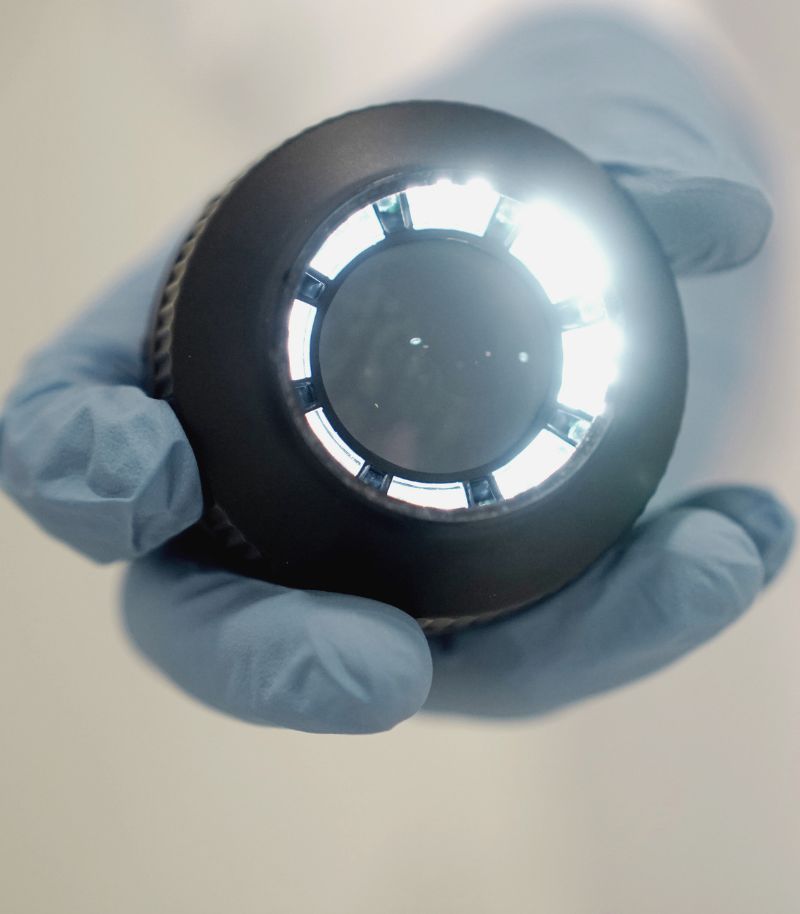
Comprehensive diagnosis
The Grupo Pedro Jaén Sensitive Skin Unit assesses each case individually, with sufficient time being allocated to understand each patient’s medical history and complete a detailed examination. This comprehensive approach makes it possible to identify the specific factors that trigger skin sensitivity, ensuring an accurate diagnosis that can rule out other underlying conditions.
Full assessment with specific tests
For accurate diagnosis, our unit includes specialised tests such as skin pH assessment, measurement of transepidermal water loss (TEWL) and sensory reactivity to various chemicals. These advanced analyses provide a comprehensive view of the patient’s skin condition and its response to different stimuli.
Contact tests and interdisciplinary working
In appropriate cases, skin tests are carried out in collaboration with our Allergy Unit to detect possible contact allergies. This collaborative effort enhances the diagnosis and appropriate treatment of sensitive skin.
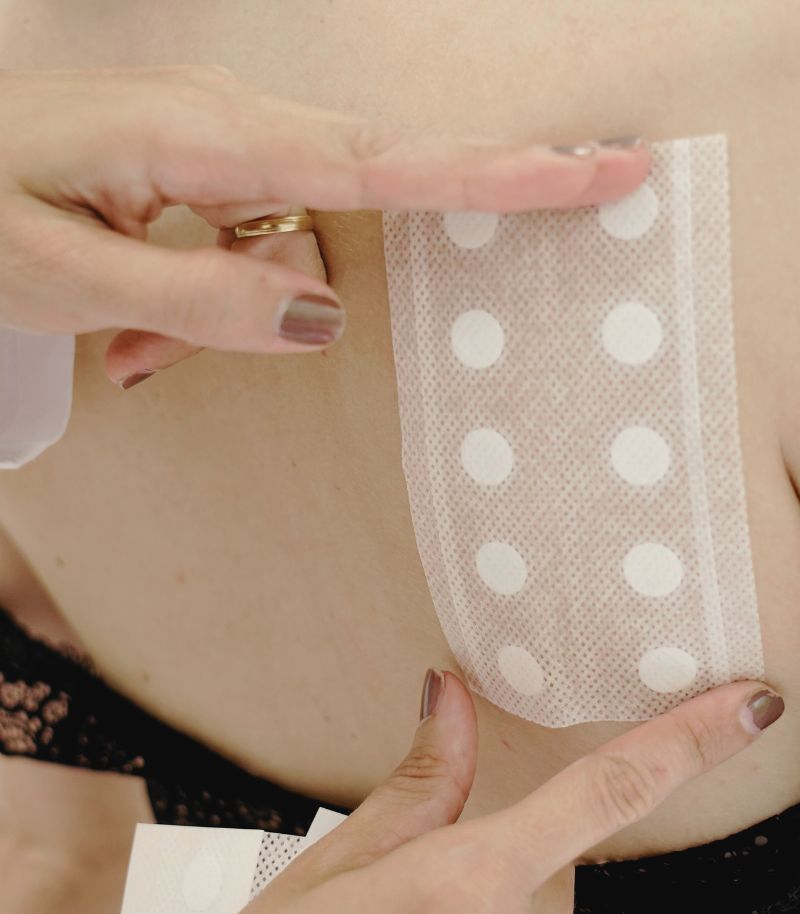
Personalised treatment
Our dermatological team specialises in the diagnosis and treatment of different types of sensitive skin, addressing its particular characteristics according to factors such as age, hydration, sebaceous production and skin reactivity. We design personalised protocols that adapt to the evolution of each case, enabling effective and sustained control of skin sensitivity.
Formulation of personalised treatments
One of our greatest differentiators is our ability to develop exclusive magistral formulas prepared by pharmacists in accordance with the needs of each individual patient. These formulations include carefully selected active ingredients to reinforce the skin barrier, minimise inflammation and improve the skin’s tolerance to environmental and cosmetic factors.
Innovation in therapies and continuous medical monitoring
Our team use advanced technologies to treat sensitive skin, combining phototherapy, vascular laser and specific dermo-cosmetic products. In addition, we carry out continuous monitoring to adjust the treatment and guarantee the best therapeutic response, ensuring that each patient receives the most up-to-date and effective dermatological care.
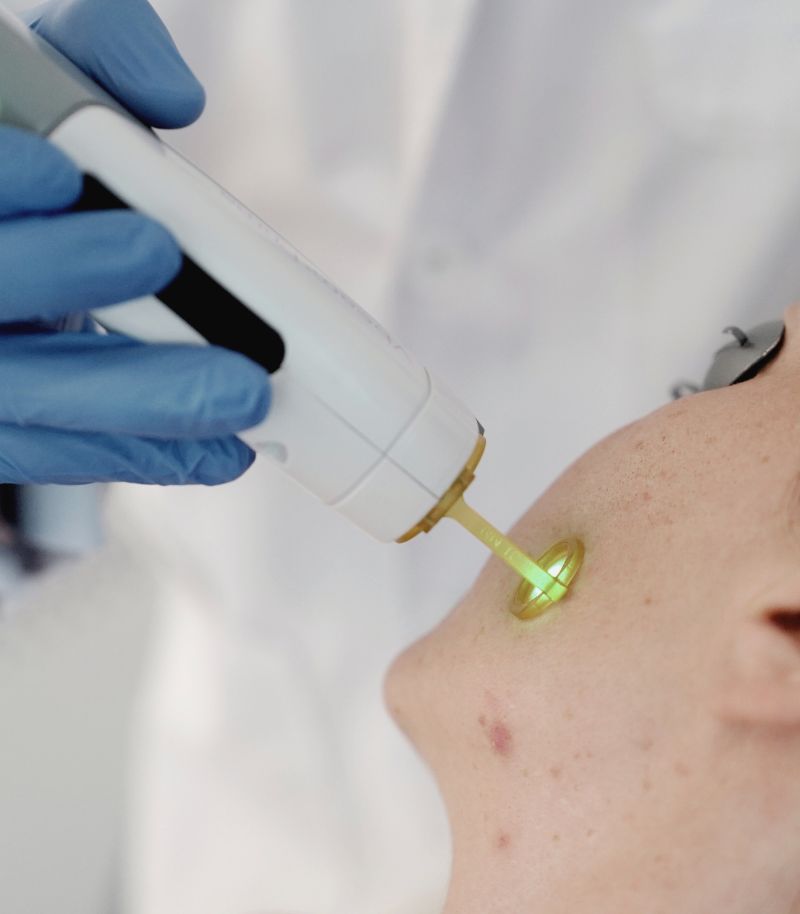
Treatment and prevention
We can offer state-of-the-art topical and systemic treatments that regulate inflammation and strengthen the skin barrier. In addition, we use vascular lasers and intense pulsed light (IPL), which improve skin texture and reduce redness, providing long-term relief and decreasing the frequency of breakouts.
Therapeutic innovations
Our approach includes the implementation of the latest therapeutic innovations and a holistic approach that goes beyond diagnosis, integrating advanced and multidisciplinary treatments.
Prevention and specific care
Treatment of sensitive skin includes the implementation of preventive strategies to minimise long-term impact. We design personalised recommendations to improve skin tolerance and reduce reactivity.
This includes the selection of suitable products, recommendations on daily habits, and guidelines to avoid environmental triggers such as cold, pollution or sudden changes in temperature.
What it is, diagnosis, causes and treatment
A guide to understanding sensitive skin
For many years, sensitive or reactive skin was not considered a true dermatological condition. Its diffuse symptomatology, the absence of consistent clinical signs and the fact that, in some cases, sensitive skin is associated with other skin diseases have made it difficult to define and classify. This, in turn, has complicated both diagnosis and treatment.
However, growing research into this condition and its increasing prevalence in industrialised countries have clearly shown that sensitive skin is a real and clinically relevant condition that negatively affects skin health and significantly impairs quality of life for a growing number of people.
Sensitive skin is estimated to affect approximately one third of the Western population, although some studies suggest that prevalence may exceed 50%, depending on symptom severity. It affects both women and men, although incidence is generally higher in women.
These differences between men and women are thought to be related to a combination of factors, including hormonal cycles, differences in skin pH, sebaceous secretion, sweating, collagen content and dermal thickness—the latter being greater in men.

Symptoms, causes and triggering factors of sensitive skin
The symptoms of sensitive skin may present in different ways and with varying intensity, which can make diagnosis challenging. Although the exact causes are not fully understood, many of the triggering factors responsible for symptom onset are well recognised.
Symptoms
Sensitive skin is characterised by a persistent sensation of itching, tightness, burning, stinging and even pain in response to stimuli that do not cause abnormal reactions in healthy skin. These sensations may vary in intensity and may be accompanied by erythema (redness), telangiectasia or couperosis (small superficial red blood vessels). However, visible signs are not always present, which is why sensitive skin can be particularly difficult to diagnose.
Symptoms most commonly appear on facial skin, especially in the nasolabial fold—the area extending from the sides of the nose to the corners of the mouth. However, sensitive skin frequently affects other areas, including the hands, scalp, feet, neck, décolletage, back and genital region.
The face is particularly vulnerable because it is exposed to a higher number of potentially irritating cosmetic products, is more affected by environmental factors, and has a thinner stratum corneum (the outermost layer of the epidermis), making it more delicate.
Causes
Sensitive skin is believed to result from hypersensitivity of the skin’s nerve endings, which transmit pain signals in response to stimuli that are normally harmless. Sensitive or intolerant skin appears to secrete excessive cytokines via certain neurotransmitters located in superficial nerve endings, promoting the inflammatory response characteristic of this condition.
In addition, some research indicates that sensitive skin is associated with increased levels of free radicals—by-products of cellular metabolism linked to oxidative stress and skin ageing.
Ultimately, the underlying cause of sensitive skin symptoms is disruption of the skin barrier—the lipid-and-water structure that covers the skin and acts as a protective shield against dehydration and external irritants. When this barrier is compromised, the stratum corneum becomes more permeable and therefore more susceptible to substances that would not normally cause irritation.
This type of barrier dysfunction is similar to that observed in other dermatological conditions, such as atopic dermatitis and seborrhoeic dermatitis. Some studies also suggest that sensitive skin may have an underlying immunological and inflammatory component related to other dermatological diseases, increasing skin reactivity and favouring the development of sensitivity. The skin conditions most frequently associated with sensitive skin include acne, contact dermatitis, psoriasis, vitiligo, atopic dermatitis and seborrhoeic dermatitis.
Triggering factors
Although not all mechanisms are fully understood, sensitive skin symptoms may be triggered by a wide range of internal and external factors. The most relevant include:
Inappropriate hygiene and cosmetic products
The use of cosmetic or hygiene products not formulated for sensitive skin—or the simultaneous use of multiple potentially irritating ingredients—is the most common trigger, particularly among women. Ingredients with a higher irritant potential include propylene glycol, trichloroacetic acid, alpha-hydroxy acids (AHAs), retinol and alcohol, among others.
Aggressive hygiene routines
While cosmetics are the most common trigger in women, facial shaving is a frequent trigger in men. Prolonged hot showers, excessive use of soap or cleansing products, overuse of exfoliants, rough sponges or exfoliating gloves also increase the risk of symptoms in sensitive skin.
Chemical exposure
Occupations involving prolonged exposure to chemicals or detergents may trigger sensitive skin symptoms.
Environmental factors
Cold, wind, extreme heat, sun exposure, pollution and any climatic factor that promotes transepidermal water loss can trigger symptoms. Heating systems, air conditioning and climate control systems are also common aggravating factors.
Diet
Alcohol, spices, hot or spicy foods may exacerbate symptoms in individuals with sensitive or reactive skin, particularly on the face and neck.
Very dry skin
Individuals with extremely dry skin and low lipid content are more prone to skin barrier disruption and, consequently, to sensitive skin symptoms.
Dermocosmetic procedures
Certain facial rejuvenation treatments that accelerate skin renewal by removing superficial layers may disrupt the skin barrier and trigger sensitivity. These include chemical peels, dermabrasion and laser resurfacing.
Other factors
Certain topical medications, textiles, medical dressings, frequent contact with powdered detergents or household cleaning products, anxiety and stress may also act as triggers.
“Sensitive skin is a condition that can be particularly difficult to diagnose, as it does not always present with clear clinical signs.”
Diagnosis of sensitive skin
Sensitive skin can be difficult to diagnose because visible signs are not always present, and patients often self-identify symptoms before consulting a dermatologist. In addition, sensitive skin may indicate an underlying dermatological condition, such as rosacea or contact dermatitis, or may appear in association with other skin diseases, including atopic or seborrhoeic dermatitis.
Today, however, objective methods are available to assess skin barrier impairment, transepidermal water loss and other factors associated with the hyperreactivity characteristic of sensitive skin.
Assessment begins with a detailed medical history, using specific questionnaires designed to identify potential triggering factors. These findings are evaluated alongside clinical history and relevant family and occupational background.
A full dermatological examination is then performed to identify signs of inflammation or barrier damage and to rule out other skin conditions. Depending on individual clinical factors, additional tests—such as hormonal profiling—may be required.
Evaluation of sensitive skin is usually conducted over several consultations, during which skin parameters related to sensitivity are measured, including pH, sebum production, transepidermal water loss (TEWL), sensory reactivity to specific substances and irritant response.
Finally, patch testing is recommended to assess possible contact allergy to common allergens, such as fragrances, preservatives, medications and surfactants found in hygiene and cosmetic products.
Once the assessment is complete, a comprehensive report is prepared with the diagnosis and test results, allowing an appropriate and personalised treatment plan to be established.

More information
Below you will find the authorship and references for the information provided on this page:
Authorship and references
The content of this page has been prepared by the Communication Department and the Medical Team of Grupo Pedro Jaén, in line with our editorial commitment to ensuring the accuracy and up-to-date nature of the information provided.
References on sensitive skin:
1. Berardesca E, Farage M, Maibach H. Sensitive skin: an overview. Int J Cosmet Sci. 2013 Feb;35(1):2-8. doi: 10.1111/j.1468-2494.2012.00754.x. Epub 2012 Sep 21. PMID: 22928591.
2. Farage MA, Maibach HI. Sensitive skin: closing in on a physiological cause. Contact Dermatitis. 2010 Mar;62(3):137-49. doi: 10.1111/j.1600-0536.2009.01697.x. PMID: 20565500.
3. Inamadar AC, Palit A. Sensitive skin: an overview. Indian J Dermatol Venereol Leprol. 2013 Jan-Feb;79(1):9-16. doi: 10.4103/0378-6323.104664. PMID: 23254724.
4. Guerra-Tapia A, Serra-Baldrich E, Prieto Cabezas L, González-Guerra E, López-Estebaranz JL. Diagnosis and Treatment of Sensitive Skin Syndrome: An Algorithm for Clinical Practice. Actas Dermosifiliogr (Engl Ed). 2019 Dec;110(10):800-808. English, Spanish. doi: 10.1016/j.ad.2018.10.021. Epub 2019 May 27. PMID: 31146882.
5. Escalas-Taberner J, González-Guerra E, Guerra-Tapia A. La piel sensible: un síndrome complejo [Sensitive skin: a complex syndrome]. Actas Dermosifiliogr. 2011 Oct;102(8):563-71. Spanish. doi: 10.1016/j.ad.2011.04.011. Epub 2011 Jul 14. PMID: 21757181.
Where we see patients?
Clinics in Madrid
Grupo Pedro Jaén is a medical group founded more than three decades ago with the aim of providing medical, surgical and aesthetic solutions related to skin health and appearance. Led by Dr Pedro Jaén, the group has a highly specialised medical team that covers every area of care with top-level specialists, carries out extensive training activities, is a leader in medical research, and operates several clinics in Madrid, from which it offers the highest standards of care and clinical excellence to all patients.


Calle Serrano 143
This centre is the main headquarters of Grupo Pedro Jaén. It provides diagnostic and treatment services in skin cancer, clinical and aesthetic dermatology, laser treatments and other related specialties.
Mon - Fri 09:00 - 21:00 / Sat: 09:00 - 14:00
Calle Serrano 143, El Viso neighbourhood, Chamartín district, 28006 Madrid, Spain

La Moraleja
Located in Plaza de La Moraleja, this exclusive centre allows Grupo Pedro Jaén to bring its medical and aesthetic services closer to patients across the entire northern area of Madrid.
Mon - Thu: 09:30 - 20:00 / Fri: 09:30 - 18:00
Calle de la Estafeta 8, ground floor, La Moraleja, 28109 Alcobendas, Madrid
Related units and pages
Rosacea Unit
Experts in treatments that enable long-term control of this condition.
Contact dermatitis
Identification of triggering causes, tailored treatment plans and personalised guidance.
Atopic dermatitis
Control of this condition and improvement of its prognosis in children and adults to enhance quality of life.
Acne Unit
Experts in treatments that enable long-term control of this condition.
Paediatric dermatology
Specialised care for the full range of dermatological conditions that may affect children.
Clinical dermatology
Highly specialised dermatologists for each skin condition, offering the most advanced treatments available.
Information and news
Press room
In the Grupo Pedro Jaén Press Room you can find information, advice and news related to dermatology, aesthetic medicine, trichology and general health. The group’s journals are also shared through an online platform, along with updates on the activity and media appearances of our clinics and healthcare professionals.

How to shower properly: tips for looking after your skin
Cold or hot water? Is it better to use a sponge? Find out how to shower properly and what dermatologists recommend to protect your skin.

Retinol in summer: should you stop using it?
We debunk this and other myths about using retinol during the warmer months.

Blog
News about Grupo Pedro Jaén. Information and advice on dermatology, aesthetic medicine, trichology, and general health

Media
Information about media appearances by our clinics and medical specialists.

Journal
Archive of all Grupo Pedro Jaén journals, available through an external online platform.