
Follow-up of high-risk skin cancer patients
At our clinics in Madrid: Calle Serrano 143 and La Moraleja
High-risk patients
A comprehensive and personalised preventive approach
Follow-up of patients who have previously had skin cancer—whether melanoma or non-melanoma skin cancer—is a fundamental part of their treatment and long-term prevention strategy. At the Skin Cancer Unit of Grupo Pedro Jaén, this follow-up is carried out in a fully personalised manner, using protocols tailored to the type of tumour, each patient’s medical and family history, and their individual risk factors. These follow-up measures offer clear benefits for patients in the short, medium and long term. They allow for early detection of recurrences or new tumours, provide reassurance through scheduled reviews, and contribute to reducing mortality rates and the long-term consequences associated with late diagnosis of skin cancer.

Recognised reference clinics in Spain
Home > Skin cancer > Follow-up of high-risk skin cancer patients
What sets us apart
Advanced technology and a high level of specialisation
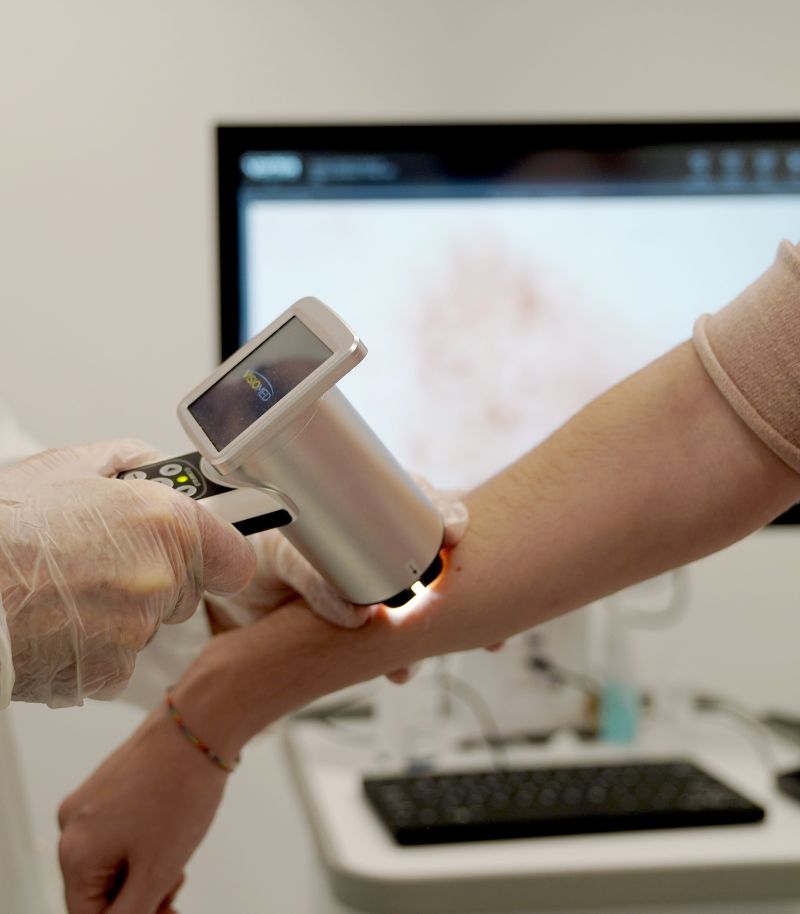
Tailored follow-up for each patient
Every patient who has previously had skin cancer requires an individualised follow-up plan. At the Skin Cancer Unit of Grupo Pedro Jaén, we adapt the frequency of reviews, diagnostic tests and monitoring treatments according to the type of tumour, the patient’s age, skin phototype, number of moles and family history.
Comprehensive dermatological assessment
During follow-up visits, the entire skin surface is examined, surgical scars are reviewed, and potential side effects of previous treatments are monitored. In addition, photoprotection measures and skin self-examination are reinforced to promote active prevention and long-term skin health.
Individualised monitoring over time
Thanks to advanced imaging tools and digital lesion monitoring, each patient receives a personalised follow-up plan that evolves over time. This approach provides reassurance and confidence in the early detection of recurrences or new skin lesions.
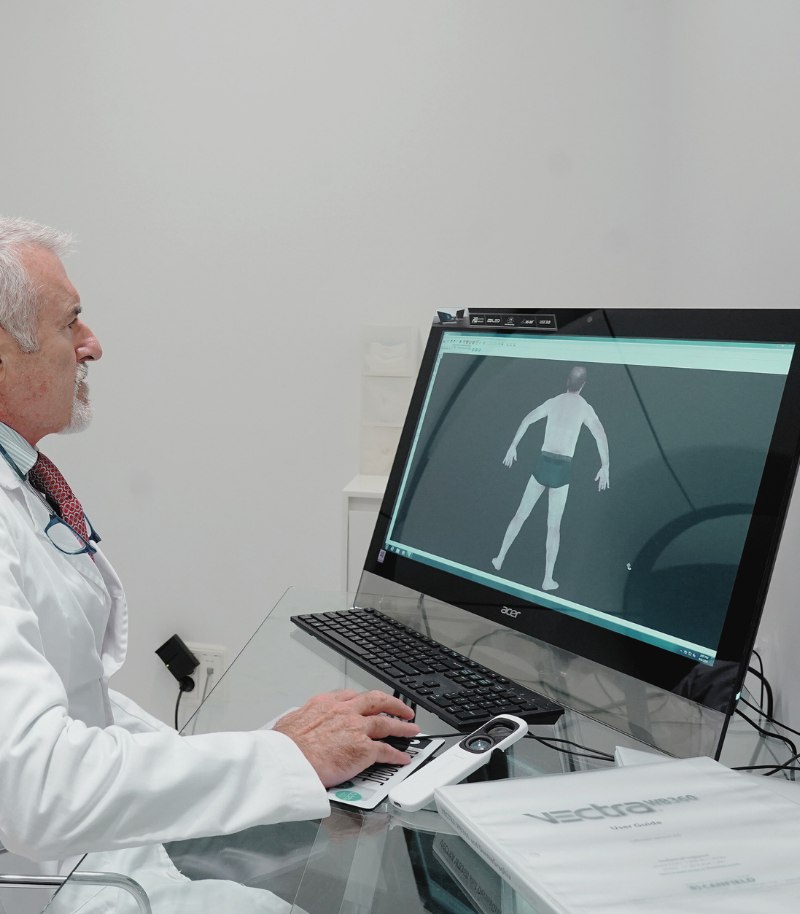
Melanoma follow-up
Melanoma is the type of skin cancer with the greatest potential for spread and therefore requires specific, carefully planned follow-up. At Grupo Pedro Jaén, we offer a dedicated melanoma clinic focused on the long-term monitoring of these patients and their first-degree relatives.
High-precision technology and personalised protocols
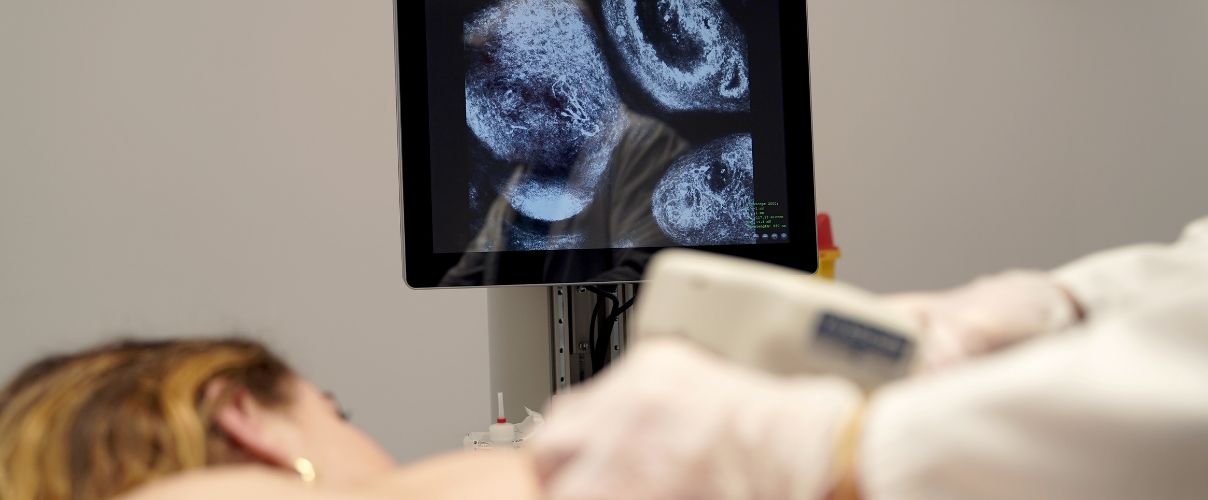
We combine extensive clinical expertise with advanced diagnostic tools such as VECTRA® total-body mapping, high-frequency skin ultrasound and confocal microscopy. These technologies allow us to detect minimal changes before they become visible to the naked eye.
Long-term prevention and patient support
Melanoma follow-up goes beyond medical surveillance. We also educate patients and their families on photoprotection, skin self-examination and early warning signs, promoting healthy lifestyle habits and a relationship of trust that supports long-term wellbeing and peace of mind.
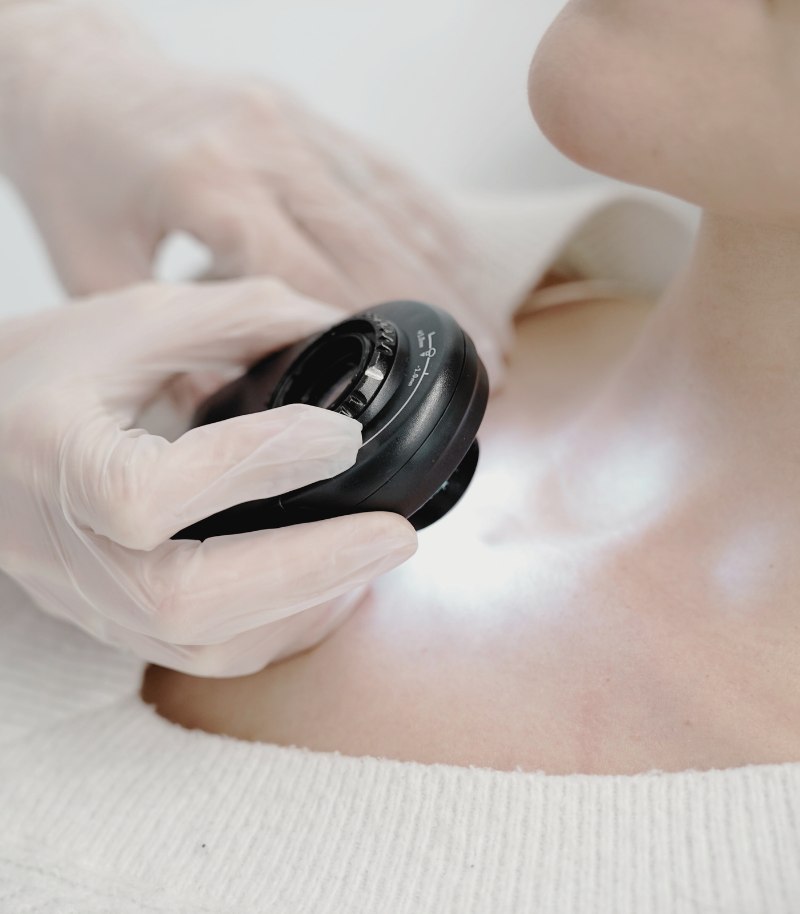
Follow-up of non-melanoma skin cancer
Non-melanoma skin cancers—mainly basal cell carcinoma and squamous cell carcinoma—are the most common types of skin cancer. Although their prognosis is generally favourable when treated early, they require specialised dermatological follow-up to prevent recurrences and complications.
Prevention of recurrences and complications
Regular follow-up enables the early detection of new lesions and the treatment of localised tumours before they become invasive. This is particularly important in sensitive areas such as the nose, lips or eyelids, where delayed diagnosis could compromise function or aesthetic outcomes.
Care for higher-risk patients
Certain patients have genetic syndromes, are receiving immunosuppressive treatments, or have a family history that increases their vulnerability. In these cases, follow-up is more intensive and may include additional diagnostic tests or individualised preventive treatments to ensure the best possible outcomes.
What it is, symptoms and treatment
Guide to the follow-up of high-risk patients
Patients who have previously had skin cancer have a significantly higher risk of developing new tumours, both in the treated area and elsewhere on the body.
Regular follow-up enables the early detection of recurrences or incipient lesions, at a stage when they can still be treated using minimally invasive procedures, with the highest likelihood of cure and the least possible aesthetic and functional impact.
During these follow-up visits, surgical scars are monitored, potential side effects of previous treatments are assessed, and the overall condition of the skin is evaluated. At each appointment, preventive measures and photoprotection advice are reinforced, and patients receive practical guidance to support self-care.
Monitoring tailored to each individual
The frequency of follow-up visits and monitoring tests varies depending on the type of tumour, its extent and the treatment performed, as well as individual factors such as skin phototype, age, number of moles, cumulative sun exposure and family history.
First-degree relatives of patients who have had melanoma or who have genetic syndromes associated with skin cancer are also at increased risk of developing malignant lesions.
For this reason, our unit offers preventive assessment and follow-up programmes for family members, with the aim of detecting skin changes at an early stage and promoting photoprotection and skin self-examination habits from an early age.
Follow-up of non-melanoma skin cancer
Non-melanoma skin cancers—primarily basal cell carcinoma and squamous cell carcinoma—are the most common skin tumours. Although their prognosis is generally favourable when treated early, they require specialised dermatological follow-up to detect recurrences, prevent complications and preserve long-term skin health and integrity.
While they do not usually pose a direct threat to life, these tumours may be locally invasive, recur, or become multiple if not adequately monitored. In certain locations, such as the nose, eyelids or lips, delayed treatment may result in functional impairment or significant cosmetic impact.
In addition, some subtypes may behave more aggressively or be associated with genetic syndromes that markedly increase the risk of developing these and other cancers.
Basal Cell Carcinoma
Basal cell carcinoma is the most common cancer worldwide. Approximately one in three people will develop at least one during their lifetime, particularly at older ages. Early detection allows treatment by simple surgical excision in most cases.
Although most basal cell carcinomas occur sporadically and are primarily linked to cumulative sun exposure and skin ageing, there are rare genetic syndromes—such as Gorlin syndrome, and extremely rare conditions such as Bazex–Dupré–Christol or Rombo syndrome—that predispose individuals to developing multiple basal cell carcinomas from an early age.
Identifying and monitoring these cases is essential to ensure closer dermatological surveillance. In selected patients who develop multiple tumours, particularly at a young age or in non–sun-exposed areas, genetic assessment may be considered. When basal cell carcinoma is diagnosed at an early age or appears repeatedly in atypical locations, a detailed family history is essential to rule out associated syndromes and ensure appropriate follow-up and management.
In advanced cases where surgery is not feasible due to comorbidities or tumour extent, systemic treatments with curative potential may be considered on an individual basis.
Squamous cell carcinoma
Also known as cutaneous squamous cell carcinoma, this is the second most common type of skin cancer. It usually arises as a result of cumulative sun damage, but it may also develop in scars, chronic ulcers or areas of persistent inflammation.
Early detection is essential, as is preventive treatment of the so-called “field cancerisation” caused by precursor lesions such as actinic keratoses.
Although most cases are sporadic and related to chronic sun exposure, certain conditions—such as long-term immunosuppressive therapy (for autoimmune diseases or organ transplantation) and specific genetic syndromes—can significantly increase the risk of developing multiple or more aggressive variants. Examples include xeroderma pigmentosum or epidermodysplasia verruciformis, a rare inherited immune disorder associated with persistent HPV-related lesions that may progress to squamous cell carcinoma.
In advanced cases where surgery would involve significant morbidity, systemic treatments such as immunotherapy may be indicated. These therapies are often highly effective, achieving complete remissions after relatively few sessions. Assessment by dermatologists experienced in complex cases is essential to determine the most appropriate treatment strategy.

Melanoma follow-up
The Skin Cancer Unit at Grupo Pedro Jaén has developed a dedicated melanoma follow-up clinic to provide personalised care for patients with melanoma and their first-degree relatives. This approach combines extensive clinical expertise—recognised nationally and internationally—with the most advanced digital diagnostic technologies and effective treatments.
The aim is to offer patients comprehensive information about the characteristics and prognosis of their tumour, as well as a tailored follow-up plan with appropriate investigations to detect any warning signs as early as possible, reduce the risk of recurrence, and provide compassionate, effective care that allows patients and families to regain peace of mind after diagnosis.
Why follow-up is essential and how it is carried out
Melanoma is the type of skin cancer with the greatest potential for spread. While it can be completely cured if diagnosed early, it may be life-threatening when detected at advanced stages.
It is estimated that between 5% and 10% of patients who have had melanoma may develop a second melanoma during their lifetime. In addition, some patients have an increased risk of developing other cancers—cutaneous or systemic—such as pancreatic, breast or prostate cancer, depending on the genetic alteration involved.
For this reason, follow-up is not limited to the site of the original melanoma. It aims to detect any new suspicious lesions early, monitor overall skin health and provide a comprehensive preventive approach.
Melanoma follow-up combines clinical and family history assessment with detailed mapping and digital registration of moles and pigmented lesions using VECTRA®, a technology capable of detecting minimal changes suggestive of malignancy. High-resolution skin ultrasound and confocal microscopy are also used to perform virtual biopsies of suspicious lesions when required.
Based on these variables, follow-up visits are scheduled at intervals tailored to each patient’s individual risk profile.
Importance of family screening
First-degree relatives (parents, siblings and children) of patients with melanoma have an increased risk of developing the disease, particularly when there is a family history or the presence of multiple atypical moles.In most cases, melanoma is not inherited and genetic alterations are somatic, affecting only the individual patient. However, when a relevant family history is present, assessment for possible germline mutations may be appropriate, as these confer inherited susceptibility.
For this reason, preventive dermatological assessment and regular follow-up adapted to individual risk levels are recommended for family members.
Melanoma follow-up also includes patient and family education on skin protection, monitoring for changes and maintaining healthy habits.
During consultations, dermatologists provide guidance on photoprotection, skin self-examination and warning signs that should prompt medical review.
Management after melanoma diagnosis
Once melanoma has been diagnosed, careful assessment of tumour characteristics is essential. By protocol, most cases require surgical margin enlargement. Pathological parameters analysed in the tumour specimen help estimate the risk of local or distant recurrence—the most important being tumour thickness, expressed by the Breslow index, which measures how deeply the melanoma has penetrated the skin.
Based on these risk factors, further management decisions may include sentinel lymph node biopsy, regional imaging studies and additional investigations. To reduce the risk of recurrence, adjuvant treatments such as radiotherapy, systemic immunotherapy, targeted therapies, or local treatments (e.g. interleukin-2) may be considered.
Our unit includes dermatologists with extensive experience in the management of advanced melanoma. Patients may request expert advice or a second opinion, including in metastatic disease.
More information
Below you will find the frequently asked questions, authorship, and references for the information provided on this page:
Authorship and references
The content of this page has been prepared by the Communication Department and the Medical Team of Grupo Pedro Jaén, in line with our editorial commitment to ensuring the accuracy and up-to-date nature of the information provided.
Where we see patients?
Clinics in Madrid
Grupo Pedro Jaén is a medical group founded more than three decades ago with the aim of providing medical, surgical and aesthetic solutions related to skin health and appearance. Led by Dr Pedro Jaén, the group has a highly specialised medical team that covers every area of care with top-level specialists, carries out extensive training activities, is a leader in medical research, and operates several clinics in Madrid, from which it offers the highest standards of care and clinical excellence to all patients.


Calle Serrano 143
This centre is the main headquarters of Grupo Pedro Jaén. It provides diagnostic and treatment services in skin cancer, clinical and aesthetic dermatology, laser treatments and other related specialties.
Mon - Fri 09:00 - 21:00 / Sat: 09:00 - 14:00
Calle Serrano 143, El Viso neighbourhood, Chamartín district, 28006 Madrid, Spain

La Moraleja
Located in Plaza de La Moraleja, this exclusive centre allows Grupo Pedro Jaén to bring its medical and aesthetic services closer to patients across the entire northern area of Madrid.
Mon - Thu: 09:30 - 20:00 / Fri: 09:30 - 18:00
Calle de la Estafeta 8, ground floor, La Moraleja, 28109 Alcobendas, Madrid
Related units and pages
Skin Cancer
Diagnosis using the most advanced systems, treatment and surgery for the different types of skin cancer.
Basal Cell Carcinoma
Early diagnosis and treatment of the most common type of skin cancer, using the most advanced techniques currently available.
Squamous Cell Carcinoma
The second most common type of skin cancer after basal cell carcinoma, although it is more aggressive.
Actinic Keratosis
A precancerous skin lesion that requires careful monitoring due to its potential to progress.
Melanoma
Early diagnosis and treatment of this aggressive skin cancer using the most advanced techniques and technologies.
Clinical dermatology
Highly specialised dermatologists for each skin condition, offering the most advanced treatments available.
Information and news
Press room
In the Grupo Pedro Jaén Press Room you can find information, advice and news related to dermatology, aesthetic medicine, trichology and general health. The group’s journals are also shared through an online platform, along with updates on the activity and media appearances of our clinics and healthcare professionals.

How to shower properly: tips for looking after your skin
Cold or hot water? Is it better to use a sponge? Find out how to shower properly and what dermatologists recommend to protect your skin.

Retinol in summer: should you stop using it?
We debunk this and other myths about using retinol during the warmer months.

Blog
News about Grupo Pedro Jaén. Information and advice on dermatology, aesthetic medicine, trichology, and general health

Media
Information about media appearances by our clinics and medical specialists.

Journal
Archive of all Grupo Pedro Jaén journals, available through an external online platform.