
Cellulite
At our centres in Madrid, at Serrano 166 and in La Moraleja
Specialists in
Cellulite treatment
The Grupo Pedro Jaén Body Aesthetics Unit specialists carefully assess each case of cellulite to ensure they offer the most effective treatment protocol. Generally, this issue occurs alongside other concerns such as skin laxity or localised fat. Therefore, we usually apply combined treatments. This aesthetic problem is of great concern to most of the patients who come for consultation and can appear in various areas of the body.

Recognised reference clinics in Spain
Home > Aesthetic medicine > Body aesthetic medicine > Cellulite
What sets us apart
A holistic treatment tailored to each patient
Cellulite is a complex aesthetic disorder that affects 90% of women and a smaller percentage of men. It requires a specific approach and a detailed prior assessment by our body aesthetics specialists in order to design personalised protocols. We combine advanced technology, medical treatments and aesthetic procedures to improve skin dimpling, circulation and firmness. Our aim is to achieve visible and lasting results.
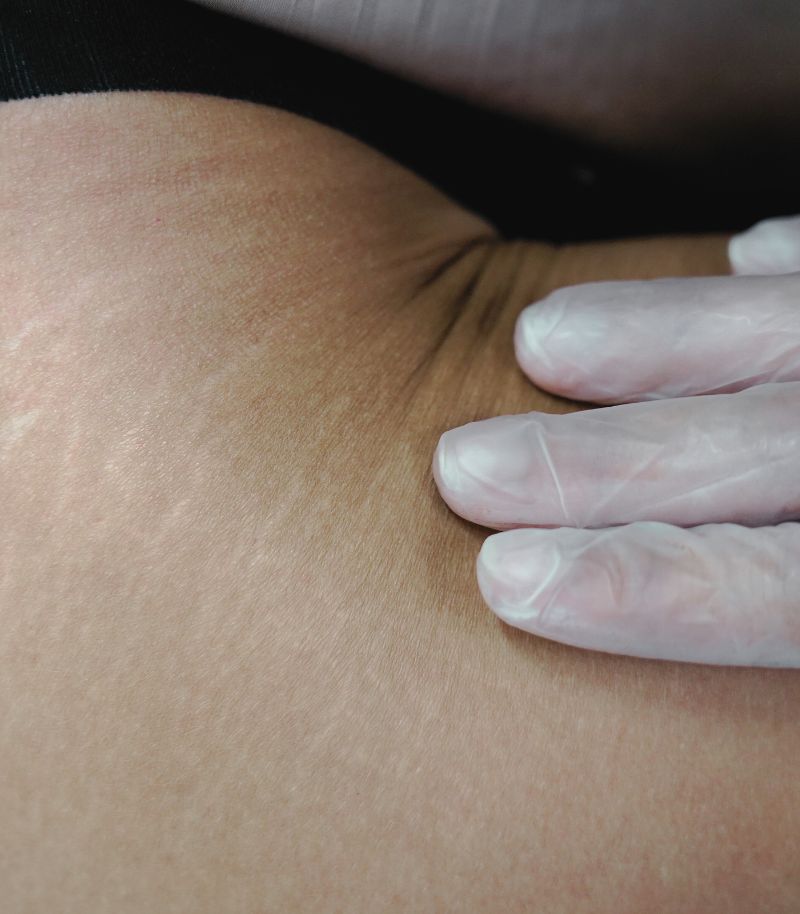
Combined protocols
At the Grupo Pedro Jaén Body Aesthetics Unit, we treat cellulite in a holistic manner thanks to an approach based on a detailed diagnosis and a combination of therapies. This approach ensures more effective results tailored to the specific needs of each patient.
Assessment for each type of cellulite
Our specialists identify the type(s) of cellulite (two or more types may occur in a single patient) and design a personalised protocol to address the unique characteristics. The correct identification of cellulite allows us to apply specific treatments and significantly improve the appearance of the skin by tackling additional concerns such as fluid retention or skin laxity.
Combination of technologies and manual therapies
To maximise results, we combine the use of advanced technology with medical and aesthetic techniques such as mesotherapy, lymphatic drainage or specific massages. This holistic approach improves not only the appearance but also the quality of the subcutaneous tissue, optimising cell metabolism and circulation in the affected areas.
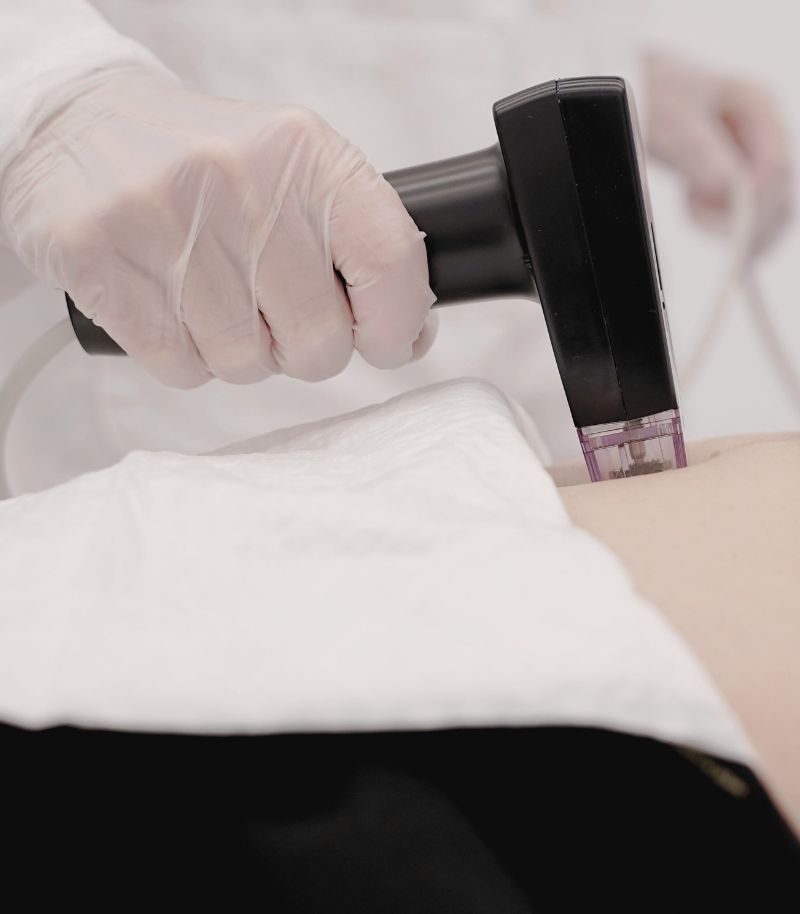
Hard (Fibrous) cellulite
Hard cellulite is characterised by a rigid and compact texture, difficult to pinch and sometimes even painful to the touch. It is common in young, active women and usually appears in areas such as the buttocks, hips and knees. It requires specific techniques that break down fibrous tissue and improve skin quality.
Radiofrequency with and without microneedles
We treat fibrous cellulite using the most advanced radiofrequency equipment. Classic radiofrequency induces heat energy to stimulate collagen production, improve circulation and help break down the fibrous septa that cause skin dimpling. Radiofrequency microneedling works at a deeper level by combining thermal energy with controlled micro-injuries.
Radiofrequency microneedling works at a deeper level by combining thermal energy with controlled micro-injuries.
Radiofrequency and ultrasound in a single unit
Our Body Aesthetics Unit offers a technology that applies radiofrequency and ultrasound using a single device. It is applied in cases where, in addition to fibrous cellulite, localised fat and skin laxity need to be treated.
Soft cellulite
This type of cellulite is perhaps the most common and is often referred to as skin dimpling (orange peel skin). It is usually associated with a sedentary lifestyle and rapid weight changes. It is typically accompanied by marked laxity and a feeling of heaviness.
Radiofrequency for firmer skin
Radiofrequency is an ideal treatment for soft cellulite. The technology induces warming of the deep layers of the skin to stimulate the production of collagen, the substance most closely associated with skin firmness.
Depending on each patient’s needs, our specialists may recommend either conventional medical radiofrequency or radiofrequency with microneedles.
Collagen stimulators for prolonged firmness
Often when soft cellulite is treated, laxity also needs to be addressed. Our body aesthetics experts can combine radiofrequency technology with collagen stimulators to restore dermal structure and firm the skin. These treatments stimulate fibroblast activity to induce the production of new collagen and elastin.
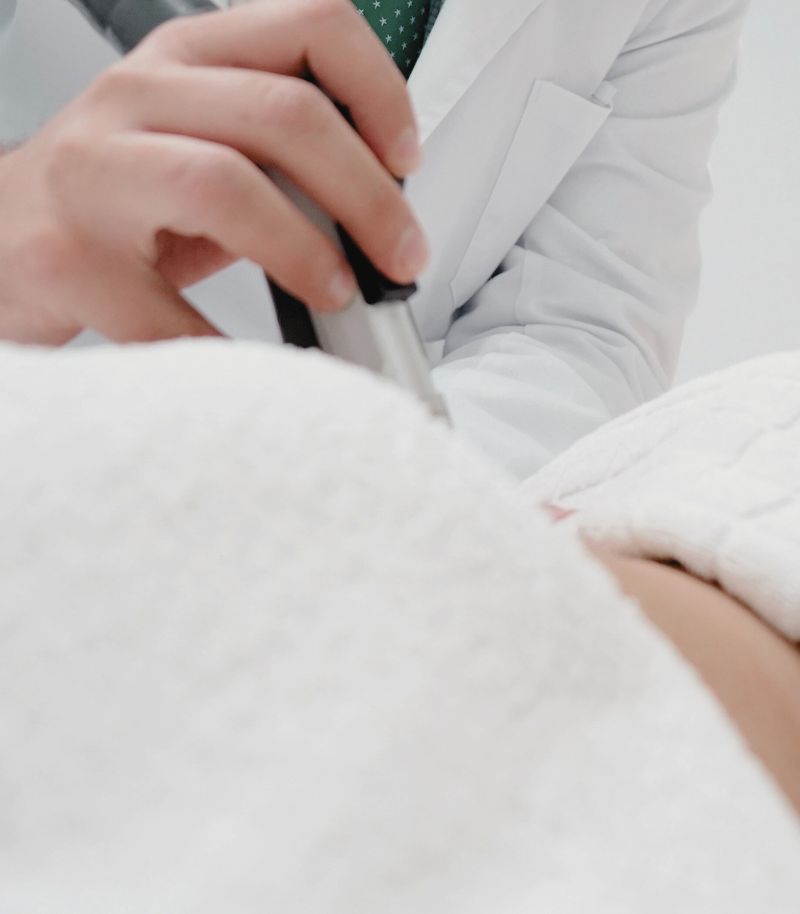
Oedematous cellulite
Oedematous cellulite, linked to fluid retention and circulatory problems, requires specific treatments that, above all, stimulate drainage and reduce swelling.
Endermology and lymphatic drainage
These treatments work by eliminating retained fluids and toxins, encouraging better oxygenation of the tissues. Lymphatic drainage, either manual or mechanical, activates circulation, significantly reducing oedema.
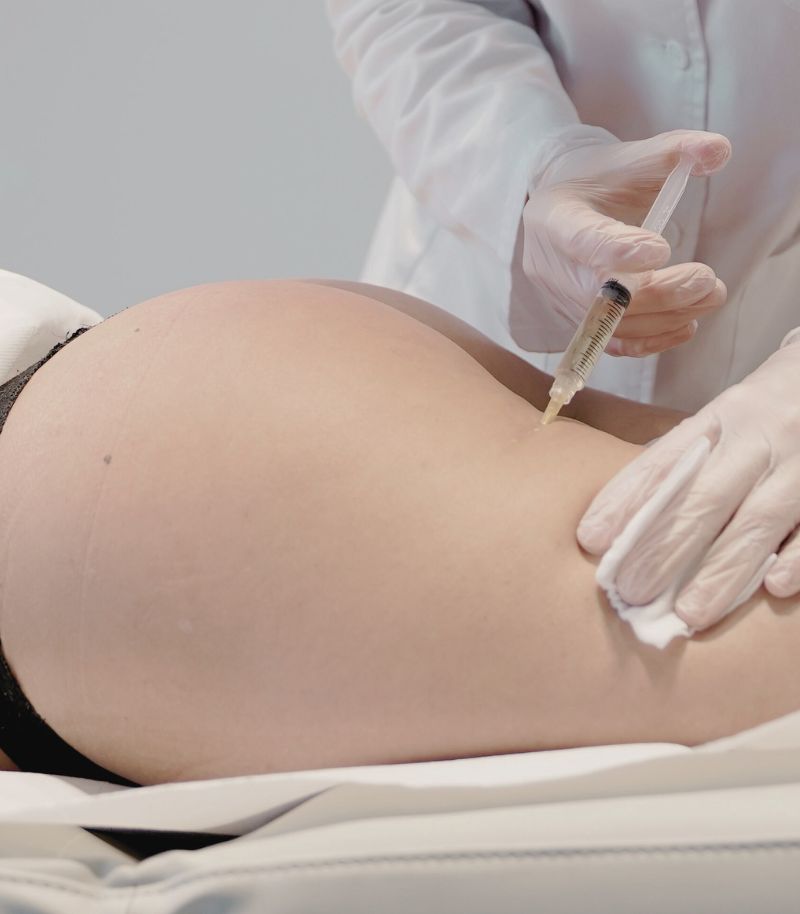
Targeted mesotherapy
Mesotherapy consists of the deep injection of lipolytic and draining agents that help reduce fluid retention and improve local circulation, improving skin tone and enhancing the draining effect of other treatments.
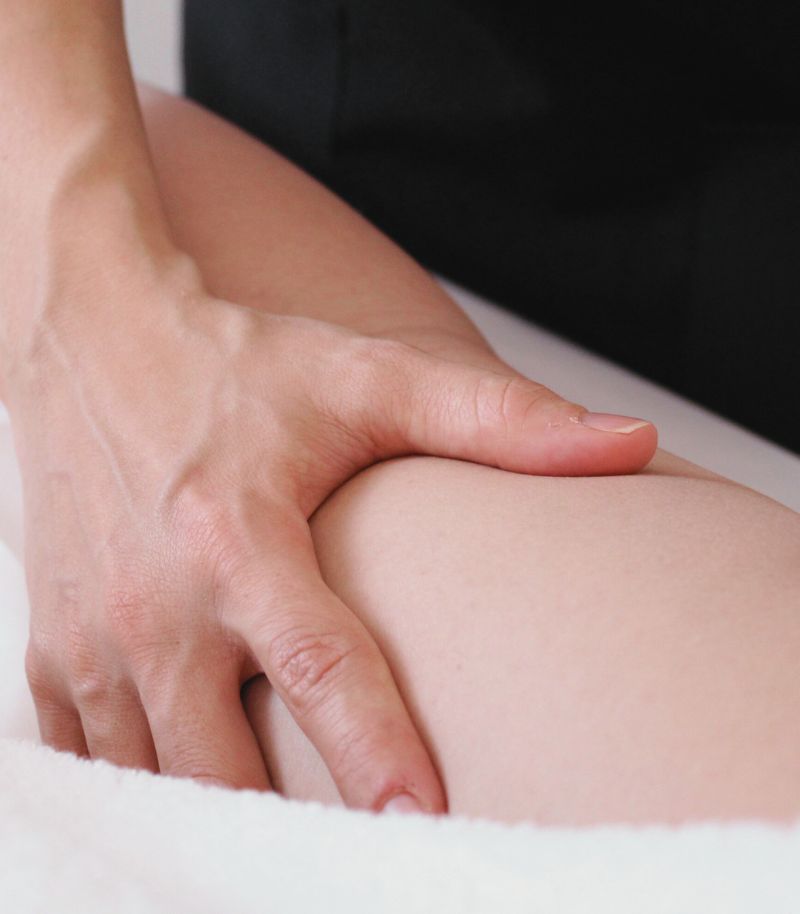
Medical and aesthetic therapies (Synergy)
The Grupo Pedro Jaén experts offer protocols that combine medical treatments, technology and professional skincare treatments in our Beauty and Wellbeing Unit.
Synergy of technology and medical expertise
In addition to ultrasound and radiofrequency, we offer options such as shock waves (to break the fibrosis of hard cellulite), endermology (ideal for oedematous cellulite) or carboxytherapy.
These options help enhance and prolong the effects of other treatments.
Support from the Beauty and Wellbeing Unit
We offer professional treatments which target cellulite in a relaxing way, including monopolar radiofrequency, anti-cellulite massages, wraps, manual lymphatic drainage and wood therapy.
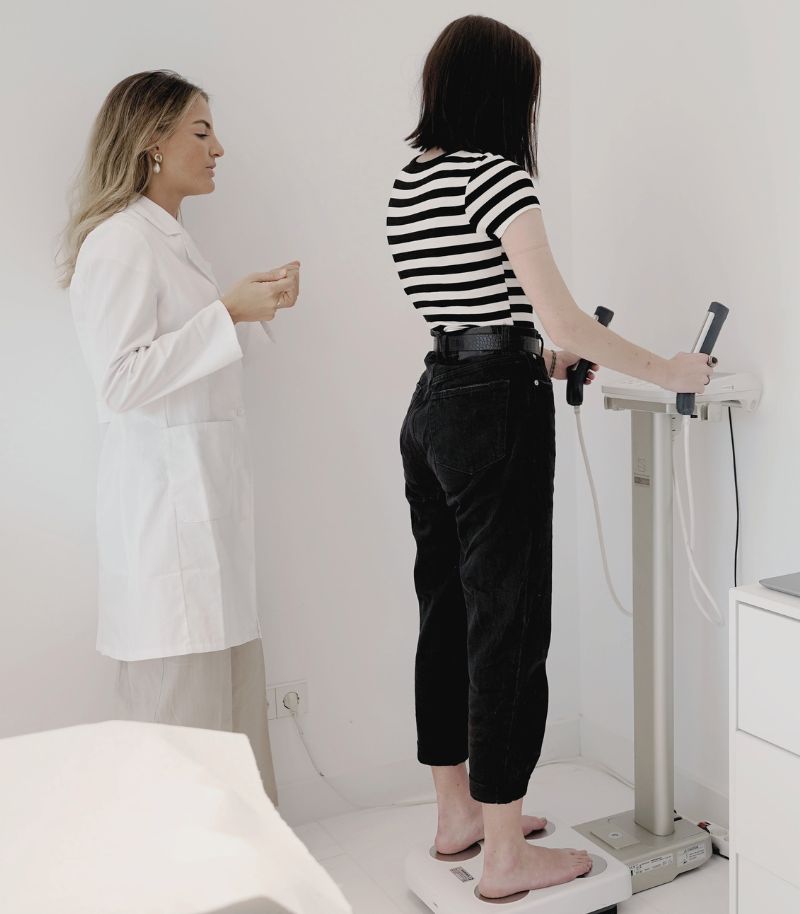
Addressing complex cases
Cellulite is a complex problem often associated with excess weight, laxity or localised fat.
Therefore, specialists may coordinate with other units.
Endocrinology and Nutrition
This unit studies the hormonal profile to detect areas for improvement and designs nutritional plans to control aggravating factors.
Laser-assisted lipolysis
This treatment can improve the appearance of cellulite when there is also stubborn localised fat. The removal of fat deposits and tissue retraction results in smoother skin, reducing the dimpled appearance.
What it is, types and treatments
A guide to understanding cellulite
Cellulite is one of the main concerns affecting body aesthetics, together with excess weight, localised fat and skin laxity. It is a benign condition with purely aesthetic implications; however, it can significantly alter body contour and silhouette. In fact, it is a major concern for most patients who attend consultations at our Body Aesthetics Unit.
This aesthetic condition is medically defined as oedematofibrosclerotic panniculopathy (also known by the acronym PEFS). In simple terms, it is an alteration of the adipose tissue located beneath the skin that affects the structure and texture of superficial subcutaneous tissues, leading to the characteristic dimpling and irregularities seen on the thighs, hips, buttocks and/or abdomen.

How cellulite develops
Cellulite does not affect fat tissue alone; it also involves alterations in microcirculation. Specifically, the process begins with a slowing of blood flow in the small vessels and capillaries of the subcutaneous connective tissue. This causes increased vascular permeability and promotes fluid accumulation (oedema) around adipocytes.
As metabolic waste products are not adequately drained, they accumulate within the adipocytes, which progressively acquire a gel-like consistency. This waste-laden gel irritates fibroblasts, triggering an excessive production of collagen. As a result, the skin is pushed upwards while the fibrous septa anchoring the fat to the skin pull downwards. This opposing traction creates the characteristic dimpling of cellulite and compresses blood vessels, further impairing circulation and worsening cellular metabolism.
Why cellulite appears
Cellulite is largely influenced by genetic predisposition and hormonal factors. For this reason, it affects up to 90% of women, closely linked to the action of oestrogens. Although men can also develop cellulite, it is much less common due to differences in connective tissue architecture.
Other factors may favour or trigger its appearance, including circulatory or lymphatic disorders, hypothyroidism, hormonal fluctuations related to puberty, pregnancy, postpartum, menopause, hyperoestrogenism or hyperinsulinaemia. Lifestyle and environmental factors also play a role, such as belonging to certain ethnic groups (more frequent in Caucasian and Black women, less so in Asian women), unbalanced diet, smoking, certain medications and a sedentary lifestyle.
Types of cellulite
Several types of cellulite can be identified:
Oedematous cellulite
This type mainly affects the legs and buttocks. It may or may not be painful when pinched and is not associated with skin laxity. It is primarily related to hormonal changes, fluid retention or venous insufficiency. It can cause swelling, a feeling of heaviness in the legs, a column-like leg shape, areas of reduced skin temperature and signs of capillary fragility such as spider veins or cramps. It is more common in women aged between 20 and 40.
Soft cellulite
This type of cellulite is perhaps the most common and is often referred to as skin dimpling (orange peel skin). It is usually associated with a sedentary lifestyle and rapid weight changes. It is typically accompanied by marked laxity and a feeling of heaviness.
Hard (Fibrous) cellulite
Hard cellulite presents with the classic appearance of firm nodules and pronounced dimpling. These nodules are often painful when pinched or palpated and are commonly found on the inner knees, the posterior and lateral thighs, and the buttocks. Although it may appear in overweight individuals, it is not directly linked to excess weight. Hard cellulite is considered the most difficult type to treat.
Mixed cellulite
This is the most frequent presentation in clinical practice. It involves the coexistence of two or more types of cellulite affecting different areas in the same patient.
“In most cases, the best results are achieved by combining different therapeutic options and acting at an early stage.”
Treatments for cellulite
Before discussing cellulite treatments, it is important to clarify that cellulite is a condition that can be controlled and significantly improved, but not completely eliminated permanently. Achieving and maintaining favourable results requires consistent treatment protocols combined with healthy lifestyle habits. When factors such as poor diet, sedentary behaviour or circulatory disorders worsen, cellulite tends to persist or progress.
For this reason, specialists at the Grupo Pedro Jaén Body Aesthetics Unit perform a thorough individual assessment of each case in order to design the most effective therapeutic protocol. In most situations, the optimal approach involves a combination of different treatments tailored to the type and severity of cellulite.
Non-invasive treatments for cellulite
Shock wave therapy
A non-invasive treatment that is particularly effective for skin laxity and resistant, fibrous cellulite, as well as for atrophic tissues and connective tissue alterations that reduce the effectiveness of other body aesthetic treatments. It has a powerful smoothing effect and is highly effective in improving orange peel skin and areas associated with localised fat.
Mesotherapy
This treatment consists of injecting a combination of active substances designed to stimulate fat cell metabolism, eliminate toxins and improve skin tone. At Grupo Pedro Jaén, we perform deep-layer mesotherapy, which enhances treatment efficacy while minimising discomfort and reducing the risk of bruising.
Carboxytherapy
Carboxytherapy involves the infiltration of medical-grade carbon dioxide (CO₂) into adipose tissue. It indirectly improves tissue drainage by significantly enhancing local microcirculation. This treatment is particularly beneficial for patients who present cellulite associated with skin laxity, as it also stimulates collagen and elastin production. More information about Carboxytherapy.
Radiofrequency
Radiofrequency is an excellent complementary treatment for cellulite, as it improves skin appearance and texture. At Grupo Pedro Jaén, we use advanced devices that combine radiofrequency, infrared energy and vacuum therapy (suction), making them ideal for patients who also require volume reduction and treatment of localised fat.
Laser-assisted lipolysis (Laser Lipo)
This is a laser platform specifically designed for cellulite treatment. The procedure involves introducing a cannula with an optical fibre beneath the skin. The laser energy releases the fibrous septa responsible for dimpling, melts the fat deposits that create the characteristic protrusions of cellulite, and delivers thermal energy to the deeper dermal layers, promoting skin tightening and improving surface texture.
More information about Laser-assisted lipolysis.
Liposuction
An accurate diagnosis and a combined treatment strategy are essential to achieve optimal results. If, after thorough evaluation, the body aesthetics specialist determines that the patient is not a suitable candidate for non-invasive treatments, referral to the Aesthetic Surgery Unit may be considered to assess the option of liposuction.

More information
Below you will find advice on how to combat cellulite, as well as the references and authorship for the information provided on this page:
Tips to reduce cellulite
- Below are recommendations to help combat cellulite, as well as authorship details and references supporting the information provided on this page.
- Do not smoke
- Avoid excessively tight clothing that may impair circulation.
- Regular physical exercise, especially cardiovascular training to stimulate blood circulation and strength training to tone the gluteal, abductor and adductor muscles.
- Skin care: Keep the skin well hydrated and use specific topical products containing caffeine, retinol or similar active ingredients. Although these products do not produce dramatic results on their own, they are useful as a complement to medical-aesthetic treatments and help improve circulation and tissue drainage.
Authorship and references
The content of this page has been prepared by the Communication Department and the Medical Team of Grupo Pedro Jaén, in line with our editorial commitment to ensuring the accuracy and up-to-date nature of the information provided.
References on cellulite and its treatment:
1. Sadick N. Treatment for cellulite. Int J Womens Dermatol. 2018 Oct 22;5(1):68-72. doi: 10.1016/j.ijwd.2018.09.002. PMID: 30809581; PMCID: PMC6374708.
2. Arora G, Patil A, Hooshanginezhad Z, Fritz K, Salavastru C, Kassir M, Goldman MP, Gold MH, Adatto M, Grabbe S, Goldust M. Cellulite: Presentation and management. J Cosmet Dermatol. 2022 Apr;21(4):1393-1401. doi: 10.1111/jocd.14815. Epub 2022 Feb 14. PMID: 35104044.
3. Petti C, Stoneburner J, McLaughlin L. Laser cellulite treatment and laser-assisted lipoplasty of the thighs and buttocks: Combined modalities for single stage contouring of the lower body. Lasers Surg Med. 2016 Jan;48(1):14-22. doi: 10.1002/lsm.22437. Epub 2015 Nov 18. PMID: 26581783.
4. Green JB, Cohen JL, Kaufman J, Metelitsa AI, Kaminer MS. Therapeutic approaches to cellulite. Semin Cutan Med Surg. 2015 Sep;34(3):140-3. doi: 10.12788/j.sder.2015.0169. PMID: 26566570.
5. Zerini I, Sisti A, Cuomo R, Ciappi S, Russo F, Brandi C, D’Aniello C, Nisi G. Cellulite treatment: a comprehensive literature review. J Cosmet Dermatol. 2015 Sep;14(3):224-40. doi: 10.1111/jocd.12154. Epub 2015 Jul 6. PMID: 26147372.
6. Hogan S, Velez MW, Kaminer MS. Updates on the understanding and treatment of cellulite. Semin Cutan Med Surg. 2018 Dec;37(4):242-246. doi: 10.12788/j.sder.2018.056. PMID: 30475930.
7. Rossi AM, Katz BE. A modern approach to the treatment of cellulite. Dermatol Clin. 2014 Jan;32(1):51-9. doi: 10.1016/j.det.2013.09.005. PMID: 24267421.
8. Fowler GC, et al., eds. Cellulite treatments. In: Pfenninger and Fowler’s Procedures for Primary Care. 4th ed. Elsevier; 2020. https://www.clinicalkey.com. Accessed Sept. 12, 2019.
9. Bolognia JL, et al., eds. Body contouring: Liposuction and non-invasive modalities. In: Dermatology. 4th ed. Saunders Elsevier; 2018. https://www.clinicalkey.com. Accessed Sept. 12, 2019.
10. Callaghan DJ, et al. Updates in cellulite reduction. Advances in Cosmetic Surgery. 2018; doi:10.1016/j.yacs.2018.02.006.
Where we see patients?
Clinics in Madrid
Grupo Pedro Jaén is a medical group founded more than three decades ago with the aim of providing medical, surgical and aesthetic solutions related to skin health and appearance. Led by Dr Pedro Jaén, the group brings together top-level specialists in each area, maintains a strong commitment to training and medical research, and operates several clinics in Madrid, offering care of the highest quality and excellence.


Calle Serrano 166
Mon - Fri: 09:00 - 21:00 / Sat: 09:00 - 14:00
Calle Serrano 166, El Viso neighbourhood, Chamartín district, 28002 Madrid

La Moraleja
Located in Plaza de La Moraleja, this exclusive centre allows Grupo Pedro Jaén to bring its medical and aesthetic services closer to patients across the entire northern area of Madrid.
Mon - Thu: 09:30 - 20:00 / Fri: 09:30 - 18:00
Calle de la Estafeta 8, ground floor, La Moraleja, 28109 Alcobendas, Madrid, Spain
Related units and pages
Facial aesthetics
Minimally invasive treatments to improve facial appearance with harmonious and natural-looking results.
Body aesthetics
A personalised approach combining different treatment strategies to address the main body-related concerns.
Male aesthetics
Surgical and aesthetic treatments fully adapted to male facial and body anatomy.
Scars
Fully personalised treatments tailored to the type and specific characteristics of each scar.
Plastic surgery
Treatment of facial and body aesthetic and functional concerns that require a surgical solution.
Complementary aesthetics
Cosmetic and aesthetic treatments that address beauty from a clinical perspective to achieve optimal results.
Information and news
Press room
In the Grupo Pedro Jaén Press Room you can find information, advice and news related to dermatology, aesthetic medicine, trichology and general health. The group’s journals are also shared through an online platform, along with updates on the activity and media appearances of our clinics and healthcare professionals.
How to shower properly: tips for looking after your skin
Cold or hot water? Is it better to use a sponge? Find out how to shower properly and what dermatologists recommend to protect your skin.
Retinol in summer: should you stop using it?
We debunk this and other myths about using retinol during the warmer months.

Blog
News about Grupo Pedro Jaén. Information and advice on dermatology, aesthetic medicine, trichology, and general health

Media
Information about media appearances by our clinics and medical specialists.

Journal
Archive of all Grupo Pedro Jaén journals, available through an external online platform.