
Radiofrequency microneedling
At our centres in Madrid: Serrano 143, Serrano 166 and La Moraleja
Specialists in
Fractional radiofrequency with microneedles (facial and body)
Fractional radiofrequency microneedling achieves excellent results. It can improve skin quality, reduce scars and wrinkles, treat skin laxity, remodel facial contours and address various concerns affecting the body’s silhouette. The technology can be used alone or combined with other options if our specialists consider it appropriate to tackle several concerns simultaneously.

Recognised reference clinics in Spain
Home > Technology > Fractional radiofrequency microneedling
What sets us apart
Personalised treatment with advanced technologies
At Grupo Pedro Jaén, we have state-of-the-art technology that allows us to adjust the intensity and depth of the treatment according to each patient’s needs, guaranteeing safety and efficacy. Depending on the patient’s objectives, we can combine this treatment with others such as collagen stimulators, deep mesotherapy or biostimulators for a more powerful and global effect.
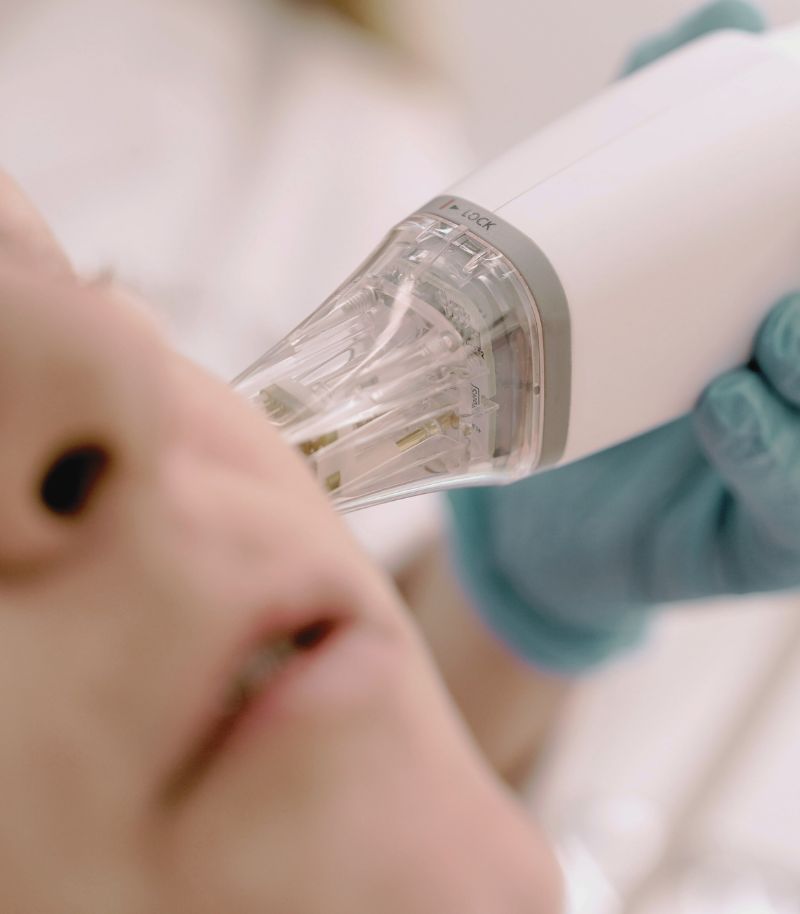
Two technologies in one
This treatment combines the effect of classic radiofrequency and the mechanical effect of needles in a single device. The device delivers energy through an array of microneedles that penetrate the skin at varying depths, depending on the treatment area. The heat generated by radiofrequency induces the contraction of collagen fibres and stimulates the formation of new fibres, resulting in firmer, smoother skin. The micro-injuries caused by the punctures trigger the release of growth factors that accelerate skin regeneration.
Accurate and safe treatment
This procedure does not cause damage to the skin and leaves no scarring, bruising or post-inflammatory hyperpigmentation. It is performed under topical anaesthesia to minimise discomfort and, if necessary, mild sedation may be applied. Its safety and efficacy make it an ideal alternative for patients seeking visible results without disrupting their daily routine.
Rapid recovery without downtime
Unlike other treatments, radiofrequency microneedling allows daily activities to be resumed immediately. After the session, the skin may appear slightly reddened, but this disappears in a few hours, leaving a renewed and healthy appearance.
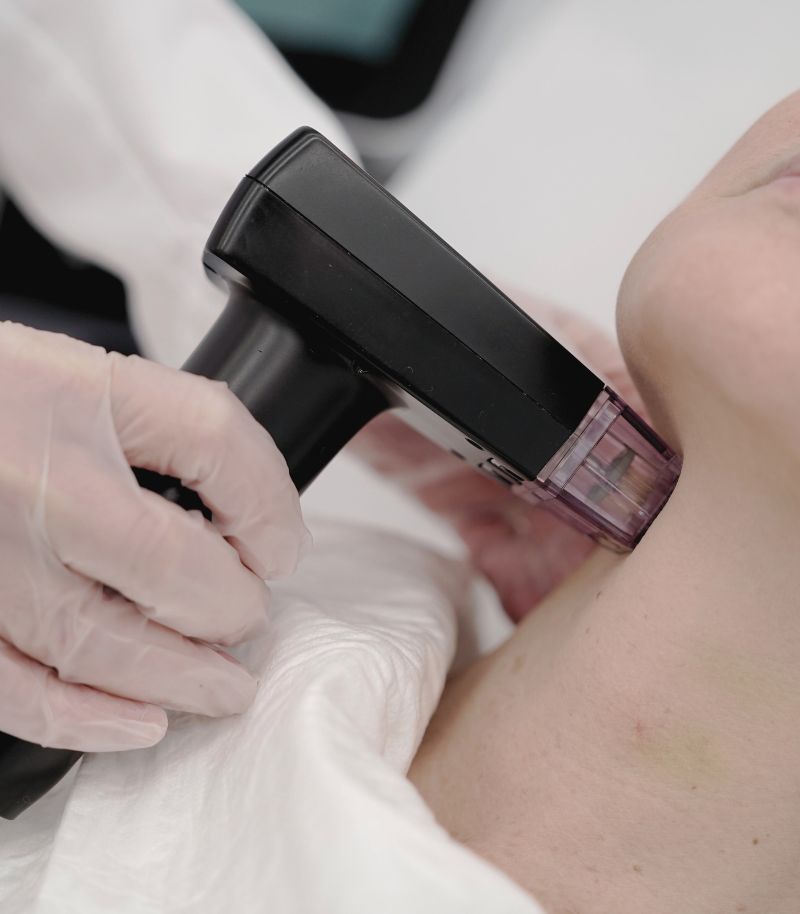
An ally against skin laxity
Currently, no non-surgical treatment is as effective against skin laxity as fractional radiofrequency microneedling. Because it can reach the deepest layers of the dermis, it improves skin structure and redefines contours, resulting in firmer, rejuvenated skin.
Effect on collagen
The heat generated by the radiofrequency penetrates the deep layers of the skin, heating the tissue and stimulating the production of new collagen and elastin. This process of collagen stimulation tightens the skin from within, reducing laxity and improving firmness. In addition, its ability to coagulate subdermal fat helps to improve tone and prevent sagging associated with volume loss.
Results in difficult áreas
Its efficacy is proven in areas particularly prone to flaccidity, such as the neck, abdomen, knees, arms and thighs. It is also one of the most effective treatments for firming the lower third of the face, both on its own and in combination with other treatments for laxity such as collagen stimulators or skin tightening systems, which might be required in cases of advanced sagging.
More information
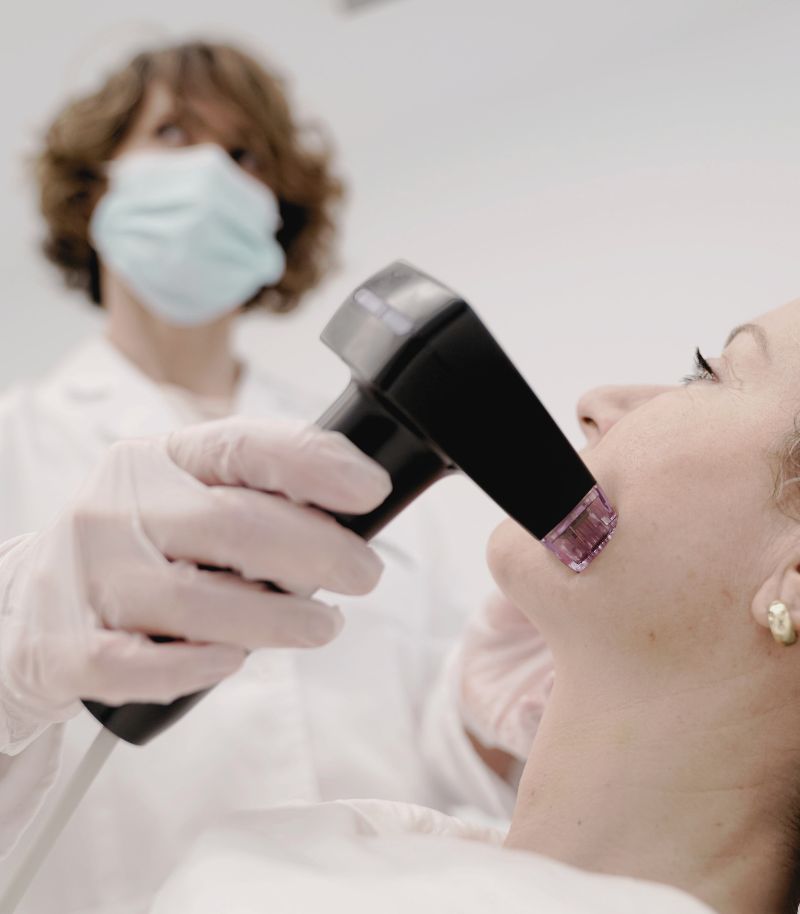
Correction of wrinkles, stretch marks and scars
Radiofrequency microneedling not only combats skin laxity, but also improves the texture and quality of the skin, making it an ideal option for rejuvenating the face and body.
Obvious improvements in the skin Surface
The heat induced by the radiofrequency, combined with the mechanical action of the microneedles, promotes tissue regeneration and improves local microcirculation. This translates into noticeable improvements in the skin surface in the form of fewer wrinkles, smaller pores, and smoother, softer, more luminous and turgid skin with a healthier appearance.
Treatment of stretch marks and scars
This technology is one of the most effective for attenuating scars and acne marks, surgical scars and stretch marks, thanks to its effect on the formation of collagen and elastin and the improvement it induces in the skin surface. In fact, fractional radiofrequency microneedling is part of the combined protocols developed at Grupo Pedro Jaén for acne scars, postpartum recovery and surgical scars.
More information
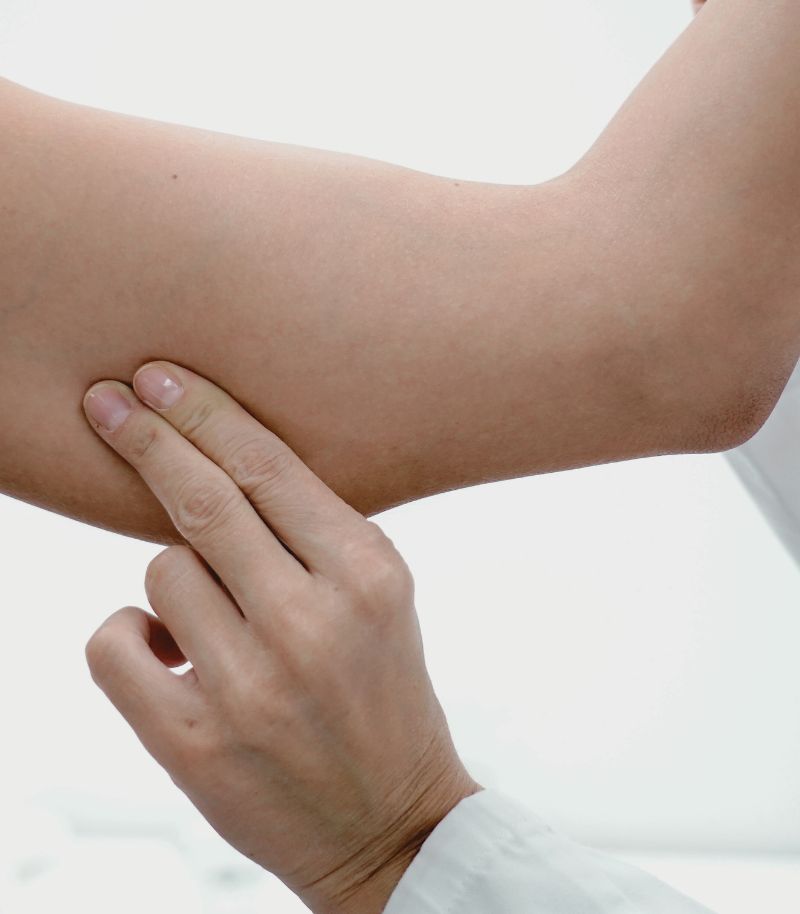
Suitable for face and body
Fractional radiofrequency microneedling is a versatile treatment that adapts to different areas of the body and face, allowing multiple aesthetic problems to be addressed with a single procedure.
Precision in delicate areas
This treatment can be safely applied to sensitive facial areas such as the periocular region, upper lip and nose, improving skin firmness and texture and softening fine lines without the risk of adverse effects.
More information
What it is, how it works, indications and results
A guide to understanding radiofrequency microneedling
Fractional bipolar radiofrequency microneedling is a system designed to stimulate the formation of new collagen and elastin fibres in the deepest layers of the skin. Its mechanism of action is based on the controlled generation of thermal energy in the underlying dermis, promoting the reorganisation of the structures responsible for skin firmness and support. In addition, the action of the microneedling system induces angiogenesis (the formation of new blood vessels), improving local blood circulation and producing a comprehensive anti-ageing effect from within.

How fractional radiofrequency microneedling works
Radiofrequency is a well-established technology in aesthetic treatments, as well as in dermatology and aesthetic medicine in its more advanced forms. It has been used for many years in a wide range of facial and body protocols due to its rejuvenating effects and its non-invasive mode of action.
The improvement in tissue quality and condition achieved with radiofrequency is based on the induction of heat within the skin, which stimulates the production of new collagen and elastin—two key structural proteins that progressively decline with age and other external factors, and which play a fundamental role in skin firmness and quality.
Fractional radiofrequency microneedling represents a more advanced and powerful evolution of this technology. This innovative skin remodelling system combines the benefits of conventional radiofrequency with the action of an array of ultra-fine needles that penetrate the skin to deliver thermal energy at a much deeper dermal level.
Beyond stimulating collagen and elastin production, the goal of this advanced microneedling technique is to activate the skin’s natural tissue regeneration mechanisms triggered by the micro-punctures themselves. This results in a significant improvement in skin quality and a visible reduction in facial and body skin laxity.
In addition, fractional radiofrequency microneedling coagulates subdermal fat and tightens connective tissue, creating a synergistic effect that leads to a more powerful and comprehensive rejuvenation outcome.
This fractional radiofrequency device features multiple applicators with different configurations of gold-coated stainless-steel microneedles. These needle matrices are selected according to the treatment area, as the technology is suitable for both facial and body indications, and allow precise adjustment of penetration depth based on the patient’s needs and treatment objectives.
Thanks to this versatility, the technology can be used for superficial resurfacing treatments aimed at renewing the skin surface, as well as for deeper dermal and subdermal remodelling, reaching even the adipose tissue when required.
Advantages of radiofrequency microneedling
Some of the main advantages and benefits of fractional bipolar radiofrequency microneedling include:
Minimally invasive treatment
One of the most significant advantages of fractional radiofrequency microneedling is that it acts in a minimally invasive manner without damaging the dermis. It is not a surgical procedure, does not carry a risk of post-inflammatory hyperpigmentation, and does not leave scars. The treatment does not require hospitalisation or general sedation. However, topical anaesthesia—suitable for both facial and body treatments—is applied approximately 30 minutes before the procedure to minimise discomfort associated with the microneedles. Because the microneedles act as conductors of thermal energy, bleeding is prevented and the risk of bruising is reduced.
Suitable for facial and body treatments
Radiofrequency microneedling equipment is designed for both facial and body applications. This versatility is achieved through different applicators that adapt to virtually any area requiring skin renewal and quality improvement. It can be used on the face—including small or delicate areas such as the nose, periocular region or upper lip—as well as on larger body areas such as the abdomen, inner arms, thighs or buttocks.
An effective ally against skin laxity
Skin laxity is one of the most common concerns in aesthetic dermatology and medicine, affecting both the face and body. Treatments performed with fractional radiofrequency microneedling have demonstrated high efficacy and excellent results in improving laxity of the arms, facial wrinkles, acne scars, stretch marks, and sagging of the neck, abdomen and knees.
This treatment is suitable for mild, moderate and even advanced skin laxity. In more severe cases, however, it is often necessary to combine radiofrequency microneedling with other procedures, such as resorbable skin tightening systems or permanent sutures, to achieve optimal results.
Improvement in skin quality
Radiofrequency microneedling also produces a progressive improvement in overall skin quality, resulting in firmer, more turgid skin over time. While results are often noticeable within the first few days, they continue to improve as the weeks go by.
Another key advantage of this technology is that it can be safely applied to all skin types, including darker phototypes. Depending on the depth of needle penetration, the procedure is performed under topical or local anaesthesia when deeper treatments are required.
Sessions are carried out on an outpatient basis—typically an average of three sessions spaced six to eight weeks apart, although this may range from one to five sessions depending on the individual case. After treatment, patients are able to return home immediately.
In the days following the procedure, the treated area may appear red and mildly swollen, with small bruises or needle marks. These effects are temporary and resolve progressively within a few days. No specific aftercare is required beyond gentle cleansing, adequate skin hydration and strict photoprotection to prevent hyperpigmentation and prolong the benefits of the treatment.
“In most cases, the best results are achieved by combining different therapeutic options and acting at an early stage.”
Indications for radiofrequency microneedling
Fractional bipolar radiofrequency microneedling has both facial and body aesthetic indications.
Facial radiofrequency
Indications:
- Crow’s feet.
- Forehead and glabellar wrinkles.
- Marionette lines.
- Softening of nasolabial folds.
- Perioral wrinkles (“barcode lines”).
- Periorbital wrinkles.
- Reduction in pore size.
- Improvement in overall skin quality and tone.
- Treatment of acne marks and scars.
- Submental fullness (double chin).
- Neck skin laxity.
Body radiofrequency
Indications:
- Mild to moderate skin laxity of the thighs, knees and abdomen.
- Improvement of white stretch marks.
- Skin redensification and laxity of the buttocks.
Results of this treatment
The results of fractional radiofrequency microneedling are completely natural and begin to be noticeable immediately after treatment, becoming clearly visible after approximately three weeks. The full protocol consists of several sessions spaced six to eight weeks apart. Between one and five sessions may be performed, although an average of three sessions is usually required.
Results continue to improve progressively over the following weeks, with the final outcome generally reached at around three months. The benefits typically last for more than one year after the final session.
Once this period has passed, improvement stabilises. This does not mean that the skin suddenly worsens, but rather that the regenerative effect gradually plateaus.
Aftercare following each session
After a radiofrequency microneedling session, patients only need to follow a few simple aftercare recommendations. These include gentle cleansing and adequate hydration of the treated area, as well as avoiding direct sun exposure.
Daily use of a broad-spectrum sunscreen is strongly recommended throughout the year, preferably with a high protection factor (minimum SPF 30, ideally SPF 50). In addition to reducing the risk of skin cancer, photoprotection helps prevent post-procedural hyperpigmentation, delays the appearance of wrinkles and slows down the ageing process, thereby prolonging and enhancing the aesthetic results of the treatment.
Patients may usually resume wearing makeup one or two days after the procedure.
In the days following treatment, and depending on the depth of microneedle penetration and the radiofrequency parameters used, mild redness and small micro-lesions may be observed. These effects are mild, well tolerated and resolve progressively within a few days after the session.

More information
Below you will find the authorship and references for the information provided on this page:
Authorship and references
The content of this page has been prepared by the Communication Department and the Medical Team of Grupo Pedro Jaén, in line with our editorial commitment to ensuring the accuracy and up-to-date nature of the information provided.
References on radiofrequency microneedling:
1. Tan MG, Jo CE, Chapas A, Khetarpal S, Dover JS. Radiofrequency Microneedling: A Comprehensive and Critical Review. Dermatol Surg. 2021 Jun 1;47(6):755-761. doi: 10.1097/DSS.0000000000002972. PMID: 33577211.
2. Alexiades M. Microneedle Radiofrequency. Facial Plast Surg Clin North Am. 2020 Feb;28(1):9-15. doi: 10.1016/j.fsc.2019.09.013. PMID: 31779946.
3. Bhargava S, Goldust M, Singer H, Negbenebor N, Kroumpouzos G. Evaluating resurfacing modalities in aesthetics. Clin Dermatol. 2022 May-Jun;40(3):274-282. doi: 10.1016/j.clindermatol.2021.01.019. Epub 2021 Feb 2. PMID: 35667824.
4. Dayan E, Chia C, Burns AJ, Theodorou S. Adjustable Depth Fractional Radiofrequency Combined With Bipolar Radiofrequency: A Minimally Invasive Combination Treatment for Skin Laxity. Aesthet Surg J. 2019 Apr 8;39(Suppl_3):S112-S119. doi: 10.1093/asj/sjz055. PMID: 30958550; PMCID: PMC6460431.
5. Magro I, Kochhar A, Arnaoutakis D, Karimi K. Transcutaneous Radiofrequency Microneedling in the Facial Plastic Surgeon’s Practice: A Review. Facial Plast Surg Aesthet Med. 2022 Sep-Oct;24(S1):S3-S10. doi: 10.1089/fpsam.2022.0226. PMID: 36103270.
6. Weiner SF. Radiofrequency Microneedling: Overview of Technology, Advantages, Differences in Devices, Studies, and Indications. Facial Plast Surg Clin North Am. 2019 Aug;27(3):291-303. doi: 10.1016/j.fsc.2019.03.002. Epub 2019 May 22. PMID: 31280844.
7. Alessa D, Bloom JD. Microneedling Options for Skin Rejuvenation, Including Non-temperature-controlled Fractional Microneedle Radiofrequency Treatments. Facial Plast Surg Clin North Am. 2020 Feb;28(1):1-7. doi: 10.1016/j.fsc.2019.09.001. PMID: 31779933.
8. Hong JY, Kwon TR, Kim JH, Lee BC, Kim BJ. Prospective, preclinical comparison of the performance between radiofrequency microneedling and microneedling alone in reversing photoaged skin. J Cosmet Dermatol. 2020 May;19(5):1105-1109. doi: 10.1111/jocd.13116. Epub 2019 Sep 6. PMID: 31490628.
Where we see patients?
Clinics in Madrid
Grupo Pedro Jaén is a medical group founded more than three decades ago with the aim of providing medical, surgical and aesthetic solutions related to skin health and appearance. Led by Dr Pedro Jaén, the group has a highly specialised medical team that covers every area of care with top-level specialists, carries out extensive training activities, is a leader in medical research, and operates several clinics in Madrid, from which it offers the highest standards of care and clinical excellence to all patients.

Calle Serrano 143
This centre is the main headquarters of Grupo Pedro Jaén. It provides diagnostic and treatment services in skin cancer, clinical and aesthetic dermatology, laser treatments and other related specialties.
Mon - Fri: 09:00 - 21:00 / Sat: 09:00 - 14:00
Calle Serrano 143, El Viso neighbourhood, Chamartín district, 28006 Madrid, Spain

La Moraleja
Located in Plaza de La Moraleja, this exclusive centre allows Grupo Pedro Jaén to bring its medical and aesthetic services closer to patients across the entire northern area of Madrid.
Mon - Thu: 09:30 - 20:00 / Fri: 09:30 - 18:00
Calle de la Estafeta 8, ground floor, La Moraleja, 28109 Alcobendas, Madrid, Spain

Calle Serrano 166
This centre currently offers services in body aesthetic medicine, endocrinology, nutrition, complementary aesthetic medicine and post-surgical aesthetic treatments.
Mon - Fri: 09:00 - 21:00 / Sat: 09:00 - 14:00
Calle Serrano 166, El Viso neighbourhood, Chamartín district, 28002 Madrid

Related units and pages
Facial aesthetics
Minimally invasive treatments to improve facial appearance with harmonious and natural-looking results.
Body aesthetics
A personalised approach combining different treatment strategies to address the main body-related concerns.
Male aesthetics
Surgical and aesthetic treatments fully adapted to male facial and body anatomy.
Scars
Fully personalised treatments tailored to the type and specific characteristics of each scar.
Plastic surgery
Treatment of facial and body aesthetic and functional concerns that require a surgical solution.
Complementary aesthetics
Cosmetic and aesthetic treatments that address beauty from a clinical perspective to achieve optimal results.
Information and news
Press room
In the Grupo Pedro Jaén Press Room you can find information, advice and news related to dermatology, aesthetic medicine, trichology and general health. The group’s journals are also shared through an online platform, along with updates on the activity and media appearances of our clinics and healthcare professionals.
How to shower properly: tips for looking after your skin
Cold or hot water? Is it better to use a sponge? Find out how to shower properly and what dermatologists recommend to protect your skin.
Retinol in summer: should you stop using it?
We debunk this and other myths about using retinol during the warmer months.

Blog
News about Grupo Pedro Jaén. Information and advice on dermatology, aesthetic medicine, trichology, and general health

Media
Information about media appearances by our clinics and medical specialists.

Journal
Archive of all Grupo Pedro Jaén journals, available through an external online platform.