
Lymphoedema
At our Madrid clinic on Calle Serrano 166
Specialists in
Treatment of lymphoedema
Grupo Pedro Jaén has extensive experience in the treatment of lymphoedema, a clinical condition that can be mistaken for simple fluid retention, but which is significantly more complex. This disorder requires specialised medical treatment and close monitoring to prevent progression and complications.

Recognised reference clinics in Spain
Home > Other specialties > Lymphology > Lymphoedema
What sets us apart
Advanced and personalised therapies
We take a comprehensive and multidisciplinary approach to the treatment of lymphoedema, combining advanced diagnostic techniques, personalised therapies and cutting-edge technology. Our team of specialists works closely with other medical units to offer comprehensive care, ranging from manual lymphatic drainage to reconstructive surgery in advanced cases. In addition, we incorporate evidence-based treatments such as pressotherapy and vascularised lymph node transfer, supporting functional improvement. Personalised treatment plans and continuous monitoring aim to optimise outcomes and improve quality of life for each patient.
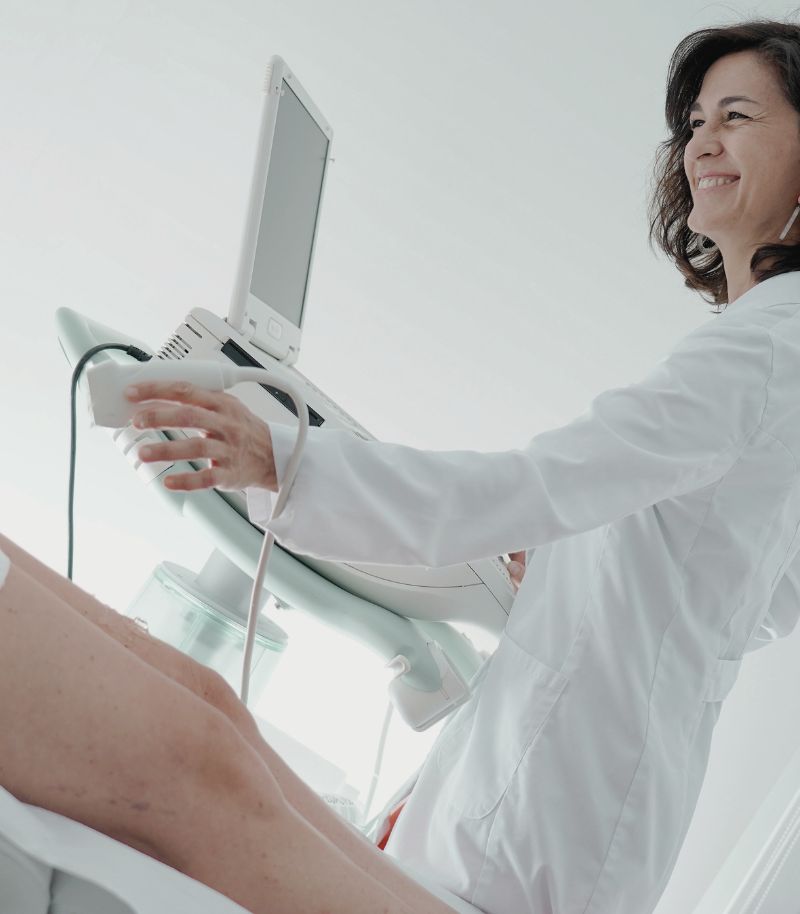
Holistic approach to lymphoedema
Lymphoedema is a chronic condition that requires a multidisciplinary approach to diagnosis and treatment. The Grupo Pedro Jaén Lymphology Unit offers advanced solutions that combine technology, medical expertise and personalised follow-up.
Detailed, personalised diagnosis for each patient
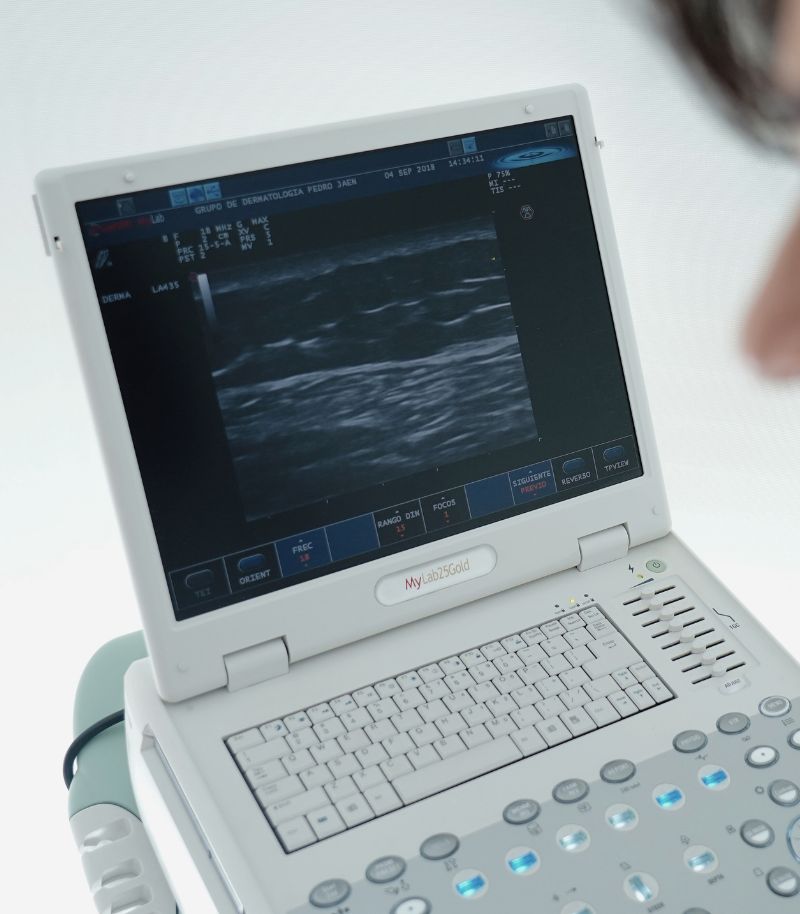
Our specialists carry out a comprehensive assessment including medical history, physical examination and specific tests such as soft tissue ultrasound and lymphoscintigraphy. These studies allow us to determine the extent of the condition and differentiate lymphoedema from other similar disorders, enabling the development of a treatment plan tailored to each patient.
Coordination with other units
The management of lymphoedema requires more than localised treatment and must follow a holistic approach. We therefore work in collaboration with specialists in vascular surgery, endocrinology, aesthetic medicine, nutrition and wellbeing. This multidisciplinary coordination helps improve patient outcomes and quality of life, addressing each case in an integrated manner and minimising long-term complications.
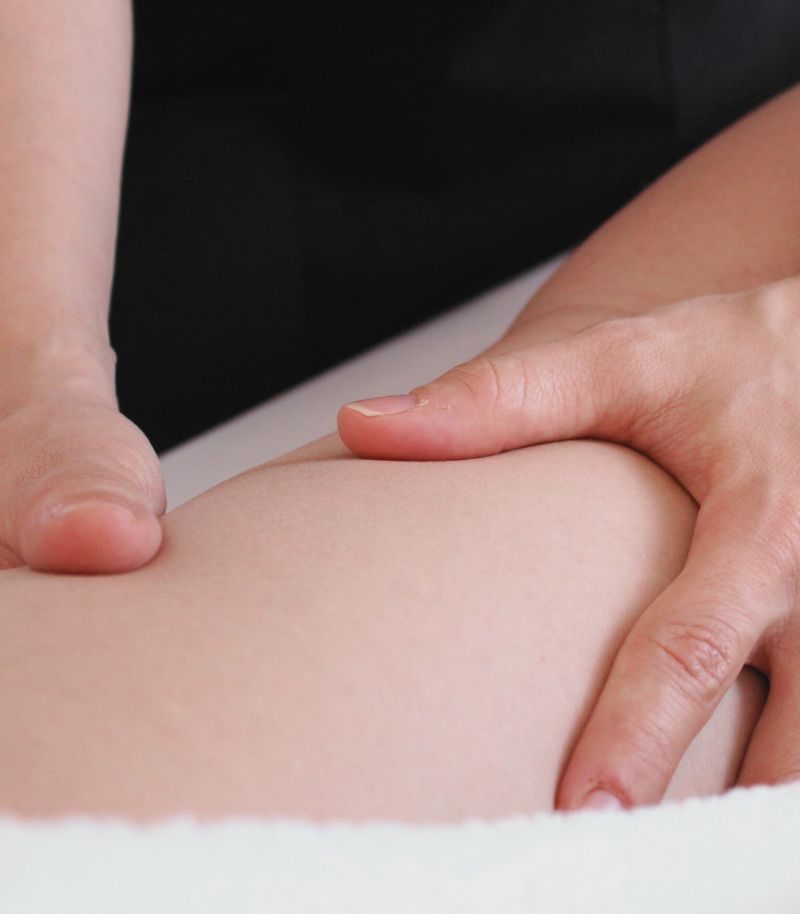
Conservative treatment
Treatment of lymphoedema is based on strategies designed to reduce swelling and improve the functionality of the affected limb. The initial phase focuses on decongestive therapy to control lymphatic fluid accumulation and prevent complications.
Manual lymphatic drainage by specialists
Our lymph therapists apply specialised manual lymphatic drainage techniques that promote the mobilisation of accumulated lymph and improve mobility of the affected area. This treatment helps reduce the sensation of heaviness, improves circulation and decreases inflammation, often providing relief from the very first sessions.
Maintenance and prevention of relapses
Following lymphatic drainage, multilayer bandaging or custom-designed compression garments are applied, which are essential to prevent recurrence of oedema. Correct use of these garments helps stabilise volume reduction in the affected limb and maintain treatment benefits over time. This preventive approach also reduces the risk of complications such as infection or tissue fibrosis.
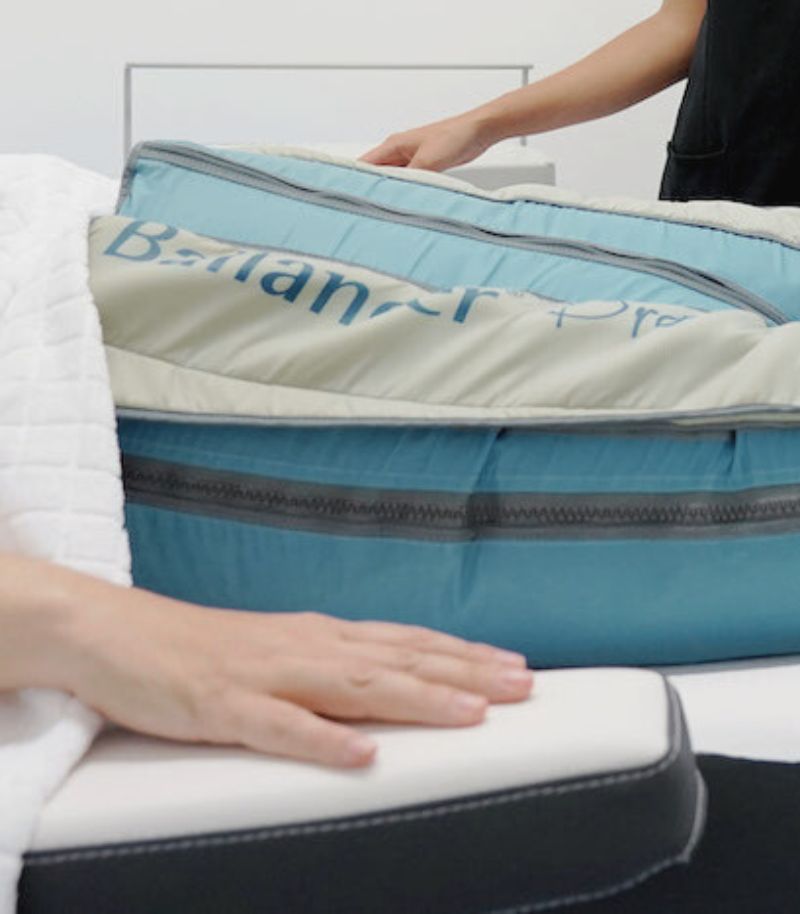
Pressotherapy for mild cases
Pressotherapy is a complementary, non-invasive treatment that supports lymphatic drainage and may be indicated in early or moderate stages of lymphoedema.
Mechanical stimulation to improve lymphatic circulation
This procedure uses sequential air chambers that apply controlled pressure to the affected limb, promoting lymphatic fluid mobilisation. Pressotherapy helps reduce swelling, relieve the sensation of heaviness and improve lymphatic system function, offering a comfortable therapeutic option.
A safe, non-invasive treatment option
Performed under medical supervision, pressotherapy is a painless, non-invasive technique that does not require recovery time. Patients can resume normal daily activities immediately after treatment. As it does not involve medication or surgery, it represents a safe option for symptom relief in selected cases.
Maintenance treatment
Once lymphoedema is under control, ongoing therapeutic measures are essential to prevent relapses and preserve limb function. Maintenance treatment includes compression therapy, specific exercises and personalised professional follow-up.
Personalised compression garments for each patient
Our specialists prescribe and supervise the use of custom-made compression stockings, gloves or sleeves, ensuring optimal fit and comfort. These garments help maintain volume reduction, prevent recurrence of oedema and improve lymphatic circulation, while also reducing the risk of tissue fibrosis.
Active rehabilitation and therapeutic exercises
Management of lymphoedema also relies on guided physical activity. Exercise programmes include specific movements to promote natural lymphatic drainage, improve limb mobility and strengthen musculature. These exercises are adapted to each patient and help reduce heaviness while supporting functional recovery. Ongoing monitoring allows treatment plans to be adjusted according to clinical evolution.
Surgery for advanced cases
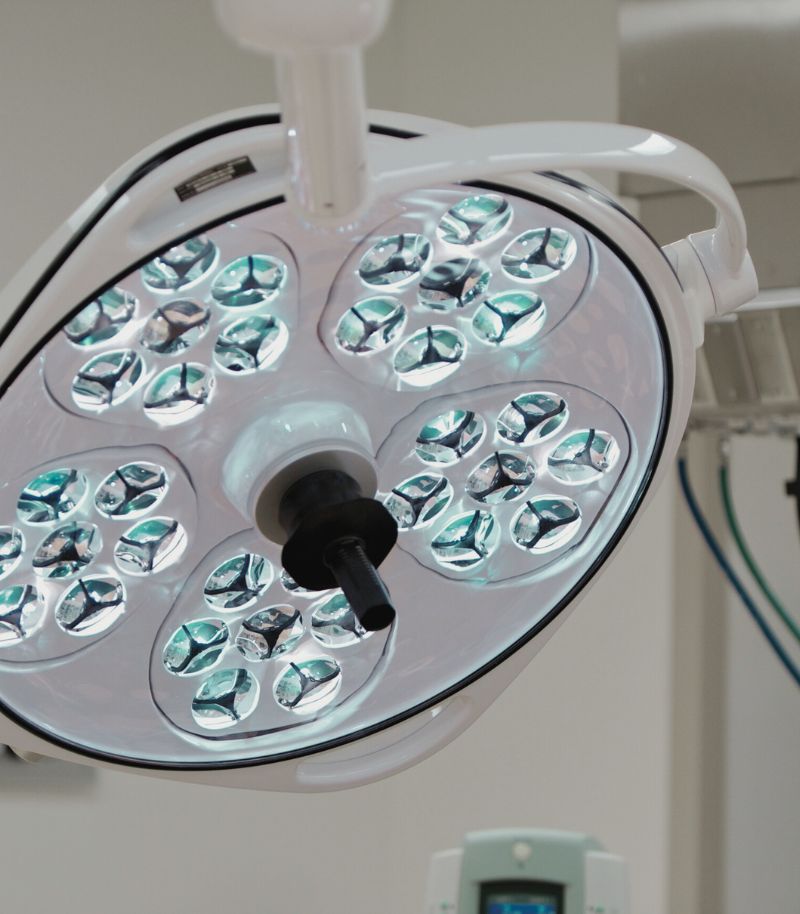
In severe cases of lymphoedema where conservative treatment does not achieve adequate symptom control, surgical options may be considered. Surgery aims to improve lymphatic drainage and restore lymphatic vascular function, reducing chronic swelling and preventing further complications.
Specialists in lymphovenous anastomosis
We have one of the few surgical teams specialised in lymphovenous anastomosis, a technique that redirects lymphatic flow into functional veins to create new drainage pathways. This procedure may be appropriate in selected patients with advanced lymphoedema and can lead to significant improvements in limb function and quality of life.
Lymph node transposition
This procedure involves transferring healthy lymph nodes to the affected area to help restore lymphatic function. Known as vascularised lymph node transfer, this highly specialised technique reduces chronic oedema and improves lymphatic drainage capacity. It has shown favourable outcomes in advanced cases, particularly when lymphoedema is related to previous surgery or cancer treatment.
Lymphoedema in cancer patients
Lymphoedema may develop as a complication of cancer treatments such as lymph node removal or radiotherapy and can significantly affect quality of life. Our unit approaches this condition through a comprehensive strategy combining medical and supportive therapies.
Multidisciplinary approach
We work closely with the Oncology Aesthetics Unit to provide comprehensive care addressing both medical needs and physical changes associated with lymphoedema. This coordinated approach helps patients recover limb function and supports emotional wellbeing following oncological treatment.
Prevention and control of associated complications
Specialised monitoring is essential to prevent infections, skin alterations and other complications related to secondary lymphoedema. Through early detection and preventive strategies, we reduce the risk of cellulitis, ulceration and mobility limitations. In addition, we provide personalised education and counselling to support long-term condition management and maintain quality of life.
Symptoms, diagnosis and treatment
A guide to understanding lymphoedema
Lymphoedema is a medical condition caused by the accumulation of lymphatic fluid in different parts of the body, most commonly in the limbs, although it may also affect the neck, face, trunk, abdomen or genital region. Lymph is a protein-rich fluid that transports lymphocytes and fats and plays an essential role in maintaining fluid balance and supporting the immune system, which protects the body against infection.
Under normal conditions, lymph circulates and drains through the lymphatic system. However, when this transport system fails, lymph accumulates in the tissues, leading to an increase in volume of the affected limb or body area.
Lymphoedema is often mistakenly considered a condition that mainly affects women. In reality, it can occur in both men and women. It is more common in older individuals, in people with excess body weight, and in patients with inflammatory diseases such as psoriasis or rheumatoid arthritis.

Causes, symptoms and complications
Lymphoedema develops when the lymphatic system is unable to drain lymph effectively. This failure of lymphatic drainage may be due to primary causes, such as congenital abnormalities in the anatomy or function of the lymphatic system, which may become apparent at different stages of life depending on the underlying cause, or secondary causes, meaning it occurs as a consequence or side effect of other diseases or their treatments (for example, oncological therapies for breast cancer, gynaecological cancers, prostate cancer or skin cancer).
Causes of lymphoedema
Worldwide, the most common cause of secondary lymphoedema is filariasis, a parasitic disease that primarily affects populations in developing countries.
In our setting, the most frequent causes include:
Oncological surgery
Some cancer treatments require the removal of lymph nodes (lymphadenectomy) in areas such as the axillae, groin or abdominal cavity. This procedure is one of the most significant risk factors for developing lymphoedema and the risk increases in proportion to the number of lymph nodes removed. It most commonly affects patients who undergo lymph node removal in the groin or axilla, leading to lymphoedema of the legs or arms, respectively.
Fortunately, the risk of developing lymphoedema following lymphadenectomy has been significantly reduced with the introduction of sentinel lymph node biopsy. This technique involves identifying and removing only the lymph node or nodes most likely to be affected by the tumour. Depending on the histopathological results, a decision is then made on whether further lymph node removal is necessary.
Radiotherapy to lymph node chains
Radiotherapy used in certain cancer treatments can damage lymph nodes and lymphatic vessels, impairing their filtering and drainage function. This damage may ultimately result in lymphoedema.
Pharmacological cancer treatment
Some chemotherapy agents, such as taxanes used in breast cancer treatment, increase the risk of developing lymphoedema, which may be temporary or persistent.
Obesity
Recurrent bacterial infections
Chronic venous insufficiency
Lymphoedema secondary to chronic venous insufficiency, caused by overload of the venous system, is known as phlebolymphoedema. In patients with phlebolymphoedema, trophic skin changes and chronic ulcers may develop, often accompanied by recurrent infections.
Symptoms of lymphoedema
Some of the most characteristic signs and symptoms of lymphoedema include:
- A sensation of swelling due to excessive and visible accumulation of lymph in the affected area. Lymphoedema of the arms or legs may also involve the fingers or toes.
- A feeling of discomfort and heaviness in the affected limb. This is the symptom most commonly reported by patients. It is important for the specialist to carefully assess this sensation and distinguish it from pain, as pain is not a typical feature of lymphoedema. If true pain is present, other causes should be investigated.
- Numbness in the swollen area.
- Reduced range of movement in the affected limb.
- Skin changes. Lymphoedema may alter skin colour and texture, often causing a feeling of tightness. In advanced stages, fatty tissue accumulation and fibrosis occur, resulting in thickened, firm skin.
Associated complications
Lymphoedema may lead to the following complications:
Skin infections
The accumulation of lymphatic fluid creates an environment that favours the growth of microorganisms, increasing the risk of infections such as cellulitis, erysipelas or lymphangitis following even minor skin injuries. Fungal infections (mycoses) may also occur, particularly in moist areas such as the groin or between the toes.
Skin alterations
These include papilomatosis (the formation of usually benign papillary lesions on the skin surface), hyperkeratosis (excessive thickening of the outer skin layer due to keratin accumulation), and lymphangiectasia (the appearance of vesicles on the skin caused by abnormalities in lymphatic vessels).
Lymphorrhoea
In the most severe cases of lymphoedema, lymphorrhoea may develop, characterised by leakage of lymph through lesions that form on the skin surface.
Lymphangiosarcoma
This rare but serious condition, known as Stewart–Treves syndrome, is a form of lymphatic cancer that, although uncommon, must be considered due to its severity.
Diagnosis of lymphoedema
To determine whether a patient has lymphoedema, a thorough assessment is required for every individual who presents with fluid accumulation or changes in body contour. This initial evaluation is essential to establish an accurate medical diagnosis and to differentiate lymphatic oedema from venous oedema, determine whether swollen legs are due to circulatory problems or lymphatic fluid retention, or identify pathological fat accumulation.
Each condition requires a specific and individualised treatment approach to achieve the best possible outcomes in terms of effectiveness and safety.
During the medical consultation, a comprehensive patient assessment is performed and a detailed medical history is taken, including family history, underlying conditions and risk factors that may contribute to lymphoedema.
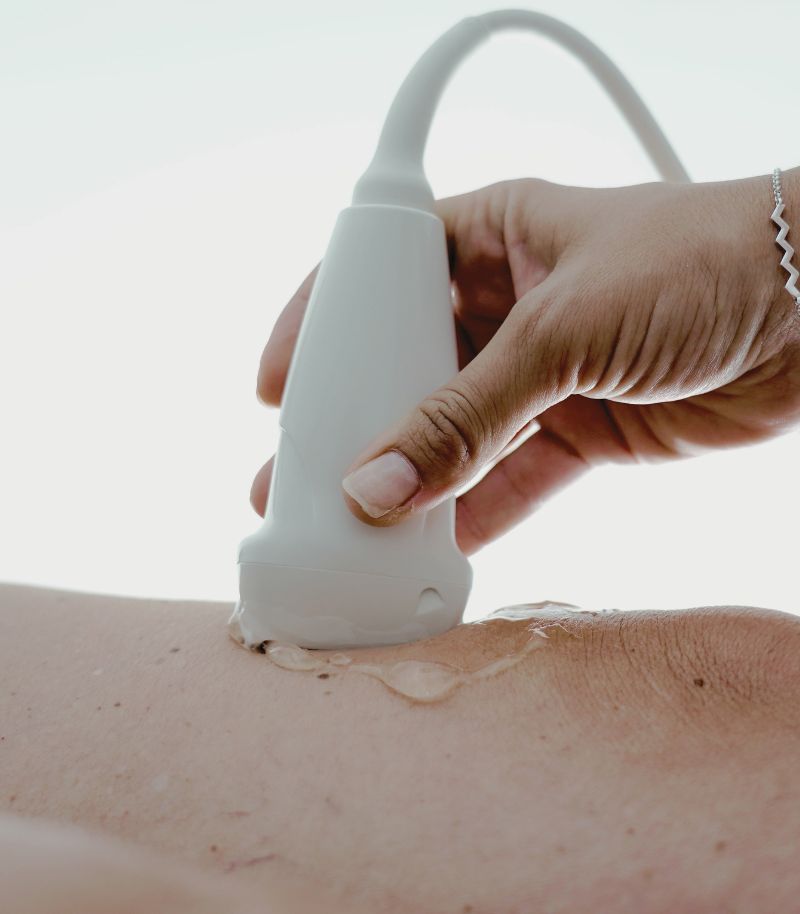
A complete physical examination is also carried out, including circumferential measurements and soft tissue ultrasound to assess tissue characteristics, measure adipose layer thickness, and evaluate the presence of oedema or fluid accumulation.
In selected cases, depending on clinical findings and specialist judgement, additional investigations may be requested, such as comprehensive blood tests, imaging studies (magnetic resonance imaging), or lymphoscintigraphy—a nuclear medicine test that provides information about lymphatic system function.
When necessary, vascular surgeons at Grupo Pedro Jaén complete this evaluation with a detailed assessment of the circulatory system.
“In general, the best outcomes are achieved by combining different therapeutic options and initiating treatment at an early stage”
Treatment of lymphoedema
Lymphoedema may develop for different reasons, and its treatment must be adapted to each individual case:
Conservative treatment
Conservative management of lymphoedema, known as decongestive therapy, consists of a combination of daily skin care measures that patients must incorporate into their routine, together with different procedures that must be prescribed and medically supervised, as there are important contraindications in certain situations.
Manual lymphatic drainage
Manual lymphatic drainage is a specialised massage technique that facilitates lymphatic drainage and helps relieve fluid retention. In patients with lymphoedema, this technique must be performed by expert lymph therapists with specific training in lymphatic disorders.
Compression bandaging
Following manual lymphatic drainage sessions, multilayer or multicomponent compression bandages are usually applied to the treated area to prevent reaccumulation of lymphatic fluid.
Pressotherapy
In milder cases, or as a complementary treatment to manual lymphatic drainage, pressotherapy may be used. This technique involves a device connected to inflatable garments with a system of air chambers that apply controlled pressure to the body surface, typically from the ankle up to the abdomen.
More information about pressotherapy.
Compression garments
During the maintenance phase, compression therapy is a key component of treatment. The specialist in lymphoedema may prescribe compression sleeves, gloves or stockings specifically designed to reduce or contain oedema. These garments are custom-made in specialised orthopaedic centres and are fitted during the medical consultation to ensure proper adjustment.
Exercise
Rehabilitation specialists may prescribe specific exercise programmes designed to promote lymphatic drainage and improve mobility of the limb affected by lymphoedema.
Management of overweight and obesity
Patients with lymphoedema who are overweight may be referred to the Endocrinology and Nutrition Unit at Grupo Pedro Jaén, where they receive support to achieve weight loss in a safe and sustainable manner.
Surgery
Surgical options are available for severe cases of lymphoedema. These include procedures such as vascularised lymph node transfer or lymphatic–venous bypass, which aim to redirect lymphatic drainage towards unobstructed physiological pathways. Surgical treatment is indicated only in highly selected cases and must be assessed jointly with the plastic and vascular surgeons at Grupo Pedro Jaén.

More information
Below are the authorship details and references supporting the information provided on this page:
Authorship and references
The content of this page has been prepared by the Communication Department and the Medical Team of Grupo Pedro Jaén, in line with our editorial commitment to ensuring the accuracy and up-to-date nature of the information provided.
References on lymphoedema and its treatment:
1. Grada AA, Phillips TJ. Lymphedema: Pathophysiology and clinical manifestations. J Am Acad Dermatol. 2017 Dec;77(6):1009-1020. doi: 10.1016/j.jaad.2017.03.022. PMID: 29132848.
2. Vignes S. Les lymphœdèmes : du diagnostic au traitement [Lymphedema: From diagnosis to treatment]. Rev Med Interne. 2017 Feb;38(2):97-105. French. doi: 10.1016/j.revmed.2016.07.005. Epub 2016 Aug 31. PMID: 27591818.
3. Grada AA, Phillips TJ. Lymphedema: Diagnostic workup and management. J Am Acad Dermatol. 2017 Dec;77(6):995-1006. doi: 10.1016/j.jaad.2017.03.021. PMID: 29132859.
4. Warren AG, Brorson H, Borud LJ, Slavin SA. Lymphedema: a comprehensive review. Ann Plast Surg. 2007 Oct;59(4):464-72. doi: 10.1097/01.sap.0000257149.42922.7e. PMID: 17901744.
5. Döller W. Das Lymphödem – Anatomie, Physiologie und Pathophysiologie des Lymphödems, Definition und Klassifizierung des Lymphödems und lymphatischer Gefäßmalformationen [Lymphedema: anatomy, physiology and pathophysiology of lymphedema, definition and classification of lymphedema and lymphatic vascular malformations]. Wien Med Wochenschr. 2013 Apr;163(7-8):155-61. German. doi: 10.1007/s10354-013-0201-9. Epub 2013 Apr 18. PMID: 23595137.
6. Rockson SG. Lymphedema. Am J Med. 2001 Mar;110(4):288-95. doi: 10.1016/s0002-9343(00)00727-0. PMID: 11239847.
7. Bernas M, Thiadens SRJ, Smoot B, Armer JM, Stewart P, Granzow J. Lymphedema following cancer therapy: overview and options. Clin Exp Metastasis. 2018 Aug;35(5-6):547-551. doi: 10.1007/s10585-018-9899-5. Epub 2018 May 17. PMID: 29774452.
8. Bittar S, Simman R, Lurie F. Lymphedema: A Practical Approach and Clinical Update. Wounds. 2020 Mar;32(3):86-92. PMID: 32163039.
9. Depairon M, Lessert C, Tomson D, Mazzolai L. Lymphœdème primaire [Primary lymphedema]. Rev Med Suisse. 2017 Dec 6;13(586):2124-2128. French. PMID: 29211371.
Where we see patients?
Centre in Madrid
Grupo Pedro Jaén has several centres located in Madrid and also offers the option of online consultations. The main headquarters is located on Calle Serrano and provides all medical specialties except trichology, which is offered at the Calle Cinca clinic, just a few minutes’ walk away. For patients in the northern area of Madrid, the group also has a clinic in La Moraleja, where most specialties are available.


Calle Serrano 166
This centre currently offers services in body aesthetic medicine, endocrinology, nutrition, complementary aesthetic medicine and post-surgical aesthetic treatments.
Address and contact
Located a five-minute walk from the Nuevos Ministerios transport interchange and close to one of the most vibrant commercial areas in Spain, the Golden Mile and Serrano Street.
Mon - Fri: 09:00 - 21:00 / Sat: 09:00 - 14:00
Calle Serrano 166, El Viso neighbourhood, Chamartín district, 28002 Madrid
Related units and pages
Lymphology Unit
Comprehensive diagnosis and treatment of lymphatic system disorders with a multidisciplinary team.
Lipoedema
Diagnosis and comprehensive management of this condition characterised by abnormal fat distribution.
Body aesthetics
A personalised approach combining different treatment strategies to address the main body-related concerns.
Information and news
Press room
In the Grupo Pedro Jaén Press Room you can find information, advice and news related to dermatology, aesthetic medicine, trichology and general health. The group’s journals are also shared through an online platform, along with updates on the activity and media appearances of our clinics and healthcare professionals.

How to shower properly: tips for looking after your skin
Cold or hot water? Is it better to use a sponge? Find out how to shower properly and what dermatologists recommend to protect your skin.

Retinol in summer: should you stop using it?
We debunk this and other myths about using retinol during the warmer months.

Blog
News about Grupo Pedro Jaén. Information and advice on dermatology, aesthetic medicine, trichology, and general health

Media
Information about media appearances by our clinics and medical specialists.

Journal
Archive of all Grupo Pedro Jaén journals, available through an external online platform.