
Gynaecology units
At our clinics in Madrid: Calle Vitruvio, 27 and La Moraleja
Specialists in
Clinical and aesthetic gynaecology
The Gynaecology Unit at Grupo Pedro Jaén is led by Dr Virginia Engels, a recognised specialist in Gynaecology, Obstetrics and Assisted Reproduction. The Unit was established with the aim of providing comprehensive care for women’s health, addressing clinical assessment, diagnosis, surgery and gynaecological aesthetic treatments related to the female reproductive system at every stage of life. From routine gynaecological check-ups to menopause, including preconception care, pregnancy and childbirth, the Unit offers an integrated approach tailored to each patient’s needs. For this reason, the most innovative treatments and minimally invasive techniques have been incorporated into its practice.

Recognised reference clinics in Spain
Home > Other specialties > Gynaecology
What sets us apart
Multidisciplinary approach and cutting-edge technology
Our unit is recognised for its multidisciplinary approach and the use of advanced technology to deliver accurate diagnoses and personalised treatments. We employ innovative techniques such as 3D transvaginal ultrasound and 3D HyFoSy, as well as minimally invasive surgery to support faster recovery. In addition, we address gynaecological aesthetics and breast health through regenerative and reconstructive treatments designed to improve quality of life. The combination of clinical expertise, innovation and a holistic approach allows us to provide effective and safe solutions at every stage of a woman’s life.
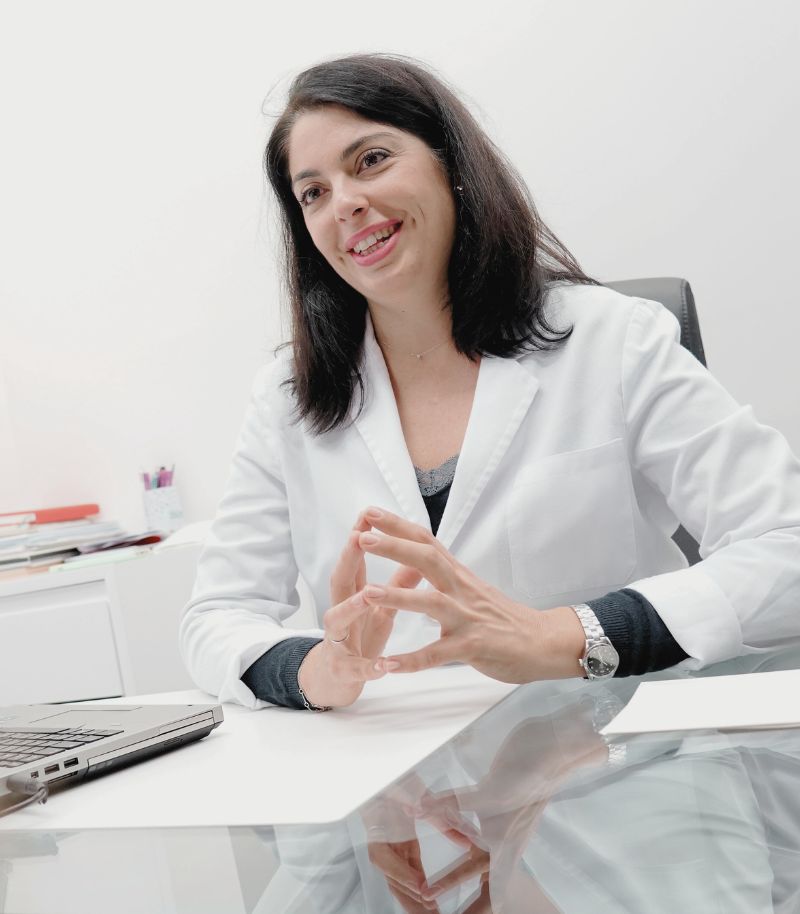
At all stages of life
Our unit offers comprehensive and personalised gynaecological care from adolescence to menopause. Our multidisciplinary team combines medical expertise with advanced technology to deliver solutions tailored to each patient’s age, needs and clinical situation.
Gynaecological check-ups and disease prevention: We carry out regular check-ups aimed at early detection of gynaecological conditions, as well as management of hormonal disorders, fertility counselling and pregnancy monitoring. Care is always individualised, ensuring a preventive and therapeutic approach based on the most up-to-date medical evidence.
Menopause-specific care: We offer innovative solutions for genitourinary syndrome of menopause, including CO₂ laser treatments, regenerative medicine, radiofrequency and other advanced therapies that help restore intimate health and improve quality of life. Our approach also considers emotional wellbeing alongside physical symptoms, supporting women through this stage with confidence, safety and a comprehensive medical perspective.
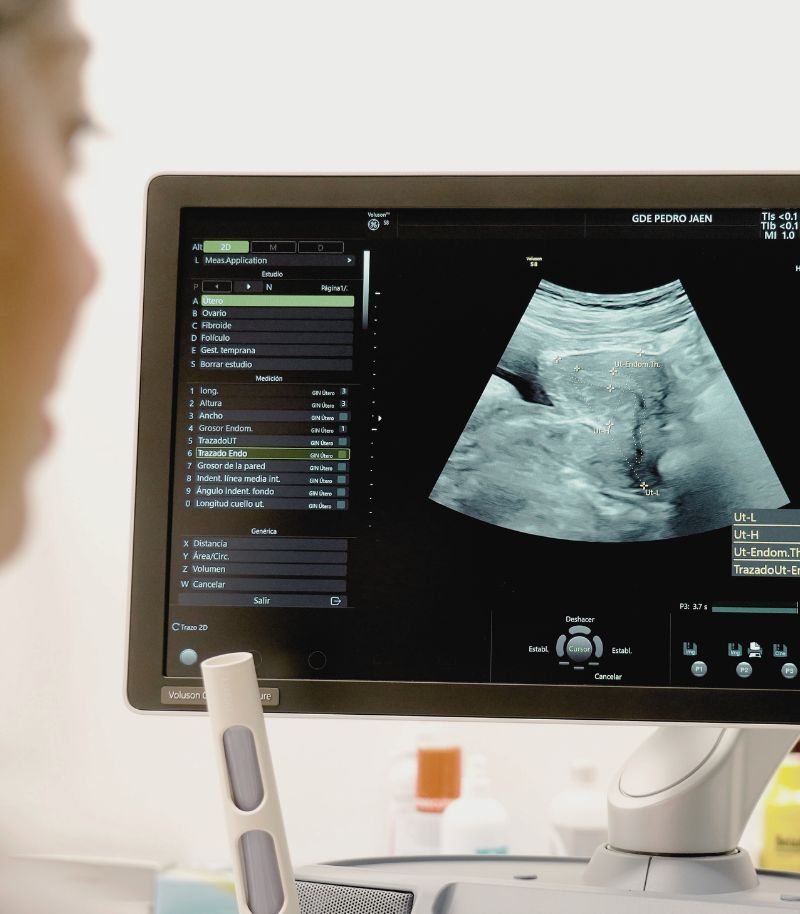
Advanced gynaecological diagnosis
Our state-of-the-art diagnostic tools allow for safer and more accurate assessment of gynaecological conditions. The combination of advanced technology and specialist expertise positions our unit as a reference centre for both routine and complex gynaecological diagnosis.
3D transvaginal ultrasound for detailed assessment:
This non-invasive technique enables precise detection of uterine abnormalities such as fibroids or malformations, offering greater accuracy than conventional ultrasound. Its high resolution improves diagnostic efficiency while minimising patient discomfort and reducing the need for additional tests.
3D HyFoSy: advanced fertility assessment
3D HyFoSy is an innovative technique used to assess tubal patency without radiation exposure. It is particularly suitable for women undergoing fertility evaluation. Its diagnostic accuracy and favourable safety profile make it a reliable alternative to conventional methods, allowing detection of tubal obstruction quickly and effectively.
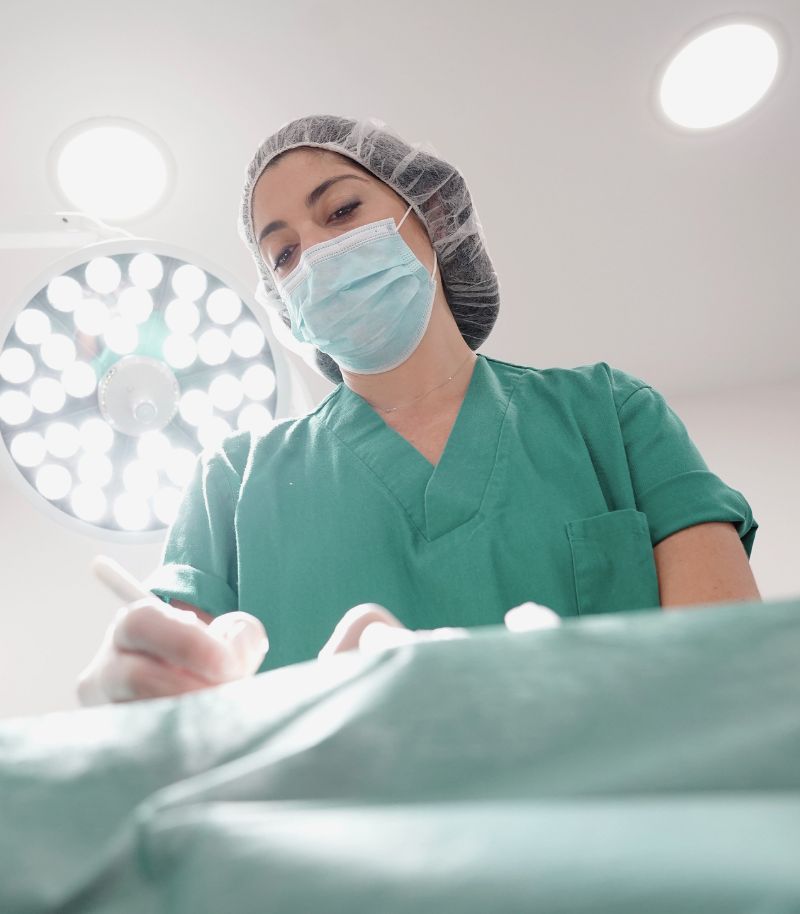
Minimally invasive surgery
Our unit specialises in advanced surgical procedures designed to ensure faster recovery and minimal tissue trauma. We prioritise minimally invasive techniques whenever possible, achieving excellent clinical and functional outcomes.
Laparoscopy and mini-laparotomy for precise surgery: These techniques allow treatment of conditions such as ovarian cysts, endometriosis and fibroids through small incisions, reducing recovery time and visible scarring. They provide a safe and effective alternative to more invasive approaches, enabling patients to return to daily activities sooner.
Hysteroscopy for outpatient treatment
Hysteroscopy enables diagnosis and treatment of intrauterine conditions—such as polyps and fibroids—in a single procedure, without hospital admission. Its minimally invasive nature allows rapid recovery, minimal discomfort and no external scarring, significantly improving patient experience and quality of life.
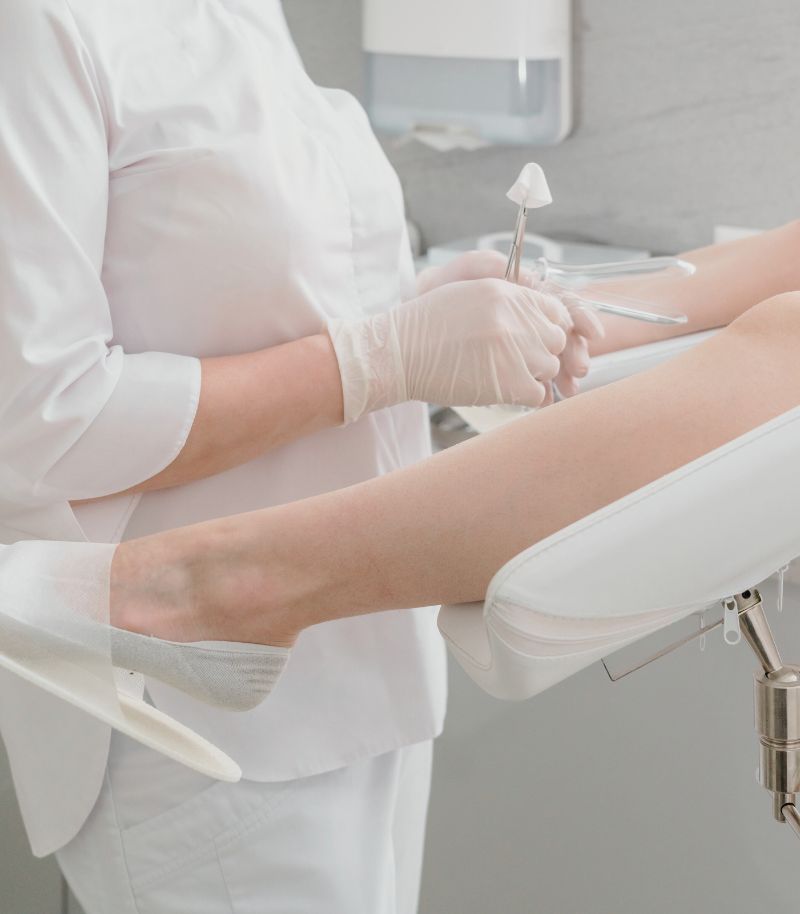
Aesthetic and functional gynaecology
Gynaecological wellbeing extends beyond reproductive health. Our unit addresses functional and aesthetic concerns that may affect quality of life, offering personalised solutions supported by advanced regenerative technologies.
Laser and radiofrequency vaginal rejuvenation: These non-invasive treatments stimulate collagen production, improving vaginal elasticity and firmness. They may relieve symptoms such as vaginal dryness, laxity and mild urinary incontinence, delivering lasting results without surgery.
Improvements in sexual health and quality of life: We treat conditions such as anorgasmia and genitourinary syndrome using regenerative techniques that support tissue health and function. Our holistic approach helps women regain confidence and improve intimate wellbeing, with positive physical and emotional outcomes often noticeable after just a few sessions.
More information
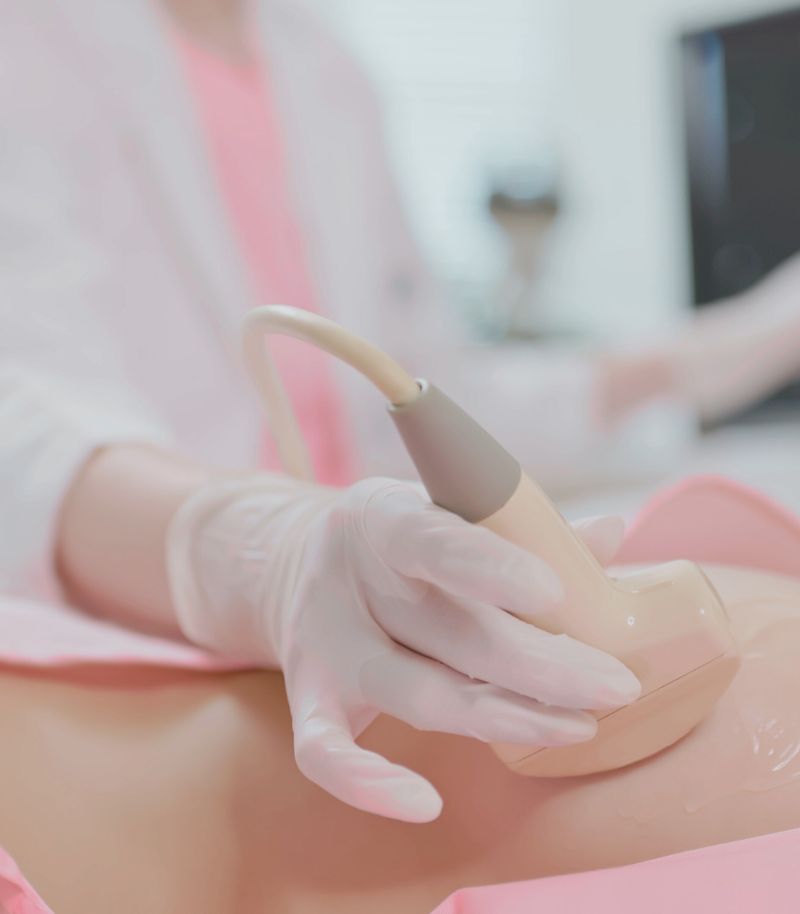
Breast Unit
Our Breast Unit offers a multidisciplinary approach, combining gynaecology and plastic surgery to provide personalised medical and aesthetic breast care. Advanced diagnostic tools and modern surgical techniques ensure accurate assessment and optimal treatment.
Innovative techniques for breast reconstruction
We perform autologous breast reconstruction using the patient’s own tissue, achieving natural-looking results and supporting effective recovery. These techniques are particularly valuable following oncological surgery or corrective aesthetic procedures.
Specialised management of breast conditions
From diagnosis of benign breast disease to surgical management of breast cancer, we provide comprehensive care with personalised follow-up. Close collaboration with oncology and plastic surgery specialists ensures a coordinated approach focused on both physical recovery and emotional wellbeing.
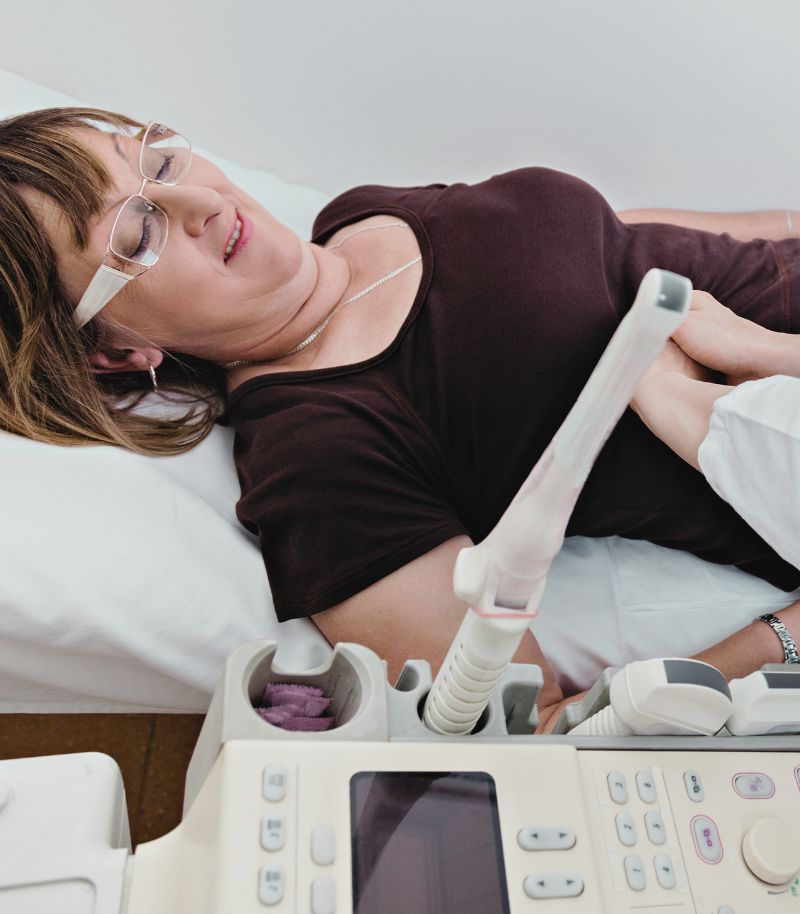
Menopause care
Menopause represents a significant transition that benefits from a holistic medical approach. Our unit offers advanced treatments aimed at managing symptoms related to hormonal change and enhancing overall quality of life.
Advanced treatments for genitourinary syndrome
CO₂ laser therapy, radiofrequency and mesotherapy are used to address vaginal dryness, loss of elasticity and recurrent infections. These treatments stimulate tissue regeneration and can lead to significant symptom relief with a good safety profile.
Holistic support for a fulfilling menopause
Beyond physical treatment, we offer multidisciplinary support including nutritional guidance, emotional care and lifestyle strategies. Our goal is to help each woman navigate menopause with confidence, safety and access to appropriate, evidence-based treatments, supporting physical, hormonal and emotional wellbeing.
Comprehensive approach
A guide to understanding gynaecological care
Grupo Pedro Jaén is committed to a comprehensive approach to gynaecology, with the aim of ensuring that each patient’s needs and concerns related to gynaecological health are fully addressed. For this reason, the unit manages conditions and disorders related to clinical and aesthetic gynaecology, reproduction and gynaecological surgery, among others.
Clinical gynaecology
The Grupo Pedro Jaén Gynaecology Unit is based on the principle that regular gynaecological check-ups are an essential part of a woman’s health care plan. When performed annually, these check-ups play a key role in cervical cancer screening through cervical cytology (Pap test) and testing for the Human Papillomavirus (HPV).
In addition, transvaginal ultrasound performed as part of routine gynaecological assessment allows screening for diseases and abnormalities of the internal female genital tract, as well as diagnosis of ovarian and uterine conditions. This is complemented by the early detection of breast cancer through a complete breast examination and the prescription of appropriate imaging studies when indicated.
During these visits, the most common gynaecological conditions affecting women of reproductive age are assessed, along with menstrual disorders, hormonal imbalances and other issues associated with infertility or dermatological conditions such as alopecia, hirsutism or acne. For this reason, the Gynaecology Unit works closely with other specialised units, including Body Aesthetic Medicine, Acne, Trichology and Hair Transplantation, and Endocrinology, among others.
Diagnostic techniques
3D transvaginal ultrasound
For several years now, 3D transvaginal ultrasound has been considered more effective than conventional ultrasound for gynaecological diagnosis. It allows more accurate identification and classification of uterine abnormalities such as septate uterus, bicornuate uterus or unicornuate uterus, as well as precise assessment of the presence, shape and size of fibroids within the endometrium—factors that can be decisive in achieving pregnancy and carrying it to term.
In addition, 3D transvaginal ultrasound is a fast and easy procedure to perform and is less uncomfortable than hysteroscopy, the test traditionally used to visualise the interior of the uterine cavity. Hysteroscopy involves the introduction of a hysteroscope that transmits images to a video monitor and may require the instillation of gas or fluid into the uterus to allow adequate visualisation of the entire cavity.
Furthermore, transvaginal ultrasound does not require the patient to have a full bladder, a discomforting requirement that often delays conventional 2D ultrasound examinations. A medical report can also be prepared during the same visit, further streamlining the diagnostic process.
For all these reasons, 3D transvaginal ultrasound has become the technique of choice for the assessment of uterine malformations. It is a completely painless and rapid procedure that allows immediate reporting during the same appointment.
HyFoSy-3D
Hysterosalpingo-foam sonography (3D HyFoSy) represents one of the most significant advances in gynaecological diagnostics in recent years. Its effectiveness, safety and—above all—its painless nature have led national and international scientific societies to recommend it over conventional techniques. The Grupo Pedro Jaén Gynaecology Unit is one of the few private centres in Madrid where this technique is available to patients.
What does 3D HyFoSy involve?
Contrast-enhanced sonohysterosalpingography is an imaging test used to obtain a precise representation of the morphology of the uterine cavity and the Fallopian tubes. 3D HyFoSy essentially consists of introducing a small cannula through the cervix, through which a stabilised foam is instilled to fill both the uterine cavity and the Fallopian tubes. This foam remains stable for approximately five minutes and is then naturally reabsorbed.
One of its major advantages is that it does not require iodinated contrast agents, which may cause allergic reactions. The foam used at Grupo Pedro Jaén is made from a combination of cellulose gel and glycerol mixed with air bubbles and purified water, and does not cause allergic or adverse reactions.
By contrast, conventional hysterosalpingography uses ionising radiation—an important consideration when imaging the pelvis of women who are trying to conceive and planning a future pregnancy.
Indications for 3D HyFoSy
- Tubal patency: Assessment of Fallopian tube patency is essential in assisted reproduction processes when investigating possible causes of female infertility. Contrast-enhanced sonohysterosalpingography is recommended in patients undergoing assisted reproduction whose male partners have a semen analysis indicating sperm suitable for insemination.
If the semen analysis shows significant sperm abnormalities, tubal status is less relevant, as patients are usually referred directly for in vitro fertilisation (IVF). - Uterine malformations. Uterine malformations: Because this technique provides highly accurate assessment of the uterine cavity, gynaecologists with access to 3D transvaginal ultrasound—such as those at the Grupo Pedro Jaén Gynaecology Unit—can also use it to detect and evaluate morphological anomalies such as a unicornuate uterus or a uterine septum.
In this context, 3D HyFoSy provides a much more precise image of the uterine cavity and its structures than conventional hysterosalpingography. Its diagnostic accuracy is comparable to that of magnetic resonance imaging (MRI), but often at a lower cost.

Gynaecological surgery
At the Grupo Pedro Jaén Gynaecology Unit, we prioritise the most advanced surgical techniques and, whenever possible, the least invasive options. This approach allows us to achieve optimal medical results while preserving aesthetics and ensuring a faster recovery for our patients.
- Laparoscopy: An endoscopic technique that enables highly complex gynaecological surgery with excellent aesthetic outcomes and shorter postoperative recovery. Access to the abdominal cavity is achieved through very small incisions, allowing procedures to be performed with optimal medical, aesthetic and functional results. The most common laparoscopic gynaecological surgeries include ovarian cyst removal, hysterectomy (uterus removal) and fibroid surgery.
- Hysteroscopy: An endoscopic technique that allows direct visualisation of the inside of the uterus using a small camera. During the same procedure, it enables both diagnosis and treatment of the most common uterine cavity conditions, using image guidance to achieve greater precision. Through hysteroscopy, we can treat polyps, fibroids and uterine malformations such as septate uterus or T-shaped uterus.
- Mini-laparotomy (Mini-lap): A surgical technique that allows the removal of large fibroids and the performance of hysterectomy through incisions of only a few millimetres. It is a very safe procedure with excellent surgical outcomes, short recovery times and outstanding aesthetic results, as the scar is located below the bikini line.
Main gynaecological conditions that may require surgery
Fibroids
Fibroids are among the most common gynaecological conditions in women of reproductive age. They may be associated with menstrual disorders as well as infertility or pelvic pain. Surgical management of fibroids can be performed using different techniques and approaches depending on each case, most commonly through mini-laparotomy or laparoscopic removal.
Endometriosis
Endometriosis is a highly prevalent condition in young women. It is characterised by cyclical or continuous pelvic pain and represents one of the main causes of infertility. Early diagnosis and appropriate therapeutic guidance are essential to minimise long-term consequences for fertility and quality of life.
Initial management is usually conservative, combining hormonal treatment with techniques aimed at preserving ovarian reserve. In more severe cases or when response to conservative treatment is insufficient, laparoscopic surgery is indicated.
Ovarian cysts
Ovarian cysts encompass a wide spectrum of gynaecological pathology. Currently, laparoscopic surgery is the most common approach for their removal. In women of reproductive age, careful surgical management is essential to avoid compromising future fertility, while in older patients treatment is focused on excluding malignancy.
Breast disease
Breast conditions are among the most prevalent health issues affecting women. Whether benign disease or breast cancer, surgical treatment must be carried out with the utmost precision and attention to aesthetic outcomes. For this reason, the Grupo Pedro Jaén Gynaecology Unit offers the possibility of combined management involving gynaecologists and plastic surgeons, applying the most advanced autologous breast reconstruction techniques (breast reconstruction using the patient’s own tissue) in the treatment of breast cancer.
“At the Gynaecology Unit, conditions related to clinical and aesthetic gynaecology, reproduction and surgery are managed in an integrated manner”
Aesthetic Gynaecology
The Grupo Pedro Jaén Gynaecology Unit offers solutions for vaginal functional and aesthetic concerns arising from factors such as childbirth, ageing or physical exercise.
Main functional and aesthetic concerns treated
Vaginal laxity
Vaginal laxity is characterised by loss of firmness of vaginal tissues, weakening of the supporting musculature and widening of the vaginal canal. Although often associated with ageing, it can also affect younger women.
It may be related to overweight or obesity, previous obstetric factors such as recent childbirth, large babies, instrumental delivery with forceps, spatulas or vacuum extraction, as well as high-impact sports practised at an intense level, such as running, where repetitive impact combined with gravity increases the risk.
Finally, women who practise certain sports at a very high intensity, such as running, may have an increased risk of developing vaginal laxity due to repetitive impact combined with the effects of gravity.
Urinary incontinence
Urinary incontinence is commonly associated with pelvic tissue laxity and loss of bladder support, particularly after childbirth, during menopause or following urogenital surgery. Depending on severity and individual circumstances, radiofrequency or vaginal laser treatments may have a very positive effect on stress urinary incontinence by inducing controlled heat and stimulating new collagen formation, restoring tissue tone and support.
Vaginal atrophy
Menopause is marked by a decline in oestrogen production. This hormonal reduction not only leads to cessation of menstruation, but also affects multiple aspects of physical and emotional health, as hormones are involved in nearly all bodily functions.
One consequence of reduced oestrogen levels is decreased collagen production. Collagen is an essential structural protein that provides firmness and consistency to tissues and is responsible for skin hydration and tone. Its decline results in drier, thinner and more fragile tissues.
Loss of collagen is directly related to genitourinary syndrome, a condition frequently encountered by gynaecologists, particularly during menopause but also at other stages of life, such as the postpartum period.
Despite persistent taboos surrounding these concerns, consultation for vaginal atrophy has become increasingly common. Although it does not pose a life-threatening risk, it can significantly impair quality of life, mood, self-esteem and intimate relationships. Women are increasingly seeking treatment to ensure that menopause remains a fulfilling and healthy life stage.
Anorgasmia
Anorgasmia, or difficulty achieving orgasm, affects approximately 20% of women. This condition negatively impacts sexual and emotional health, self-esteem and couple relationships. It is relatively common after childbirth or during menopause and is usually the result of a combination of emotional, hormonal and physical factors.
Based on our specialists’ experience, addressing the underlying physical and functional causes of anorgasmia often leads to significant improvement in emotional wellbeing and psychological symptoms.
Genitourinary syndrome
This condition, associated with oestrogen decline and collagen deficiency, affects the labia majora and minora, vaginal introitus, vulvar vestibule, clitoris, vagina, urethra and bladder. It is characterised by loss of elasticity and trophism—referring to thickness and texture of the vaginal mucosa.
This leads primarily to vaginal dryness, reduced lubrication and tissue laxity, causing itching, burning and discomfort that can significantly interfere with daily life during menopause. Many women describe symptoms similar to cystitis, although in reality this is often atrophic trigonitis, an inflammatory condition not caused by infection.
Loss of trophism also impairs natural lubrication, making sexual intercourse uncomfortable or painful, and increases the recurrence of urogenital infections, as vaginal trophism and microbiota form a protective barrier against pathogens.
Vaginal rejuvenation treatments
There are different options for vaginal rejuvenation, including cosmetic, hormonal and physical treatments (such as mesotherapy, bipolar radiofrequency and CO₂ laser). These therapies are indicated for different vaginal conditions and functional concerns.
More information on the Grupo Pedro Jaén Vaginal Rejuvenation page.
More information
Below you will find the authorship of the information provided on this page.
Authorship of this content
The content of this page has been prepared by the Communication Department and the Medical Team of Grupo Pedro Jaén, in line with our editorial commitment to accuracy, scientific rigour and up-to-date medical information.
Where we see patients?
Clinics in Madrid
Grupo Pedro Jaén is a medical group founded more than three decades ago with the aim of providing medical, surgical and aesthetic solutions related to skin health and appearance. Led by Dr Pedro Jaén, the group has a highly specialised medical team that covers every area of care with top-level specialists, carries out extensive training activities, is a leader in medical research, and operates several clinics in Madrid, from which it offers the highest standards of care and clinical excellence to all patients.


Vitruvio Surgical Centre
This centre, dedicated to minor surgery and day-case surgical procedures, is located directly opposite the main headquarters of Grupo Pedro Jaén on Calle Serrano.
L - V: 09:00 - 21:30 / S: 9:00 - 14:00
C/Vitruvio, 27. Barrio de El Viso. Distrito de Charmatín. Madrid 28006

La Moraleja
Located in Plaza de La Moraleja, this exclusive centre allows Grupo Pedro Jaén to bring its medical and aesthetic services closer to patients across the entire northern area of Madrid.
M - Thu: 09:30 - 20:00 / F: 09:30 - 18:00
Calle de la Estafeta 8, ground floor, La Moraleja, 28109 Alcobendas, Madrid, Spain
Related units and pages
Vaginal Rejuvenation
Functional and aesthetic vaginal concerns may respond very well to these treatments.
Acne Unit
Experts in treatments that enable long-term control of this condition.
Hair Disorders Unit
A specialised medical team and the most effective treatments for all types of hair disorders.
Information and news
Press room
In the Grupo Pedro Jaén Press Room you can find information, advice and news related to dermatology, aesthetic medicine, trichology and general health. The group’s journals are also shared through an online platform, along with updates on the activity and media appearances of our clinics and healthcare professionals.

How to shower properly: tips for looking after your skin
Cold or hot water? Is it better to use a sponge? Find out how to shower properly and what dermatologists recommend to protect your skin.
Retinol in summer: should you stop using it?
We debunk this and other myths about using retinol during the warmer months.

Blog
News about Grupo Pedro Jaén. Information and advice on dermatology, aesthetic medicine, trichology, and general health

Media
Information about media appearances by our clinics and medical specialists.

Journal
Archive of all Grupo Pedro Jaén journals, available through an external online platform.