
Cosmetic hair disorders
Treatment at our clinics in Madrid on Calle Cinca and La Moraleja
Dermatologists specialising in
Treatment of cosmetic hair problems
Although alopecia is the main reason why patients seek specialist care for hair disorders, the Grupo Pedro Jaén Hair Disorders and Hair Transplant Unit also provides solutions for cosmetic alterations affecting the hair and scalp. These changes may be related to multiple factors, including medical conditions, the use of inappropriate cosmetic products, harmful habits, hormonal imbalances or scalp sensitivity, among others.

Recognised reference clinics in Spain
Home > Hair Disorders Unit > Cosmetic hair solutions
What sets us apart
Personalised solutions for hair health and appearance
We offer advanced, personalised cosmetic hair solutions to address a wide range of concerns that affect both the health and appearance of hair. Our approach aims to achieve natural aesthetic results while improving patients’ confidence and wellbeing. All cosmetic solutions are integrated into a medical and multidisciplinary framework, ensuring comprehensive, high-quality care that optimises both hair appearance and scalp health.
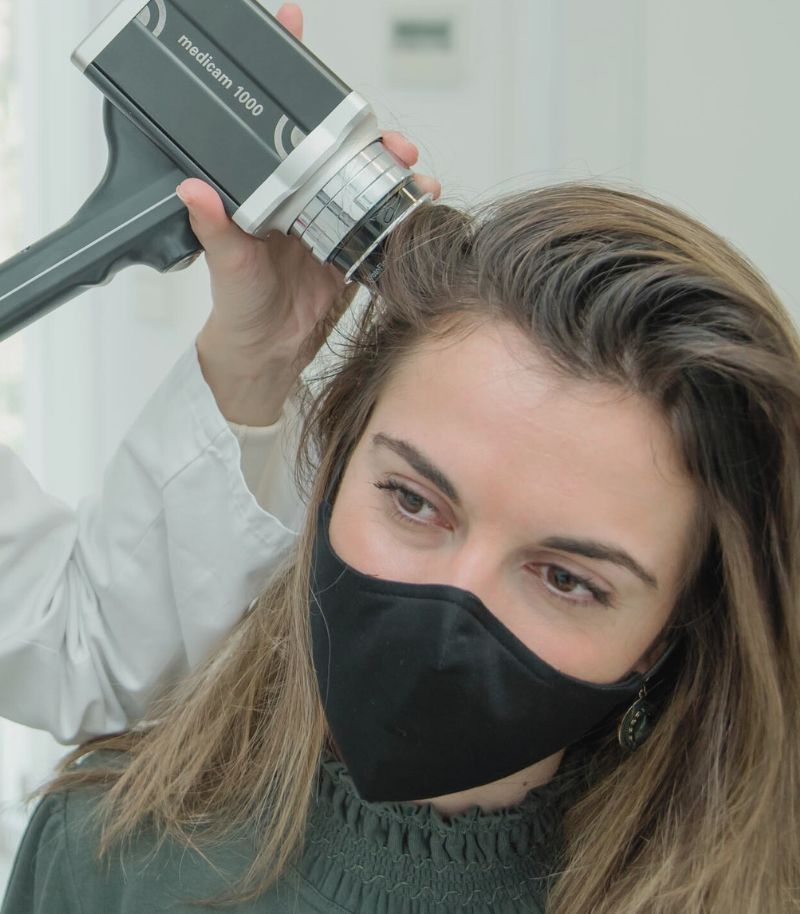
Comprehensive and advanced approach
At the Grupo Pedro Jaén Hair Disorders Unit, we understand that each patient presents unique hair and scalp needs. For this reason, we design personalised cosmetic treatments focused on achieving a harmonious and natural appearance. From solutions aimed at improving the visual density of hair to treatments for specific cosmetic hair disorders, every approach is tailored to the individual characteristics and expectations of each patient.
Thorough assessment for accurate solutions
We carry out a detailed evaluation of each case, analysing hair structure, scalp condition and patient expectations. This comprehensive assessment allows us to recommend the most appropriate aesthetic solution, whether through advanced techniques such as scalp micropigmentation, the FAS system or other complementary cosmetic treatments.
Innovation in aesthetic hair techniques
By combining state-of-the-art technology with a personalised medical approach, we achieve realistic and satisfying results. Our specialists work with customised hair prostheses and innovative techniques designed to improve hair appearance without compromising scalp health, always adapting the solution to each patient’s needs.
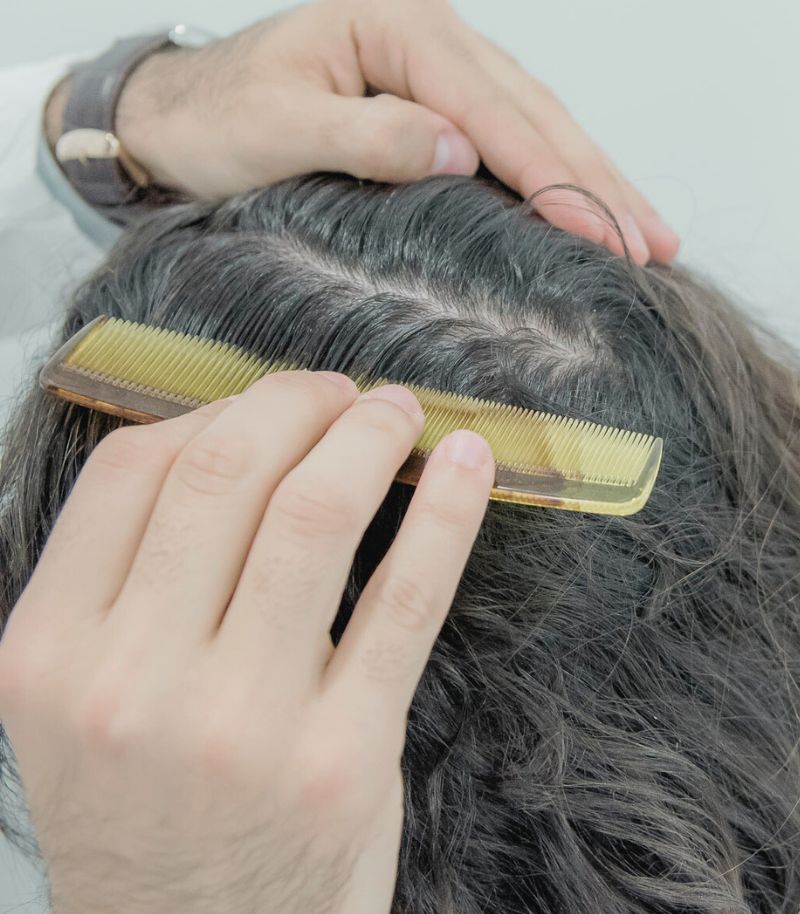
Cosmetic hair disorders
Certain cosmetic hair problems can significantly affect a patient’s quality of life and self-esteem. For this reason, the Grupo Pedro Jaén Hair Disorders and Hair Transplant Unit is committed to identifying and treating these aesthetic concerns, often in parallel with medical therapies aimed at managing hair loss.
Addressing the most common concerns
Our specialists manage cases such as split ends, damaged hair, loss of cuticle integrity, dull hair or reduced elasticity. Patients receive detailed guidance on appropriate hair washing and care routines to improve both hair health and appearance. In addition, we assess whether these cosmetic issues may be related to underlying medical or systemic conditions that require further evaluation.
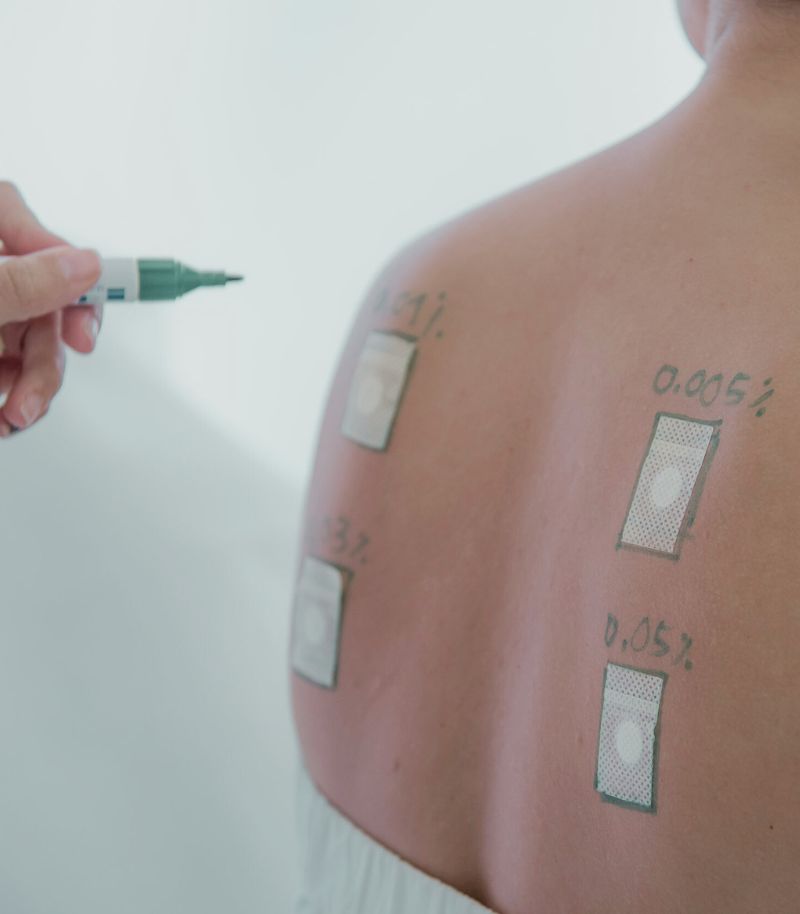
Allergies and sensitive scalp
Cases of sensitive scalp and contact allergies are becoming increasingly common. When necessary, these patients are referred to the Grupo Pedro Jaén Allergy Unit, where a comprehensive medical assessment is carried out. This includes allergy testing and the formulation of personalised products adapted to the specific substances that the patient’s skin does not tolerate.
Diagnostic testing
We use dermatological and allergy tests to identify the ingredients responsible for scalp irritation or intolerance. Based on these findings, we design targeted solutions aimed at reducing symptoms, improving tolerance and restoring scalp comfort.
Multidisciplinary collaboration with the Allergy Unit
In more complex cases, we work closely with allergy specialists to develop a comprehensive treatment strategy. This multidisciplinary approach allows us to address both symptoms and underlying causes, ensuring long-term scalp health and stronger, more resilient hair.
More information
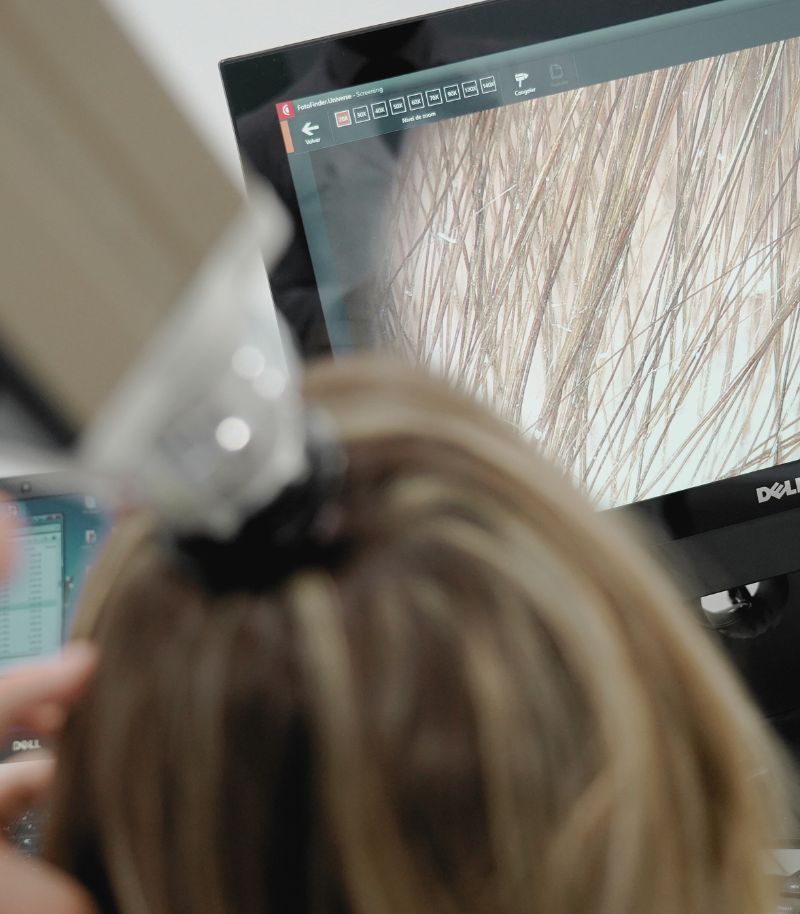
Cosmetic improvement of hair density
When hair density cannot be fully restored through medical or surgical treatments, advanced aesthetic solutions can significantly improve its visual appearance. In our unit, we offer options such as scalp micropigmentation and customised hair systems.
Scalp redefinition with micropigmentation
This technique involves the application of specialised pigments that simulate the appearance of hair follicles, creating a visual effect of increased density. It is particularly suitable for patients with advanced alopecia or areas of thinning hair, offering a durable aesthetic solution without daily maintenance.
Keratin fibres for immediate cosmetic improvement
Also known as hair make-up, keratin fibres are used in areas with reduced density or very fine hair. They act as a complementary option to medical treatments, providing immediate visual improvement. Available in multiple shades, they allow for a natural and harmonious result.
More information
Causes and most common alterations
A guide to understanding cosmetic hair problems
At the Grupo Pedro Jaén Hair Disorders and Hair Transplant Unit, we address all conditions that affect both the health and appearance of the hair and scalp. For this reason, we offer therapeutic options aimed at improving hair aesthetics, which may deteriorate due to a wide range of factors, including nutritional deficiencies, restrictive diets, poor sleep patterns, febrile illnesses, pregnancy, the menstrual cycle, acute and chronic diseases, pharmacological treatments and environmental factors.
Each of these factors, together with the use of unsuitable hair hygiene or cosmetic products, hair dyes, certain styling and shaping techniques, and the application of heat through hairdryers, straighteners or curling irons, can alter the structure and texture of the hair fibre.
In addition, inadequate hair hygiene practices may contribute to the development of cosmetic hair problems or worsen pre-existing conditions.
Given that alopecia and other hair alterations can significantly affect patients’ quality of life and self-esteem, it is often advisable to complement medical treatments with cosmetic and hair care strategies in order to achieve more satisfactory results in the short, medium and long term.

Most common cosmetic hair problems
A cosmetic hair problem is defined as any condition in which one or more hair structures (cuticle, cortex, medulla, etc.) undergo a physical or chemical alteration that does not spontaneously return to its original state. In most cases, several factors act together to cause these cosmetic changes. The most frequent conditions include:
Trichoptilosis (split ends)
This is the scientific term for what is commonly known as split ends. Split ends are longitudinal fractures at the distal end of the hair shaft. Once they appear, the affected hair fibres tend to split upwards, giving the hair a dry, damaged and unkempt appearance.
Cuticular erosion or cuticle loss
The cuticle is the outermost layer of the hair fibre and is composed of keratin, which provides structure and protection to the hair shaft. When the cuticle deteriorates, breaks down or dissolves, the hair fibre becomes thinner and much more vulnerable to thermal or chemical damage caused by hairdryers, curling irons, straighteners or hair dyes.
Cuticle damage also leads to moisture loss and dehydration of the hair shaft, making the hair fragile and prone to breakage. When dehydration worsens and reaches the cortex, the hair may acquire a rough, straw-like texture.
Loss of elasticity and tensile strength
This occurs when hair loses its flexibility and is no longer able to stretch and return to its original shape. As a result, hair breaks easily during everyday actions such as brushing or tying it into a bun or ponytail.
Green hair
This phenomenon is relatively common in people with light-coloured or bleached hair who are frequently exposed to swimming pool chlorine or undergo repeated bleaching treatments. Dull hair is characterised by a lack of shine, usually because sebum is not evenly distributed along the hair shaft.
Dull hair
Dull hair is characterised by a lack of shine, usually because sebum is not evenly distributed along the hair shaft.
Contact dermatitis
Certain compounds found in hair cosmetic and care products can trigger allergic reactions, resulting in scaling and eczema on the scalp and sometimes on adjacent facial areas such as the forehead, temples or ears. This condition is often accompanied by itching and stinging, which may worsen with scratching — a habit that should be avoided to prevent skin abrasions or lesions.
These and other cosmetic hair problems often occur in isolation and can usually be resolved through relatively simple measures, such as modifying hair hygiene routines, adopting less aggressive styling practices and using more appropriate hair care products.
“In most cases, the best results are achieved by combining different therapeutic options and acting at an early stage.”
Cosmetic hair treatments
Cosmetic hair treatments are not medical treatments; therefore, they do not directly influence hair growth, hair loss or hair density. However, they can be useful alternatives in mild cases or as complementary strategies when medical therapies alone are insufficient or have not yet achieved definitive results.
Keratin fibres for immediate cosmetic improvement
Also known as hair make-up, keratin fibres are used in areas with reduced density or very fine hair. They act as a complementary option to medical treatments, providing immediate visual improvement. Available in multiple shades, they allow for a natural and harmonious result.
Scalp micropigmentation
This is a colouring technique that involves creating a hair-by-hair effect. Using needles of varying calibres, pigment is deposited into the skin to give the appearance of greater density without an artificial look. It is one of the most commonly requested solutions to improve the aesthetic appearance of the eyebrows and scalp.
Hair prostheses
Hair prostheses include both wigs and hairpieces. At the Grupo Pedro Jaén Hair Disorders and Hair Transplant Unit, these solutions are used to camouflage alopecic areas where hair regrowth has not been possible, areas where definitive results have not yet been achieved during pharmacological treatment, or zones where optimal hair density has not been reached.
These prostheses may be total or partial and are custom-designed for each patient according to their specific hair condition. The aim is to conceal hair loss in the affected area while achieving a natural and aesthetically pleasing result. Different fixation systems are available, including adhesive strips or mechanical fasteners, all designed to ensure secure attachment without excessive traction on the hair fibre.

More information
Below you will find the authorship of the information provided on this page.
Authorship of the content on this page
The content of this page has been prepared by the Communication Department and the Medical Team of Grupo Pedro Jaén, in line with our editorial commitment to ensuring the accuracy and up-to-date nature of the information provided.
Where we see patients?
Clinics in Madrid
Grupo Pedro Jaén is a medical group with more than thirty years of experience, specialising in medical, surgical and aesthetic solutions related to skin health and care. Under the leadership of Dr Pedro Jaén, the group has a multidisciplinary team of highly qualified specialists, ensuring expert care across all areas of treatment. In addition, Grupo Pedro Jaén is recognised for its strong commitment to medical education, its leadership in clinical research and its network of clinics in Madrid, from which it provides healthcare of the highest quality and excellence to its patients.


Calle Cinca 30
Located in the El Viso district, this centre houses the consultations of the Hair Disorders and Hair Transplant Unit of Grupo Pedro Jaén in central Madrid.
Mon - Fri: 09:00 - 20:30
Calle Cinca 30, El Viso neighbourhood, Chamartín District, 28002 Madrid

La Moraleja
Located in Plaza de La Moraleja, this exclusive centre allows Grupo Pedro Jaén to bring its medical and aesthetic services closer to patients across the entire northern area of Madrid.
Mon - Thu: 09:30 - 20:00 / Fri: 10:00 - 18:00
Calle de la Estafeta 8, ground floor, La Moraleja, 28109 Alcobendas, Madrid, Spain
Related units and pages
Hair Disorders Unit
A specialised medical team and the most effective treatments for all types of hair disorders.
Hair loss diagnosis
Diagnosis of alopecia using advanced technology and an expert medical team to determine the most appropriate therapeutic approach.
Frontal fibrosing alopecia
Personalised treatment based on the extent of hair loss and the degree of scalp inflammation.
Female alopecia
Individualised diagnosis and specific treatments for the different types of alopecia in women.
Androgenetic alopecia
Information about this common form of alopecia and the different treatment options currently available.
Alopecia areata
Treatments aimed both at promoting hair regrowth and preventing common relapses.
Information and news
Press room
In the Grupo Pedro Jaén Press Room you can find information, advice and news related to dermatology, aesthetic medicine, trichology and general health. The group’s journals are also shared through an online platform, along with updates on the activity and media appearances of our clinics and healthcare professionals.
How to shower properly: tips for looking after your skin
Cold or hot water? Is it better to use a sponge? Find out how to shower properly and what dermatologists recommend to protect your skin.
Retinol in summer: should you stop using it?
We debunk this and other myths about using retinol during the warmer months.

Blog
News about Grupo Pedro Jaén. Information and advice on dermatology, aesthetic medicine, trichology, and general health

Media
Information about media appearances by our clinics and medical specialists.

Journal
Archive of all Grupo Pedro Jaén journals, available through an external online platform.