
Skin quality
At our centres in Madrid: Serrano 143, Serrano 166 and La Moraleja
Specialists in
Treatments to improve skin quality
The Grupo Pedro Jaén Facial Aesthetics Unit is a pioneer in the development and application of treatments aimed at caring for and improving skin quality. Its team of prestigious dermatologists and aesthetic doctors offer personalised treatments, always working from the understanding that beautiful skin is only possible if it is healthy.

Recognised reference clinics in Spain
Home > Aesthetic Medicine > Facial Aesthetic Medicine > Calidad de la piel
What sets us apart
We maximise the results of any aesthetic procedure
We understand that healthy skin is the basis for any aesthetic treatment. Our advanced approach combines precise diagnostics with the use of the most advanced technologies (such as lasers, radiofrequency and ultrasound) to boost the production of collagen and elastin. These treatments, complemented by dermatological care of the highest standard, ensure optimal results tailored to each patient’s needs.
Personalised diagnosis
Injected collagen stimulators
Laser resurfacing
Regenerative aesthetic medicine
Intense pulsed light (IPL)
Radiofrequency microneedling
Needle-free medical radiofrequency
Ultherapy (focused ultrasound)
Chemical peels
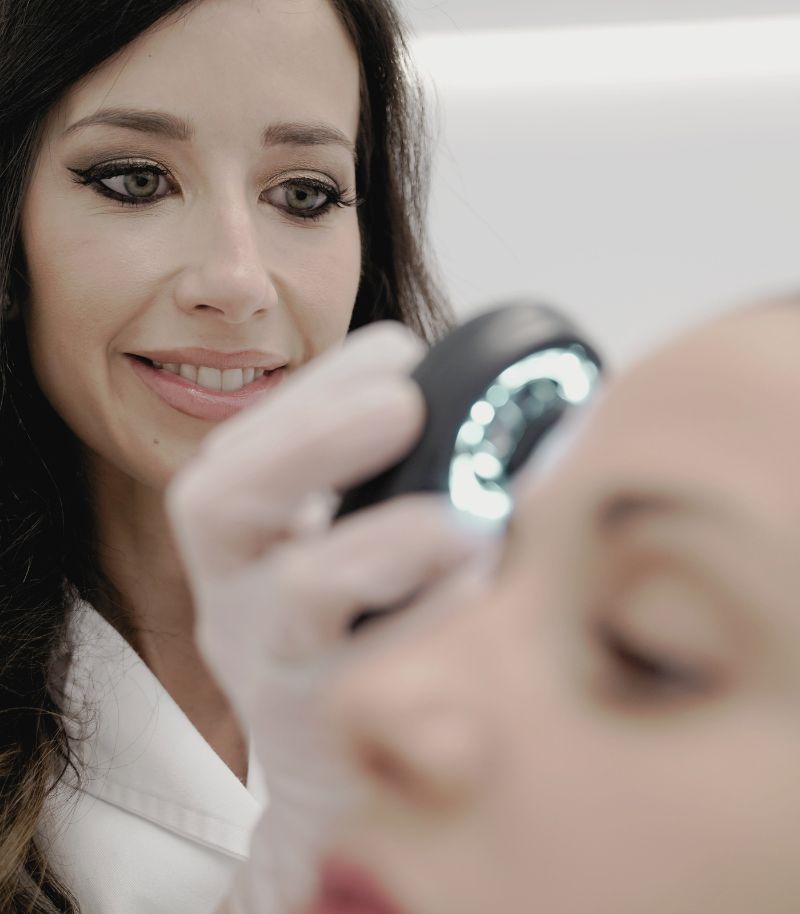
Personalised diagnosis
The concept of ‘skin quality’ refers to the health, texture and appearance of the skin, rather than the purely aesthetic aspect, as we always assume that beautiful skin must first be healthy. The key to improving skin quality is a detailed diagnosis to identify each patient’s specific needs.
Detailed medical evaluation
Our doctors who specialise in skin quality treatments first perform a complete clinical analysis, considering medical history and daily care habits. Specialised tools are used to detect early signs of photoageing or imbalances in the skin barrier. This holistic perspective helps to personalise treatment and prevent future problems. The skin type and its reaction to external factors such as the sun or pollution are also assessed.
Personalised treatment plan
Based on the information gathered, a comprehensive plan is designed, which may include chemical peels, laser resurfacing or mesotherapy, always tailored to the patient’s unique characteristics and aesthetic goals. This personalisation guarantees a visible improvement in texture and tone, with a safe and effective approach.
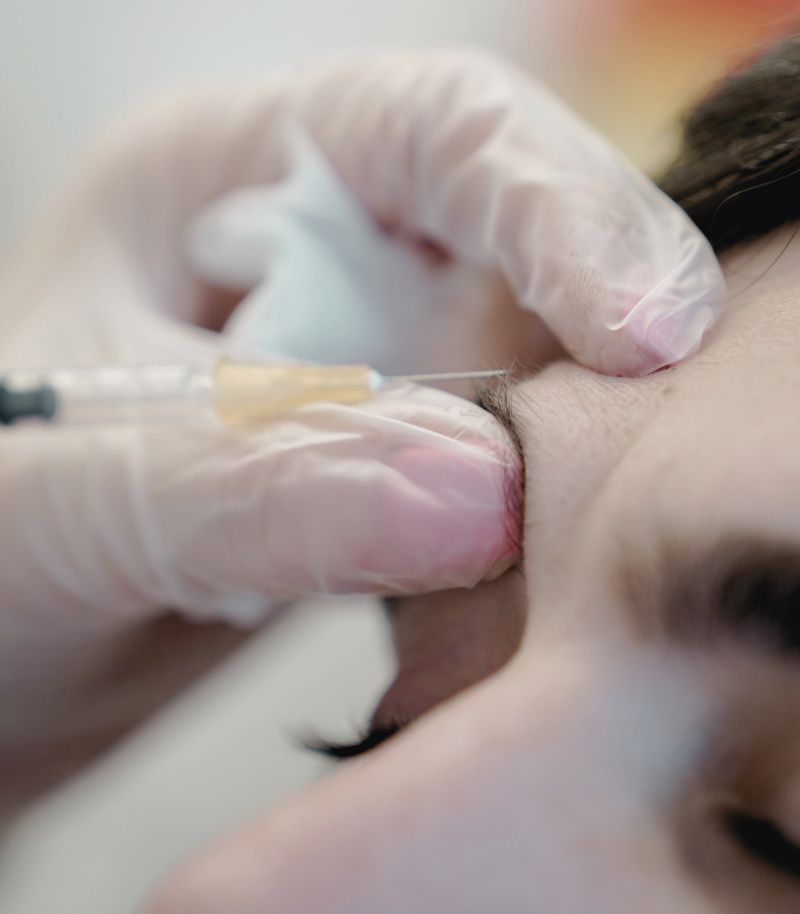
Injected collagen stimulators
Collagen stimulators can improve skin firmness and elasticity by promoting collagen production. Their application by means of microinjections boosts the regeneration of structural fibres, correcting sagging and restoring more defined facial contours. By stimulating collagen synthesis, a rejuvenating effect is achieved that intensifies over the weeks.
Firmer skin without extra volume
Unlike fillers, collagen stimulators don’t generate immediate volume but offer a progressive improvement in skin quality. They are especially suitable for cases of slight sagging or loss of density, and can be applied to the face, neck and décolletage. The result is firmer, more luminous and revitalised skin with a natural look.
Specific suitability
Collagen stimulators are especially recommended for areas with loss of firmness, such as the neck, lower face or hands, where they gradually help to combat skin ageing. They can also be combined with laser treatments or mesotherapy to maximise the results, achieving a revitalised appearance without altering the natural expression of the face.
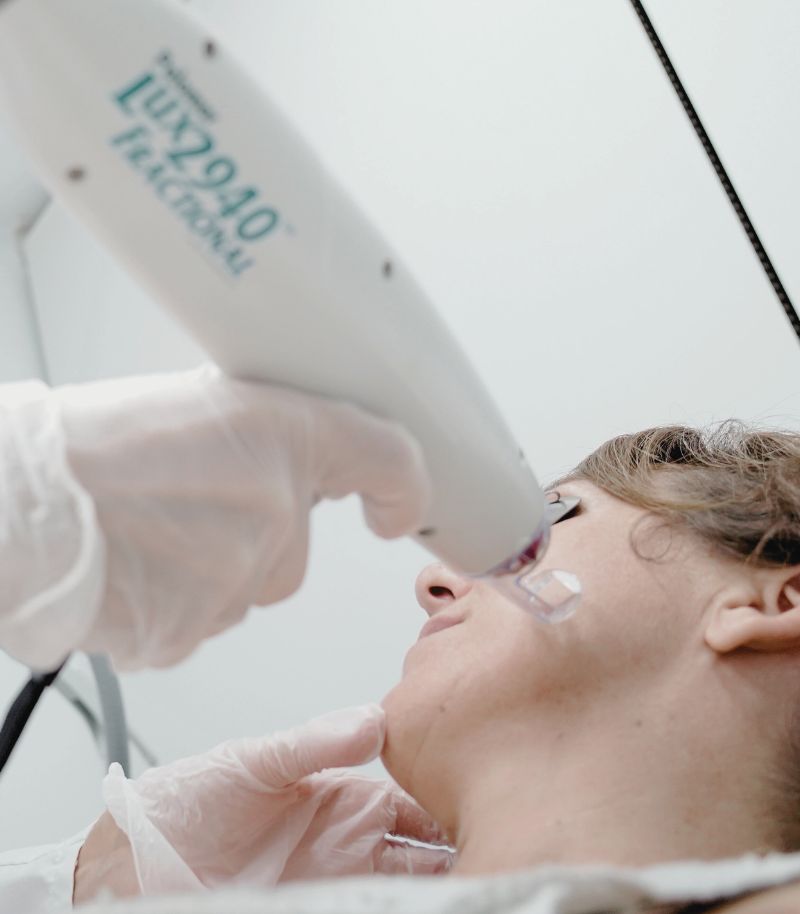
Laser resurfacing
Laser resurfacing is an effective and safe tool which can visibly improve the quality of the skin. A range of laser equipment can be used to stimulate collagen production and promote cell renewal. This results in smoother, firmer, brighter and more even skin. It is especially useful for treating sagging, enlarged pores, fine wrinkles, sunspots, uneven texture, acne scars and other signs of skin ageing.
Maximum effect and minimum recovery time
The treatment consists of emitting pulses of light that generate heat in the deep layers of the skin, activating its natural regeneration mechanisms. Although it may cause slight redness or temporary flaking, it doesn’t require a long recovery time and enables normal routine to be resumed within a few days.
Versatile treatment
Laser resurfacing can be safely used on the face, neck, décolletage and hands, and is suitable for all skin types when treatment is tailored to the patient’s skin. It can be combined with other laser therapies or with treatments such as biostimulators or peels. After each session, the skin starts a regeneration process that results in an immediate visible improvement, although the most noticeable changes are seen in the following weeks.
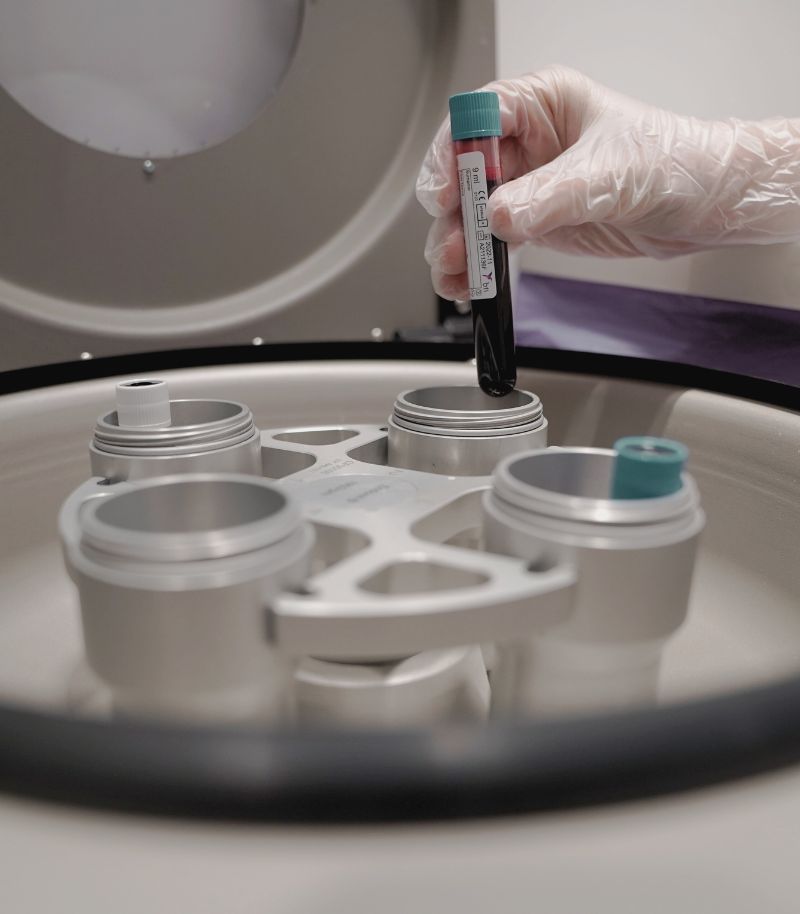
Regenerative aesthetic medicine
Regenerative medicine has revolutionised medical aesthetic treatments through the development of substances capable of stimulating the body’s own tissue repair mechanisms. This results in skin which looks denser, plumper, firmer and younger, without increasing volume.
Autologous biostimulators
A sample of the patient’s own blood is used to obtain growth factors which are then injected directly into strategic points of the face to stimulate tissue repair. At Grupo Pedro Jaén, we process this compound to obtain a gel product with a more powerful and lasting effect.
Polynucleotides
Derived from salmon germ cells, polynucleotides promote deep hydration, cell renewal and the production of collagen and elastin. Signs of photoageing are reduced and skin firmness, density and luminosity gradually and naturally improve.
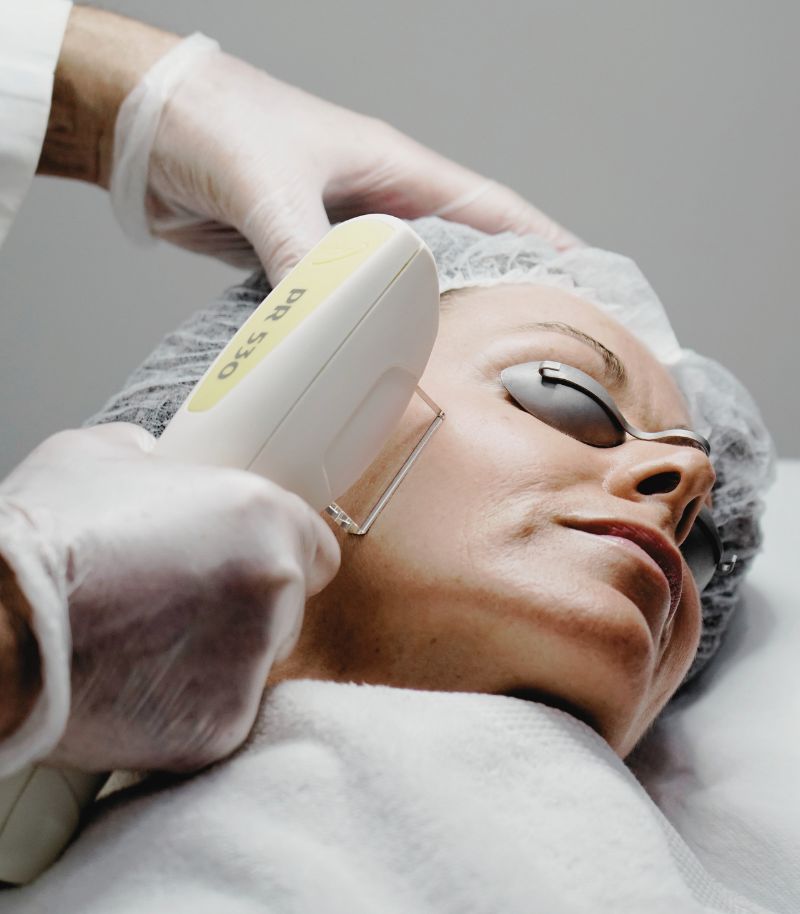
Intense pulsed light (IPL)
IPL is a versatile technology that works on different layers of the skin and is especially effective in treating pigmentation, redness and poor texture. By means of controlled light pulses, selective heating of the dermis is achieved, eliminating imperfections and evening out the tone. Collagen formation is also stimulated, strengthening the skin’s structure from within.
Versatile treatment
With precise adjustment of filters and strengths, IPL can combat sunspots and small veins appearing on the cheeks or nose. Thanks to this adaptability, more uniform skin is obtained without the need for invasive methods. It’s a rapid procedure, with very little discomfort and minimal aftercare.
Comprehensive rejuvenation
Whether for the face, neck or décolletage, IPL provides visible benefits from the first session, improving the skin’s overall radiance and smoothness. The patient can return to their daily routine almost instantly, as recovery is very quick and painless.
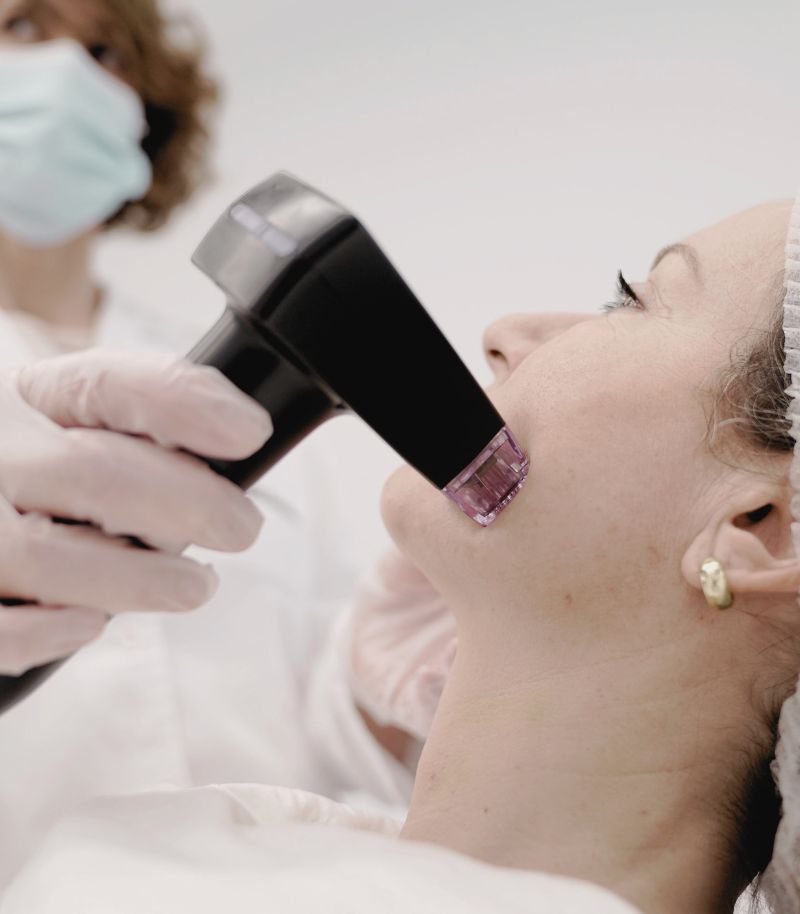
Radiofrequency microneedling
Radiofrequency microneedling combines two forms of stimulation: heat emitted in the deep layers of the skin and controlled micro-perforation on the surface. This accelerates the production of collagen and elastin, making the skin denser and firmer. It also corrects irregularities such as acne scars and enlarged pores, without resorting to aggressive techniques.
Combination of energies to firm and tighten skin
Thanks to the combination of radiofrequency and microneedles, it acts on several levels of the dermis, resulting in a comprehensive improvement. Internal heating promotes the contraction of existing fibres, while micro-injuries promote cell renewal. This synergy delivers results that are superior to those that could be achieved separately.
Visible and lasting results
The combination of heat induction and the mechanical effect of the microneedles stimulates the production of collagen and elastin and other tissue repair mechanisms, resulting in denser and firmer skin. In addition, there is an improvement at a superficial level in terms of skin texture, appearance of pores, fine lines and acne scars, making this technology the perfect treatment to address the signs of ageing.
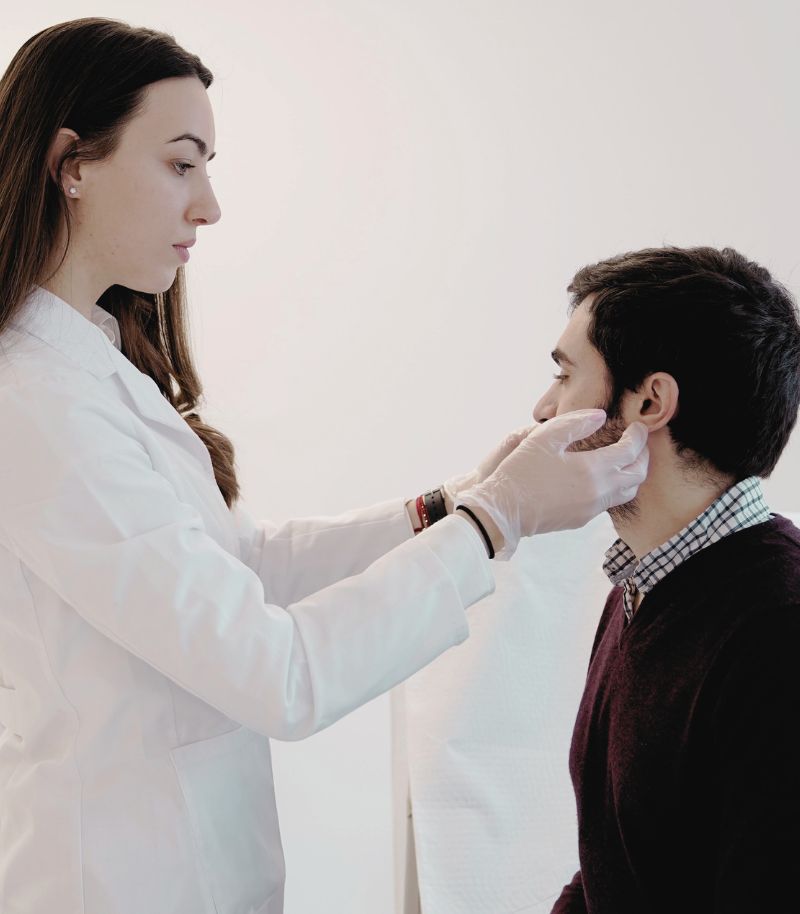
Needle-free medical radiofrequency
This treatment is designed to improve skin quality by promoting the production of collagen and elastin, substances linked to skin plumpness and firmness, by heating the deep layers of the skin.
Advanced equipment
As we have the most powerful medical radiofrequency equipment, we can offer our patients the best alternative according to their needs and personal preferences, always following the recommendations of our specialists in the Facial Aesthetics Unit.
Progressive and lasting effects
Medical radiofrequency achieves firmer, smoother skin with better definition of facial contours. It is a non-invasive treatment, ideal for combating sagging and providing a progressive and natural tightening effect, without the requirement for needles or recovery time. The warming effect stimulates microcirculation and gives the face a healthier appearance.
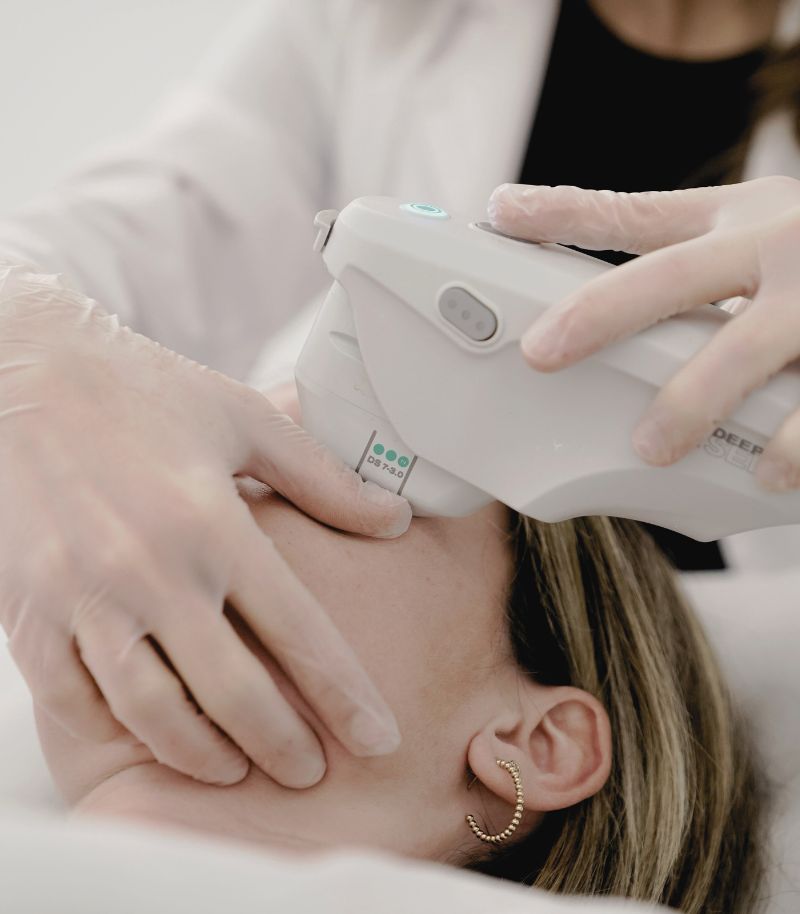
Ultherapy (focused ultrasound)
Ultherapy applies high intensity ultrasound at specific points, reaching deep layers where the facial support structure (SMAS) is located. This targeted heating stimulates the formation of new collagen, tightening and rejuvenating the tissue from within. As it doesn’t require incisions or prolonged downtime, this method has become very popular.
When is high-intensity focused ultrasound suitable?
This treatment is recommended for mild to moderate sagging in the neck, lower face and chin area. It can also improve the texture and quality of the skin, improving facial definition without the need for surgery. The procedure is quick and enables the patient to continue with daily activities without restrictions.
Progressive and natural results
Although some improvements are immediately visible, the tightening and redensifying effect appears gradually as the newly formed collagen consolidates. This gradual progress avoids abrupt changes, offering a balanced result without an abrupt transformation. Over the months, skin looks firmer, and facial contours are subtly but effectively enhanced.
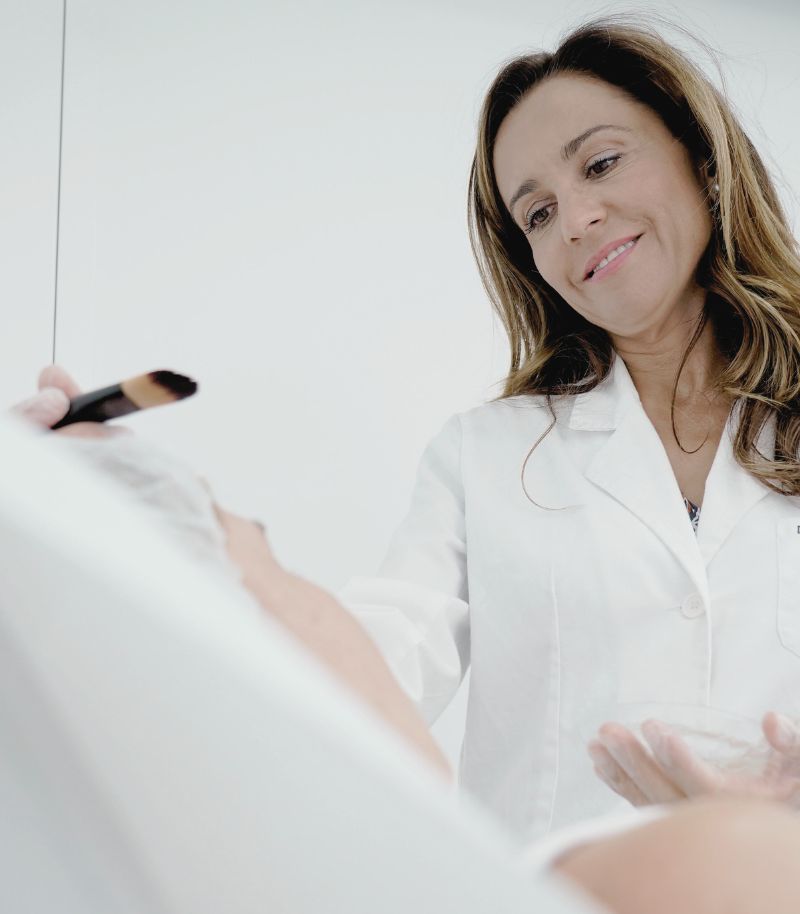
Chemical peels
Chemical peels are one of the most effective strategies to renew the skin, acting from the superficial layers to deeper levels. By applying acids in carefully controlled concentrations, exfoliation and skin regeneration is encouraged, resulting in a more even, smooth and luminous skin. Chemical peels are ideal for treating pigmentation, enlarged pores, fine lines or uneven texture.
Cell renewal and radiance
There are superficial, medium and deep peels, each recommended to address a different problem. For mild pigmentation or first wrinkles, superficial peels provide results with little peeling. In cases of increased sun damage or pronounced wrinkles, more intense peels, such as the blue peel, offer a noticeable transformation, albeit with a slightly longer recovery period.
The blue peel makes a real difference
The blue peel is a medium-deep chemical peel that uses trichloroacetic acid (TCA) and a characteristic blue dye to guide its application. It improves skin texture, tone and firmness, pigmentation and fine wrinkles. It is ideal for a comprehensive rejuvenation of the face with visible results after the peeling and recovery period. It is applied under anaesthesia and conscious sedation and can be combined with CO2 laser for a more powerful synergistic effect.
Influencing factors and treatments
A guide to understanding skin quality
The concept of skin quality refers to the health, texture and overall appearance of the skin, rather than to purely aesthetic considerations. At Grupo Pedro Jaén, we always start from the principle that healthy skin is the foundation of beautiful skin.

Factors influencing skin quality
There are numerous factors that influence skin quality:
Cellular ageing
Cellular ageing is perhaps the most evident factor in the deterioration of skin quality, although it is not the only one. Strictly speaking, the ageing process begins at birth. During childhood, adolescence and early adulthood, tissue repair mechanisms are usually rapid and highly efficient in healthy individuals under normal conditions, making ageing changes barely noticeable.
However, these repair mechanisms gradually lose efficiency due to a combination of factors, leading to progressive physiological decline from around the age of 30, or even earlier when additional harmful influences are present, such as physical inactivity, poor diet, smoking, or exposure to toxic substances.
From this stage onwards, fibroblasts produce lower amounts of collagen and elastin—two essential components of connective tissue that provide firmness, elasticity, shape and structural support to many organs, including the skin.
The exposome and skin quality
The term exposome was coined by Christopher P. Wild to describe the set of non-genetic factors that impact health. While the relationship between the exposome and disease has been studied in various scientific fields, dermatology is one of the areas where the most significant advances have been made. It is now widely accepted that external factors damaging to skin health and appearance act mainly through three fundamental mechanisms:
- Impairment of the skin barrier, leading to increased moisture loss and dehydration
- Promotion of free radical production
- Interference with cellular regeneration and degradation of collagen and elastin synthesis
Currently, when discussing the exposome in relation to skin ageing, seven key factors are recognised as having a direct or indirect impact: solar radiation, smoking, environmental pollution, diet, stress, lack of sleep and climate.
Environmental pollution, smoking and ultraviolet radiation induce metabolic changes at the cellular level that directly affect the structure of the dermis. In contrast, factors such as sleep deprivation, poor diet, stress or adverse climatic conditions negatively affect overall health, which in turn compromises skin condition. While some of these factors are difficult to avoid entirely, others depend largely on individual lifestyle choices and can be modified.
Solar radiation
Exposure to UVA and UVB ultraviolet radiation is directly linked to skin cancer—the most common cancer in humans—as well as to photoageing, which manifests as loss of radiance, wrinkles, pigmentation and skin laxity. Sun protection habits should be established from childhood, as solar damage is cumulative and its effects become evident in the long term. Moreover, recent studies show that not only ultraviolet radiation, but also other components of sunlight, such as visible and infrared light, have the potential to damage the skin.
Smoking
Unprotected sun exposure and smoking are probably the two most harmful avoidable factors for the skin. Smoking induces DNA alterations in skin cells and increases the production of free radicals, which play a key role in cellular oxidation and the development of various tumours in the oral cavity. It also worsens inflammatory skin conditions such as rosacea and psoriasis. In addition, smoking has a vasoconstrictive effect that compromises adequate skin oxygenation. The term smoker’s face refers to a set of characteristic features observed in smokers: greyish skin tone, dehydration, loss of radiance, leathery texture, premature facial and perioral wrinkles (the so-called “barcode lines”), puffy eyelids and under-eye bags due to fluid retention, as well as yellowing of the teeth and skin on the fingers.
Environmental pollution
There is substantial evidence linking solid pollutant particles and polycyclic aromatic hydrocarbons to oxidative stress and cellular damage. Furthermore, several studies—some led by our skin cancer expert, Dr Salvador González—have demonstrated that environmental pollution acts synergistically with ultraviolet radiation, amplifying its harmful effects on the skin. This interaction has led experts to coin the term photopollution.
Diet
Many diseases and health disorders are directly or indirectly related to an unhealthy or unbalanced diet, and the skin is no exception. A diet rich in fruit and vegetables is recommended to provide antioxidants that help neutralise free radicals, while adequate protein intake is essential to combat skin laxity by supporting skin structure. Alcohol, refined sugars, saturated fats and ultra-processed foods should be limited as much as possible, as they are detrimental not only to skin health but to overall wellbeing.
Stress
Emotional stress and psychological tension are known triggers or aggravating factors for numerous skin conditions, including acne, rosacea, herpes, psoriasis and atopic dermatitis. Stress also contributes to premature skin ageing by increasing cortisol levels, commonly known as the stress hormone. Cortisol directly promotes free radical production and increases oxidative stress.
Lack of sleep
Night-time sleep is essential for activating tissue repair mechanisms. Insufficient or poor-quality sleep interferes with collagen and elastin synthesis and promotes both free radical production and cortisol release. As a result, the skin deteriorates and ages more rapidly and visibly. Individuals who regularly sleep fewer than seven hours per night often experience dehydration, dull complexion, increased sensitivity to external aggressors, enlarged pores, dark circles, under-eye bags, wrinkles and sagging—signs that worsen as sleep deprivation becomes more severe.
Climate
High temperatures, independent of solar radiation, contribute to thermal ageing of the skin. This phenomenon is caused by accelerated cellular oxidation, increased inflammation and alterations in the internal structure of the dermis.
Although cold exposure has a less immediate visual impact, it also poses a risk by damaging the skin barrier. When this protective layer is compromised, the skin becomes more prone to dehydration, redness, eczema, itching and tightness. Cold temperatures also impair microcirculation and slow the skin renewal cycle, resulting in a dull appearance and accumulation of dead skin cells.
“In most cases, the best results are achieved by combining different therapeutic options and acting at an early stage.”
Treatments to improve skin quality
Treatments aimed at caring for and improving skin quality are primarily those that stimulate the body’s natural repair mechanisms, promote collagen and elastin production, and reduce scars, pigmentation and signs of photoageing, which are accelerated or exacerbated by exposome-related factors.
Facial mesotherapy
This treatment involves the injection of active ingredients—such as hydrating agents, vitamins and trace elements—designed to deeply nourish and hydrate the skin, giving it a fresher and more supple appearance. The multiple microinjections themselves also stimulate cellular regeneration mechanisms, further enhancing skin quality.
Collagen stimulators
As their name suggests, collagen stimulators stimulate the production of collagen and elastin, two substances directly linked to skin quality. As with mesotherapy, administration via injections or cannulas enhances their regenerative effect.
Laser skin rejuvenation
Laser treatments improve skin quality by stimulating collagen and elastin production, which are essential for skin firmness and density. They also tighten fibrous structures connecting the skin to underlying muscle layers through selective tissue heating, while improving dermal vascularisation. This contributes to a global improvement in skin quality. These lasers act from within the skin without damaging its surface.
Radiofrequency and ultrasound
Both treatments aim to stimulate fibroblasts and increase collagen production by heating deeper skin layers without affecting the surface. The main difference lies in the type of energy used. Focused ultrasound is applied under ultrasound guidance to accurately target treatment areas. Radiofrequency also heats deep skin layers but does not require ultrasound guidance and operates at different energy levels. The newly formed collagen produced by these treatments is stronger and of higher quality, resulting in reduced skin laxity.
Radiofrequency microneedling
This system delivers radiofrequency energy through an array of microneedles, allowing heat to reach much deeper layers than conventional radiofrequency. It combines the benefits of deep thermal stimulation with the regenerative effect of multiple controlled micro-injuries created by the needles. More information on radiofrequency microneedling.

More information
Below you will find the authorship and references for the information provided on this page:
Authorship and references
The content of this page has been prepared by the Communication Department and the Medical Team of Grupo Pedro Jaén, in line with our editorial commitment to ensuring the accuracy and up-to-date nature of the information provided.
References on skin quality:
1. Humphrey S, Manson Brown S, Cross SJ, Mehta R. Defining Skin Quality: Clinical Relevance, Terminology, and Assessment. Dermatol Surg. 2021 Jul 1;47(7):974-981. doi: 10.1097/DSS.0000000000003079. PMID: 34148998; PMCID: PMC8231670.
2. Lee JC, Daniels MA, Roth MZ. Mesotherapy, Microneedling, and Chemical Peels. Clin Plast Surg. 2016 Jul;43(3):583-95. doi: 10.1016/j.cps.2016.03.004. Epub 2016 May 11. PMID: 27363773.
3. Iranmanesh B, Khalili M, Mohammadi S, Amiri R, Aflatoonian M. Employing hyaluronic acid-based mesotherapy for facial rejuvenation. J Cosmet Dermatol. 2022 Sep 13. doi: 10.1111/jocd.15341. Epub ahead of print. PMID: 36098653.
4. Bass LS. Injectable Filler Techniques for Facial Rejuvenation, Volumization, and Augmentation. Facial Plast Surg Clin North Am. 2015 Nov;23(4):479-88. doi: 10.1016/j.fsc.2015.07.004. PMID: 26505544.
5. Moradi A, Watson J. Current Concepts in Filler Injection. Facial Plast Surg Clin North Am. 2015 Nov;23(4):489-94. doi: 10.1016/j.fsc.2015.07.005. PMID: 26505545.
6. Urdiales-Gálvez F, Martín-Sánchez S, Maíz-Jiménez M, Castellano-Miralla A, Lionetti-Leone L. Concomitant Use of Hyaluronic Acid and Laser in Facial Rejuvenation. Aesthetic Plast Surg. 2019 Aug;43(4):1061-1070. doi: 10.1007/s00266-019-01393-7. Epub 2019 May 9. Erratum in: Aesthetic Plast Surg. 2019 Sep 17;: PMID: 31073742; PMCID: PMC6742610.
7. Victor Ross E, Chodkiewicz H, Javvaji S, Zumwalt J, Kutscher TD, Tran C. Enhanced Pulsed Dye Laser for Facial Rejuvenation. Lasers Surg Med. 2021 Jan;53(1):109-114. doi: 10.1002/lsm.23309. Epub 2020 Aug 10. PMID: 32779273.
8. Beasley KL, Weiss RA. Radiofrequency in cosmetic dermatology. Dermatol Clin. 2014 Jan;32(1):79-90. doi: 10.1016/j.det.2013.09.010. PMID: 24267424.
9. Lolis MS, Goldberg DJ. Radiofrequency in cosmetic dermatology: a review. Dermatol Surg. 2012 Nov;38(11):1765-76. doi: 10.1111/j.1524-4725.2012.02547.x. Epub 2012 Aug 22. PMID: 22913399.
10. Gentile RD, Kinney BM, Sadick NS. Radiofrequency Technology in Face and Neck Rejuvenation. Facial Plast Surg Clin North Am. 2018 May;26(2):123-134. doi: 10.1016/j.fsc.2017.12.003. Epub 2018 Mar 9. PMID: 29636146.
11. Kleidona IA, Karypidis D, Lowe N, Myers S, Ghanem A. Fractional radiofrequency in the treatment of skin aging: an evidence-based treatment protocol. J Cosmet Laser Ther. 2020;22(1):9-25. doi: 10.1080/14764172.2019.1674448. Epub 2019 Dec 11. PMID: 31825296.
12. Bonjorno AR, Gomes TB, Pereira MC, de Carvalho CM, Gabardo MCL, Kaizer MR, Zielak JC. Radiofrequency therapy in esthetic dermatology: A review of clinical evidences. J Cosmet Dermatol. 2020 Feb;19(2):278-281. doi: 10.1111/jocd.13206. Epub 2019 Nov 6. PMID: 31691477.
13. Tan MG, Jo CE, Chapas A, Khetarpal S, Dover JS. Radiofrequency Microneedling: A Comprehensive and Critical Review. Dermatol Surg. 2021 Jun 1;47(6):755-761. doi: 10.1097/DSS.0000000000002972. PMID: 33577211.
14. Alexiades M. Microneedle Radiofrequency. Facial Plast Surg Clin North Am. 2020 Feb;28(1):9-15. doi: 10.1016/j.fsc.2019.09.013. PMID: 31779946.
15. Rohrich RJ, Schultz KP, Chamata ES, Bellamy JL, Alleyne B. Minimally Invasive Approach to Skin Tightening of the Face and Body: Systematic Review of Monopolar and Bipolar Radiofrequency Devices. Plast Reconstr Surg. 2022 Oct 1;150(4):771-780. doi: 10.1097/PRS.0000000000009535. Epub 2022 Jul 26. PMID: 35877937.
16. Nilforoushzadeh MA, Amirkhani MA, Zarrintaj P, Salehi Moghaddam A, Mehrabi T, Alavi S, Mollapour Sisakht M. Skin care and rejuvenation by cosmeceutical facial mask. J Cosmet Dermatol. 2018 Oct;17(5):693-702. doi: 10.1111/jocd.12730. Epub 2018 Aug 21. PMID: 30133135.
Where we see patients?
Clinics in Madrid
Grupo Pedro Jaén is a medical group founded more than three decades ago with the aim of providing medical, surgical and aesthetic solutions related to skin health and appearance. Led by Dr Pedro Jaén, the group has a highly specialised medical team that covers every area of care with top-level specialists, carries out extensive training activities, is a leader in medical research, and operates several clinics in Madrid, from which it offers the highest standards of care and clinical excellence to all patients.

Calle Serrano 143
This centre is the main headquarters of Grupo Pedro Jaén. It provides diagnostic and treatment services in skin cancer, clinical and aesthetic dermatology, laser treatments and other related specialties.
Mon - Fri: 09:00 - 21:00 / Sat: 09:00 - 14:00
Calle Serrano 143, El Viso neighbourhood, Chamartín district, 28006 Madrid, Spain

La Moraleja
Located in Plaza de La Moraleja, this exclusive centre allows Grupo Pedro Jaén to bring its medical and aesthetic services closer to patients across the entire northern area of Madrid.
Mon - Thu: 09:30 - 20:00 / Fri: 09:30 - 18:00
Calle de la Estafeta 8, ground floor, La Moraleja, 28109 Alcobendas, Madrid, Spain

Calle Serrano 166
This centre currently offers services in body aesthetic medicine, endocrinology, nutrition, complementary aesthetic medicine and post-surgical aesthetic treatments.
Mon - Fri: 09:00 - 21:00 / Sat: 09:00 - 14:00
Calle Serrano 166, El Viso neighbourhood, Chamartín district, 28002 Madrid

Related units and pages
Facial aesthetics
Minimally invasive treatments to improve facial appearance with harmonious and natural-looking results.
Body aesthetics
A personalised approach combining different treatment strategies to address the main body-related concerns.
Male aesthetics
Surgical and aesthetic treatments fully adapted to male facial and body anatomy.
Scars
Fully personalised treatments tailored to the type and specific characteristics of each scar.
Plastic surgery
Treatment of facial and body aesthetic and functional concerns that require a surgical solution.
Complementary aesthetics
Cosmetic and aesthetic treatments that address beauty from a clinical perspective to achieve optimal results.
Information and news
Press room
In the Grupo Pedro Jaén Press Room you can find information, advice and news related to dermatology, aesthetic medicine, trichology and general health. The group’s journals are also shared through an online platform, along with updates on the activity and media appearances of our clinics and healthcare professionals.
How to shower properly: tips for looking after your skin
Cold or hot water? Is it better to use a sponge? Find out how to shower properly and what dermatologists recommend to protect your skin.
Retinol in summer: should you stop using it?
We debunk this and other myths about using retinol during the warmer months.

Blog
News about Grupo Pedro Jaén. Information and advice on dermatology, aesthetic medicine, trichology, and general health

Media
Information about media appearances by our clinics and medical specialists.

Journal
Archive of all Grupo Pedro Jaén journals, available through an external online platform.