
Medium and deep chemical peels
At our centres in Madrid: Serrano 143, Serrano 166 and La Moraleja
Specialists in
Facial peels: chemical peels, blue peel, phenol peel, among others
The Grupo Pedro Jaén Facial Aesthetics Unit performs the full range of medical peels, from the most superficial to the deepest. At Grupo Pedro Jaén, we are experts in medium and deep peels, which we perform in operating theatres prepared with anaesthesia and conscious sedation to avoid pain and discomfort for patients.

Recognised reference clinics in Spain
Home > Aesthetic Medicine > Facial Aesthetic Medicine > Facial chemical peels
What sets us apart
Dermatological focus
We believe in a highly specialised dermatological approach, which enables us to select the most appropriate type of peel based on the clinical diagnosis, the characteristics of the skin and the patient’s aesthetic goals. Our specialists combine medical expertise, magistral formulas and supporting technology to ensure maximum safety and efficacy. In addition, we design personalised treatment plans, adjusting the depth of the peel and the number of sessions, and offering continual medical monitoring to minimise risks and optimise short-term and long-term results.
Personalised skin renewal
Superficial chemical peels
Medium-depth chemical peels
Deep chemical peels
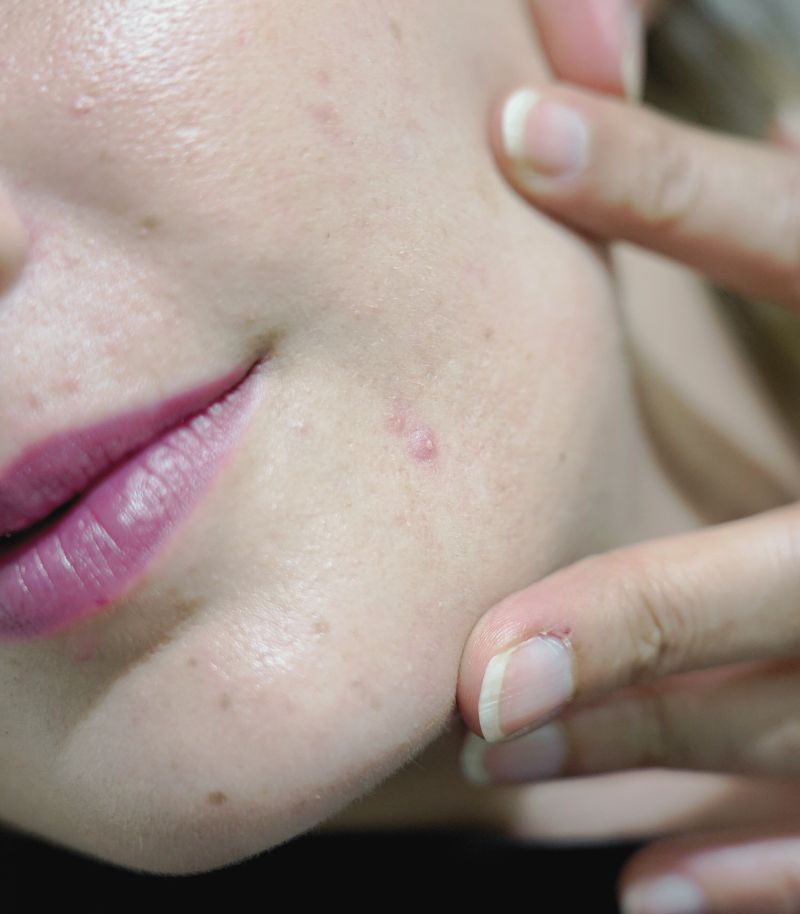
Personalised skin renewal
Facial peels are medical treatments that renew the skin through the controlled application of chemical exfoliating agents. The aim is to remove the outer layers of the dermis to improve its texture, radiance and evenness.
Versatile treatment for multiple skin conditions
This process is suitable for treating sunspots, acne, enlarged pores, thickened skin, dull skin tone and fine wrinkles. It is also useful for preparing the skin before other aesthetic procedures, improving their effectiveness and tolerance. Deeper peels also stimulate the formation of collagen and elastin, thereby improving skin density and reducing sagging.
Personalisation according to depth and clinical objective
At Grupo Pedro Jaén, we perform superficial, medium or deep peels, depending on the diagnosis and the patient’s objective. This precise selection makes it possible to act exactly where the skin needs it, ensuring the best results with the lowest possible risk.
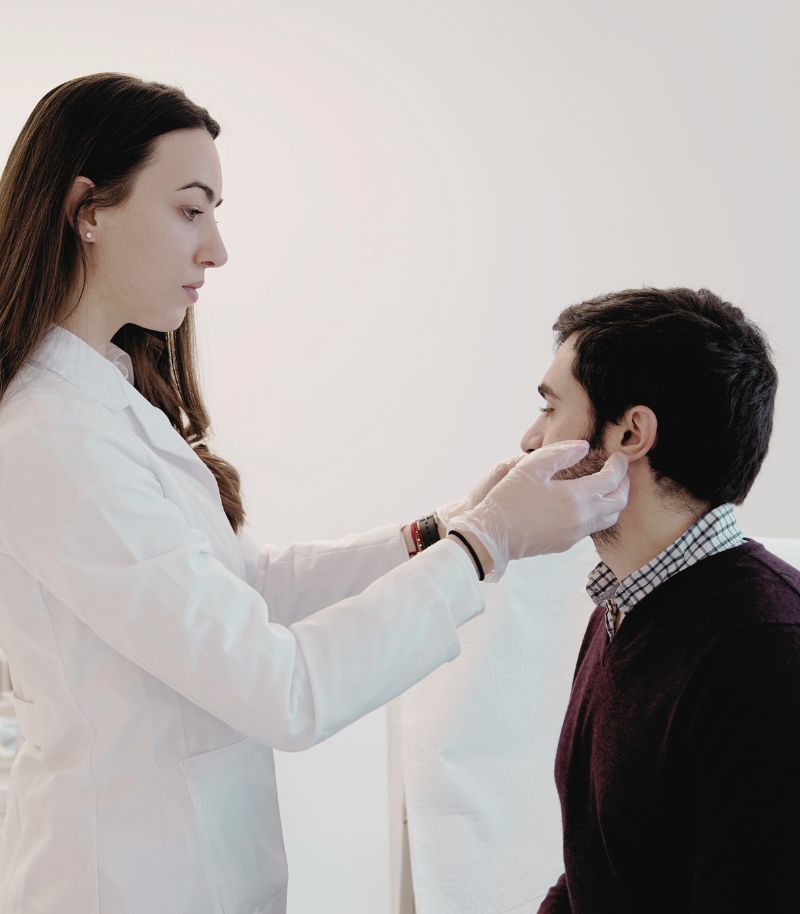
Superficial chemical peels
Superficial chemical peels are dermatological treatments that help to renew the skin gently and safely. They consist of the controlled application of a chemical solution onto the skin, which causes an exfoliation of the skin’s most superficial layer, the stratum corneum.
Composition of superficial peels
Superficial peels are usually formulated with acids such as glycolic acid, salicylic acid, mandelic acid or lactic acid, selected according to each patient’s skin type and needs. They are particularly effective in treating sunspots, enlarged pores, acne, excess oil, dullness and first wrinkles. Ideal for those seeking a more luminous, uniform and fresh skin without resorting to aggressive procedures.
Effects of superficial peeling
Superficial peels reach the dermo-epidermal junction, where the outer and deeper layers of the skin meet, and produce a mild exfoliation that usually lasts three to five days. A slight redness is normal and does not impact daily life as long as appropriate precautions are taken, such as the rigorous use of sunscreen.
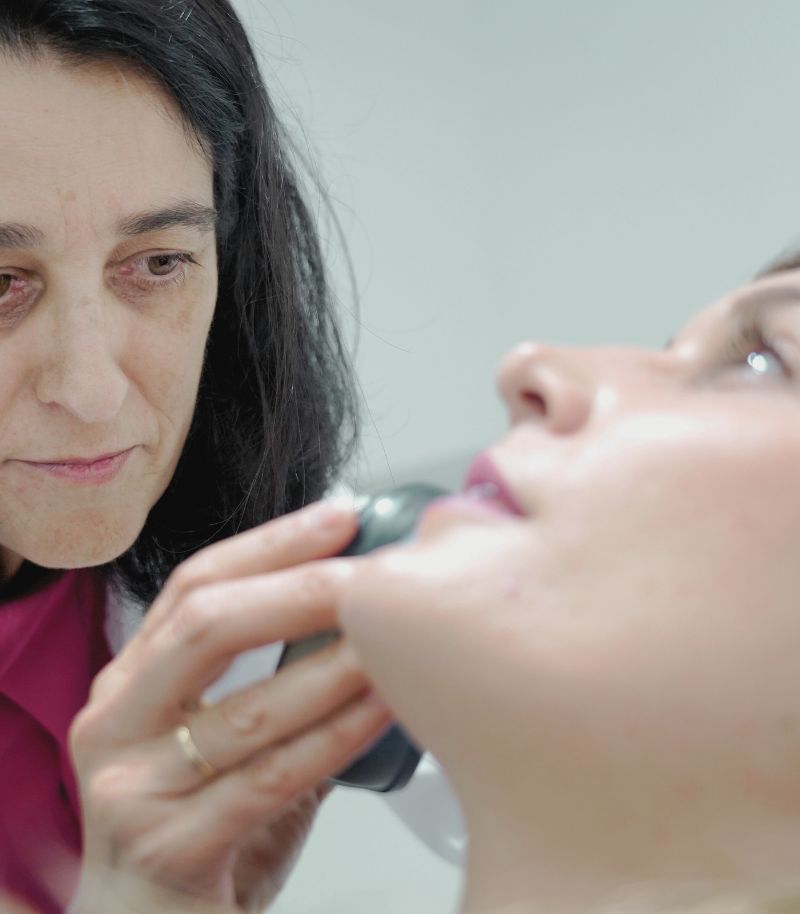
Medium-depth chemical peels
Medium-depth chemical peels act at a deeper level than superficial peels, reaching the papillary dermis. This makes them an excellent choice for treating more stubborn pigmentation, acne scars, fine wrinkles and more pronounced signs of photoageing.
Composition of medium peels
Medium peels are usually formulated with trichloroacetic acid (TCA) in different concentrations, although they can also be combined with other active ingredients such as glycolic acid, retinoic acid or salicylic acid, depending on the therapeutic objective and skin type. By penetrating deeper, they stimulate cell renewal and collagen production more intensively.
Results of medium peels
The results are visible from the first few weeks: more even, firmer, more luminous skin with a much more refined texture. However, they require a longer recovery time than superficial peels, as it is common for the skin to redden, tighten and peel more visibly for several days.
The treatment must be carried out under medical supervision, and it is important to comply with aftercare guidelines.

Deep chemical peels
Deep chemical peels are advanced medical treatments that act at the level of the reticular dermis, the deepest layer of the skin. They are suitable for cases of severe skin ageing, marked wrinkles, stubborn pigmentation and deep scars, especially in sun-damaged skin.
Composition of deep peels
The most commonly used chemicals in these peels are phenol and trichloroacetic acid in high concentrations, sometimes in combination with other substances such as croton oil. Its penetrating power enables deep skin remodelling, with intense stimulation of collagen synthesis and significant cell renewal.
Results of deep peels
The results of deep peels are dramatic: tighter, firmer, smoother and visibly rejuvenated skin. Grupo Pedro Jaén performs deep peels in the operating theatre with anaesthesia and conscious sedation. They require a longer recovery period, as the skin may be swollen, intensely red and form crusts for several days or weeks. In expert hands, a deep peel can offer a lifting effect without surgery and a facial rejuvenation effect of 10 to 15 years.
What they are, types, how they are performed and indications
A guide to understanding facial chemical peels
Chemical peels are one of the most widely used and effective aesthetic treatments for improving the appearance of the skin, thanks to their ability to address a broad range of skin concerns such as sun damage, pigmentation, acne marks, scars, wrinkles, loss of firmness and dull skin tone. Their effects vary depending on the chemical composition of the peel and the individual needs of each patient’s skin.

Types of chemical peels according to depth
There is a wide variety of facial treatments referred to as “peels”, a term that describes their exfoliating effect on the superficial layers of the skin in order to stimulate the natural renewal process and improve overall skin quality and texture.
In this context, there are aesthetic peels used as a preliminary step in many in-clinic treatments, such as those performed in our Beauty and Wellness Unit. These cosmetic treatments provide very gentle exfoliation and do not result in visible peeling or shedding of the epidermis.
By contrast, chemical peels or medical peels are specifically designed to exfoliate the skin and do produce varying degrees of visible peeling. For this reason, they must be administered by a dermatologist or an aesthetic physician in a medical setting.
Superficial chemical peels
Superficial chemical peels renew the stratum corneum, the outermost layer of the skin. They are formulated using chemical agents such as alpha-hydroxy acids (AHAs) or beta-hydroxy acids (BHAs), at different concentrations depending on the characteristics and needs of each patient’s skin. These peels reach the dermo-epidermal junction and produce mild exfoliation that typically lasts between three and five days.
Medium-depth chemical peels
Medium-depth medical peels penetrate as far as the superficial reticular dermis, which corresponds to the outermost portion of the deepest layer of the skin. The exfoliation they produce is more pronounced and lasts longer than that of superficial peels. Complete skin healing usually occurs after approximately two months.
Deep chemical peels
In deep chemical peels, the exfoliating agent reaches the upper and mid reticular dermis, the deepest layers of the skin. Epidermal regeneration typically lasts between seven and ten days, while complete healing may take two to three months, depending on the chemical composition of the peel.
Superficial chemical peels
A superficial chemical peel does not require specific preparation on the part of the patient, although it is advisable to attend the consultation with clean, make-up-free skin in order to streamline the procedure.
How they are performed
The procedure begins with the application of a degreasing solution over the entire face using cotton pads, in order to remove residual sebum, creams and cosmetic products from the skin surface.
The eyes are then protected with cotton pads, and the most delicate areas of the face—such as the nasal alae, corners of the mouth and outer eye area—are covered with neutral petroleum jelly to prevent irritation.
Next, a chemical solution containing acids at different concentrations is applied evenly to the face and left in place for a variable period of time, depending on the patient’s skin type and clinical needs. Some peels require neutralisation with an alkaline solution before removal with gauze, while others are removed directly without neutralisation.
During the treatment, patients may experience mild stinging or tingling due to the acidic action of the product. This sensation is completely normal and resolves once the peel is neutralised or the procedure is completed.
After removal of the chemical solution, a repairing cream and a broad-spectrum sunscreen with SPF 50+ are applied.
Recovery
In the hours following the procedure, the skin may appear slightly red and may undergo mild peeling over the subsequent days. This is a normal part of the skin renewal process. As the skin exfoliates—hence the term “peel”—it becomes cleaner, brighter, more even and visibly revitalised.
Patients must take strict photoprotection measures in the days following treatment, using SPF 50+ sunscreen to prevent the appearance of pigmentation caused by ultraviolet radiation.
Make-up may usually be applied a few hours after the session, and patients can resume their usual skincare routines, taking care not to rub the skin vigorously during the first 24 hours and avoiding the removal of flaking skin.
This procedure is typically carried out in the dermatologist’s consultation and takes approximately 20 minutes from start to finish.
Indications
Superficial chemical peels have multiple indications, including regulation of sebum production, unclogging and cleansing of pores, renewal of the skin surface, reduction of pigmentation and fine wrinkles, evening of skin tone, refinement of skin texture and improvement in overall smoothness and radiance.
“In most cases, the best results are achieved by combining different therapeutic options and acting at an early stage.”
Medium and deep chemical peels: procedure, recovery and indications
Medium and deep chemical peels provide more noticeable and long-lasting results than any other form of chemical exfoliation. They are performed using high concentrations of chemical agents such as phenol or trichloroacetic acid (TCA). In addition to renewing the skin surface, they are able to improve moderate to deep wrinkles, reduce skin laxity, soften scars, lighten pigmentation and treat precancerous skin lesions.
How they are performed
A medium or deep chemical peel involves the application of a chemical solution over the entire face, which is left to act for a variable period of time depending on the specialist’s judgement, the patient’s skin type and the clinical objectives of the treatment. This solution causes controlled damage at different levels of the papillary or reticular dermis, leading to subsequent exfoliation and shedding of the damaged skin layers.
This controlled injury activates the body’s natural repair mechanisms and stimulates the production of new collagen and elastin fibres, resulting in rejuvenated skin that is smoother, brighter and more even in tone.
A medium or deep peel usually takes around one hour, compared with the approximately 20 minutes required for a superficial chemical peel. These procedures are performed under anaesthesia, conscious sedation and, in some cases, nerve blocks, in order to avoid discomfort and the burning sensation caused by the chemical agents on the skin.
Recovery
Immediately after the procedure, the skin may appear frosted or glazed, an effect that disappears within the following hours. After a medium or deep peel, it is normal for the skin to become swollen and intensely red. These symptoms can be managed with commonly used medication and usually improve rapidly over the days following treatment.
A few days after the procedure, the skin may develop a brownish tone and a firm texture, and crusts may even form. These signs are completely normal and precede the peeling phase, which lasts between five and ten days depending on the type of peel. After one to two weeks, newly regenerated skin becomes visible.
In the days following a medium or deep peel, patients must apply repairing creams prescribed by the dermatologist to promote skin healing. Strict photoprotection measures must also be followed to prevent hyperpigmentation and the appearance of dark spots.
Indications for deep chemical peels
Los peelings profundos que se aplican en la Unidad de Estética Facial del Grupo Pedro Jaén están indicados en los siguientes casos, combinados o no con otros tratamientos faciales para problemas específicos:
Melasma and skin pigmentation
Deep chemical peels renew the surface of the dermis and lighten both superficial sunspots and deeper pigmentation such as melasma. It is important to note that, in the case of melasma, both superficial and deep peels are considered an adjunct to dermatologist-prescribed depigmenting treatments, but not the first-line therapy.
Severe photoageing
Photoageing is the term used by dermatologists to describe generalised skin deterioration caused by cumulative sun damage. It is mainly characterised by pigmentation, wrinkles, loss of radiance and dehydration. The renewing effect of deep chemical peels helps to improve all of these features associated with advanced photoageing.
Acne marks and scars
Moderate to severe acne can leave marks and scars that alter the skin surface, giving it an uneven or irregular appearance. Deep chemical peels help to soften post-inflammatory marks and acne scars, resulting in smoother and more uniform skin.
Moderate to deep wrinkles
Static wrinkles associated with ageing and sun damage respond particularly well to deep chemical peels. These treatments stimulate the production of collagen and elastin—key elements for skin quality—while also renewing and smoothing the skin surface.
Skin laxity
Ageing and cumulative sun damage lead to the degradation and accelerated loss of collagen and elastin, which are essential for skin firmness. The regenerative mechanisms triggered by deep chemical peels stimulate the production of these fibres, thereby reducing skin laxity and loss of firmness.
Phenol peel
Among deep chemical peels, the phenol peel has proven to be the most effective and the one capable of achieving the most dramatic transformation of the skin. This is due to its ability to act on the deepest layers, inducing the formation of collagen and elastin that are essential for tissue support and firmness. It has a very powerful exfoliating effect and offers long-lasting results. For these reasons, phenol peels are indicated in patients with severely damaged skin and advanced signs of ageing. They are particularly effective in treating skin laxity and aesthetic concerns that are difficult to manage with other procedures, such as perioral wrinkles (“barcode lines”), static periorbital lines and crow’s feet.
The phenol peel is performed by applying a liquid mask composed of phenol and trichloroacetic acid at concentrations of 50–70%. It acts at a very deep level of the skin and produces controlled damage, which is why it must be performed by experienced professionals. It is carried out as an outpatient procedure but requires local anaesthesia and conscious sedation, as well as strict adherence to post-treatment care guidelines to avoid complications and achieve optimal results.
This type of peel is particularly designed to address skin laxity and tissue looseness, although it also produces a marked improvement in skin surface quality. It requires a longer recovery period than other chemical peels. Skin peeling usually lasts around 10 days, while complete healing may take up to three months.
Patients often need to remain at home for a few days after the procedure. Subsequently, they must follow the same recovery measures as with other chemical peels: strict photoprotection, avoiding picking at peeling skin or crusts, gentle cleansing, application of dermatologist-recommended repairing creams, and medication or local cold therapy to relieve discomfort during the first few days after treatment.
Blue peel
The blue peel is a medium-to-deep chemical peel designed to renew the skin through a chemical exfoliation process that activates skin regeneration. It takes its name from the blue colour of the mask applied to the patient’s face and is formulated with trichloroacetic acid (TCA) at concentrations of 20% or 30%, depending on the desired depth, combined with saponins.
The blue peel itself takes approximately 15 minutes to perform. However, patients should be aware that the overall treatment process is longer, as it is carried out in our Pain-Free Aesthetic Treatments Unit under conscious sedation and local anaesthesia to eliminate the burning sensation caused by the peel. Although the patient is continuously monitored by an anaesthetist throughout the procedure, the blue peel is an outpatient medical treatment and patients can return home afterwards.
During the first 12 hours, the skin may show a slightly bluish tone. This is a normal and temporary effect that disappears quickly.
The recovery period for this type of peel usually ranges from one week to ten days. During this time, the skin exfoliates and may appear mildly reddened. In the weeks that follow, the skin regenerates progressively, with final results becoming apparent around six weeks after treatment.
As with any chemical peel, patients must strictly follow photoprotection measures and apply the repairing cream prescribed by their dermatologist to promote skin healing. It is important not to pick at small scabs or peeling skin.

More information
Below you will find the authorship and references for the information provided on this page:
Authorship and references
The content of this page has been prepared by the Communication Department and the Medical Team of Grupo Pedro Jaén, in line with our editorial commitment to ensuring the accuracy and up-to-date nature of the information provided.
References on facial peels:
1. O’Connor AA, Lowe PM, Shumack S, Lim AC. Chemical peels: A review of current practice. Australas J Dermatol. 2018 Aug;59(3):171-181. doi: 10.1111/ajd.12715. Epub 2017 Oct 24. PMID: 29064096.
2. Samargandy S, Raggio BS. Skin Resurfacing Chemical Peels. 2022 May 1. In: StatPearls [Internet]. Treasure Island (FL): StatPearls Publishing; 2022 Jan–. PMID: 31613532.
3. Wiest LG, Habig J. Chemische Peels in der Dermatologie [Chemical peel treatments in dermatology]. Hautarzt. 2015 Oct;66(10):744-7. German. doi: 10.1007/s00105-015-3672-3. PMID: 26373295.
4. Pathak A, Mohan R, Rohrich RJ. Chemical Peels: Role of Chemical Peels in Facial Rejuvenation Today. Plast Reconstr Surg. 2020 Jan;145(1):58e-66e. doi: 10.1097/PRS.0000000000006346. PMID: 31881607.
5. Weissler JM, Carney MJ, Carreras Tartak JA, Bensimon RH, Percec I. The Evolution of Chemical Peeling and Modern-Day Applications. Plast Reconstr Surg. 2017 Nov;140(5):920-929. doi: 10.1097/PRS.0000000000003787. PMID: 29068926.
6. Pathak A, Mohan R, Rohrich RJ. Chemical Peels: Role of Chemical Peels in Facial Rejuvenation Today. Plast Reconstr Surg. 2020 Jan;145(1):58e-66e. doi: 10.1097/PRS.0000000000006346. PMID: 31881607.
7. Clark E, Scerri L. Superficial and medium-depth chemical peels. Clin Dermatol. 2008 Mar-Apr;26(2):209-18. doi: 10.1016/j.clindermatol.2007.09.015. PMID: 18472062.
8. Berson DS, Cohen JL, Rendon MI, Roberts WE, Starker I, Wang B. Clinical role and application of superficial chemical peels in today’s practice. J Drugs Dermatol. 2009 Sep;8(9):803-11. PMID: 19746672.
9. Landau M. Chemical peels. Clin Dermatol. 2008 Mar-Apr;26(2):200-8. doi: 10.1016/j.clindermatol.2007.09.012. PMID: 18472061.
10. Fischer TC, Perosino E, Poli F, Viera MS, Dreno B; Cosmetic Dermatology European Expert Group. Chemical peels in aesthetic dermatology: an update 2009. J Eur Acad Dermatol Venereol. 2010 Mar;24(3):281-92. doi: 10.1111/j.1468-3083.2009.03409.x. Epub 2009 Sep 8. PMID: 19744174.
11. Truchuelo M, Cerdá P, Fernández LF. Chemical Peeling: A Useful Tool in the Office. Actas Dermosifiliogr. 2017 May;108(4):315-322. English, Spanish. doi: 10.1016/j.ad.2016.09.014. Epub 2016 Dec 5. PMID: 27931952.
12. Wambier CG, Lee KC, Soon SL, Sterling JB, Rullan PP, Landau M, Brody HJ; International Peeling Society. Advanced chemical peels: Phenol-croton oil peel. J Am Acad Dermatol. 2019 Aug;81(2):327-336. doi: 10.1016/j.jaad.2018.11.060. Epub 2018 Dec 11. PMID: 30550827.
13. Starkman SJ, Mangat DS. Chemical Peels: Deep, Medium, and Light. Facial Plast Surg. 2019 Jun;35(3):239-247. doi: 10.1055/s-0039-1688944. Epub 2019 Jun 12. PMID: 31189196.
14. Starkman SJ, Mangat DS. Chemical Peel (Deep, Medium, Light). Facial Plast Surg Clin North Am. 2020 Feb;28(1):45-57. doi: 10.1016/j.fsc.2019.09.004. PMID: 31779941.
15. Atiyeh B, Oneisi A, Ghieh F. Medium-depth Trichloroacetic Acid and Deep Phenol-Croton Oil Chemical Peeling for Facial Rejuvenation: An Update. J Craniofac Surg. 2021 Nov-Dec 01;32(8):e745-e750. doi: 10.1097/SCS.0000000000007729. PMID: 34183633.
Where we see patients?
Clinics in Madrid
Grupo Pedro Jaén is a medical group founded more than three decades ago with the aim of providing medical, surgical and aesthetic solutions related to skin health and appearance. Led by Dr Pedro Jaén, the group has a highly specialised medical team that covers every area of care with top-level specialists, carries out extensive training activities, is a leader in medical research, and operates several clinics in Madrid, from which it offers the highest standards of care and clinical excellence to all patients.

Calle Serrano 143
This centre is the main headquarters of Grupo Pedro Jaén. It provides diagnostic and treatment services in skin cancer, clinical and aesthetic dermatology, laser treatments and other related specialties.
Mon - Fri: 09:00 - 21:00 / Sat: 09:00 - 14:00
Calle Serrano 143, El Viso neighbourhood, Chamartín district, 28006 Madrid, Spain

La Moraleja
Located in Plaza de La Moraleja, this exclusive centre allows Grupo Pedro Jaén to bring its medical and aesthetic services closer to patients across the entire northern area of Madrid.
Mon - Thu: 09:30 - 20:00 / Fri: 09:30 - 18:00
Calle de la Estafeta 8, ground floor, La Moraleja, 28109 Alcobendas, Madrid, Spain

Calle Serrano 166
This centre currently offers services in body aesthetic medicine, endocrinology, nutrition, complementary aesthetic medicine and post-surgical aesthetic treatments.
Mon - Fri: 09:00 - 21:00 / Sat: 09:00 - 14:00
Calle Serrano 166, El Viso neighbourhood, Chamartín district, 28002 Madrid

Related units and pages
Facial aesthetics
Minimally invasive treatments to improve facial appearance with harmonious and natural-looking results.
Body aesthetics
A personalised approach combining different treatment strategies to address the main body-related concerns.
Male aesthetics
Surgical and aesthetic treatments fully adapted to male facial and body anatomy.
Scars
Fully personalised treatments tailored to the type and specific characteristics of each scar.
Plastic surgery
Treatment of facial and body aesthetic and functional concerns that require a surgical solution.
Complementary aesthetics
Cosmetic and aesthetic treatments that address beauty from a clinical perspective to achieve optimal results.
Information and news
Press room
In the Grupo Pedro Jaén Press Room you can find information, advice and news related to dermatology, aesthetic medicine, trichology and general health. The group’s journals are also shared through an online platform, along with updates on the activity and media appearances of our clinics and healthcare professionals.
How to shower properly: tips for looking after your skin
Cold or hot water? Is it better to use a sponge? Find out how to shower properly and what dermatologists recommend to protect your skin.
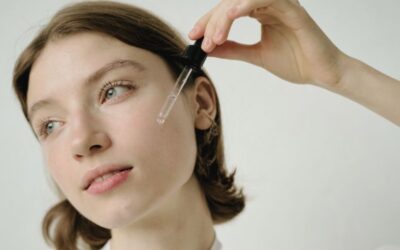
Retinol in summer: should you stop using it?
We debunk this and other myths about using retinol during the warmer months.

Blog
News about Grupo Pedro Jaén. Information and advice on dermatology, aesthetic medicine, trichology, and general health

Media
Information about media appearances by our clinics and medical specialists.

Journal
Archive of all Grupo Pedro Jaén journals, available through an external online platform.