
Eyebrow alopecia
Treatment at our clinics in Madrid on Calle Cinca and La Moraleja
Dermatologists specialising in
Treatment of eyebrow alopecia
Eyebrow alopecia (madarosis) may occur in isolation or be associated with eyelash loss (milphosis), other dermatological conditions, autoimmune disorders, emotional factors or other underlying causes. At Grupo Pedro Jaén, the dermatologists of the Hair Disorders Unit carry out a thorough differential diagnosis to determine whether medical treatment, cosmetic approaches or surgical options — alone or in combination — are the most appropriate strategy to achieve the best possible outcome for each patient.

Recognised reference clinics in Spain
Home > Hair Disorders Unit > Eyebrow alopecia
What sets us apart
Differential diagnosis and a personalised clinical approach
We address eyebrow alopecia through a comprehensive and individualised approach, based on an accurate diagnosis aimed at identifying the underlying cause. These may include autoimmune or hormonal disorders, inflammatory skin diseases, emotional factors or repetitive behavioural habits. Based on this assessment, we design personalised treatment plans that may include pharmacological therapies, aesthetic procedures, advanced cosmetic solutions or, in selected cases, surgical treatment. Our objective is to restore eyebrow density whenever possible and to improve patients’ quality of life through safe, evidence-based care.
Comprehensive diagnosis
More information
Treatments for eyebrow alopecia
More information
Cosmetic options and patient-centred care
More information
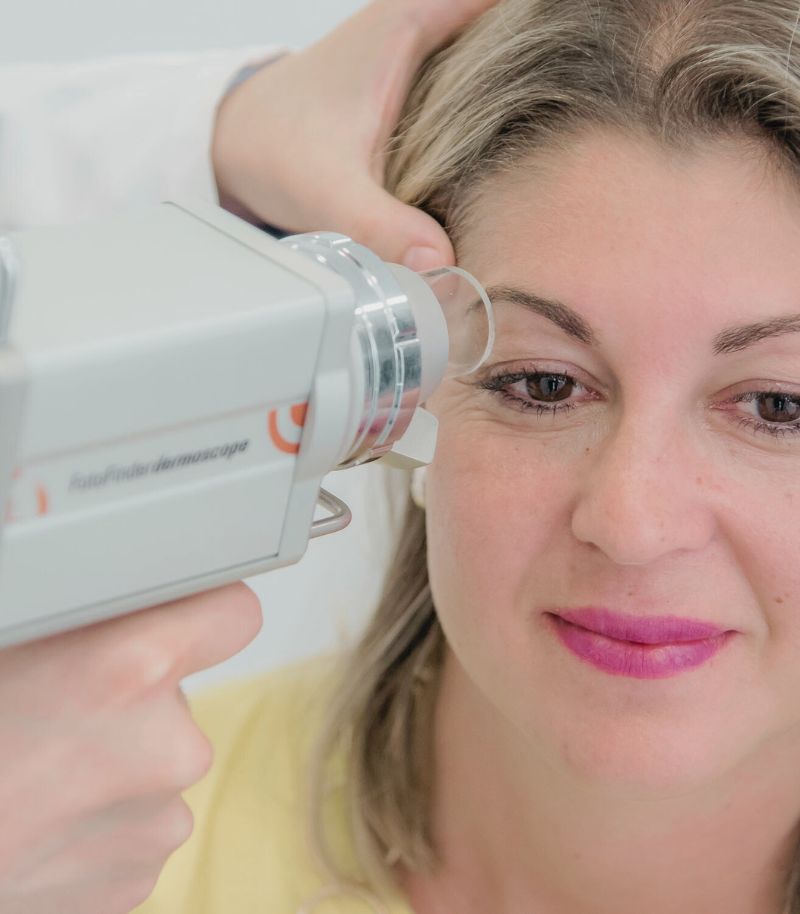
Comprehensive diagnosis
At Grupo Pedro Jaén, we have all the necessary resources to establish an accurate diagnosis.
In-depth evaluation of each case
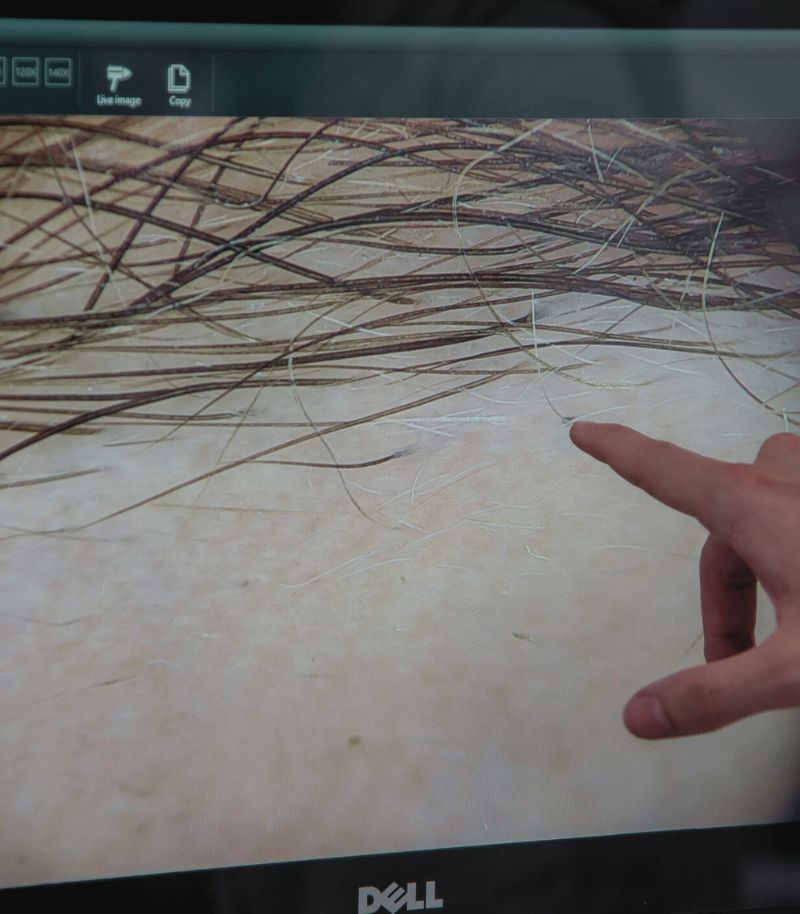
We carry out a detailed and individualised assessment of eyebrow alopecia through clinical examination, digital trichoscopy and a thorough review of the patient’s medical history. Eyebrow alopecia is frequently associated with other forms of alopecia, dermatological diseases, inflammatory or autoimmune conditions, as well as emotional or psychological factors such as stress, anxiety or trichotillomania. This diagnostic process allows us to identify the cause of eyebrow hair loss and detect any underlying condition that may require specific treatment.
A key step in selecting the most effective treatment
This comprehensive evaluation is essential to design an integrated and personalised therapeutic plan, adapted to the specific needs of each patient.
More information
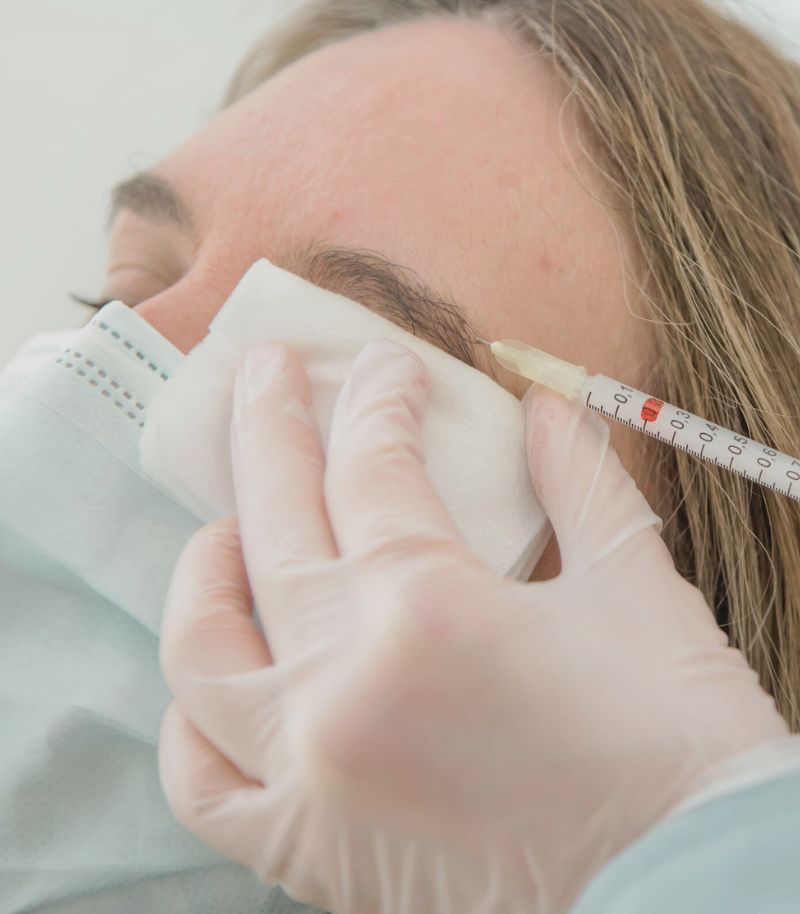
Treatments for eyebrow alopecia
Our dermatologists specialised in hair disorders have access to the full range of therapeutic options for eyebrow alopecia and tailor treatment according to each individual case.
Advanced medical treatments
Depending on the underlying cause, we prescribe pharmacological treatments administered topically or by local infiltration. These therapies aim to slow hair loss, improve hair shaft thickness, stimulate regrowth and modulate inflammatory processes in cases of autoimmune involvement affecting the eyebrows.
Eyebrow Transplant
Eyebrow transplantation is not suitable for all patients. Our team has extensive experience in carefully assessing candidacy for this procedure. Transplantation is reserved for selected cases with favourable conditions and a high likelihood of success, following a rigorous medical evaluation.
More information
Cosmetic options and patient-centred care
When medical treatments do not achieve complete hair recovery, we offer cosmetic solutions such as microblading or semi-permanent micropigmentation to restore the natural appearance of the eyebrows. These techniques are designed to respect facial harmony and achieve natural, balanced results.
Expertise in eyebrow aesthetics
Eyebrow design is tailored according to facial morphology and sex-specific anatomical characteristics. Pigment colour is carefully selected based on skin tone, hair colour and eye colour to ensure an aesthetically coherent result.
Commitment to patients’ overall wellbeing
Eyebrow loss has a significant impact on facial expression and emotional communication. For this reason, we approach this condition with particular sensitivity and attention to detail. Our aim is not only aesthetic improvement, but also the restoration of confidence and emotional wellbeing.
When necessary, patients may also benefit from the support of the Emotional Support Unit, which provides additional tools to improve quality of life and adherence to treatment.
More information
What it is, types, causes and treatment
A guide to understanding eyebrow alopecia
Eyebrows complement the function of the eyelids in protecting the eyes. They help filter sunlight and prevent sweat, rain and airborne particles from entering, striking or irritating the ocular surface. In addition, eyebrows play an essential role in facial expression and non-verbal communication, contributing to emotions such as anger, surprise or doubt.
From a purely aesthetic perspective, eyebrows frame the eyes and provide facial harmony. Their loss profoundly alters facial appearance and expression, often to a greater extent than scalp hair loss. For this reason, eyebrow alopecia is one of the conditions that causes the greatest concern among patients attending consultations at our Hair Disorders Unit, as noted by Dr Óscar Muñoz, a member of the unit and one of the leading specialists in hair disorders in this field.

Causes and diagnosis of eyebrow alopecia
Eyebrow hairs are short and relatively thick. They grow obliquely and are naturally denser in the medial region (near the glabella) and less dense towards the tail of the eyebrow. There are multiple reasons why this normal eyebrow pattern may be disrupted, leading to eyebrow alopecia.
Causes of eyebrow alopecia
Ageing
As with scalp hair and body hair, eyebrow hair tends to grow more slowly with age and becomes shorter and finer over time. This process usually results in a gradual loss of density rather than true eyebrow alopecia.
Hair pulling
Patients with trichotillomania — a behavioural disorder characterised by compulsive hair pulling — as well as individuals who have undergone prolonged and repeated traction-based hair removal methods (particularly tweezing or waxing) may experience permanent eyebrow hair loss.
Oncological therapies
Both radiotherapy and chemotherapy may cause eyebrow hair loss, sometimes leading to persistent or permanent changes even after cancer treatment has been completed.
Alopecia areata
This autoimmune form of alopecia affects hair follicles and leads to hair loss. In its universal variant, alopecia areata may also involve the eyebrows and eyelashes.
Frontal fibrosing alopecia
This type of scarring alopecia primarily affects the frontal and temporal scalp (the so-called “headband” area), but may also involve the eyebrows, eyelashes and sideburns.
Other causes of eyebrow alopecia
In addition to the conditions listed above, there are less common causes that must also be considered when evaluating eyebrow alopecia and its treatment options. These include hypothyroidism, leprosy, vitiligo, atopic dermatitis, ichthyosis (a group of disorders characterised by dry, scaly skin), psoriasis, ulerythema ophryogenes (follicular hyperkeratosis) and lupus, an autoimmune disease that can affect the skin among other tissues.
Diagnosis of eyebrow alopecia
The diagnosis of eyebrow alopecia is made during the clinical consultation through direct examination of the affected area, the use of digital trichoscopy — a microscopic technique that allows detailed visualisation of hair follicles and hair shafts — and a thorough review of the patient’s medical history. Eyebrow alopecia is frequently associated with other forms of alopecia, dermatological conditions, inflammatory or autoimmune diseases, as well as emotional factors such as stress or anxiety, and psychological disorders such as trichotillomania. For this reason, a comprehensive diagnostic approach is essential.
The importance of differential diagnosis lies not only in stopping eyebrow hair loss, but also in identifying any underlying condition that may be contributing to the problem. When present, treating the underlying cause is key to improving eyebrow alopecia at its origin.
“Losing the eyebrows completely alters facial appearance and expression, affecting the facial framework far more than scalp hair loss”
Treatments for eyebrow alopecia
As eyebrow hair loss may be caused by a wide range of factors, several treatment options are available. At Grupo Pedro Jaén, our Hair Disorders and Hair Transplant Unit follows an individualised approach and always performs a diagnosis tailored to each patient’s specific needs in order to establish the most effective treatment strategy.
Topical or injected medication
Treatments for eyebrow alopecia involve different active ingredients, some of which are also commonly used in other forms of alopecia. These medications improve blood flow and oxygen delivery to the hair follicle, increase hair shaft thickness and enhance overall hair health, thereby promoting regrowth. These treatments may be complemented by topical prostanoids formulated for home use, depending on the individual case.
Other pharmacological treatments
When eyebrow alopecia is related to inflammatory or autoimmune processes, dermatologists specialised in hair disorders may consider prescribing topical or injectable medication aimed at modulating these mechanisms and improving eyebrow hair loss.
Tattooing and microblading
These are cosmetic solutions that may be used alone or as a complement to medical treatments for eyebrow alopecia, particularly to fill in areas where hair regrowth has not been achieved or to improve density in sparse eyebrows.
These procedures involve designing and pigmenting the eyebrow area using permanent or semi-permanent make-up, carefully reproducing the original eyebrow shape and colour. Pigmentation techniques have evolved significantly in recent years, with the aim of achieving harmonious and natural-looking results.
Eyebrow design is adapted to the patient’s facial structure and takes into account whether the patient is male or female. Pigment colour is selected according to eye colour, skin tone and hair colour. In general, microblading tends to produce more natural results, as it recreates eyebrows hair by hair. It is a non-permanent technique and requires periodic maintenance.
Eyebrow Transplant
Eyebrow transplantation is a surgical option when an increase in eyebrow density cannot be achieved with medical treatments or when a permanent solution is desired.
This procedure is currently more frequently requested by women, as eyebrow alopecia is more common in females than in males, and women often perceive the aesthetic impact of eyebrow loss more negatively.

More information
Below you will find the authorship and references for the information provided on this page:
Authorship and references
The content of this page has been prepared by the Communication Department and the Medical Team of Grupo Pedro Jaén, in line with our editorial commitment to ensuring the accuracy and up-to-date nature of the information provided.
References on eyebrow alopecia:
1. Rajput RJ. Hair Transplant for Eyebrow Restoration. Indian J Plast Surg. 2021 Dec 14;54(4):489-494. doi: 10.1055/s-0041-1739253. PMID: 34984090; PMCID: PMC8719974.
2. Sabanciogullarindan S, Tunc S. Cicatricial eyebrow restoration using the follicular unit extraction technique. J Cosmet Dermatol. 2022 Mar;21(3):1098-1105. doi: 10.1111/jocd.14226. Epub 2021 Oct 26. PMID: 34114737.
3. Wang J, Fan J. [Aesthetic eyebrow reconstruction by using follicular-unit hair grafting technique]. Zhonghua Zheng Xing Wai Ke Za Zhi. 2002 Mar;18(2):101-3. Chinese. PMID: 12192759.
4. Jiang W, Wang M, Wang B. Clinical outcomes and technical tips for eyebrow restoration using single-follicular-unit hair transplantation: A case series review. J Cosmet Dermatol. 2020 Aug;19(8):2057-2060. doi: 10.1111/jocd.13242. Epub 2019 Dec 9. PMID: 31820550.
5. Wang J, Fan J. Cicatricial eyebrow reconstruction with a dense-packing one- to two-hair grafting technique. Plast Reconstr Surg. 2004 Nov;114(6):1420-6. doi: 10.1097/01.prs.0000138727.17753.73. PMID: 15509928.
6. Liu LY, King BA, Ko JM. Eyebrows Are Important in the Treatment of Alopecia Areata. J Investig Dermatol Symp Proc. 2020 Nov;20(1):S37-S40. doi: 10.1016/j.jisp.2020.04.006. PMID: 33099382.
7. Fertig R, Tosti A. Frontal fibrosing alopecia treatment options. Intractable Rare Dis Res. 2016 Nov;5(4):314-315. doi: 10.5582/irdr.2016.01065. PMID: 27904832; PMCID: PMC5116872.
Where we see patients?
Clinics in Madrid
Grupo Pedro Jaén is a medical group with more than thirty years of experience, specialising in medical, surgical and aesthetic solutions related to skin health and care. Under the leadership of Dr Pedro Jaén, the group has a multidisciplinary team of highly qualified specialists, ensuring expert care across all areas of treatment. In addition, Grupo Pedro Jaén is recognised for its strong commitment to medical education, its leadership in clinical research and its network of clinics in Madrid, from which it provides healthcare of the highest quality and excellence to its patients.


Calle Cinca 30
Located in the El Viso district, this centre houses the consultations of the Hair Disorders and Hair Transplant Unit of Grupo Pedro Jaén in central Madrid.
Mon - Fri: 09:00 - 20:30
Calle Cinca 30, El Viso neighbourhood, Chamartín District, 28002 Madrid

La Moraleja
Located in Plaza de La Moraleja, this exclusive centre allows Grupo Pedro Jaén to bring its medical and aesthetic services closer to patients across the entire northern area of Madrid.
Mon - Thu: 09:30 - 20:00 / Fri: 10:00 - 18:00
Calle de la Estafeta 8, ground floor, La Moraleja, 28109 Alcobendas, Madrid, Spain
Related units and pages
Hair Disorders Unit
A specialised medical team and the most effective treatments for all types of hair disorders.
Eyebrow Transplant
A permanent solution when adequate eyebrow density cannot be achieved with medical treatment alone.
Alopecia areata
Treatments aimed both at promoting hair regrowth and preventing common relapses.
Female alopecia
Individualised diagnosis and specific treatments for the different types of alopecia in women.
Frontal fibrosing alopecia
Personalised treatment based on the extent of hair loss and the degree of scalp inflammation.
Androgenetic alopecia
Information about this common form of alopecia and the different treatment options currently available.
Information and news
Press room
In the Grupo Pedro Jaén Press Room you can find information, advice and news related to dermatology, aesthetic medicine, trichology and general health. The group’s journals are also shared through an online platform, along with updates on the activity and media appearances of our clinics and healthcare professionals.
How to shower properly: tips for looking after your skin
Cold or hot water? Is it better to use a sponge? Find out how to shower properly and what dermatologists recommend to protect your skin.
Retinol in summer: should you stop using it?
We debunk this and other myths about using retinol during the warmer months.

Blog
News about Grupo Pedro Jaén. Information and advice on dermatology, aesthetic medicine, trichology, and general health

Media
Information about media appearances by our clinics and medical specialists.

Journal
Archive of all Grupo Pedro Jaén journals, available through an external online platform.