
Female alopecia
Treatment at our clinics in Madrid on Calle Cinca and La Moraleja
Dermatologists specialising in
Treatment of female alopecia
Female alopecia affects approximately 30% of women in Spain, according to the most recent estimates. The Grupo Pedro Jaén Hair Disorders and Hair Transplant Unit dedicates a significant part of its clinical and research activity to the study and management of this condition, which has increased in prevalence in recent years and has a considerable emotional impact on affected patients.
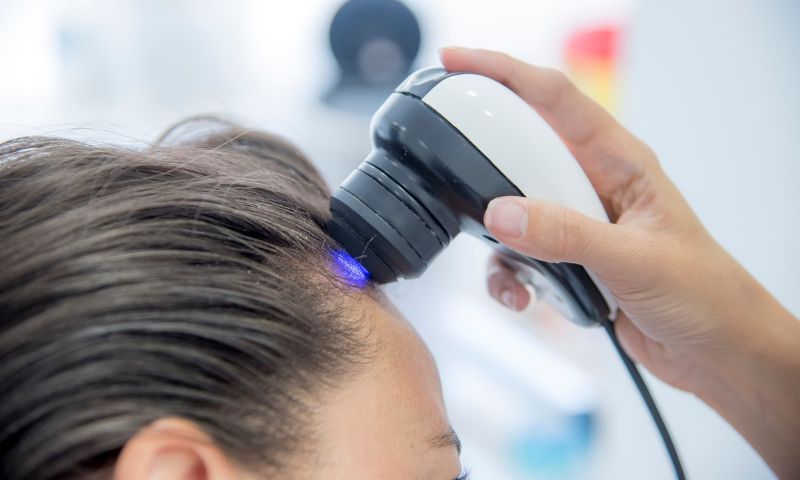
Recognised reference clinics in Spain
Home > Hair Disorders > Female alopecia
What sets us apart
An approach adapted to the individual circumstances of each woman
Our specialists apply a personalised medical approach that combines detailed diagnostic assessment with treatments adapted to each woman’s hormonal profile and clinical context. Our dermatologists are highly specialised in the hair disorders most frequently affecting women: telogen effluvium (temporary hair shedding that does not constitute alopecia in itself), androgenetic alopecia (the most common form of alopecia in both men and women), frontal fibrosing alopecia and alopecia areata, the latter two being particularly prevalent in women.
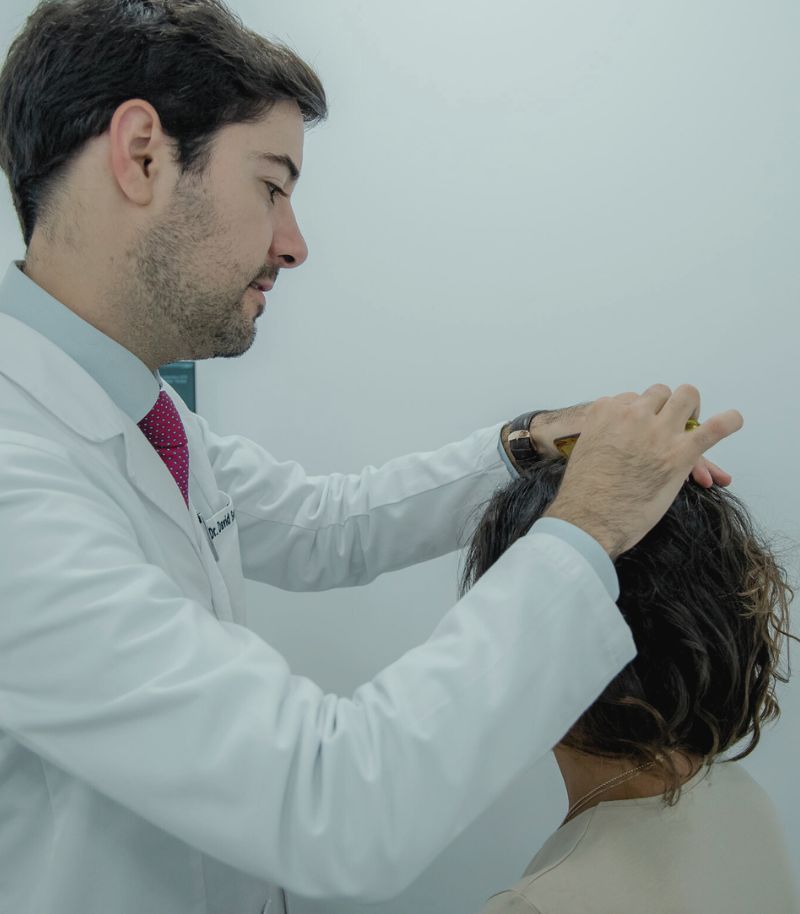
Female androgenetic alopecia
Dermatologists specialising in female alopecia tailor the management of this condition to each woman’s individual clinical situation
Differential approach
Androgenetic alopecia is the most common form of alopecia in both men and women. However, its clinical presentation differs significantly between sexes. In women, it is characterised by a generalised reduction in hair density and diffuse thinning over the central and upper scalp.
Diagnosis and tailored treatment
Female androgenetic alopecia is frequently associated with other medical conditions, such as vitamin deficiencies, polycystic ovary syndrome, eating disorders, restrictive diets, HAIR-AN syndrome, congenital adrenal hyperplasia, or adrenal and ovarian tumours. These situations require a specific diagnostic and therapeutic approach, in which our unit has extensive experience.
More information
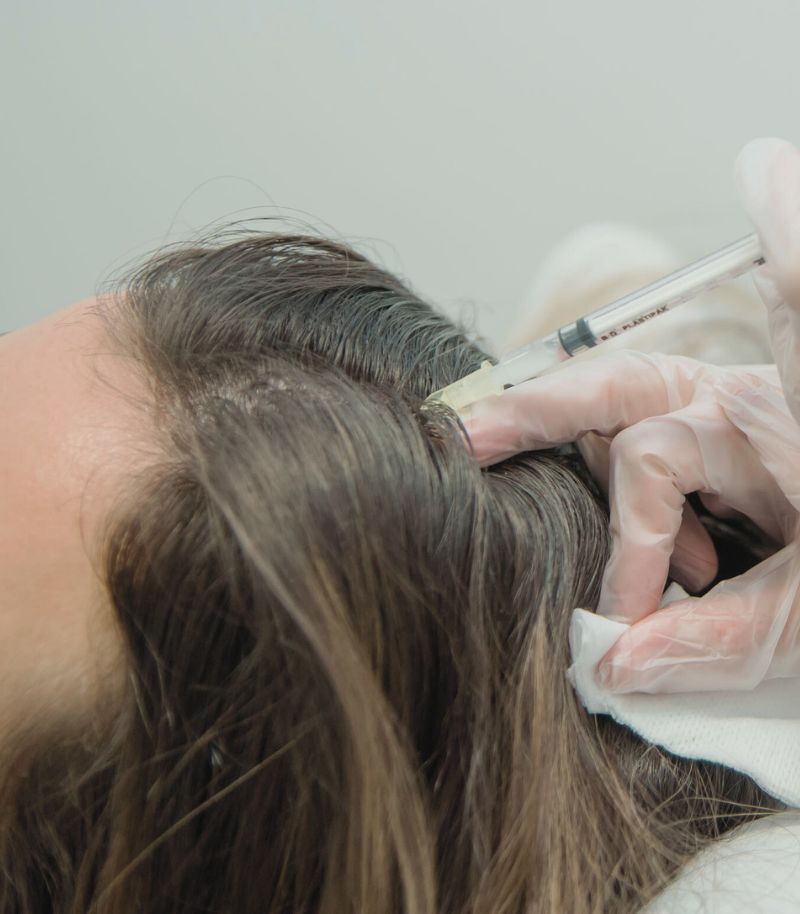
Treatments specifically for women
The dermatologists at Grupo Pedro Jaén who specialise in female alopecia take into account each patient’s individual circumstances and stage of life when designing treatment plans. When appropriate, they work in coordination with other specialist units within the group to ensure safe and compatible care.
Adapted to each stage of a woman’s life
Our approach includes specific management strategies for women during key stages such as family planning, the postpartum period and menopause, adapting treatments to the hormonal changes characteristic of these phases.
Coordination with other units
Treatment plans are designed to be compatible with fertility and reproductive health when relevant, and include personalised follow-up. For this reason, management is often coordinated with the Endocrinology and/or Gynaecology Units at Grupo Pedro Jaén.
More information
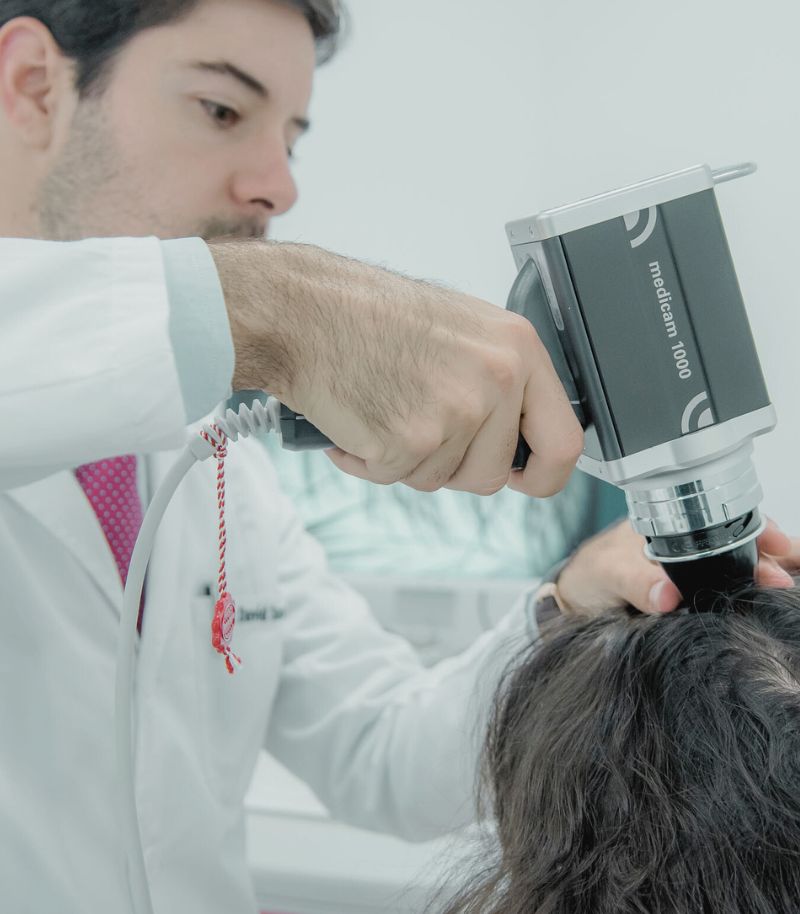
Telogen effluvium
Telogen effluvium is not strictly a form of alopecia, but it is one of the most common causes of hair shedding and a frequent source of concern among women.
Comprehensive approach
Although telogen effluvium often resolves spontaneously within two to three months, a medical assessment is essential to exclude nutritional deficiencies, other types of alopecia or underlying systemic conditions. When associated disorders are identified, our dermatologists work closely with other specialists within the group to ensure comprehensive care.
Differential diagnosis and specialised management
The Hair Disorders and Hair Transplant Unit has extensive experience in the differential diagnosis of telogen effluvium and in implementing appropriate measures to facilitate recovery and reassure patients.
More information
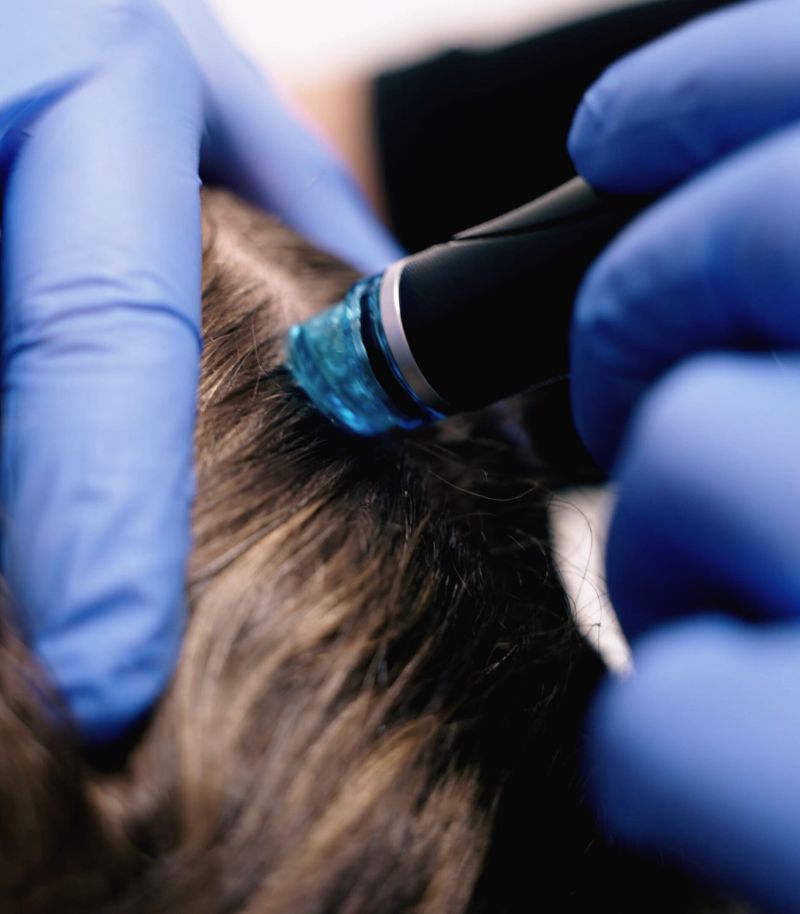
Individualised cosmetic measures
Our unit offers a wide range of cosmetic measures aimed at improving the visual outcome of medical or surgical treatments, or at providing alternatives for patients who, for clinical or personal reasons, are not candidates for these therapies.
Scalp micropigmentation
Scalp micropigmentation is a semi-permanent technique in which pigment is applied to the superficial layers of the scalp to create the appearance of greater hair density in selected areas.
Cosmetic counselling
Our specialists provide personalised advice on hair care and daily hygiene routines to help patients maintain both hair health and an acceptable aesthetic appearance as part of their overall management plan.
More information
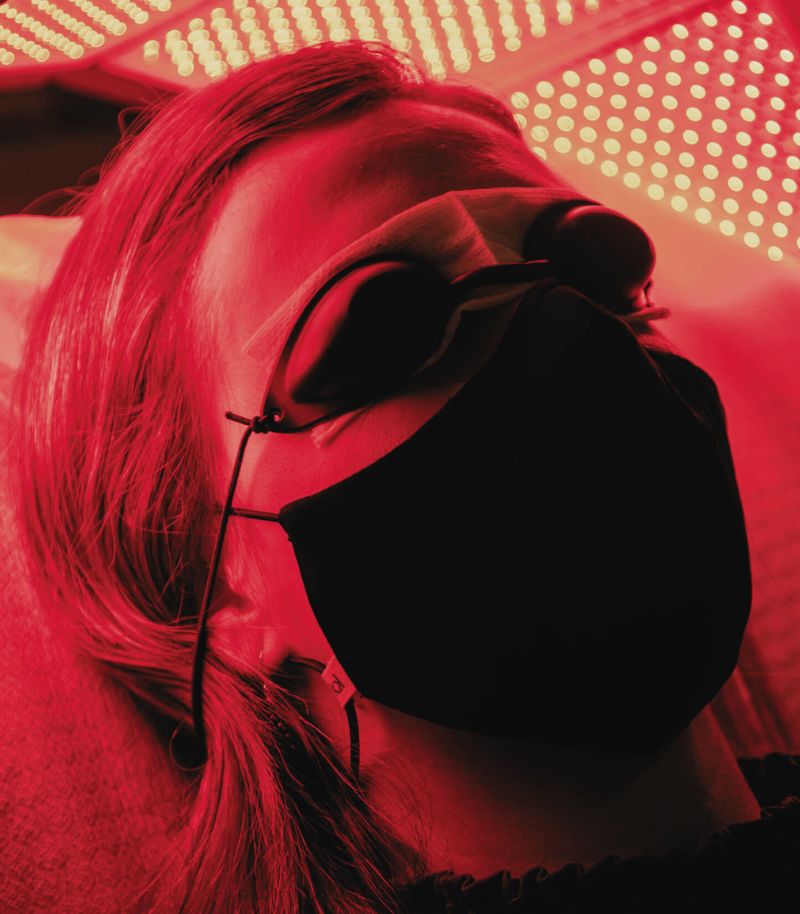
Experts in female alopecia
The Hair Disorders and Hair Transplant Unit at Grupo Pedro Jaén leads and participates in multiple clinical studies on frontal fibrosing alopecia and alopecia areata, both of which are particularly prevalent in women. We offer the full range of medical and supportive treatments currently available to slow disease progression and, in selected cases, promote hair regrowth.
Advanced treatments
Our specialists’ direct involvement in clinical research ensures continuous updating of therapeutic strategies and the application of the most advanced evidence-based treatments currently available.
Psychological support
The Emotional Support Unit is available to assist patients when needed, recognising the significant psychological impact that female alopecia can have.
More information
Hair transplantation in women
Advances in medical knowledge and surgical techniques have broadened the indications for hair transplantation in women.
Experienced team
The Hair Disorders and Hair Transplant Unit at Grupo Pedro Jaén has extensive experience in the evaluation and selection of female candidates for hair transplantation, including no-shave FUE techniques. Eyebrow transplantation may also be considered in carefully selected cases, following thorough medical assessment.
Effective solutions for selected patients
This combination of clinical expertise and research experience allows us to offer therapeutic options to patients who, until recently, had limited alternatives.
More information
Main types, causes and treatment
A guide to understanding alopecia in women
Although alopecia is often associated with men, hair loss is also a common concern among women. In fact, androgenetic alopecia — the most frequent of the more than 100 types of alopecia described — affects a higher percentage of men, but the difference compared with women is not as marked as is often assumed. In addition, certain types of alopecia, such as frontal fibrosing alopecia and alopecia areata, are more prevalent in women.
Women also more frequently seek specialist care because they tend to be particularly affected by hair disorders related to cosmetic treatments or conditions such as telogen effluvium, a form of temporary hair shedding which, although not a true alopecia, can be very noticeable. For this reason, it represents a significant proportion of consultations at the Grupo Pedro Jaén Hair Disorders and Hair Transplant Unit.

Female androgenetic alopecia
Androgenetic alopecia is one of the most common forms of hair loss. Although the hormones involved in its development are androgens (“male” hormones), this condition also affects women. It is estimated that at least 25% of women may experience androgenetic alopecia at some point in their lives. It is more frequent during the perimenopausal period, typically from the age of 45–50 years.
Causes
Female androgenetic alopecia has a hormonal and genetic basis. Both androgen-dependent and androgen-independent mechanisms play a role in its development. When it appears before menopause, it is referred to as early-onset female androgenetic alopecia and often worsens during menopause due to the decline in oestrogen levels characteristic of this stage of life. When it develops after menopause, it is referred to as late-onset female androgenetic alopecia.
In some cases, this condition may begin during childhood, coinciding with adrenarche, the period when the adrenal glands begin hormonal activity.
In both early- and late-onset forms, androgen levels may be elevated; however, most women with androgenetic alopecia have normal circulating hormone levels. In these cases, the underlying mechanism is increased sensitivity of the hair follicle to normal androgen levels.
Androgens induce progressive miniaturisation of hair follicles, causing the hair shaft to become increasingly thinner. Without appropriate treatment, terminal hair may eventually be replaced by fine vellus hair.
As in male androgenetic alopecia, it is common to find affected family members, although the condition can also occur in the absence of a family history.
Unlike the male pattern, female androgenetic alopecia may coexist with other medical conditions, such as vitamin deficiencies, polycystic ovary syndrome, anorexia nervosa, restrictive diets, HAIR-AN syndrome, congenital adrenal hyperplasia, or adrenal and ovarian tumours.
All these conditions must be excluded to establish an accurate differential diagnosis.
Symptoms and diagnosis
Symptoms of female androgenetic alopecia
Female androgenetic alopecia most commonly affects the frontal, central and parietal regions of the scalp, while usually preserving the frontal hairline. However, hair loss in women does not follow the clearly defined pattern typically observed in men.
It is characterised by a generalised reduction in hair density, resulting in progressive widening of the central parting, thinning of the ponytail, or increased scalp visibility through the hair. Over time, diffuse thinning may affect the entire upper scalp.
Severity is commonly classified using the Ludwig or Olsen scales (three grades) or the Ebling scale (five grades), ranging from mild to advanced.
Not all patients progress to advanced stages. However, as with male androgenetic alopecia, the condition usually follows a slow but progressive course if left untreated, particularly during younger years.
Diagnosis of female androgenetic alopecia
Diagnosis is based on clinical examination and digital trichoscopy performed during consultation. This specialised digital microscopy technique allows assessment of hair density, variability in hair shaft diameter, measurement of hair thickness and evaluation of scalp sebum production.
As a non-invasive technique, trichoscopy enables early diagnosis and timely initiation of treatment.
Accurate digital monitoring with standardised photographs is essential for long-term follow-up and evaluation of treatment response.
In most cases, baseline laboratory testing is required to assess parameters influencing hair growth and to identify possible hormonal alterations associated with female androgenetic alopecia.
Treatment of female androgenetic alopecia
There is currently no curative treatment for androgenetic alopecia. Available therapies must therefore be maintained long term in order to preserve results and slow disease progression.
For this reason, it is essential to design a sustainable and well-tolerated treatment strategy, as therapy must often be continued for many years. Discontinuation of treatment typically leads to gradual loss of the improvement achieved.
At the Grupo Pedro Jaén Hair Disorders and Hair Transplant Unit, treatment is usually more intensive during the first two years. Clinical improvement generally becomes noticeable after six months and reaches its maximum effect between 12 and 18 months. Thereafter, treatment regimens may be adjusted to improve long-term adherence.
Afortunadamente, en la actualidad disponemos de multitud de alternativas que nos permiten introducir cambios que se ajusten a las necesidades de la paciente y a las características de su alopecia en cada momento. La mejoría obtenida se mide en función del aumento de la densidad capilar y en el engrosamiento del cabello fino existente.
Oral and topical medication
These objectives are achieved using medications that act selectively on the hair follicle, slowing or reversing follicular miniaturisation.
These treatments are generally well tolerated, allowing patients to maintain a normal lifestyle, including exercise, sun exposure and, where appropriate, alcohol consumption, in accordance with specialist advice. When indicated, they may be combined with therapies aimed at correcting associated hormonal alterations.
Women undergoing treatment with certain active agents must avoid pregnancy for a defined period after discontinuation, ranging from one to six months depending on the medication. Blood donation should also be avoided during this time.
Topical therapies may also be prescribed to promote hair shaft thickening.
Other therapies for female androgenetic alopecia
Additional treatments may be useful in selected cases, including microneedling, low-level laser therapy or mesotherapy with specific active substances
The specialists at Grupo Pedro Jaén are also involved in clinical studies investigating regenerative medicine therapies. However, further research is required before these approaches can be routinely recommended.
When necessary, complementary medical treatment may be initiated based on laboratory findings or coexisting conditions, with support from the Gynaecology or Endocrinology Units.
Hair transplantation for female androgenetic alopecia
Hair transplantation using micrograft techniques is a minimally invasive surgical option that may complement medical treatment by significantly improving hair density in affected areas. Contrary to common belief, this procedure can also be performed in women.
Current techniques provide fully natural results. Surgery may be performed using FUE with shaving or using strip (FUSS) techniques without shaving.
The procedure is carried out on an outpatient basis and does not require hospital admission. Recovery is gradual and usually complete within seven to eight days.
New hair growth typically becomes visible after six months, with maximal results observed between 12 and 15 months
More information about androgenetic alopecia
Frontal fibrosing alopecia in women
Frontal fibrosing alopecia is a form of cicatricial alopecia characterised by progressive destruction of the hair follicle, leading to permanent hair loss. Its incidence has increased in recent years, although its exact causes are not fully understood. It is the second most common form of alopecia in women and primarily affects postmenopausal women, although increasing cases have been reported in premenopausal women and in men.
The Grupo Pedro Jaén Hair Disorders and Hair Transplant Unit leads and participates in multiple studies on frontal fibrosing alopecia and has published key findings on this increasingly prevalent condition. It is characterised by hair loss along the frontal hairline and sideburns, and may also affect eyebrows, eyelashes and body hair.
Symptoms may include scalp itching or pain, facial papules and prominent frontal veins. These features, combined with recession of the hairline, can cause significant aesthetic and psychological distress.
More information about frontal fibrosing alopecia
Eyebrow alopecia
Eyebrow hair loss is one of the main concerns among women attending the Grupo Pedro Jaén Hair Disorders and Hair Transplant Unit.
Beyond their protective function, eyebrows play a crucial role in facial expression and aesthetics. Eyebrow loss can profoundly alter facial appearance and expression, often having a greater impact than scalp hair loss and significantly affecting self-esteem, particularly in women.
Grupo Pedro Jaén has extensive experience in the diagnosis and treatment of eyebrow alopecia, ranging from oral and topical therapies to hair transplantation.
More information about eyebrow alopecia
“Female alopecia has a significant emotional impact on the women who experience it. For this reason, we conduct research and develop innovative treatments aimed at achieving the highest possible level of effectiveness”
Alopecia areata in women
Alopecia areata is a non-scarring form of alopecia characterised by hair loss in well-defined areas of the scalp. It is one of the most common types of alopecia in women, after androgenetic alopecia and frontal fibrosing alopecia, although it can also affect men.
It primarily involves the scalp, but may also affect the eyebrows or eyelashes, which can have a particularly significant emotional impact on women.
The clinical course of alopecia areata is highly variable. While some patients experience hair loss for only a few months, others may be affected for many years.
Alopecia areata is painless, non-contagious and does not pose a direct risk to physical health. However, its aesthetic impact may have significant emotional consequences and substantially impair quality of life, affecting personal, social and professional domains.
More information about alopecia areata
Telogen effluvium
Telogen effluvium is not a true form of alopecia, although it is a frequent reason for consultation at our Hair Disorders and Hair Transplant Unit, as it can be highly alarming for patients. It may affect individuals of any age, but is particularly common in young women.
This condition is characterised by sudden, diffuse and marked hair shedding without a specific pattern. It results from a disruption of the normal hair growth cycle, causing a large number of hairs in the growth phase to enter the shedding phase simultaneously, leading to significant hair loss.
Telogen effluvium is a reversible process and may resolve spontaneously without specific treatment. Nevertheless, consultation with a specialist in hair disorders is recommended to exclude other forms of alopecia that may be masked by telogen effluvium or, in more severe cases, to initiate treatment that may accelerate hair recovery.
More information about telogen effluvium

Cosmetic hair disorders
The Grupo Pedro Jaén Hair Disorders and Hair Transplant Unit also provides solutions for cosmetic alterations affecting the scalp or the hair shaft, such as split ends, dull or brittle hair, or contact dermatitis.
These and other cosmetic hair concerns are not usually related to alopecia and are generally managed by adjusting hair care routines and adopting practices that are more respectful of both the hair and the scalp. Our specialists provide personalised advice on daily hair care to ensure that hair is not only healthy, but also maintains an aesthetically pleasing appearance.
More information about the management of cosmetic hair disorders
More information
Below you will find details regarding authorship and references for the information provided on this page, as well as information on patient participation in research studies and the development of new treatments for female alopecia.
Authorship and references
The content of this page has been prepared by the Communication Department and the Medical Team of Grupo Pedro Jaén, in line with our editorial commitment to ensuring the accuracy and up-to-date nature of the information provided.
References on female alopecia:
1. New Treatments for Hair Loss. Vañó-Galván S, Camacho F. Actas Dermosifiliogr. 2017 Apr; 108(3):221-228. doi: 10.1016/j.ad.2016.11.010.
2. Safety and Tolerability of the Dual 5-Alpha Reductase Inhibitor Dutasteride in the Treatment of Androgenetic Alopecia. Choi GS, Kim JH, Oh SY, Park JM, Hong JS, Lee YS, Lee WS. Ann Dermatol. 2016 Aug;28(4):444-50.
3. The effectiveness of finasteride and dutasteride used for 3 years in women with androgenetic alopecia. Boersma IH, Oranje AP, Grimalt R, Iorizzo M, Piraccini BM, Verdonschot EH. Indian J Dermatol Venereol Leprol. 2014 Nov-Dec;80(6):521-5.
4. Mesotherapy with dutasteride in the treatment of androgenetic alopecia. Saceda-Corralo D, Rodrigues-Barata AR, Vano-Galvan S, Jaen-Olasolo P. Int J Trichol 2017;9:143-5.
5. Mesotherapy using dutasteride-containing preparation in treatment of female pattern hair loss: photographic, morphometric and ultrustructural evaluation. Moftah N, Moftah N, Abd-Elaziz G, Ahmed N, Hamed Y, Ghannam B, Ibrahim M. J Eur Acad Dermatol Venereol. 2013 Jun;27(6):686-93.
6. Oral bicalutamide for female pattern hair loss: A pilot study. Fernandez-Nieto D, Saceda-Corralo D, Rodrigues-Barata R, Hermosa-Gelbard A, Moreno-Arrones O, Jimenez-Cauhe J, Ortega-Quijano D, Vano-Galvan S. Dermatol Ther. 2019 Nov;32(6):e13096.
7. Safety of oral bicalutamide in female pattern hair loss: a retrospective review of 316 patients. Ferial Ismail F, Meah N, de Carvalho LT, Bhoyrul B, Wall D, Sinclair R. J Am Acad Dermatol. 2020 Mar 22:S0190-9622(20)30452-7.8.
8. Sinclair, Rodney D. “Female pattern hair loss: a pilot study investigating combination therapy with low-dose oral minoxidil and spironolactone.” International journal of dermatology 57.1 (2018): 104-109.
9. Low-Dose Oral Minoxidil for Female Pattern Hair Loss: A Unicenter Descriptive Study of 148 Women. Rodrigues-Barata R, Moreno-Arrones OM, Saceda-Corralo D, Jiménez-Cauhé J, Ortega-Quijano D, Fernández-Nieto D, Jaén Olasolo P, Vaño-Galvan S. Skin Appendage Disord. 2020 Jun;6(3):175-176
10. Safety of low-dose oral minoxidil treatment for hair loss. A systematic review and pooled-analysis of individual patient data. Jimenez-Cauhe J, Saceda-Corralo D, Rodrigues-Barata R, Moreno-Arrones OM, Ortega-Quijano D, Fernandez-Nieto D, Jaen-Olasolo P, Vaño-Galvan S. Dermatol Ther. 2020 Aug 5. doi: 10.1111/dth.14106.
Patient participation in research studies
The Grupo Pedro Jaén Hair Disorders and Hair Transplant Unit, in collaboration with the Hair Disorders Unit of Ramón y Cajal University Hospital, is currently conducting several scientific studies to advance knowledge of female alopecia. If you are interested in participating in any of these studies, please discuss this with your physician.
Where we see patients?
Clinics in Madrid
Grupo Pedro Jaén is a medical group with more than thirty years of experience, specialising in medical, surgical and aesthetic solutions related to skin health and care. Under the leadership of Dr Pedro Jaén, the group has a multidisciplinary team of highly qualified specialists, ensuring expert care across all areas of treatment. In addition, Grupo Pedro Jaén is recognised for its strong commitment to medical education, its leadership in clinical research and its network of clinics in Madrid, from which it provides healthcare of the highest quality and excellence to its patients.


Calle Cinca 30
Located in the El Viso district, this centre houses the consultations of the Hair Disorders and Hair Transplant Unit of Grupo Pedro Jaén in central Madrid.
Mon - Fri: 09:00 - 20:30
Calle Cinca 30, El Viso neighbourhood, Chamartín District, 28002 Madrid

La Moraleja
Located in Plaza de La Moraleja, this exclusive centre allows Grupo Pedro Jaén to bring its medical and aesthetic services closer to patients across the entire northern area of Madrid.
Mon - Thu: 09:30 - 20:00 / Fri: 10:00 - 18:00
Calle de la Estafeta 8, ground floor, La Moraleja, 28109 Alcobendas, Madrid, Spain
Related units and pages
Hair Disorders Unit
A specialised medical team and the most effective treatments for all types of hair disorders.
Alopecia areata
Treatments aimed both at promoting hair regrowth and preventing common relapses.
Folliculitis Decalvans
More advanced alternatives to stabilise the clinical condition and prevent further progression of this form of alopecia.
Androgenetic alopecia
Information about this common form of alopecia and the different treatment options currently available.
Frontal fibrosing alopecia
Personalised treatment based on the extent of hair loss and the degree of scalp inflammation.
Alopecia areata
Treatments aimed both at promoting hair regrowth and preventing common relapses.
Information and news
Press room
In the Grupo Pedro Jaén Press Room you can find information, advice and news related to dermatology, aesthetic medicine, trichology and general health. The group’s journals are also shared through an online platform, along with updates on the activity and media appearances of our clinics and healthcare professionals.
How to shower properly: tips for looking after your skin
Cold or hot water? Is it better to use a sponge? Find out how to shower properly and what dermatologists recommend to protect your skin.
Retinol in summer: should you stop using it?
We debunk this and other myths about using retinol during the warmer months.

Blog
News about Grupo Pedro Jaén. Information and advice on dermatology, aesthetic medicine, trichology, and general health

Media
Information about media appearances by our clinics and medical specialists.

Journal
Archive of all Grupo Pedro Jaén journals, available through an external online platform.