
Scar Unit
At our centres in Madrid: Serrano 143, Serrano 166 and La Moraleja
Specialists in
Treatment and removal of scars
Scars that heal abnormally can have a significant impact on appearance, depending on their size and location. They may affect self-esteem and emotional wellbeing. Some scars can also cause discomfort—such as pain, itching or tightness—and may lead to functional problems and limitations in movement, particularly when located near areas such as the mouth or eyes. The Grupo Pedro Jaén Scar Unit provides personalised solutions based on the treatment combination most likely to achieve the best outcome for each scar type and patient profile. This may include different laser technologies and complementary techniques. Our specialists work closely with other units across the group, supporting patients who may be prone to problematic scarring.

Recognised reference clinics in Spain
Home > Aesthetic medicine > Scars
What sets us apart
Comprehensive and advanced approach to each type of scar
Our Scar Unit is recognised for a comprehensive and personalised approach to acne scars, surgical scars and traumatic scars. We assess scars from the outset and, whenever possible, intervene early using the most appropriate techniques to optimise cosmetic and functional outcomes. Our approach combines state-of-the-art technologies with selected surgical procedures, tailoring treatment to the scar type and the patient’s individual characteristics. A key differentiator is our ability to combine therapies and to act from the earliest stages of surgical or traumatic scar maturation—helping to influence healing and improve long-term results.
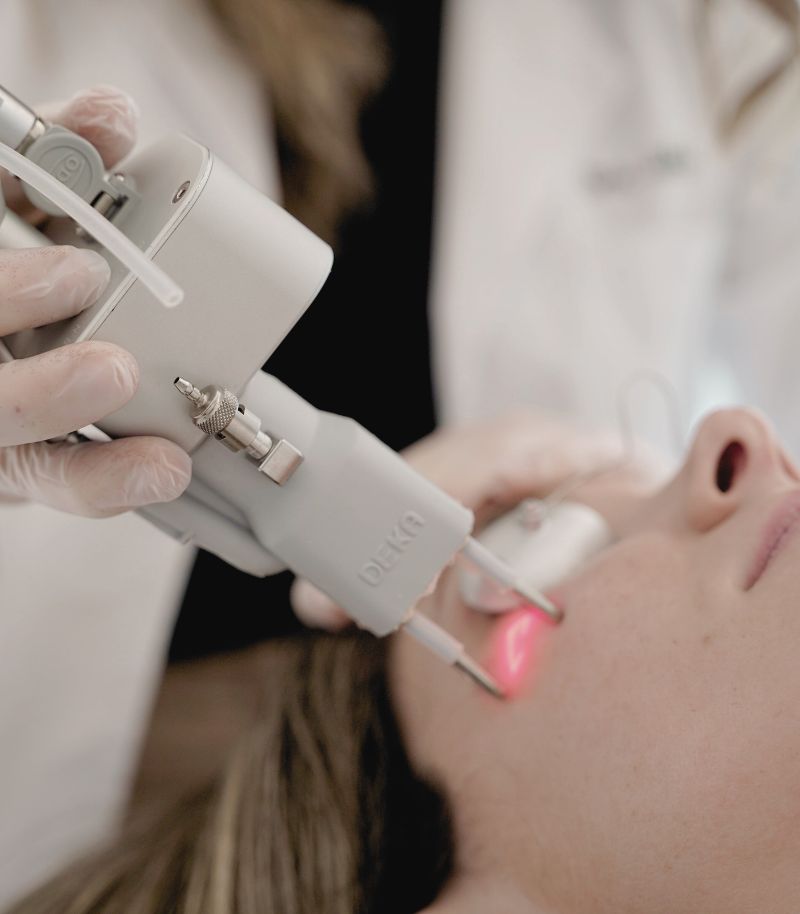
Combination of therapies to treat acne scars
For many patients, acne scars are more distressing than acne itself. They can have a major aesthetic impact, affect confidence and represent a clinical challenge.
Three technologies tailored to each patient
Grupo Pedro Jaén has developed a dedicated protocol for acne scars that combines subcutaneous laser, fractional CO₂ laser and radiofrequency microneedling. The sequence and parameters are personalised according to the scar pattern, skin type and each patient’s goals.
Enhanced synergistic effect
Subcutaneous laser uses a fine optical fibre introduced beneath the skin to release fibrous bands and elevate depressed scars, in a way comparable to subcision. Fractional CO₂ laser helps resurface the skin and remodel collagen, improving texture and overall skin quality. Finally, radiofrequency microneedling supports collagen stimulation, helping refine residual marks and improve tone and texture.
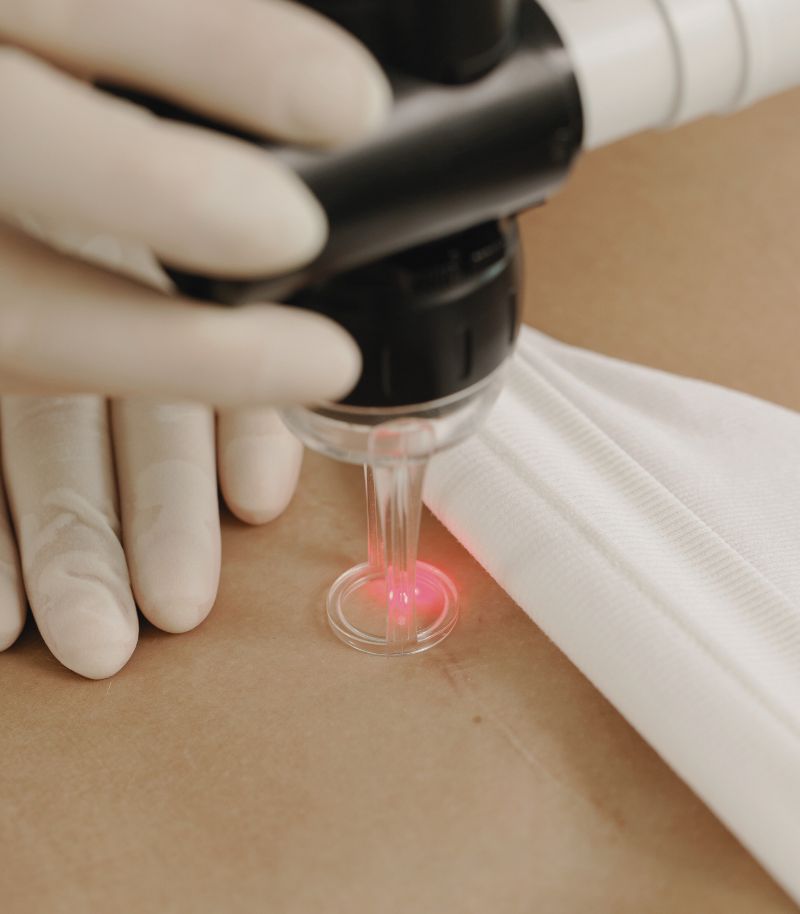
Caesarean scar treatment
This is one of the surgical scars most frequently treated by the Grupo Pedro Jaén Scar Unit. Although it is a standard surgical incision, it has specific features that may require a tailored approach.
Care for a special scar
Caesarean scars may be more prone to hypertrophy (raised or thickened scarring), can remain red for longer, and may carry a higher risk of delayed healing due to tension and pressure in the abdominal area. We specialise in addressing these features and have advanced technologies to support scar optimisation.
Winning combination to minimise caesarean scars
While the scar is still red, vascular laser may be indicated to reduce redness and swelling. Later, fractional CO₂ laser can be used to improve texture and smoothness. For best results, treatment is often planned early in the healing process, once the wound has closed and sutures have been removed, subject to medical assessment.
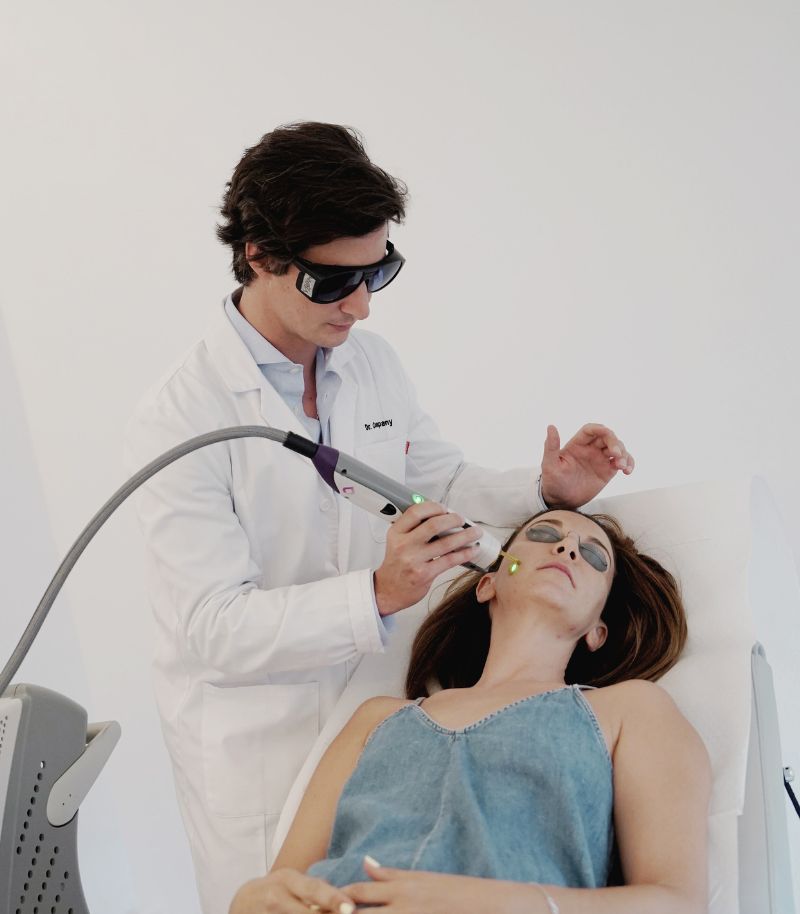
The full range of laser equipment for scars
To achieve the best possible outcome, the Scar Unit works closely with the Laser Unit to select the most appropriate technologies for each case. Different lasers are often combined.
Vascular laser and Fractional CO₂ laser
Vascular laser is used to reduce redness and inflammation in early scars. It can also help lower the risk of post-inflammatory hyperpigmentation in selected cases. Fractional CO₂ laser supports collagen remodelling and can improve scar texture, elasticity and surface irregularities, helping the scar blend more naturally with surrounding skin.
Picosecond laser and Excimer laser
Picosecond laser can be used to address dark pigmentation that may persist after scarring due to altered melanin distribution. This is more common in darker skin phototypes but can occur in any skin type.
Excimer laser emits targeted ultraviolet light and may be considered in hypopigmented (whitish) scars to support repigmentation. It is also used in conditions such as vitiligo, where it helps stimulate pigmentation in affected areas.
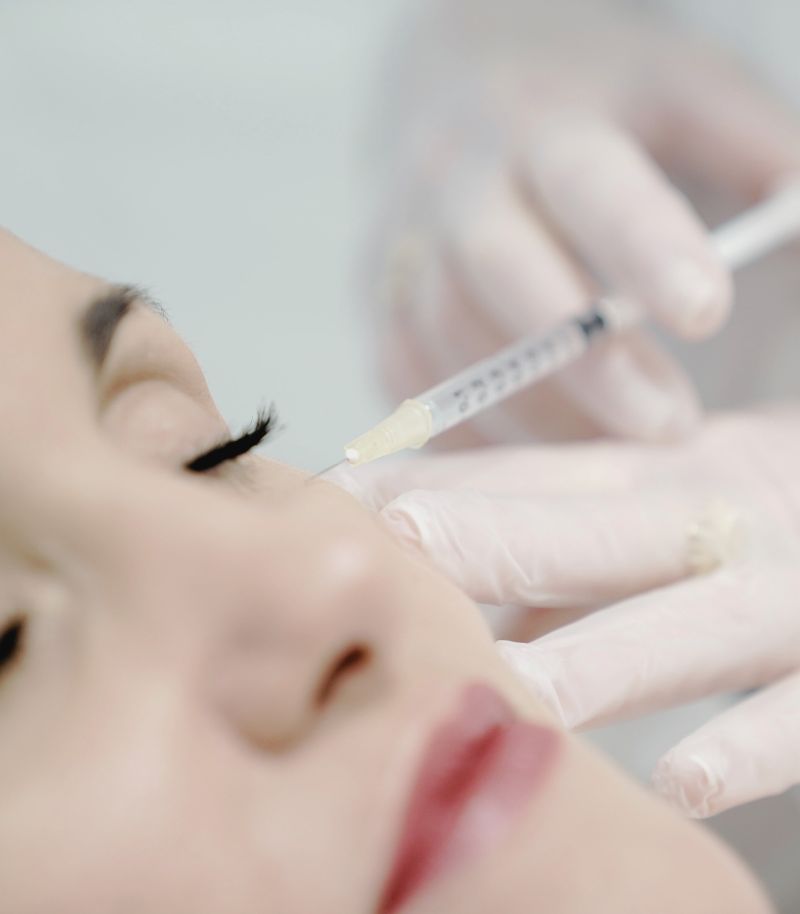
Injected treatments for scars
Injected therapies can be effective on their own and can also complement laser treatment. These combinations are key in many dermatological treatment plans, as they allow different aspects of scarring to be addressed and may improve outcomes.
Neuromodulators and injected drugs
Neuromodulators can help improve the appearance of selected recent scars by reducing tension in the surrounding skin. Intralesional corticosteroids can reduce inflammation and help control hypertrophic scarring and keloids in appropriately selected patients.
Regenerative medicine for scars
Dermal fillers, collagen-stimulating agents and autologous plasma-based biostimulators may be used to improve depressed (atrophic) scars, supporting texture and quality so the affected area blends better with adjacent skin.
Topical treatments for scars
Topical scar treatments are valuable as adjuncts to regenerative medicine and laser therapies, supporting outcomes through at-home care when appropriate.
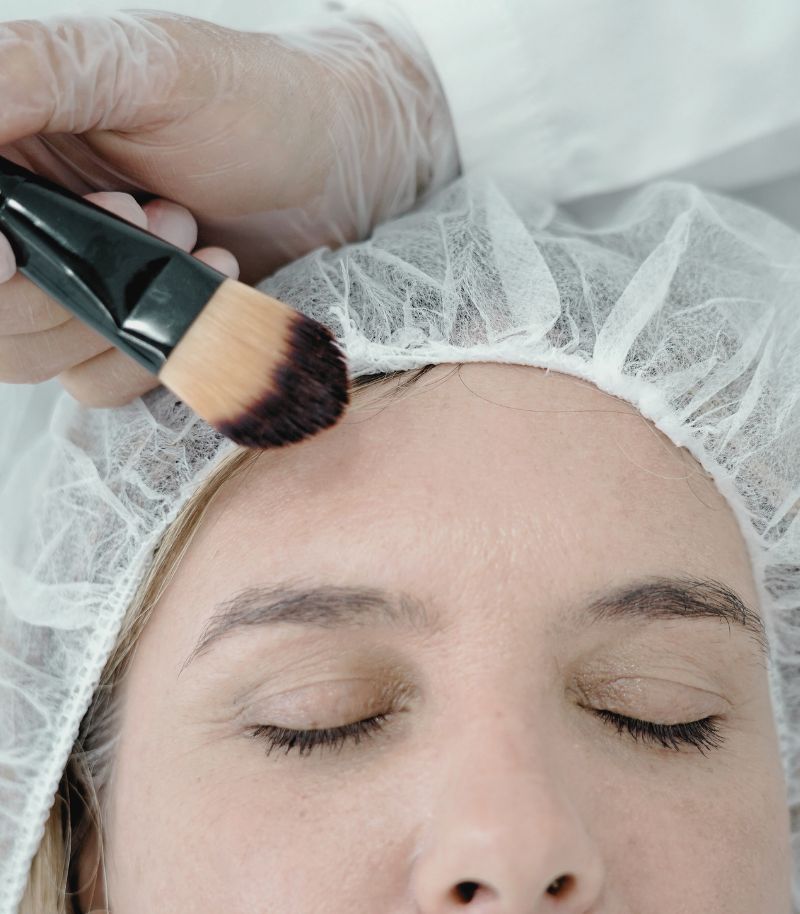
Medical peels
Medical peels promote skin renewal at different depths, helping even tone and smooth surface texture. Superficial, medium and deep peels may be considered depending on scar type, location and extent.
Silicone gel patches and Topical depigmentation
Silicone patches are commonly used to support wound healing after caesarean section or other surgery and to reduce the risk of hypertrophic or keloid scarring. They are often recommended alongside other treatments such as laser. Depigmenting creams contain active ingredients that help reduce excess pigmentation by modulating melanin production. They are often prescribed as personalised formulas and used as complements to other scar treatments.
Treatment of sunken scars
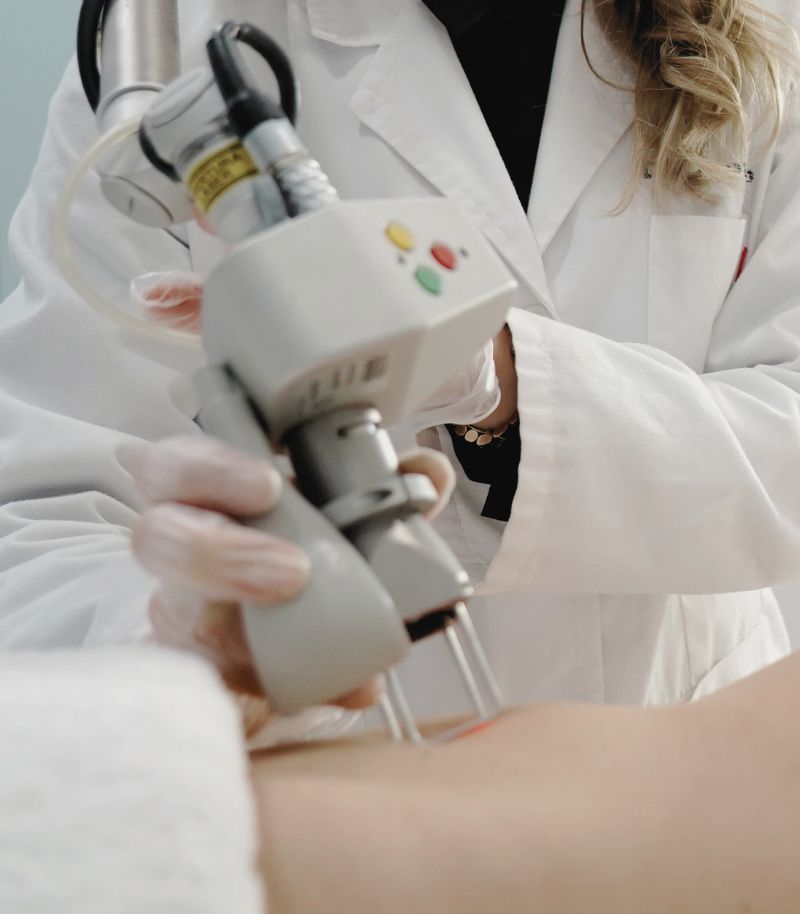
Also known as atrophic scars, these occur due to loss of tissue following inflammatory processes such as acne, surgery or trauma. They appear depressed because collagen has been disrupted in the dermis, leading to surface irregularities.
A range of technologies for a holistic approach
Effective options may include needle subcision or subcutaneous laser to release tethering fibres, dermal fillers to provide immediate lifting, and fractional lasers to stimulate collagen production and improve overall texture.
Regenerative medicine for sunken scars
In selected cases, treatment can be complemented with autologous plasma biostimulators or collagen inducers to support regeneration and promote a more even appearance.
Treatment of keloids
Keloids are pathological scars caused by excessive, disorganised collagen production during healing. Treatment can be complex and often requires a structured, combined approach. Recurrence is common, so follow-up is essential.
Personalised combined treatment
Common options include intralesional injections to reduce thickness and symptoms, as well as vascular or fractional lasers to improve colour and texture. In selected cases, these may be combined with cryotherapy or silicone therapy to enhance results and reduce recurrence risk.
Monitoring of keloids
Because keloids can recur, the scar specialists at Grupo Pedro Jaén establish a follow-up plan to detect early signs of regrowth and intervene promptly when needed.
Solutions for difficult scars
Burn scars, traumatic scars and certain surgical scars may require collaboration with the Laser Unit and Plastic Surgery Unit, particularly when they cause functional limitation in addition to cosmetic impact.
Plastic surgery for scars
Plastic surgery may be considered for large scars that have not responded to previous treatments and/or when there is functional impairment. Surgical scar revision involves removing scar tissue and re-suturing in a way that redistributes tension and supports improved healing.
Advanced surgical team
Surgical scar revision requires an individualised assessment to achieve the best possible outcome. Our highly specialised plastic and reconstructive surgeons support these complex cases with advanced techniques and careful planning.
More information
What it is, types and treatment
A guide to understanding scars
Scars are the visible marks left by the skin’s healing process after an injury, burn, cut or surgical incision, such as a caesarean section, as well as after inflammatory skin conditions such as acne. The underlying cause of the scar is closely related to its final appearance and classification. The most common types of scars include:
- Acne scars
- Stretch marks
- Burn scars
- Keloids
- Surgical scars
- Caesarean section scars
The wound-healing process
Wound healing is a natural biological mechanism that allows the body to close a wound and repair the skin, preventing deeper tissues from being exposed to harmful external pathogens. However, this process almost always leaves a visible trace—more or less noticeable—known as a scar.
To minimise skin damage and achieve the best possible cosmetic outcome, specialists at the Grupo Pedro Jaén Scars Unit recommend intervening as early as possible during the healing process, which consists of the following phases:
Coagulation
Once the dermis is injured, the coagulation phase begins. Platelets and red blood cells migrate to the wound site to form a clot, stopping bleeding and preventing further blood loss.
Inflammation
The inflammatory phase lasts approximately two to five days and aims primarily to prevent infection. During this period, the skin may appear swollen, painful and reddish or bruised, while immune mechanisms eliminate any microorganisms that may have entered the wound. In the case of surgical incisions, this phase is usually less pronounced, as the injury is produced in a controlled environment under sterile conditions.
Repair (proliferative phase)
During this stage, collagen production increases in order to repair damaged fibres and replace lost tissue. The wound edges tighten, the area becomes firmer and early scab formation occurs. This phase typically lasts between five and six weeks.
Remodelling (maturation phase)
The remodelling phase may continue for several months after the initial injury. Scabs fall off, inflammation subsides and the skin gradually becomes smoother and lighter in appearance. Over time, and under optimal conditions, the scar blends progressively with the surrounding skin. Although scars may become barely noticeable in some cases, the skin rarely returns to its exact pre-injury appearance.

Acne scars
Acne outbreaks may leave scars ranging from mild hyperpigmented marks to deep skin irregularities. They are one of the most common reasons for consultation due to their significant aesthetic impact, particularly as they most often affect the face.
Each patient has an individual predisposition to developing scars of varying severity. Although manipulating pimples and comedones increases the risk, acne scars cannot always be prevented. Acne scars can be classified as follows:
Hyperpigmented scars
All inflammatory processes—including acne—can alter melanin production and darken the affected area. In acne, this pigmentation is typically brownish and may persist even after the lesion has resolved.
Atrophic scars
Atrophic acne scars result from insufficient collagen production during healing and can be divided into three main types:
Ice-pick scars
These are small but deep scars that form when the wound does not heal properly due to insufficient connective tissue formation. They appear as narrow, deep depressions, most commonly on the cheeks.
Boxcar scars
These scars are wider than ice-pick scars and have sharply defined edges, giving them a box-like appearance. They typically occur on the cheeks and temples.
Rolling scars
Rolling scars are broader and smoother, creating an undulating appearance of the skin surface. They are more noticeable under angled lighting, as they cast irregular shadows.
Hypertrophic scars
Unlike atrophic scars, hypertrophic scars are characterised by an excess of scar tissue that rises above the surrounding skin at the site of injury.
Stretch marks
Stretch marks are a form of scarring caused by rupture of collagen and elastin fibres due to excessive stretching of the skin. Genetic and hormonal factors play a significant role, and they are particularly common during the later stages of pregnancy, as well as in situations involving rapid weight changes.
They most commonly affect the abdomen, thighs, hips and breasts. Treatment should ideally be initiated during the early stages—when stretch marks are still red or purplish—as their prognosis is poorer once they turn white.
Treatments can significantly improve and soften their appearance, although complete removal is rarely possible.
Keloids
Keloids are large, pathological scars that significantly alter skin structure. They result from abnormal tissue regeneration and excessive, disorganised collagen production during the healing process.
A distinctive feature of keloids is that they may sometimes appear spontaneously, without a clear triggering injury, particularly on the trunk. More commonly, however, they develop after inflammation, trauma, surgery or caesarean section.
Keloids are typically dark in colour and may lighten gradually over time, although they rarely blend fully with the surrounding skin. They are characterised by continuous growth that extends beyond the original wound margins, giving them a raised and bulky appearance. Treatment of keloids is complex and outcomes are often unpredictable. Management requires a comprehensive, multidisciplinary approach and may need to be repeated, as keloids have a high recurrence rate.
“In general, the best outcomes are achieved by combining different therapeutic options and initiating treatment at an early stage”
Surgical scars
Surgical scars are those that result from medical procedures in which the skin must be incised. In addition to each patient’s individual skin characteristics, the healing of a surgical wound is influenced by factors such as the size of the incision, its location (for example, the upper back and chest tend to heal less favourably than other areas of the body), and post-operative care. Removing scabs prematurely, taking dressings or stitches out too early, or failing to protect the area from sun exposure can all increase the risk of impaired healing and suboptimal scar formation.
Caesarean section scars
Among surgical scars, caesarean section scars are one of the most frequently treated at the Grupo Pedro Jaén Scars Unit. Caesarean scars have specific characteristics that make their management more complex: they have a higher tendency to become hypertrophic, remain red for longer periods and carry an increased risk of reopening due to their location on the abdomen, an area subject to constant tension and pressure.
To prevent a caesarean scar from becoming overly visible or aesthetically unfavourable, early treatment is recommended. Silicone gel sheets should be applied during the first months after delivery to support optimal healing.
Caesarean scars can also be treated with laser therapy, combining vascular lasers to reduce inflammation and redness with CO₂ laser treatment to smooth and improve skin texture. Specialists at our Scars Unit advocate starting laser sessions at the earliest stages of healing—ideally as soon as sutures are removed—as this approach yields the best outcomes.
If the caesarean scar has not improved, has become raised, or treatment is initiated long after delivery, additional options may be considered. These include hyaluronic acid fillers for depressed scars, exfoliating and skin-renewing agents, depigmenting creams and lotions, and different types of laser therapy. In the most severe cases of keloid formation, surgical intervention may be required.
Burn scars
The treatment of burn scars is particularly challenging due to the contracture and tissue deformation they often cause, which significantly limits remodelling. In addition to their aesthetic impact, many burn scars are associated with functional impairment—such as difficulty swallowing, blinking or speaking—when located near natural orifices. Management requires a combined protocol that draws on all available resources within the Scars Unit and is adapted to the specific characteristics of each case. In many situations, collaboration with reconstructive surgery specialists from the Plastic Surgery Unit is essential to achieve the best possible functional and aesthetic outcomes.
Laser and other treatments for scars
Each type of scar has unique characteristics, and different therapeutic options may be considered to achieve optimal results. For this reason, being treated by experienced scar specialists who have access to the most advanced technologies and treatment modalities can make a decisive difference in improving scar appearance and minimising residual marks.
Scar treatments and main indications
Grupo Pedro Jaén offers a wide range of laser systems and complementary techniques that are personalised according to each patient’s needs:
Vascular laser
Used to control inflammation, prevent skin hyperpigmentation and reduce the formation of scars associated with inflammatory processes. Due to its affinity for haemoglobin, vascular laser technology is particularly effective in reducing the redness characteristic of the early stages of scarring.
Its inhibitory effect on abnormal vascular proliferation also helps prevent the development of atrophic tissue. Vascular lasers are especially useful in the treatment of acne scars, recent stretch marks, caesarean scars, hypertrophic scars, keloids and, in general, scars in their earliest stages.
Fractional laser (ablative and non-ablative)
Both ablative and non-ablative fractional lasers may be used depending on scar severity. These systems help reduce skin atrophy and improve texture, making the scarred area more similar to surrounding skin. Their ability to reorganise collagen fibres makes them particularly effective in achieving more aesthetically pleasing results. Fractional laser systems are commonly used in the treatment of hypertrophic scars, acne scars and keloids.
Pigment laser
Used to lighten dark pigmentation left by scars due to altered melanin synthesis—a phenomenon more common in darker skin phototypes. When scars are hypopigmented (whitish and lighter than surrounding skin), excimer laser therapy may be indicated.
Intralesional medication
Some hypertrophic scars benefit from direct injection of anti-inflammatory and antiproliferative medications to control excessive scar tissue growth. In certain cases, these treatments are combined with laser therapy to enhance delivery and effectiveness.
Medical peels
Medical peels promote skin renewal at different depths, helping even tone and smooth surface texture. Superficial, medium and deep peels may be considered depending on scar type, location and extent.
Topical depigmenting agents
Creams containing active ingredients that inhibit melanin synthesis are used to treat hyperpigmented scars. They are generally employed as an adjunct to other scar therapies.
Dermal fillers
In selected cases, specialists may use resorbable dermal fillers or collagen inducers to elevate deeply depressed scars and even out the skin surface. These products also stimulate collagen production, improving skin firmness and texture. Filler treatments are usually combined with laser therapy for optimal results.
Regenerative techniques
Based on components derived from the patient’s own body, regenerative therapies can improve wound healing when used early and enhance the texture and appearance of atrophic scars. They are typically used as a complement to laser therapy and subcision.
Silicone gel sheets
Primarily used to support healing of surgical wounds and caesarean scars, helping to prevent hypertrophic scarring and keloid formation. They are a key adjunct in post-surgical scar management.
Injected medication for muscle relaxation
Scars characterised by excessive tension or contracture may benefit from injections of muscle-relaxing agents commonly used in the treatment of expression lines.
Cryotherapy
This technique involves destroying scar tissue by freezing the affected area with liquid nitrogen. It is mainly used in the treatment of recurrent keloids.
Plastic surgery
Indicated primarily for large scars that have not responded to previous treatments and/or when there is functional impairment. Surgical scar revision involves excising the scar tissue and resuturing in a way that redistributes tension, allowing for improved healing. According to most specialists, the optimal time for surgical treatment is once the scar has fully matured—when swelling has subsided, colour has faded and the tissue has softened. However, each case requires an individualised assessment. In these situations, the Scars Unit works closely with the Grupo Pedro Jaén Plastic Surgery Unit.

More information
Below you will find guidance on scar care, authorship and references related to the information provided on this page.
How to care for scars
Several factors can interfere with proper healing and negatively affect the final appearance of a scar. However, following these recommendations can help ensure optimal recovery and make scars as discreet as possible:
Cleansing
During the first days after injury, keeping the area clean is essential to prevent infection. Washing gently with water and mild soap, drying with lint-free gauze or cotton, and applying an antiseptic is usually sufficient.
Depending on wound size and individual circumstances, the physician may recommend covering the area with specialised dressings initially. After the first few days, leaving the wound uncovered is often preferable to speed up healing.
Avoid smoking
Smoking is one of the most harmful habits for tissue healing. Nicotine and other chemicals reduce skin hydration, impair oxygenation and inhibit collagen synthesis—processes essential for tissue regeneration and proper scar formation.
Strict sun protection
Healing skin is particularly vulnerable to ultraviolet radiation. Sun exposure without adequate protection can lead to hyperpigmentation and darkened scars. The area should be protected with physical barriers and broad-spectrum sunscreens with SPF 50.
Hydration
Once the wound has closed, maintaining good skin hydration is essential to preserve elasticity and support regeneration. While oils such as rosehip or argan oil may be suitable for uncomplicated scars, more resistant scars often require specialised products with stronger emollient and moisturising effects.
Dermatological advice is recommended to determine the most appropriate option. In the case of caesarean scars, this is especially important to avoid ingredients that may be contraindicated during pregnancy or breastfeeding.
Authorship and references
The content of this page has been prepared by the Communication Department and the Medical Team of Grupo Pedro Jaén, in line with our editorial commitment to ensuring the accuracy and up-to-date nature of the information provided.
References on scar treatment:
1. Khansa I, Harrison B, Janis JE. Evidence-Based Scar Management: How to Improve Results with Technique and Technology. Plast Reconstr Surg. 2016 Sep;138(3 Suppl):165S-178S. doi: 10.1097/PRS.0000000000002647. PMID: 27556757.
2. Meaume S, Le Pillouer-Prost A, Richert B, Roseeuw D, Vadoud J. Management of scars: updated practical guidelines and use of silicones. Eur J Dermatol. 2014 Jul-Aug;24(4):435-43. doi: 10.1684/ejd.2014.2356. PMID: 25141160.
3. Monstrey S, Middelkoop E, Vranckx JJ, Bassetto F, Ziegler UE, Meaume S, Téot L. Updated scar management practical guidelines: non-invasive and invasive measures. J Plast Reconstr Aesthet Surg. 2014 Aug;67(8):1017-25. doi: 10.1016/j.bjps.2014.04.011. Epub 2014 May 14. PMID: 24888226.
4. Ziegler UE. Internationale Klinische Empfehlungen zur Narbenbehandlung [International clinical recommendations on scar management]. Zentralbl Chir. 2004 Aug;129(4):296-306. German. doi: 10.1055/s-2004-822830. PMID: 15354252.
5. Baisch A, Riedel F. Hyperplastische Narben und Keloide. Teil I: Grundlagen und Prävention [Hyperplastic scars and keloids. Part I: basics and prevention]. HNO. 2006 Nov;54(11):893-904; quiz 905. German. doi: 10.1007/s00106-006-1462-z. PMID: 17041777.
6. Baisch A, Riedel F. Hyperplastische Narben und Keloide: Teil II: Chirurgische und konservative Behandlungsmodalitäten [Hyperplastic scars and keloids: part II: Surgical and non-surgical treatment modalities]. HNO. 2006 Dec;54(12):981-92; quiz 993-4. German. doi: 10.1007/s00106-006-1463-y. PMID: 17033787.7.
7. Arno AI, Gauglitz GG, Barret JP, Jeschke MG. Up-to-date approach to manage keloids and hypertrophic scars: a useful guide. Burns. 2014 Nov;40(7):1255-66. doi: 10.1016/j.burns.2014.02.011. Epub 2014 Apr 24. PMID: 24767715; PMCID: PMC4186912.
8. Gauglitz GG, Kunte C. Empfehlungen zur Prävention und Therapie hypertropher Narben und Keloide [Recommendations for the prevention and therapy of hypertrophic scars and keloids]. Hautarzt. 2011 May;62(5):337-46. German. doi: 10.1007/s00105-010-2087-4. PMID: 21468729.
9. McGoldrick RB, Theodorakopoulou E, Azzopardi EA, Murison M. Lasers and ancillary treatments for scar management Part 2: Keloid, hypertrophic, pigmented and acne scars. Scars Burn Heal. 2017 Mar 14;3:2059513116689805. doi: 10.1177/2059513116689805. PMID: 29799579; PMCID: PMC5965340.
10. Del Toro D, Dedhia R, Tollefson TT. Advances in scar management: prevention and management of hypertrophic scars and keloids. Curr Opin Otolaryngol Head Neck Surg. 2016 Aug;24(4):322-9. doi: 10.1097/MOO.0000000000000268. PMID: 27163611.
11. Khatri KA, Mahoney DL, McCartney MJ. Laser scar revision: A review. J Cosmet Laser Ther. 2011 Apr;13(2):54-62. doi: 10.3109/14764172.2011.564625. PMID: 21401378.
12. Elsaie ML, Choudhary S, McLeod M, Nouri K. Scars. Curr Probl Dermatol. 2011;42:131-139. doi: 10.1159/000328274. Epub 2011 Aug 16. PMID: 21865805.
13. Alster TS, Handrick C. Laser treatment of hypertrophic scars, keloids, and striae. Semin Cutan Med Surg. 2000 Dec;19(4):287-92. doi: 10.1053/sder.2000.18369. PMID: 11149609.
14. Gauglitz GG, Pötschke J, Clementoni MT. Laser und Narben [Therapy of scars with lasers]. Hautarzt. 2018 Jan;69(1):17-26. German. doi: 10.1007/s00105-017-4072-7. PMID: 29116332.
15. de las Alas JM, Siripunvarapon AH, Dofitas BL. Pulsed dye laser for the treatment of keloid and hypertrophic scars: a systematic review. Expert Rev Med Devices. 2012 Nov;9(6):641-50. doi: 10.1586/erd.12.56. PMID: 23249157.
16. Elsaie ML. Update on management of keloid and hypertrophic scars: A systemic review. J Cosmet Dermatol. 2021 Sep;20(9):2729-2738. doi: 10.1111/jocd.14310. Epub 2021 Jul 3. PMID: 34169622.
17. Rabello FB, Souza CD, Farina Júnior JA. Update on hypertrophic scar treatment. Clinics (Sao Paulo). 2014 Aug;69(8):565-73. doi: 10.6061/clinics/2014(08)11. PMID: 25141117; PMCID: PMC4129552.
18. Lee HJ, Jang YJ. Recent Understandings of Biology, Prophylaxis and Treatment Strategies for Hypertrophic Scars and Keloids. Int J Mol Sci. 2018 Mar 2;19(3):711. doi: 10.3390/ijms19030711. PMID: 29498630; PMCID: PMC5877572.
19. Berman B, Maderal A, Raphael B. Keloids and Hypertrophic Scars: Pathophysiology, Classification, and Treatment. Dermatol Surg. 2017 Jan;43 Suppl 1:S3-S18. doi: 10.1097/DSS.0000000000000819. PMID: 27347634.
20. Slemp AE, Kirschner RE. Keloids and scars: a review of keloids and scars, their pathogenesis, risk factors, and management. Curr Opin Pediatr. 2006 Aug;18(4):396-402. doi: 10.1097/01.mop.0000236389.41462.ef. PMID: 16914994.
21. Boen M, Jacob C. A Review and Update of Treatment Options Using the Acne Scar Classification System. Dermatol Surg. 2019 Mar;45(3):411-422. doi: 10.1097/DSS.0000000000001765. PMID: 30856634.
22. Zaleski-Larsen LA, Fabi SG, McGraw T, Taylor M. Acne Scar Treatment: A Multimodality Approach Tailored to Scar Type. Dermatol Surg. 2016 May;42 Suppl 2:S139-49. doi: 10.1097/DSS.0000000000000746. PMID: 27128240.
23. Basta-Juzbašić A. Current therapeutic approach to acne scars. Acta Dermatovenerol Croat. 2010;18(3):171-5. PMID: 20887698.
24. Lanoue J, Goldenberg G. Acne scarring: a review of cosmetic therapies. Cutis. 2015 May;95(5):276-81. PMID: 26057505.
25. Levy LL, Zeichner JA. Management of acne scarring, part II: a comparative review of non-laser-based, minimally invasive approaches. Am J Clin Dermatol. 2012 Oct 1;13(5):331-40. doi: 10.2165/11631410-000000000-00000. PMID: 22849351.
26. Tam C, Khong J, Tam K, Vasilev R, Wu W, Hazany S. A Comprehensive Review of Non-Energy-Based Treatments for Atrophic Acne Scarring. Clin Cosmet Investig Dermatol. 2022 Mar 14;15:455-469. doi: 10.2147/CCID.S350040. PMID: 35359828; PMCID: PMC8963193.
27. Soliman YS, Horowitz R, Hashim PW, Nia JK, Farberg AS, Goldenberg G. Update on acne scar treatment. Cutis. 2018 Jul;102(1):21;25;47;48. PMID: 30138491.
28. Forbat E, Al-Niaimi F. Treatment of striae distensae: An evidence-based approach. J Cosmet Laser Ther. 2019;21(1):49-57. doi: 10.1080/14764172.2017.1418515. Epub 2018 Feb 16. PMID: 29451986.
29. Liu L, Ma H, Li Y. Interventions for the treatment of stretch marks: a systematic review. Cutis. 2014 Aug;94(2):66-72. PMID: 25184641.
30. Sobanko JF, Alster TS. Management of acne scarring, part I: a comparative review of laser surgical approaches. Am J Clin Dermatol. 2012 Oct 1;13(5):319-30. doi: 10.2165/11598910-000000000-00000. PMID: 22612738.
31. Sadick NS, Cardona A. Laser treatment for facial acne scars: A review. J Cosmet Laser Ther. 2018 Nov-Dec;20(7-8):424-435. doi: 10.1080/14764172.2018.1461230. Epub 2018 Nov 5. PMID: 30395754.
32. Newberry CI, Thomas JR, Cerrati EW. Facial Scar Improvement Procedures. Facial Plast Surg. 2018 Oct;34(5):448-457. doi: 10.1055/s-0038-1669400. Epub 2018 Oct 8. PMID: 30296796.
33. Karmisholt KE, Taudorf EH, Wulff CB, Wenande E, Philipsen PA, Haedersdal M. Fractional CO2 laser treatment of caesarean section scars-A randomized controlled split-scar trial with long term follow-up assessment. Lasers Surg Med. 2017 Feb;49(2):189-197. doi: 10.1002/lsm.22606. Epub 2016 Nov 8. PMID: 27862066.
34. Zhang N, Yu X, Zhao J, Yu J, Shi K, Liu T. Fractional CO2 laser therapy for cesarean scar under the guidance of multiple evaluation methods: A retrospective study. J Cosmet Dermatol. 2021 Jul;20(7):2119-2124. doi: 10.1111/jocd.13840. Epub 2020 Nov 30. PMID: 33185305.
35. Eilers RE Jr, Ross EV, Cohen JL, Ortiz AE. A Combination Approach to Surgical Scars. Dermatol Surg. 2016 May;42 Suppl 2:S150-6.
36. Koike S, Akaishi S, Nagashima Y, Dohi T, Hyakusoku H, Ogawa R. Nd:YAG Laser Treatment for Keloids and Hypertrophic Scars: An Analysis of 102 Cases. Plast Reconstr Surg Glob Open. 2015 Jan 8;2(12):e272.
37. Cassuto DA, Scrimali L, Siragò P. Treatment of hypertrophic scars and keloids with an LBO laser (532 nm) and silicone gel sheeting. J Cosmet Laser Ther. 2010 Feb;12(1):32-7.
Where we see patients?
Clinics in Madrid
Grupo Pedro Jaén is a medical group founded more than three decades ago with the aim of providing medical, surgical and aesthetic solutions related to skin health and appearance. Led by Dr Pedro Jaén, the group has a highly specialised medical team that covers every area of care with top-level specialists, carries out extensive training activities, is a leader in medical research, and operates several clinics in Madrid, from which it offers the highest standards of care and clinical excellence to all patients.

Calle Serrano 143
This centre is the main headquarters of Grupo Pedro Jaén. It provides diagnostic and treatment services in skin cancer, clinical and aesthetic dermatology, laser treatments and other related specialties.
Mon - Fri: 09:00 - 21:00 / Sat: 09:00 - 14:00
Calle Serrano 143, El Viso neighbourhood, Chamartín district, 28006 Madrid, Spain

La Moraleja
Located in Plaza de La Moraleja, this exclusive centre allows Grupo Pedro Jaén to bring its medical and aesthetic services closer to patients across the entire northern area of Madrid.
Mon - Thu: 09:30 - 20:00 / Fri: 09:30 - 18:00
Calle de la Estafeta 8, ground floor, La Moraleja, 28109 Alcobendas, Madrid, Spain

Calle Serrano 166
This centre currently offers services in body aesthetic medicine, endocrinology, nutrition, complementary aesthetic medicine and post-surgical aesthetic treatments.
Mon - Fri: 09:00 - 21:00 / Sat: 09:00 - 14:00
Calle Serrano 166, El Viso neighbourhood, Chamartín district, 28002 Madrid

Related units and pages
Acne Unit
Experts in treatments that enable long-term control of this condition.
Facial aesthetics
Minimally invasive treatments to improve facial appearance with harmonious and natural-looking results.
Complementary aesthetics
Cosmetic and aesthetic treatments that address beauty from a clinical perspective to achieve optimal results.
Information and news
Press room
In the Grupo Pedro Jaén Press Room you can find information, advice and news related to dermatology, aesthetic medicine, trichology and general health. The group’s journals are also shared through an online platform, along with updates on the activity and media appearances of our clinics and healthcare professionals.

How to shower properly: tips for looking after your skin
Cold or hot water? Is it better to use a sponge? Find out how to shower properly and what dermatologists recommend to protect your skin.
Retinol in summer: should you stop using it?
We debunk this and other myths about using retinol during the warmer months.

Blog
News about Grupo Pedro Jaén. Information and advice on dermatology, aesthetic medicine, trichology, and general health

Media
Information about media appearances by our clinics and medical specialists.

Journal
Archive of all Grupo Pedro Jaén journals, available through an external online platform.